
The Fiat Barchetta Design Story: A Little Boat with Grand Ambitions
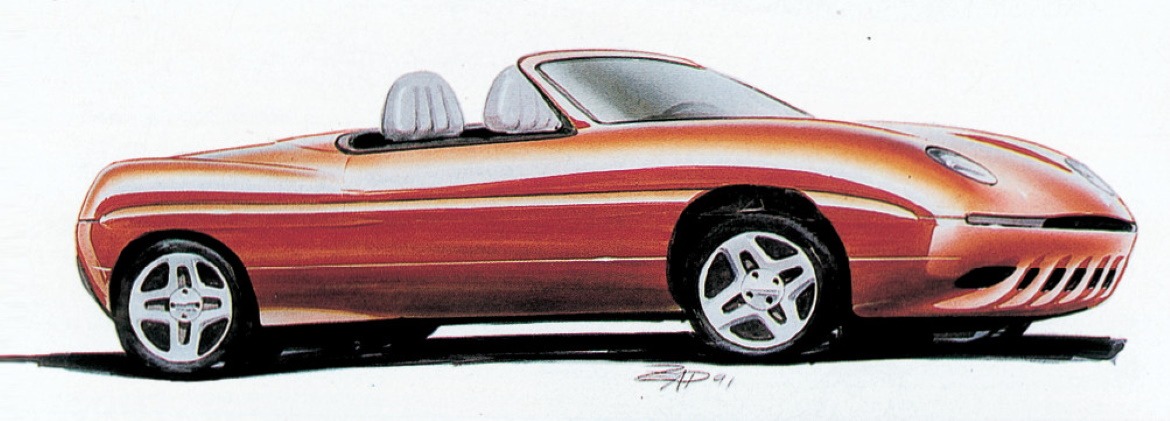
In the mid-1990s, Fiat set sail on a sea of nostalgia and novelty with the Fiat Barchetta, a pint-sized roadster whose name literally means “little boat.” This quirky two-seater combined retro styling cues with modern engineering, all wrapped up in a package aimed at evoking la dolce vita driving fun. Born in an era when sports cars were making a comeback, the Barchetta’s journey from concept to reality is a tale filled with creative design decisions, clever engineering shortcuts, numerous special editions named after sunny locales (and even an online experiment), plus a few wild prototypes. The story of the Barchetta is as colorful and engaging as the car itself – humorous in hindsight yet seriously impressive in execution.
Genesis of the Barchetta: A 1990s Roadster Revival
The Barchetta’s origins trace back to 1991, when Fiat’s then-CEO Paolo Cantarella mused that it would be great to “round off the Fiat range with a little spider.” At the time, Mazda’s MX-5 Miata had proven that small, affordable roadsters could be a hit, and other manufacturers were scrambling to catch up. Fiat, with its rich history of drop-top spiders (like the 124 Sport Spider and the tiny 850 Spider), saw an opportunity to revive the tradition. However, there was a catch: any new roadster had to be developed on a shoestring budget. The company was riding high on successes of the early ’90s (the new Punto hatchback, for one) but wasn’t about to sink a fortune into a niche product. Thus, the Barchetta project began almost as an after-hours skunkworks effort, piggybacking on the development of the Fiat Punto. Front-wheel drive and parts-bin engineering would have to do – purists be damned – if this “little boat” was to ever set sail.
Fiat code-named the project Tipo B Spider 176 (indicating its relation to the Tipo 176 Punto platform). Early on, it was an unconventional idea: a front-wheel-drive roadster in a world that idealized rear-drive sports cars. Yet, Fiat wasn’t alone in this approach; the Lotus Elan M100 and Australia’s Ford Capri had tried FWD roadsters a few years prior. Learning from those, Fiat proceeded wryly aware of the Barchetta’s intended purpose: fun, style, and accessible performance over raw track numbers. Development kicked off in 1990 and gathered steam by 1992, without a strict deadline – it was a labor of love by a small team rather than a corporate mandate. The lack of initial pressure may have actually helped the designers and engineers get creative.
Designing the “Little Boat”: From Pizza to Production
No great Italian story is complete without a little pizza, and the Barchetta’s design phase literally had some. In early brainstorming, four distinct styling proposals for the new roadster were nicknamed after pizzas – Marinara, Diavola, Atomica, and Bismarck – an inside joke that also reflected each design’s flavor. The team at Centro Stile Fiat let their imaginations run free. One proposal (“Diavola”) had aggressive, edgy cues reminiscent of the contemporary Fiat Coupé. Another (“Atomica”) was a softer, friendlier take on the same concept. A third (“Bismarck”) was boxier and more avant-garde – allegedly with chunky proportions that were quickly deemed unappetizing. In the end, it was the “Marinara” concept that won the day, blending classic roadster elegance with just the right amount of modern spice. This winning design featured smooth, undulating lines uninterrupted by fussy details – a clean beltline and a subtly kick-up rear fender that paid homage to vintage Italian sports cars like the 1948 Ferrari 166 Touring Barchetta. It managed to be retro without being a pastiche, and modern without feeling cold.
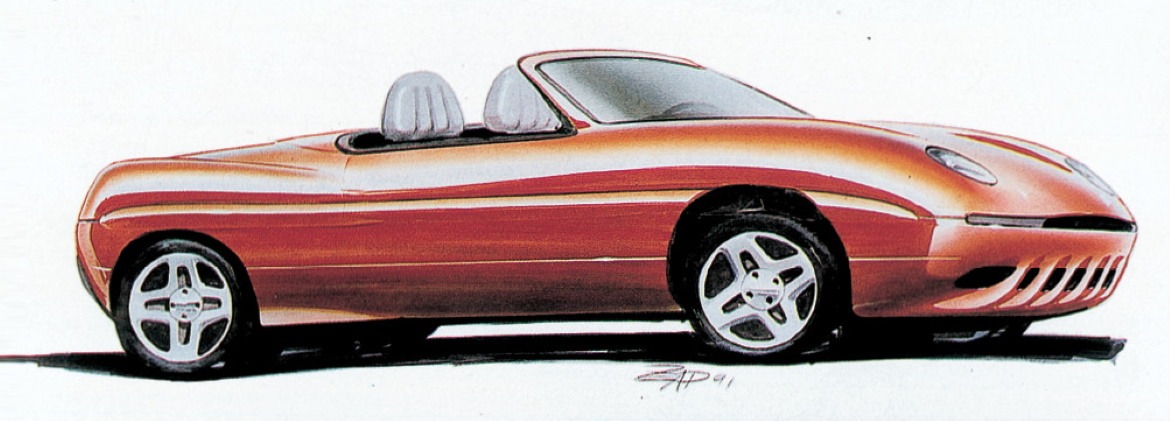
The Marinara theme was the brainchild of a young Greek designer, Andreas Zapatinas, who was then a lead exterior designer at Fiat. Zapatinas and his colleague Alessandro Cavazza crafted the Barchetta’s exterior under the supervision of more seasoned design chiefs. In fact, the project weathered a few leadership changes: during its development, Fiat’s design direction passed from Mario Maioli to Nevio Di Giusto to Chris Bangle – each leaving their mark. (Yes, that Chris Bangle, who would soon decamp to BMW, was Fiat’s chief designer for exteriors at the time and lent his guidance to the Barchetta before moving on.) Through it all, Ermanno Cressoni, a veteran of Italian car design, acted as a guardian angel over the project, ensuring continuity. By 1992, Zapatinas had been appointed “chief designer – cars” for the project, coordinating efforts between exterior and interior teams. He later handed the reins to Cavazza to carry the design over the finish line. This small, tight-knit team poured their passion into the little roadster.

The result was a timeless shape that still turns heads. The Barchetta’s front end is characterized by smoothly integrated, faired-in headlamps giving a friendly “face,” and a wide grille slit that hinted at 1960s racing cars. Its profile is clean and unbroken – notably, there are no side rub strips or clutter, just a single defining line. Perhaps the most charming touch: the door handles. Instead of ordinary grab handles, the Barchetta features little chrome flaps flush with the door – you push one side and the other side pops out, a delicate nod to classic roadsters. (It’s a far simpler, more elegant solution than today’s motorized pop-out handles on high-tech EVs.) Those door handles became something of a Barchetta signature, delighting owners and confusing the uninitiated in equal measure.

The interior design was no less considered. Two designers, Peter Barrett Davis and Giuseppe Bertolusso, crafted the cabin to be an extension of the exterior’s body-colored fun. In true 1990s fashion, the Barchetta’s interior features splashes of the exterior color on the door tops and console, giving it a cheerful, coordinated look (a cue borrowed from the Fiat Coupé’s celebrated interior). The gauges have classic white backgrounds with black lettering, providing a sporty, vintage vibe, and the overall layout is uncluttered. Despite its humble origins, the Barchetta’s cockpit felt sporty and special, with better materials than Fiats of the malaise 1980s era and thoughtful details to remind you this wasn’t just another econobox. From the stitched leather on the steering wheel to the simple metal shift knob, the little Fiat radiated an old-school roadster charm updated for modern times.
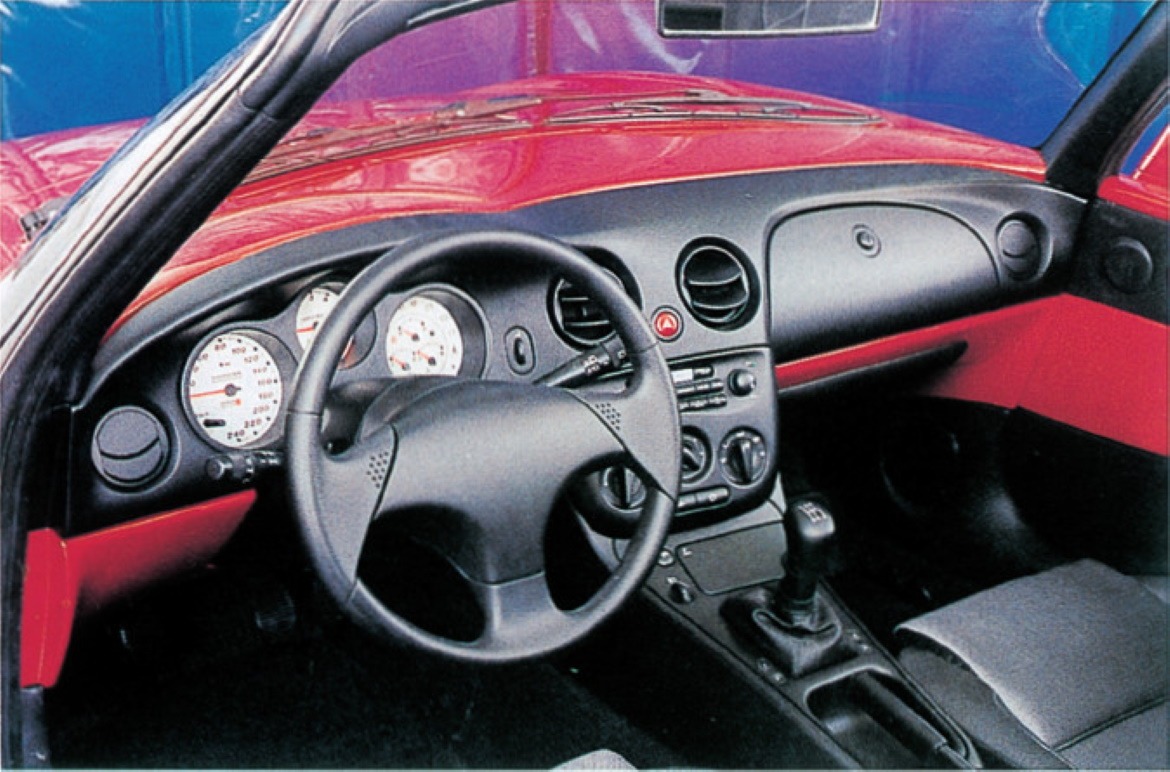
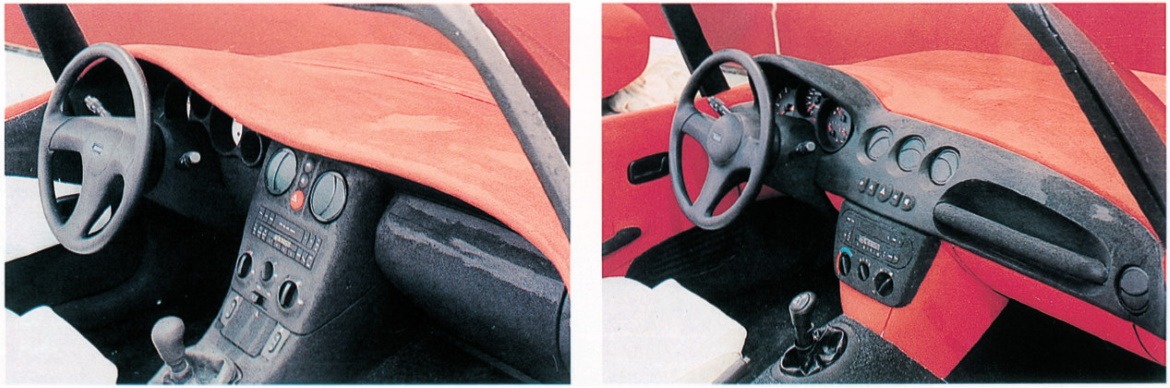
By late 1993, the design was frozen and ready – the Barchetta looked every inch the part of a playful Italian spider that could make even a grocery run feel like the Mille Miglia. But looks are only half the story. Underneath that pretty body, the engineers had been working equal magic (and doing so on a tight budget).
From Prototype to Production: How Fiat Built the Barchetta
To make the Barchetta a production reality, Fiat’s engineers employed creative engineering judo. They leveraged the proven underpinnings of the Fiat Punto (Mk1) – a front-wheel-drive platform not at all intended for a sports car – and made it work for an open-top two-seater. The Punto’s chassis was shortened to create the Barchetta’s compact wheelbase, and the track (width between wheels) was similar, giving the car a stubby, agile stance. Suspension components were borrowed largely unchanged: MacPherson struts up front and coil-sprung trailing arms in the rear. While not as exotic as a rear-drive setup, this made the Barchetta affordable to develop and build, and provided benign, predictable handling. Fiat had experience turning humble platforms into fun cars (the 850 Spider of the 1960s was essentially an 850 economy car turned into a rear-engine droptop by Bertone), so this was in the company’s blood.
One area where the Barchetta did get a bespoke upgrade was the engine. It drew power from the Punto’s largest available engine at the time – but with a twist. Under the hood lies a 1.747-liter DOHC 16-valve inline-4, equipped with variable valve timing and breathing through fuel injection. This peppy motor produced around 130 horsepower at 6300 rpm, healthy for a featherweight roadster. It wasn’t a ferocious sports-car engine, but it gave the Barchetta lively acceleration (0–100 km/h in roughly 8.9 seconds) and a top speed around 200 km/h – more than enough to tousle your hair on a twisty coastal road. Importantly, it had a character that fit the car: smooth, rev-happy, and eager, with that distinct Italian exhaust note that makes even a trip for gelato sound exciting. A 5-speed manual transmission (no automatic was ever offered) sent power to the front wheels. Purists raised an eyebrow at the front-drive layout, but Fiat knew most buyers wouldn’t mind a bit of safe understeer – especially in exchange for Italian style at a reachable price.
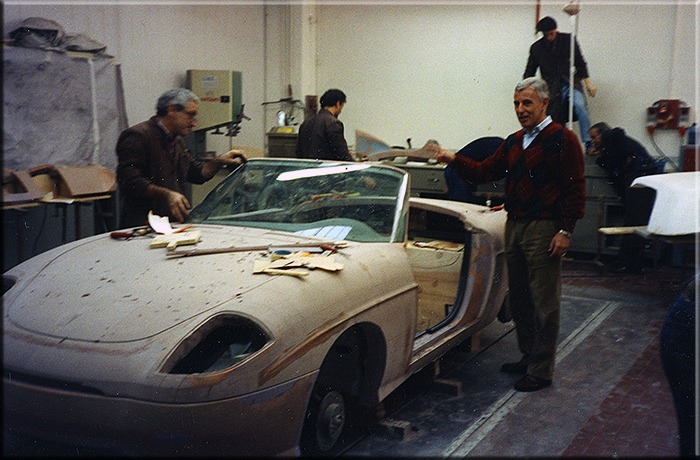
Developing a convertible on a compact front-wheel-drive platform came with challenges. Without a roof, the Barchetta’s structure required significant reinforcement, including strengthened sills, floor sections, and a rigid windshield frame capable of functioning as a rollover hoop. To maintain rigidity while keeping weight in check, complex welds and additional bracing were added. This made production more labor-intensive than a standard hatchback, prompting Fiat to outsource construction to specialists.
In early 1992, Fiat brought together three partners—STOLA, ITCA, and Maggiora—to execute the Barchetta project under tight time and budget constraints. STOLA was responsible for early prototyping, engineering, and the creation of two fully functional sheet-metal prototypes, following a detailed clinic model tour across Europe in 1991. ITCA would manage chassis development and test vehicles, while Maggiora took charge of the final assembly and production line setup.
🔗 Read more: The Fiat Coupé Design Story: How Fiat Beat Pininfarina at Its Own Game
Maggiora, already known for building the Lancia Delta Integrale and other low-volume models, began preparing the Chivasso plant for Barchetta production. There, starting in 1995, the cars were assembled with a degree of hand-finishing rarely seen in mass production. Meanwhile, painting operations were handled by Bertone’s facility in Grugliasco, leveraging existing infrastructure to control costs and maintain quality.
This consortium approach allowed Fiat to meet its ambitious production goals: from design freeze to showroom launch in just 24 months, with a strict budget of 100 billion lire. Though not as cost-efficient as Fiat’s high-volume lines, the result was a roadster that combined industrial precision with craftsmanship typical of Italian carrozzeria tradition. The Barchetta’s final structure weighed between 1050 and 1100 kg, offering a balance of agility and structural integrity suitable for spirited driving—especially with the top down on a smooth coastal road.
1995 Debut: Making Waves in Geneva
By early 1995, the Fiat Barchetta was ready for its grand launch. Production had quietly begun in February 1995 at Maggiora, and just weeks later the car made its public debut at the Geneva Motor Show in March 1995. Painted in a bright shade of orange-red and accompanied by an Italian flair for drama, the Barchetta instantly charmed showgoers and the press. Here was a car that seemed to bottle the essence of carefree Mediterranean motoring – compact and cute yet undeniably sporty, with a wink to the past and a nod to the future.
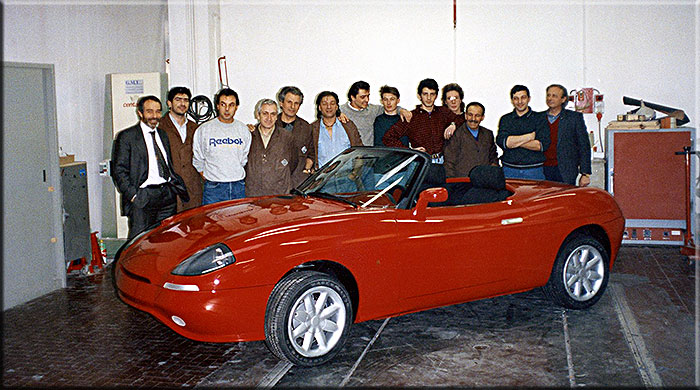
Enthusiasts took note: after all, by 1995 many mainstream manufacturers were trotting out new roadsters (Mazda’s Miata had lit the spark in 1989; BMW had the Z3 by ’95; MG had the mid-engine MGF; even Mercedes was launching the SLK). The Barchetta was Fiat’s answer to this roadster renaissance, and it answered with Italian style. Despite being front-wheel drive (where rivals like the Miata and BMW were rear-drive), the Barchetta received positive reviews for its balanced handling and responsive engine. It wasn’t a razor-sharp track car, but it wasn’t meant to be – it was a sunny Sunday cruiser, and for that it was nearly perfect. With the top down and an open road, the little Fiat delivered a grin-inducing experience. Even its manual soft top (which you had to unlatch and throw back by hand under a metal tonneau cover) was old-school, but in a charming way – no complex power mechanism to go wrong, just a simple lightweight ragtop.
Fiat positioned the Barchetta at an affordable-but-not-cheap price point, slightly above the Miata in Europe. It came well-equipped from the start (power windows, good audio, and later, things like ABS brakes and airbags became standard). Initially, the Barchetta was offered only in left-hand drive, which unfortunately limited its markets. Drivers in the UK and other RHD countries could only get one as a special import, and they’d have to sit on the “wrong” side. Fiat judged the cost of engineering a right-hand drive version to be too high for the expected sales – a decision that would later lead to some creative workarounds (more on that soon).
Sales began in Italy and across continental Europe, as well as in Japan (where convertibles are surprisingly popular). The first year’s production sold briskly; there was a genuine excitement around the Barchetta. It was as if Fiat had recaptured some of the playful spirit of its 1960s roadsters and Italians, in particular, welcomed having an indigenous alternative to the ubiquitous Miata. The Barchetta’s success wasn’t just in raw sales numbers (ultimately around 57,000 were produced over its decade-long run, which is respectable for a niche car), but in how it enhanced Fiat’s image. Here was proof that Fiat could still make emotional, fun cars, not just practical city hatchbacks.
Sunshine Specials: A Plethora of Limited Editions
If there’s one thing Italian manufacturers love, it’s special editions – and the Barchetta ended up with more than its fair share. Through its life, Fiat (and sometimes independent importers or tuners) created a whole flotilla of special versions of the Barchetta, often named after glamorous seaside locales or given cryptic code names. These editions usually offered unique color schemes, trim, or equipment packages, adding to the Barchetta’s mystique. Tracking them all can make your head spin faster than a Barchetta’s crankshaft, but each is an interesting footnote in the car’s history. Here are some of the most notable Barchetta editions and what made them special:
Limited Edition (1998): A celebratory version introduced three years into production. It featured a numbered plaque on the center console (bragging rights for owners), unique 5-spoke alloy wheels, and a few extra comforts like ABS brakes and fog lamps (which were not standard on early base models). What really set the ’98 Limited Edition apart were its two exclusive color schemes: a sleek Grigio Steel (silver) body with a bold red leather interior and matching red soft top, or a deep Verde Stelvio (green) exterior with elegant tan (biscuit) leather seats and beige top. About 2,507 units of the Limited Edition were made, each individually numbered – quite a large run for a “limited” series, but they proved popular. Essentially, it was a factory-custom Barchetta with a dash of extra dolce vita.
Club Italia (1998): While the Limited Edition was for the masses (so to speak), the Club Italia edition was ultra-exclusive. Club Italia, an enthusiast collector’s club, commissioned a handful of Barchettas – reportedly only about 6 units – with a very special two-tone paint job. These wore a striking Blu Odissea metallic blue over green two-tone scheme and had plush beige leather interiors. They also sported unique wheels (borrowed from the ’98 Limited Ed) and subtle Club Italia badging. Essentially one-off builds for VIP members, these are among the rarest Barchettas ever made. Fiat was happy to oblige such requests – it added cachet to the model.
Maggiora Palazzo (1998): Around the same time, a German Fiat dealer (Auto Palazzo in Stuttgart) partnered with Maggiora to create a small series of custom Barchettas – referred to as the “Palazzo” edition. Only 30 to 50 units were produced, making them nearly mythical. These cars often had bespoke touches like special alloy wheels (sometimes the same style as the factory Limited Ed or custom Mille Miglia-brand rims) and were typically finished in unique color combos as per buyer’s request. Essentially, Auto Palazzo offered a semi-coachbuilt Barchetta to discerning clients, proving the little roadster had appeal in the tuning and custom scene as well.
Lido (1999): As the Barchetta entered 1999, Fiat rolled out the “Lido”, named after the Italian word for beach. The Lido was a curious mix of frugality and style – effectively a price-leader version aimed at sun-loving buyers. It carried the same mechanicals as a base Barchetta and the same exterior look, but came without a factory radio (implying you’d hear more of the wind and waves, perhaps!). In compensation, it was offered in bright colors like Rosso Corsa red, Giallo Ginestra yellow, Grigio Steel, or Nero Seta black – all solid, summery shades. The Lido had all the standard essentials but trimmed away a few luxuries to come in at a slightly lower price point for markets like Germany. In fact, the Lido was sold primarily in Germany and Japan, and around 2,000 units were made (with a small number, a bit over 100, going to Japan). The idea was to make the Barchetta more attainable – a no-frills holiday roadster you could imagine parked by the shore.
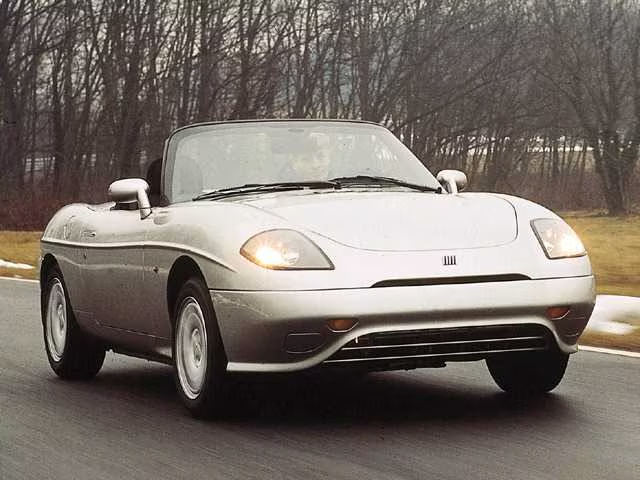
Riviera (1999): Launched alongside the Lido, the Riviera edition took the opposite approach – adding a bit more kit, but still at a value price. It included alloy wheels, a leather-wrapped steering wheel and shifter, central locking, and ABS as standard (items that were options or not included on the very base models). The Riviera came in a broader color palette, including Midnight Blue in addition to red, yellow, silver, and black. Strangely, despite the extra equipment, Fiat priced the Riviera slightly below the regular Barchetta – perhaps as a promotional deal to spice up sales. It was like getting the deluxe beachfront room for the cost of a standard. The Riviera name conjured images of upscale coastal cruising, and indeed these were meant to feel a touch more luxurious.
Barchetta Web (1999): Long before Tesla sold cars online, Fiat experimented with an internet-only edition of the Barchetta. Officially this series is often called the Limited Edition 1999, but many call it the Barchetta Web. Fiat set up a special website, barchettaweb.com, and from August to December 1999 customers in Italy could order a Barchetta exclusively via the internet – no dealership visit necessary. The Web edition had unique color choices: Grigio Mercury (gunmetal grey) with a bordeaux red top and black leather; Azzurro Rialto (pale blue) with beige top and trim; or a bold white with quilted red leather and a black top. Fully loaded with all available options, it cost a pretty penny (over 36 million lire at the time, about €18,700). Buyers could even book a test drive online, fulfilled by a local rental agency, and then proceed to purchase by putting down a credit card deposit. It was a radical sales experiment in 1999. However, perhaps a bit ahead of its time – only two customers actually ordered one online! Fiat ended up building just five units of the Web edition (numbered 0 through 4) to essentially fulfill those orders and have a couple extra (likely for publicity or executives). The Barchetta Web is thus an extreme rarity and a fascinating early e-commerce case study – a great story to tell if you ever see one.
Amalfi and Milano (2000): As the new millennium arrived, Fiat refreshed its special editions for different markets. In Italy and many countries, the Lido and Riviera series continued, but Switzerland, for example, got localized versions with different names. The Barchetta Amalfi (named after the picturesque Amalfi Coast) was essentially the Swiss-market equivalent of the Lido – a trim-down version available in similar bright colors. Likewise, the Barchetta Milano (celebrating Italy’s fashion capital) was the Swiss take on the Riviera – a well-equipped version with its own color/trim combos. These market-specific names sometimes lead to confusion, but effectively Amalfi = Lido for Switzerland, and Milano = Riviera for Switzerland. Across the board, these late-1999/2000 series were quite successful, totaling several thousand units. Fiat was clearly intent on keeping the Barchetta fresh in buyers’ minds with these special names, even if the core car remained the same lovable roadster.
All-In (2000): Yet another Swiss-market special, the Barchetta All-In was, as the name suggests, fully loaded with all available options (the proverbial “all in” hand). Only about 50 examples of this edition were produced, making it one of the rare ones. It included everything Fiat could throw at the Barchetta: premium audio, air conditioning, leather seats, you name it. The All-In was sort of a last hurrah of the first-generation Barchetta variants in Switzerland, giving a few lucky buyers the ultimate configuration without having to tick individual option boxes.
Naxos (2001): By 2001, the Barchetta had been around for six years and was due for a mild update. The Naxos edition effectively served as a refresh model. It introduced Fiat’s new circular blue logo (with laurel wreath) on the nose and wheel centers, replacing the old rectangular Fiat badge – a sign of the times, as Fiat was rebranding. The Naxos cars came standard with a high-end Clarion stereo system including a CD changer and even a then-fancy CD MP3 player, pumping sound through four speakers plus a 100W subwoofer (the Barchetta had limited space, so a subwoofer was a big deal!). Externally, Naxos editions got a subtle body kit: a small front lip spoiler and a rear skirt, plus unique 8-spoke alloy wheels. Certain trim pieces like the inner headlamp housings, mirror caps, and interior door handles were finished in a special satin “Chrome Shadow” paint that looked like brushed aluminum. It was a classy touch to elevate the car’s style. The Naxos was offered in a selection of vibrant colors – Rosso Corsa, Blu Laser (also called Blu Jag), Blu Elisir (a bright metallic blue-green), and Nero Luxor black – all sporting a two-tone interior (often black with red or black with beige depending on exterior). Nearly 1,967 units of the Naxos were built, making it a significant mid-life update. It kept the Barchetta attractive and reasonably up-to-date in the early 2000s, just as competition from newer roadsters (like the MG TF or Toyota MR2 Spyder) was heating up.

Adria (2004): After a brief production hiatus (more on that in the next section), Fiat brought the Barchetta back in 2004 with a gentle facelift. To reintroduce it, certain markets got yet more special editions. Germany, one of the Barchetta’s biggest markets, received the Barchetta Adria in 2004. The name Adria harked to the Adriatic Sea, evoking coastal cruising, and possibly was a subtle nod to the final edition of the old 124 Spider which had been sold as the “Pininfarina Spider Europa” (sometimes associated with the Adriatic by enthusiasts). The Adria edition featured new 16-inch alloy wheels (a step up from the previous 15-inchers), a slightly upgraded audio system, and often came with a body-colored hardtop included – a valuable addition for year-round use. Only about 1,129 Adria editions were made, and they were offered in select colors (silver being common). These cars showcased the minor styling tweaks of the facelift: revised front and rear bumpers, modernized clear-lens tail lights, and some interior updates – changes penned by Tom Tjaarda, who Fiat had amusingly engaged to freshen the car he never got to design originally (Tjaarda, incidentally, designed the 1966 Fiat 124 Spider, so it was fitting he bookended the Barchetta’s life).
Sergio Tacchini (2004): In Belgium (and a few other European countries), Fiat launched a fashion-inspired special named after Sergio Tacchini, the Italian sportswear and tennis apparel brand. The Barchetta Sergio Tacchini edition (often just called Barchetta ST) was aimed at adding a chic, sporty image. It had the same equipment as the upscale “Emotion” trim Barchetta (a designation for fully-equipped models post-facelift), but added a unique two-tone natural leather interior (usually gray and beige) and badges with the “ST” logo on the rear fenders. Think of it as the Barchetta dressed in a tailored Italian suit. It was a limited series sold in mid-2004, giving the Barchetta a bit of runway-model glam as it aged gracefully.

Consacrazione (2005): As the Barchetta’s production neared its end, Fiat France decided to give it a proper farewell edition. They dubbed it “Consacrazione,” Italian for “consecration” or “dedication,” as a tribute to the car’s decade on the road. Only 75 units of the Barchetta Consacrazione were made, each individually numbered on a special plaque under the Fiat badge at the rear. They were split between 35 in Rosso Corsa red and 40 in Grigio Shine (silver). Each came loaded with every available option and a commemorative certificate. It was essentially the Barchetta’s swan song – a way to consecrate (and perhaps canonize) the little roadster as it sailed into the sunset in 2005.
That dizzying array of editions underscores how the Barchetta captured a certain joie de vivre that lent itself to fun marketing ideas. Whether named after beaches, fashion icons, or pizzas, each variant added a chapter to the story. Yet beyond special paint and badges, the Barchetta also inspired more radical experiments: custom one-offs and prototypes that pushed its design to extremes.
Prototypes and One-Offs: When Fiat and Friends Got Creative
Given the Barchetta’s charming design and capable chassis, it’s no surprise that it became a canvas for creativity beyond the production models. Several prototypes, concepts, and one-off Barchetta-based cars were crafted during its lifespan – some by Fiat, others by independent design houses. They range from a never-produced coupe to fire-breathing rally-style machines. Here are a few highlights of this imaginative side of the Barchetta’s history:
Barchetta Coupé (1996): What if the Barchetta had a fixed roof? Fiat explored this idea early on. In 1996, a Barchetta Coupé prototype was shown at the Turin Motor Show. Essentially, it was a Barchetta with a sleek hardtop integrated, creating a little fastback coupé. The design managed to keep the roadster’s front end and character, while adding a sloping roofline that gave it a bit of a mini GT-car look. Reactions were positive – the coupé looked elegant – and at least two prototypes were built (rumor has it a wealthy collector even tried to purchase one after falling in love with its resemblance to the classic Fiat 8V from the 1950s!). However, Fiat ultimately decided not to proceed with production. There were practical reasons: Maggiora, the coachbuilder, was already at capacity with the roadster and other projects, and internally Fiat already had the larger Fiat Coupé on sale covering the hardtop sports car niche. The Barchetta Coupé remained a tantalizing might-have-been. Those prototypes, however, demonstrated the inherent versatility of the design – it could be made into a pretty coupe with relatively few changes.

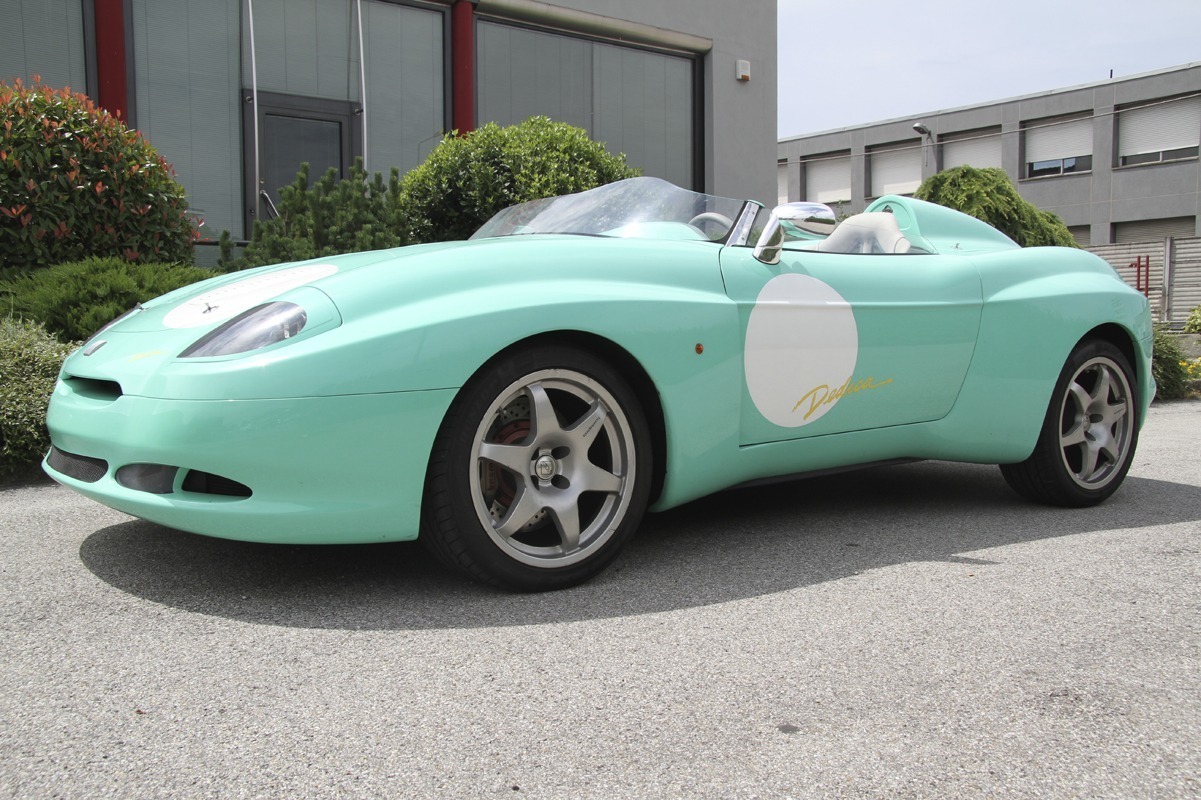
Stola Dedica (1996): Meanwhile, outside firms were eager to show off what could be done on the Barchetta platform. Stola, an Italian coachbuilding and engineering group, had helped Fiat with prototyping the Barchetta (building the development mules). Stola decided to create its own take on the car as a showcase. The result was the Stola Dedica, unveiled in a striking pastel turquoise color at the 1996 Geneva Motor Show. The Dedica wasn’t just a Barchetta with a body kit; it was an extreme reinterpretation: a speedster with a cut-down windshield (only about 20 cm tall – basically a deflector), no side windows, and a single roll hoop behind the driver. It had a spartan, racing-inspired interior and a tonneau cover over where a passenger would normally sit – this was a single-seater roadster in spirit (though it did technically have two seats). Under the hood, Stola swapped in a more potent engine: a turbocharged 2.0-liter 16V (borrowed from the Fiat Coupé 16v Turbo), reportedly tuned to around 262 horsepower – doubling the stock output. With extra power and weight trimmed to about 1020 kg, the Dedica was said to be capable of 0–100 km/h in 5.8 seconds and a top speed around 270 km/h. It featured upgraded Brembo brakes and special 17-inch wheels, plus unique touches like an air intake on the hood and covered headlights (for that vintage racing look). The Dedica was purely a concept, never intended for production, but it proved the Barchetta had serious performance potential hidden beneath its cute looks. Also notable, the Dedica’s design was penned by Aldo Brovarone, former designer from Pininfarina who freelanced for Stola – lending some classic elegance to its wild form. The name “Dedica” (Italian for Dedication) was meant to dedicate the project to Fiat’s spirit of fun. Amazingly, this one-off show car still exists – it even went up for sale decades later, a drivable piece of Barchetta lore.
Stola Abarth Monotipo (1998): Not content with one radical Barchetta, Stola struck again in 1998. This time they partnered with Abarth (Fiat’s racing and tuning division) to create the Stola Abarth Monotipo. If the Dedica was wild, the Monotipo was outright insane: a single-seater barchetta-style race car intended as a tribute to Carlo Abarth. It had a completely bespoke body – low-slung, with exposed wheels and cycle fenders, looking more like a track-day special than a road car. The chassis was still Barchetta-based, but heavily modified and widened. For power, Stola dropped in a 2.0-liter turbo (from the Lancia Delta Integrale rally car) and cranked it up to 330 horsepower. Given that the Monotipo weighed only about 880 kg stripped out, its performance was supercar-like (topspeed near 290 km/h and 0–100 km/h in under 5 seconds were claimed). The design was once again by Aldo Brovarone, mixing modern racecar elements with Barchetta cues (the nose still had a hint of the production car’s smile). Painted a bold orange, the Monotipo wowed crowds at the 1998 Turin Auto Show. It was never more than a one-off prototype, but it showed how far the “little boat” could be pushed – into waters very few could follow. To this day, it stands as one of the craziest machines to wear a Fiat badge in the ’90s, even if unofficially.

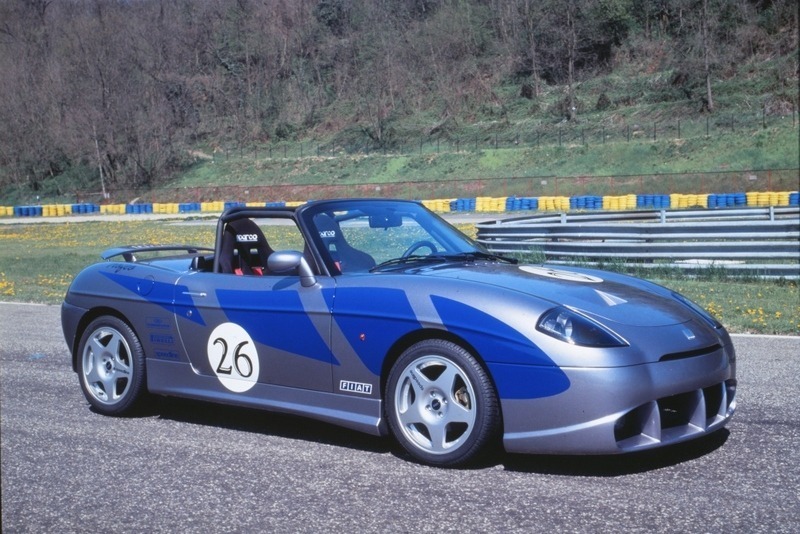
In 1996, Carrozzeria Maggiora developed the Fiat Barchetta Trofeo as a prototype for a planned one-make racing series backed by Fiat. Based on the standard Barchetta, the Trofeo featured a dedicated aerodynamic kit with a small rear wing, lightweight carbon fiber panels, and bold visual cues like blue accents, racing decals, and “Trofeo” badging. Inside, it was stripped out and fitted with Sparco racing seats and other motorsport equipment. The engine was tuned to deliver around 160 horsepower, up from the standard 130. Despite its promising setup and track-ready character, the racing series was eventually shelved, and the Trofeo remained a prototype. Only a few examples were built, making it a rare glimpse of what could have been Fiat’s motorsport chapter for the Barchetta.
Right-Hand Drive Prototype (2001): We mentioned earlier that Fiat declined to produce a right-hand drive (RHD) Barchetta for markets like the UK, Australia, or Japan’s local market. However, that didn’t stop people from trying. By 2001, with the Barchetta enjoying enduring popularity, Maggiora constructed a prototype RHD version to show Fiat it could be done. This RHD Barchetta was shown at the Geneva Motor Show (and also in Turin) around 2001. It featured a mirrored dashboard configuration, with the steering wheel and instruments on the right side. To spice it up for the show, the prototype was given a unique look: a Mercury Grey exterior (same color used on the Web edition), a deep burgundy red hardtop and side skirts, and a matching red leather interior. It had special wheels and all the options – essentially a showcase piece. Enthusiasts from the UK gazed longingly, hoping Fiat might change its mind. Unfortunately, Fiat corporate deemed the conversion too expensive and not aesthetically perfect (the redesigned dash had some asymmetries that purists in Fiat weren’t happy with). Thus, they officially never green-lit RHD production. British fans were left to either drive left-hookers or seek out aftermarket conversions. (Notably, some specialized firms like DTR in the UK did convert a number of Barchettas to RHD for dedicated owners, proving that where there’s a will, there’s a way!). The one RHD prototype remains a fascinating “what-if” – an example of a door Fiat only opened halfway.
Beyond these, the Barchetta also indirectly contributed to other projects. For instance, Pininfarina’s Enjoy concept (2003) was a minimalistic roadster track toy that used Barchetta mechanicals under a new skin – though it wasn’t a Fiat-badged project, it showed the breadth of applications for that hearty 1.8L engine and chassis. All these prototypes and experiments underline the point that the Fiat Barchetta was more than just a pretty face; it was a platform that inspired creativity and passion in the automotive community.
Stormy Seas and a Fond Farewell
The Barchetta’s life wasn’t without challenges. By the early 2000s, stricter emissions rules and the end of the first Punto’s production meant the Barchetta needed some updates. In 2002, an unexpected storm hit: Maggiora, the coachbuilder assembling the Barchetta, went bankrupt and closed its doors. This halted Barchetta production entirely for a time. Fiat had to decide whether this little roadster was still worth the trouble. Perhaps surprisingly – and to enthusiasts’ delight – Fiat chose not to abandon ship. Instead, they moved Barchetta assembly to their Mirafiori plant in Turin (Fiat’s main factory) and gave the model a last refresh in 2003 to comply with new regulations and refresh its appeal.
For the 2003–2005 period (sometimes called Phase 2 Barchetta), Fiat enlisted Tom Tjaarda – a famed American-born designer who had penned many Italian cars (including the original Fiat 124 Spider decades earlier). Tjaarda tweaked the Barchetta’s styling just a tad: the front bumper gained a larger central intake and lost the original’s chrome whiskers, the headlight internals were modernized, the tail lights got clear indicator lenses, and small details like the door mirrors and wheel designs were updated. Inside, the gauge cluster was revised and new color trims added. Crucially, the engine was refined to meet Euro3 emissions and some mechanicals were updated for reliability. The essence of the car remained the same; casual observers might not even spot the differences, but it was just enough of a spruce-up to carry the Barchetta through a few more years.
Fiat re-launched the Barchetta in 2004, hoping to catch a second wind of the roadster craze. By then, of course, the market had changed – Mazda’s MX-5 was still going strong, Toyota’s MR2 had gone to a radical mid-engine design, and new rivals like the MINI convertible and others were emerging. The Barchetta was a bit of a veteran by comparison. Sales continued in low volume, mainly to loyal fans. Special editions like the aforementioned Adria and Sergio Tacchini were part of this final push.
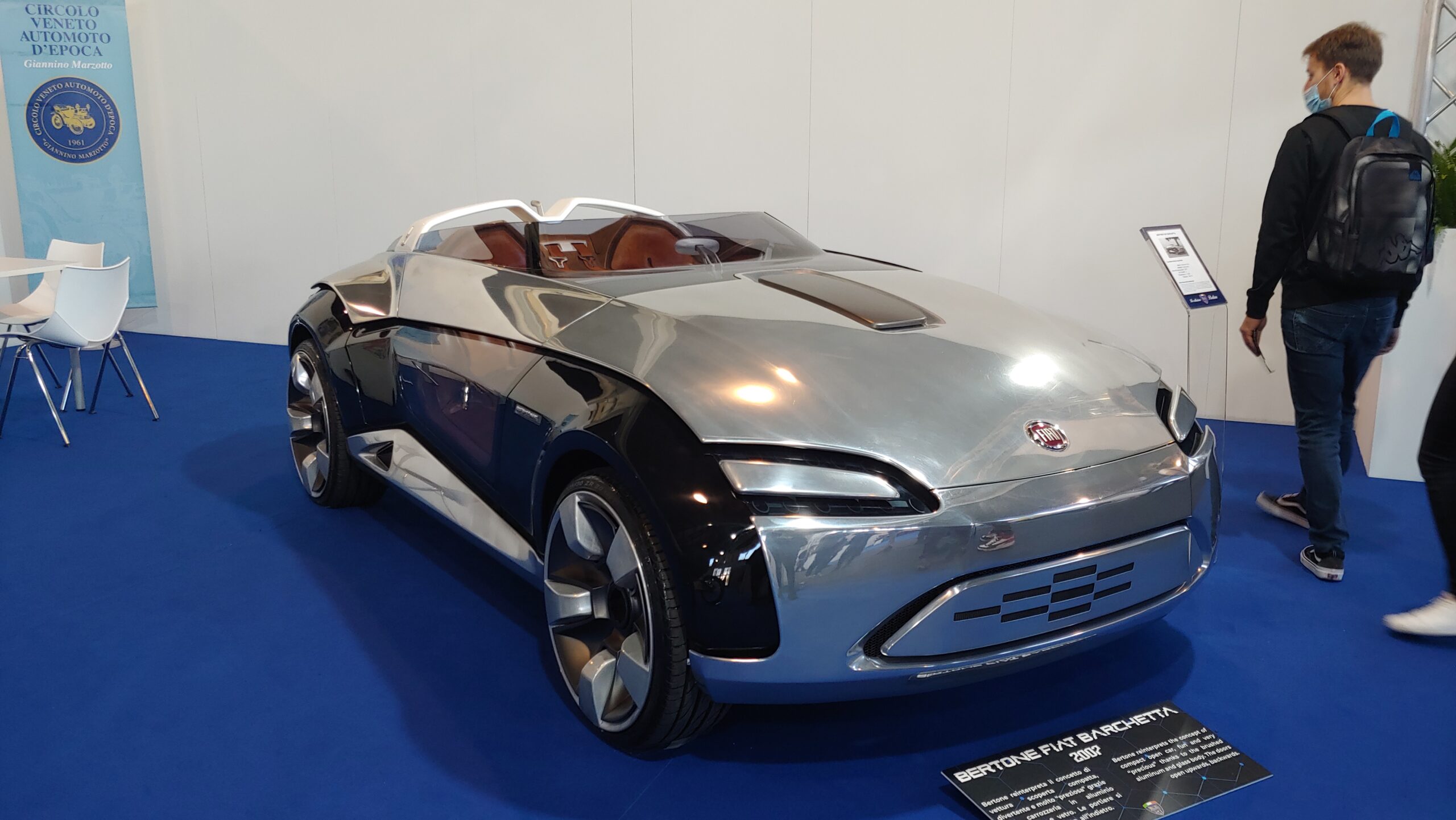
Meanwhile, outside Fiat, there were whispers of a next-generation Barchetta. In 2007, the legendary Italian design house Bertone presented a concept car simply titled Barchetta at the Geneva Motor Show. This modern interpretation was sharply styled, more angular than the original, and had the makings of a budget-friendly sports car for the late 2000s. The intriguing twist? It was proposed to be based on the Fiat Panda platform, using its front-wheel-drive layout as a cost-effective base – a nod to how the original Barchetta had borrowed from the Punto. The Bertone concept was light, stylish, and clearly aimed at rekindling the charm of the 1995 original, albeit with 21st-century flair. Sadly, the concept remained just that – a concept – as Fiat was in no position to greenlight a new roadster during its restructuring years. Still, the Bertone Barchetta shows how much love there was (and still is) for the idea of a cheeky, affordable Italian spider.
However, despite these last sparks of creativity, by mid-2005, production of the original Barchetta finally wound down for good. The car had a solid 10-year voyage, which is admirable for a niche model.
In total, just over 57,000 Fiat Barchettas were built between 1995 and 2005. The very last ones, including that French “Consacrazione” series, marked the end of an era – Fiat would not have another traditional small roadster until decades later. The Barchetta’s discontinuation was partly due to changing market demand and partly because Fiat itself was navigating rough financial waters in the mid-2000s and had to trim its lineup.
The Barchetta’s Place in History
Today, the Fiat Barchetta is regarded by enthusiasts as a unique chapter in Fiat’s history. Known for its distinctive styling and enjoyable driving experience, it offered something rare in its time: an affordable Italian roadster with real character. Its design has aged well, and its limited production gives it a certain appeal among collectors.
On the road, the Barchetta delivers a light, responsive feel, with an engine that rewards revs and top-down driving. While it was never intended as a performance benchmark, it excelled at delivering simple, enjoyable motoring.
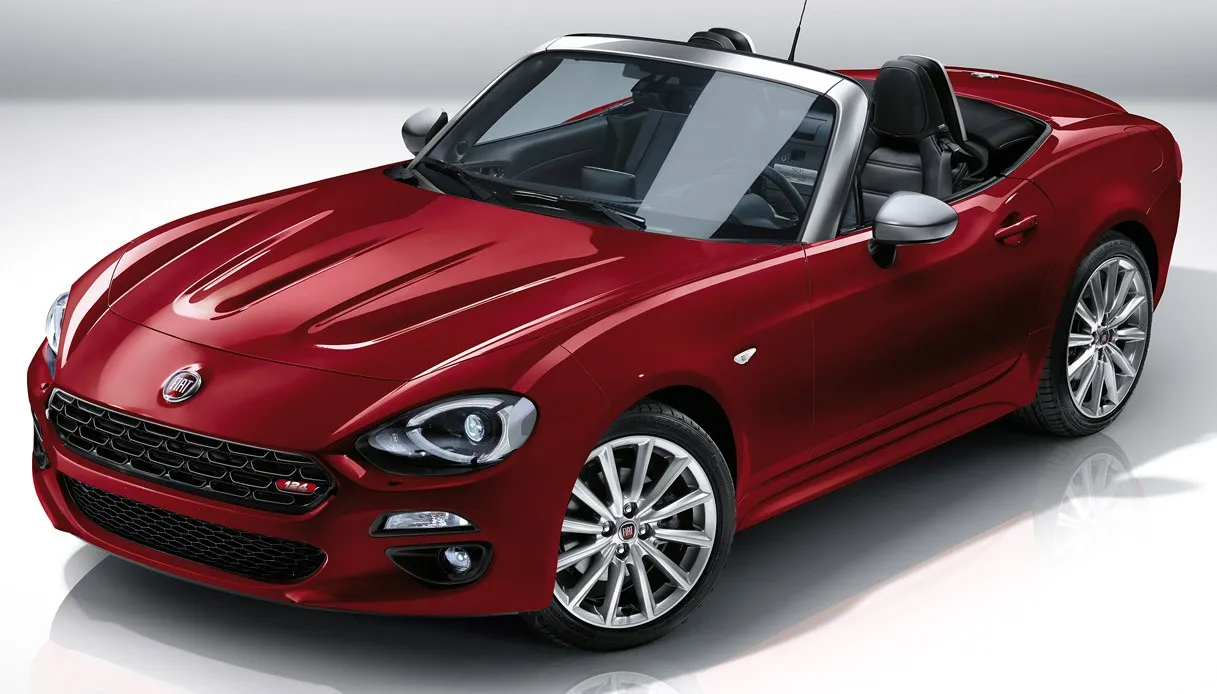
In 2016, Fiat launched the 124 Spider based on the Mazda MX-5, seen by many as a spiritual successor to the Barchetta. Yet that model lacked the Barchetta’s distinctive Fiat DNA and was discontinued after a short production run.
The Barchetta may not have been Fiat’s most technically advanced car, but it succeeded in offering style, charm, and driving enjoyment in a compact package. Its story remains a standout example of creativity within constraints — and a reminder of Fiat’s ability to produce cars with genuine emotional appeal.

ABOUT THE AUTHOR
Andreas Scheidl
Italian classic car enthusiast with German roots. Renowned as a respected figure in the classic car community, he serves as a jury member at various international concours d'elegance, including the Classic Gala Schwetzingen and Mantova. As a content creator, Andreas passionately shares his profound knowledge and appreciation for vintage automobiles. His heart beats for cars designed by Giovanni Michelotti, showcasing his discerning taste and dedication to preserving the timeless elegance of automotive history.
More stories by Andreas Scheidl ↗CONTINUE READING
Posts You Might Like
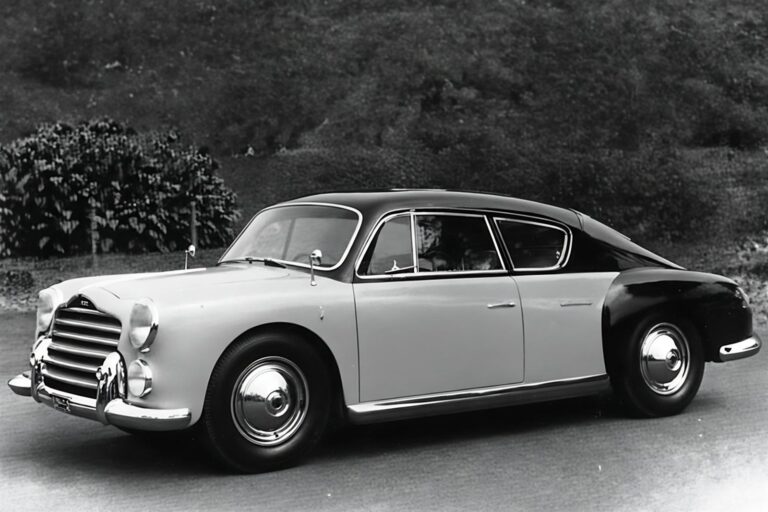
A Central Driving Position, a Rear-Mounted V8. Was This Really a Lancia?
In 1948, visitors to the Turin Motor Show could see an unusual Lancia on the stand of Carrozzeria Ghia. It was a large two-door coupé with a two-litre V8 mounted behind the…
Read story
Fioravanti F100: The Ferrari He Was Allowed to Imagine
Enzo Ferrari’s centenary, Leonardo Fioravanti’s independent studio and a supercar that explored air brakes, steel wheels and a new way of driving—without ever wearing the Cavallino.
Read story
Michelotti Shellette: When the Fiat 850 Became a Yacht
The yacht designer, the Turin stylist and the tiny coachbuilt car that crossed between the quay, the royal holiday house and the auction room. Some automobiles were conceived for the open road,…
Read story
Maserati A6 1500: A New Road for the Trident
When the doors of the Geneva Motor Show opened in March 1947, Maserati was a name that required little introduction to anyone who followed motor racing. What it did not yet possess…
Read story
THE CONVERSATION
Comments 0
Share a memory, a period photograph or a documented detail about this story.