
Zagato’s “Coda Tronca”: The Legacy of the Cut-Tail Design
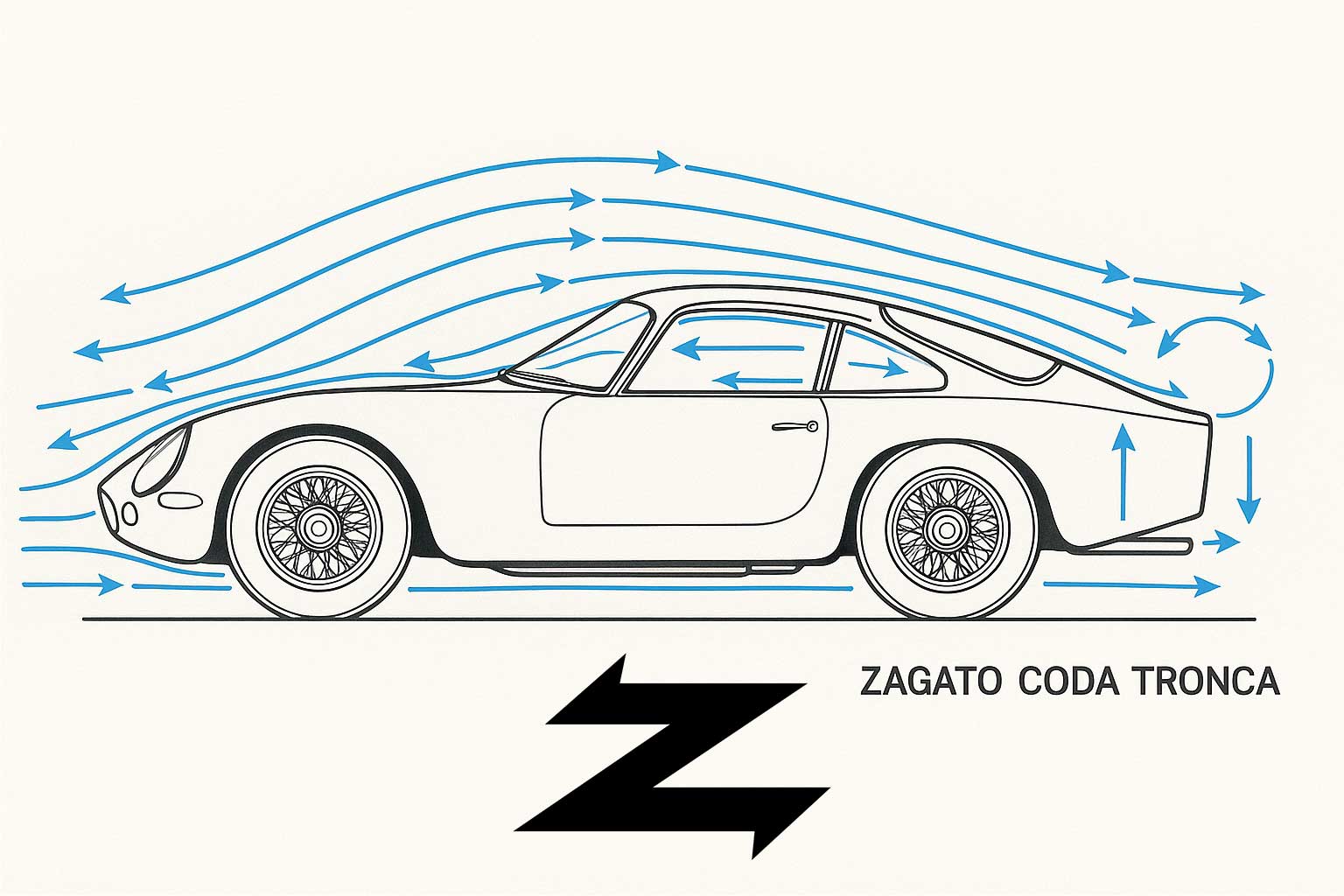
In the rich tradition of Italian coachbuilding, few design signatures are as distinctive—or as enduring—as Zagato’s coda tronca, the “cut tail.” First taking shape in the early 1960s, this unconventional form was born from a perfect intersection of aerodynamic science, motorsport pragmatism, and design minimalism. Rooted in the pioneering aerodynamic theories of German engineer Wunibald Kamm and shaped by Zagato’s own background in aviation and competition, the coda tronca was not a stylistic flourish, but a functional revolution. Ugo Zagato, who began his career crafting lightweight aircraft fuselages, brought that same commitment to efficiency and performance to the automotive world. By the postwar years, his Milan-based atelier had become a laboratory for lightweight, aerodynamically refined sports and racing cars.
The coda tronca embodied this ethos: a tail abruptly truncated to reduce drag, improve high-speed stability, and shed excess weight. What seemed at first glance like a design compromise proved to be a performance advantage—and over time, an aesthetic hallmark. This article traces the evolution of Zagato’s cut-tail language, from the pioneering Giulietta SZ and Giulia TZ racers to modern interpretations such as the Alfa Romeo TZ3 Stradale, the Aston Martin V12 Zagato, and the ingenious AGTZ Twin Tail. Along the way, we’ll explore how the coda tronca has transformed from a racing innovation into a timeless design philosophy—one that continues to influence the shape of speed itself.
Origins in Aerodynamics and Early 1960s Racing Heritage
The story of Zagato’s coda tronca begins with a fundamental insight from aerodynamics. Wunibald Kamm’s research in the 1930s showed that a vehicle could achieve nearly the aerodynamic efficiency of a long teardrop shape if the tail end is cut off abruptly after a certain point. Such a truncated tail—known as a Kamm tail or Kamm-back—minimizes drag while also reducing aerodynamic lift. In practical terms, unless one extends a car’s body into a very long “tail cone” (impractical for road vehicles), there is little increase in drag by chopping the tail, and in fact there can be a marked decrease in lift or even a touch of downforce at high speed. This counterintuitive principle was enticing to racing car builders: it promised higher top speeds and greater stability without adding length or weight. By the late 1950s, Zagato was well-positioned to capitalize on this idea. The company had built its reputation rebodied Alfa Romeos, Lancias, and others for competition, always emphasizing low weight, clean aerodynamics, and functional design. Elio Zagato (son of founder Ugo) was himself an accomplished racing driver, and along with young engineer Ercole Spada, he was constantly seeking an edge in body design. In 1960, they set out to test the Kamm tail theory on a live automobile. Using an Alfa Romeo Giulietta Sprint Zagato (SZ) as a guinea pig, the Zagato team modified the car’s rear into a sharply cut-off shape and took it to the highway. The results were immediately promising: the truncated-tail prototype gained as much as 20 km/h (12 mph) in top speed compared to the original round-tailed version. Encouraged by this success, Zagato knew they were onto something significant.
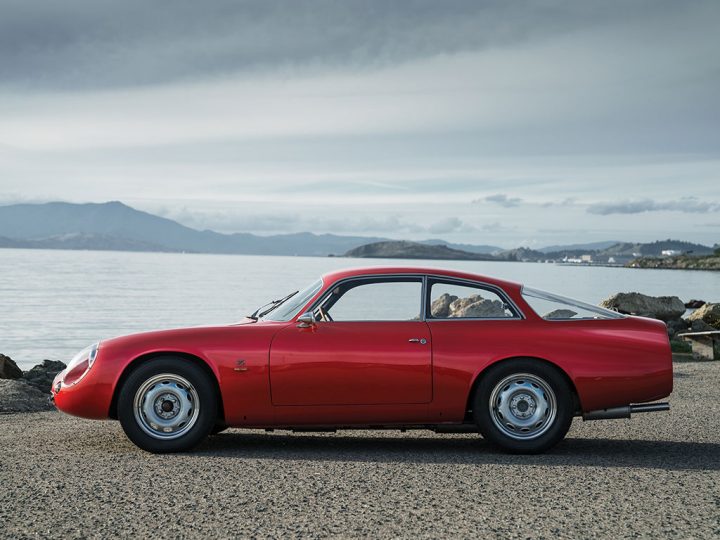
Technically, the coda tronca addresses the problem of aerodynamic drag by allowing the airflow to detach cleanly at the car’s tail, rather than swirling around a protruding rear end. A smoothly tapered long tail can reduce drag slightly more, but beyond a certain length it yields diminishing returns for a road car. Zagato and Spada recognized that by incorporating a Kamm tail, they could achieve low drag without the impracticality of an excessively long tail section. Moreover, the flat cut at the rear helped avoid the uplift that some fastback designs suffered at speed. The truncated tail tends to create a pressure zone that can reduce lift on the rear axle, improving high-speed stability. Crucially for Zagato, embracing the Kamm tail fit perfectly with their focus on minimal weight and compact dimensions. Shortening the tail saved material and weight, while also keeping the car’s overhangs tight – useful for both agility and conforming to racing class size regulations. The concept meshed form and function: a coda tronca car looked unique and purposeful, and the shape was justified by measurable performance gains.
The First Cut-Tail Creations: Zagato’s 1960s Icons
By 1961, the coda tronca principle had made its way into production in what would become some of Zagato’s most legendary creations. The Alfa Romeo Giulietta SZ was the first canvas for this new design language. Zagato had already built the Giulietta SZ in 1960 with a small, rounded tail (coda tonda) for racing use. It was a tiny, lightweight GT car, hand-formed in aluminum, and it performed well – but Zagato saw room for improvement in top speed. Thus came the second-series Giulietta SZ Coda Tronca, distinguishable by its longer, chopped-off tail and panoramic rear window. This redesigned rear end, about 15 cm (6 inches) longer than the original, was crafted “according to the discoveries of Wunibald Kamm” and yielded a higher terminal velocity thanks to reduced drag. Though the new tail added a bit of weight, it allowed the dainty 1.3-liter Alfa to reach approximately 125 mph, a remarkable feat for its size and era. The change proved its worth on track and road alike. Only a few dozen SZ Coda Tronca were built (sources cite between 30 and 50 cars, as many earlier SZs were later converted to the new body), making them rare and coveted today. But their influence far outweighed their numbers. The little “baby GT” with the chopped tail showed that Zagato’s idea worked: it sliced through the air more efficiently while retaining the superb handling born of its feather-light construction (just ~840 kg or 1850 lbs).
🔗 Read more: The story of Zagato Milano
The success of the SZ Coda Tronca set the template for Zagato’s next projects. Hot on its heels came the Aston Martin DB4 GT Zagato, unveiled in late 1960 as a collaborative effort between the British marque and Zagato. Ercole Spada, at just 22 years old, penned the DB4 GT Zagato’s new aluminum body with an eye toward shaving weight and drag off the standard Aston Martin DB4 GT. The result was a shapely coupé that was smaller, lighter, and more streamlined than its Aston predecessor. While the DB4 GT Zagato’s tail was not as radically abbreviated as the SZ’s, it did embody the same philosophy of truncation. The car’s rear end was shorter and tauter than the base DB4’s, doing away with heavy bumpers and extraneous overhang. Contemporaries noted its “Kamm tail” appearance – indeed, the Aston’s profile ends in a crisp cut, with minimal adornment. Only 19 of these GT Zagatos were built originally, but they left an indelible mark by demonstrating that even a high-powered 3.7-liter GT could benefit from Zagato’s race-bred minimalism. Competing against Ferrari 250 GTs and others, the DB4 GT Zagato proved formidable on track, helped by its roughly 50 kg weight reduction and sleeker shape. It was an early example of Anglo-Italian cooperation in pursuit of speed, and the coda tronca-style tail was key to its aesthetic and performance character.
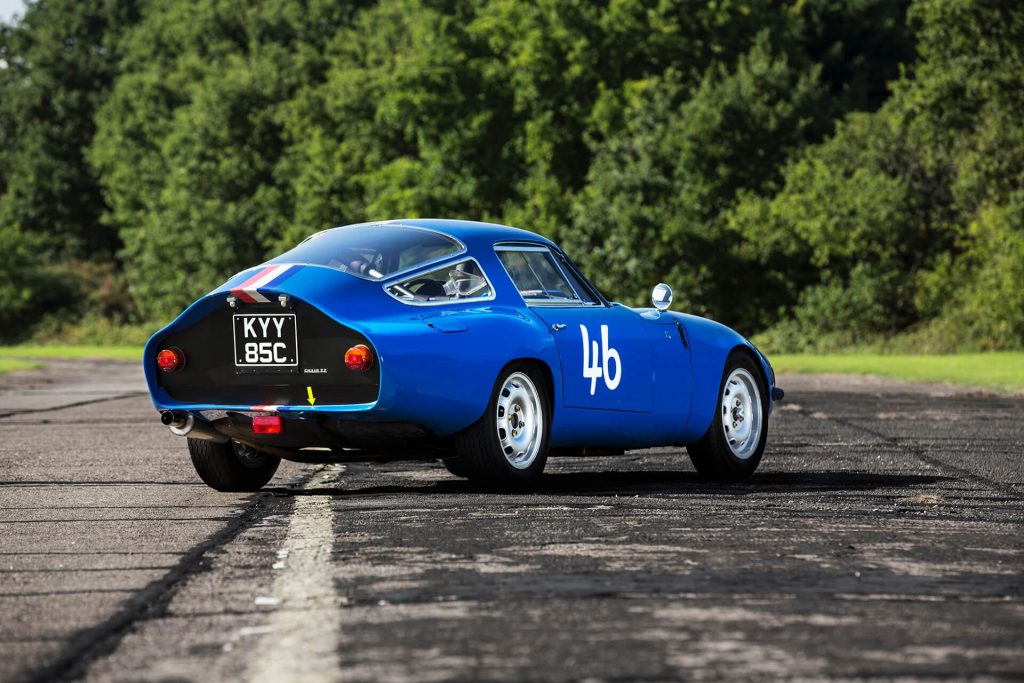
If the DB4 GT Zagato applied the cut-tail ethos to a British grand tourer, the Alfa Romeo Giulia TZ (Tubolare Zagato) took it fully into the realm of purpose-built Italian racers. Debuting in late 1963, the Giulia TZ – often called TZ1 to distinguish from its successor – was a tiny competition coupe with a tubular spaceframe and a Zagato-crafted alloy body. Here the coda tronca came into its own as a defining feature. Incorporating Dr. Kamm’s research, the TZ’s rear bodywork ends in a vertical chop, hence the Italian nickname coda tronca. The principle was exactly as proven on the SZ: beyond a certain taper, extending a long tail yields minimal drag benefit, so Zagato simply truncated the tail and reaped the rewards of both low drag and reduced lift. The Giulia TZ’s appearance is unmistakable – a long, flowing nose and midsection that suddenly terminate in a flat Kamm tail with round tail lights. This design helped the 1.6L Alfa achieve a top speed of around 215 km/h (134 mph) despite only 160 bhp, an impressive performance for the era. Zagato had “previously proved the success of this tail treatment” on the SZ and naturally adapted it for the TZ, notes one history. The racing results spoke loudly: at Monza in 1963, the new TZs swept the top four spots in their class on debut, and they went on to win their category at prestigious races like the Targa Florio, 12 Hours of Sebring, and Le Mans. The combination of the lightweight tubular chassis and the aerodynamic coda tronca body made the TZ a giant-killer in the GT 1600 class. Autodelta (Alfa’s race arm) and Zagato soon evolved the design into the TZ2 by 1965, with an even lower fiberglass body. The TZ2 retained the chopped tail concept but in a more extreme, wide-stance form, looking almost like a scaled-down prototype racer. Only a dozen TZ2s were built, but like the TZ1, they demonstrated how form followed function in Zagato’s hands – the coda tronca was not a stylistic gimmick but a competitive advantage. As a Hagerty observer later put it, both the Giulia TZ and TZ2 “featured short, aircraft-inspired Kamm tails, or coda tronca in Italian,” that became a signature of Zagato’s post-war race cars.
By the mid-1960s, the truncated tail had become a legitimate trend in racing design, thanks in part to Zagato’s successes. Even outside Zagato’s workshop, the influence was evident – for example, Ferrari’s famous 250 GTO and the coachbuilt “Breadvan” Ferrari (a one-off 1962 GT car modified with a Kamm tail) showed that others were exploring similar aerodynamic ideas. But it was Zagato who had truly popularized the term coda tronca, applying the concept across multiple projects. In Italy, the phrase entered the automotive lexicon as shorthand for a car with a chopped-off tail section. The aesthetic had a functional, almost military purity that stood out against more voluptuous car designs of the 1950s. Yet Zagato’s cut-tail cars still managed to be beautiful in their own purposeful way – the SZ, DB4 GTZ, and TZ had curvaceous front and middle sections balanced by the abrupt confidence of their rear truncation. They were race-bred machines that proudly displayed their aerodynamic rationale. Enthusiasts took note, and coda tronca would forever be associated with that golden era of Italian motorsport.
The Science of the “Cut Tail”: Aerodynamic Efficiency and Stability
Why exactly does a truncated tail work so well? The answer lies in airflow behavior. As a car moves forward, it punches a hole in the air, creating high-pressure buildup at the nose and a low-pressure wake behind it. A long, tapering tail can let the air gradually contract, reducing the size of that wake and thus lowering drag. However, past a certain point, lengthening the tail yields little further drag reduction – the airflow has mostly detached and the wake isn’t significantly smaller. Wunibald Kamm discovered that you could cut off the tail at that optimal point and still retain most of the aerodynamic benefit of a full tail. In practice, a Kamm-tail car might have only marginally higher drag than a “streamlined” long-tail car, but with far less weight and bulk. Zagato’s implementations confirmed this: the Giulietta SZ coda tronca had a higher top speed than the round-tail version despite carrying a bit more weight, indicating that drag reduction outweighed the mass penalty. Likewise, the Giulia TZ’s chopped tail helped keep its drag coefficient low, allowing a small-engine car to punch above its weight in velocity.
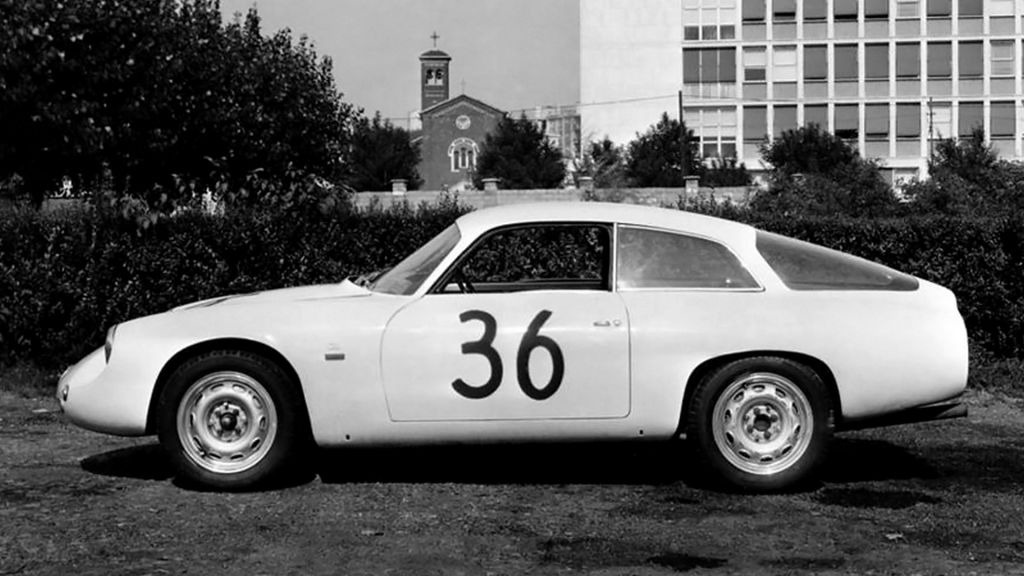
Another benefit of the cut-tail design is stability. A abruptly cut tail tends to create a clean break point for airflow, which minimizes turbulent air wrapping around the car. This not only reduces drag but can also prevent rear-end lift. Many fastback or curved rear designs can generate aerodynamic lift (like an airplane wing) at high speeds if not carefully managed. The Kamm tail, by contrast, encourages a pressure equilibrium at the tail—some early studies and practical results even showed it can contribute a slight downforce or at least cancel out lift. Drivers of Zagato’s coda tronca cars often commented on their confidence at speed. The SZ, for instance, felt stable up to its maximum velocity, tracking straight and true. That was partly due to its low weight and balanced chassis, but the aerodynamic stability from the truncated tail certainly played a role. Similarly, the later TZ and TZ2, with their very short tails and added little ducktail spoilers, were reputed to be very sure-footed for 150+ mph machines on 1960s tires. By cutting off the tail, Zagato also reduced the car’s overall moment of inertia (a shorter car can change direction more readily) and reduced susceptibility to crosswinds. In essence, the coda tronca approach was a holistic performance enhancer: it trimmed the fat, so to speak, off the vehicle’s shape, leaving a form that was as efficient and stable as possible for its size.
Weight-saving measures went hand in hand with the aerodynamic concept. Zagato’s adherence to lightweight construction – using aluminum or fiberglass for body panels, Perspex (plexiglass) for windows, and spartan interiors – amplified the benefits of the aero design. For example, the Giulietta SZ was about 120 kg lighter than the standard production Giulietta Sprint Veloce, thanks to Zagato’s aluminum bodywork and minimalistic approach. The coda tronca version added a few kilos with its longer tail, but it still tipped the scales under 900 kg, very light for a closed car. Less weight meant not only faster acceleration and better cornering, but also that the car could make do with a smaller frontal area and smaller engine while still being competitive. Zagato exploited this virtuous cycle: aerodynamic efficiency allowed a smaller engine to achieve high speeds, the smaller engine and chassis meant less weight, and lower weight in turn improved every aspect of performance (and reduced tire and brake wear). The truncated tail was one key piece of that overall design puzzle. Its effectiveness can be quantified by numbers – such as the ~20 km/h top speed gain in the SZ – but just as importantly, it became a visual shorthand for a serious, no-frills racing machine.
Evolution Through the Decades: Reviving the Coda Tronca Style
By the late 1960s, the coda tronca had proven its worth on the track, and Zagato began infusing the philosophy into road cars as well. One of the earliest street-oriented examples was the Alfa Romeo Junior Zagato, introduced in 1969. This petite sports coupe, based on the Alfa 1750/1300 platform, was penned by Ercole Spada for Zagato and featured a sharply cut-off Kamm tail. The Junior Zagato’s design was ultra-modern for its day – a wedge nose, a low stance, and that abrupt tail with a large glass hatch. The car’s tail was almost a textbook Kamm application: the roofline tapered down and then ended vertically, housing thin round tail lights. While not a racing car, the Junior Zagato embodied Zagato’s racing logic in a road-legal package: its body was “pared to the minimum,” as historian Karl Ludvigsen later noted admiringly. The truncated tail wasn’t just for show; it contributed to a low drag shape that complemented the car’s light weight and peppy twin-cam engine. Though modest in power, the Junior Zagato was praised for its nimble handling and ability to slip through the air efficiently. It was essentially a road-going extension of the SZ/TZ lineage – proving that the coda tronca aesthetic could enhance production sports cars, not just pure racers.
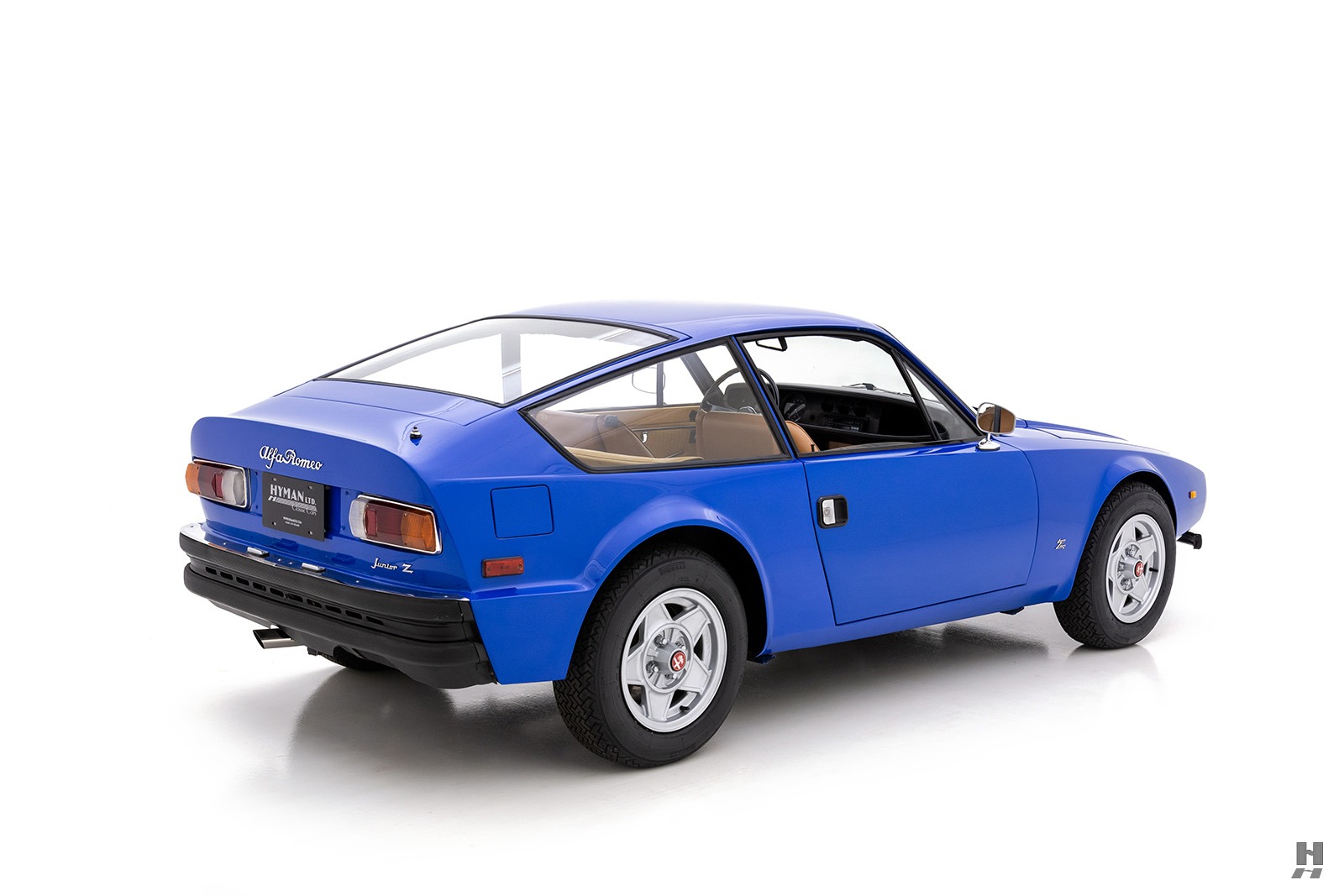
Around the same time, Zagato revisited the concept on other marques. The Lancia Fulvia Sport Zagato, a fastback coupe built from 1967 on the front-wheel-drive Fulvia chassis, initially had a curved rear, but later iterations featured a flatter Kamm-style tail and even an optional spoiler. The idea again was to reduce drag and lift on what was a fairly high-speed car for its class (the Fulvia Zagato could top 115 mph with a 1.3 or 1.6L engine). Even though Lancia’s and Alfa’s Zagato-bodied road cars of the late ’60s were limited-production and somewhat eclectic, they cemented the notion that coda tronca styling signified a serious performance intent. These cars looked like racing machines for the road – because in effect they were, built by a racing-oriented coachbuilder.
The 1970s were a quieter period for Zagato’s racing endeavors, as the company shifted more to styling exercises and special-bodied road cars. Yet the cut-tail legacy persisted subtly. In an era of wedge designs and experimentation, the notion of a chopped tail appeared on various concepts and low-volume cars. For instance, some one-offs like the 1971 Zagato Zele electric microcar (a very different project!) even had a vertical tail cutoff – albeit for practicality, not high-speed aero. The overall industry also saw echoes of the Kamm tail in cars like the Lamborghini Countach and Lotus Esprit, which had minimal rear overhang and flat tails for aerodynamic reasons. While not Zagato designs, they showed the broader acceptance of the concept. Within Zagato’s own work, the company’s focus in the late ’70s turned to propositions like the Porsche 935-derived Zagato Elaborazione and design studies, but none gained the fame of the earlier coda tronca cars.
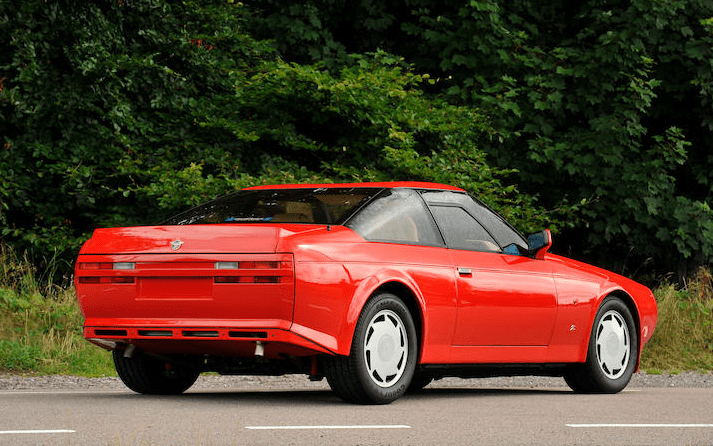
It was in the 1980s that Zagato saw a revival of its partnership with Aston Martin, giving a new opportunity to apply the coda tronca heritage. The Aston Martin V8 Zagato was introduced in 1986 as a limited-series grand tourer, based on Aston’s V8 Vantage. This bold design was very much a child of the ’80s – angular, stocky, and muscular. It featured a chopped-off tail that, while higher and squarer than the delicate 1960s cars, clearly evoked the Kamm principle. The V8 Zagato coupe’s rear ended abruptly, with a near-vertical tail panel housing rectangular light clusters. Critics at the time found the styling divisive (some loved its brute aggression, others found it blocky), but there was no denying the performance. With a 430 bhp V8 under the bonnet and lighter, bespoke Zagato aluminum coachwork, the V8 Zagato could hit 186 mph – an astonishing figure in 1986. Only 52 coupes (and 37 convertibles) were built, making them rare exotics. The significance of the V8 Zagato is twofold: it showed Zagato applying its traditional ethos to a modern supercar, and it reasserted the value of the Kamm-tail approach even as automotive design entered the computer age. Where the standard Aston Martin V8 had a long, elegant tail, the Zagato version was truncated and taut. In a sense, Zagato was again trimming the excess and focusing on function: the shortened tail reduced weight and gave the car a shorter overall length, which likely helped its stability and acceleration. By reviving the cut-tail look on a contemporary V8, Zagato bridged the past and present, reminding the world that the old tricks still worked. The V8 Zagato’s success (the series sold out quickly to collectors) also hinted that there was appetite for limited-edition Zagato specials that harked back to the glory days.
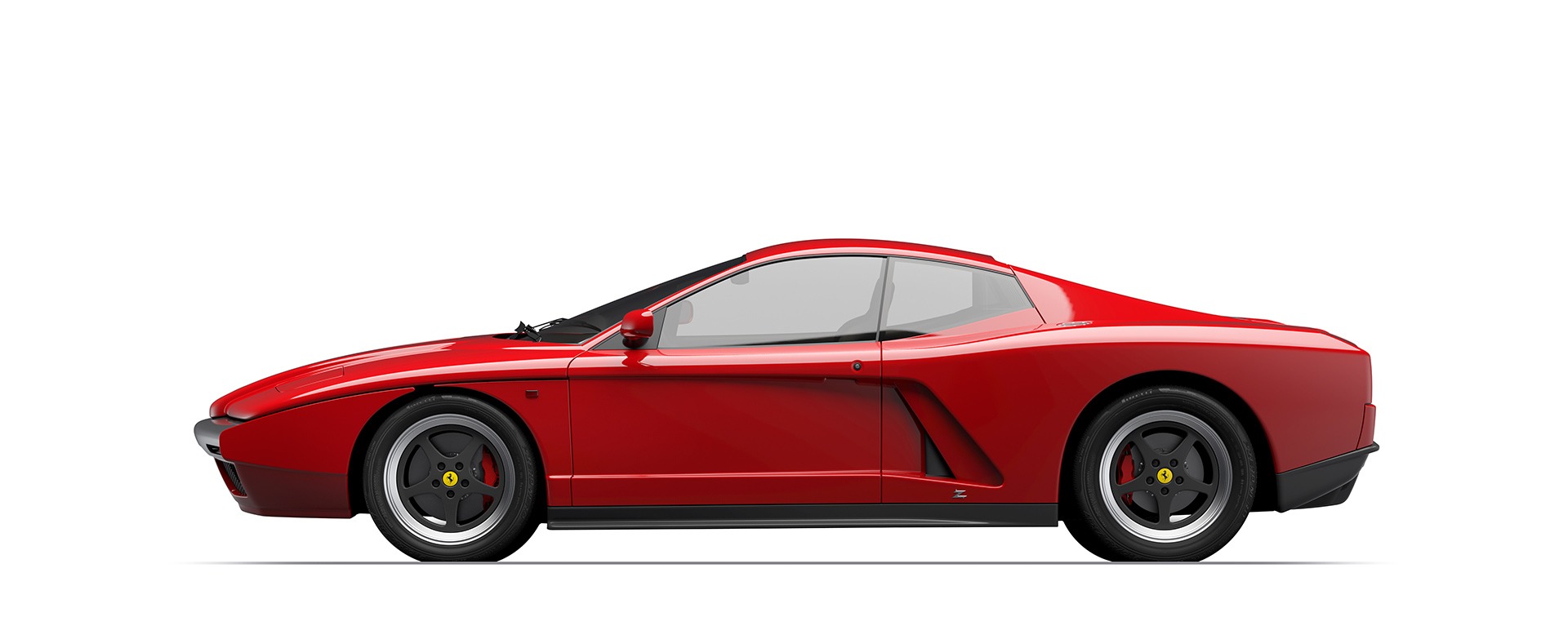
In the 1990s, Zagato continued to operate as a boutique design house, producing a handful of unique and limited vehicles that often paid homage to classic themes. One standout was the Lancia Hyena (1992), a collaboration with a Dutch collector that re-bodied the Lancia Delta Integrale into a two-seat coupe. While the Hyena’s design was more rounded, it did feature a stubby tail and a purposeful stance recalling earlier Zagato GTs. Only 24 were built, and it demonstrated Zagato’s willingness to infuse even a rally-based car with sports car aerodynamics and style. Around the same time, in 1993, Zagato’s long-time designer Ercole Spada created the Ferrari FZ93 (Ferrari Zagato 1993), a one-off concept on a Ferrari Testarossa chassis. This wild design had an avant-garde aesthetic but still nodded to aerodynamic fundamentals – its rear was truncated and square, almost an exaggerated Kamm tail, showing that Spada hadn’t forgotten his own 1960s playbook. The FZ93 wasn’t universally loved for its looks, but it hinted at design cues that would appear on future supercars (indeed, some see its influence in the Ferrari Enzo and others). Though the 1990s lacked a signature coda tronca production model from Zagato, the design philosophy was alive in these experiments. Every Zagato special remained lightweight, streamlined, and a bit unorthodox – carrying the DNA of the cut-tail pioneers. It was also during the ’90s that the original coda tronca cars, like the Alfa TZs, started to gain recognition as prized vintage racers, which kept the term in enthusiasts’ minds.
Modern Reinterpretations: The Coda Tronca in the 21st Century
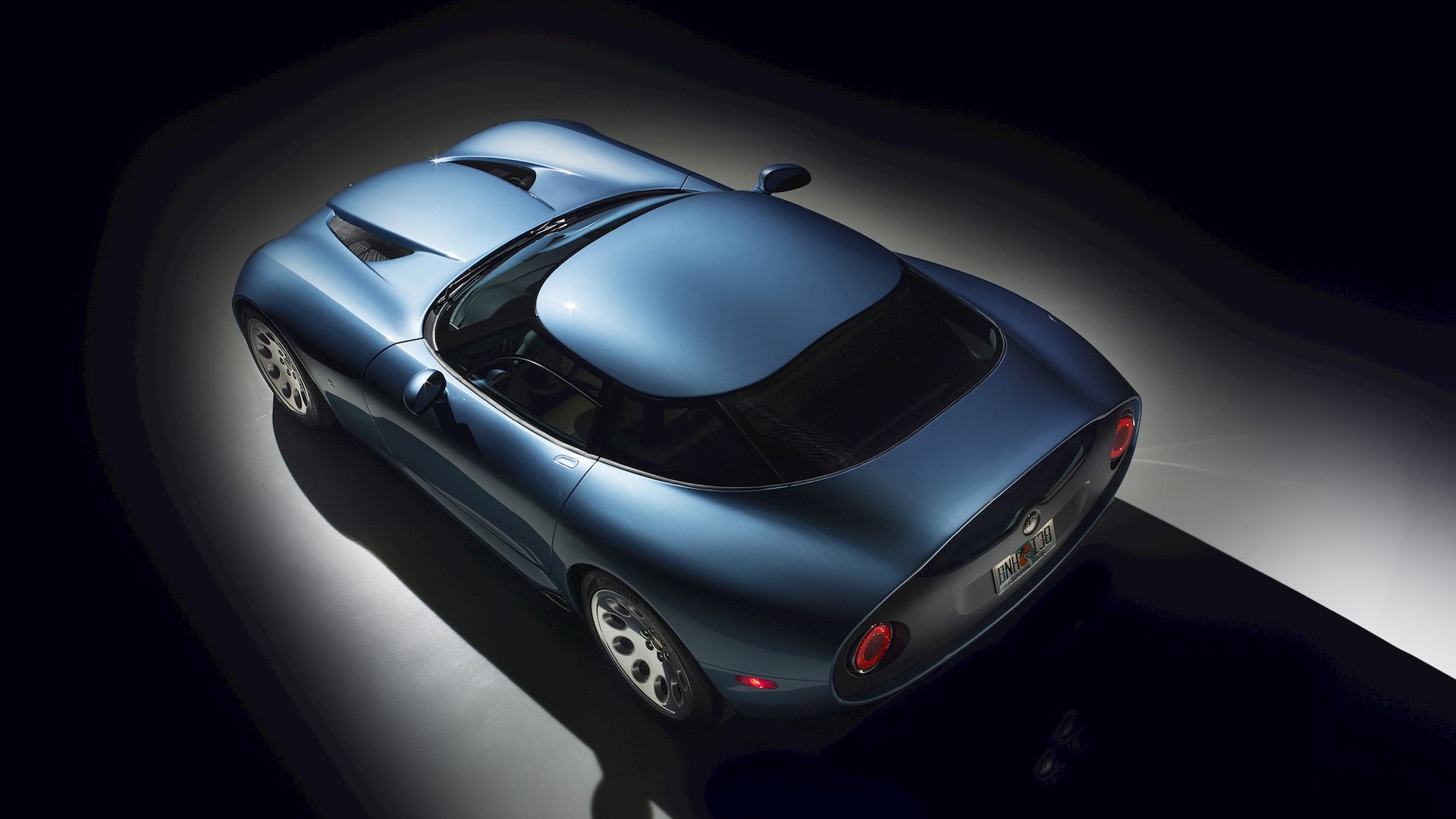
Entering the 2000s and 2010s, Zagato fully embraced its heritage by creating modern cars that directly referenced the coda tronca classics. The coachbuilder found that there was a strong market for limited-edition “continuation” or homage vehicles that blend retro design cues with contemporary performance. One of the most significant of these efforts was the revival of the “TZ” series with the Alfa Romeo TZ3. In 2010, to celebrate Alfa Romeo’s 100th anniversary and Zagato’s own 90th, Zagato built the TZ3 Corsa, a one-off competition car, and followed it in 2011 with the TZ3 Stradale, a road-going version limited to nine units. The TZ3 Stradale is a striking example of how Zagato preserved the coda tronca spirit in a modern context. Although under the skin it’s essentially a Dodge Viper (with an 8.4L V10 engine), its body is pure Italian artistry and tribute. The design features a long-nose, Kamm-tail proportion, very much in keeping with its 1960s ancestors. From the front, the TZ3 has a classic GT silhouette with a sweeping bonnet, but at the rear it emphatically echoes the past: a “proper Kamm-back” tail, chopped off sharply and adorned with horizontal tail lamps and wide-set exhausts. One glance at the car and you can see the lineage – it’s the great-grandchild of the Giulia TZ, wearing a 21st-century suit. Zagato even constructed the TZ3’s body using advanced materials (carbon fiber tub with hand-formed aluminum panels) to keep weight down, a modern parallel to the aluminum skins of the ’60s. The coda tronca here is not just stylistic nostalgia; it serves its aerodynamic purpose given the car’s capability. With over 600 horsepower, the TZ3 Stradale could easily run to very high speeds, and the truncated tail helps manage airflow just as it did decades prior. As one report put it, the TZ3 is a “bold Zagato design” that doesn’t disguise its Italian bloodline at all – it’s all curves and muscle ending in that signature cut-off tail. The car garnered acclaim for being a beautiful melding of Italian design and American muscle, and more importantly for our story, it confirmed that the coda tronca concept still has a place in modern high-performance design. Each of the nine cars found a home in an enthusiast’s collection, ensuring the coda tronca legend lives on roads and concours lawns today.
In parallel with the TZ3, Zagato revisited its long association with Aston Martin in the 2010s, creating a series of coachbuilt Astons that often nodded to coda tronca heritage. The Aston Martin V12 Zagato, revealed in 2011, was one such car. Based on the Aston Martin V12 Vantage, the V12 Zagato was built to commemorate the 50th anniversary of the DB4 GT Zagato. It combined modern Aston mechanicals (a 510 hp V12) with a bespoke Zagato body that included hallmark features: the double-bubble roof, rounded “rocket” tail lights, and a chopped rear profile. While more subtle than the overt Kamm tail of a TZ3, the V12 Zagato’s tail was notably abbreviated and squared-off compared to the base Vantage, giving it a stubby, aggressive look. The car was successful in competition as well – a racing version scored a class win at the Nürburgring 24 Hours – indicating that its design was not just for show. Although only about 150 were produced, the V12 Zagato proved that the allure of a Zagato special was as strong as ever. It effectively translated the coda tronca idiom to a contemporary supercar: the car’s rear end treatment was a modern interpretation of the Kamm tail approach, integrated with diffusers and spoilers needed for current performance standards. The influence is acknowledged by Zagato and Aston themselves. In fact, Zagato’s later projects on the Aston Martin Vanquish (the Vanquish Zagato Coupe in 2016, for example) explicitly include a “Kamm tail” as part of their signature design details. Andrea Zagato, the third-generation head of the company, has often remarked that combining aesthetic heritage with functional design is key to their modern creations. We see this in the Vanquish Zagato: it wears a svelte carbon-fiber body that ends in a neatly cropped tail, consciously echoing the look of the DB4 GTZ and V12 Zagato before it. The fact that Aston Martin embraced this and put the car into a limited production run (99 units) shows how respected Zagato’s design language is. In a press statement for the Vanquish Zagato, Aston Martin highlighted the “Kamm tail, round tail lights” among the features that make the car special. It’s a direct admission that the coda tronca is now part of the expected Zagato repertoire, even on a modern grand tourer with 200+ mph potential.
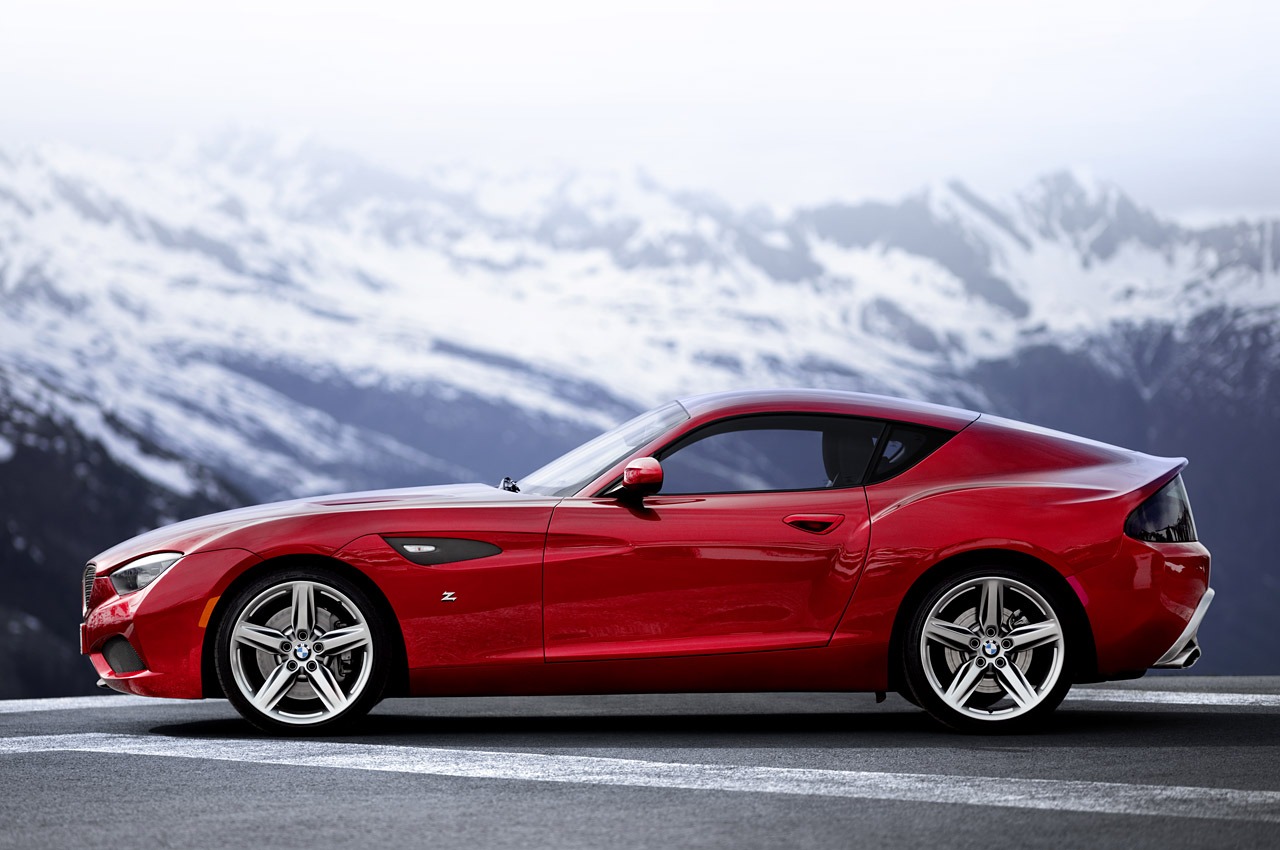
Beyond Aston Martin and Alfa Romeo, Zagato has continued to craft limited editions for other brands where the coda tronca theme sneaks in. They built a BMW Zagato Coupe and Roadster concept pair in 2012 in collaboration with BMW – these had pronounced short tails as well. The roadster, revealed at Pebble Beach, sported a rear end that BMW’s design team noted was a classic Kamm tail to reduce wind resistance. Zagato also revisited some of its own past designs in modern form. In 2015, they introduced the Zagato Mostro, a carbon-bodied sports car inspired by the 1957 Maserati 450 S “Monster” that Zagato had a hand in. The Mostro featured a truncated tail with a suggestive dorsal spine – not a pure flat Kamm tail, but an aesthetic riff on it, blending old and new.
🔗 Read more: The Double Bubble Roof by Zagato: A Bump in the Right Direction
Perhaps the most fascinating recent expression of the coda tronca philosophy is the Zagato AGTZ Twin Tail, unveiled in 2024. Based on the Alpine A110, this striking design celebrates both the aesthetic and aerodynamic heritage of the Alpine A220 long-tail Le Mans car of the late 1960s. What makes the AGTZ unique is its literal transformation between two tail forms: owners can switch between a road-oriented short tail and a longer rear extension, creating two distinct profiles. In this way, the car embodies a “double tail” concept—practically and stylistically paying homage to both the coda tronca and its extended aerodynamic variant.
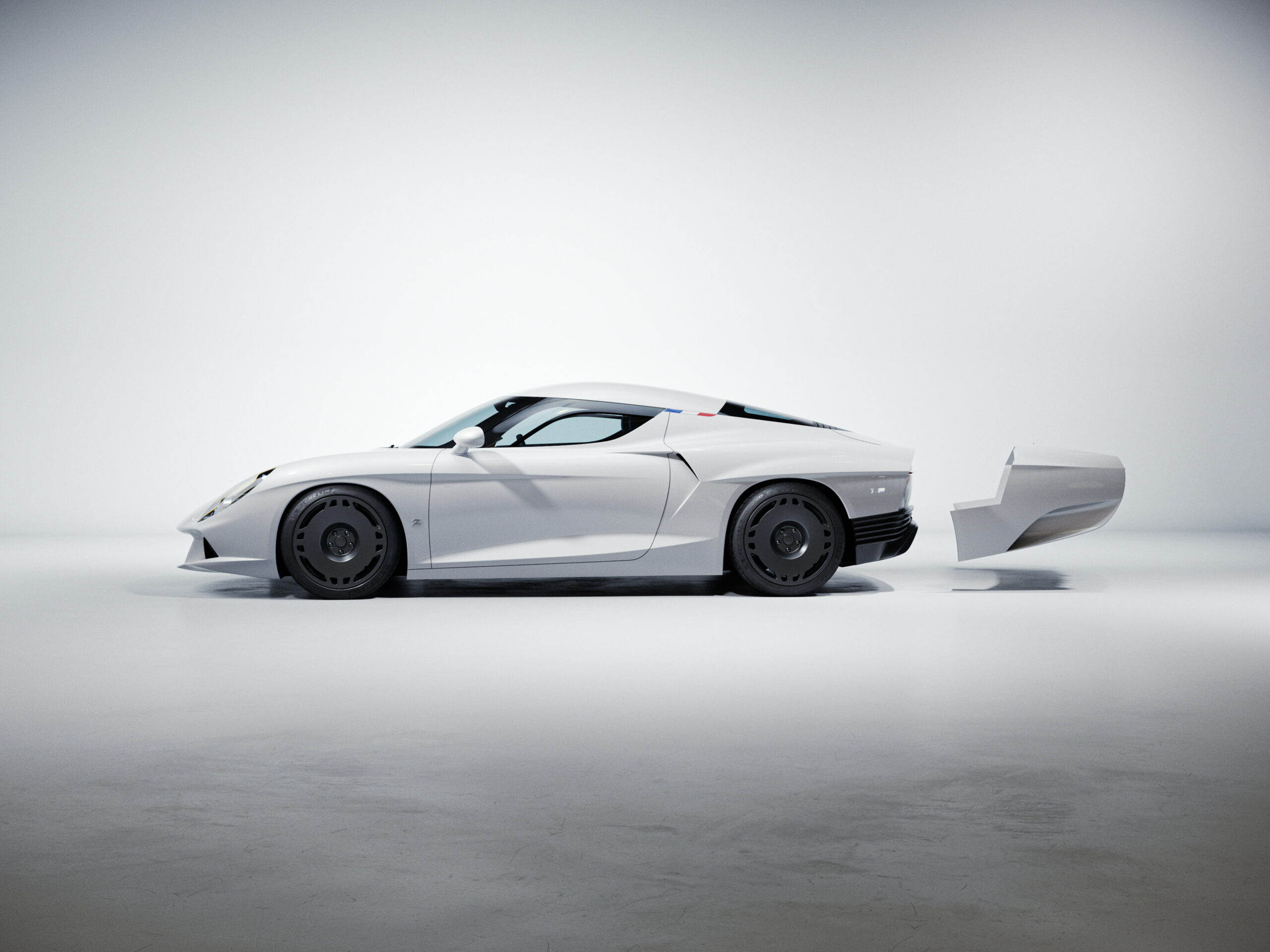
Zagato thus moves beyond static homage and offers a dynamic interpretation of its historical vocabulary. Mechanically, the AGTZ retains the Alpine’s mid-engined layout and powertrain, but the new bodywork transforms the car into a functional art piece that reflects decades of aerodynamic thought and design evolution. With just 19 examples to be built, the AGTZ Twin Tail is both collectible and conceptually rich—a modern reiteration of Zagato’s signature duality of form and function.
The one-off Alfa Romeo 8C DoppiaCoda unveiled at Villa d’Este 2025 as a bespoke commission, features a unique rear design where an upper portion echoes a classic curved tail while the lower portion is sharply cut off, creating a striking “double tail” effect. This is Zagato having a bit of fun with its own legacy, effectively saying: why choose between coda tonda and coda tronca when we can have both? Yet even in this artistic flourish, the essence of the Kamm tail remains obvious. As one description puts it, the 8C DoppiaCoda has “part truncated Kamm tail (classic Zagato Coda Tronca), part rounded, flowing volume that hints at vintage GTs,” marrying two eras of design. And it’s all done without compromising the car’s aerodynamics – the modern computational fluid dynamics likely ensure that the double-tail still performs well at speed. Such projects underscore Zagato’s commitment to evolving the coda tronca idea. They honor the past by preserving the defining cut-tail shape, but they also adapt and merge it with contemporary styling to create something new.
Preservation of an Essence in Limited Editions
What is it about the coda tronca that Zagato has been so keen to preserve? Part of it is surely the visual identity – one glance at a truncated-tail Zagato car and a knowledgeable enthusiast is reminded of the company’s racing golden age. That heritage is a powerful draw for collectors, which is why limited editions like the TZ3 Stradale or Aston Martin V12 Zagato are commercially viable. Zagato has effectively built a niche business around offering modern machinery wrapped in designs that carry a whiff of mid-century Grand Prix paddocks and Targa Florio pit lanes. But beyond nostalgia, Zagato preserves the coda tronca because it is a genuine technical solution. Even in the age of wind-tunnel-shaped supercars, the basic Kamm tail logic still holds. For instance, the TZ3 Stradale’s design was applauded for being clean and not overly cluttered with scoops and wings; its aerodynamic efficiency comes from its proportion and form (long nose, short tail) more than from add-ons. By keeping that form-follows-function ethos, Zagato distinguishes its cars from many other coachbuilt specials that might prioritize pure styling excess. There’s an honesty to a coda tronca design – it immediately communicates performance. A car that looks like the tail has been sliced off invites curiosity and admiration for the boldness of the idea, much as it did in the 1960s. Zagato’s limited editions often celebrate milestone anniversaries (their own or an automaker’s), and using the cut-tail motif is a way to symbolically tie the new car back to historic achievements. When the Vanquish Zagato Coupe was announced for production, its incorporation of the Kamm tail was explicitly framed as a “signature Zagato detail” in press releases, connecting it to earlier Zagato Aston Martins and even to the original DB4 GTZ. Likewise, the Alfa TZ3 was openly described by Zagato as a homage to the original TZ1/TZ2 – and one cannot imagine a proper TZ homage without the coda tronca shape.
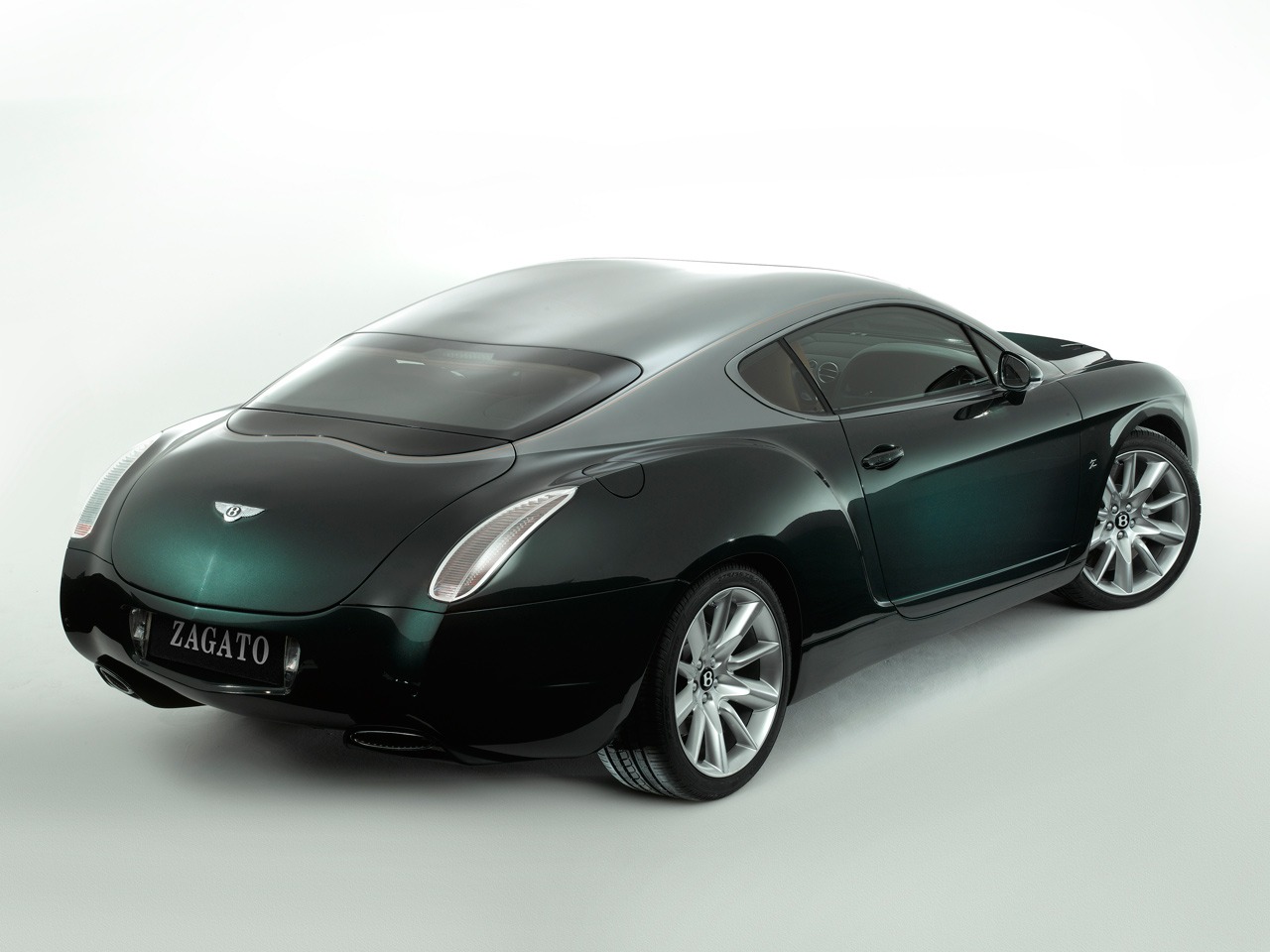
In some cases, Zagato has transformed the coda tronca essence by blending it with new technology. Take the Bentley Continental GTZ (2008), for example: here Zagato re-bodied a Bentley Continental GT, a hefty luxury coupe, into something that appeared more lithe. While the Bentley GTZ didn’t have an outright flat cut tail, it did feature a redesigned rear with a reduced overhang and a hint of “boattail” curvature meeting a subtle cutoff. The effect was a more compact-looking GT, showing Zagato’s attempt to inject some of its racing DNA into a grand luxury car. Similarly, the Lamborghini 5-95 Zagato (2014) – a one-off on a Gallardo platform – showcased a very unusual rear design: it wasn’t a simple vertical chop, but it incorporated floating buttresses and a Kamm-like departure angle, truncating the roof abruptly behind the double bubbles. These limited cars illustrate Zagato’s creative play with the concept; they don’t always do a textbook coda tronca, but they often nod to it. And when Zagato does go fully retro, as with the Aston Martin DB4 GT Zagato Continuation models or the Jaguar XK140 Zagato rebodies, they ensure the tail is faithful to the period Kamm style, because that’s integral to the car’s identity.
Preservation is also literal in some cases. In 2019, Zagato built a pair of cars called the DBZ Centenary Collection: one was a modern DBS GT Zagato, and the other a freshly built “continuation” 1960 DB4 GT Zagato (with Sanction 2 specifications). The continuation DB4 GTZ was essentially an exact reproduction of the original, coda tronca and all, allowing a few more lucky owners to experience that 1960s design brand new. This is perhaps the ultimate example of Zagato keeping the flame alive – manufacturing the past in the present. And it underscores how timeless the cut-tail design has become, that clients in the 21st century will pay handsomely to own a car with such a shape and the heritage it represents.
Significance and Influence in Automotive Design
Zagato’s coda tronca is more than just a quirk of Italian coachbuilding history; it’s a concept that has had lasting influence on automotive design and aerodynamics. The Kamm tail principle pioneered by the likes of Kamm and applied artfully by Zagato has found its way, in various forms, into countless vehicles. From the obvious – sports and race cars – to the subtle – even everyday road cars – the legacy is widespread. Many modern performance cars quietly employ a truncated rear end for the same reasons Zagato did in 1961. Look at a 2020s supercar: often you’ll find a rear that ends in an abrupt cutoff beneath complex diffusers and lights. The Ford GT, to pick one, has flying buttress C-pillars that lead to a Kamm-style tail; the latest Chevrolet Corvette has a high, flat rear deck that is effectively a Kamm tail topped by a spoiler. Even hypercars like the McLaren Senna and certain Pagani models use an exaggerated form of truncated tails to manage airflow. These designs owe a debt to the principles proved long ago on the Alfa SZ and TZ. In the realm of endurance racing, Kamm tails became virtually standard – every Le Mans prototype or Group C car from the ’80s onward used short-tail or long-tail configurations depending on track needs. The idea that you can optimize aerodynamics by tailoring the tail length is a direct takeaway from Kamm’s theory. The term “Kammback” is even used in common parlance for certain hatchbacks – for instance, the original Honda Insight hybrid (2000) had a very pronounced Kamm tail to minimize drag, as do the Toyota Prius and many eco-focused cars. While those are far from Zagato’s exotic creations, they illustrate how universal the concept became.
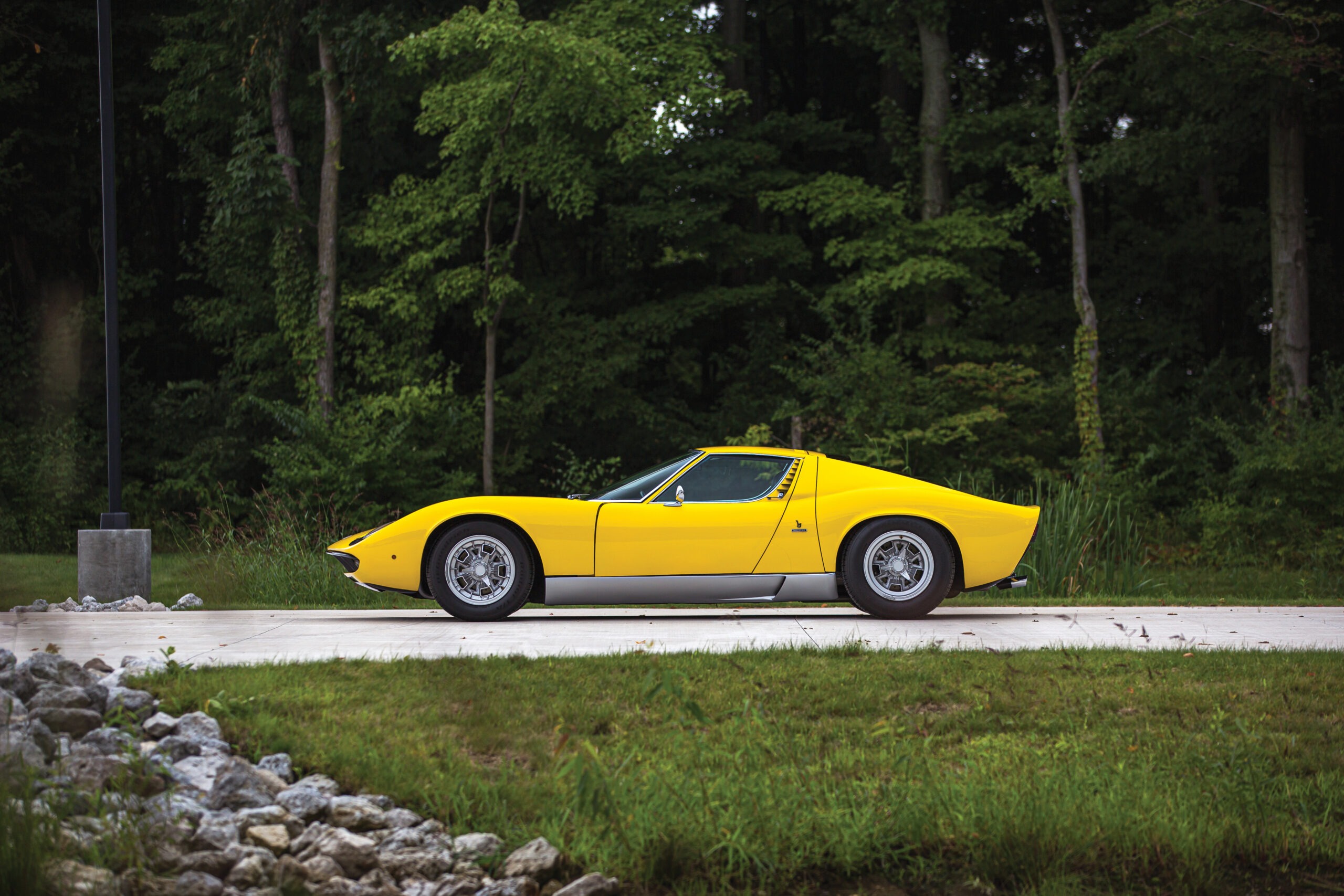
In coachbuilding and styling circles, the coda tronca also left an aesthetic imprint. It taught designers that sometimes removing elements can create beauty – the absence of a long tail can be as striking as the presence of one. Zagato’s rivals and colleagues took note back in the ’60s: Bertone, for example, experimented with Kamm tails on concepts like the 1963 Alfa Romeo Giulia 2000 Sportiva (which had a chopped tail) and the later Lamborghini Miura had a chopped-off rear deck to stabilize it. Pininfarina’s Ferrari 250 LM racer and the 250 SWB “Breadvan” (though not Pininfarina, but by Bizzarrini/Neri & Bonacini) were other examples of Italians embracing the look. Fast forward, and you see limited production supercars such as the Ferrari F12tdf adopting a cut-off tail with an integrated spoiler – essentially a modern interpretation to generate downforce and reduce drag. It’s arguable that without the early proof of Zagato’s coda tronca racers, designers might have been less willing to depart from flowing tail fins and curved tails that dominated the 1950s.
For Zagato’s own legacy, the coda tronca is a cornerstone. It represents the firm’s identity at its best: rational yet daring, functional yet elegant in its unique way. The continued reference to this design in Zagato’s modern projects suggests that it’s viewed not as a relic, but as a core design language that can evolve. As Andrea Zagato said during the company’s centenary, their challenge is balancing traditional values with pioneering design. The coda tronca encapsulates that balance – it is a traditional value (a proven concept from the past) that still informs new designs (through creative reinterpretation).
What began as a practical solution to go faster on the track became inextricably linked with the style of an era. Early 1960s racing saw the birth of these cut-tail wonders, and their mystique has only grown with time. We see that mystique today in the eager reception of cars like the TZ3 Stradale and Aston Martin V12 Zagato, which remind us that the allure of a Zagato codatronca is as strong as ever. It’s a shape that tells a story – of a young Italian designer measuring top speeds on the autostrada in 1960, of privateer racers squeezing every drop of performance out of petite GTs, of cross-continental collaborations pushing boundaries, and of a coachbuilder tenaciously clinging to its roots in a fast-changing world. For the knowledgeable automotive enthusiast, a coda tronca design evokes a sense of romance and respect: romance for the bygone days of gentleman racers, and respect for the technical ingenuity that still resonates. As long as Zagato continues to craft limited editions and one-offs, it’s a safe bet that the cut-tail will feature in some form – a visual signature that links the present to the glorious past. In an industry where design trends come and go, the enduring presence of Zagato’s coda tronca is testament to its perfect blend of form and function, and its everlasting appeal in the pursuit of speed.
Sources: Historical and technical details have been referenced from Zagato and Alfa Romeo archival information, contemporary accounts and interviews, and recent analyses of Zagato’s designs. These sources include publications like Petrolicious, Hemmings, and manufacturer records, ensuring an accurate portrayal of how the coda tronca came to be and why it remains relevant. Through these references, one can trace the lineage from the first cut-tail experiments on the Giulietta SZ to the bespoke creations gracing today’s concours lawns – a continuous thread of innovation and style that defines Zagato’s legacy.

ABOUT THE AUTHOR
Andreas Scheidl
Italian classic car enthusiast with German roots. Renowned as a respected figure in the classic car community, he serves as a jury member at various international concours d'elegance, including the Classic Gala Schwetzingen and Mantova. As a content creator, Andreas passionately shares his profound knowledge and appreciation for vintage automobiles. His heart beats for cars designed by Giovanni Michelotti, showcasing his discerning taste and dedication to preserving the timeless elegance of automotive history.
More stories by Andreas Scheidl ↗CONTINUE READING
Posts You Might Like
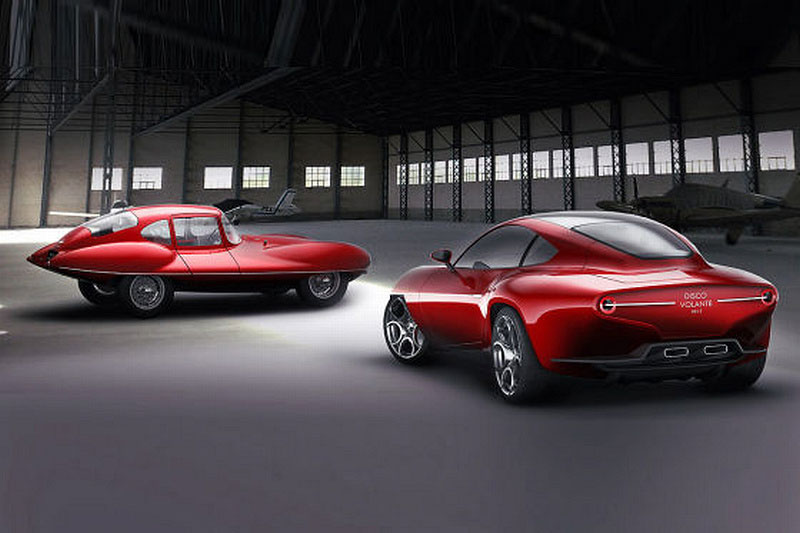
Reinterpreting the Past: When Coachbuilders revisited it’s Icons
When iconic coachbuilt cars are rebade through time, intent matters more than nostalgia. From experimental originals to modern reinterpretations, this article examines how legends are reimagined—and why some ideas refuse to stay…
Read story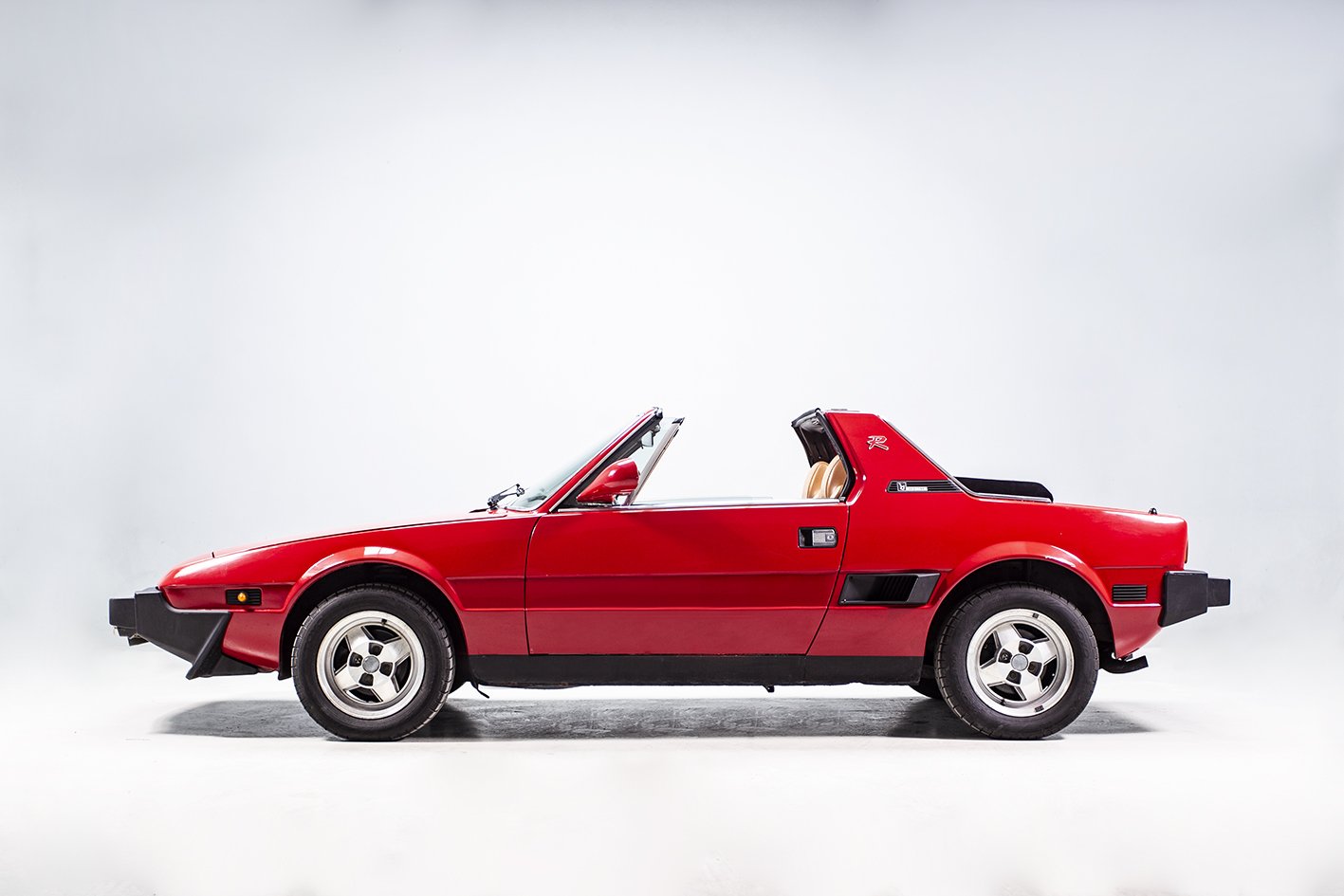
Neither Coupé nor Spider: Italy and the Targa Roof
A deep dive into Italy’s decades-long exploration of the targa roof—from early post-war experiments to Ferrari and Lamborghini icons—revealing how Italian designers created a third way between coupé and spider.
Read story
Italian Vision of the MPV: The Monovolume Concept
Long before MPVs filled suburban driveways, Italian designers were shaping the monovolume with prototypes that ranged from pragmatic to outright outrageous. Their work rewrote how space, style, and function could fit under…
Read story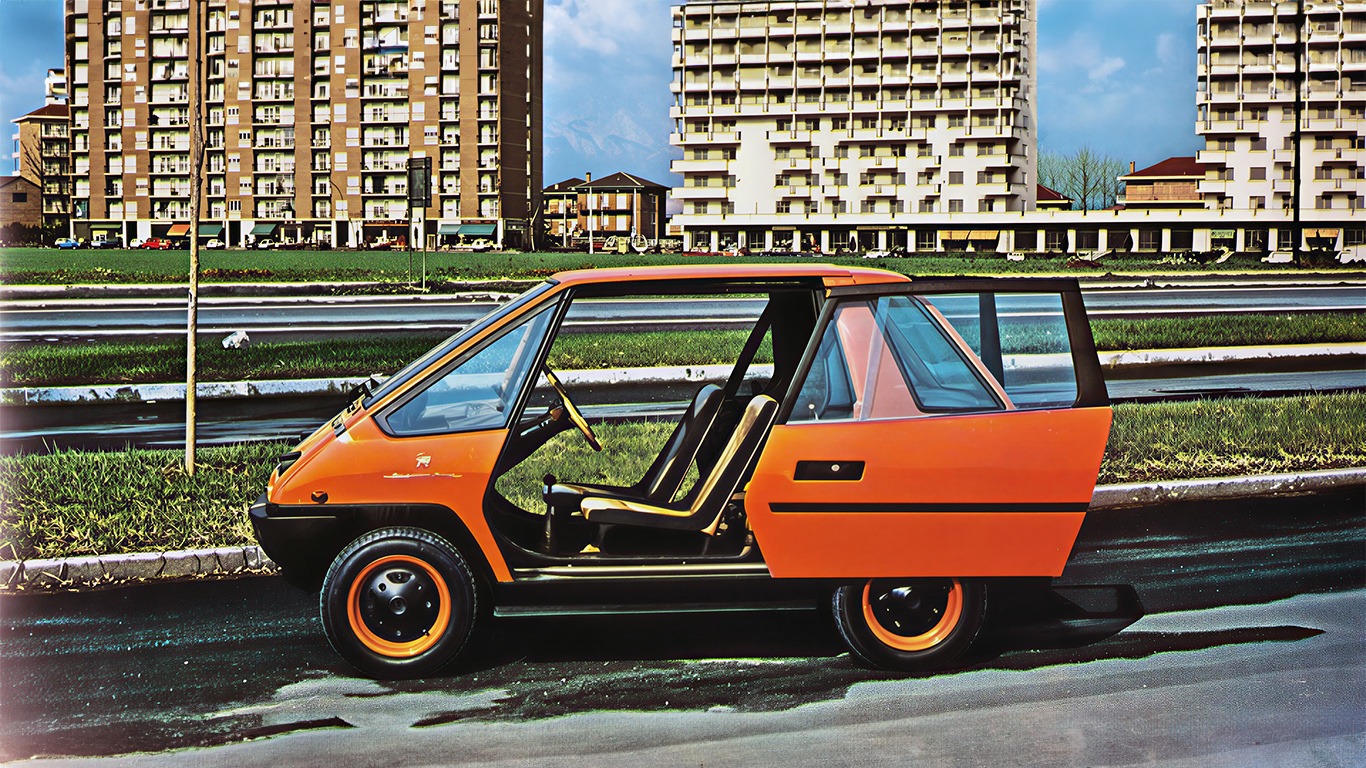
Italian Coachbuilt City Car Concepts: From Microcars to Urban EVs
How did Italy’s famed coachbuilders go from designing Ferraris to dreaming up tiny electric runabouts? From the quirky Tsé-Tsé to Pininfarina’s visionary Nido, discover how city cars became a proving ground for…
Read story
THE CONVERSATION
Comments 0
Share a memory, a period photograph or a documented detail about this story.