
The Partnership Between Michelotti and Triumph
Every so often, a car company stumbles into its own golden age almost by accident. Not through strategy decks or market research, but because the right people happen to meet at the right moment—and recognize something in each other.
For Triumph, that moment arrived not in Coventry, but in Geneva. And not in an office, but on the floor of the Motor Show.
Giovanni Michelotti was already known for two things: speed and certainty. He drew quickly, decisively, and with the calm assurance of someone who could see a finished car long before the pencil touched the paper. Alick Dick, managing director of Standard-Triumph, had heard the stories. So he tested them. He walked up to Michelotti and made him an offer that was half joke, half provocation: if Michelotti could bring him a redesign of the Vanguard by the next morning, there would be a magnum of champagne waiting.
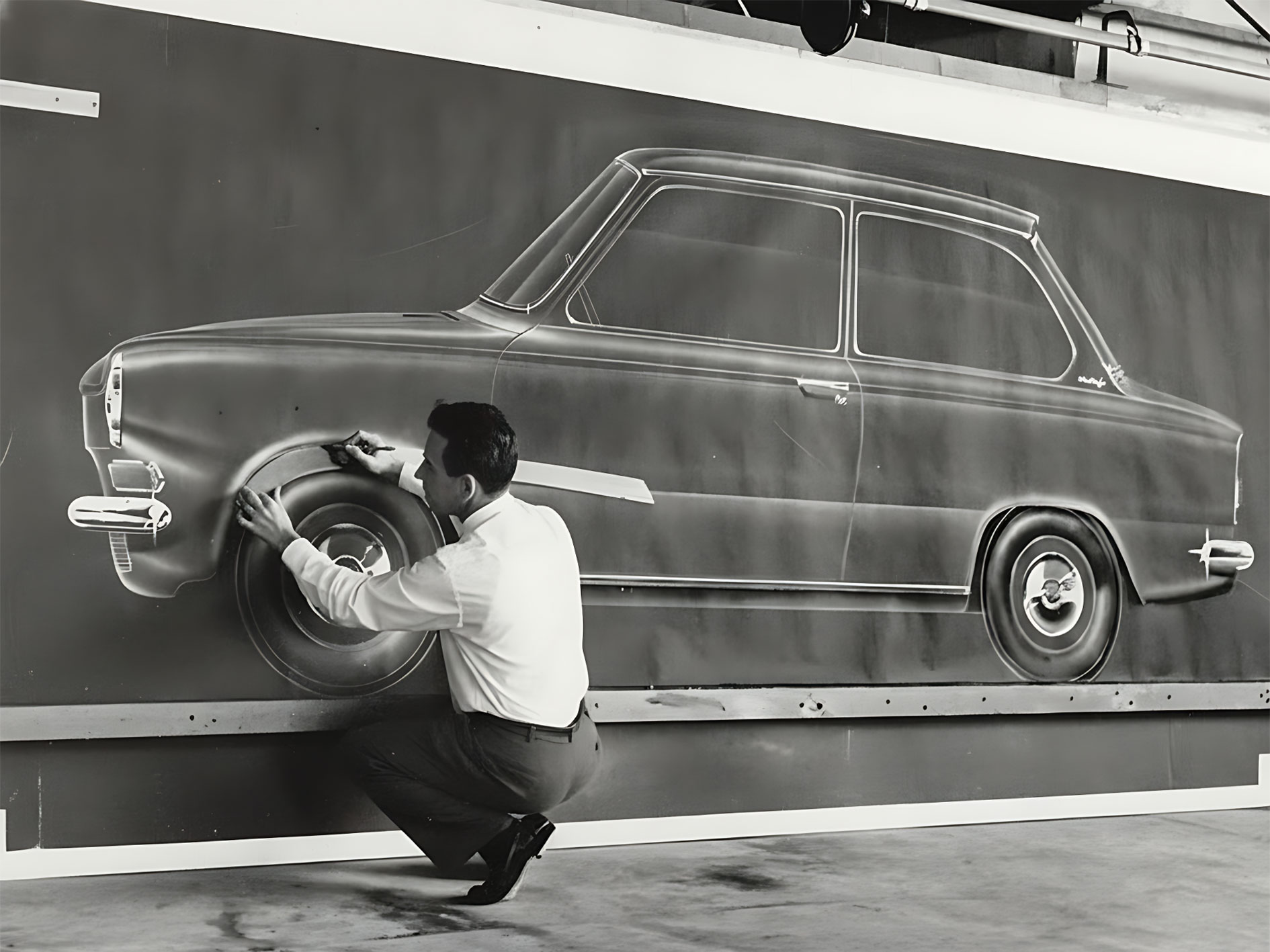
Michelotti didn’t argue. He didn’t negotiate. He went back to his hotel, opened his sketchbook, and did what he always did. He drew. Not one proposal, but three. Ninety minutes later, the work was done. He slept. The next day, Dick was handed the drawings, stood silently for a moment, and then paid his debt—first with champagne, and shortly after with a contract.
That was how Triumph found its designer.
Eleven Floors Above Turin
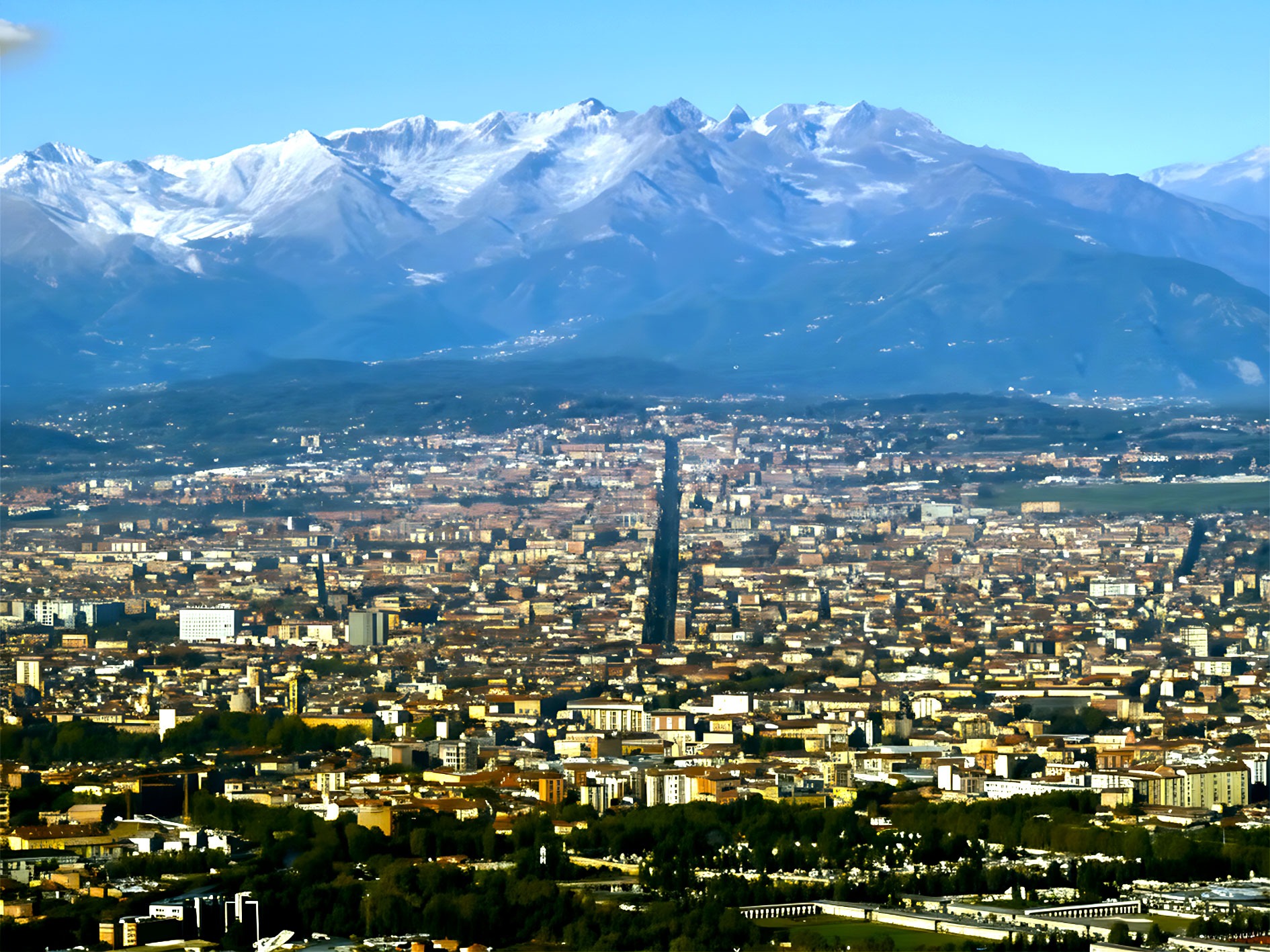
Michelotti worked from an attic on Corso Francia in Turin, eleven floors up in what was then the tallest building in the city. From the windows, you could see all the way to the Alps. Inside, the space was open and spare: two large drawing tables, a small team of designers, and an unspoken rule about discretion. Clients came here because they knew what happened inside would not leak out.
This was not a studio built for drama. It was built for work. And sometimes, for very little sleep
It was here that Triumph’s future quietly took shape. Not in sweeping gestures, but in conversations, revisions, and sketches passed across a table late into the night.
One of those nights would become legend.
Harry Webster, Triumph’s chief engineer, stopped by the studio while driving to Liguria for holiday. His wife and daughter waited in the car below. He had a problem—an existing design that refused to resolve itself. They tried every variation. Nothing worked. Eventually, Webster admitted defeat.
🔗 Read more: Giovanni Michelotti: Automotive Maestro
“I don’t think it can be done.”
Michelotti didn’t hesitate. “Then I’d start again.”
He picked up a pencil. Ten minutes later, the solution was on pape
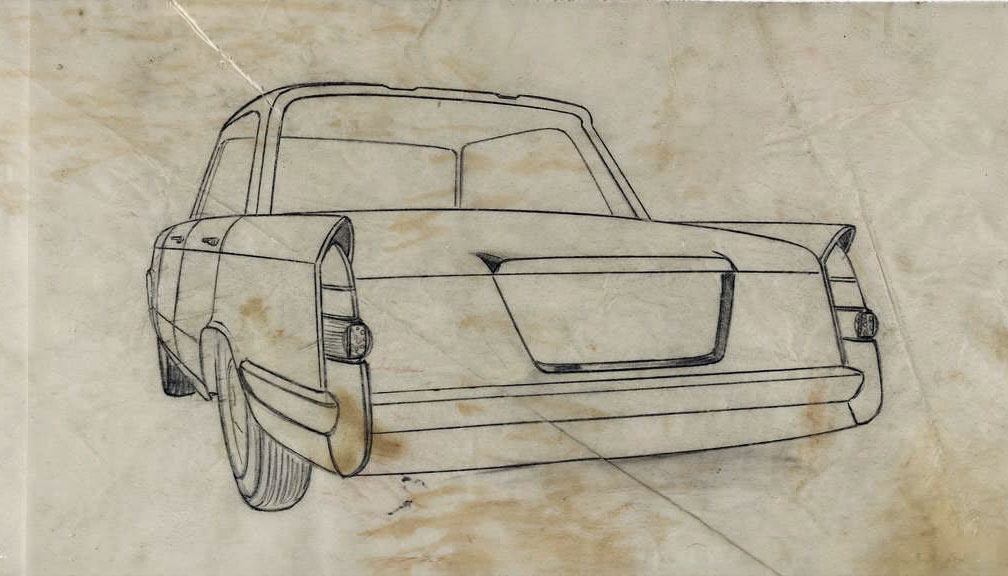
Work began immediately. The hours slipped by unnoticed. Sandwiches arrived from the bar downstairs. Somewhere around midnight, Webster realized his family was still waiting. When he finally went down, he found them asleep—and cared for. The bar owner had fed them, offered the restroom, and made sure they were comfortable. Everyone understood this was simply how things happened when Michelotti was working.
That overnight sketch would become the Triumph Herald.
A Car That Reset the Brand
When the Herald appeared in 1959, it didn’t shout. It didn’t need to. Its proportions were upright and confident, its lines clean and modern, its glass generous. It looked like a car designed for real people living real lives, not for nostalgia.
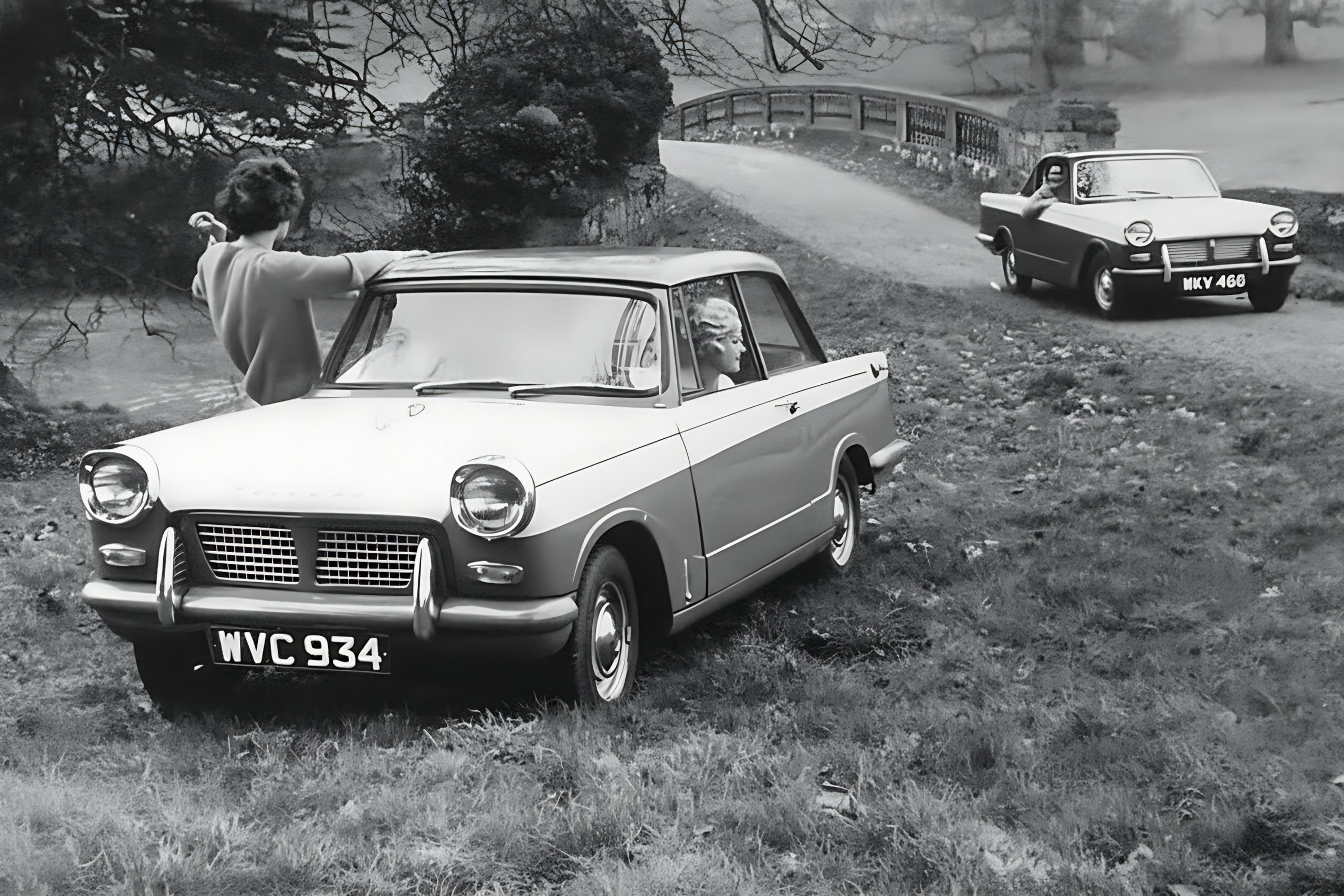
Underneath, it was clever in the way Michelotti preferred: modular, adaptable, flexible. One platform, many bodies. Saloon, coupé, convertible, estate. It could be everything Triumph needed it to be.
More importantly, it gave Triumph a face. One that felt contemporary, honest, and quietly elegant.
Customers responded. So did Triumph’s leadership.
The Rhythm of the Sixties
By the early 1960s, Triumph was growing fast. Leyland had taken over, Donald Stokes was pushing expansion, and Michelotti had become the brand’s visual anchor. As engineers experimented with engines and platforms, Michelotti ensured the cars still spoke the same language.
Small saloons gained grace. Sports cars gained usability. Even when performance increased, the lines remained disciplined. He understood something crucial: British cars didn’t need to look Italian—they needed Italian proportion applied to British purpose.
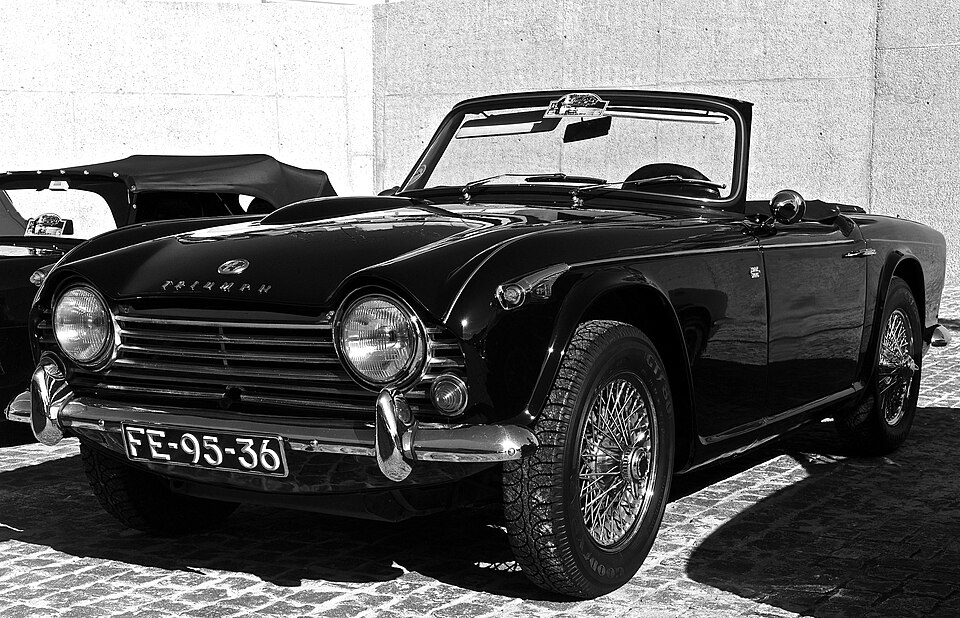
Nowhere was that balance more apparent than in the TR line.
Earlier TRs were charming but dated, their shapes rooted in prewar thinking. Michelotti’s redesign transformed them. The TR4 arrived wide, low, and confident, with proper doors, roll-up windows, and an interior you could imagine spending hours in. It didn’t abandon the roadster spirit—it civilized it.
The TR5 carried that idea forward, adding modern performance while keeping the form intact. Triumph had stopped chasing the past and started competing in the present.
Geneva, Once More
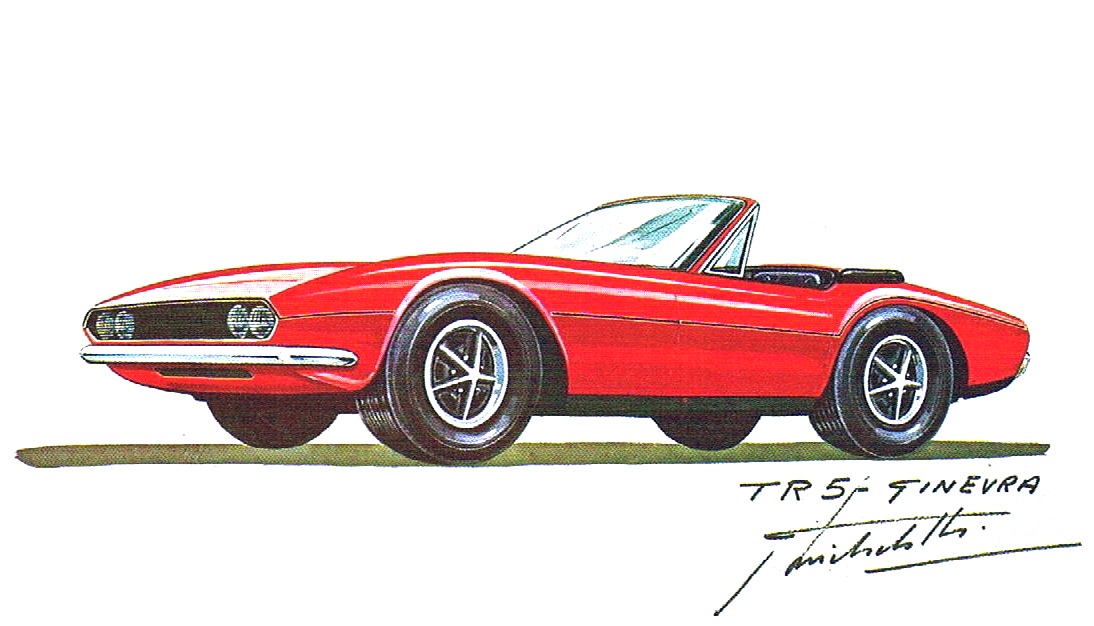
Michelotti prepared a show car for the Geneva Motor Show known internally as the TR5 Ginevra. It was meant as a vision—an exploration of where Triumph’s sports cars could go next. When Triumph’s management visited Michelotti’s studio in Turin to preview it, the reaction was immediate. This was no concept. This was a production car waiting to happen.
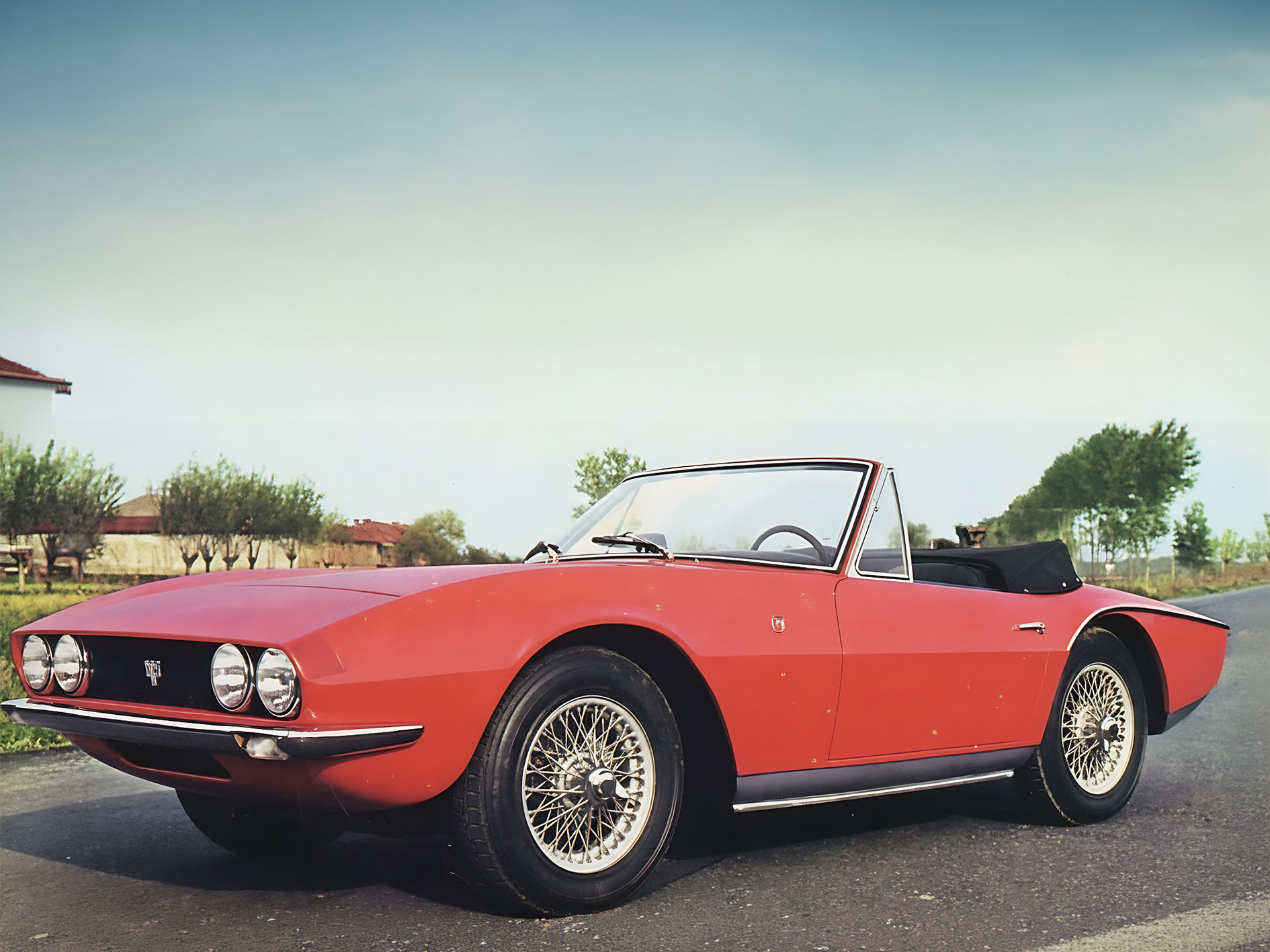
They bought the design on the spot.
That decision would eventually give the world the Triumph Stag, a grand tourer that aimed higher than anything Triumph had attempted before. But it also left Michelotti with a problem: Geneva was approaching fast, and the car intended for the stand was now off-limits.
🔗 Read more: When a Mistake Made History: Giovanni Michelotti and the Birth of the “Baffo”
With just fifteen days to spare, Michelotti did what he had always done best. He improvised. A TR5 chassis became the foundation for a completely new spider. Existing glass was repurposed. A temporary soft top was devised. Nothing was wasted, nothing was precious. What mattered was that the car worked—and that it arrived on time.
It did.
The hastily built replacement stood under the lights at Geneva as proof of something that can’t be taught: the ability to solve problems creatively, at speed, without losing control of the result. That prototype still exists today, cherished by a Swiss-German collector and shown across Europe—not because it became famous, but because it represents Michelotti at full stretch.
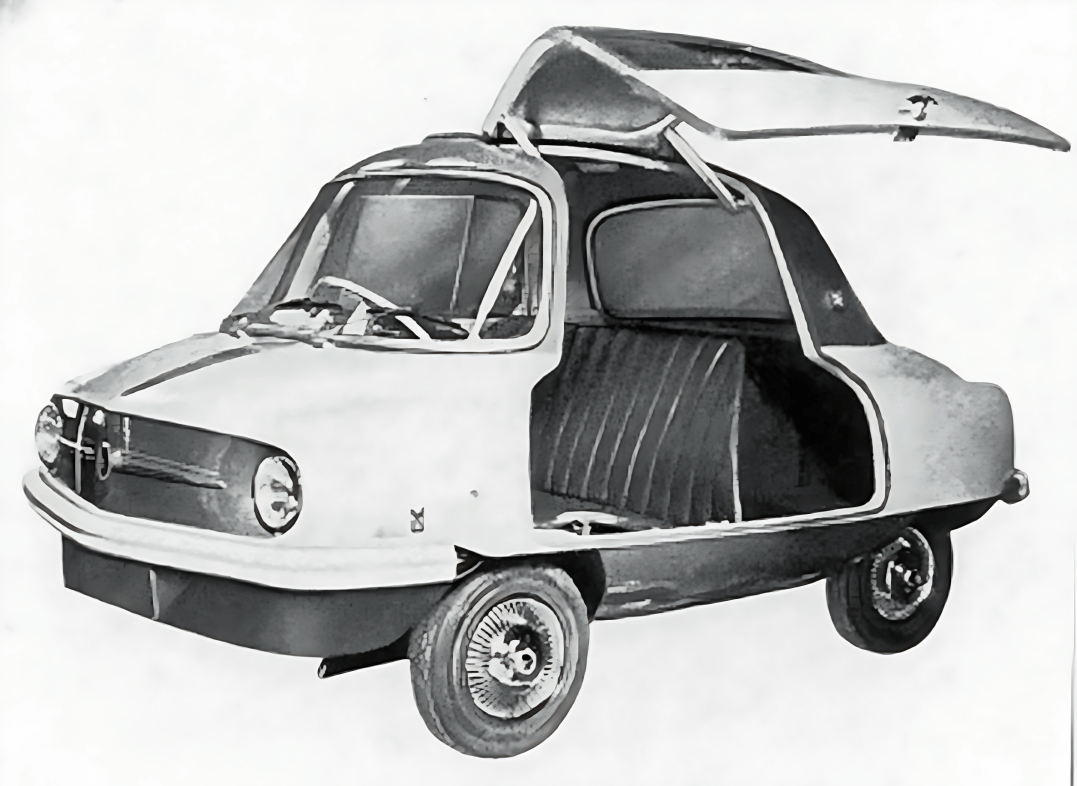
Alongside these headline projects, there were always experiments happening in parallel. Small spiders. Special-bodied TRs. Even ventures aimed at markets far beyond Britain, like the Frisky Meadows project conceived for Egypt. Not all of them reached production, and not all were meant to. But each reinforced Michelotti’s reputation inside Triumph as someone who could be trusted—not just to style cars, but to think them through.
A Workshop and a Legacy
For years, Michelotti relied on trusted coachbuilders to realize his designs. But as his client list grew, discretion became harder to guarantee. In 1959, he solved the problem himself, opening his own small carrozzeria on Via Levanna in Turin. It was a modest place—seven employees, simple equipment, a dirt courtyard—but it gave him complete control. From there, he worked not only as a designer but as a builder, seeing his ideas through from sketch to steel.
Triumph remained a constant presence through shifting ownership and a changing industry. Projects came and went, but the relationship endured, built on mutual trust and a shared understanding of what the cars needed to be.
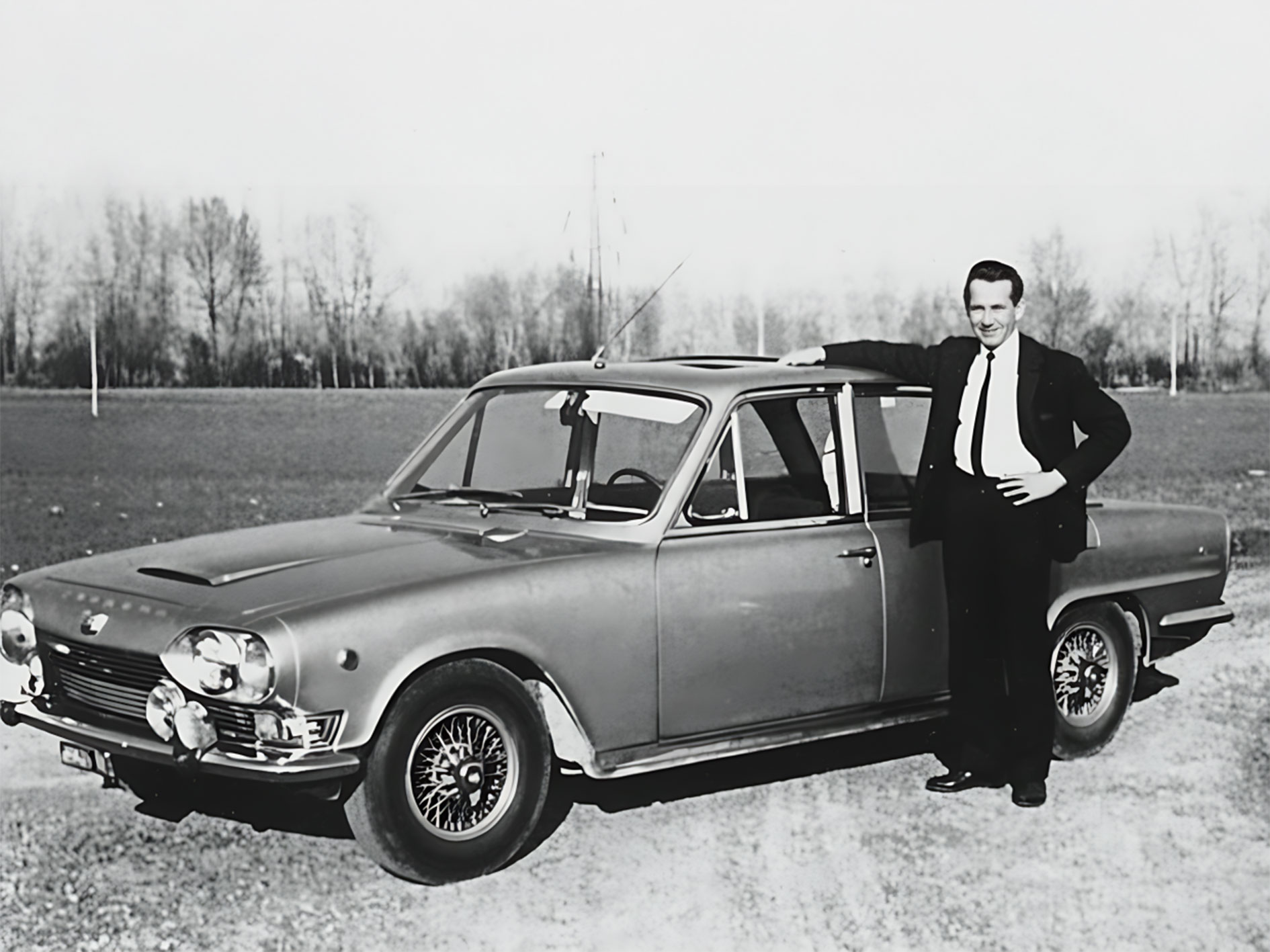
It ended only because Michelotti could no longer continue. In the late 1970s, illness slowed him, and his death brought the collaboration to a close. His final work for Triumph—a restyling that transformed the TR7 from coupé to spider—was completed just before the end. It was a quiet conclusion, not a strategic one. The partnership didn’t fade out; it simply stopped, when the hand that had drawn it all was no longer there.
The Shape of an Era
Michelotti’s work for Triumph was never about spectacle. It was about proportion, clarity, and knowing when to stop. He gave the brand a visual logic that survived decades of change—and still feels right today.
It all began with a bet and a bottle of champagne. It ended with a body of work that defined an era. And somewhere in between, an Italian designer taught Britain how to look forward—without forgetting who it was.

ABOUT THE AUTHOR
Andreas Scheidl
Italian classic car enthusiast with German roots. Renowned as a respected figure in the classic car community, he serves as a jury member at various international concours d'elegance, including the Classic Gala Schwetzingen and Mantova. As a content creator, Andreas passionately shares his profound knowledge and appreciation for vintage automobiles. His heart beats for cars designed by Giovanni Michelotti, showcasing his discerning taste and dedication to preserving the timeless elegance of automotive history.
More stories by Andreas Scheidl ↗CONTINUE READING
Posts You Might Like
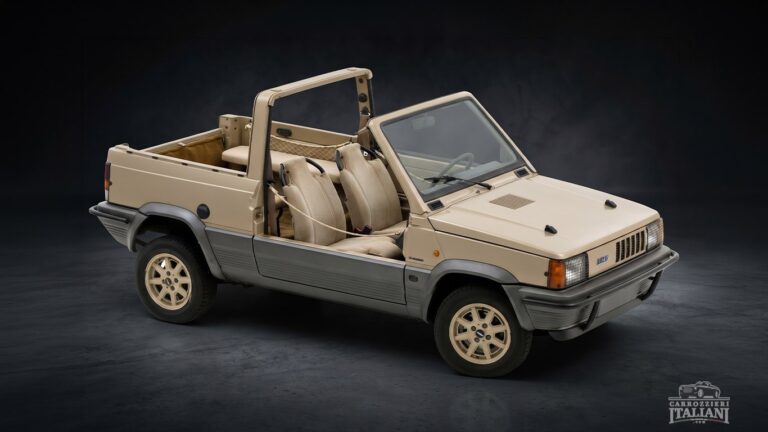
Fiat Panda Cabrio: The Italian Coachbuilders Who Opened Giugiaro’s Box
From Moretti’s Panda Rock to Italdesign’s experimental Strip, Maggiora’s four-wheel-drive convertible and Stola’s remarkable Destriero, the history of the open-top Panda reveals an unexpected chapter in Italian coachbuilding. When Giorgetto Giugiaro designed…
Read story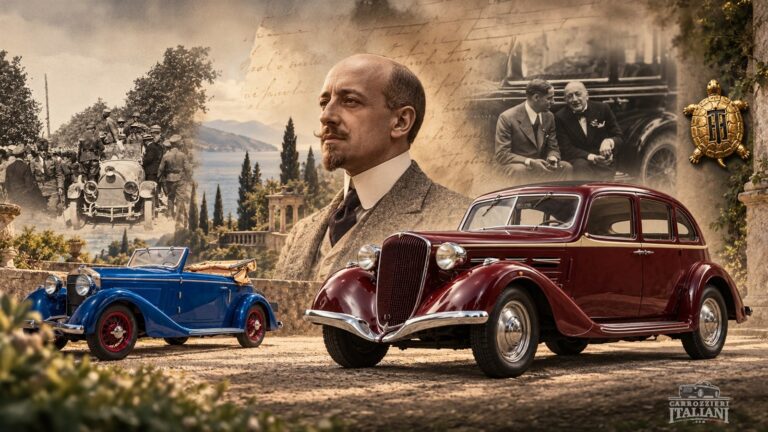
Gabriele d’Annunzio and the Cult of the Automobile
There was a time when the automobile had not yet become part of the landscape. It announced itself from afar through the beating of an engine, the smell of petrol and hot…
Read story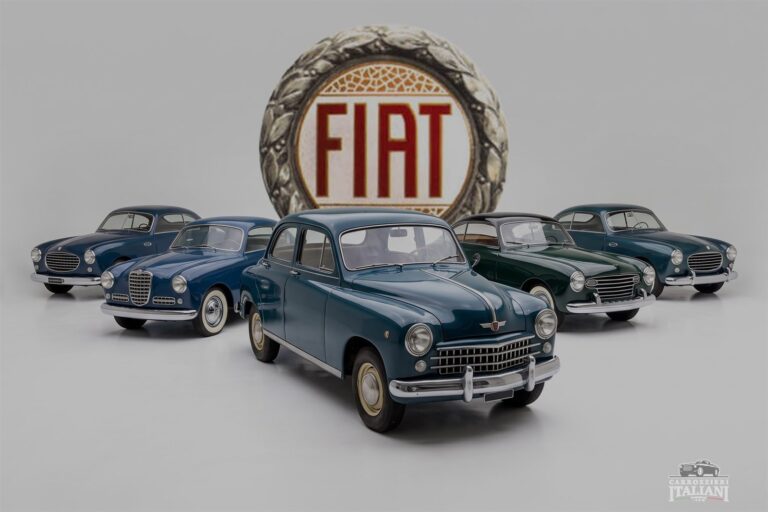
Fiat 1400: The Last Great Playground of the Carrozzieri
From Touring and Abarth to Farina, Ghia, Vignale, Boneschi, Bertone, Viotti and the smaller carrozzerie, the new Fiat quickly became one of the richest bases for Italian special bodies in the early…
Read story
How a Swiss Dealer Challenged Ferrari: The Story of Monteverdi
How Peter Monteverdi went from Swiss Ferrari dealer to creator of rare Frua and Fissore-bodied GTs, the Hai supercar and luxury off-roaders.
Read story
THE CONVERSATION
Comments 0
Share a memory, a period photograph or a documented detail about this story.