
The Porsche Moncenisio: Craftsmanship, Heritage, and Unforgettable Adventures
There are cars born from market research, cars born from regulation, and cars born because someone in a planning department needs a “halo model” for a presentation. Then there are the rare ones born from something much more dangerous and much more beautiful: memory. The Porsche Moncenisio belongs to that last category. It was not conceived to fill a gap in a lineup, to chase a segment, or to satisfy a boardroom. It was created by StudioTorino as a tribute, as a personal statement, and as an act of craftsmanship in an age that increasingly mistakes precision for soul.
At first glance, the Moncenisio looks like one of those tantalizing alternate-universe Porsches that somehow slipped through a crack in history. It is familiar, but not in the way a rebodied special usually is. It does not simply borrow Stuttgart’s mechanical dignity and drape it in fashionable Italian tailoring. It feels more intimate than that, more considered, more narrative. This is not a design exercise wearing a Porsche badge for effect. It is a story told through proportion, color, surface, and memory.
A Name Carved Out of the Alps
The name is the first clue. Moncenisio refers to the Mont Cenis Pass, the great Alpine crossing between Italy and France, and with it to the Susa–Moncenisio race of 1908, remembered as the first automobile hill climb in history. In the early years of the motorcar, before race tracks became sanitised cathedrals of runoff and telemetry, the mountain road was a purer sort of proving ground. You pointed the machine uphill and asked whether engineering, courage, and combustion could out-argue gravity. That was the romance of it. No sponsorship jungle. No aerodynamic appendages sprouting from every panel like an outbreak of black plastic. Just a road, a climb, and a machine trying to make itself immortal.
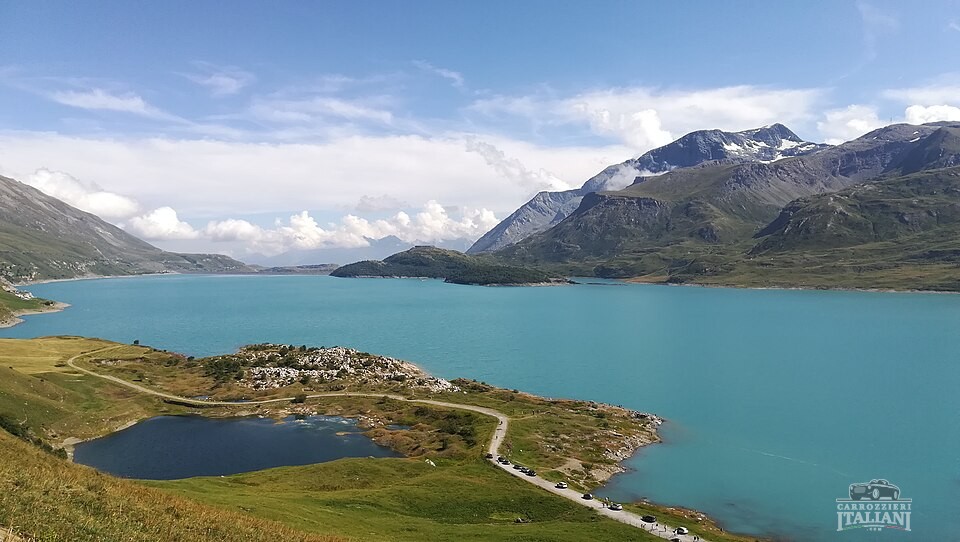
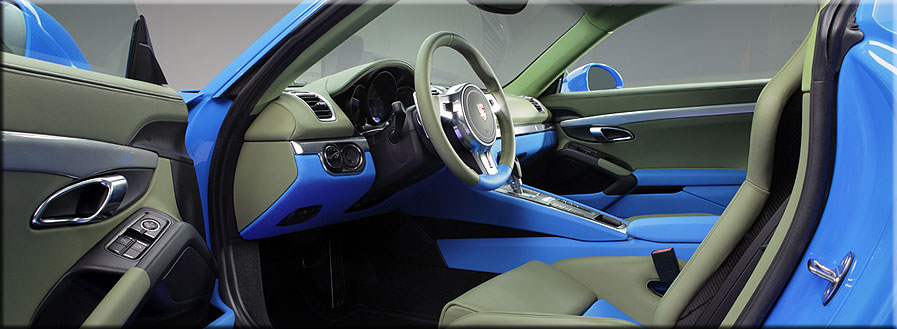
For Alfredo Stola, however, Moncenisio was not merely a geographic or historical reference. The car was created to commemorate the memory of his father, and the pass gave that tribute a shape, a place, and a poetic frame. At the summit of Moncenisio you find the sky opening wide above the lake and the pastures, a landscape that can look almost too composed to be real, as if someone in heaven finally hired an Italian art director. Those colors became central to the project. The Moncenisio’s exterior was meant to evoke the sky and the water; the interior, with its layered greens, was meant to recall the pastures at the top of the pass. In other words, the car was not merely named after a place. It was painted from it.
🔗 Read more: Range Rover Stormer: When Turin Built Land Rover’s Wildest Concept
That alone would have been enough to make the project unusual. But the Moncenisio goes much further, because it emerged from a very particular environment and a very particular philosophy of making cars. StudioTorino, founded in 2005 by Alfredo Stola together with his wife Maria Paola Stola, was conceived after the sale of Stola S.p.A. as something smaller, closer, and more personal. Not a vast industrial apparatus, but a studio able to work directly with clients, create one-offs and limited-run specials, and still operate in the old Italian spirit where design, craftsmanship, and engineering remain close enough to argue in the same room. The company had already created remarkable projects, including the RUF RK Spyder and RK Coupé, cars that established a dialogue between Porsche-based engineering and Italian coachbuilt imagination. There were other fascinating detours as well, but the Moncenisio would become something more intimate than a mere design commission. It would become a distilled statement of what StudioTorino believed a one-off should be.
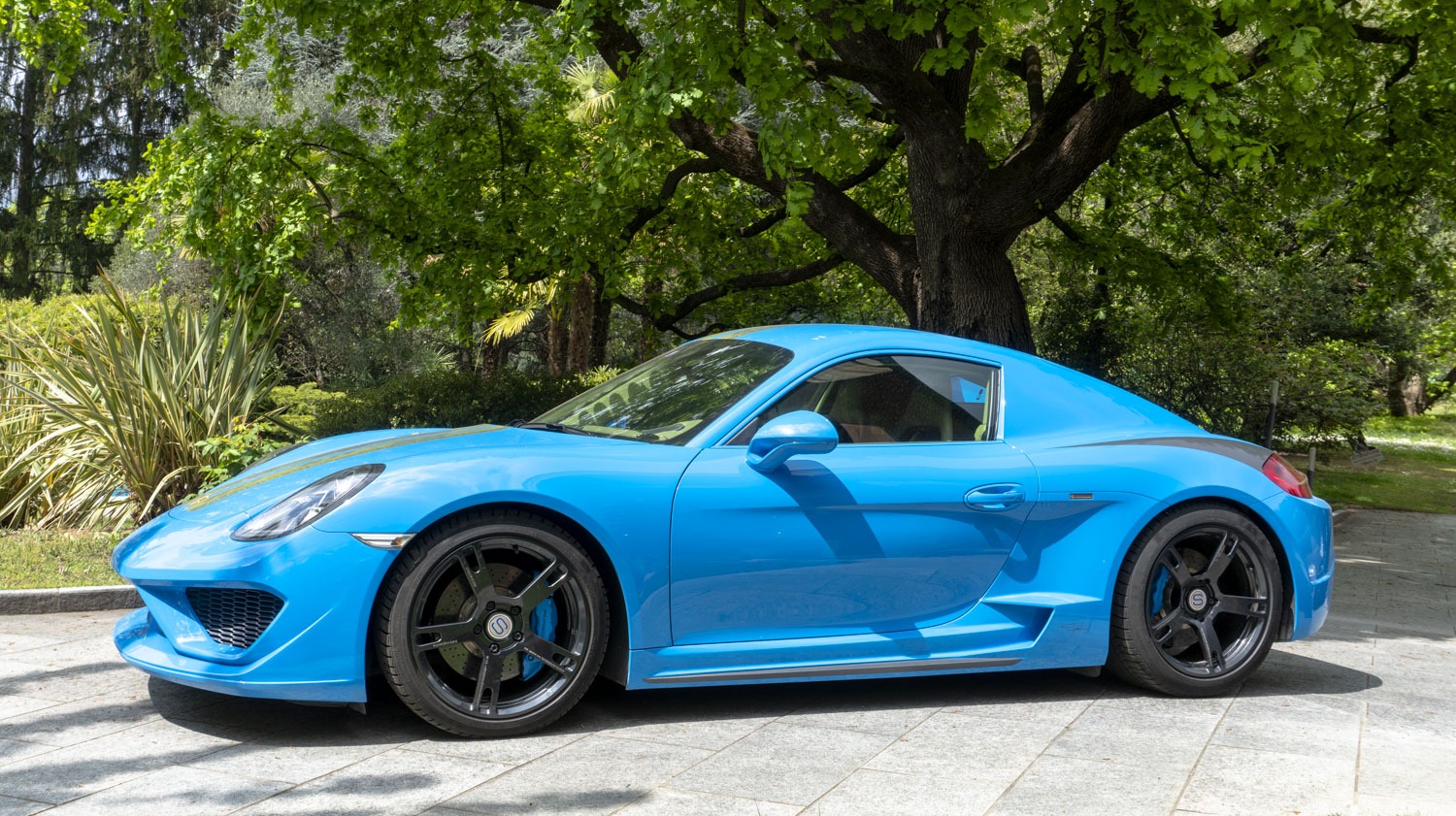
Its styling was entrusted to Daniele Gaglione, the architect and designer known for the exterior of the Alfa Romeo 8C Competizione, which is rather like asking someone who once sculpted a cathedral to design a private chapel. The result, unsurprisingly, is a car with form and emotional weight. Yet the Moncenisio did not begin from a blank page. Stola was explicit that the project wanted continuity with earlier work, particularly the RUF RK Coupé, and that both cars carried the influence of a much older Porsche: the 904.
The Ghost of the 904
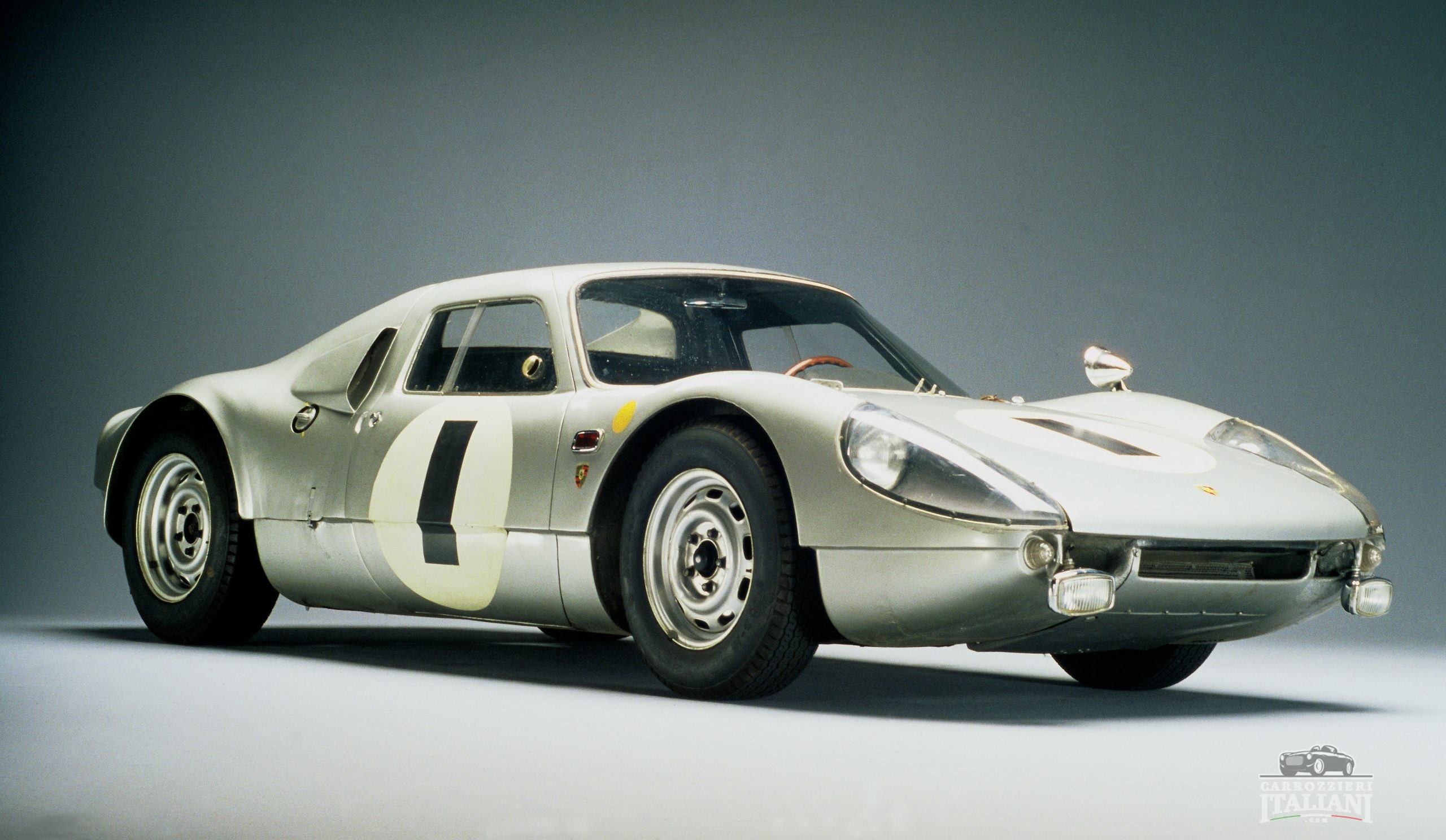
This is where the story acquires one of those deliciously improbable details that give handmade cars their gravity. Back in 1999, during work related to one of the early Cayenne programs, Stola spent considerable time in Zell am See, where Ferdinand Alexander Porsche had his private design center. In those years, F.A. Porsche often showed him the project that clearly remained close to his heart: the Porsche 904. That memory stayed with Stola, and with the Moncenisio he wanted to revive not the literal shape of the 904 but its architectural logic. If you look closely, you can see the clues: the filler cap on the front hood, the lack of the second side glass behind the main side window, the treatment of the rear opening, the overall sense that the car is built from a different set of assumptions than a contemporary 911 or Cayman. It does not imitate them because it is conversing with an older idea.
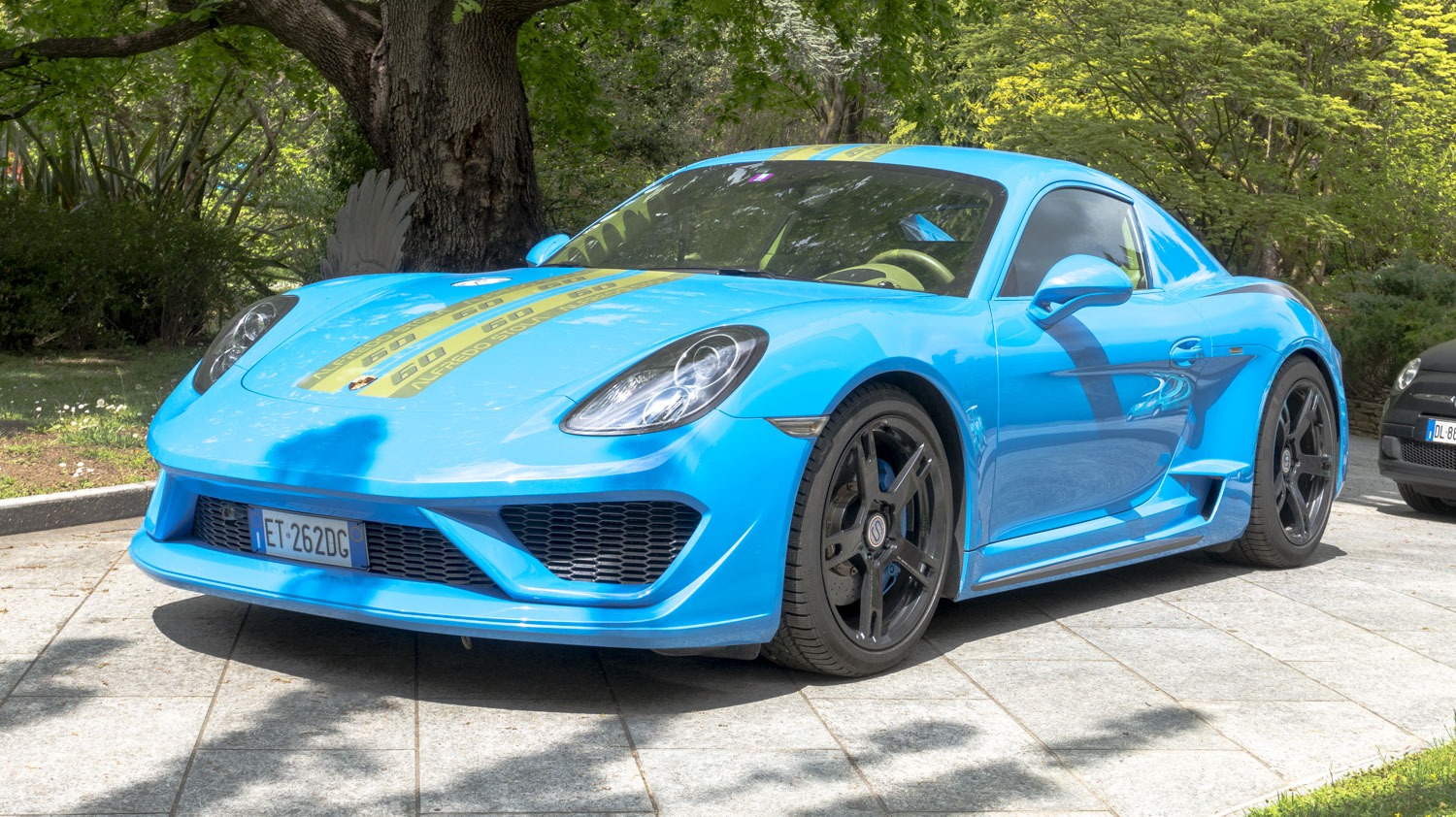
And yet the Moncenisio is not retro. That word is too easy, and too lazy. Nothing about it feels like costume design. Instead, it feels like a private interpretation of Porsche seen through an Italian lens polished by memory, hill-climb romance, and the lingering shadow of the 904. The surfaces are deliberate, the stance is compact and athletic, and the rear treatment in particular breaks decisively from contemporary Porsche convention. It has the poise of a modern car but the soul of something drawn when stylists still believed a line should carry intention, not merely airflow.
If the design story is compelling, the construction story is what elevates the Moncenisio into something truly rare. Because StudioTorino knew perfectly well how to build a car using modern tools. They knew CAD, CAM, milling, numerical control, digital surfacing, all the alphabet soup of contemporary production. They simply chose not to lean on it. In agreement with Gaglione, the decision was made to build the Moncenisio entirely by hand. Not mostly. Not “hand-finished” in the modern luxury-marketing sense, which usually means a human being appeared briefly at the end with a polishing cloth. Entirely by hand.
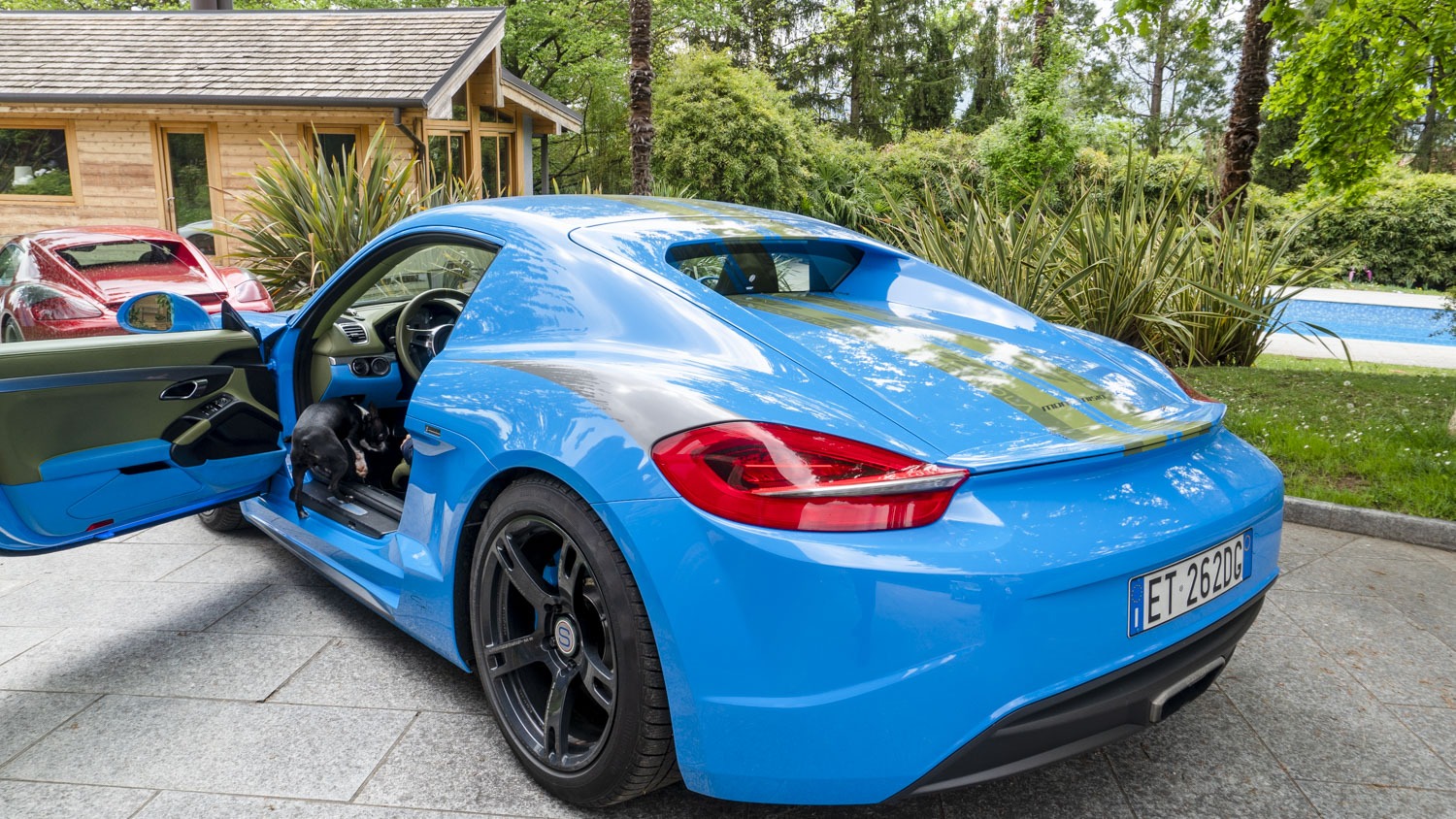
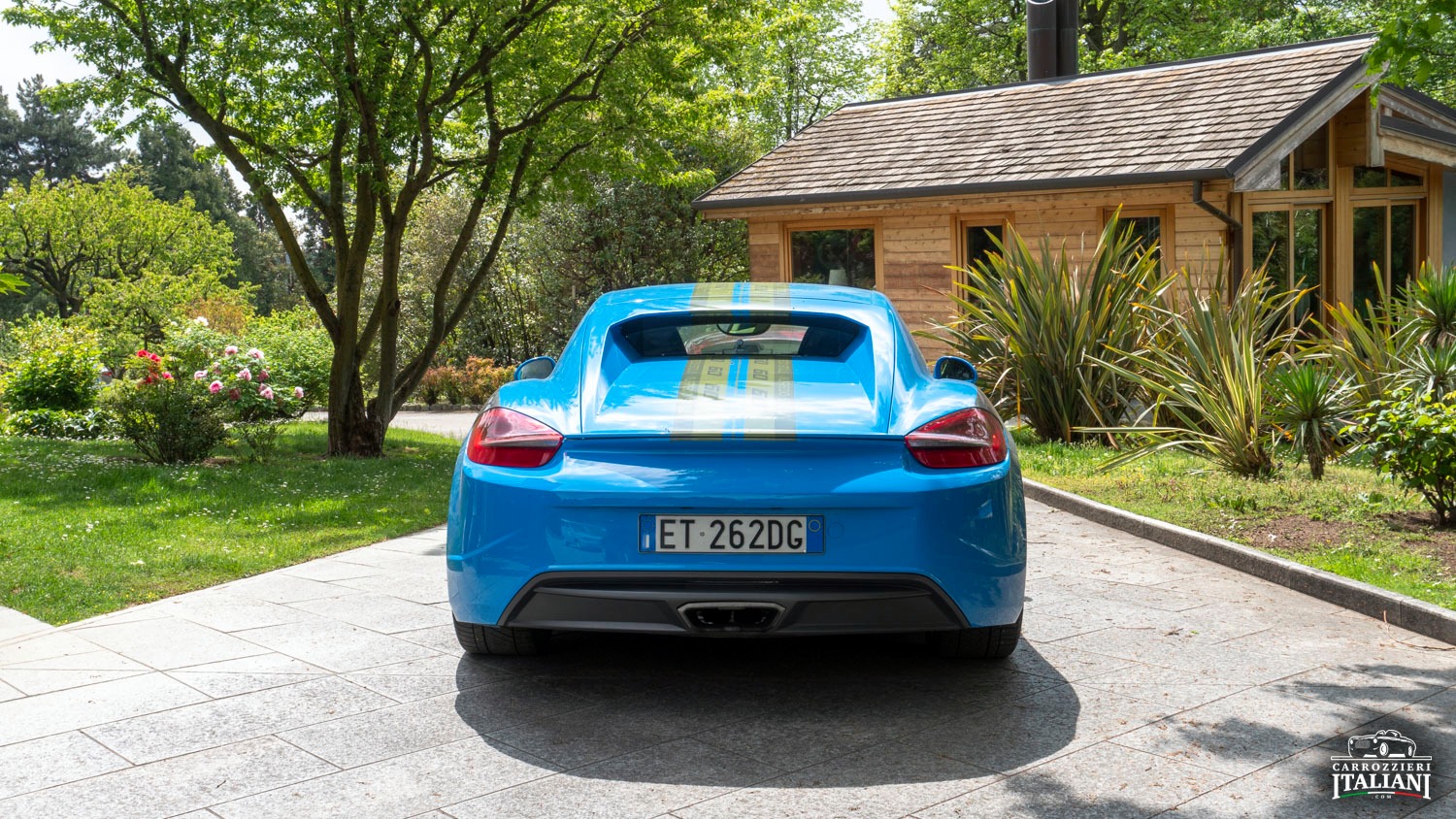
Stola is wonderfully emphatic about this point. The car was shaped without relying on CNC processes, without even using milling for symmetry. It was formed with chisels, templates, sandpaper, and manual workmanship, the sort of tool list that sounds less like a modern prototype program and more like the inventory of a patient sculptor. This was not an act of technophobia. It was an act of intent. The Moncenisio was a one-off, and they wanted it to exist as a one-off in the truest sense: designed with a pencil, constructed as such, the technology of the hand serving as both method and message.
🔗 Read more: Lotus Etna: The Lost Supercar That Finally Found Second Gear
That decision matters, because you can feel it in the car’s character. Hand-built cars wear their humanity differently. The panels do not simply describe a surface; they reveal a process. The reflections do not read like the output of software; they feel coaxed into being. There is an elasticity in handmade form that machines can reproduce but rarely understand. The Moncenisio therefore occupies an unusual place in the present day. It is a modern car built with a pre-digital spirit, which is not nostalgic indulgence but creative discipline.
Precious Details, Precise Meaning
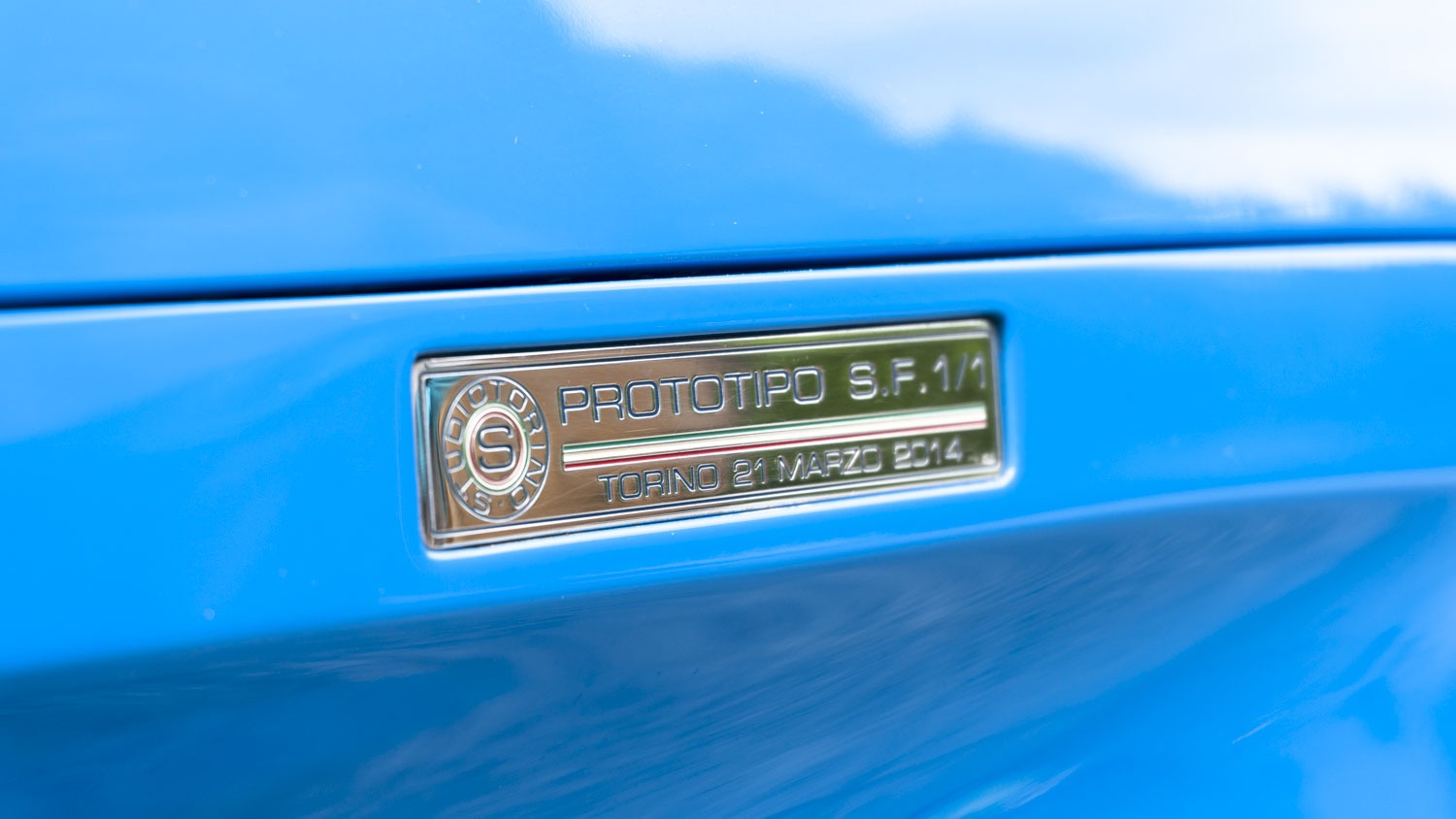
The tribute to Alfredo Stola’s father is not limited to the car’s name or its emotional premise. To mark that dedication, StudioTorino commissioned three solid platinum plaques made by a jeweler in Arezzo. Not plated, not decorative approximations, but proper platinum, quietly embedded into the project like little condensed pieces of memory. It is the kind of detail that resists vulgarity precisely because it is so unnecessary. Nobody had to do this. Which is exactly why it matters. Luxury shouts when it wants to be seen; love tends to hide in the details.
If Alfredo Stola brought the emotional framework and the design direction, Maria Paola Stola played an essential role in the car’s color and material identity. And here the Moncenisio becomes particularly fascinating, because it understands something many bespoke cars forget: color is not garnish. It is architecture. It shapes the emotional reading of the form. Stola explains that the two interior greens were chosen to create a sense of three-dimensionality, which is a wonderfully painterly way to think about a cabin.
The exterior, meanwhile, recalls the sky and lake of Moncenisio in clear weather. This sounds poetic because it is poetic, but it is also precise. The car is chromatically anchored to the place that inspired it. Presented around the world, Stola says, this aspect of the Moncenisio was repeatedly praised, and it is easy to understand why. In an era when special-edition cars often hide behind a black-grey-red palette chosen by someone terrified of beauty, the Moncenisio had the confidence to be specific.
A Private Debut at Porsche’s Inner Sanctum
Its public unveiling in 2014 at the Museo Nazionale dell’Automobile in Turin would already have been enough to secure it a dignified place in the contemporary history of Italian coachbuilt specials. But the car had an even more remarkable prelude.
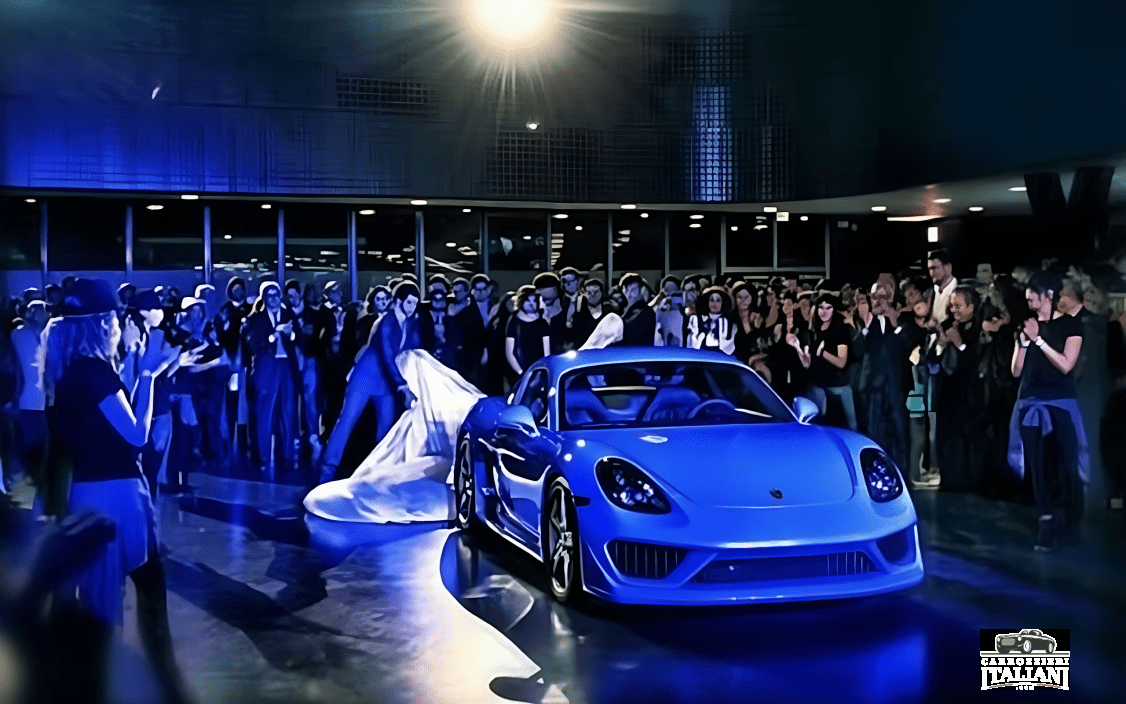
Before that museum presentation, the Moncenisio was shown at Porsche’s Weissach facility, inside the design and technical center itself, in front of leading figures from Porsche’s design and development departments. For StudioTorino, this was a deeply satisfying moment. Weissach is not merely a building; it is the sanctum in which Porsche shapes its future. To bring a Porsche-based one-off there and present it in that environment was not just an unveiling. It was a kind of quiet validation.
The Journey to North Cape
Of course, a car like this could have spent the rest of its life doing what many one-offs do, which is to say sitting still under flattering lights while people whisper around it and wonder whether it can even turn left. But the Moncenisio was not content with static elegance. During its development, Stola had two images in mind. One was a photo shoot at the Moncenisio Pass, reconnecting the car with the hill climb and the landscape from which it took its name. The other was more audacious: to take the car to North Cape, in winter, and photograph it in front of the famous steel globe at the northern edge of continental Europe.
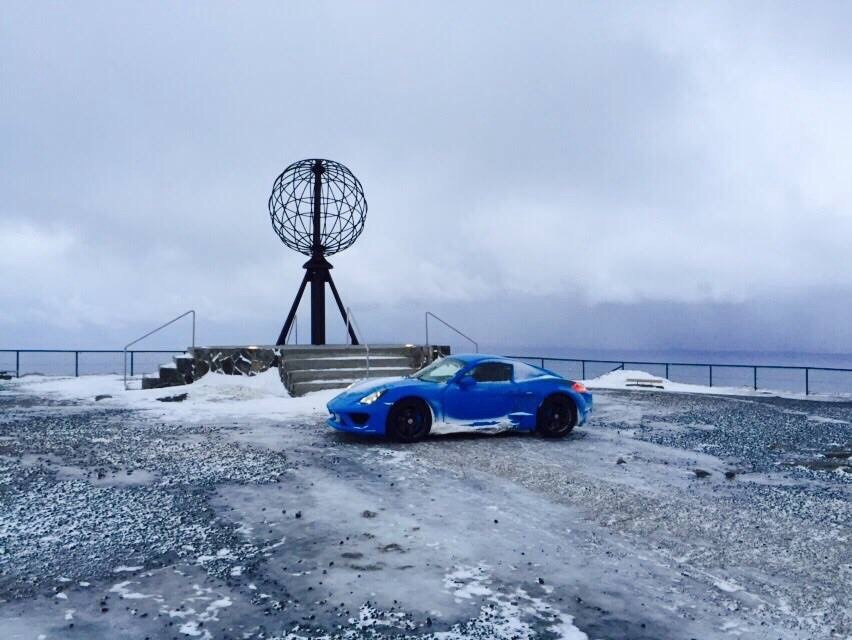
Now, this is exactly the sort of idea that sounds slightly mad until someone says it in the calm voice of a person who has already decided to do it. No one, Stola notes, had photographed a one-off there in winter. So naturally, that became the plan.
🔗 Read more: The Fiat Coupé Design Story: How Fiat Beat Pininfarina at Its Own Game
To avoid wasting a continent’s worth of mileage crossing central Europe, the Moncenisio was transported to Rovaniemi, the Finnish city known as the capital of the Arctic Circle and, in the sort of branding masterstroke only a place that cold could invent, the home of Santa Claus. From there, the team set off on an 850-kilometer winter drive through Finland into Norway. The car was prepared for the expedition with bespoke wheels inscribed with the names of the cities along the route, heavily studded tires, and a slightly raised ride height to keep snow and ice from turning the underside into a frozen archaeological layer.
This was not just a romantic journey. It was also, in StudioTorino’s view, a proper test, much as major manufacturers go to deserts or northern Sweden to validate their own cars. The Moncenisio, then, was asked to do more than pose. It had to function in temperatures of minus 26 to minus 27 degrees Celsius, in conditions severe enough to humble much more ordinary machinery. And here the story takes on the sort of engineering elegance that every premium automotive blog secretly hopes for: despite the side air intakes icing over due to their proximity to the road, the engine temperature remained perfectly stable at 90 degrees Celsius. Not lower, not higher. Which is a very Porsche sort of answer, really. Drama on the outside, discipline underneath.

The team reached North Cape after two days on the road, and Stola remembers the journey as unforgettable. One gets the sense that the car, by then, had become more than a tribute project or a styling object. It had lived. It had gone from Alpine memory to Arctic reality, from one symbolic edge of Europe to another.
Built to Mean Something
And biography is precisely what makes the Porsche Moncenisio so compelling. In a world drowning in limited editions, collector commissions, and boutique specials that often feel like expensive exercises in branding, this car has genuine interior life. It was conceived from a son’s remembrance of his father, named after a mountain pass loaded with racing history, colored from a landscape, styled with echoes of the 904 and the lingering influence of Ferdinand Alexander Porsche, shaped by hand in deliberate refusal of digital ease, shown at Weissach with quiet pride, and then driven through the Arctic winter as if it had something to prove.
What the Moncenisio proves is that the old coachbuilding spirit never disappeared; it simply became rare. Its value does not lie in production potential or brand strategy, but in the purity of its vision. This is not merely a custom Porsche, but a one-off shaped by memory, place, and craftsmanship, linking the Alps, Turin, Weissach, and North Cape in a single, deeply personal object. In an era of digital abundance, it stands out for a far simpler reason: it was built with intent, and built to mean something.

ABOUT THE AUTHOR
Andreas Scheidl
Italian classic car enthusiast with German roots. Renowned as a respected figure in the classic car community, he serves as a jury member at various international concours d'elegance, including the Classic Gala Schwetzingen and Mantova. As a content creator, Andreas passionately shares his profound knowledge and appreciation for vintage automobiles. His heart beats for cars designed by Giovanni Michelotti, showcasing his discerning taste and dedication to preserving the timeless elegance of automotive history.
More stories by Andreas Scheidl ↗CONTINUE READING
Posts You Might Like

A Central Driving Position, a Rear-Mounted V8. Was This Really a Lancia?
In 1948, visitors to the Turin Motor Show could see an unusual Lancia on the stand of Carrozzeria Ghia. It was a large two-door coupé with a two-litre V8 mounted behind the…
Read story
Fioravanti F100: The Ferrari He Was Allowed to Imagine
Enzo Ferrari’s centenary, Leonardo Fioravanti’s independent studio and a supercar that explored air brakes, steel wheels and a new way of driving—without ever wearing the Cavallino.
Read story
Michelotti Shellette: When the Fiat 850 Became a Yacht
The yacht designer, the Turin stylist and the tiny coachbuilt car that crossed between the quay, the royal holiday house and the auction room. Some automobiles were conceived for the open road,…
Read story
Maserati A6 1500: A New Road for the Trident
When the doors of the Geneva Motor Show opened in March 1947, Maserati was a name that required little introduction to anyone who followed motor racing. What it did not yet possess…
Read story
THE CONVERSATION
Comments 0
Share a memory, a period photograph or a documented detail about this story.