
Range Rover Stormer: When Turin Built Land Rover’s Wildest Concept
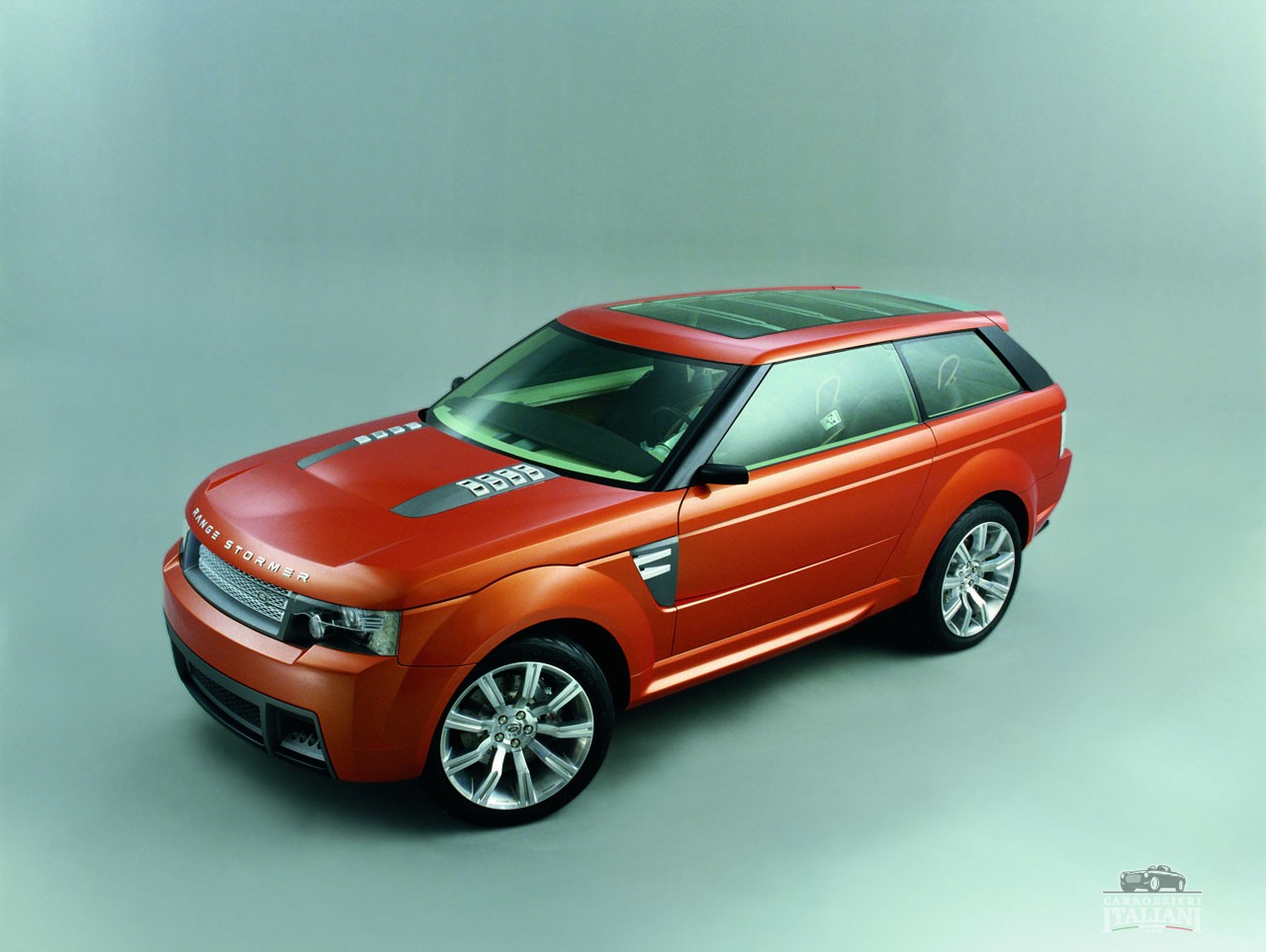
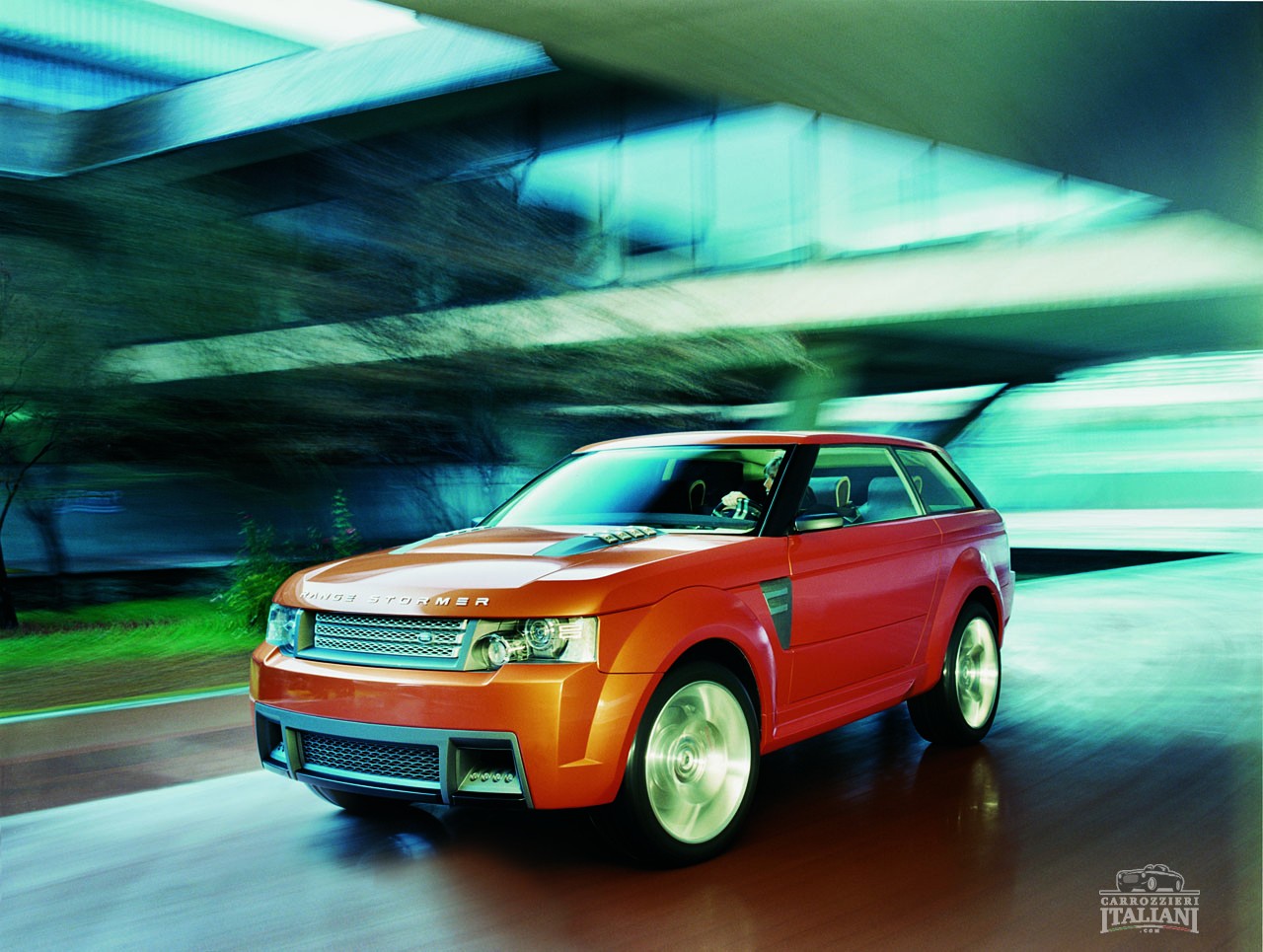
Concept cars often begin quietly, emerging from the hushed corners of design studios as tentative lines on tracing paper or luminous curves on a digital screen, their purpose somewhere between experimentation and prophecy. Most of them remain exactly that—ideas frozen in clay or pixels, beautiful but incomplete. The Range Rover Stormer was never intended to live in that quiet world. When it appeared at the Detroit Auto Show in January 2004, it did not whisper about the future of Land Rover; it announced it with the theatrical confidence of a grand entrance. Painted in a shade of molten orange that seemed to glow under the exhibition lights, the three-door SUV stood lower, wider and more aggressive than any Range Rover before it, presenting the audience with a vision that felt simultaneously rebellious and inevitable.
Yet Stormer was not simply an exercise in dramatic styling. Land Rover had a clear intention behind the spectacle. The concept was designed to preview a new direction for the brand, one that would lead directly to the creation of the Range Rover Sport. For decades Range Rover had represented refined off-road luxury, a vehicle equally at home crossing muddy estates or gliding through city traffic. Stormer proposed that this identity could evolve into something more dynamic and more emotionally charged without losing its core character. The concept therefore had to perform a delicate balancing act: it needed to remain unmistakably a Range Rover while simultaneously hinting at a new performance-oriented chapter.
Turning such a vision into a physical object required more than design ambition. It required a partner capable of transforming digital surfaces and creative intent into a functioning vehicle under the relentless pressure of an auto show deadline. Land Rover found that partner in Turin, within the workshops of Stola, a company whose reputation in the automotive world had been built not on headlines but on the quiet mastery of prototype construction and concept vehicle development.
The Stola name carried the weight of a family legacy deeply intertwined with Italian coachbuilding. Alfredo Stola had founded the company decades earlier, establishing it as a specialist capable of bridging the gap between design studios and industrial reality. Over the years the firm developed a reputation for producing show cars, prototypes and limited-run vehicles for major manufacturers across Europe and beyond. By the early 2000s Stola had become a unique hybrid within the industry, combining traditional craftsmanship with advanced digital manufacturing processes, and the company’s headquarters in Rivoli, just outside Turin, had evolved into a workshop where ideas from global design centres could rapidly become physical automobiles.
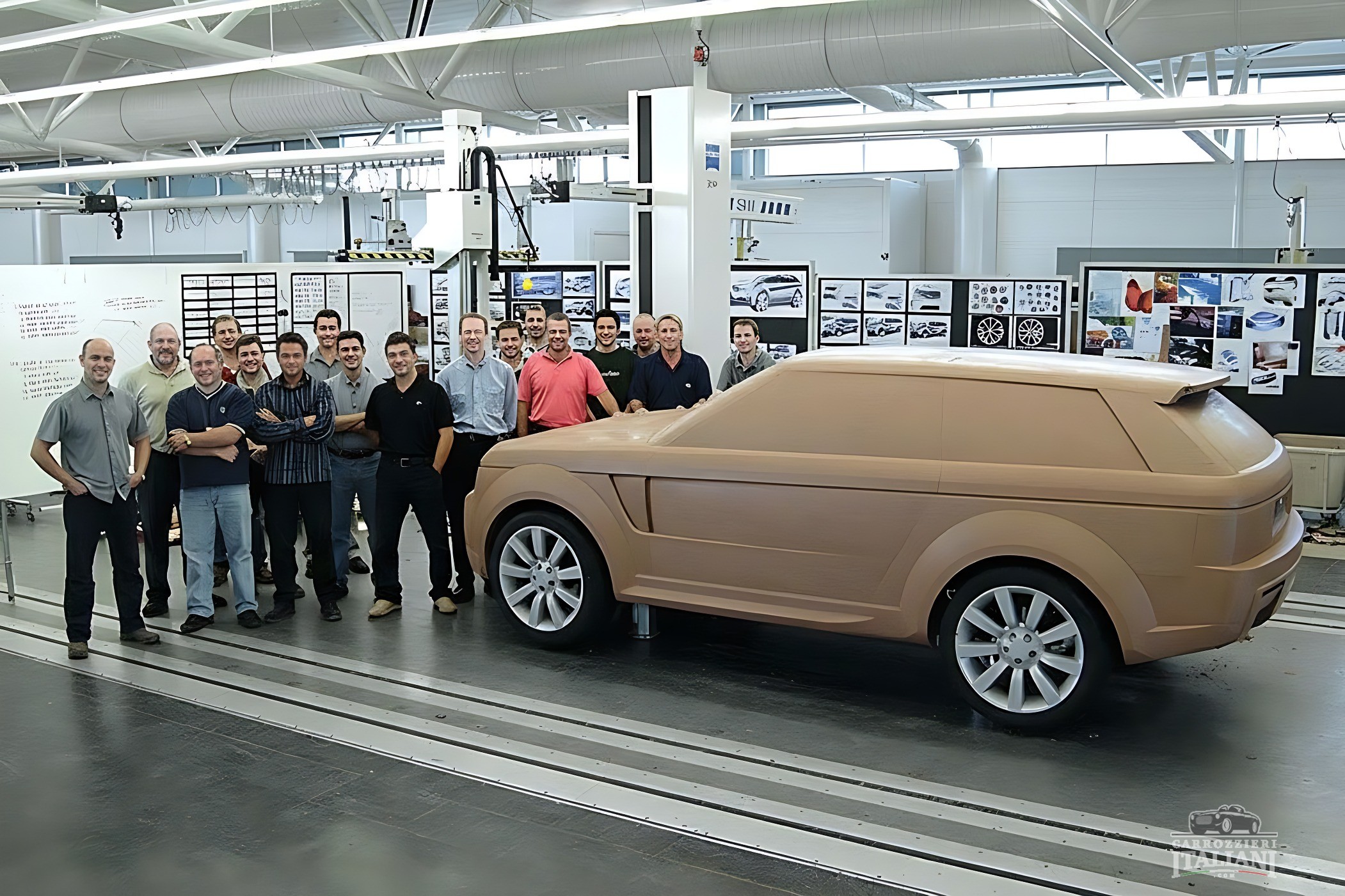
The connection between Land Rover and Stola was not accidental. Design director Geoff Upex already knew the capabilities of the Italian firm, and when the idea of a dramatic concept vehicle began to take shape in Coventry he turned to Turin for help. In December 2002 the project effectively began with a call across Europe that would set in motion an intense collaboration between British designers and Italian engineers. The objective was clear and the timeline uncompromising: a fully realised show car would have to be completed in time for the Detroit show little more than a year later.
Inside Stola the project carried a particular resonance because it coincided with an important generational transition within the company’s technical leadership. Felice Chiara, a veteran of the prototype department who had guided numerous complex builds over the years, was preparing to step back from day-to-day responsibilities. His successor, Giovanni Longo, was stepping forward to take charge of the department, and the Range Rover Stormer would become the first major programme to unfold under his leadership. In many ways the concept therefore represented not only Land Rover’s future but also a moment of renewal within the Italian company tasked with building it.
From the very beginning the project was intensely collaborative. Giuseppe Di Nunno, one of Stola’s engineers, travelled to Land Rover’s design centre in Coventry to spend two weeks working directly with the British team, studying the emerging surfaces and discussing the technical feasibility of the ambitious features being proposed. These early sessions were essential because concept cars often begin with ideas that are visually seductive but mechanically uncertain. The Stormer’s dramatic proportions, its unconventional door architecture and its densely detailed interior all demanded careful evaluation long before the first physical components could be fabricated.
Those conversations between Coventry and Turin established a shared understanding that would guide the entire development process. Designers articulated their vision for a Range Rover that looked faster, sharper and more emotional than anything the brand had previously produced, while Stola’s engineers quietly translated those ambitions into structural logic, hinge geometries and manufacturing strategies. What emerged from this dialogue was not merely a design but a plan for a real vehicle, one that would soon begin to take shape inside the Italian workshops.
The Digital Sculpture Becomes a Machine
By the early 2000s the automotive design process had entered a transitional era in which traditional craftsmanship and digital technology were beginning to intertwine in new and sometimes surprising ways. Clay modelling still played an essential role in shaping automotive surfaces, yet the underlying geometry of those surfaces increasingly originated within sophisticated digital design environments. The Stormer programme unfolded squarely within this hybrid world, where design intent travelled between physical models and digital data with remarkable speed.
Inside Land Rover’s design studio the Stormer’s proportions were carefully refined. The vehicle’s stance had to communicate performance immediately, even to an observer encountering it for the first time on a crowded auto show floor. Designers lowered the roofline, shortened the wheelbase compared with the contemporary Range Rover and widened the track to create a planted posture that suggested dynamic capability. At the same time the vehicle retained key elements of Range Rover identity such as the clamshell bonnet and the floating roofline, visual cues that connected the concept to the brand’s heritage.
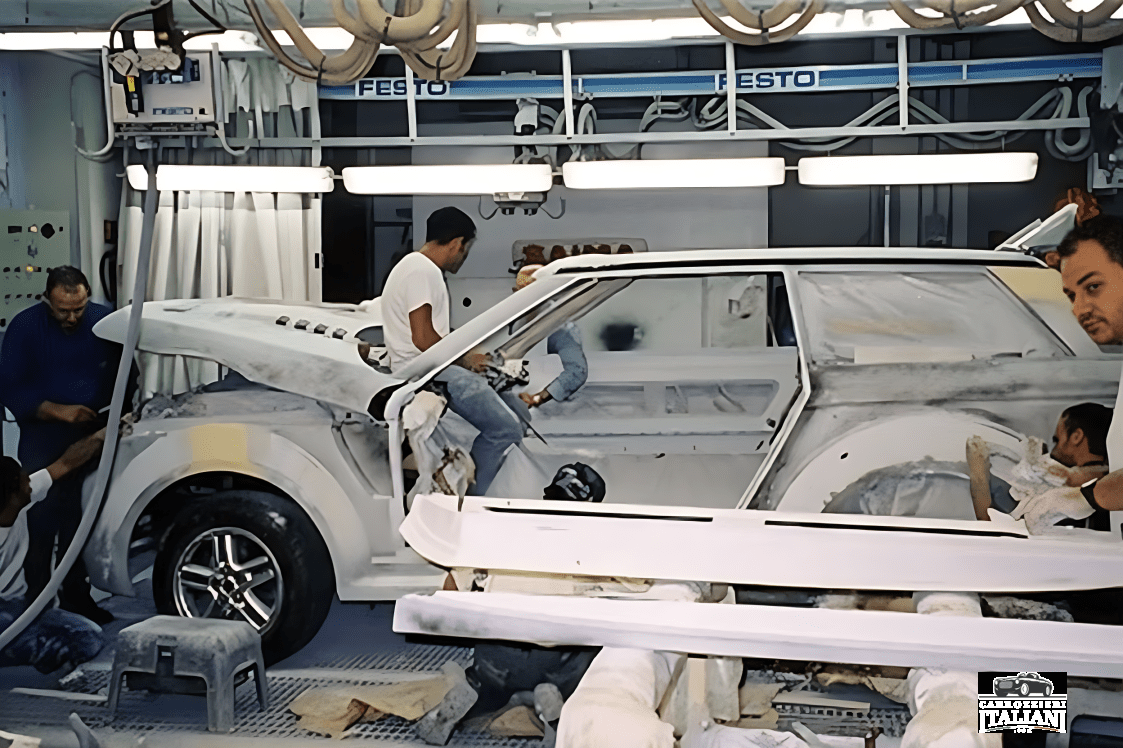
As the surfaces matured, the digital models became increasingly detailed and precise, evolving from artistic forms into engineering data capable of guiding physical construction. This was the moment when Stola’s role expanded dramatically. Once the digital files were finalised they were transferred from Coventry to Turin, effectively shifting the centre of gravity of the project from the design studio to the prototype workshop.
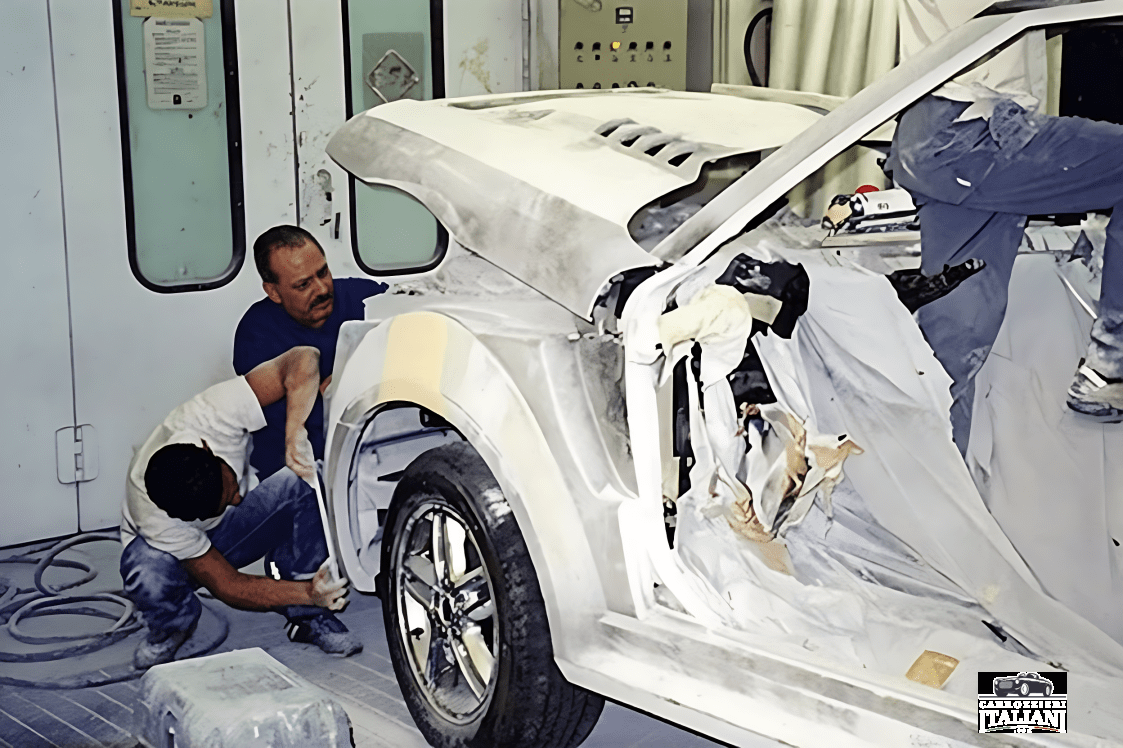
Within Stola the arrival of the Stormer data initiated a carefully orchestrated process. Engineers, model makers and technicians began translating digital surfaces into tangible components, often using CNC milling machines to create accurate patterns and structural forms that could serve as the foundation for body panels and interior elements. Yet despite the sophistication of these machines, the process still depended heavily on human judgement. Skilled craftsmen evaluated each surface, refining edges and adjusting details until the physical forms matched the emotional intent of the original design.
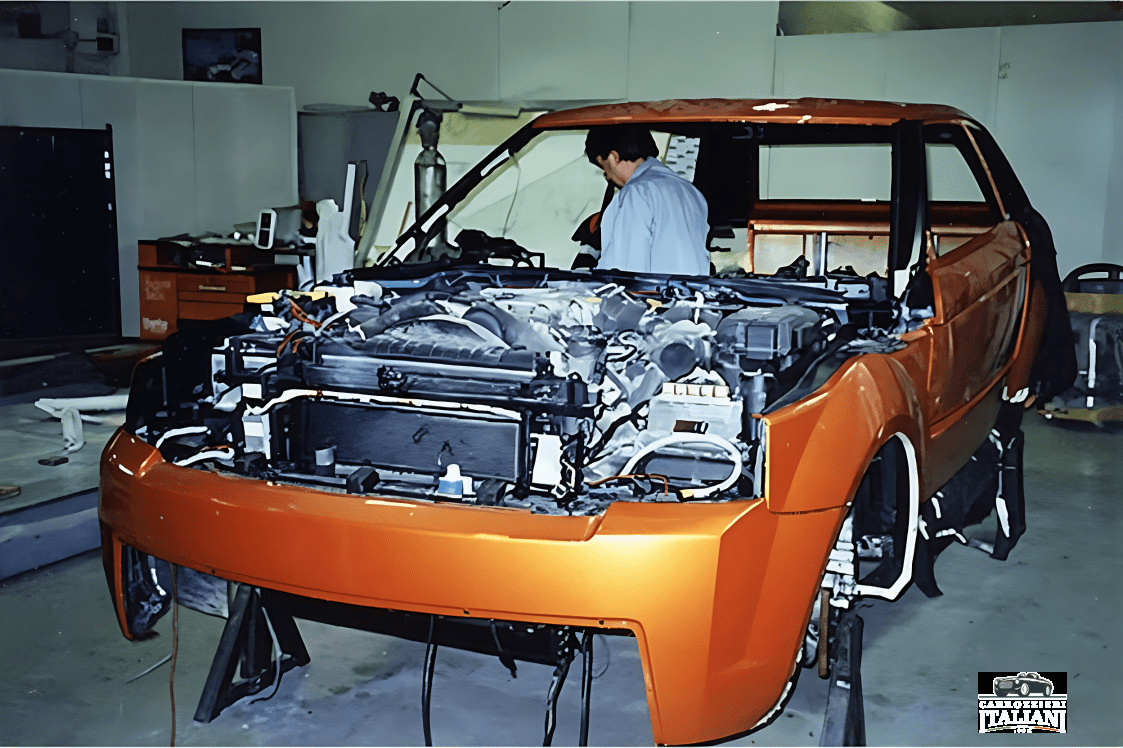
The presence of Land Rover personnel within the Stola facility ensured that decisions could be made quickly. Designers and engineers from Coventry spent extended periods in Turin during the build phase, effectively embedding themselves within the Italian team. The workshops therefore became a shared environment where British design philosophy and Italian coachbuilding expertise merged into a single collaborative rhythm.
For Giovanni Longo the Stormer project represented both a challenge and an opportunity. As the newly appointed head of the prototype department he was responsible for guiding the entire build while ensuring that the vehicle met the unforgiving standards expected of a show car destined for Detroit. The pressure was considerable, yet it also offered the chance to demonstrate that Stola’s blend of modern engineering capability and traditional craftsmanship could deliver an extraordinarily complex vehicle within a compressed schedule.
Day by day the Stormer began to emerge from raw materials and digital instructions. Structural frameworks were assembled, body panels took shape, and the first glimpses of the concept’s distinctive silhouette appeared beneath workshop lighting. What had once existed only as design data was becoming a physical automobile, one whose surfaces could be touched, inspected and refined by the craftsmen responsible for bringing it into existence.
The Mechanics of Theatre
A concept car may exist primarily to inspire emotion, yet the moment it must perform in public that emotion becomes inseparable from engineering reliability. The Stormer exemplified this truth because many of its most memorable features depended on complex mechanical systems that had to function flawlessly during its debut.
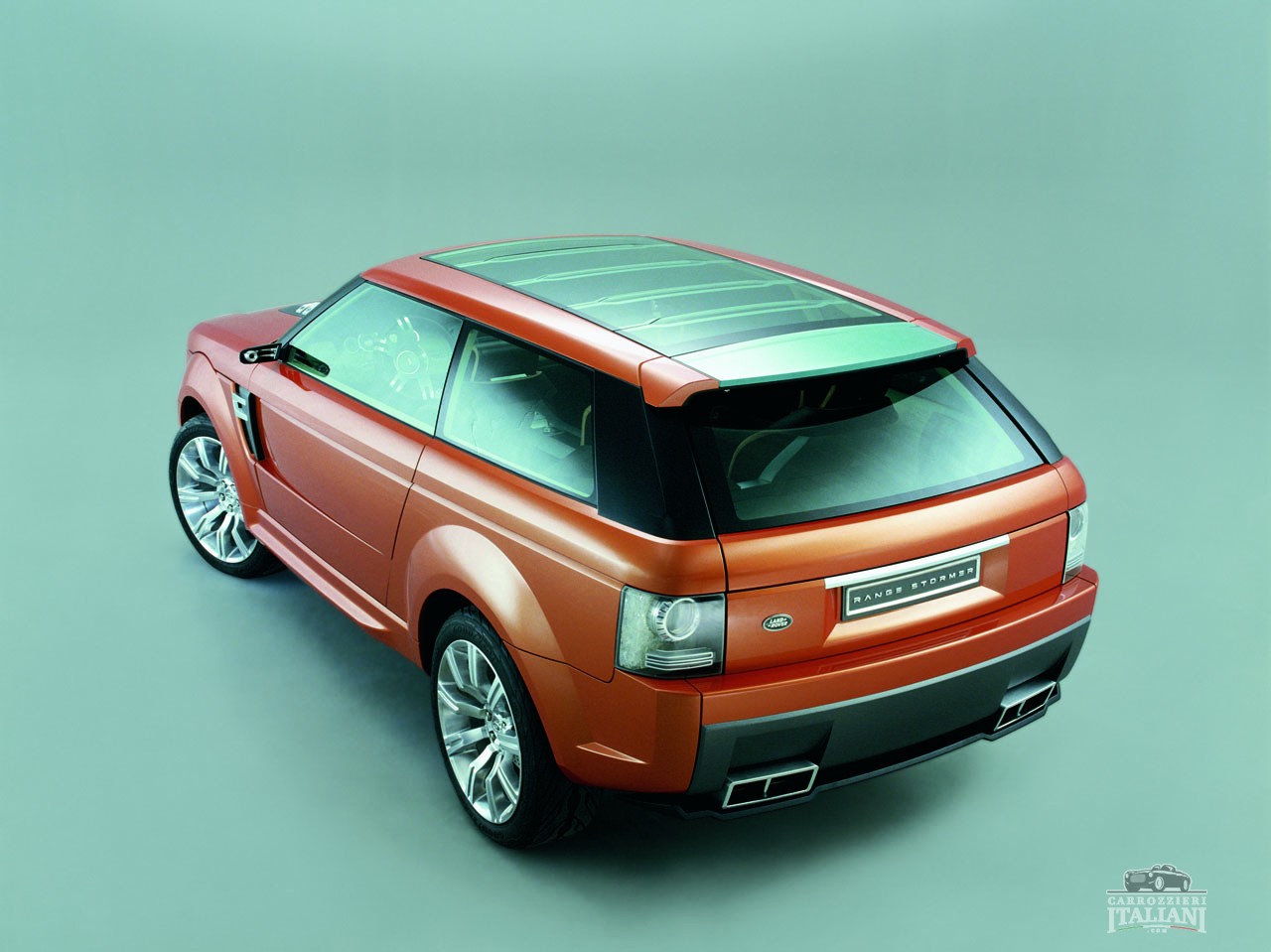
The doors represented the most striking example. Rather than employing conventional hinges, the Stormer used a dramatic two-piece arrangement in which the upper section of the door lifted upward and forward while the lower portion dropped downward to form a step. The movement resembled a carefully choreographed gesture, one that transformed the simple act of entering the vehicle into a piece of automotive theatre.
Achieving this effect required meticulous engineering. The hinges had to manage unusual loads and movements while maintaining perfect alignment between the door panels and the surrounding bodywork. Electric actuators needed to deliver smooth, controlled motion, and the entire mechanism had to be packaged within the vehicle’s structure without compromising the purity of the exterior surfaces. Within Stola’s workshops technicians repeatedly tested and refined the system, adjusting clearances and timing until the doors performed with the effortless elegance expected of a concept car.
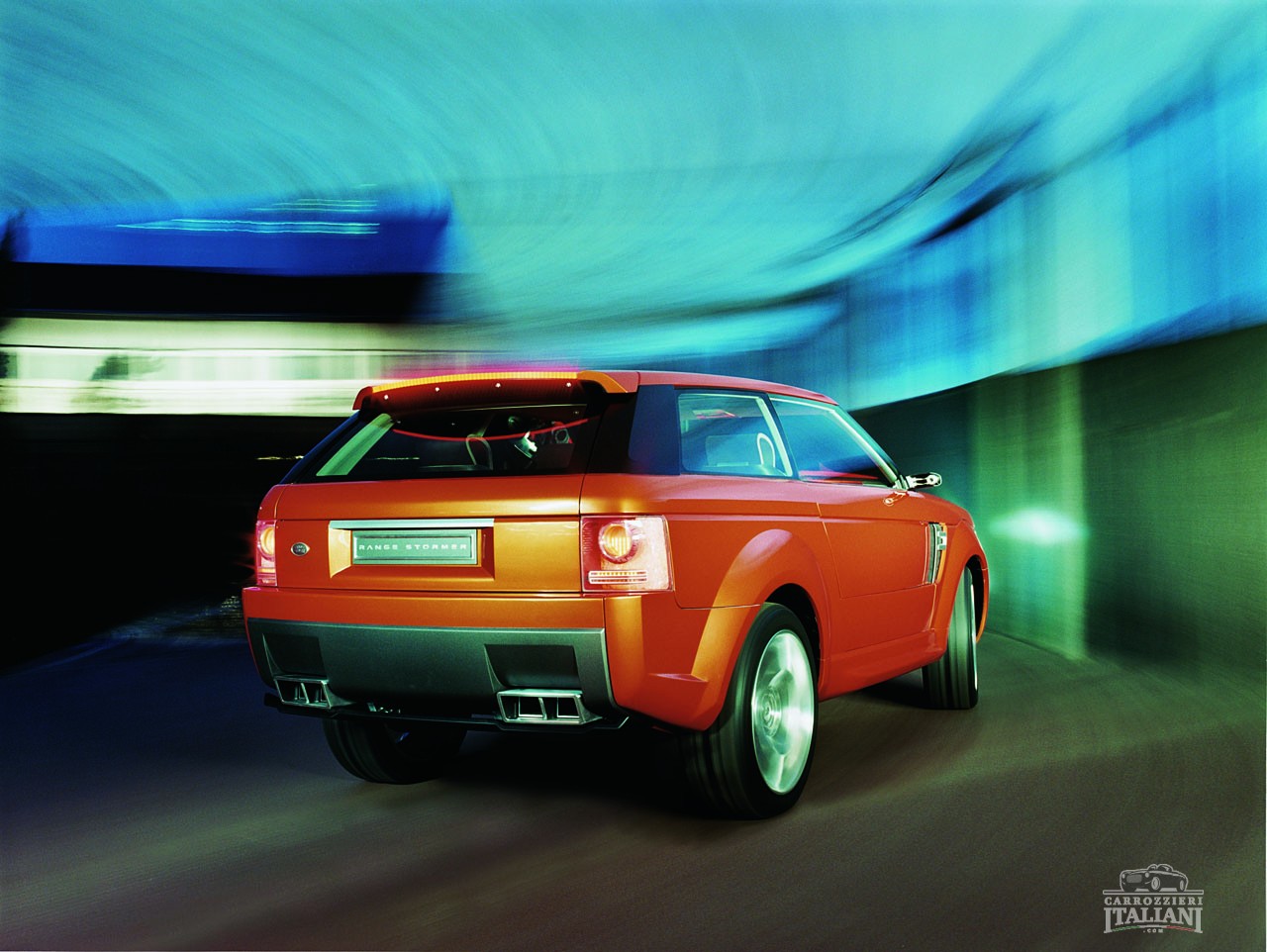
The rear of the vehicle offered another example of engineering theatre. The Stormer’s split tailgate extended the traditional Range Rover loading concept into a more elaborate show-car interpretation. The upper section lifted upward while the lower panel descended behind the bumper, creating a perfectly horizontal platform that emphasised the vehicle’s versatility while also providing a visually dramatic demonstration during presentations.
Inside the cabin the complexity increased further. The interior design combined natural materials such as oak and leather with precision-machined aluminium structures, producing a space that felt both luxurious and technically sophisticated. The seats, inspired by the infinite geometry of a Möbius strip, were sculptural objects in their own right, blending lightweight structural elements with richly textured leather surfaces.
For Stola’s craftsmen the interior represented a different kind of challenge from the bodywork. While exterior panels could be subtly adjusted during finishing, interior components had to fit together with exacting precision because they contained electronics, lighting systems and structural supports hidden beneath their surfaces. Every seam, every joint and every material transition required careful attention to ensure that the cabin appeared effortless despite the complexity hidden within.
During this phase the collaboration between the Italian and British teams became almost familial. Land Rover staff worked alongside Stola technicians late into the evenings, discussing solutions and refining details while the Detroit deadline approached. The workshops in Rivoli were filled with the quiet intensity that characterises every successful prototype programme, a mixture of concentration, shared ambition and the occasional espresso consumed beside half-assembled body panels.
By the time the Stormer reached its final stages of assembly, the vehicle had become more than a design experiment. It was a functioning automobile capable of communicating Land Rover’s vision with clarity and confidence. When the burnt-orange paint was finally applied and the polished aluminium elements were installed, the car acquired the visual drama that would soon captivate audiences on the other side of the Atlantic.
The Technology Beneath the Drama
Although the Stormer dazzled observers with its visual presence, its deeper purpose lay in the technologies and ideas it introduced. Land Rover intended the concept to demonstrate how the brand could embrace performance and innovation while preserving the capabilities that defined its identity.
At the heart of the concept was a supercharged V8 engine paired with an automatic transmission, a combination that emphasised the vehicle’s dynamic ambitions. Yet the true significance of the Stormer lay in the systems designed to manage that performance across different environments.
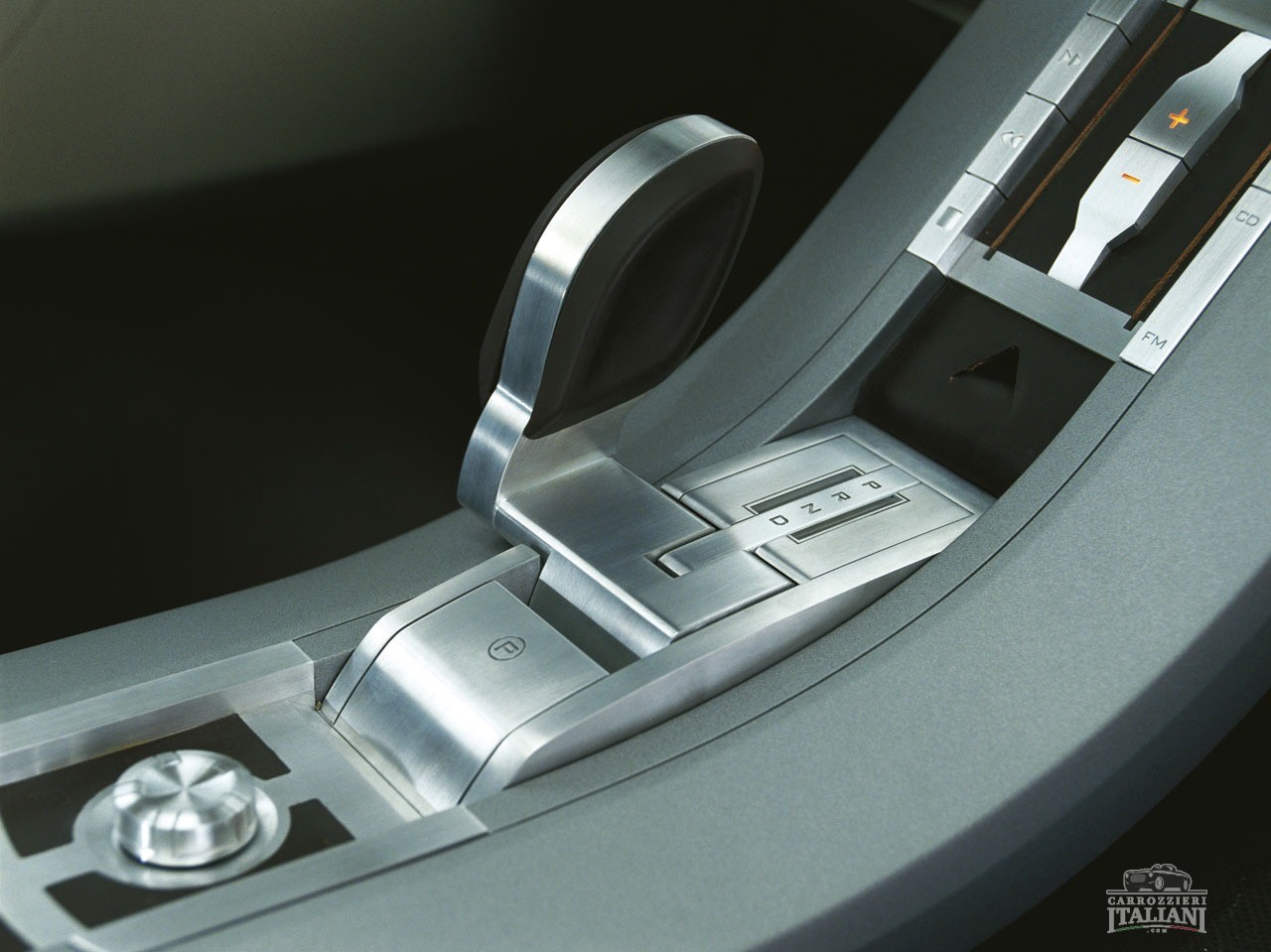
Among these innovations was the introduction of Terrain Response, a driver-selectable system that allowed the vehicle to adapt its behaviour to varying surfaces such as mud, sand or snow. Rather than requiring drivers to manually adjust multiple mechanical settings, Terrain Response simplified the process through a single control interface, automatically coordinating suspension behaviour, traction management and drivetrain characteristics.
The Stormer therefore presented a vision of technological sophistication integrated seamlessly into the driving experience. Adjustable air suspension, permanent four-wheel drive and advanced electronic systems worked together to create a vehicle that could deliver both high-speed road performance and credible off-road capability.
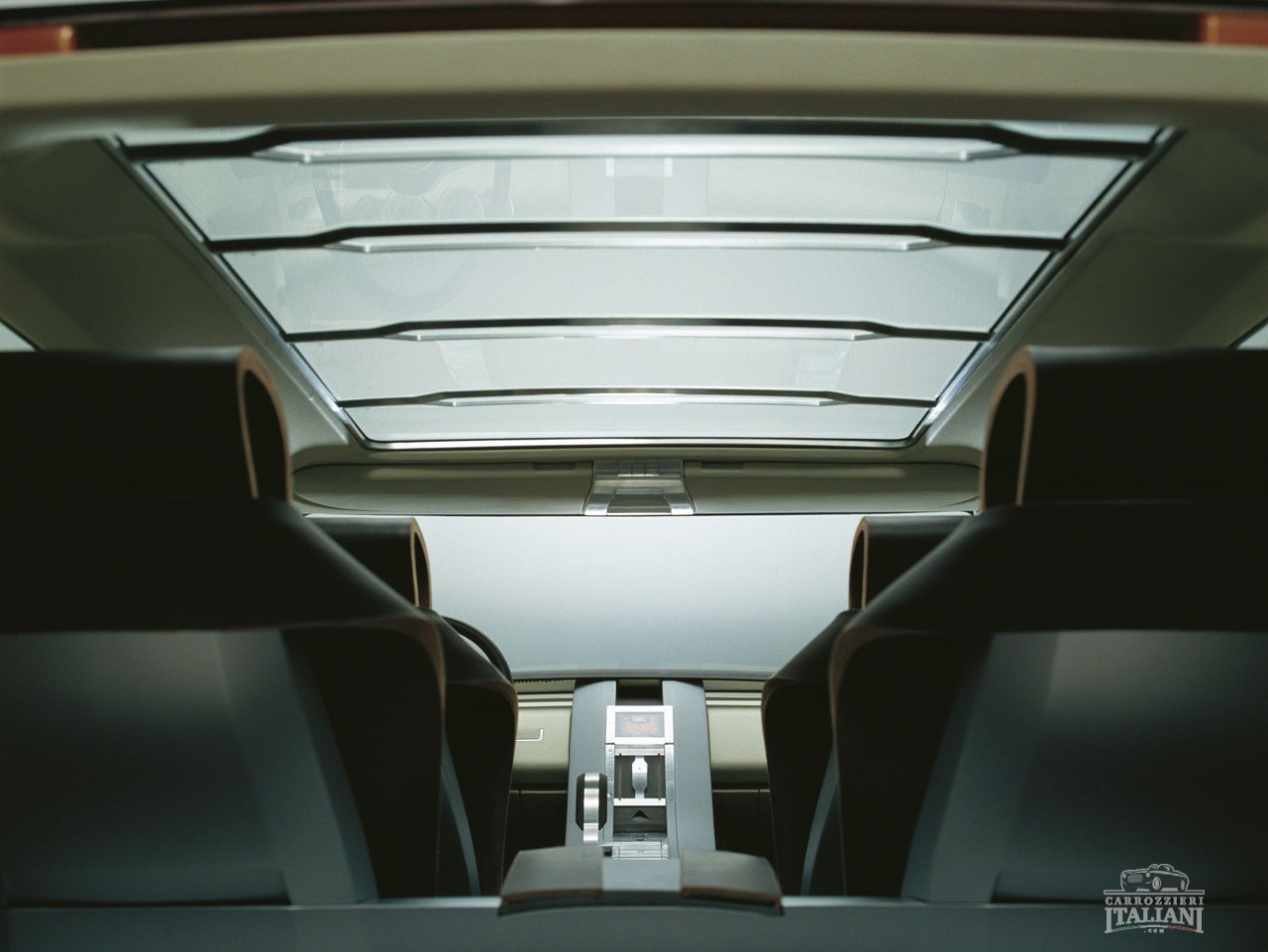
For Stola this technological narrative meant that the concept could not simply be a static showpiece. Many of the systems had to function realistically, which required careful integration during the build process. Electrical networks, sensors and control modules were installed alongside structural components, transforming the prototype into a living demonstration of Land Rover’s future direction.
Through this process the Stormer evolved into a bridge between concept and production, combining experimental design with credible engineering. It suggested that the dramatic forms and technologies on display were not distant fantasies but tangible possibilities waiting just beyond the horizon.
The Show Car That Stayed a Show Car
When the Range Rover Stormer stepped under the bright lights of the Detroit Auto Show in January 2004, it delivered exactly the impact Land Rover had intended. The concept arrived in Vesuvius orange, low and wide, its three-door body carrying a stance that looked more like a coupé than the traditional luxury off-roader people associated with the Range Rover name. Crowds formed immediately around the stand as the doors performed their slow mechanical choreography, the upper blade lifting skyward while the lower panel descended to become an electric step, the entire movement unfolding with the calm, deliberate rhythm of a carefully staged performance.
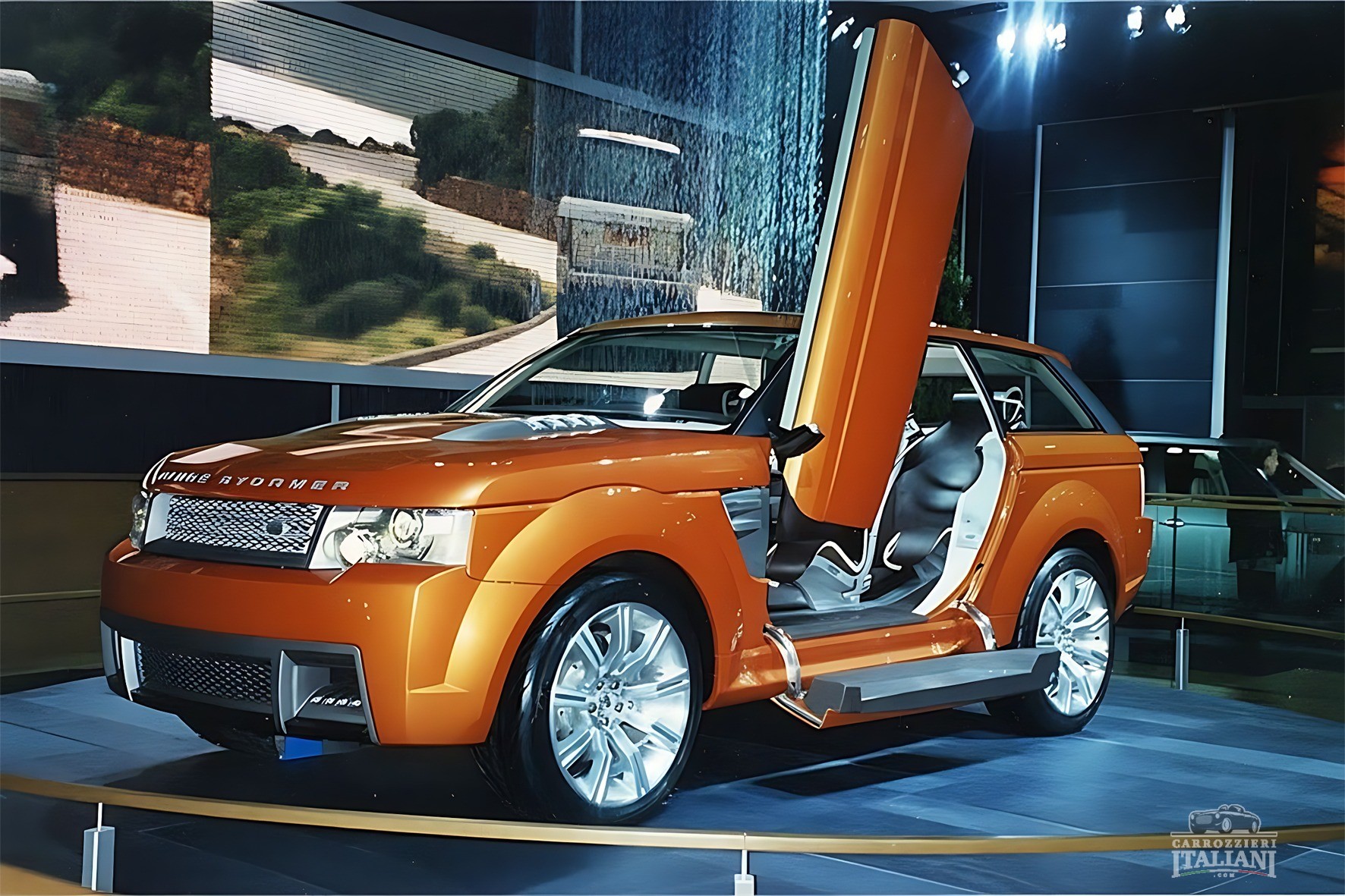
Some observers quickly reached for comparisons and nicknames, jokingly calling it the “English Lamborghini,” an understandable reaction when faced with scissor doors on a Range Rover silhouette. Yet the car hardly needed borrowed identities. Stormer was already its own statement, a concept that combined Land Rover’s design language with a level of show-car theatre rarely associated with British SUVs at the time.
Behind the spectacle, however, stood the quieter achievement of the collaboration between Coventry and Rivoli. Inside Stola’s workshops the Stormer had been shaped through an unusual synthesis of digital development and traditional prototype craft. Data generated in Land Rover’s design studio was translated into full-scale surfaces by technicians accustomed to working at the intersection of engineering precision and hand-finished detail.
Under the leadership transition that saw Giovanni Longo take over the prototype department, the project confirmed the capability of Stola’s team to deliver a complete, functioning concept vehicle within a compressed schedule.
The result fulfilled Land Rover’s strategic objective as well. Stormer established the design and technological tone for the Range Rover Sport that would follow shortly afterwards, introducing ideas such as Terrain Response while exploring a more dynamic interpretation of the brand’s proportions.
Yet Stormer itself was never destined for production. After its international show appearances the concept was transferred to the British Motor Museum, where it has remained for two decades. There the car stands today much as it did in Detroit, its glass roof, split tailgate and theatrical doors frozen in readiness, a reminder of the moment when an ambitious idea left Coventry as digital data and returned as a fully realised machine built in Turin.

ABOUT THE AUTHOR
Andreas Scheidl
Italian classic car enthusiast with German roots. Renowned as a respected figure in the classic car community, he serves as a jury member at various international concours d'elegance, including the Classic Gala Schwetzingen and Mantova. As a content creator, Andreas passionately shares his profound knowledge and appreciation for vintage automobiles. His heart beats for cars designed by Giovanni Michelotti, showcasing his discerning taste and dedication to preserving the timeless elegance of automotive history.
More stories by Andreas Scheidl ↗CONTINUE READING
Posts You Might Like
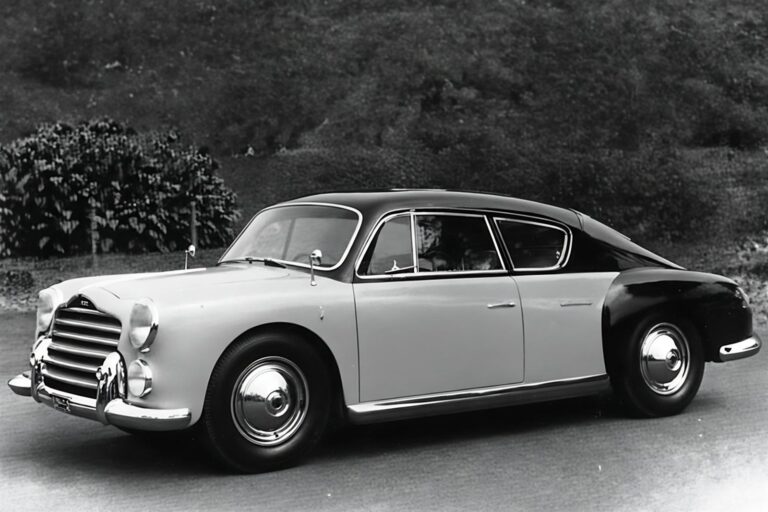
A Central Driving Position, a Rear-Mounted V8. Was This Really a Lancia?
In 1948, visitors to the Turin Motor Show could see an unusual Lancia on the stand of Carrozzeria Ghia. It was a large two-door coupé with a two-litre V8 mounted behind the…
Read story
Fioravanti F100: The Ferrari He Was Allowed to Imagine
Enzo Ferrari’s centenary, Leonardo Fioravanti’s independent studio and a supercar that explored air brakes, steel wheels and a new way of driving—without ever wearing the Cavallino.
Read story
Michelotti Shellette: When the Fiat 850 Became a Yacht
The yacht designer, the Turin stylist and the tiny coachbuilt car that crossed between the quay, the royal holiday house and the auction room. Some automobiles were conceived for the open road,…
Read story
Maserati A6 1500: A New Road for the Trident
When the doors of the Geneva Motor Show opened in March 1947, Maserati was a name that required little introduction to anyone who followed motor racing. What it did not yet possess…
Read story
THE CONVERSATION
Comments 0
Share a memory, a period photograph or a documented detail about this story.