
When the World’s Most Expensive Car Was Italian
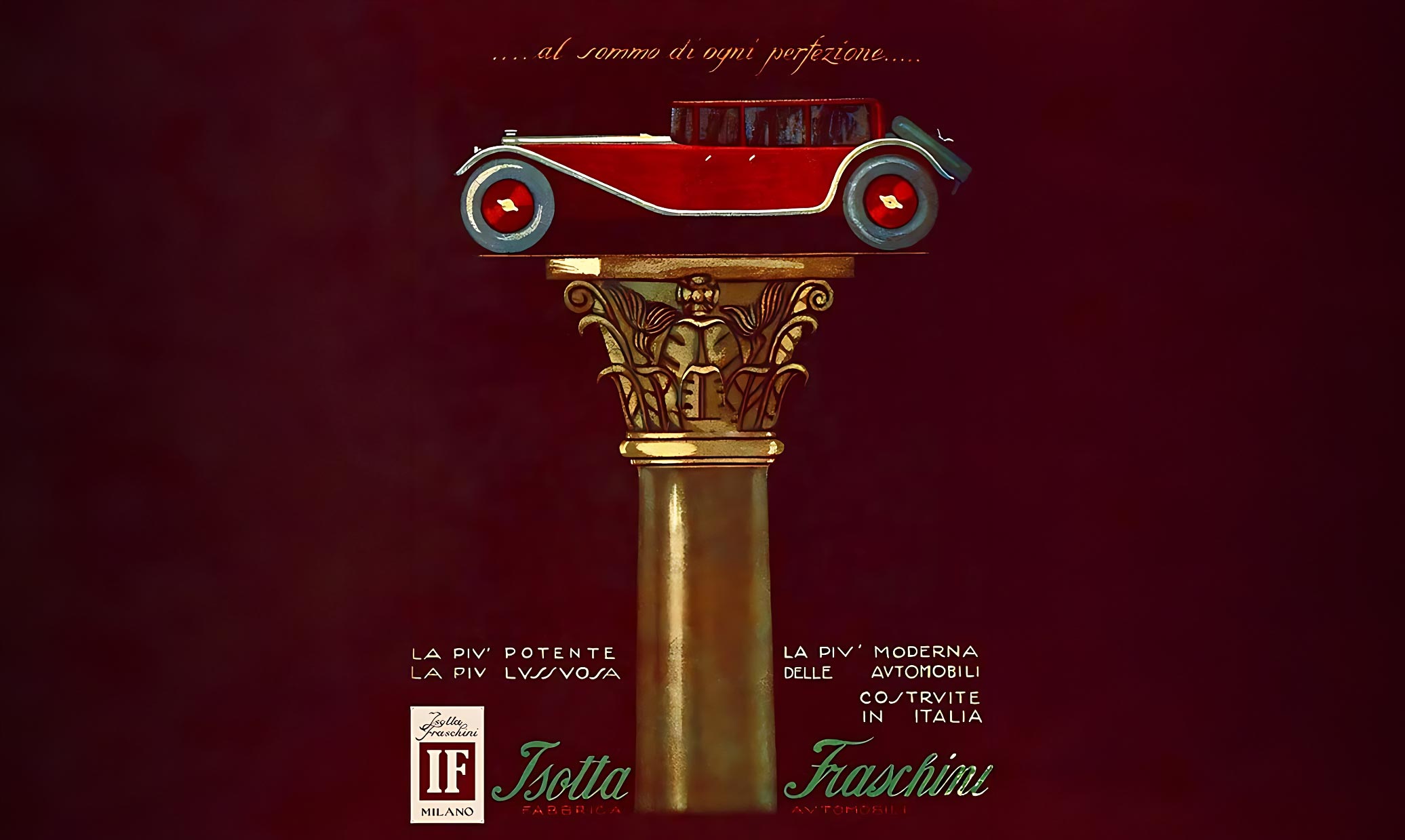
In the opulent salons of the Roaring Twenties, one automobile stood apart as the ultimate symbol of luxury, innovation, and prestige: the Isotta Fraschini Tipo 8. Hailed in its day as “the Aristocrat of Automobiles,” the Tipo 8 wasn’t merely a car – it was a status statement on wheels. Monarchs, popes, Hollywood luminaries, and industrial tycoons all coveted this magnificent Italian machine, which boasted groundbreaking engineering wrapped in bespoke coachbuilt elegance. With its whisper-quiet engine and extravagant appointments, the Isotta Fraschini Tipo 8 captured the spirit of an era. From its birth in post-World War I Italy to its triumphant appearances at international auto salons and concours d’elegance, the story of the Tipo 8 is a rich tapestry interwoven with history, artistry, and romance. This in-depth journey will explore the historical situation that gave rise to the Tipo 8, the design and development of this legendary model, and the glamorous world that embraced it. Prepare to be transported to a time when Isotta Fraschini’s masterpiece reigned supreme – a time of la dolce vita on the open road.
Origins in a Changing World
The Isotta Fraschini Tipo 8 was born at a pivotal moment in history. World War I had just ended, and Italy – like much of Europe – was transitioning from the hardships of war to the promise of a new era. Società Milanese Automobili Isotta, Fraschini & C., founded in Milan in 1900 by Cesare Isotta and the Fraschini brothers, had built its reputation before the war with a diverse array of automobiles and engineering feats. In fact, the company had been an early innovator; by 1910, Isotta Fraschini was among the very first automakers to equip cars with brakes on all four wheels. (Most other marques wouldn’t adopt four-wheel brakes until well into the 1920s, underscoring Isotta’s forward-thinking approach.) These pre-war Isottas ranged from small runabouts to gigantic 17-liter behemoths – one of which famously overturned with the Italian composer Giacomo Puccini at the wheel, breaking his leg and delaying the premiere of Madama Butterfly. Clearly, by the 1910s the Isotta Fraschini name was already woven into the fabric of European culture and motoring.
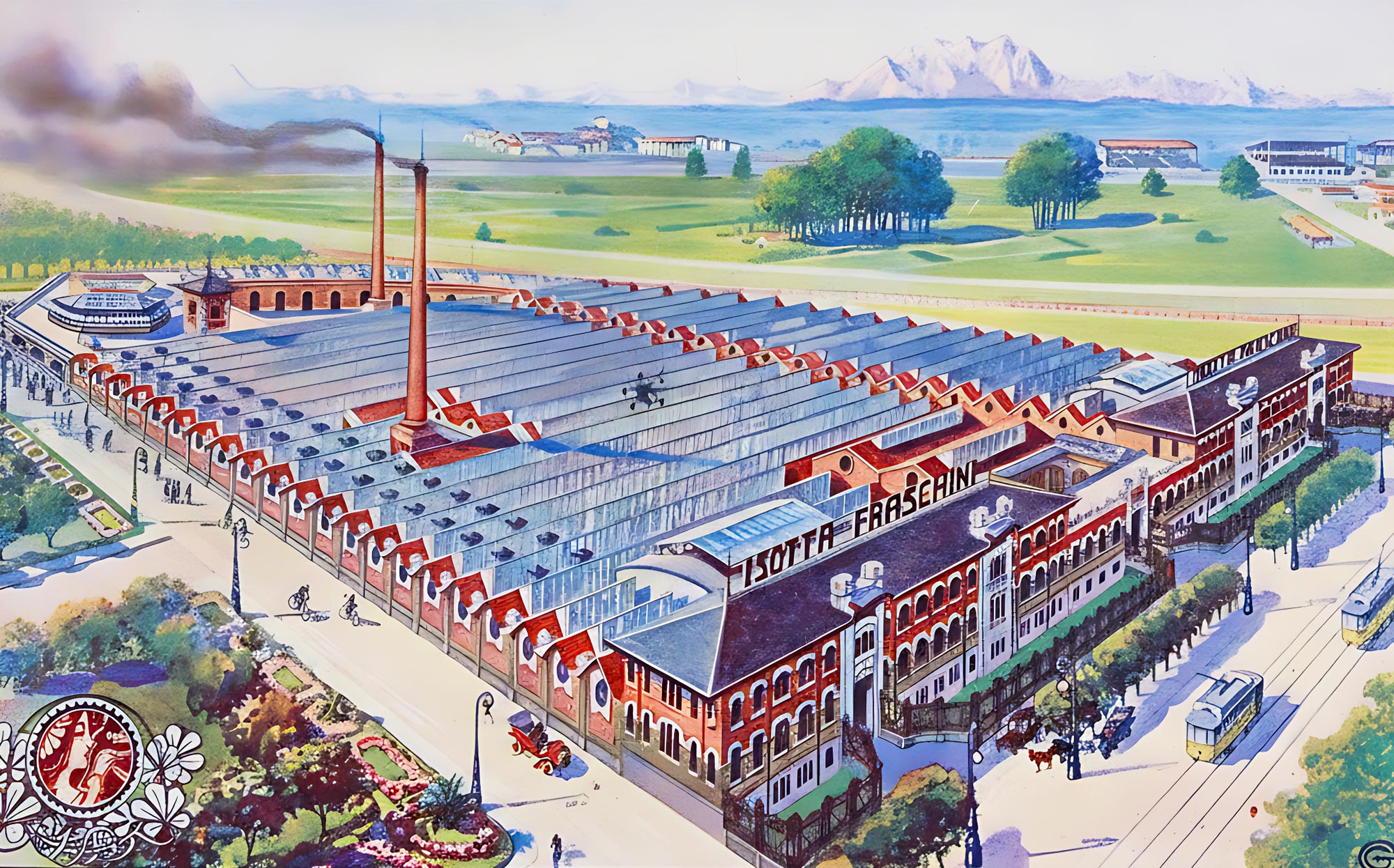
When the guns fell silent in 1918, however, Isotta Fraschini faced a transformed world. The war years had disrupted automobile production and decimated economies, but they had also accelerated technological progress (especially in engines and materials). The Milanese company saw an opportunity to reinvent itself for the peacetime luxury market. In a bold move, Isotta Fraschini’s management abandoned the multitude of pre-war models and adopted a single-model policy. Rather than building many different cars, they would pour all their expertise into one flagship chassis – a car so advanced and so opulent that it would be unparalleled in prestige. That car was to be the Tipo 8, conceived as a no-compromise luxury automobile to rival the very best in the world. As the company later advertised, they were determined to produce “a world’s masterpiece” in motoring.
Debut of a Postwar Masterpiece
The Isotta Fraschini Tipo 8 made its debut in grand fashion. In late 1919, at the first major auto show in Italy after the war (the Turin Motor Show), Isotta Fraschini unveiled the Tipo 8 chassis to an astonished public. Here was an automobile that symbolized Italy’s resilience and creativity: a luxury car built on the grandest scale, flaunting technical innovation rarely seen before. Most strikingly, the Tipo 8 was powered by an inline eight-cylinder engine – the first production car in the world ever to boast a straight-eight powerplant. At a time when the few other multi-cylinder luxury cars were using V8s (which often suffered from vibration issues), Isotta Fraschini’s decision to use a straight-eight was revolutionary. The long, inline-eight provided exceptional smoothness at low revs and became a hallmark of interwar luxury automobiles. In effect, the Tipo 8 set a template that competitors like Rolls-Royce, Hispano-Suiza, Minerva, and Mercedes-Benz would also follow in the 1920s – the era of the “Big Eight” engines.
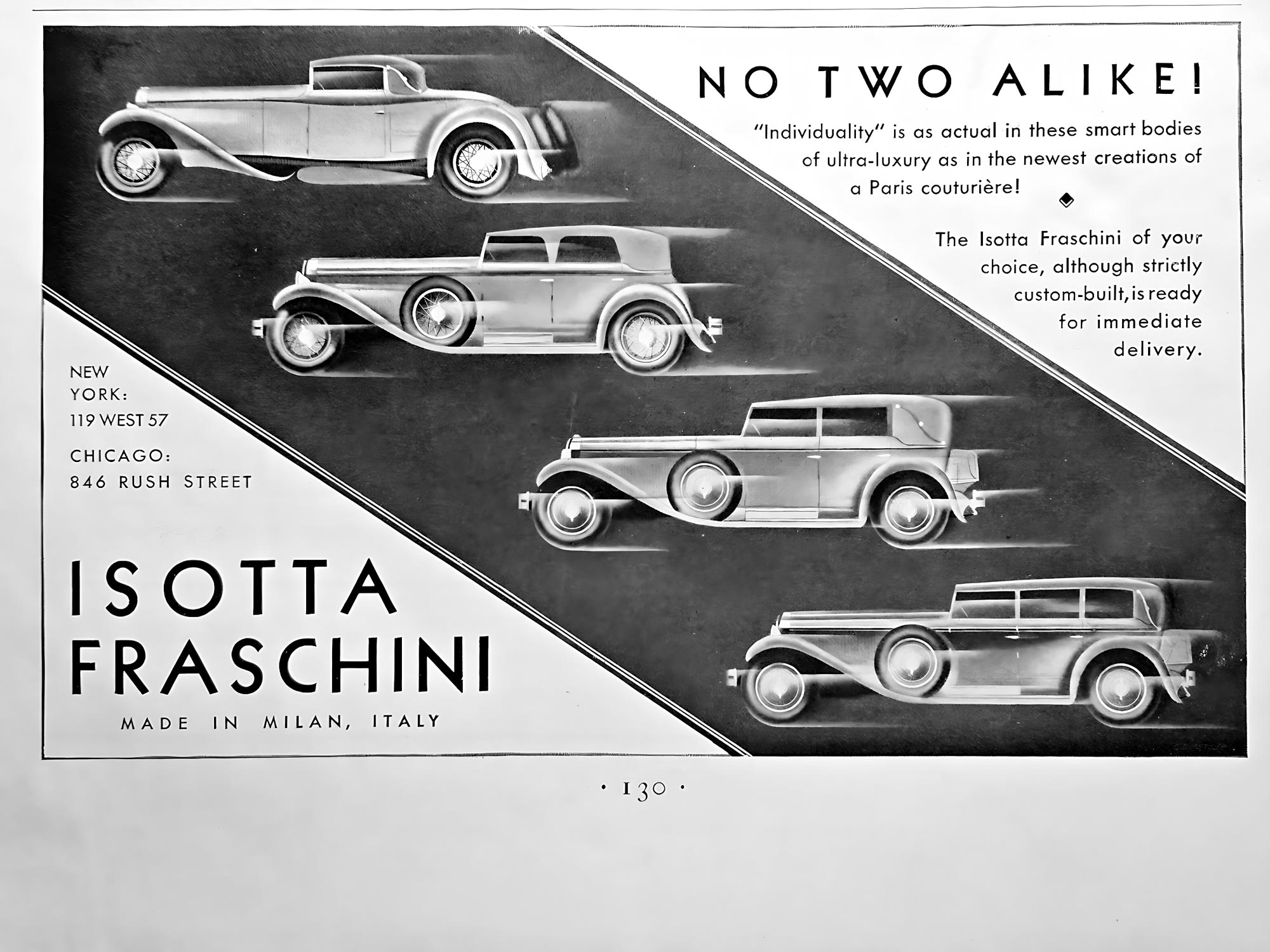
The timing of the Tipo 8’s introduction was perfect. The 1920s were dawning as a gilded age of prosperity for some, and there was a growing class of wealthy clientele hungry for the finest automobiles money could buy. Isotta Fraschini positioned the Tipo 8 squarely at this ultra-luxury segment. The car was offered only as a bare chassis with engine, to be fitted with custom coachbuilt bodies to suit each buyer’s taste. This approach was typical of high-end manufacturers of the time and underscored the exclusivity of the product – each Tipo 8 would be a unique creation. It also gave rise to the company’s unofficial motto, “No two alike,” emphasizing that every Isotta Fraschini was a bespoke masterpiece crafted to its owner’s whims. Indeed, an American advertisement by Isotta’s Chicago dealer proudly declared “No Two Alike!” to celebrate the custom-built individuality of these cars. From its very inception, the Tipo 8 was less an off-the-rack automobile and more a tailored work of art on wheels.
Engineering Excellence and Advanced Design
Beneath its imposing hood, the Isotta Fraschini Tipo 8 carried a marvel of engineering. The initial Tipo 8 engine, developed under the guidance of engineer Giustino Cattaneo, was a 5.9-liter straight-eight with a single overhead camshaft operating overhead valves – a very advanced design for 1919. This powerplant produced approximately 80 horsepower at launch, an output soon bumped up to 90 hp as the engine was refined. Those figures may seem modest by modern standards, but in 1920 this was formidable power, especially when delivered with the velvet smoothness that the inline-eight configuration allowed. Contemporary accounts marveled at how quiet and turbine-like the engine was in operation. With dual carburetors mounted directly to the block (eschewing a bulky external intake manifold), the Tipo 8’s engine was also a clean design that hinted at the company’s racing and aero-engine experience.
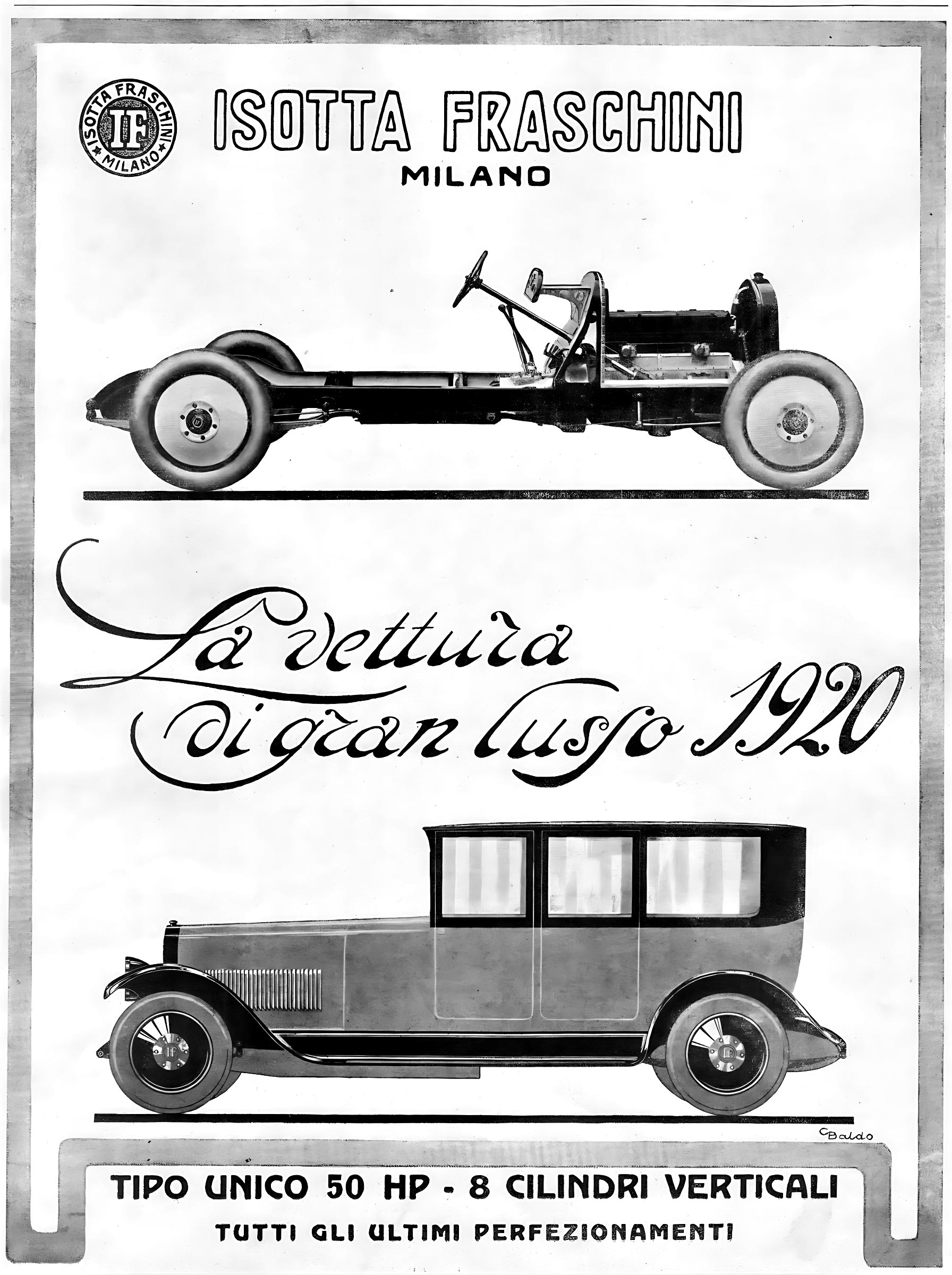
All that smooth power translated into impressive performance. The Tipo 8 could achieve a top speed on the order of 85–90 miles per hour (137–140 km/h), depending on the weight of the body fitted. Such velocity put it in elite company – this was sports car performance in an era when most everyday cars barely mustered 50 mph. Equally important was the engine’s tremendous torque and flexibility. Owners boasted that the big Isotta could accelerate from a walking pace to full speed in top gear, thanks to the motor’s prodigious pulling power. One didn’t buy a car like this to race from stoplights; the true test was how effortlessly and serenely it could gain speed. On that score, the Isotta excelled, matching the famed Rolls-Royce “genteel” acceleration in high gear.
🔗 Read more: The Italian Job: When Rolls-Royce Let Italy Do the Talking
Crucially, Isotta Fraschini complemented the Tipo 8’s engine with other advanced features to ensure a safe and civilized ride. The company’s prior pioneering of four-wheel braking paid dividends – every Tipo 8 chassis had brakes on all four wheels (with power assist added in later versions), at a time when many lesser cars still made do with two-wheel brakes. This gave the hefty machine superior stopping power for increased safety. The transmission in early models was a robust three-speed manual, later upgraded to a four-speed in the final iterations of the Tipo 8, providing a good range of ratios for both city and touring use. The chassis itself was traditional in layout (solid axles, leaf springs, and a sturdy ladder frame), but it was engineered to handle the weight and torque of the mighty engine. With a long wheelbase (on the order of 145 inches for the standard chassis), the Tipo 8 delivered a silken ride quality that soaked up the rough roads of its day. “Great weight and the long chassis smooth every rumple in the tarmac,” as one later historian observed of the experience. Passengers could glide along in near silence, the engine’s hum almost imperceptible, as if wafted by a gentle breeze rather than pushed by nearly 1500 kilograms of machinery.
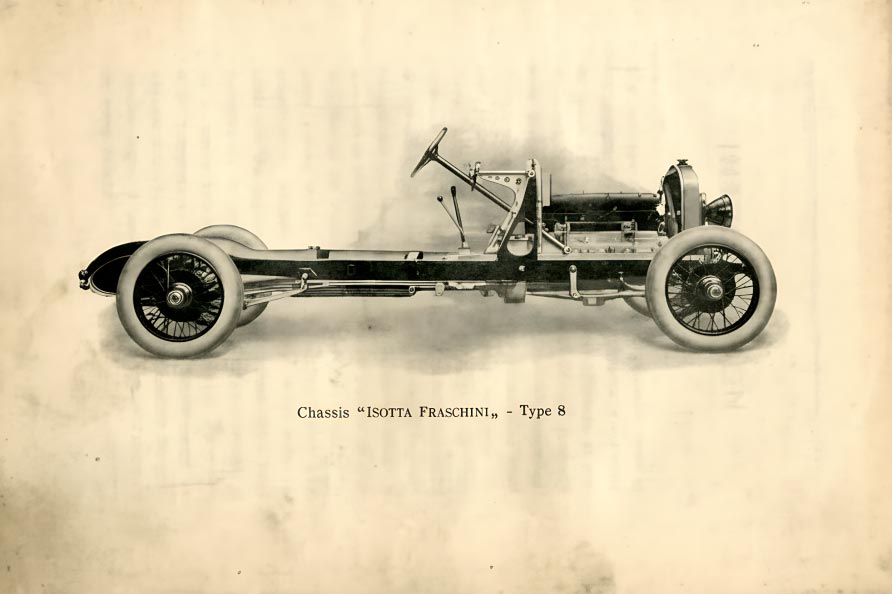
Visually and structurally, the long hood of the Tipo 8 became one of its signature features – a direct result of that inline-eight engine. The bonnet stretched out seemingly to the horizon when viewed from the driver’s seat, conveying both the literal and figurative power of the car. Contemporary luxury cars from rivals like Hispano-Suiza and Duesenberg (which introduced its own straight-eight Model A in 1921) would likewise adopt long-hood proportions, but the Isotta was at the forefront of this design trend. Combined with the custom coachbuilt bodies (each with unique styling details), the Tipo 8 had an undeniable presence. It announced itself with an imposing grille bearing the Isotta Fraschini emblem and, often, the radiant Winged Victory hood ornament (also known as the “Spirit of Triumph”) that became the marque’s mascot. Everything about the car’s engineering and design, from mechanical to aesthetic, was intended to elevate it above the ordinary. Isotta Fraschini was effectively saying to the world: after the darkness of war, here is a bright new marvel of Italian craftsmanship for the modern age.
Bespoke Luxury and Coachbuilt Elegance
If the Tipo 8’s engineering made it technically remarkable, its presentation and customization made it utterly sublime. Isotta Fraschini delivered the Tipo 8 as a running chassis and drivetrain, leaving the creation of the body and passenger compartment to the world’s finest coachbuilders. This was the custom in the 1920s for ultra-luxury automobiles – discerning clients expected to tailor the look of their car to their personal taste. In Italy, the carrozzerie (coachbuilding houses) rose to the occasion, and the typical Isotta Fraschini Tipo 8 was clothed by one of the top Italian coachbuilders of the day. Milan’s own Carrozzeria Castagna, known as “the Raphael of the craft,” was responsible for a great many Isotta bodies, from stately limousines to dashing open tourers. Castagna had a reputation for superb quality and was a favorite of Italian royalty – their partnership with Isotta Fraschini only enhanced that prestige.
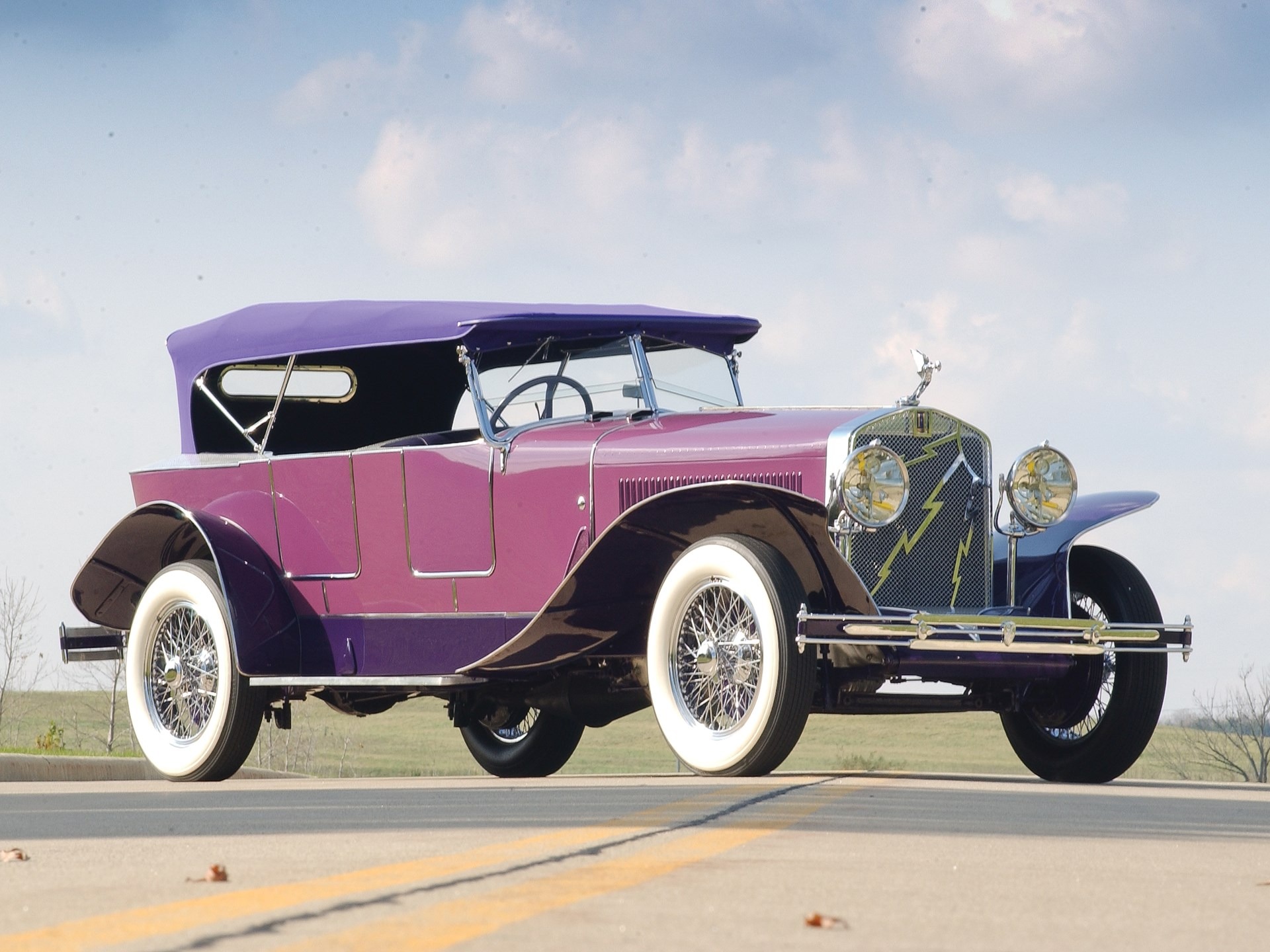
Another Milanese firm, Carrozzeria Cesare Sala, also built numerous bodies for the Tipo 8. Sala’s designs were often avant-garde in color and finish; period accounts mention Sala’s flamboyant two-tone and even tri-tone paint schemes (for example, a striking yellow-and-royal-blue cabriolet, or an ivory-and-orange town car) intended to introduce a bit of frivolity and flair. These cars were meant to be as much couture as automobile – one can easily imagine them drawing stares as they motored through the streets of Milan, Paris, or New York.
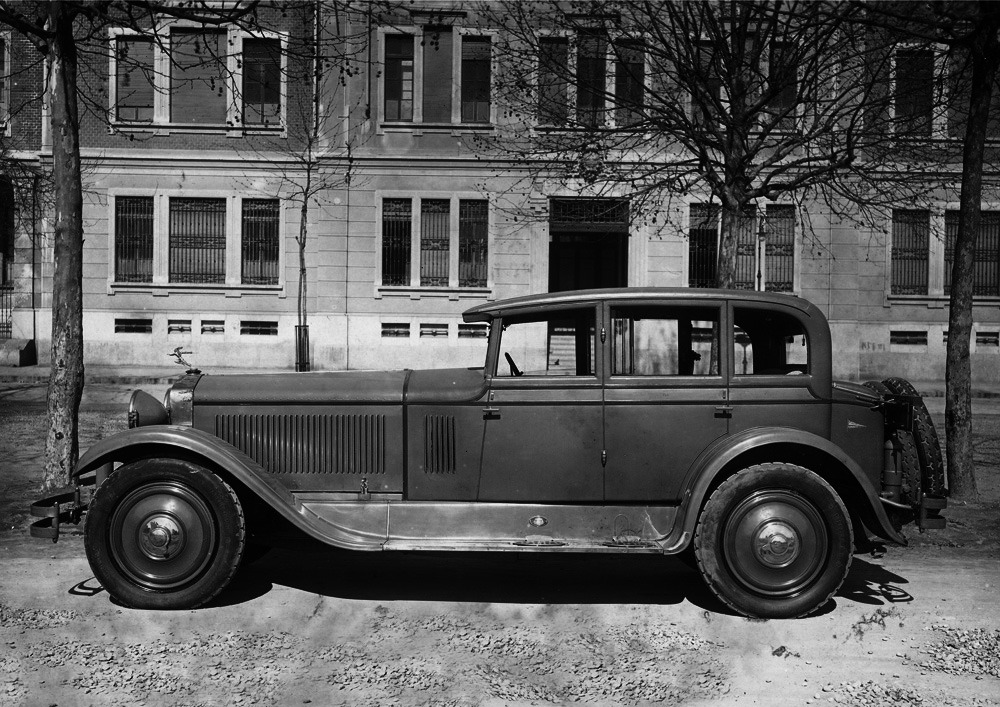
Other Italian coachbuilders who lent their artistry to the Isotta Fraschini Tipo 8 included Stabilimenti Farina, Carrozzeria Garavini of Turin, and later Carrozzeria Touring of Milan. Each brought a distinct style: Farina and Garavini tended toward imposing, formal town cars and limousines with a Central European (almost Teutonic) aesthetic heft, while Touring – an innovative newcomer in the late 1920s – specialized in more sporting, lightweight designs. Even Zagato, known for racy lightweight bodies on Alfa Romeos, is credited with crafting at least a few bespoke creations on the Isotta Fraschini chassis during the 1930s. In short, every Tipo 8 provided the foundation for a one-of-a-kind masterpiece. The combination of Italian engineering and Italian coachbuilt design was irresistible to the elite clientele of the day.
🔗 Read more: Zagato Milano: A History Shaped by Speed and Style
These were the equal of the best Rolls-Royce or Duesenberg bodies, but with an added transatlantic flair. For instance, a 1924 Isotta Fraschini Tipo 8 with touring body by LeBaron was advertised to wealthy Americans as the pinnacle of continental motoring sophistication. Likewise, the Fleetwood-bodied Tipo 8 commissioned by Hollywood legend Rudolph Valentino (more on that later) featured a strikingly elegant roadster design, built in Pennsylvania but unmistakably Italian in its allure. Whether wearing Italian coachwork or American, an Isotta Fraschini in the 1920s was guaranteed to be eye-catching and bespoke. Company literature emphasized this uniqueness, reassuring clients that their car would be unlike any other on the road – a true personal statement of luxury. The phrase “Individuality” often appeared in Isotta Fraschini’s advertisements, next to proud boasts that no two Isottas were alike.
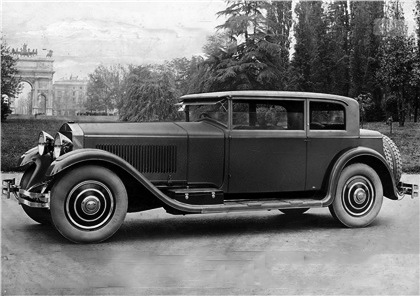
Crucially, Isotta Fraschini chassis were not limited to Italian coachwork. The marque had a truly international clientele, and many chassis were shipped overseas to be bodied by renowned coachbuilders in France, England, and the United States. In America – which became the single largest market for the Tipo 8 – custom coachbuilding houses like Fleetwood and LeBaron crafted extravagant open tourers and town cars on the imported Isotta chassis.
Inside these magnificent automobiles, the luxury continued. The interiors of a coachbuilt Tipo 8 were typically finished to the owner’s exact specifications, often resembling the drawing rooms of a stately home. The finest materials were used: seats trimmed in glove-soft hand-stitched leather, panels of rare wood and polished lacquer, plush carpets, and accents of crystal and silver. Some cars featured elaborate inlays, vanity sets for rear passengers, or even small bar cabinets for use on those long chauffeur-driven journeys. One particularly famous Isotta, delivered to Pope Pius XI in the mid-1920s, was upholstered in rich red silk brocade and furnished with damask curtains – a true “throne on wheels” for His Holiness. Another, built for an Indian Maharaja, allegedly sported ivory door handles and precious stones in the interior garnishes (for the ultra-rich, nothing was too extravagant). These touches underscored that the Tipo 8 chassis was a canvas for automotive art. No expense was spared by customers in making their Isotta Fraschini a rolling expression of wealth and taste.
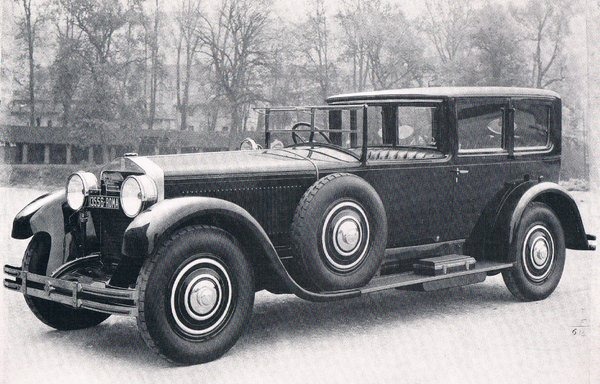
From the outside, the variety of body styles on the Tipo 8 was astounding. There were stately landaulets and limousine de villes for heads of state, rakish phaetons and torpedo tourers for playboys and princes, snug coupés de ville for fashionable couples about town, and even a few sporty roadsters for those who wanted a touch of athletic flair with their luxury. Early examples (circa 1920–21) tended to have fairly conservative bodies – often large, boxy touring cars with fold-down tops and minimal ornamentation, still carrying vestiges of Edwardian-era styling like open drive compartments for the chauffeur. But as the 1920s progressed, coachbuilders unleashed their creativity. By the late ’20s, many Isotta Fraschini Tipo 8s were truly extravagant works of art, with low-slung lines, vivid paintwork, chrome-plated details, and aerodynamically curved fenders. Two of the most celebrated bodies on the Isotta 8A chassis were the so-called “Flying Star” roadsters created by Carrozzeria Touring in 1931 – impossibly sleek, white-lacquered show cars designed to wow judges at European concours d’elegance. One of these Flying Stars, with its cut-down doors, pontoon fenders and side-mounted spare wheels, reportedly won Best of Show at the prestigious Villa d’Este Concours in Italy, and even caught the eye of Italian dictator Benito Mussolini, who was said to have driven it later on. In short, the coachbuilt designs on the Tipo 8 chassis were second to none. They cemented Isotta Fraschini’s reputation as a marque for the elite of the elite, where engineering excellence met artistic brilliance.
Glamour, Fame, and the High Society Embrace
From European royalty to American movie stars, the Isotta Fraschini Tipo 8 attracted an extraordinary clientele that reads like a who’s who of the 1920s glitterati. Possessing an Isotta became a badge of honor among the world’s wealthy – a statement that one had truly “arrived” in high society. As one industry maxim wryly put it, “When in doubt, list your Maharajas” – meaning that a luxury marque’s credibility was proven by the roster of princes and potentates who owned its cars. Isotta Fraschini had plenty. In India, a handful of Maharajas did indeed order the Tipo 8, as did the Aga Khan (spiritual leader of Ismaili Muslims and an aficionado of fine automobiles). In Africa, the Empress of Abyssinia (wife of Emperor Haile Selassie of Ethiopia) was driven in an Isotta. Across Europe, Isotta’s patrons included Queen Marie of Romania, King Faisal of Iraq, and even the Vatican – Pope Pius XI’s aforementioned custom Tipo 8 was painted a unique shade of deep papal purple and became one of the first papal automobiles, supplanting the antiquated horse-drawn carriages of the Holy See. Italy’s own King Vittorio Emanuele III had an Isotta, and it’s said the Pope’s car was a gift from the royal family – a symbol of Church-State reconciliation delivered in the form of a majestic automobile.
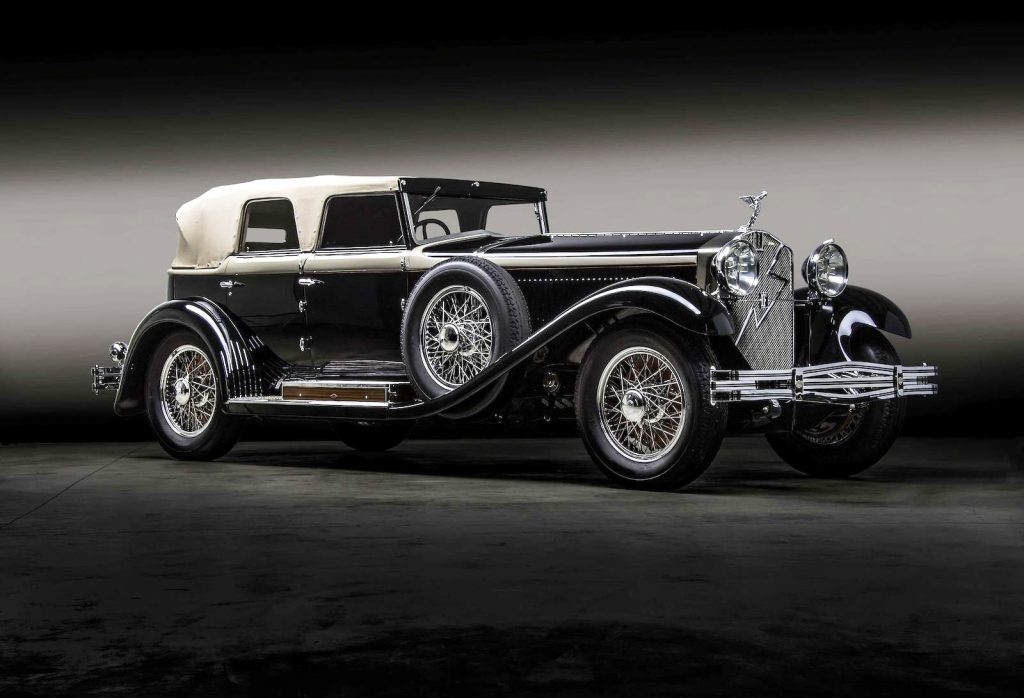
Perhaps no clientele boosted Isotta Fraschini’s allure more than the stars of Hollywood’s golden age. In the 1920s, American wealth and glamour often outshone Europe’s old aristocracy, and Isotta Fraschini pursued this new market vigorously. By the mid-1920s, roughly one-third of all Isotta Fraschini Tipo 8s were sold in the United States. Wealthy American industrialists like William Randolph Hearst added Isottas to their stable of cars, but it was the movie stars who truly immortalized the marque’s fame. The great silent film idol Rudolph Valentino was perhaps Isotta Fraschini’s most ardent celebrity fan. Valentino owned multiple Isottas during his meteoric life – including a sleek Castagna-bodied town car he used in Hollywood – and in 1925 he ordered a bespoke Tipo 8A Sport chassis to be fitted with a custom Fleetwood roadster body for his personal use. Tragically, Valentino died in 1926 at just 31 years old, before his special roadster was finished. Sensing an opportunity to honor the star and captivate the public, Isotta Fraschini displayed the completed Valentino roadster at the 1926 New York Auto Salon (the premier American luxury car show of the time). Throngs of Valentino’s grieving fans crowded around the car, eager to catch a glimpse of the machine that their fallen screen idol had commissioned. The stunt was a marketing masterstroke – the Tipo 8A Fleetwood roadster became legendary, and the association with Valentino forever linked Isotta Fraschini to Hollywood glamour. (In fact, more than one Isotta later claimed to be “Valentino’s car,” as enthusiasts vied to possess even a tangential connection to the legend.)
🔗 Read more: Stabilimenti Farina: The Pre-War Benchmark of Italian Coachbuilding
Valentino was not alone. Fellow film luminaries like Clara Bow, the original “It Girl” of the 1920s, and action hero Jack Dempsey (world heavyweight boxing champion turned movie actor) also owned Isotta Fraschinis. It wasn’t just publicity – these were genuine devotees of the marque. They appreciated the exclusive aura and performance of the Tipo 8 in an era when status was everything. In North America, Isotta Fraschini established showrooms (such as the swank Manhattan salon on Broadway in New York) and catered to the Jazz Age’s nouveaux riches who wanted something even more exotic than a Rolls-Royce. An Isotta in the driveway signified cosmopolitan taste – a connoisseur’s choice. It helped that the Tipo 8 was astronomically expensive. In 1928, a bare Tipo 8A chassis cost around $6,500 in the U.S., and a custom body by a top coachbuilder could add another $6,000 or more. A fully finished car often exceeded $20,000 – at a time when a brand-new luxury Lincoln or Packard cost perhaps $5,000–$7,000. By some measures, an Isotta Fraschini in the late ’20s cost the equivalent of six or seven Rolls-Royce cars! This staggering price only added to its cachet. The message was clear: if you drove an Isotta Fraschini, you were either fabulously wealthy or extraordinarily well-connected (often both).
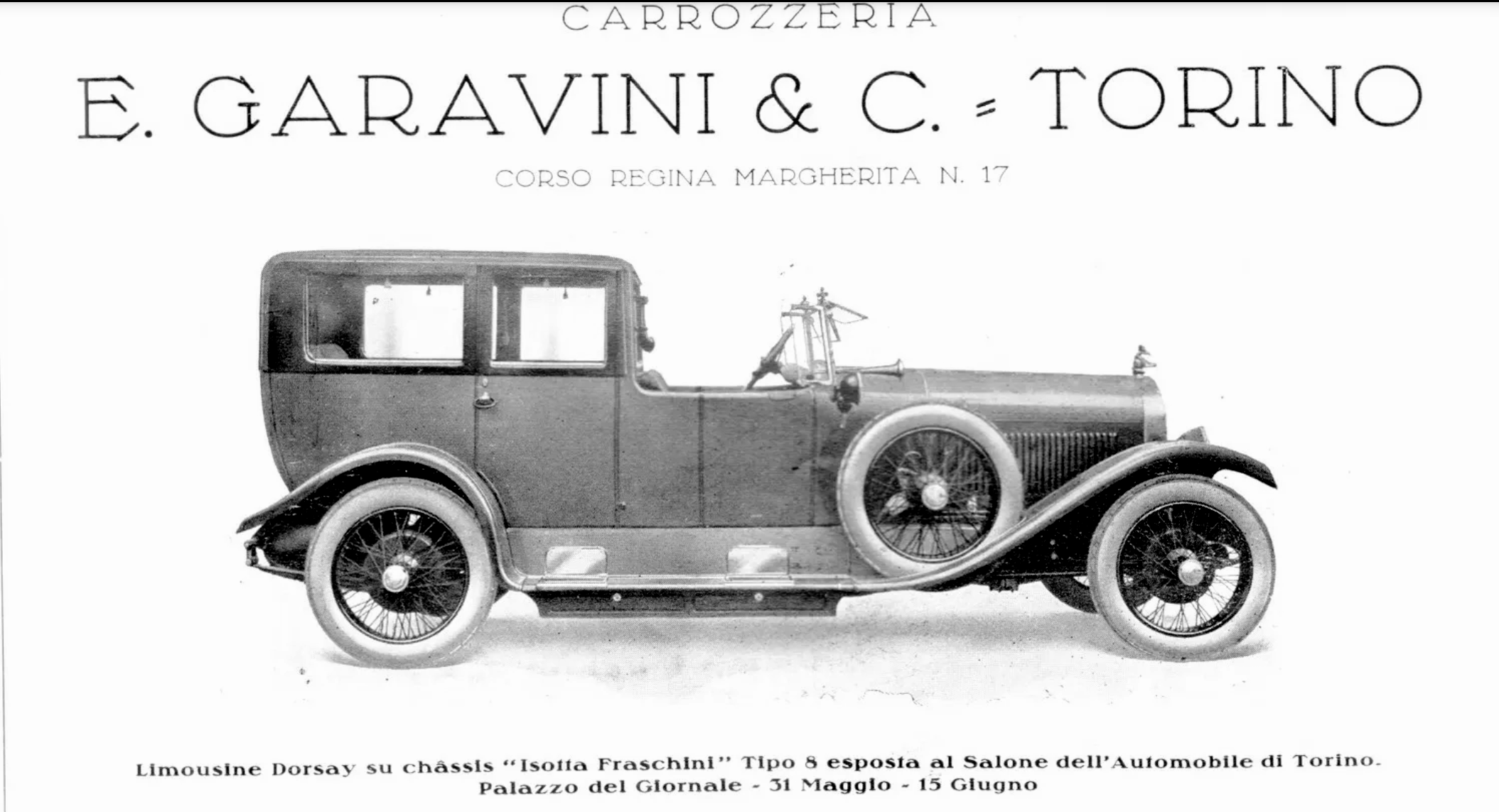
The Tipo 8’s presence was strongly felt at the grand social events of the era. Throughout the 1920s, auto shows and concours d’élégance became the stages on which luxury automakers and coachbuilders would display their latest creations to the public and the press. Isotta Fraschini was a headliner at many of these. After its 1919 launch in Turin, the Tipo 8 made appearances at major European auto salons – the Paris Motor Salon, the London Olympia Show, and others – usually exhibited as a bare chassis alongside a fully bodied example to demonstrate the possibilities. In 1924, when Isotta introduced the updated Tipo 8A (with its larger engine), it did so with appropriate fanfare at that year’s European shows. The Salon de l’Automobile in Paris 1924 featured the new Tipo 8A chassis, impressing crowds with its sheer size and power, now on par with the upcoming Rolls-Royce “New Phantom” (Phantom I). Isotta Fraschini’s display emphasized that the car was internationally oriented – often the stand would feature flags or crests of various nations to signal its global appeal, and placards listing the royalty and celebrities who owned one (a bit of bragging rights marketing).
Equally significant were the Concours d’Elegance, those fashionable competitions where custom-bodied cars were judged like fine thoroughbreds for their beauty and design. In the mid-1920s, these concours events in cities like Paris, Cannes, Monte Carlo, and later at Italy’s own Villa d’Este, became showcases for Isotta Fraschini. Proud owners (or sometimes the coachbuilders themselves) entered their latest Isotta creations, bedecked in polished two-tone paint and gleaming chrome, to compete for honors. The Isotta Fraschini chassis, with its grandeur and proportion, provided an ideal foundation for winning designs. Period newspapers reported on a 1925 Concours d’Elegance in Paris where a flamboyant Isotta Fraschini cabriolet by Carrozzeria Sala stole the spotlight with its daring color scheme and won a special jury prize for elegance. Similarly, by 1929–1930, the Flying Star roadsters on Isotta chassis were turning heads at every event – one even winning Best of Show at the 1930 Concorso d’Eleganza in Italy, further burnishing the marque’s reputation. These events were the social media of their time for automakers: a victory or even just a memorable showing could translate into orders from wealthy attendees. Isotta Fraschini capitalized on this exposure, solidifying its image as la crème de la crème of motoring.
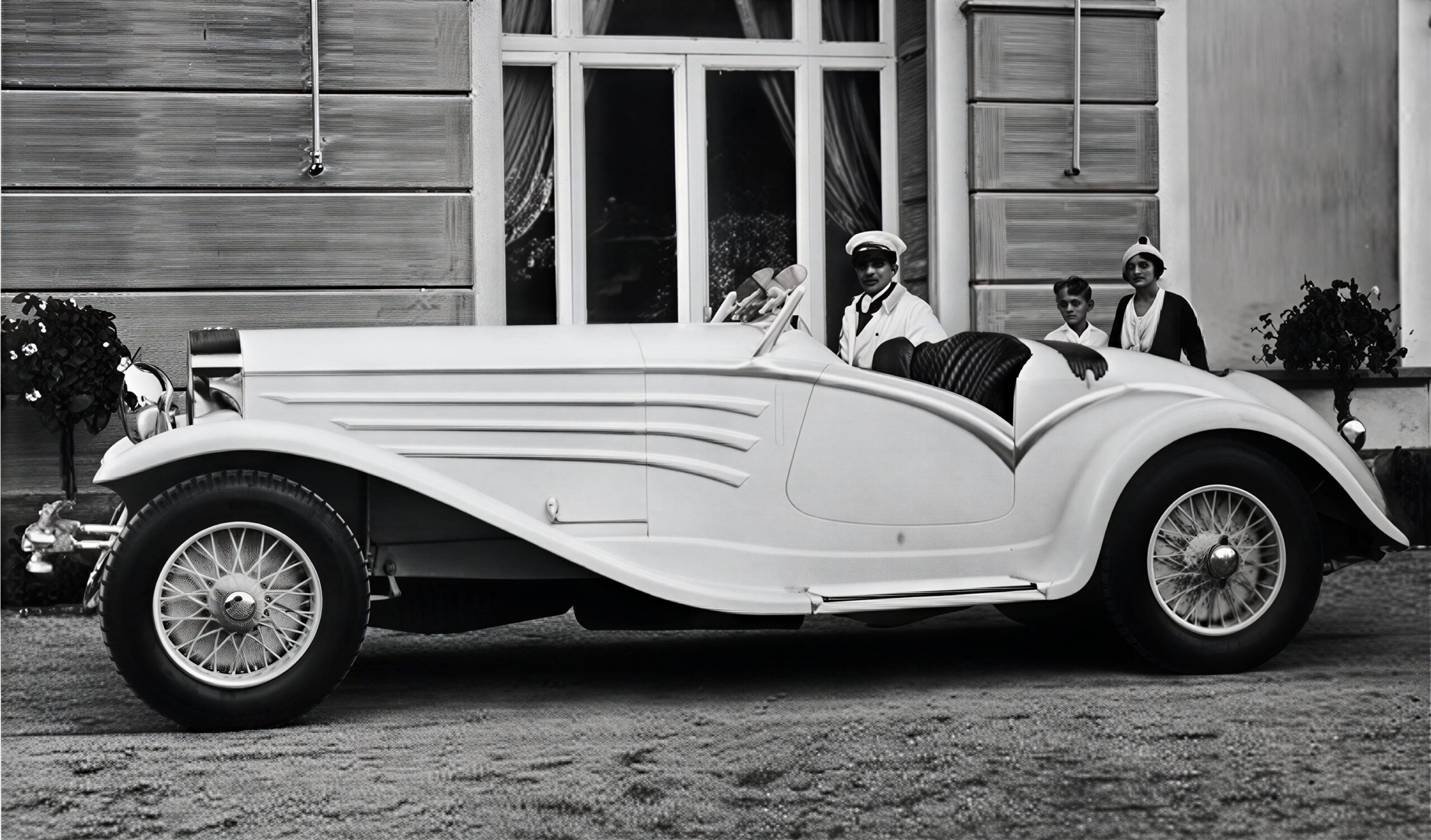
The cultural impact of the Tipo 8 extended into literature and film as well. Perhaps the most famous pop culture reference to an Isotta Fraschini comes from the classic 1950 film Sunset Boulevard. In this dark tale of faded Hollywood glory, the eccentric former silent-film star Norma Desmond (played by Gloria Swanson) makes a grand entrance in her vintage Isotta Fraschini. “We have a car. Not one of those cheap new things made of chromium and spit,” Norma declares scornfully, “An Isotta-Fraschini! Have you ever heard of Isotta-Fraschini? All handmade!”. Her car (portrayed in the film by a real 1929 Tipo 8A Castagna landaulet) serves as a symbol of her clinging to bygone opulence. That line – “Have you ever heard of Isotta-Fraschini? All handmade!” – has since entered automotive lore. It perfectly encapsulates how, even decades later, the Isotta’s name remained shorthand for ultimate luxury. To own a Tipo 8 was to own something rarefied and timeless.
Evolution: Tipo 8A and 8B – Pushing the Limits of Luxury
The success of the original Tipo 8 (produced from 1919 through 1924) prompted Isotta Fraschini to push the envelope even further. By the mid-1920s, competition in the luxury car arena was intensifying – Rolls-Royce had the Phantom, Hispano-Suiza the H6 and later the H6B, and newcomers like Duesenberg in America were making waves with powerful straight-eight engines of their own. Isotta Fraschini responded in 1924 with the Tipo 8A, an evolution of the original design that aimed to be the most powerful and prestigious car on the market. The Tipo 8A’s engine was enlarged to a massive 7.3 liters (7370 cc), and horsepower jumped to at least 110 bhp (some sources cite 115 bhp for the standard tune). For customers desiring even more performance, Isotta offered factory-sanctioned higher-output versions of the 8A: the Tipo 8AS (“S” for Spinto, or tuned) and eventually the Tipo 8ASS (often just called Super Spinto). These high-performance variants, introduced later in the 1920s, featured hotter camshafts and other tweaks to produce up to 130–150 bhp – extraordinary output for the era. The names “Spinto” and “Super Spinto” were chosen to evoke the image of sprinting or aggressive acceleration, hinting that these big luxury cars had a sporting side. Indeed, an 8A Super Spinto could reportedly exceed 90 mph and had acceleration that might surprise a few sports car drivers of the day.
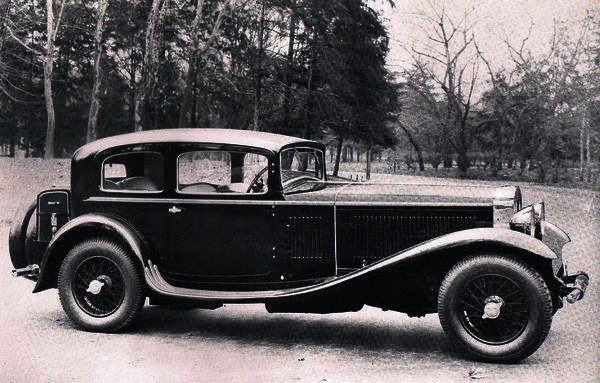
Along with the more potent engine, the Tipo 8A introduced a strengthened chassis and suspension to handle the extra power, as well as some drivetrain improvements. While early Tipo 8As still used a three-speed gearbox, by the late 1920s Isotta Fraschini began equipping some cars with a four-speed transmission for more flexible performance. (Some of the last examples would even experiment with a Wilson pre-selector gearbox, an advanced semi-automatic transmission, which was highly innovative in the early 1930s.) The typical wheelbase for the standard 8A was around 145 inches, but a shorter wheelbase chassis (approximately 135 inches) was offered for sportier body applications – this was often called the 8A S ( corto ). Customers who wanted a rakish roadster or convertible coupe could opt for the shorter chassis for lighter weight and sharper handling, whereas those ordering formal limousines and town cars usually stuck with the longer chassis for maximum rear legroom. Regardless of configuration, the 8A maintained the Isotta hallmarks: impeccable build quality, a supremely smooth engine, and unmatched road presence.
🔗 Read more: The Grand History of Carrozzeria Cesare Sala
The Tipo 8A was produced from 1924 until roughly 1930, and it became the most successful model in Isotta Fraschini’s history. Approximately 950 examples of the 8A were sold between 1924 and 1931, a number that includes all the various sub-variants. This was a remarkable achievement for a car in this stratospheric price class. Much of the 8A’s success can be attributed to the American market – as noted, a large fraction of Isotta’s output went to the U.S. during the Roaring Twenties boom years. However, as the 1920s drew to a close, storm clouds gathered on the economic horizon. The Great Depression loomed, and the demand for fantastically expensive custom cars was about to plummet. Isotta Fraschini, like its luxury rivals, began feeling the slowdown in luxury orders by 1929. In fact, the company had already started diversifying slightly in 1928 by focusing more on aircraft engine manufacturing – perhaps sensing that the golden age of coachbuilt automobiles might not last forever.
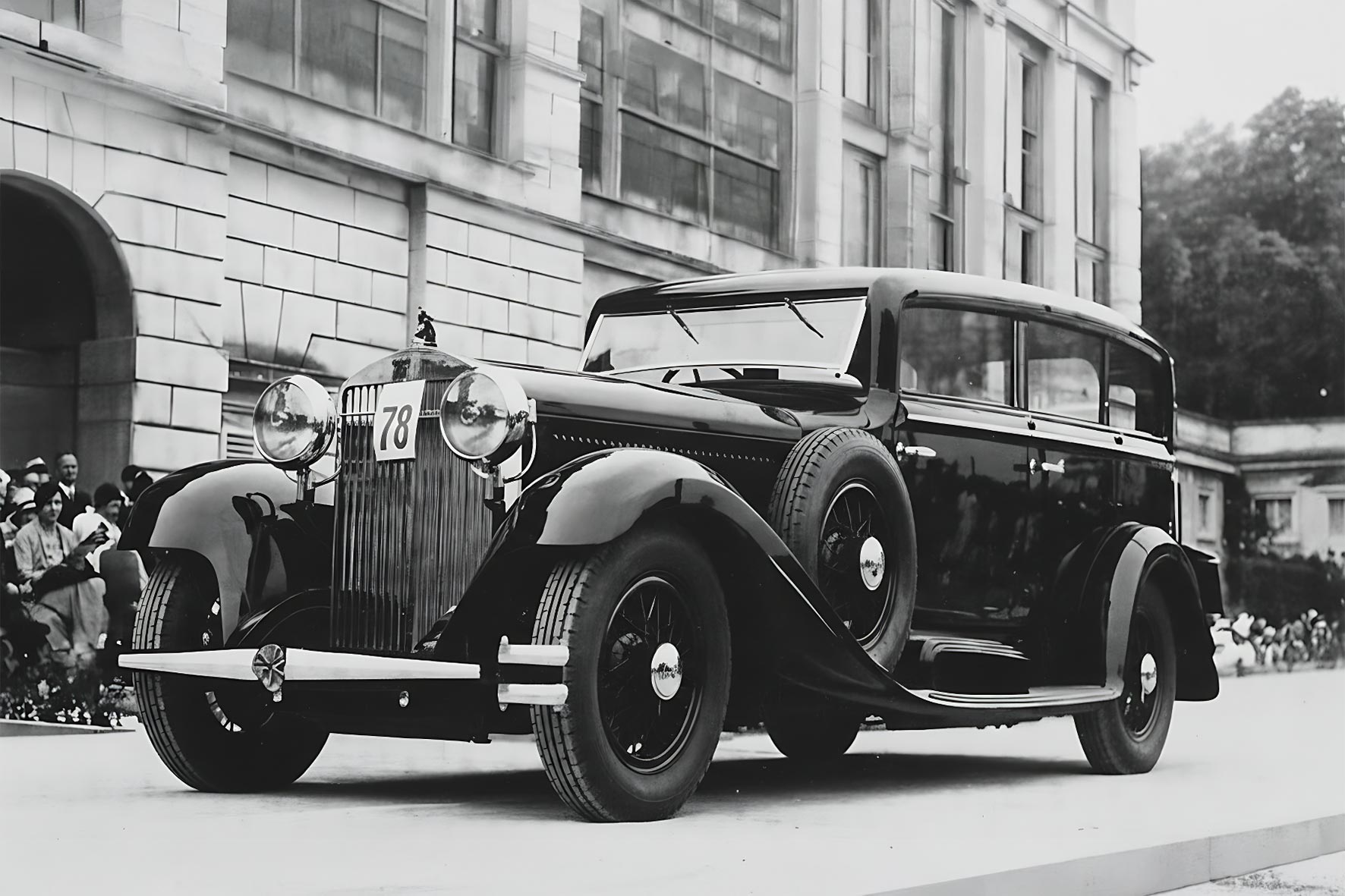
In 1931, in a last bid to sustain its automotive crown, Isotta Fraschini introduced the Tipo 8B. The 8B was essentially an evolution of the 8A, retaining the 7.3-liter displacement but incorporating further refinements to deliver up to 160 bhp in its most advanced form. The 8B often came equipped with the aforementioned pre-selector gearbox and even servo-assisted brakes. Performance-wise it was one of the fastest luxury cars in the world. But alas, it was too late. The Wall Street crash of 1929 and the ensuing global depression had decimated the ranks of buyers who could afford such a machine. Isotta Fraschini managed to build only a handful of 8B cars – records show perhaps 30 completed 8Bs for certain, and possibly up to 80 in total if one counts partially finished chassis. By 1932, the company halted official production of new cars. Intriguingly (and somewhat poignantly), Isotta had a surplus of parts and chassis in inventory when the crash hit, and rather than waste them, the company quietly continued assembling cars until 1934–35 using those leftover components. This means some Isotta “Tipo 8” series cars were essentially built-to-order well after the nominal end of production. There are accounts of brand-new Isotta Fraschini 8A models being titled as 1932 or 1933 cars, even though their designs dated back years – a testament to how timeless and desirable they remained to a few die-hard customers. Nevertheless, by 1933 the writing was on the wall, and Isotta Fraschini’s glorious run as a luxury car maker was coming to an end. The company ceased manufacturing automotive parts in 1931 and officially shuttered its car assembly operations by 1935, scrapping whatever unsold inventory remained. The Aristocrat of Automobiles had been dealt a fatal blow by economic reality.
Legacy and Mythos
Though the Isotta Fraschini Tipo 8’s production lifespan was relatively brief (spanning the 1919–1934 period for all its iterations), its impact on automotive history was profound. This was the car that firmly established Italy as a producer of world-class luxury automobiles, on par with – and in some respects exceeding – the contemporaneous efforts of Britain, France, Germany, and America. In its heyday, Isotta Fraschini dared to challenge the likes of Rolls-Royce for the title of best car in the world, and did so with unapologetic confidence. The company’s slogan “The Aristocrat of Automobiles” was no idle boast. A close look at the engineering and bespoke craftsmanship of the Tipo 8 series shows that Isotta earned that moniker. Even the great Rolls-Royce was forced to reckon with Isotta’s innovations. Notably, the success of the straight-eight Tipo 8 reportedly influenced Rolls engineer Henry Royce to consider more modern powerplants – Rolls-Royce would eventually respond with a V12 engine (in the Phantom III of 1936) to uphold its prestige. Likewise, Hispano-Suiza felt the need to advance its designs (introducing a mighty V12 in the 1930s) in part because the Isotta’s Spinto models had raised the bar for performance among elite cars.
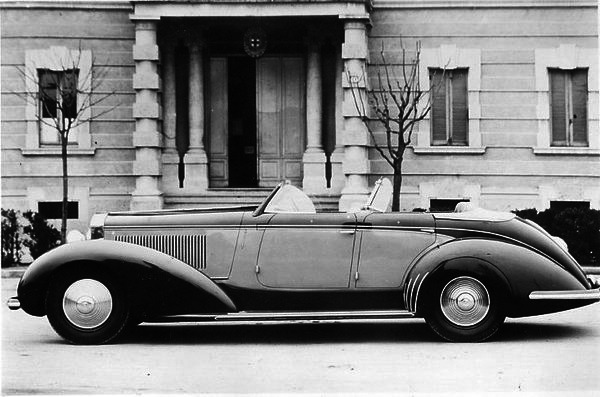
Beyond the realm of engineering, the Tipo 8 left a cultural legacy that far outlasted the marque’s demise. Collectors and historians revere the surviving Isotta Fraschinis as treasures of a bygone age. Many have been lovingly restored and shown at modern concours d’elegance. In fact, in the 21st century, Isotta Fraschini Tipo 8As have repeatedly won top honors at events like the Pebble Beach Concours d’Elegance, where judges and enthusiasts marvel at their design and presence – the same way onlookers did nearly a century ago. With their towering grilles, cathedral-like headlights and sumptuous interiors, a vintage Tipo 8 or 8A on the show field can still steal the limelight. Enthusiast groups and museums have also kept the flame alive. For instance, the Mullin Automotive Museum and the Pebble Beach Concours each celebrated Isotta Fraschini as a featured marque in recent years, bringing multiple examples together and reminding new generations of the brand’s greatness.
🔗 Read more: The Rebirth of Isotta Fraschini: Inside the Monterosa 8C Project
The Isotta Fraschini story also carries a certain romantic tragedy. The rise and fall of this marque mirror the exuberance and subsequent fall of the Roaring Twenties society. As one author poetically put it, the Isotta was a “great veteran, a car that marked the end of the beginning,” summing up the grandeur of the early automobile age, whereas the new modern designs that followed marked “the beginning of the end” of classical coachbuilt luxury. When the company halted car production, it pivoted to other ventures – building aircraft engines and marine engines, and later even trolleybuses. There was one last flash of the Isotta Fraschini automotive name in the late 1940s, when the company built a few prototype cars (the Tipo 8C Monterosa, with a rear-mounted V8 engine) in an attempt to revive its car business. But those efforts did not reach production, and the Isotta Fraschini name in automobile manufacturing faded away by 1949. Yet the aura of the Tipo 8 never truly died. Scholars still refer to it in reverent tones, and any appearance of an Isotta at auction or in a film stirs excitement.
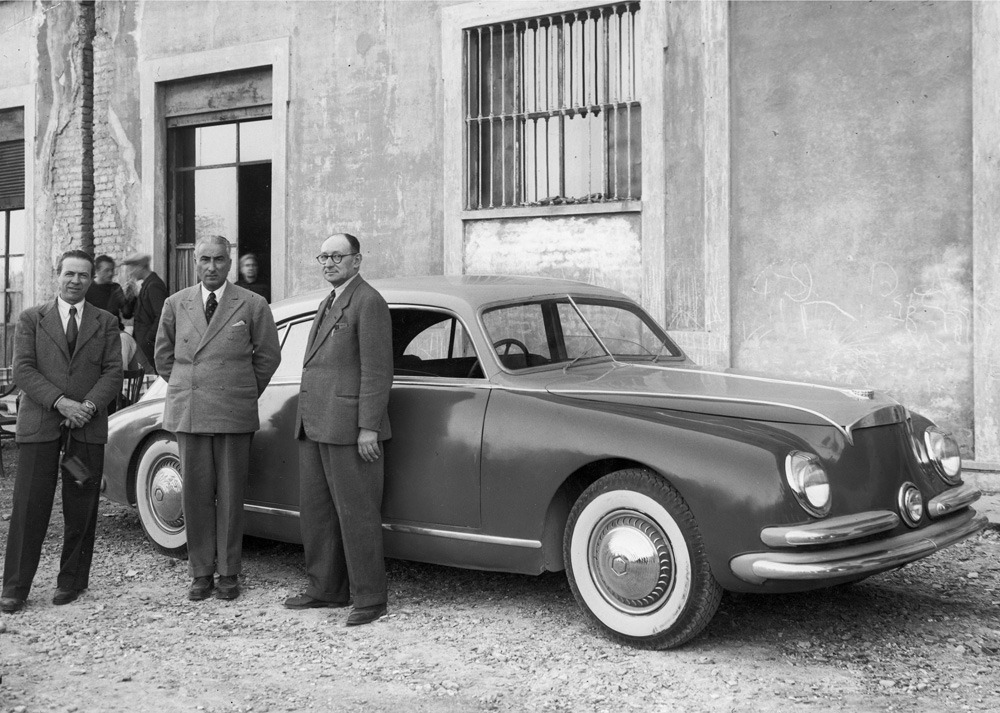
In the final analysis, the Isotta Fraschini Tipo 8 remains one of the most complete expressions of automotive luxury ever conceived. It was born from a specific historical moment – post-WWI optimism – and it encapsulated the hopes and dreams of an era. The Tipo 8 combined engineering innovation (first straight-eight production engine, advanced brakes, immense power) with artistic coachbuilding (Italian design at its finest, tailored to each owner), all while being draped in the glamour of its illustrious owners and their stories. It’s no wonder that to this day, the name Isotta Fraschini evokes images of Gatsby-esque parties, silk gowns and tuxedos, and a level of craftsmanship rarely seen since.
As Norma Desmond declared on screen, all it takes is one ride in an Isotta-Fraschini – “all handmade!” – to understand its magic. The world may have changed, but the legend of the Tipo 8 lives on, secure in its place as an icon of classic automotive history. The aristocrat among automobiles, Isotta Fraschini’s Tipo 8 will forever be remembered as the car that brought Italian luxury to the forefront and turned driving into an art form.

ABOUT THE AUTHOR
Andreas Scheidl
Italian classic car enthusiast with German roots. Renowned as a respected figure in the classic car community, he serves as a jury member at various international concours d'elegance, including the Classic Gala Schwetzingen and Mantova. As a content creator, Andreas passionately shares his profound knowledge and appreciation for vintage automobiles. His heart beats for cars designed by Giovanni Michelotti, showcasing his discerning taste and dedication to preserving the timeless elegance of automotive history.
More stories by Andreas Scheidl ↗CONTINUE READING
Posts You Might Like
A Central Driving Position, a Rear-Mounted V8. Was This Really a Lancia?
In 1948, visitors to the Turin Motor Show could see an unusual Lancia on the stand of Carrozzeria Ghia. It was a large two-door coupé with a two-litre V8 mounted behind the…
Read story
Fioravanti F100: The Ferrari He Was Allowed to Imagine
Enzo Ferrari’s centenary, Leonardo Fioravanti’s independent studio and a supercar that explored air brakes, steel wheels and a new way of driving—without ever wearing the Cavallino.
Read story
Michelotti Shellette: When the Fiat 850 Became a Yacht
The yacht designer, the Turin stylist and the tiny coachbuilt car that crossed between the quay, the royal holiday house and the auction room. Some automobiles were conceived for the open road,…
Read story
Maserati A6 1500: A New Road for the Trident
When the doors of the Geneva Motor Show opened in March 1947, Maserati was a name that required little introduction to anyone who followed motor racing. What it did not yet possess…
Read story
THE CONVERSATION
Comments 0
Share a memory, a period photograph or a documented detail about this story.