
The Unbuilt Thema Coupé: Boneschi’s Gazzella
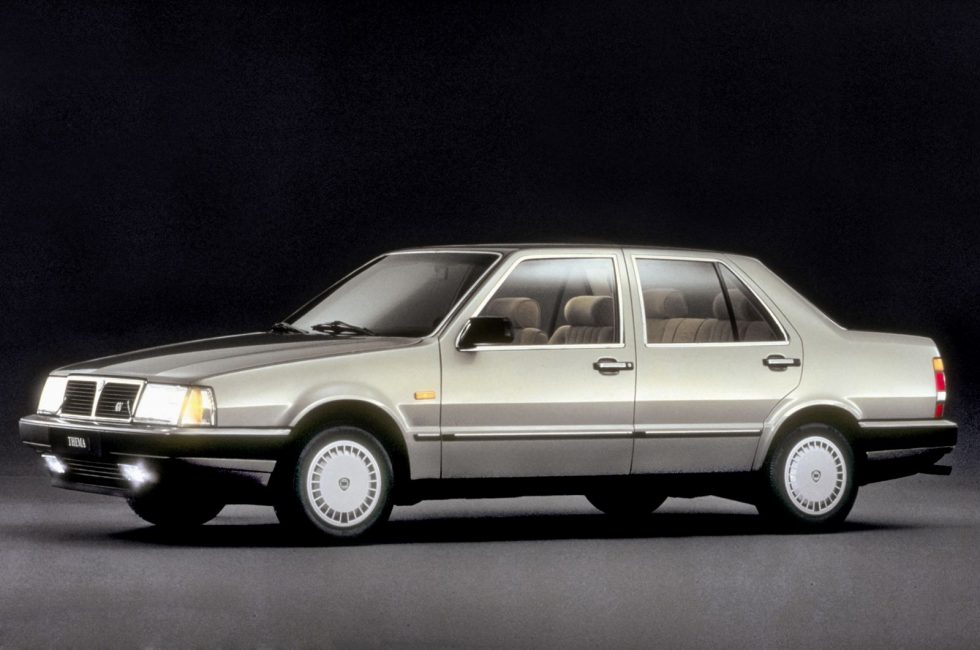
The first-generation Thema marked a very grown-up moment for Lancia: a clean, understated, front-wheel-drive executive sedan designed to feel important without shouting about it. Styled by Giorgetto Giugiaro at Italdesign, it had that classic three-box shape—balanced, elegant, and quietly confident. It arrived at a time when “prestige” was shifting away from flashy details toward something more subtle and refined.
Even with that sensible approach, the idea of a Thema coupé never really disappeared—it just never made it into the official lineup. And honestly, the gap was noticeable. Lancia had a history of pairing its larger sedans with more personal two-door versions, so by the mid-1980s, it felt like something was missing. The Thema’s platform and positioning made it seem like a natural candidate for a stylish coupé companion.
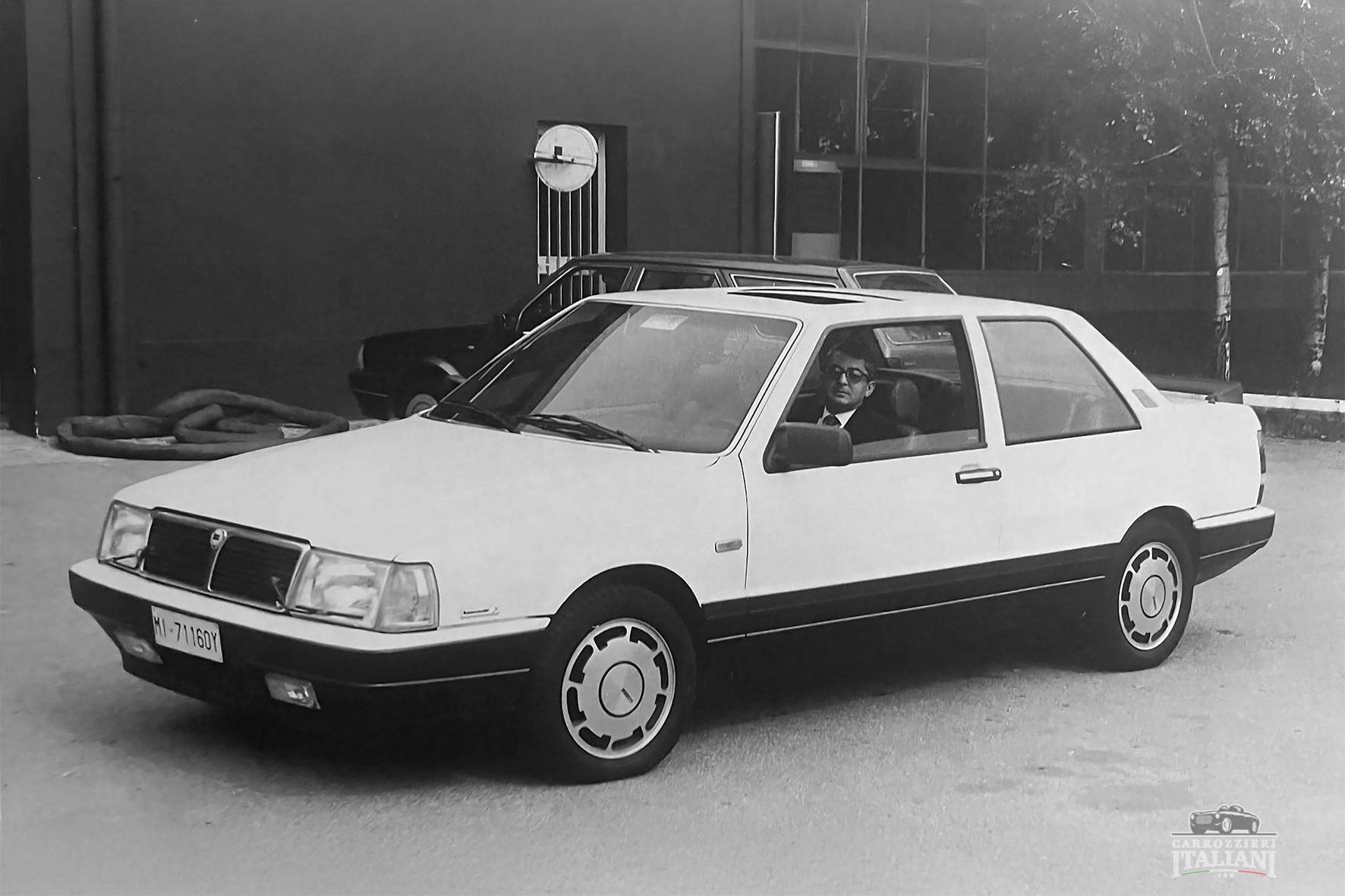
That’s where Carrozzeria Boneschi stepped in. Known for its long history and custom projects, Boneschi created a one-off Thema-based coupé in the 1980s. It featured a shortened body, two doors, and a V6 engine. Only one was ever built, and while the exact details are a bit hazy, the core story is clear: it was a unique interpretation of what a Thema coupé could have been.
🔗 Read more: The Unfulfilled Promise of the Lancia Kayak
In a way, the idea didn’t go to waste. Years later, Lancia came back to this concept with the Lancia Kappa Coupé, a proper production model that brought the large, sedan-based coupé formula back to life—this time as an official part of the range, and a nod to the brand’s grand touring tradition.
The Thema and the Type Four gamble
If you want to understand why the Thema mattered, start with the pressure Lancia was under. It needed a proper flagship—something that could confidently sit in the executive class without trying too hard. The goal was clear: replace the Gamma and bring Lancia back into the upper-middle segment with quiet authority and refinement.
Underneath, though, this wasn’t just a car—it was a bold collaboration. The Thema was part of the “Type Four” (Tipo 4) project, a shared platform developed with Saab, Fiat, and Alfa Romeo. At the time, that kind of joint effort was a big deal, especially in the premium space. And interestingly, Italdesign considered the Thema the starting point—the reference car that helped shape the whole project.
🔗 Read more: Progetto Tipo Quattro Platform (Type Four)
The design brief was refreshingly straightforward: elegant, important, but not flashy. Once again, Giorgetto Giugiaro delivered exactly that. Work began in the late 1970s and took several years, with multiple full-scale models tested before settling on the final shape—a clean, three-box sedan with a distinctive triple-headlamp look. It perfectly captured that moment in design history when car styling moved away from experimentation toward something more international and timeless.
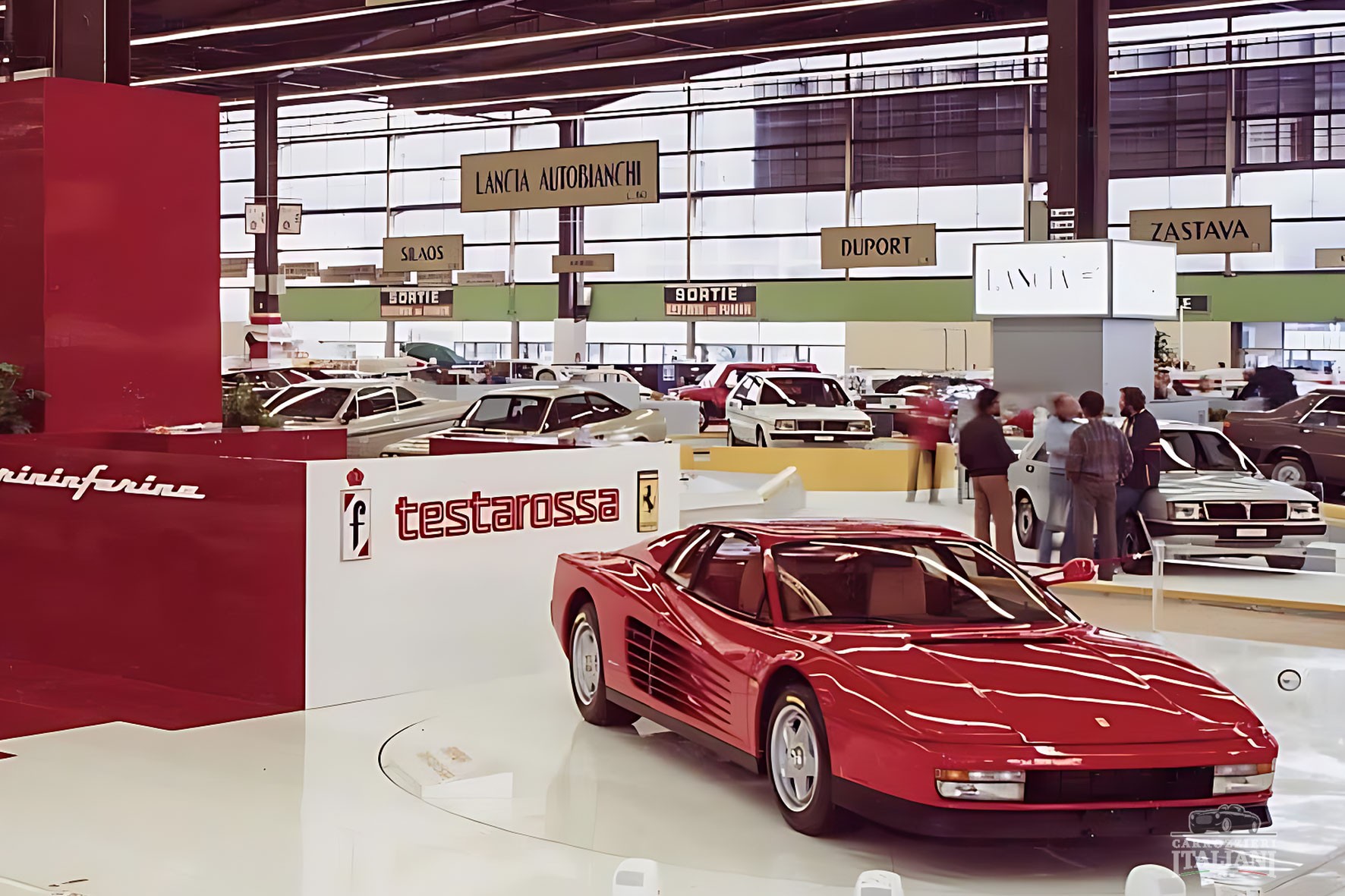
When it debuted in 1984, Lancia made sure people noticed. The Thema was first shown at the Paris Motor Show, then formally presented in Turin shortly after. This wasn’t meant to be a quiet domestic launch—it was Lancia stepping back onto the European stage with confidence.
And while the exterior was all about restraint, the engineering underneath told a different story. The Thema featured front-wheel drive, a transverse engine layout, and independent suspension on all four wheels—pretty advanced for its class at the time. It was also impressively aerodynamic, with a drag coefficient of 0.32, helping it feel modern in more ways than one.
Size-wise, it sat firmly in executive territory: just under 4.6 meters long, with proportions that balanced presence and usability. Those dimensions also mattered later, because they defined the starting point for anyone brave enough to rethink the car—like turning it into a coupé.
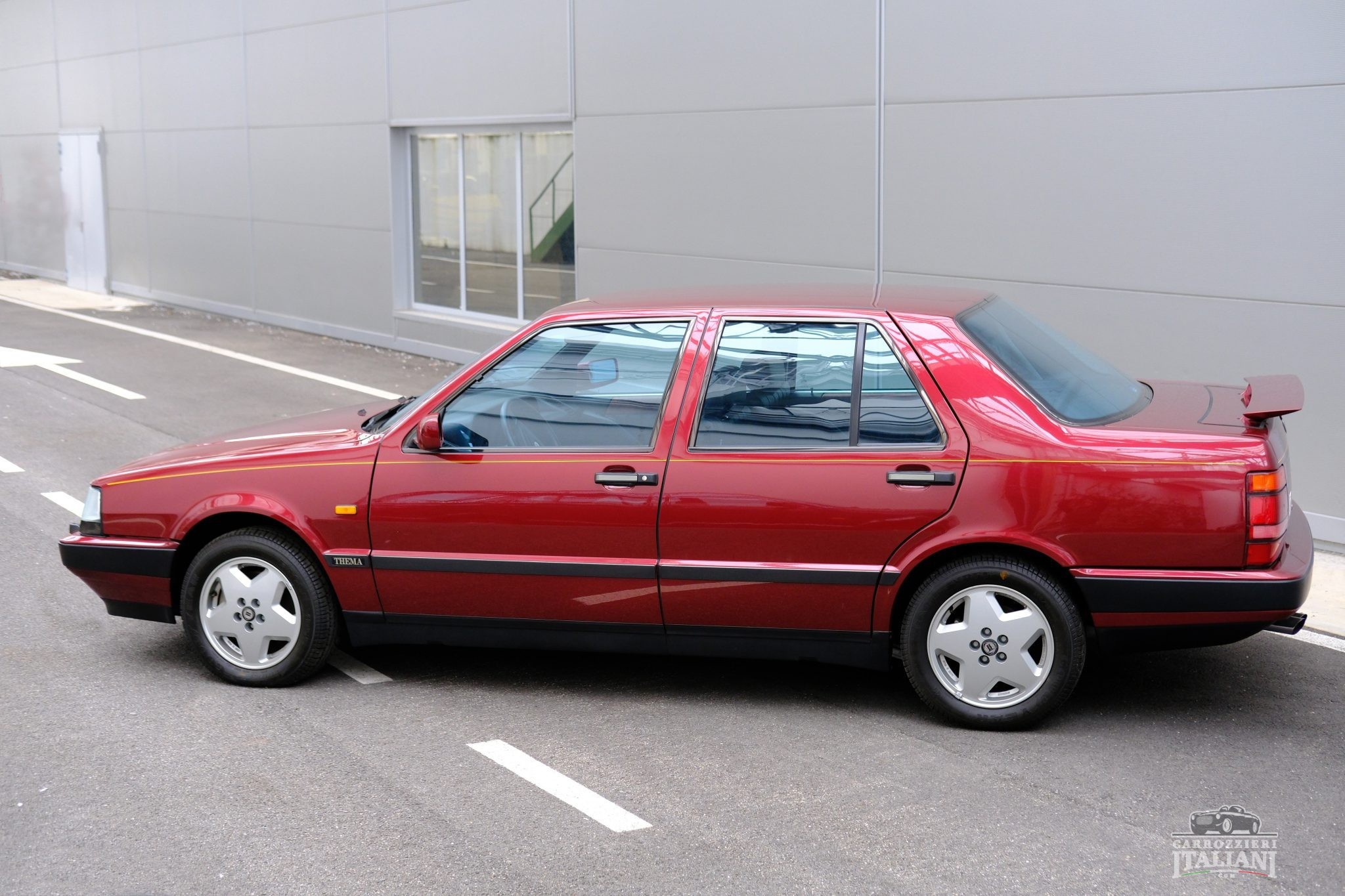
Then there’s the engine lineup, which is really where the Thema’s personality shines through. It offered everything from efficient diesels to smooth V6s, making it a sensible choice for business use—but it didn’t stop there. At the top end, there was the legendary Lancia Thema 8.32, powered by a Ferrari-derived V8 mounted transversely. That alone made the Thema something special: a front-wheel-drive luxury sedan with serious performance credentials.
This wide range is what made the Thema so compelling. It could be practical, comfortable, and understated—but also surprisingly exciting. And that mix is exactly why people kept imagining what else it could be… including, inevitably, a coupé.
Why a Thema coupé made sense
A sedan-based coupé has always been a bit of a paradox—in the best way. It takes the solid, refined base of a four-door and adds a more personal, elegant twist. Carmakers have leaned on this idea for decades because it delivers both comfort and a sense of occasion.
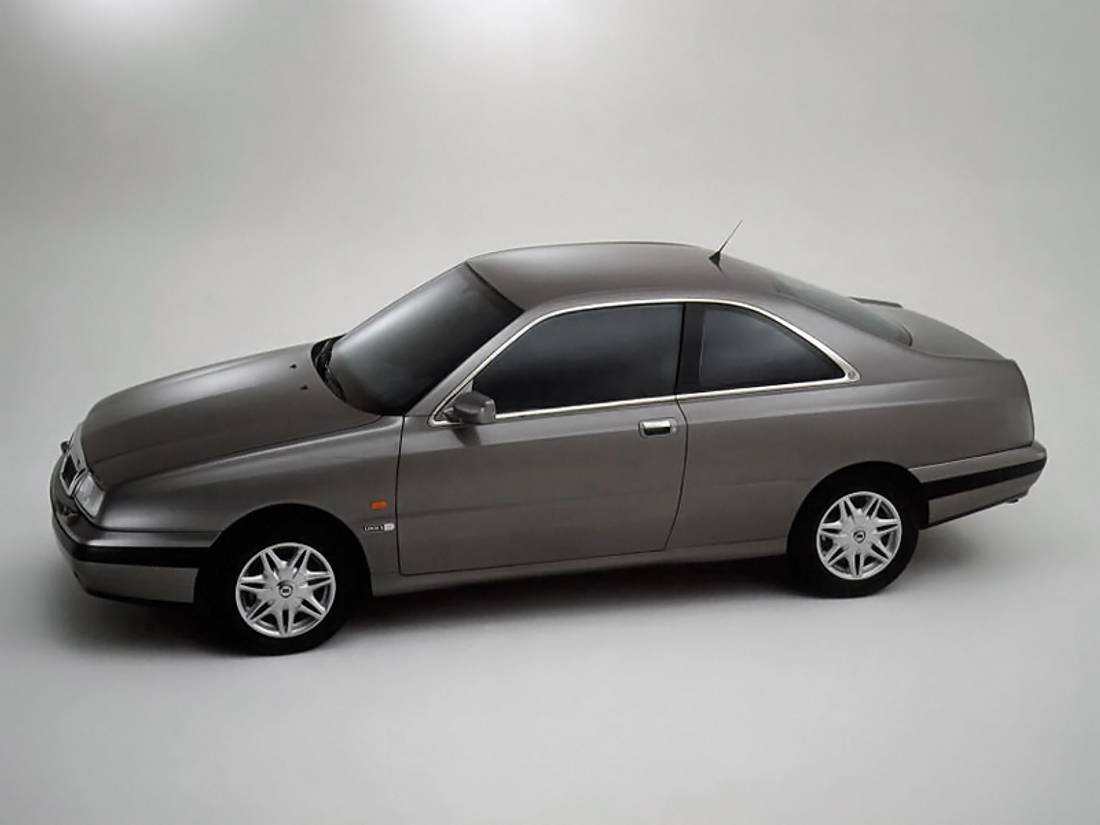
For Lancia, the concept fit naturally. The brand had long paired its larger sedans with more exclusive two-door versions, and it later described this exact formula with the Lancia Kappa Coupé—a large coupé derived from a sedan. That framing reflects a clear lineage, one that stretches back through earlier models and makes the idea of a Thema coupé feel entirely consistent with Lancia’s identity.
So why didn’t it happen?
By the mid-1980s, Lancia was working within a broader industrial strategy alongside Fiat and its sister brands. Efficiency mattered. Platforms were shared, development costs were tightly managed, and new models needed a strong business case. The Thema followed that logic well: it expanded into versions that made sense commercially, including an estate developed with Pininfarina, a limousine, and the flagship 8.32.
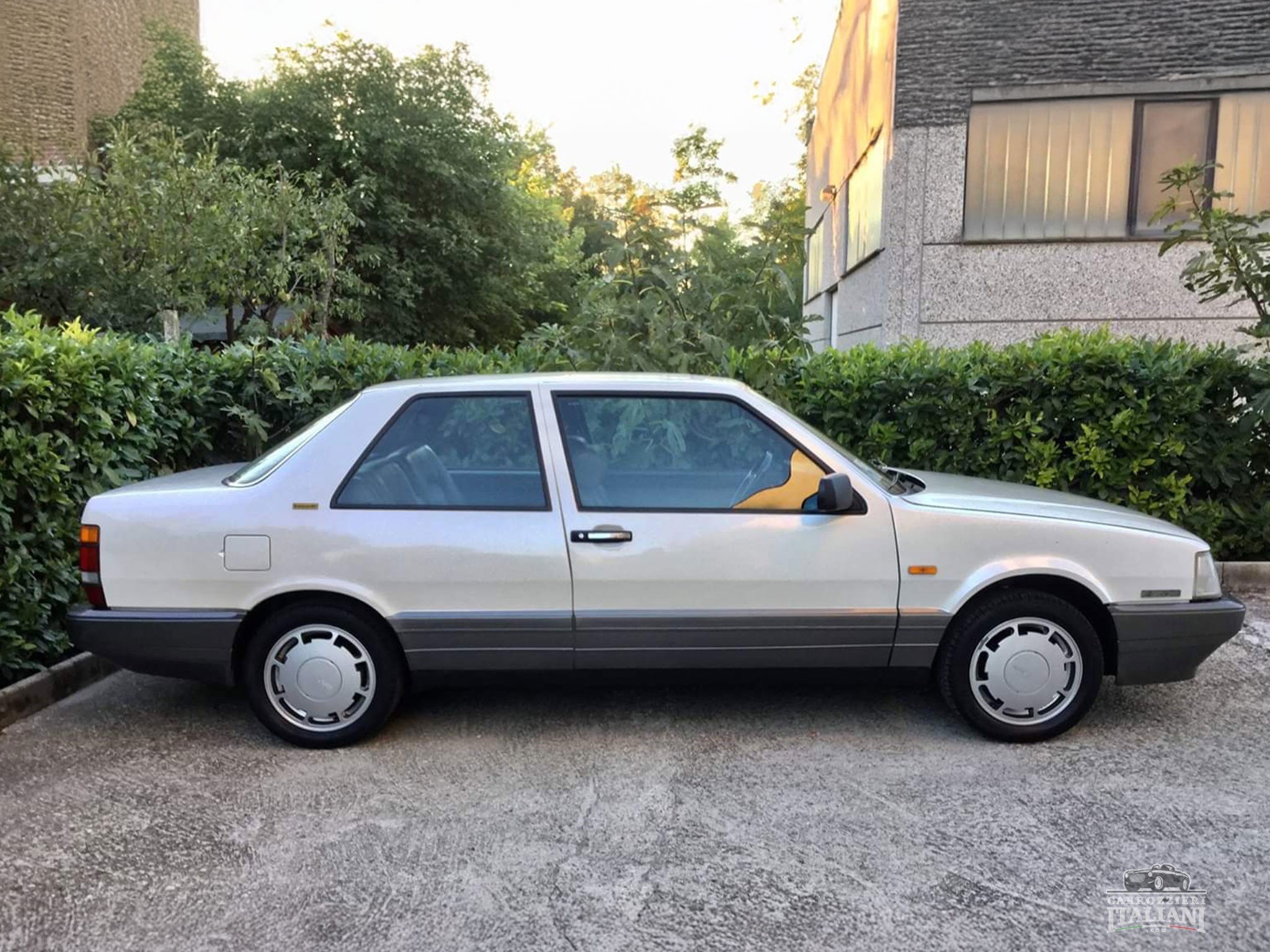
A coupé, however, is never just a “two-door version.” It requires significant structural changes—new side panels, longer doors, different glass, revised sealing, and often a reworked rear section. These aren’t small tweaks, and they’re expensive to engineer and produce. Without strong projected sales, it’s the kind of project that quickly becomes difficult to justify.
That’s where coachbuilders step in.
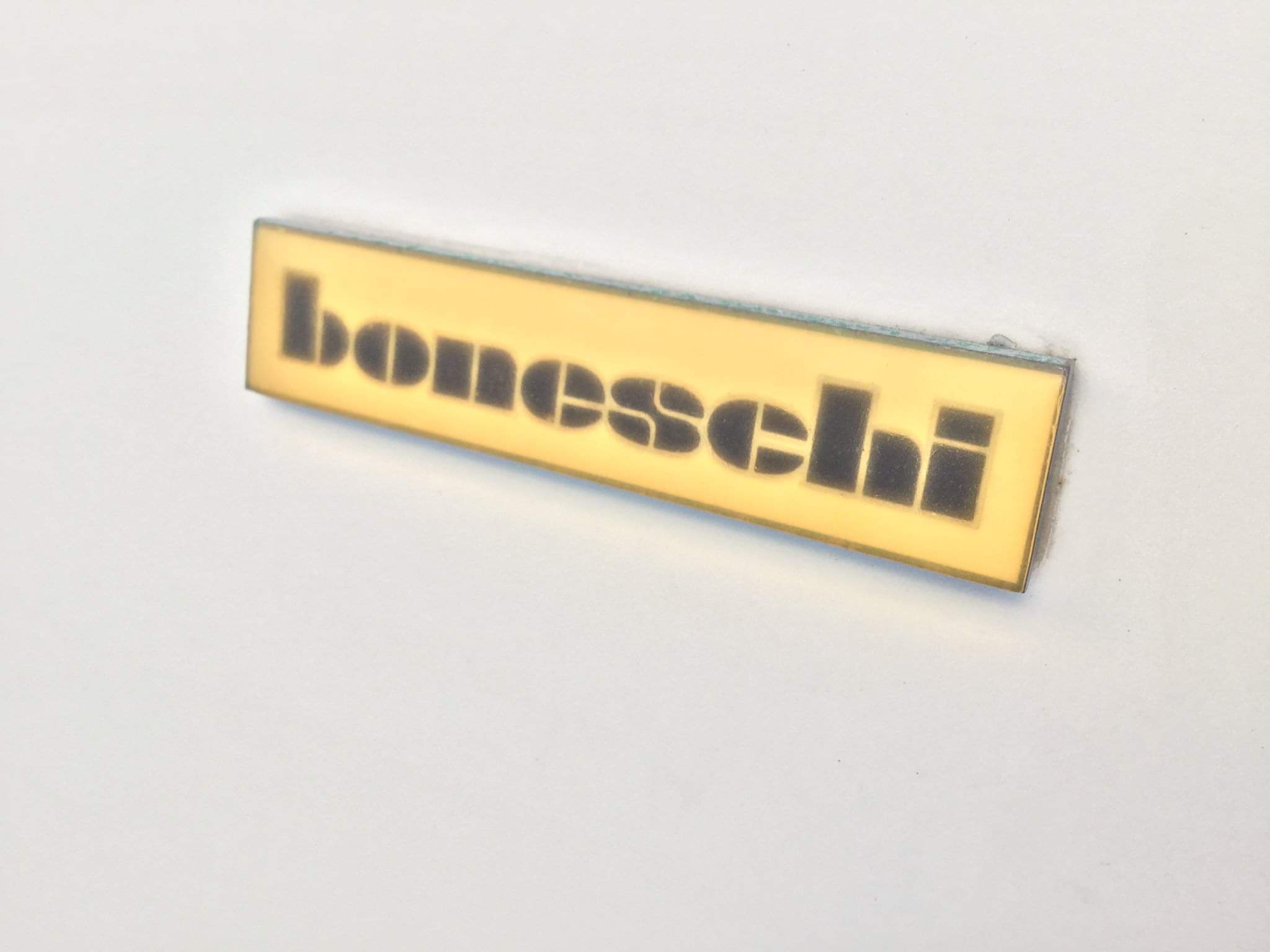
When a manufacturer doesn’t move forward, a coachbuilder can still explore the idea in a more experimental way. In this case, Carrozzeria Boneschi created a one-off Thema Coupé based on a shortened first-series platform, powered by a V6. The name “Gazzella” wasn’t something invented for this car—it was a historical name Boneschi had used before, echoing its earlier work on special-bodied cars like those derived from the Fiat 1400.
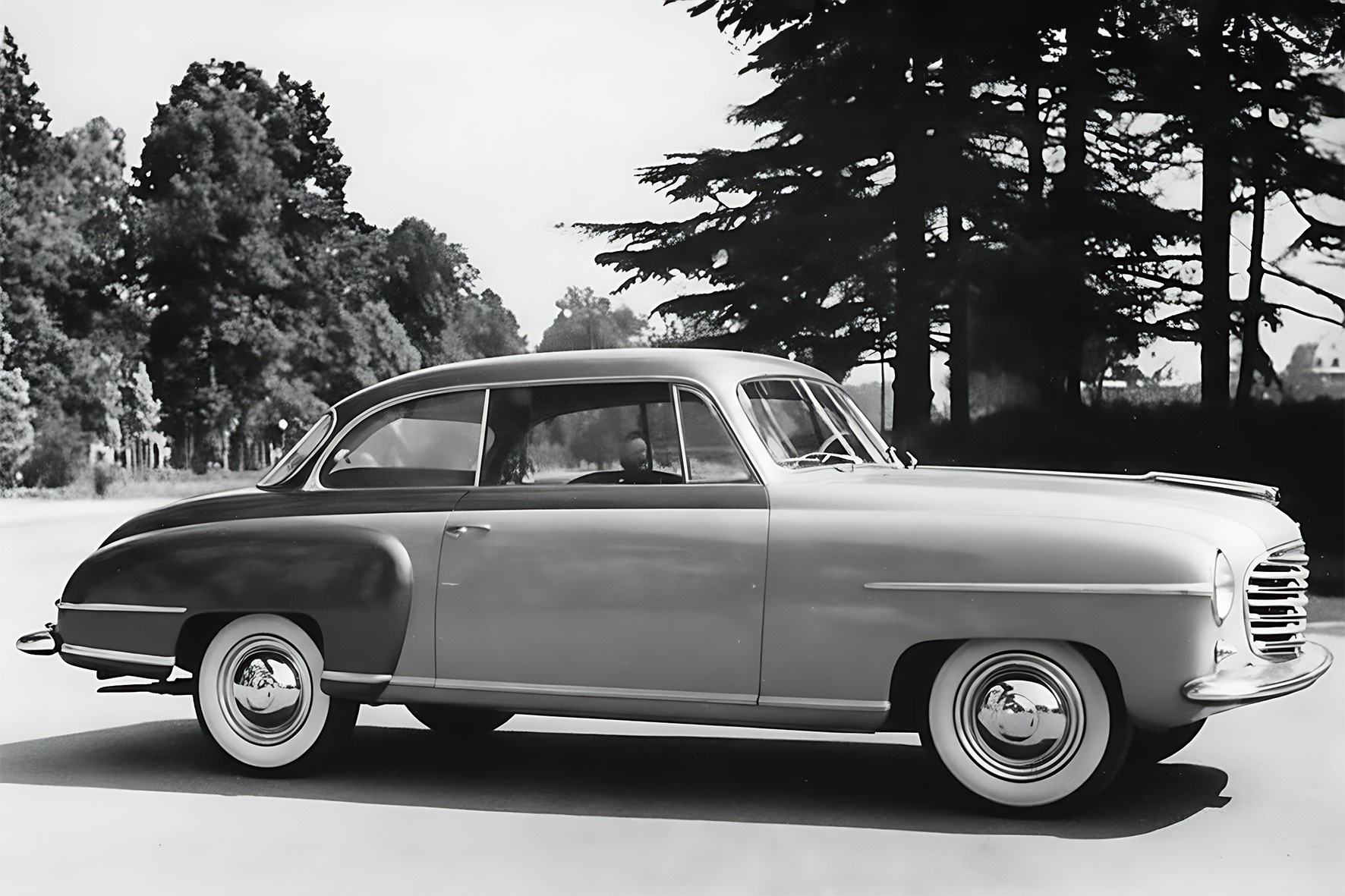
As with many coachbuilt projects, some details remain uncertain—especially around exact dates—but the essence is clear. It was a single example, never intended for production, and more a demonstration of possibility than a formal proposal.
🔗 Read more: Carrozzeria Boneschi: The History
In the end, both sides of the story make sense. A Thema coupé aligned perfectly with Lancia’s heritage and the character of the car itself. But from a business perspective, the numbers didn’t support it. That gap between desire and reality is exactly what allowed the Boneschi version to exist—a tangible “what if” shaped in metal.
Boneschi: a Milanese coachbuilder learning to survive
To understand why Carrozzeria Boneschi even attempted a Thema coupé, it helps to see the company not as a romantic, old-world atelier—but as something tougher: a survivor that kept reinventing itself as the industry changed around it.
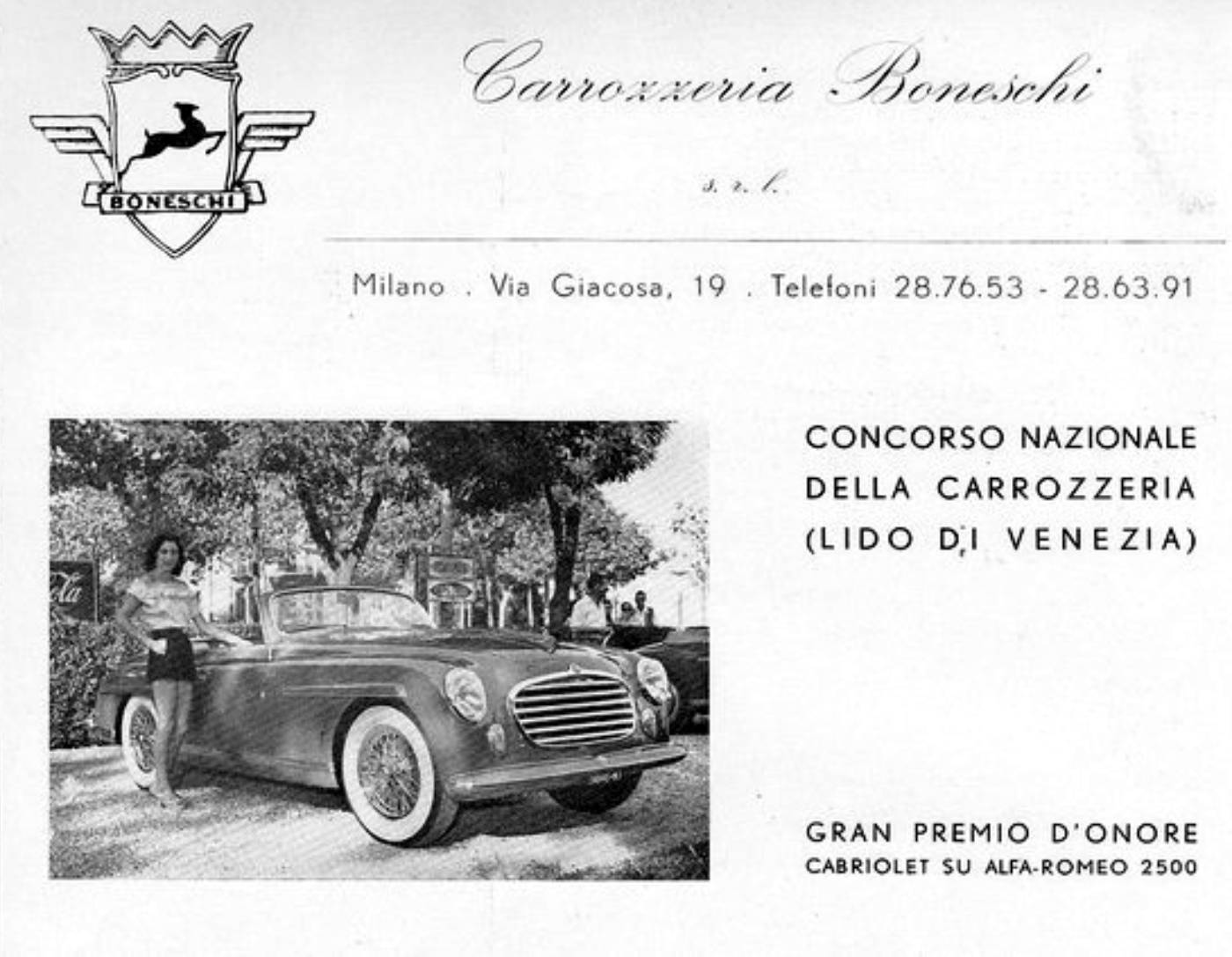
Founded just after World War I by Giovanni Boneschi, the company started with ambitions in the world of prestigious custom bodies. Early momentum came through connections with Lancia, especially thanks to a Milan-based dealer network that brought in clients looking for something more exclusive than factory offerings. That kind of relationship was crucial—it turned craftsmanship into steady business.
Through the interwar years, Boneschi followed a familiar coachbuilder path: working on chassis from brands like Citroën, Alfa Romeo, and again Lancia, creating bespoke bodies for models such as the Dilambda, Astura, and Aprilia, as well as the Alfa Romeo 6C 2500. After World War II, it continued with one-offs and small-series builds, including cars based on the Alfa 1900 and the Aurelia.
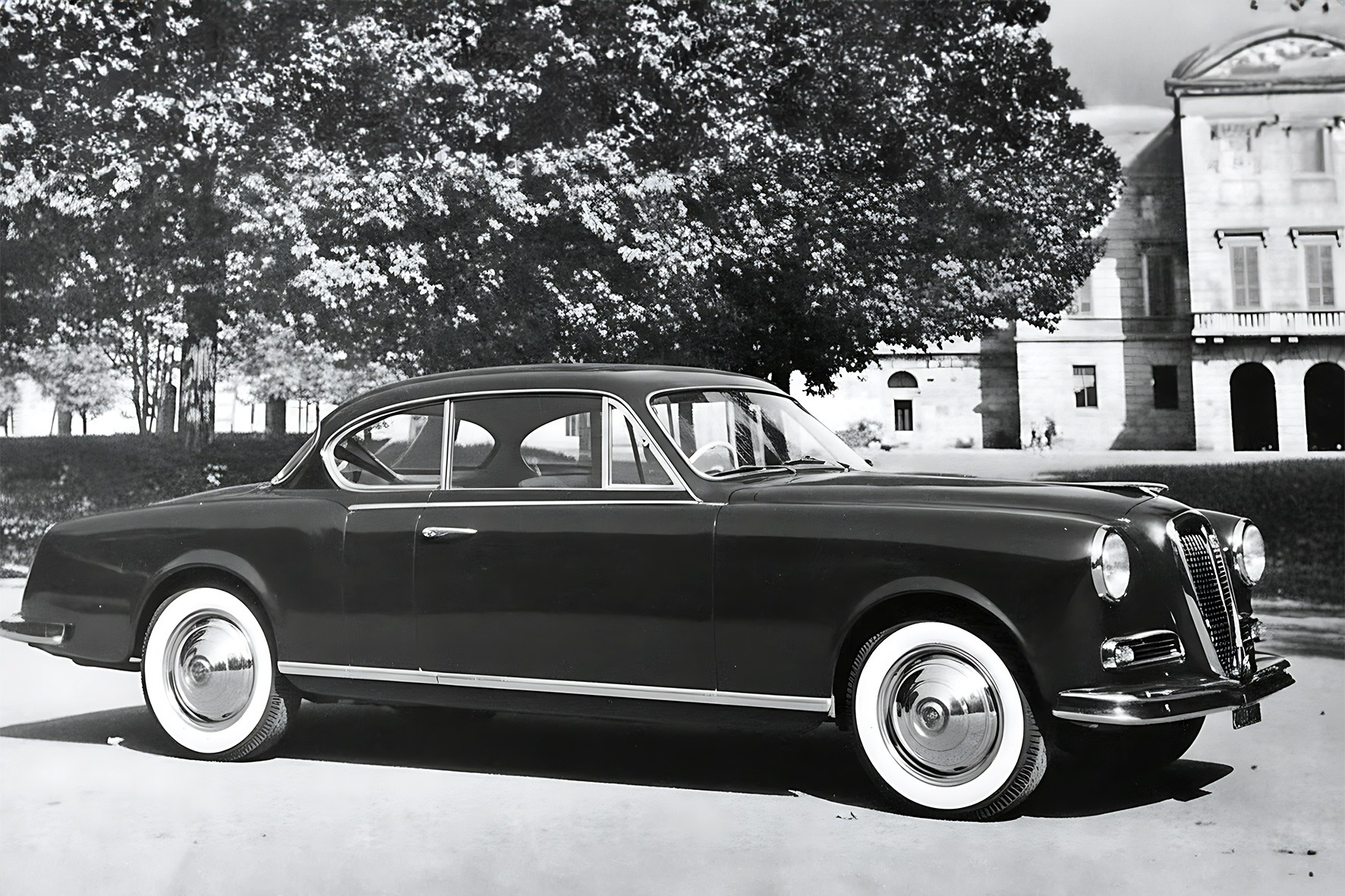
But the world was changing. As car manufacturing shifted toward monocoque construction and mass production, the traditional coachbuilder role began to shrink. Companies like Boneschi had to adapt—or disappear.
Boneschi adapted.
By the 1970s, it had largely transitioned into industrial work—building and modifying bodies for buses, trucks, and commercial vehicles, often based on platforms from IVECO and OM. It wasn’t glamorous, but it kept the company alive and technically capable. The skills shifted from delicate styling to heavy fabrication, structural modification, and low-volume production.
That context is key when looking at the Thema Coupé.
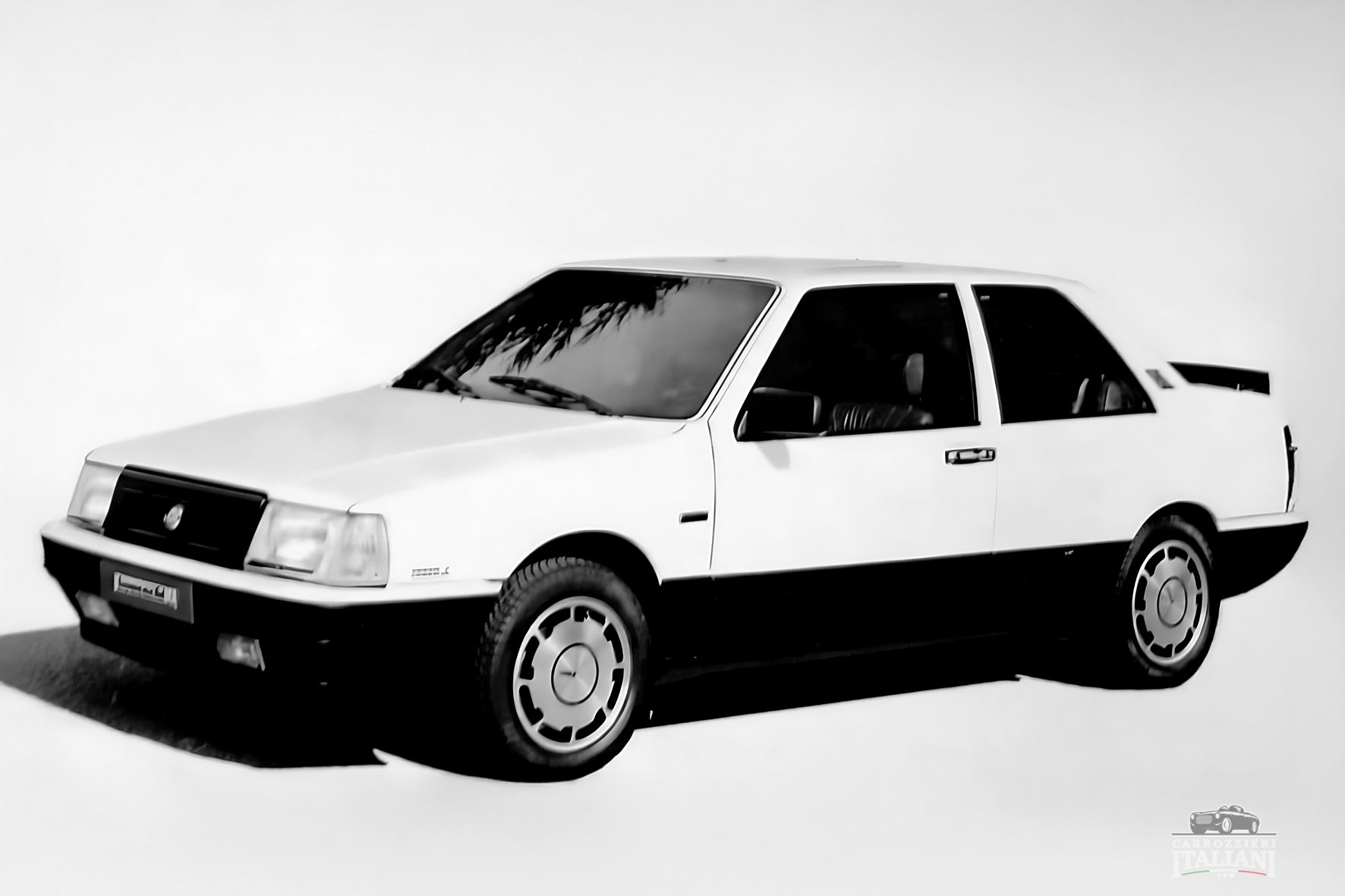
By the 1980s, Boneschi was no longer a headline design house, but it was still very capable of reshaping a car in a fundamental way. The Thema Coupé can be seen less as a styling exercise and more as a statement—a reminder that the company could still operate in the automotive space, not just industrial conversions.
And that helps explain the car’s character.
Rather than a subtle, factory-like variation, the Boneschi coupé feels like a true coachbuilder creation: more expressive, less restrained, and willing to push beyond the original’s carefully balanced proportions. It doesn’t try to disappear into the official lineup—it stands apart from it.
That’s very much in line with coachbuilder logic. If you’re only building one, it shouldn’t look like anything else.
The Gazella: Boneschi’s shortened Thema, built as a one-off
The car itself is usually known as the Lancia Thema Coupé by Carrozzeria Boneschi, and it carries the name “Gazella”—a name Boneschi had already used in its earlier history.
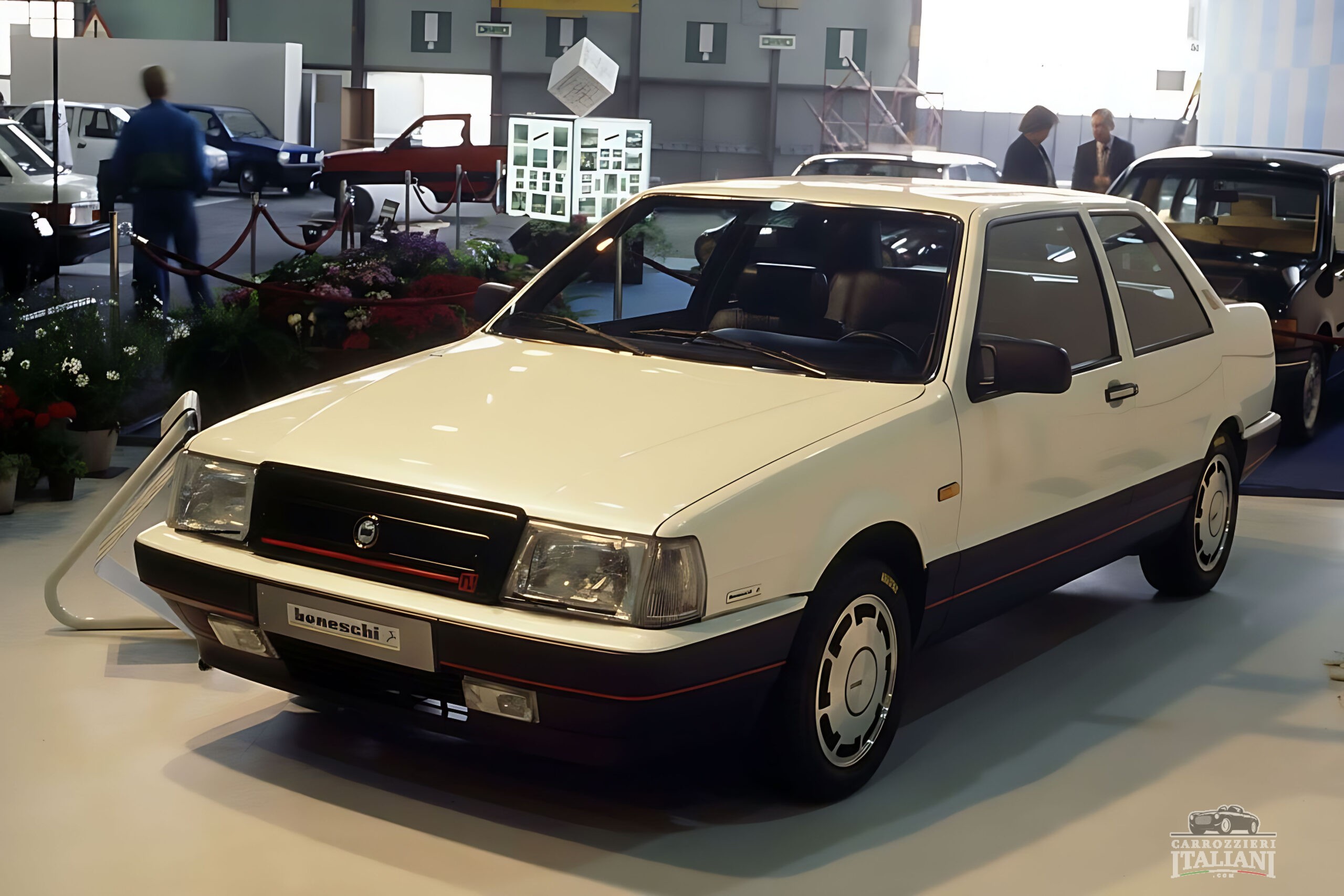
Most modern accounts place it firmly in the mid-1980s. Some describe it as a 1986 prototype shown publicly around that time, while others point to 1985 as the year it was actually built. Without clear factory documentation, the safest way to read this is simple: it was created in the mid-1980s, likely completed around 1985 and then shown shortly after..
What’s not in doubt is its nature.
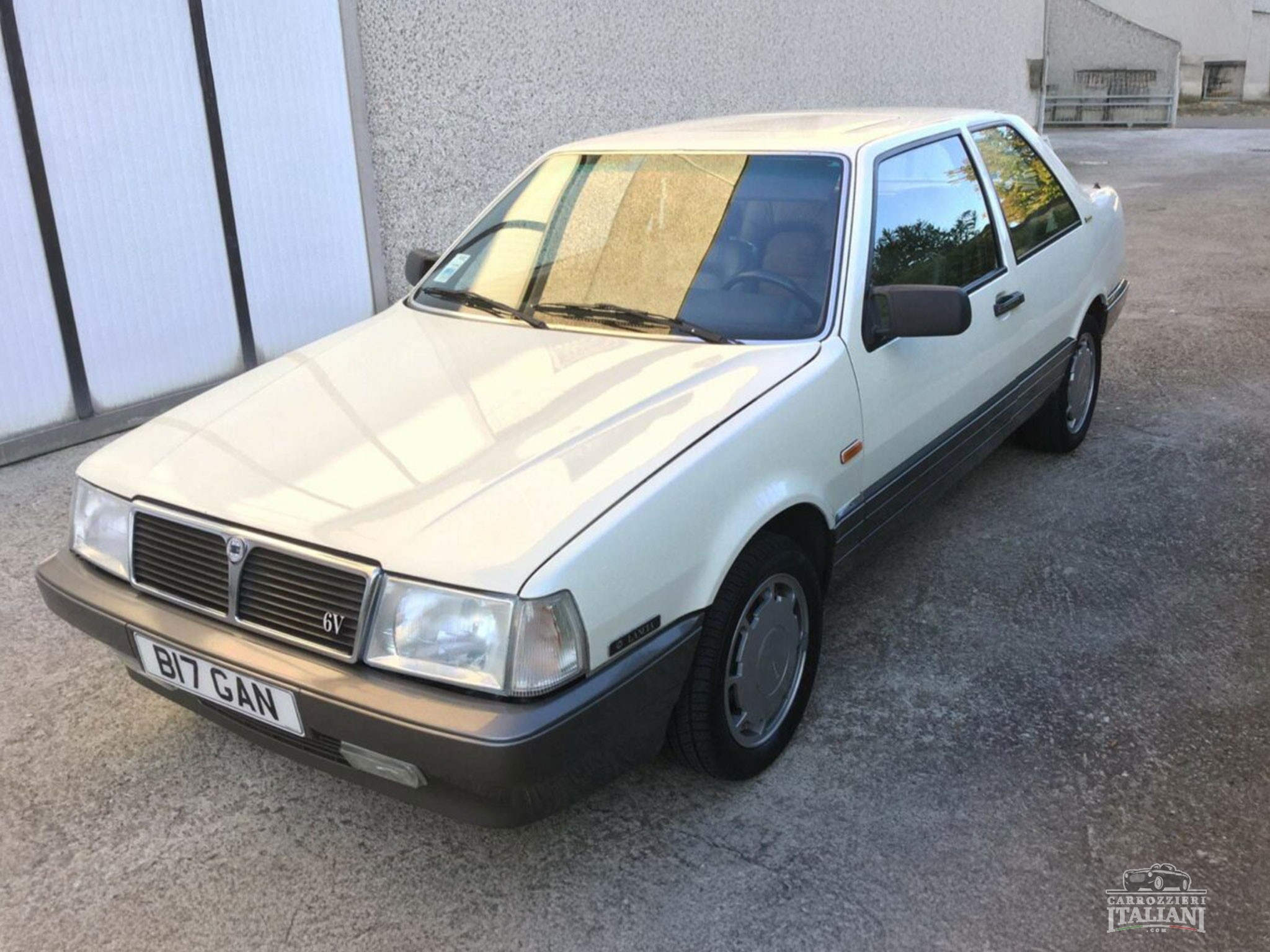
The Gazzella was a true one-off—just a single car, never intended for production. It was based on the first-series Thema, but heavily reworked: shortened, reshaped, and turned into a two-door coupé. There’s no evidence it ever moved beyond this prototype stage, not even into a small production run.
In that sense, it sits perfectly within the coachbuilder tradition. It wasn’t a proposal waiting for approval—it was the idea made real, even if only once.
What Boneschi changed — and what it likely had to change
What we can say with confidence about the Gazella begins with a fundamental intervention rather than a stylistic variation, because Carrozzeria Boneschi did not simply reshape the outer panels of the Lancia Thema but instead shortened its underlying structure, a decision that transforms the nature of the project from design exercise into full engineering rework. On a front-wheel-drive monocoque executive car, reducing the wheelbase is a complex and invasive operation that implies cutting and rejoining the floorpan, re-establishing structural continuity across longitudinal and transverse members, and ensuring that the integrity of the chassis is preserved despite the interruption of its original load paths. Because the Thema’s standard wheelbase defined the relationship between cabin, axles, and overhangs, any reduction would have forced Boneschi to rethink the entire proportion of the car, not only visually but also in terms of weight distribution, rigidity, and overall balance.
The transition from four doors to two deepens that transformation, since a true coupé conversion requires more than simply eliminating rear access points and instead involves designing entirely new, longer doors to maintain usability, reconsidering the role and structure of the B-pillar, and adapting the side architecture so that it can still meet basic expectations of stiffness and safety. In the absence of detailed technical drawings or factory-style documentation, the precise solutions adopted by Boneschi remain unknown, yet the consistent descriptions that survive point toward a car that did not attempt to hide its alterations but rather emphasized them, particularly in the rear treatment, which appears more abruptly defined and less harmonized with the original sedan’s carefully resolved lines. This difference in character is significant, because it reflects the logic of a coachbuilder working outside factory constraints, where the goal is not incremental refinement but the creation of something unmistakably distinct.
🔗 Read more: Lancia Thema Plus by Zagato: The One-Off That Refused to Be Forgotten
On the mechanical side, the most credible and repeated information indicates that the car retained a period-correct identity by adopting the 2.8-litre PRV V6 with Bosch Jetronic injection, an engine already available within the Thema range and well suited to the idea of a refined yet personal executive coupé. This choice reinforces the sense that the project was conceived not as an entry-level reinterpretation but as a plausible flagship derivative, aligning with the kind of smooth, understated performance expected in that segment. Beyond that, however, the historical record becomes silent, and details such as transmission configuration, suspension calibration, braking setup, or the extent to which the chassis modifications altered dynamic behaviour are not documented in accessible sources, which makes it more responsible to acknowledge the limits of what can be known rather than to fill the gaps with speculation.
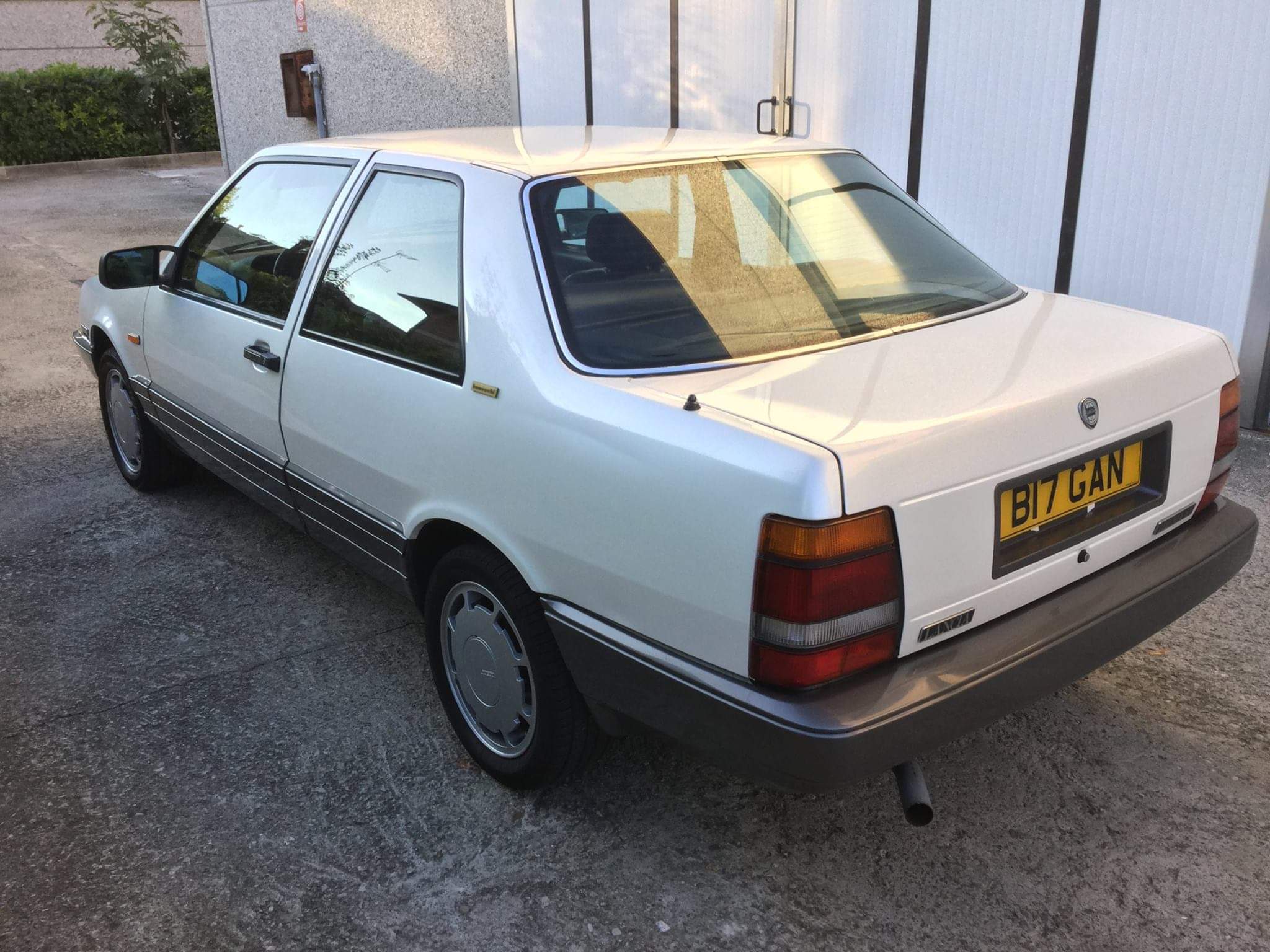
Seen in this light, the Gazella is defined as much by its known interventions as by its unknown refinements, combining clear evidence of major structural and conceptual change with an absence of granular technical data, and it is precisely this balance that reinforces its identity as a one-off coachbuilder creation rather than a fully engineered production proposal.
Contemporary exposure and reception
The clearest moment when the Gazella steps into public view places it in 1986, when Carrozzeria Boneschi presented its shortened, two-door interpretation of the Lancia Thema in the orbit of the Turin Auto Show, where it appeared alongside the far more official and attention-grabbing Lancia Thema 8.32, a pairing that says a lot about how the car was perceived from the outset. In that setting, the Gazella was not a headline act but a curiosity, something intriguing to notice rather than a centerpiece to analyze, and this difference in status helps explain why its contemporary reception is so lightly documented. Because it was never intended for production, it did not enter the usual cycle of road tests, press drives, and comparative reviews that would have generated a substantial paper trail, and as a result what survives today is less formal evaluation and more scattered commentary, often retrospective in tone.
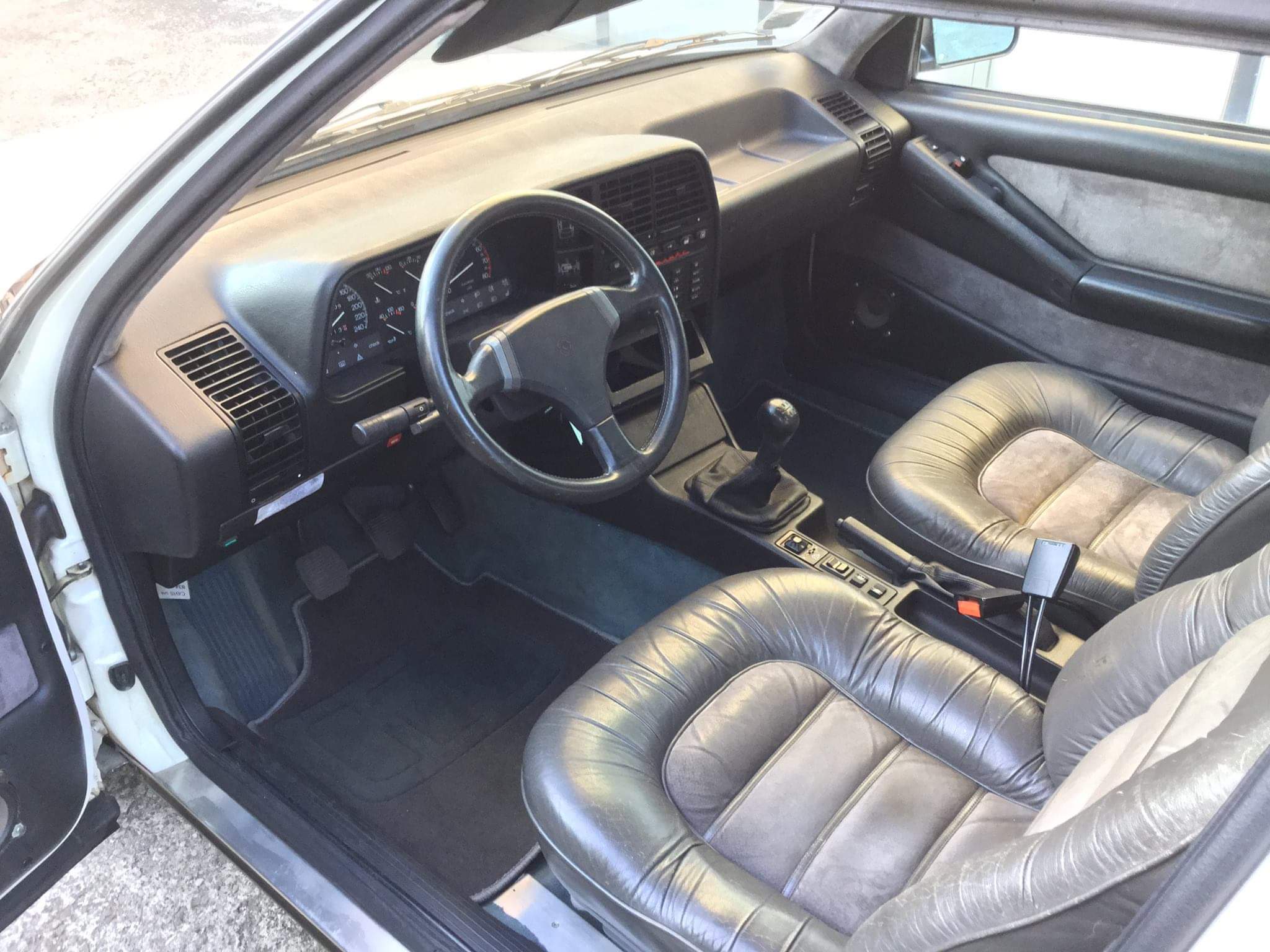
What emerges from those later impressions is not a unified verdict but a mix of fascination and skepticism, with some observers appreciating the ambition of transforming a disciplined executive sedan into something more expressive, while others—particularly within enthusiast and club contexts—are more critical of the aesthetic outcome, suggesting that the alterations disrupted the balance that defined the original car. At the same time, there is no meaningful evidence that the project was ever positioned as a serious commercial proposal, and it is more accurately understood as an exploratory exercise that attracted attention in the moment without translating into broader media momentum or production intent. In practical terms, it seems to have functioned as a “what if” made visible rather than a product waiting to happen.
The story becomes even more elusive when looking at what happened afterward, because the Gazella’s later life is only partially traceable and relies heavily on secondary accounts rather than verifiable primary records. Several sources agree that the one-off surfaced in 2018 in the United Kingdom with an asking figure in the low thousands of euros, reportedly through an online listing, yet the absence of an archived original listing or confirmed transaction details makes it impossible to establish the exact circumstances of that sale with certainty. This gap is not unusual for one-off coachbuilt cars, especially those that were never formally catalogued within a manufacturer’s historical archive, but it does mean that any reconstruction of its trajectory must remain cautious.
The most telling indication of its current status is that even dedicated marque communities continue to treat its whereabouts as unclear, with enthusiasts openly questioning where the car ended up after that reported sale and whether it survives in a visible or documented collection. That lingering uncertainty does not prove disappearance, but it does underline how easily a unique object like this can slip out of view when it lacks both official recognition and continuous documentation, leaving the Gazella suspended in a space between recorded history and unresolved trace.
From Gazella to Kappa Coupé: the official heir that filled the gap
In the end, the Lancia Kappa Coupé can be seen as the answer that arrived a decade later, turning into reality the same idea that Carrozzeria Boneschi had explored with its one-off Gazella based on the Lancia Thema. Where Boneschi asked the question with a handcrafted prototype, Lancia responded with a fully engineered product, designed from the outset as a true coupé rather than a conversion.
There is no clear evidence that the Gazella directly influenced the Kappa Coupé, but both cars reflect the same underlying logic: that Lancia’s executive sedans naturally invited a more personal, two-door interpretation. In that sense, the Kappa Coupé does not continue the Boneschi car—it completes the idea it represented, finally filling a gap that had been visible all along.

ABOUT THE AUTHOR
Andreas Scheidl
Italian classic car enthusiast with German roots. Renowned as a respected figure in the classic car community, he serves as a jury member at various international concours d'elegance, including the Classic Gala Schwetzingen and Mantova. As a content creator, Andreas passionately shares his profound knowledge and appreciation for vintage automobiles. His heart beats for cars designed by Giovanni Michelotti, showcasing his discerning taste and dedication to preserving the timeless elegance of automotive history.
More stories by Andreas Scheidl ↗CONTINUE READING
Posts You Might Like

A Central Driving Position, a Rear-Mounted V8. Was This Really a Lancia?
In 1948, visitors to the Turin Motor Show could see an unusual Lancia on the stand of Carrozzeria Ghia. It was a large two-door coupé with a two-litre V8 mounted behind the…
Read story
Fioravanti F100: The Ferrari He Was Allowed to Imagine
Enzo Ferrari’s centenary, Leonardo Fioravanti’s independent studio and a supercar that explored air brakes, steel wheels and a new way of driving—without ever wearing the Cavallino.
Read story
Michelotti Shellette: When the Fiat 850 Became a Yacht
The yacht designer, the Turin stylist and the tiny coachbuilt car that crossed between the quay, the royal holiday house and the auction room. Some automobiles were conceived for the open road,…
Read story
Maserati A6 1500: A New Road for the Trident
When the doors of the Geneva Motor Show opened in March 1947, Maserati was a name that required little introduction to anyone who followed motor racing. What it did not yet possess…
Read story
THE CONVERSATION
Comments 0
Share a memory, a period photograph or a documented detail about this story.