
Lancia Thema Plus by Zagato: The One-Off That Refused to Be Forgotten
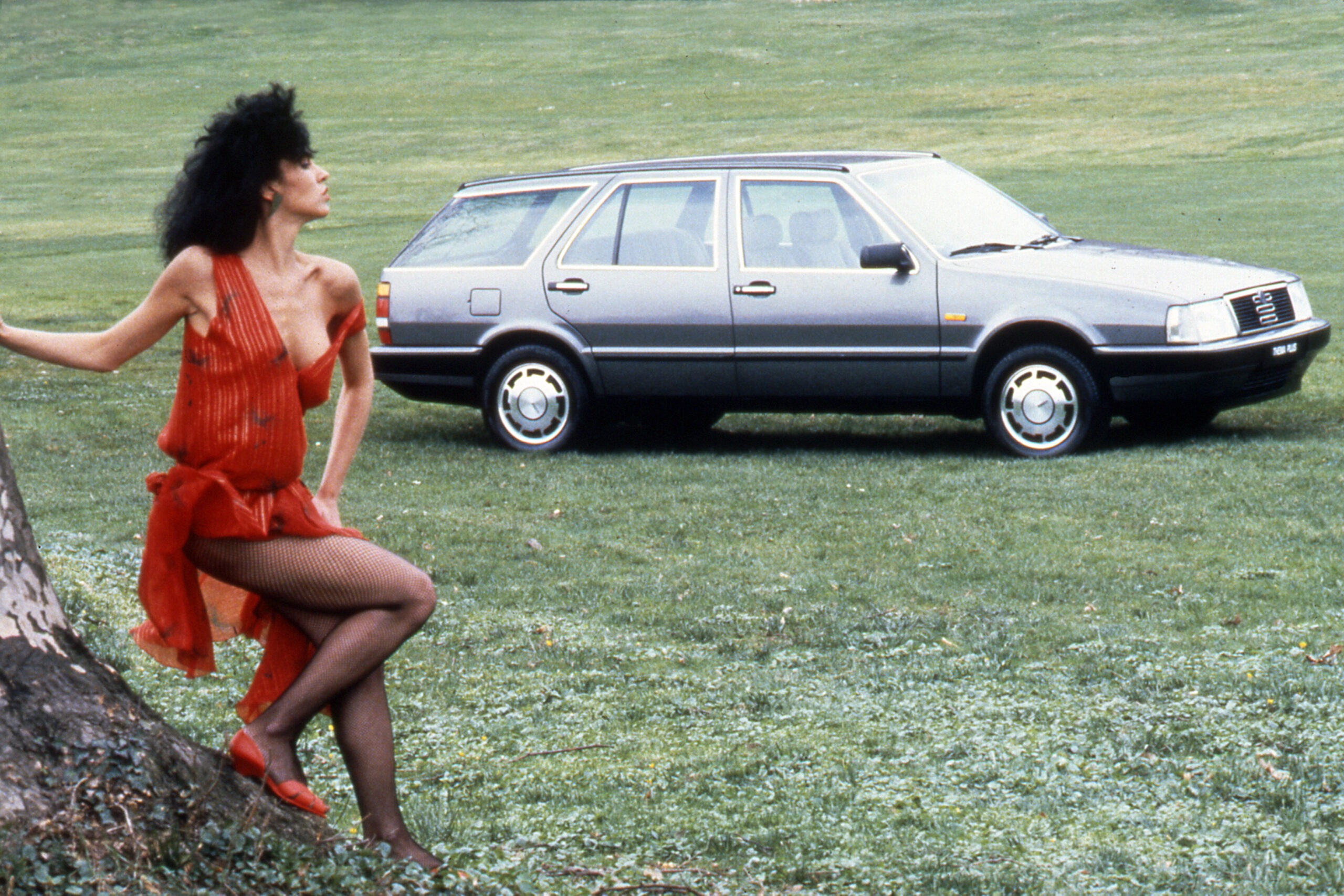
In 1985, Zagato presented a refined and forward-thinking reinterpretation of the Lancia Thema: a one-off station wagon prototype named Thema Plus. Created well before the later Pininfarina-designed production estate, the Thema Plus was a design study that combined utility with distinctive coachbuilt styling.
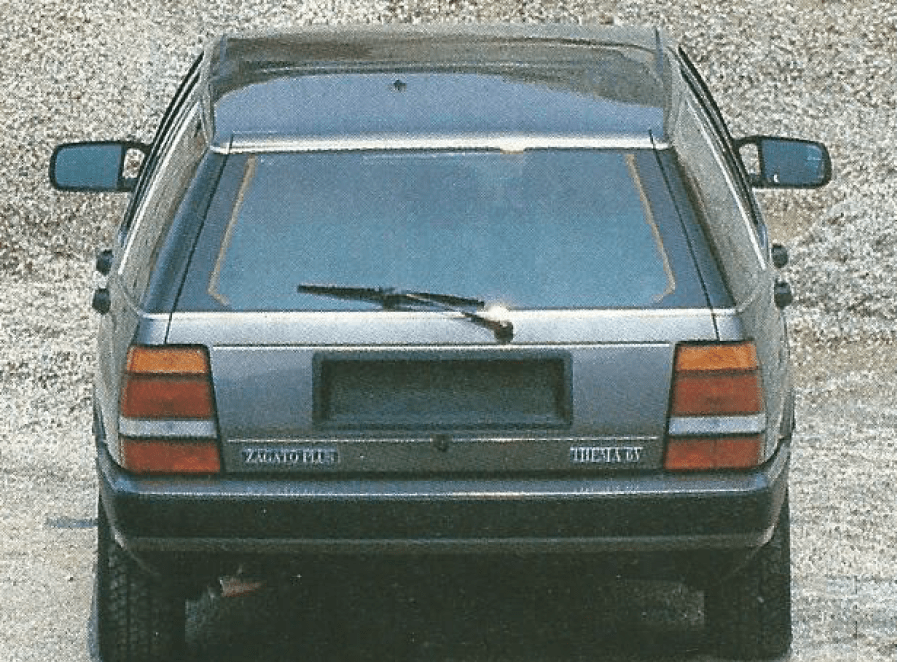
Unveiled at the Geneva Motor Show, the car stood out for its elegant proportions and clean, frameless rear glazing. With minimal changes to the front half of the sedan, Zagato reshaped the rear into a streamlined, versatile form — a subtle blend of functionality and sophistication. The Thema Plus was not a conventional wagon; it was a thoughtful design proposal aimed at executives who valued both practicality and high design.
Zagato Does Practicality (But Make It Chic)
The Thema Plus is a peculiar creature. Based on one of the earliest Lancia Thema TDs (yes, a turbo diesel), the transformation from sober executive saloon to sophisticated wagon involved surprisingly few changes. Zagato left the car untouched from the front up to the B-pillar. But from there backward, it’s pure coachbuilt cleverness: a redesigned roofline, wraparound rear glass with no visible C-pillar, and a huge rear hatch that descended all the way to the bumper. The result was a harmonious blend of form and function — a design that introduced practicality without compromising the car’s executive character.
🔗 Read more: The story of Zagato Milano
The result? A car that looked dynamic without trying too hard. Zagato managed to infuse a whiff of sportiness into a platform that wasn’t exactly begging for it. And miraculously, the weight gain didn’t rob it of performance — the diesel Thema was already considered one of the fastest in its class. So now it was also one of the fastest wagons. At least on paper.
From Stand to Service: A Graduation Gift With a Twist
After Geneva, the car took an unusual detour. Instead of vanishing into a museum or entering the annals of coachbuilding as a static showpiece, it was given by Elio Zagato to his son Andrea as a graduation present. Imagine finishing your thesis and being handed a one-off Zagato prototype as a reward. Not a pen. Not a Montblanc watch. A hand-built Lancia station wagon.
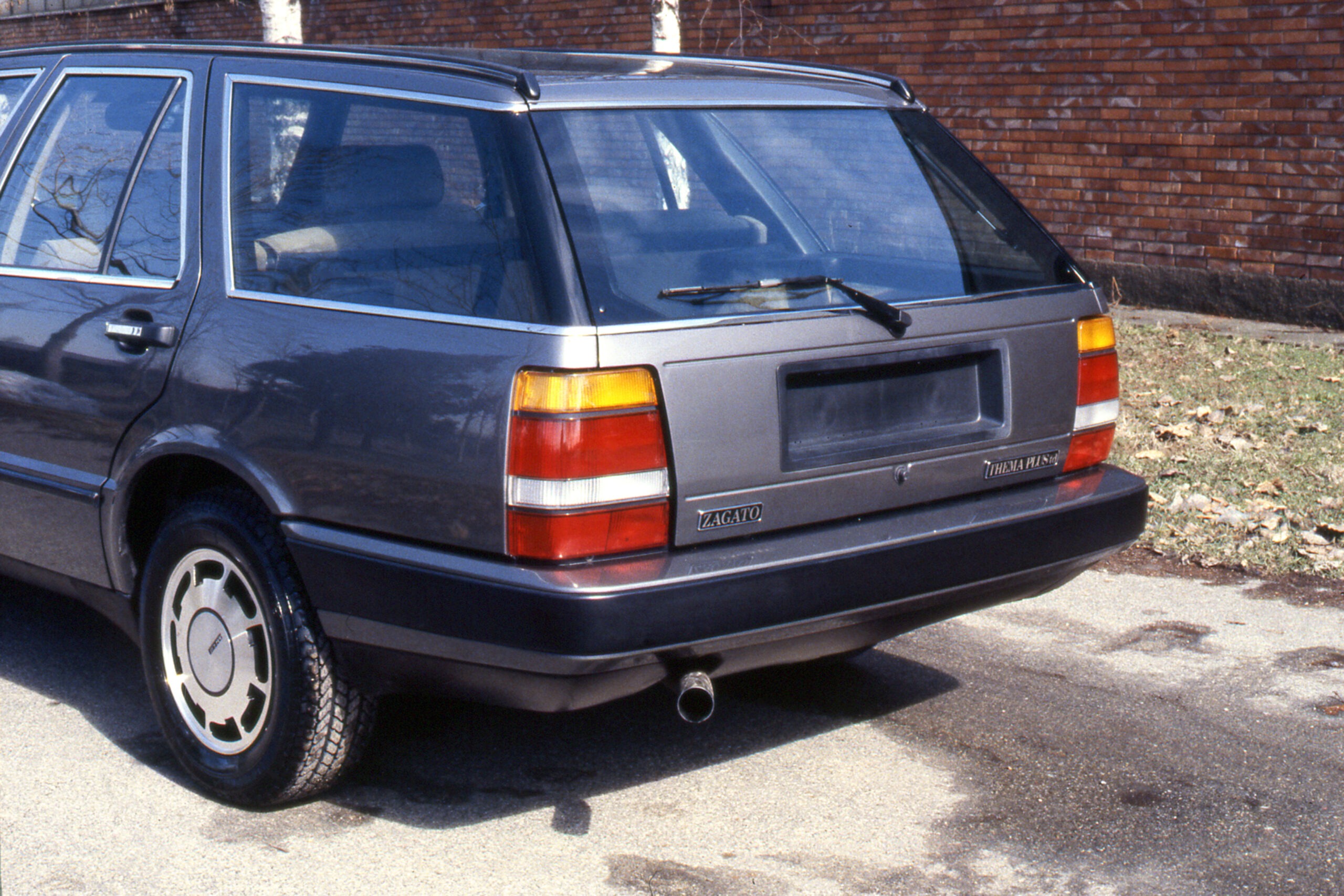
Andrea used it daily (we assume carefully), and the car bore the registration MI 0H0742. Later, when Zagato’s operations moved to Bergamo, the Thema Plus was re-registered as BG B70560 and repurposed as a company car. It saw daily service, coffee runs, business trips, and probably a few trips to the ferramenta. Eventually, like many former prodigies, it was parked. Forgotten. A unicorn with flat tires.
Enter the Rescuer
Here’s where things get personal. I was consulting for Zagato at the time and had watched this car slowly slide into neglect. It sat in a company garage, dusty and picked at, like a statue with missing limbs. For anyone who appreciates coachbuilt rarities, it was a tragedy unfolding in real time.
So I did what any irrational, sleep-deprived, emotionally attached car enthusiast would do: I rescued it.
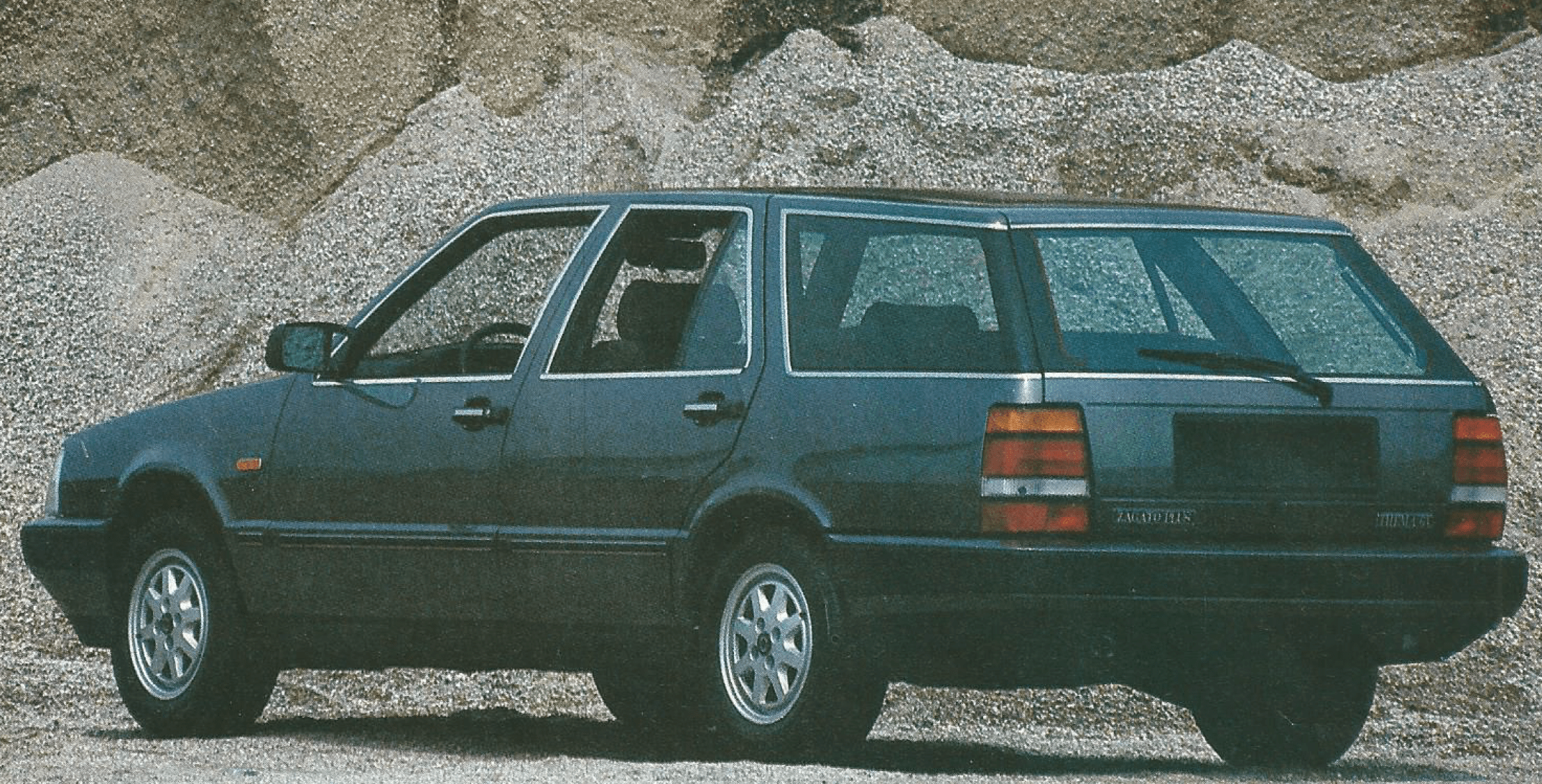
Over the years, the Thema Plus passed through a parade of meccanici and carrozzieri. Some made things better. Others, let’s say, made things “different.” But eventually, it found its way to Mario Galbiati, a lifelong friend and someone who had worked on the original build. With his know-how and patience (and probably a few colorful Italian words), the car was fully restored.
What About That Other One?
Ah yes; if this were a detective story, here comes the twist. There wasn’t just one Thema Plus. Zagato actually built a second prototype, this time based on the V6 2850 cc version. It was more refined, less rakish in the roofline, and perhaps more practical. The rear had a “caduta” (slope) that was less dramatic, but it lost a bit of that Zagato zing.
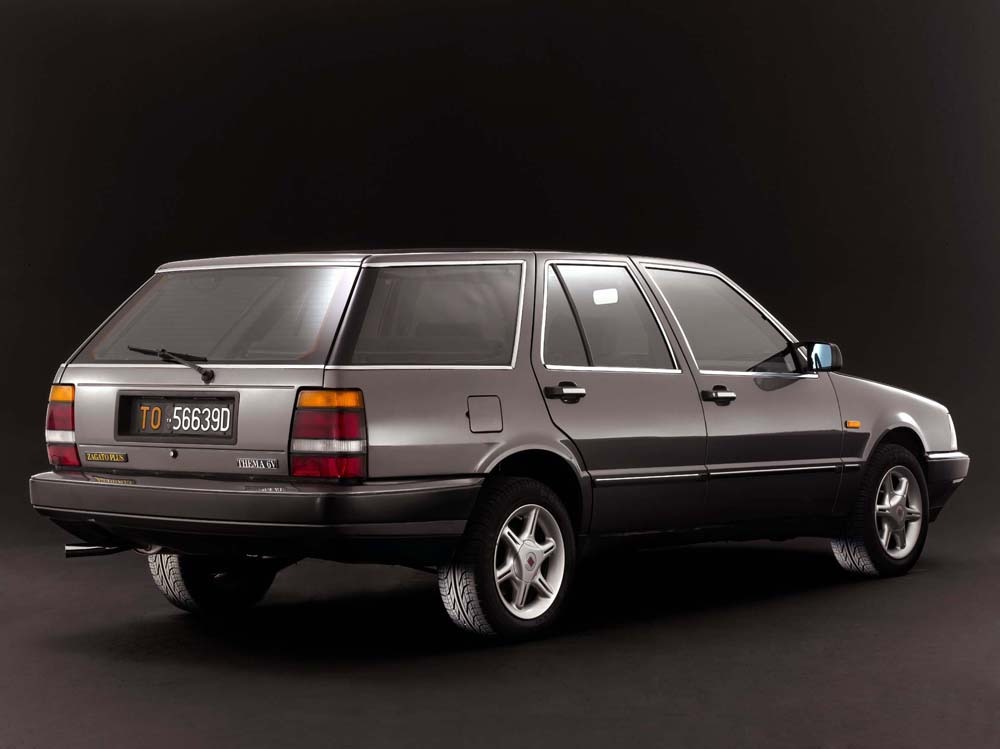
Still, it ended up in the best of hands: Gianni Agnelli himself received it as a gift. The car eventually made its way to the Lopresto Collection, impeccably stored and rarely seen.
So there you have it: two Thema Plus wagons, two lives, two stories. One for public show and family use. One for the industrial elite.
Stylishly Sensible: What Made the Thema Plus Special?
The Thema Plus is not a flashy car. It’s not covered in chrome or aggressive vents. Its charm lies in restraint. The flush glazing, the clean tailgate integration, the deletion of the rear pillars—these were subtle, sophisticated moves. Even the hidden roof rack, which disappeared between the chrome moldings, was elegant in its invisibility.
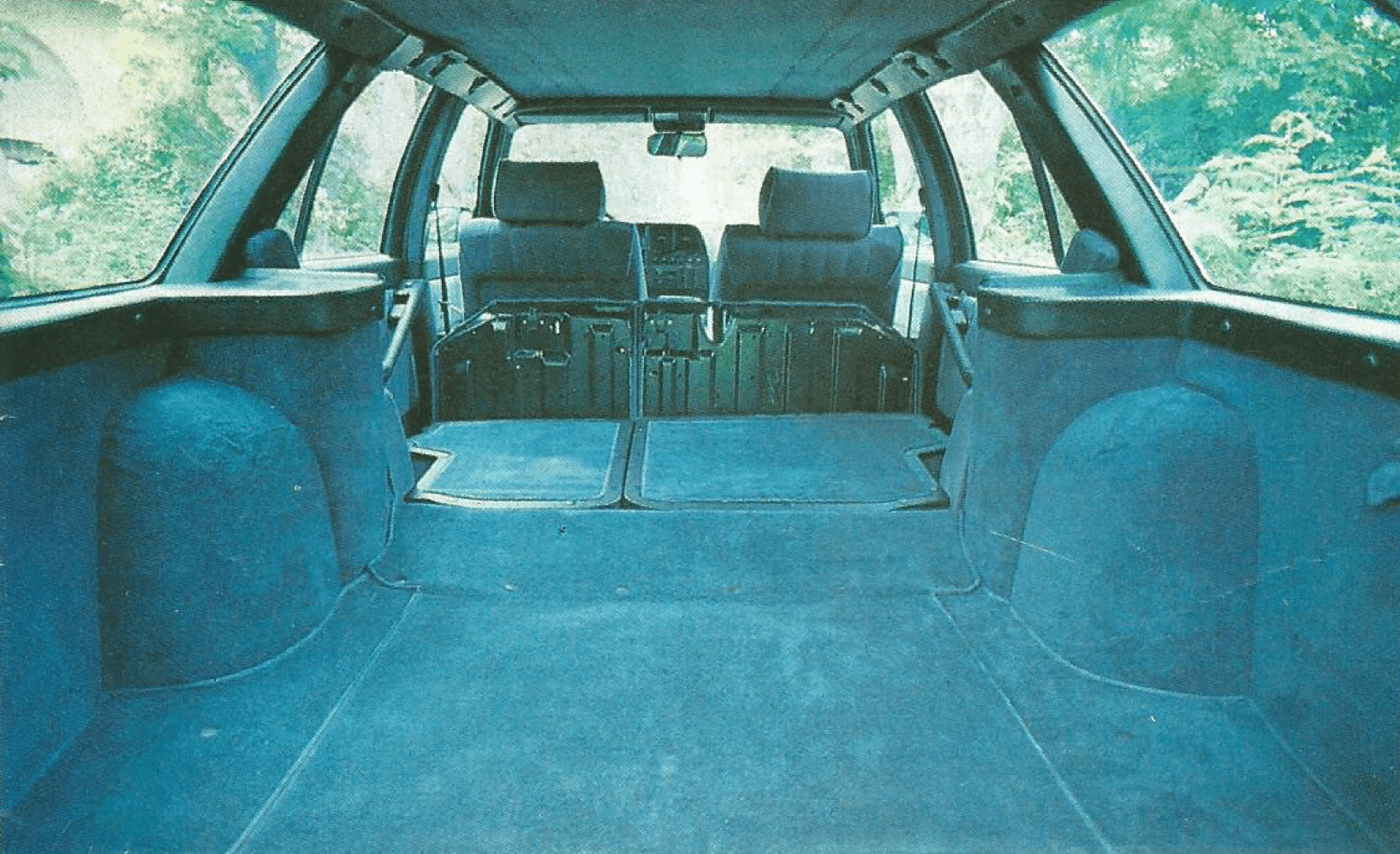
Inside, the cabin matched the Thema sedan in materials and quality, meaning it was leagues above what most wagons offered in the mid-80s. Leather, wood, and switchgear that didn’t feel like leftovers from the Fiat parts bin. The rear seats could recline, creating a vast and luxurious luggage space fit for weekend escapes or spontaneous antique shopping.
🔗 Read more: The Rise of the Giardiniera: From Utility Vehicle to Trendsetter
Back on the Scene
In 2021, the fully revived Thema Plus was unveiled once again, this time under the lights of the Padova Auto e Moto d’Epoca, proudly presented at the Lancia Thema Club Italia stand. One year later, it climbed the lawn at Villa d’Este, participating in the 50th anniversary of the Zagato Car Club.
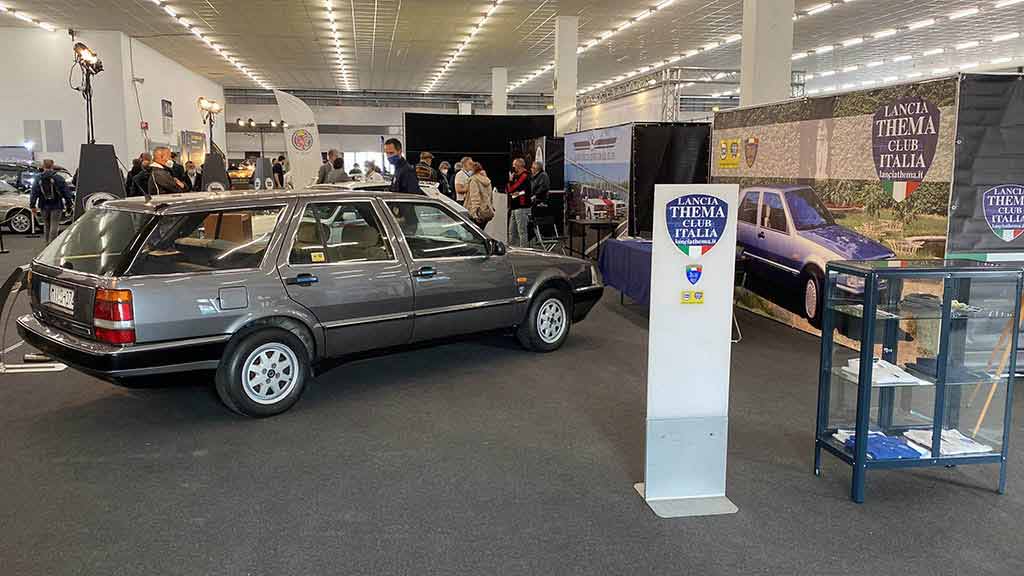
To see Andrea Zagato himself praising the car, now decades after his daily use, was a full-circle moment. A prototype saved from obscurity had become a respected historical piece, celebrated not for its horsepower or badge, but for its sheer audacity to exist.
Why It Matters
Coachbuilt wagons are a rare breed. In the 1980s, even more so. The Thema Plus is part of a very exclusive club of vehicles that dared to mix practicality with flair, elegance with experimentation. It represents Zagato’s ability to see opportunity in the everyday — to take a sensible sedan and imagine something better, sleeker, more personal.
And like all great Italian cars, it has a touch of drama. A life that includes motor show lights, family service, abandonment, rescue, restoration, and return to glory.
That’s amore.
CONTINUE READING
Posts You Might Like
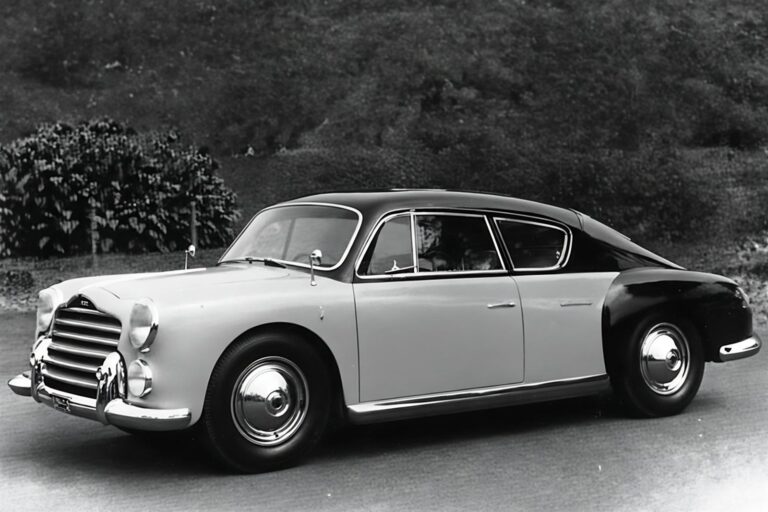
A Central Driving Position, a Rear-Mounted V8. Was This Really a Lancia?
In 1948, visitors to the Turin Motor Show could see an unusual Lancia on the stand of Carrozzeria Ghia. It was a large two-door coupé with a two-litre V8 mounted behind the…
Read story
Fioravanti F100: The Ferrari He Was Allowed to Imagine
Enzo Ferrari’s centenary, Leonardo Fioravanti’s independent studio and a supercar that explored air brakes, steel wheels and a new way of driving—without ever wearing the Cavallino.
Read story
Michelotti Shellette: When the Fiat 850 Became a Yacht
The yacht designer, the Turin stylist and the tiny coachbuilt car that crossed between the quay, the royal holiday house and the auction room. Some automobiles were conceived for the open road,…
Read story
Maserati A6 1500: A New Road for the Trident
When the doors of the Geneva Motor Show opened in March 1947, Maserati was a name that required little introduction to anyone who followed motor racing. What it did not yet possess…
Read story
THE CONVERSATION
Comments 0
Share a memory, a period photograph or a documented detail about this story.