
From Wagon to Cabriolet: The Story of Savio’s Fiat 1100 Venilia
The war had silenced more than engines. For several years, Italy’s proud tradition of automobile design had nearly come to a halt. Workshops stood quiet, dreams of speed and elegance were pushed aside by harsher necessities. But once peace returned, the stillness gave way to an explosion of creativity. It was as if, after years of silence, the carrozzieri could not help but sing again—each in their own voice.
In the late 1940s and the dawn of the 1950s, the air was thick with experiment. Some coachbuilders searched for their identity, others chased inspiration abroad. From France came flamboyant, flowing shapes, rich with ornament. Stabilimenti Farina explored the powerful “tank” style, while others looked across the ocean, echoing the bold, confident lines of America. The humble giardinetta—Italy’s first true station wagon—made its debut. And then there were those, like Carrozzeria Savio, who took the rustic charm of the “woody” and elevated it into something unexpected, something refined.
🔗 Read more: The Tank Style by Stabilimenti Farina
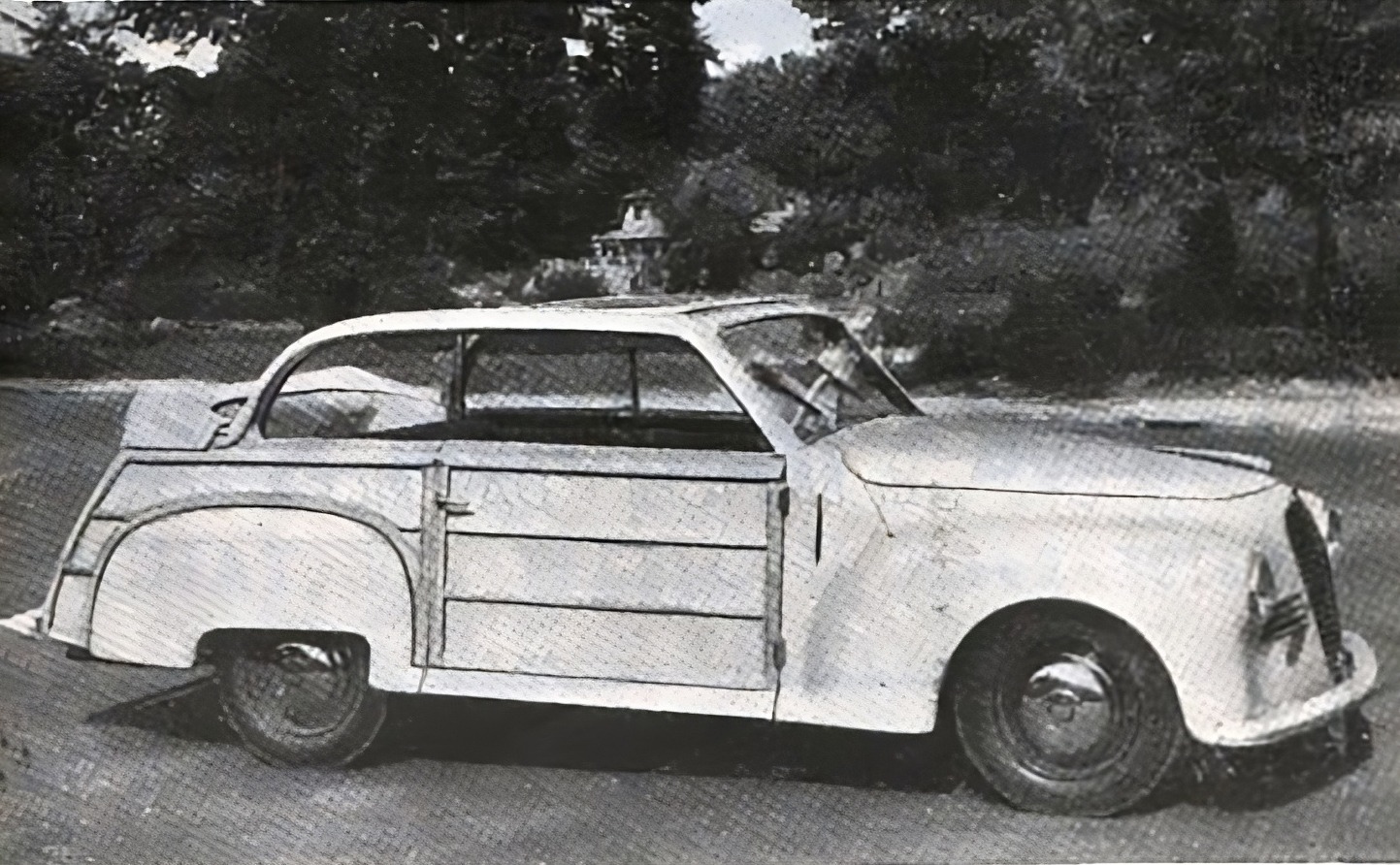
It was in this spirit of reinvention that Savio unveiled the Fiat 1100 “Venilia” in 1949. Neither entirely utilitarian nor fully glamorous, it was a station wagon that could transform into a convertible, both practical and playful. The Venilia embodied the courage of an era that dared to blend opposites, to dream beyond convention.
Carrozzeria Savio: Tradition and Reinvention
Founded in Turin in 1919 by brothers Antonio and Giuseppe Savio, Carrozzeria Savio quickly distinguished itself through its ability to balance elegance with utility. During the interwar years, the firm produced bodies for Fiat, Alfa Romeo, and Lancia chassis, demonstrating a versatility that ranged from formal limousines to sporting berlinettas. Their Fiat 508 Ballila-based coupé, for instance, achieved class victory at the Mille Miglia of 1938, underlining Savio’s ability to blend design with performance.
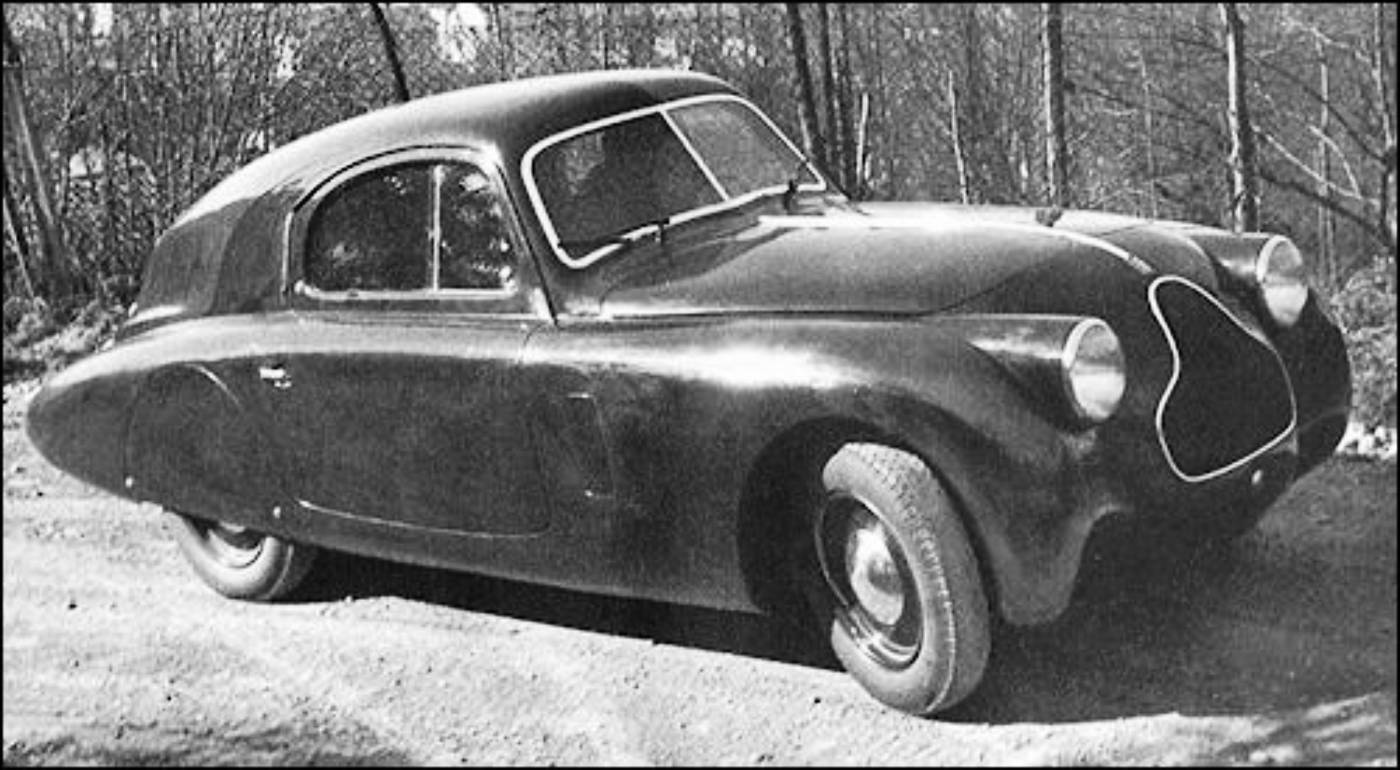
The devastation of the war brought significant challenges. The Savio workshops were heavily damaged by bombing in 1943, and following the conflict the company had to be rebuilt almost from scratch. Giuseppe Savio, who assumed leadership after the passing of his brother, directed the atelier towards the growing Fiat range as a stable platform for coachbuilt innovation. It was in this period of rebirth that Savio gave form to some of its most remarkable automobiles, including the Fiat 1100 Venilia.
The Fiat 1100 B: A Reliable Foundation
The Venilia was born upon the Fiat 1100 B chassis, introduced in 1948 as a thoughtful evolution of the pre-war 508C. Beneath its modest exterior lay a dependable heart: a 1089 cc inline four-cylinder engine delivering around 35 horsepower, mated to a four-speed gearbox. Modest though its numbers were, the mechanical package was sturdy, trustworthy, and wonderfully versatile. For Italy’s coachbuilders, the 1100 B was a blank canvas, ready to receive whatever form imagination might give it. From sleek coupés to airy cabriolets and practical commercial variants, carrozzieri across the country seized the opportunity to create.
Savio, however, looked beyond convention. Rather than crafting yet another berlinetta or spider, they reimagined the utilitarian giardinetta—Italy’s answer to the station wagon—into something more elegant, more daring. The result was the Fiat 1100 “Venilia”: at once versatile and refined, a union of practicality and grace. And though the show car was presented on the 1100 B, Carrozzeria Savio was quick to underline its flexibility: “Lo stesso modello si costruisce su ordinazione del cliente su tutti tipi di autotelai FIAT.” In other words, the Venilia could be ordered on any Fiat chassis the customer desired, extending its allure far beyond a single model.
The Venilia: A Giardinetta Trasformabile
When Carrozzeria Savio unveiled the Fiat 1100 Venilia in 1949, they described it as a “giardiniera trasformabile brevettata”—a patented transformable station wagon. At first glance, it seemed to belong to the fashionable family of postwar wood-bodied wagons, with timber-framed sides echoing both tradition and necessity. But a closer look revealed its secret: the roof over the passenger compartment could fold away, instantly turning the practical wagon into an open cabriolet.
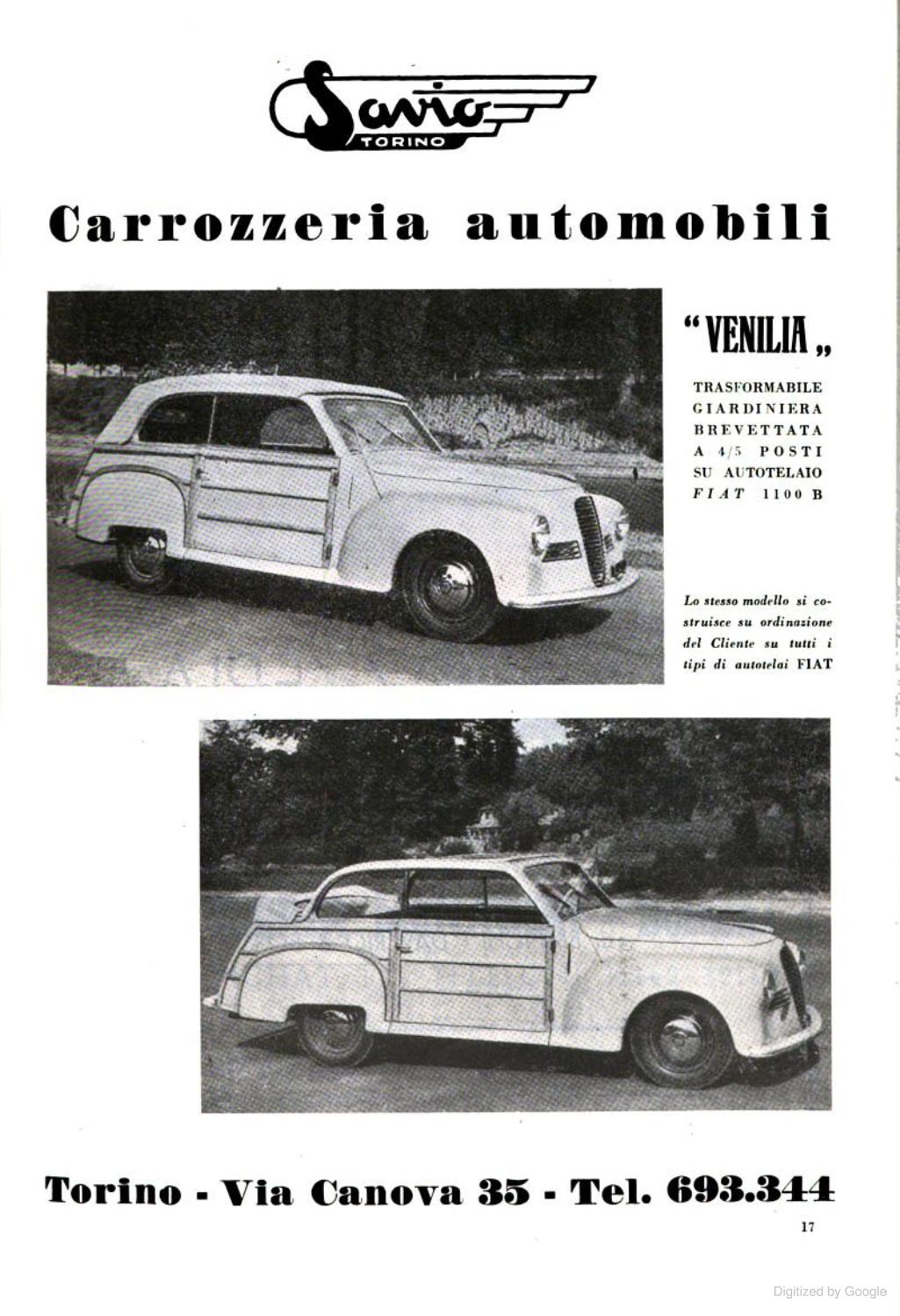
This dual-purpose bodywork was remarkable for its time, a rare fusion of utility and leisure. By day, the Venilia could serve as a capable family car or light commercial hauler, with space for four or five passengers and their luggage. By evening, with the roof folded, it could glide along the boulevards of Turin or the winding coastal roads of Liguria, offering its occupants the joys of open-air motoring. In Italy of the late 1940s, such versatility was virtually unprecedentedIn practical terms, the Venilia offered accommodation for four to five passengers, together with luggage space suitable for family travel or light commercial use. Yet with its roof folded, it became a car for pleasure, capable of open-air motoring on the boulevards of Turin or the coastal roads of Liguria. Such versatility was virtually unprecedented in Italy at the time.
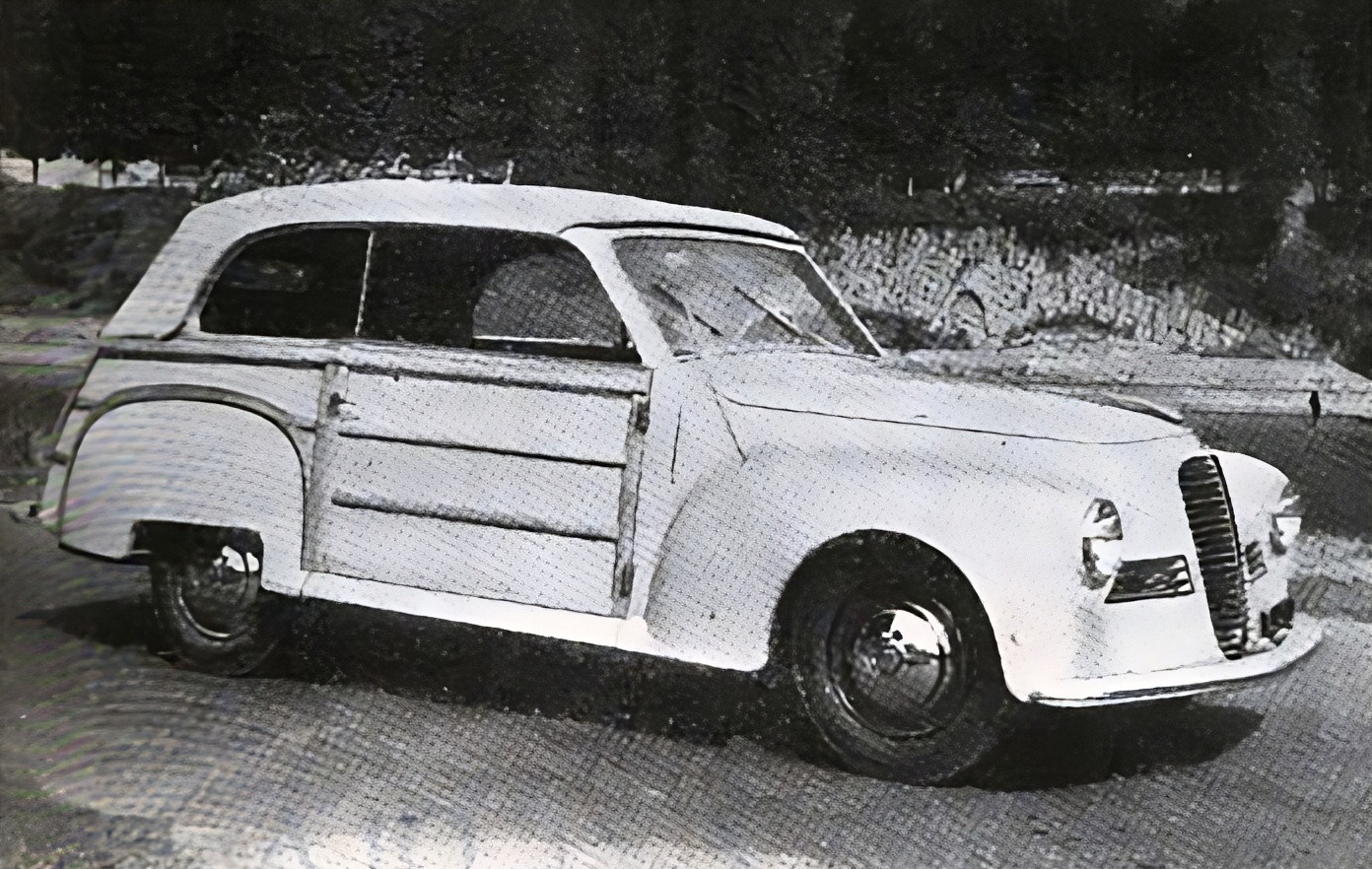
The Venilia’s materiality reflected both circumstance and artistry. Steel was still scarce in postwar Italy, so many carrozzieri relied on wood not only as structure but also as ornament. Savio’s craftsmen turned this limitation into a virtue, shaping the timber with precision and care. The result was a body that combined hand-formed steel panels with warm wooden framing, giving the Venilia a character far more elegant than a mere utility wagon.
Patented Innovation
Savio’s boldest stroke was the roof itself. Advertisements of the period highlighted the patented transformable mechanism as the Venilia’s defining feature. While precise technical details are elusive, photographs and drawings suggest that the central and rear sections of the roof could be folded or removed while leaving the side framing intact. This created a semi-convertible configuration—structurally sound, yet offering the exhilaration of open-air driving.
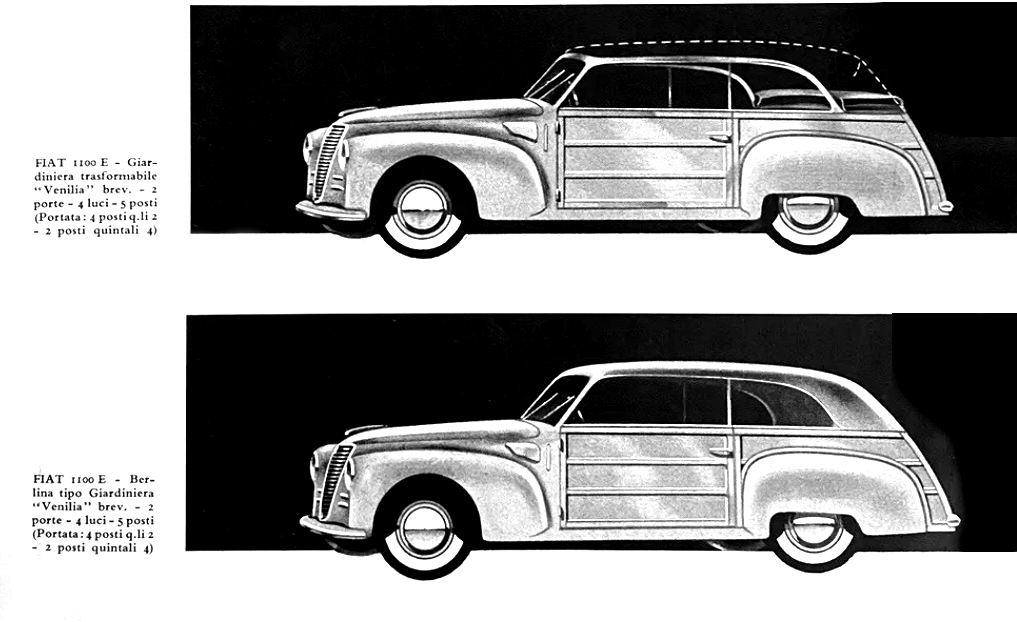
Such ingenuity was emblematic of postwar Italian coachbuilding. Confronted with limited resources but fueled by imagination, carrozzieri devised clever, often elegant solutions to problems that might otherwise have seemed insurmountable. In the Venilia, Savio reinterpreted the station wagon—usually associated with modesty and work—into an automobile of sophistication and adaptability.
The Origins of the Name
The choice of the name “Venilia” lends an additional layer of refinement. In Roman mythology, Venilia was a minor goddess associated with the sea, the winds, and the hope of new beginnings. The name was thus a fitting emblem for a car that embodied lightness, versatility, and a sense of renewal in the immediate aftermath of war. It also aligned with the Italian tradition of bestowing evocative, often mythological names upon special automobiles.
What Remains of the Venilia
The Venilia was never conceived for mass production. Most evidence suggests only a handful were built, perhaps even a single prototype. Unlike Fiat’s later Belvedere, which industrialized the station wagon concept, Savio’s Venilia remained firmly in the artisanal world of one-off coachbuilding. That exclusivity is part of what gives it historical significance today
To date, no surviving example is known. If one were to emerge, it would represent not just a rare automobile but a tangible link to a moment when Italian design was at its most daring—when even a humble wagon could be reimagined as something elegant, transformable, and entirely new.
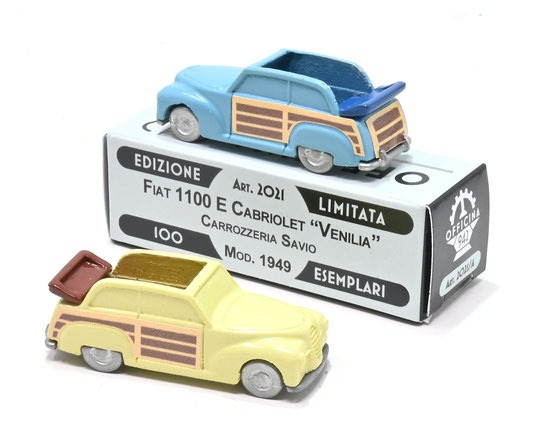
Yet the Venilia has not been completely forgotten. Its image survives in period brochures and drawings, and more recently, in miniature. The Italian maker Officina 942 has paid tribute to Savio’s creation with a limited-edition 1:76 scale model, cast in bright colors that celebrate its dual nature as both wagon and cabriolet. In this reduced scale, the Venilia continues to live on—not as a machine of the road, but as a spark of imagination, a reminder of the inventive spirit that once flourished in postwar Turin.
Comparison with the Fiat 1400 Landaulet
The Venilia was not the only instance in which Savio explored the possibilities of transformable roofs. In 1950, the coachbuilder unveiled the Fiat 1400 Landaulet, a formal limousine in which the rear passenger compartment was fitted with a folding roof section. This configuration, reserved for dignitaries and special occasions, allowed passengers to enjoy the open air while the driver remained under cover.
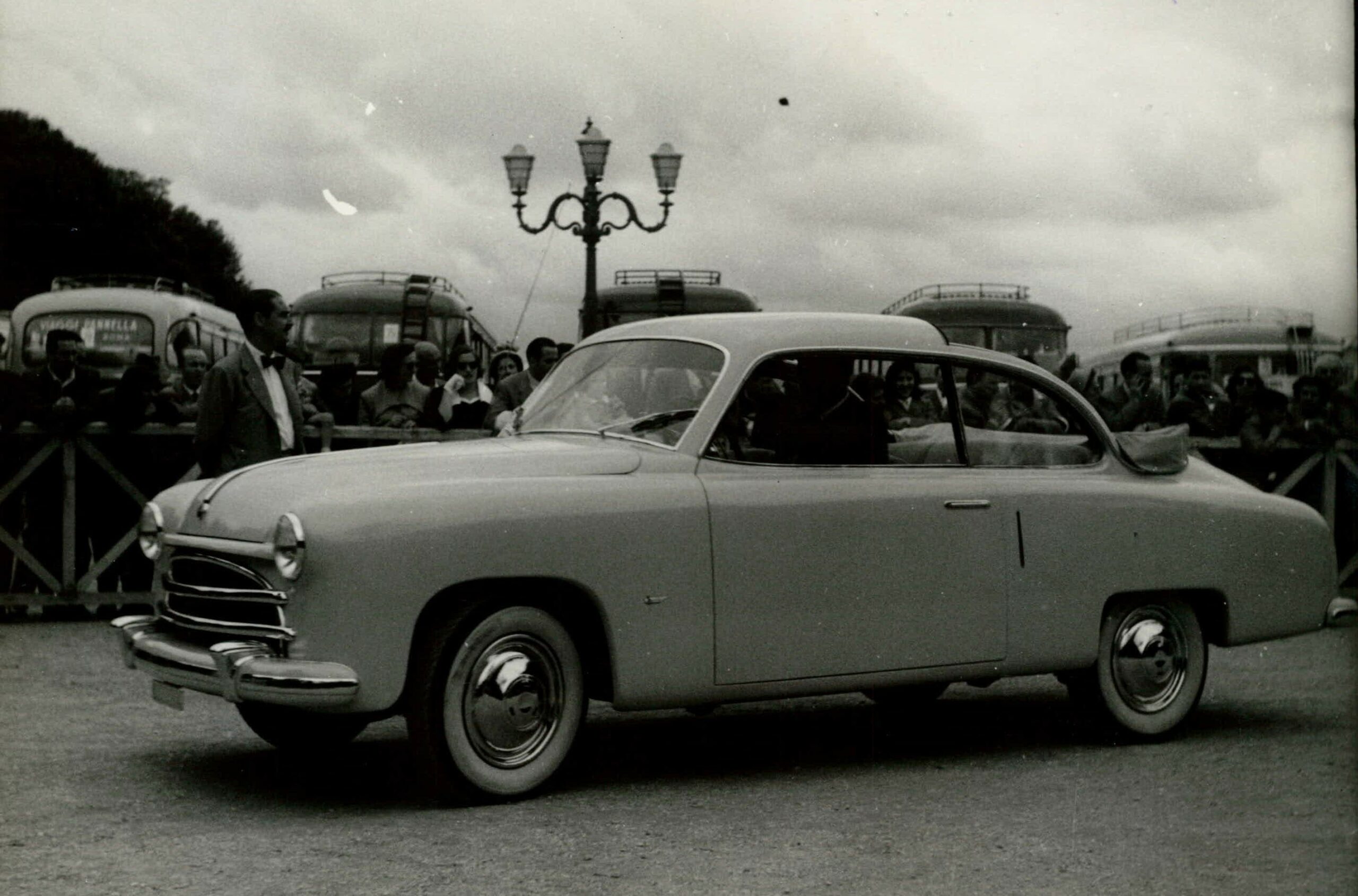
The 1400 Landaulet, produced in extremely limited numbers, appeared at prominent concours d’elegance and motor shows, where it was admired for its elegance and technical originality. Together with the Venilia, it demonstrates Savio’s consistent pursuit of versatility and innovation in roof design—whether applied to a practical family wagon or a stately ceremonial car.
Legacy of Carrozzeria Savio
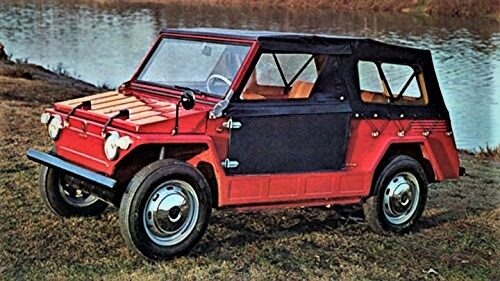
Carrozzeria Savio continued to operate well into the postwar decades, passing into the hands of Alfredo Caracciolo, Giuseppe Savio’s son-in-law, after Giuseppe’s death in 1954. The firm would later produce small-series specialty vehicles such as the Fiat 600 Jungla, as well as concept cars and industrial vehicles. Yet its reputation has always rested on the creativity and craftsmanship of its earlier years, exemplified by models such as the Fiat 1100 Venilia and the Fiat 1400 Landaulet. The Fiat 1100 Venilia occupies an unusual but significant position in the history of Italian coachbuilding. It illustrates how carrozzieri were willing to transcend established categories, merging the everyday with the exceptional. By transforming the giardinetta into a convertible, Savio not only elevated a utilitarian type into an object of style but also anticipated later developments in multi-purpose and leisure vehicles.
These cars encapsulate Savio’s ability to interpret the chassis of Fiat with imagination, giving rise to forms that were at once elegant, functional, and distinctive. They remind us of an era when the boundaries of automotive design were still fluid, and when the hands of skilled artisans could transform even the most modest platform into a work of originality.
A Spark in the Postwar Dawn
The Fiat 1100 Venilia was never a car of numbers. It was not built to fill factories or flood boulevards. It existed instead as a fleeting idea, caught between wood and steel, utility and grace. In the years when Italy was relearning how to dream, Savio dared to suggest that even a giardinetta could be transformed into something poetic—practical enough for daily life, yet light enough to carry the promise of freedom.
🔗 Read more: Carrozzeria Savio: The History
No specimen is known to have survived, and perhaps that makes the Venilia shine all the brighter in memory. It lingers like a ghost of possibility, a rare experiment that embodied the restless imagination of its time. In the late 1940s, when coachbuilders reached in every direction at once, Savio’s Venilia stood as one of those brief but brilliant sparks. And though it has vanished from the roads, its legacy endures as a reminder of a golden moment when Italian design was bold enough to dream without limits.

ABOUT THE AUTHOR
Andreas Scheidl
Italian classic car enthusiast with German roots. Renowned as a respected figure in the classic car community, he serves as a jury member at various international concours d'elegance, including the Classic Gala Schwetzingen and Mantova. As a content creator, Andreas passionately shares his profound knowledge and appreciation for vintage automobiles. His heart beats for cars designed by Giovanni Michelotti, showcasing his discerning taste and dedication to preserving the timeless elegance of automotive history.
More stories by Andreas Scheidl ↗CONTINUE READING
Posts You Might Like
A Central Driving Position, a Rear-Mounted V8. Was This Really a Lancia?
In 1948, visitors to the Turin Motor Show could see an unusual Lancia on the stand of Carrozzeria Ghia. It was a large two-door coupé with a two-litre V8 mounted behind the…
Read story
Fioravanti F100: The Ferrari He Was Allowed to Imagine
Enzo Ferrari’s centenary, Leonardo Fioravanti’s independent studio and a supercar that explored air brakes, steel wheels and a new way of driving—without ever wearing the Cavallino.
Read story
Michelotti Shellette: When the Fiat 850 Became a Yacht
The yacht designer, the Turin stylist and the tiny coachbuilt car that crossed between the quay, the royal holiday house and the auction room. Some automobiles were conceived for the open road,…
Read story
Maserati A6 1500: A New Road for the Trident
When the doors of the Geneva Motor Show opened in March 1947, Maserati was a name that required little introduction to anyone who followed motor racing. What it did not yet possess…
Read story
THE CONVERSATION
Comments 0
Share a memory, a period photograph or a documented detail about this story.