
The Alpine OSI CRV – A Plastic Pioneer in Automotive Design
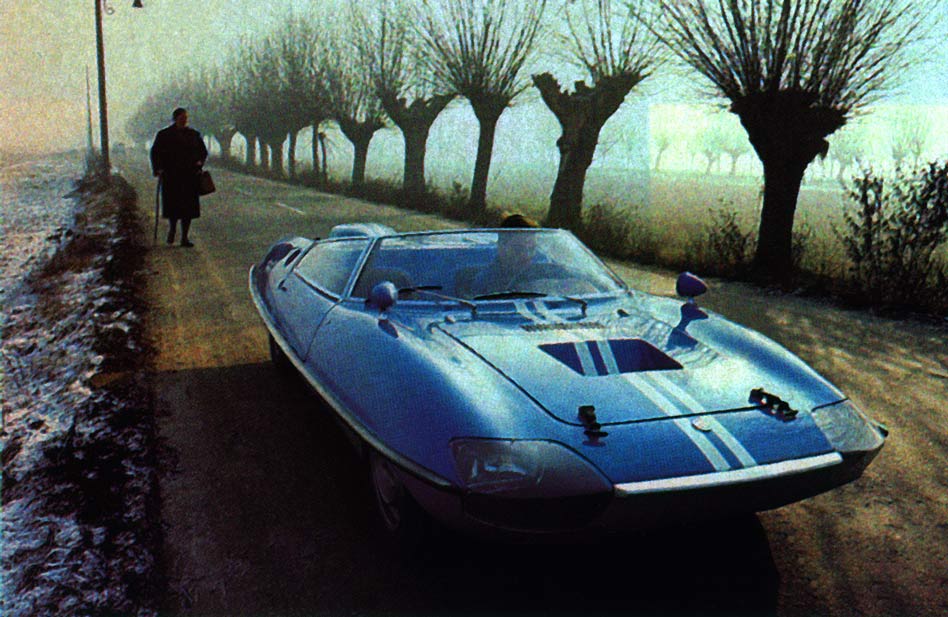
During the 1950s, the American firm Marbon Chemical was breaking new ground in plastics. They developed one of the earliest forms of ABS plastic (acrylonitrile-butadiene-styrene), a tough and moldable material marketed under the trade name Cycolac. Initially, Cycolac ABS was used for utilitarian purposes like appliance housings and boat hulls. However, in the early 1960s Marbon saw a bigger opportunity. Eager to expand into the booming automotive sector, Marbon made a bold decision: why not build a car out of plastic? By creating prototype automobiles showcasing Cycolac’s capabilities, they hoped to convince car manufacturers of this material’s potential in vehicle production. This marked an unusual crossover between the plastics industry and car design, hinting at new possibilities for lightweight, corrosion-proof automotive bodies.
From Plastics to Prototypes
To turn their vision into reality, Marbon teamed up with an expert in race car construction: Centaur Engineering of Michigan. Under the guidance of Centaur’s talented designer Dann Deaver, they set about designing a series of futuristic prototypes. In total, five Cycolac Research Vehicles (CRV) were built, sequentially numbered CRV-I through CRV-V. As the name suggests, each CRV was essentially a rolling laboratory – a test bed to explore how ABS plastic could be used structurally in an automobile. These sleek prototype cars had bodies formed from Cycolac ABS sheets, demonstrating that the material could be molded into complex shapes and even form large sections of a car’s bodywork.
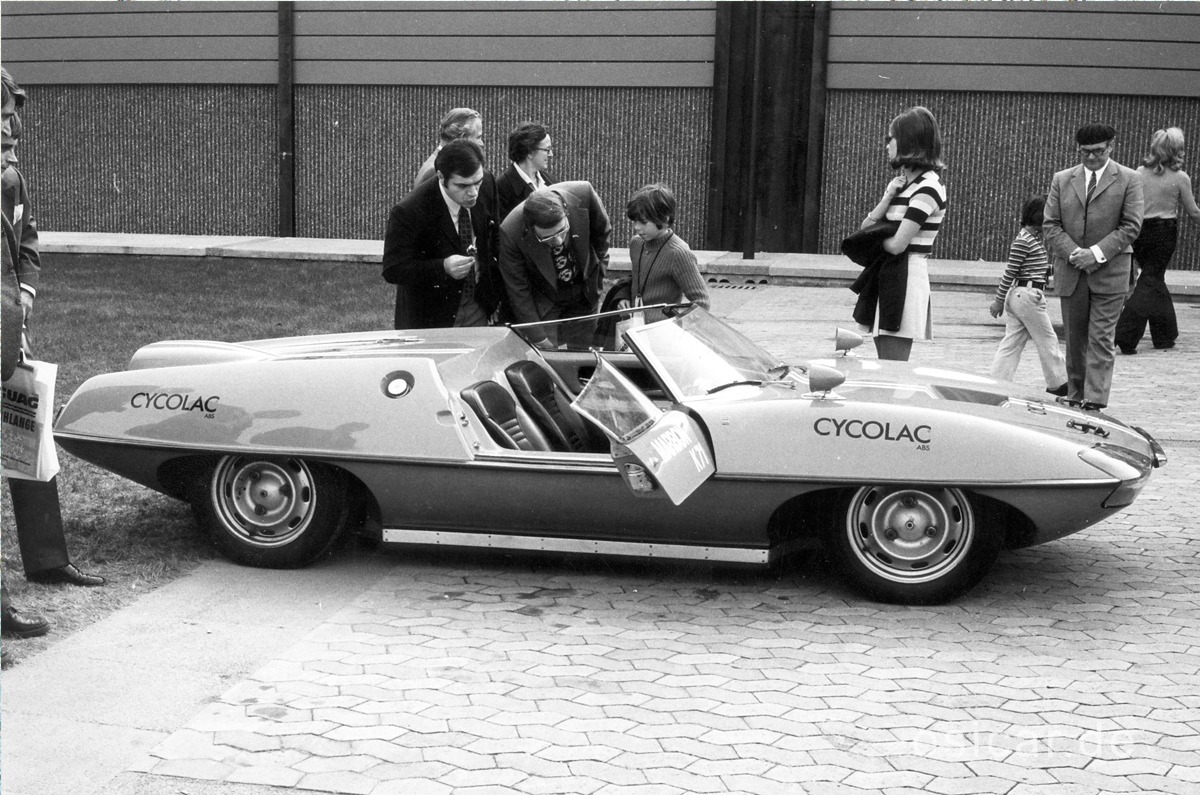
Marbon’s CRV project was more than just a publicity stunt; it was a statement. Never before had an entire car’s exterior and interior components been conceived in ABS plastic. In fact, the CRV design used a clamshell approach – upper and lower half-shells of plastic joining together to form the complete body. Everything from the exterior panels to interior bucket seats and even the bumpers could be made from Cycolac. This innovative approach showcased the versatility of ABS and positioned Marbon Chemical as an unexpected player in automotive engineering. Observers at the time noted that “not since the early days of the auto industry has a material been so adaptable to the designer’s and builder’s needs,” underscoring how novel this plastics application was. The CRV prototypes proved that ABS plastic could step outside its traditional uses and handle the demands of car body construction – a pivotal moment for plastics in the automotive world.
CRV-V’s Fateful European Tour
By 1966, Marbon’s fifth prototype, CRV-V, was ready for a very special mission. The company prepared to send this shiny new plastic-bodied sports car across the Atlantic to Europe, where many of the world’s renowned automakers and design houses were based. Guus Bierman, a Dutch Marbon Chemical employee, was put in charge of this grand tour. His job was essentially that of an ambassador for Cycolac – driving the CRV-V from country to country, visiting major car manufacturers and Italy’s famed carrozzieri (coachbuilders) to demonstrate what ABS plastic could do.
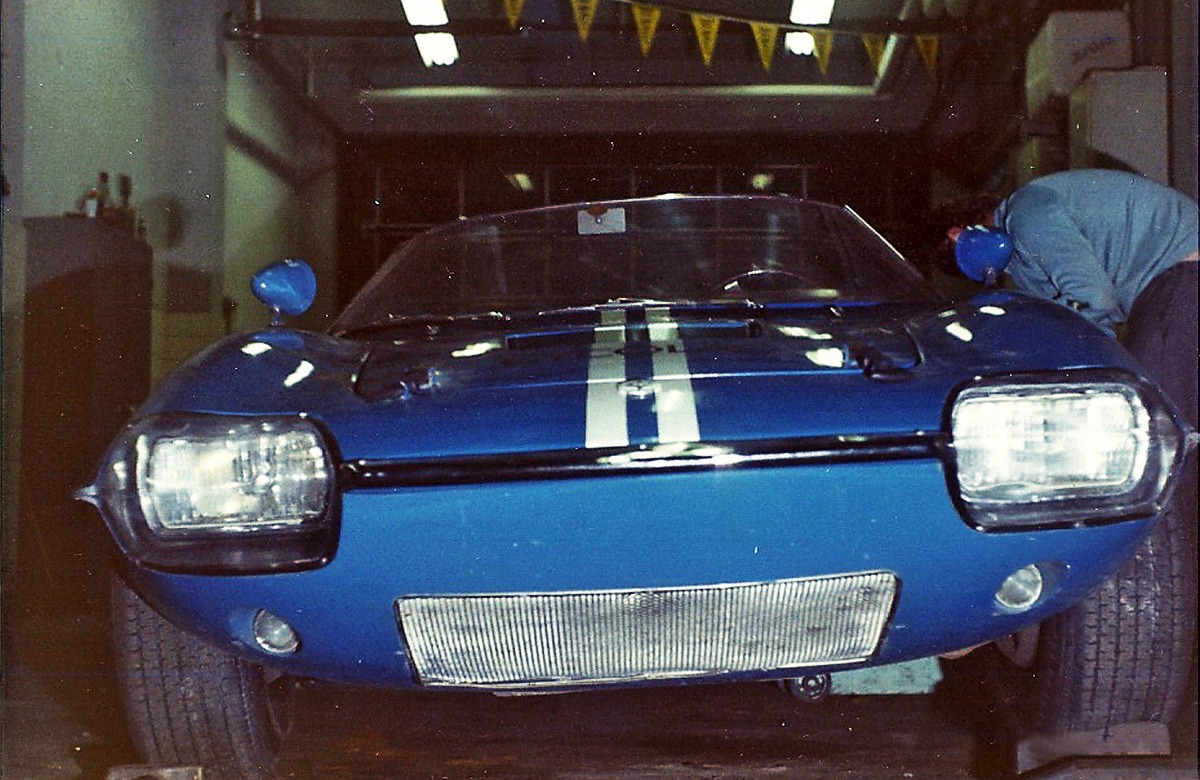
In the autumn of 1966, Bierman arrived in northern Italy with the CRV-V. He made contact with OSI (Officine Stampaggi Industriali) in Turin – an Italian coachbuilding firm that was doing cutting-edge design work for various automakers. OSI’s interest was piqued by the plastic-bodied car, so Bierman left the CRV-V at OSI’s Centro Stile (design center) in Borgaro Torinese for a weekend. This would prove to be a fateful decision. During that weekend, an OSI employee couldn’t resist the temptation to take the one-of-a-kind CRV out for an unauthorized joyride. Tragically, the outing ended in disaster: the CRV-V was overturned in a serious crash, nearly destroying the car. The driver was hurt (though he survived), but the beautiful ABS-bodied prototype was in ruins – its once sleek plastic shell cracked and crumpled.
Marbon’s European demo car had been lost almost as soon as its tour began. The wrecked remains of CRV-V were quickly shipped back to the United States, both to assess how the Cycolac material had held up in the violent rollover and to salvage what could be learned from the accident. It was a major setback for Marbon’s promotional campaign, and OSI’s team was mortified by the mishap. Yet, from this low point, an extraordinary international collaboration was about to emerge.
Rebuilding the CRV with OSI and Alpine
Determined not to let the CRV project end in a wreck, Marbon Chemical and OSI struck an agreement to build a new car to continue the European tour. After all, OSI felt partially responsible for the loss and still saw potential in the concept. Working together, the American plastics company, the Italian coachbuilder, and even a French sports car manufacturer joined forces. Marbon quickly manufactured a fresh set of ABS body shells for the car and flew them to France. There, in Dieppe, the shells went to Alpine, the boutique automaker famous for its Renault-powered sports cars. OSI and Alpine had already been cooperating on projects since 1965, so this three-way partnership was a natural fit.
Alpine engineers contributed the running gear from an Alpine-Renault Gordini, meaning a robust inline-four engine and 5-speed transmission from Renault’s performance line. They installed this lightweight yet potent powertrain into a chassis that would fit the plastic body. Alpine then handed the partially completed vehicle over to OSI in Turin, where Italian craftsmen performed the final assembly and finishing touches. The result was a striking new prototype often called the Alpine OSI CRV – a fusion of American material science, French engineering, and Italian design flair.
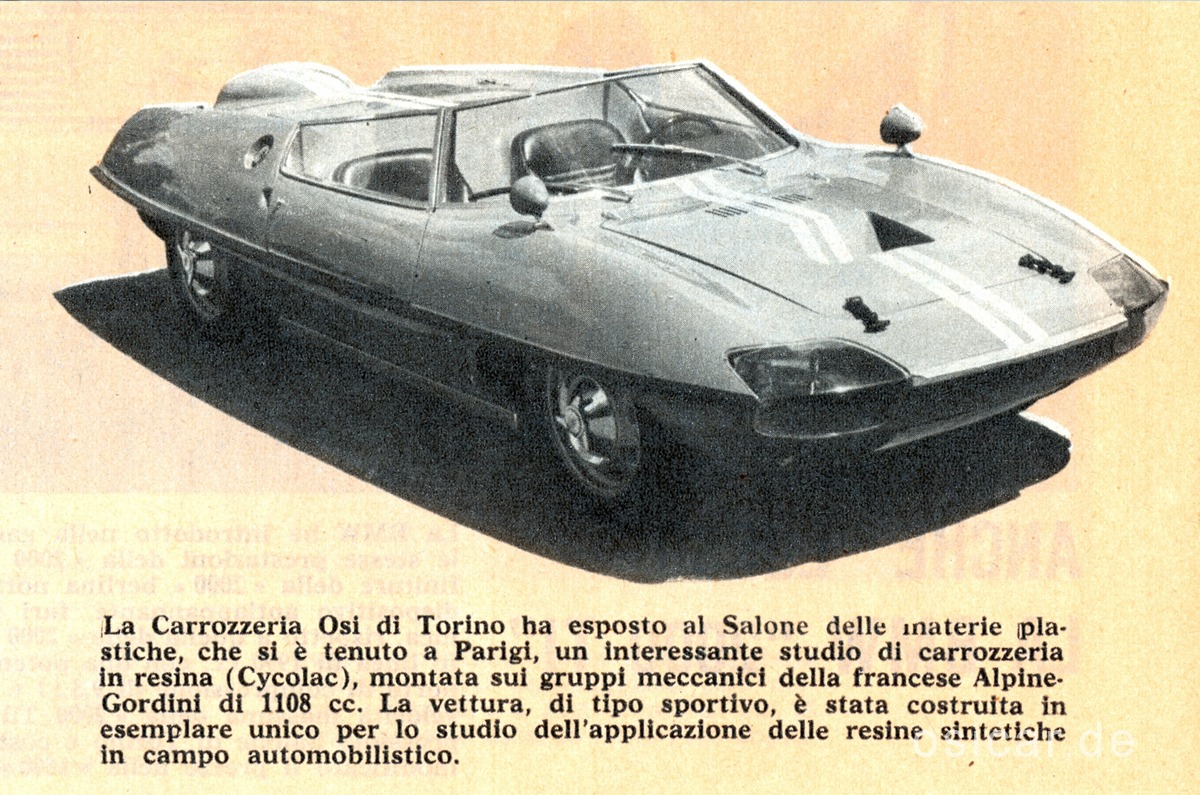
By late 1966 and into 1967, the rebuilt CRV was back on the road – resuming the promotional tour that its predecessor had barely started. Guus Bierman climbed into the new Cycolac-bodied sports car and continued his travels to auto shows and industry events. The Alpine OSI CRV made appearances at major European motor shows, including exhibitions in London and Paris, and even at the prestigious Frankfurt Motor Show (IAA) in Germany. Showgoers marveled at the idea of a car with an all-plastic exterior, and the CRV’s stylish design – part Italian concept car, part French racer – certainly helped draw crowds. Bierman logged thousands of miles across the continent in this one-off machine, spreading the gospel of ABS plastic in automotive applications wherever he stopped.
For a few months, the Alpine OSI CRV was a minor media sensation – featured in magazines and trotted out as a glimpse of the future. But once the initial novelty began to fade, Marbon wound down the expensive tour. By early 1968, Bierman’s journey came to an end, and the singular prototype was retired from show duty. The car was crated up and stored in a warehouse at Marbon’s Dutch branch facility, just north of Amsterdam, where it quietly sat as a curious piece of automotive history. While the Alpine OSI CRV itself would not go into production, the knowledge gained and publicity generated from this project were about to bear fruit in an unexpected way.
A Lasting Legacy in ABS Plastic
The promotional tour ultimately achieved its goal – perhaps not in the form of a Marbon CRV production car, but by proving the viability of ABS plastic to a major European automaker. Marbon’s demonstrations impressed the French company Citroën enough that they licensed the ABS body manufacturing process for their own use. The result was the Citroën Méhari, an offbeat lightweight utility vehicle introduced in 1968 with an unpainted ABS plastic body. In fact, Citroën proudly touted the Méhari as the world’s first car with a production ABS body, molded in color. The Méhari’s entire tub and body panels were made of Borg-Warner’s Cycolac ABS resin – the very same material pioneered by Marbon. Citroën engineers took advantage of ABS’s properties, bolting large molded half-shell body sections to a simple 2CV-based chassis, a construction approach more akin to building a small boat than a car. The Méhari went on to be a success in its niche, with over 140,000 built in a nearly 20-year production run, and it owed its existence to the groundwork laid by the CRV project.
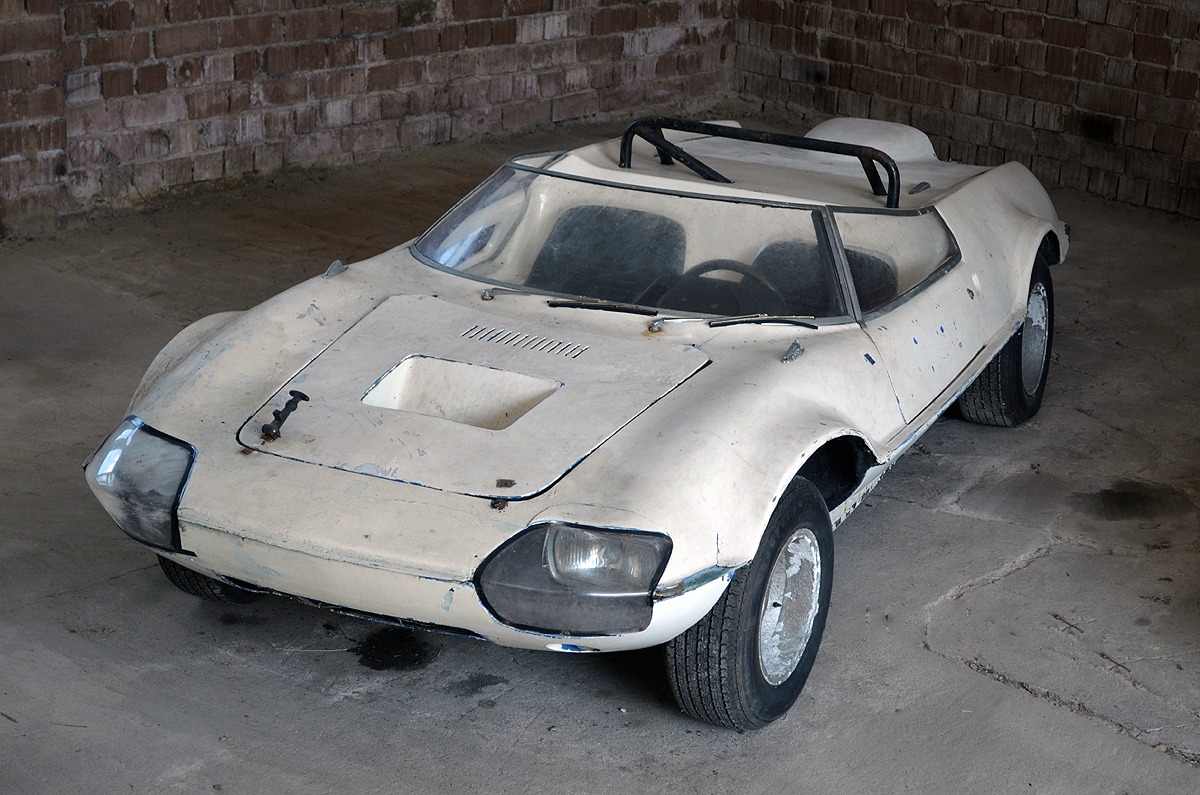
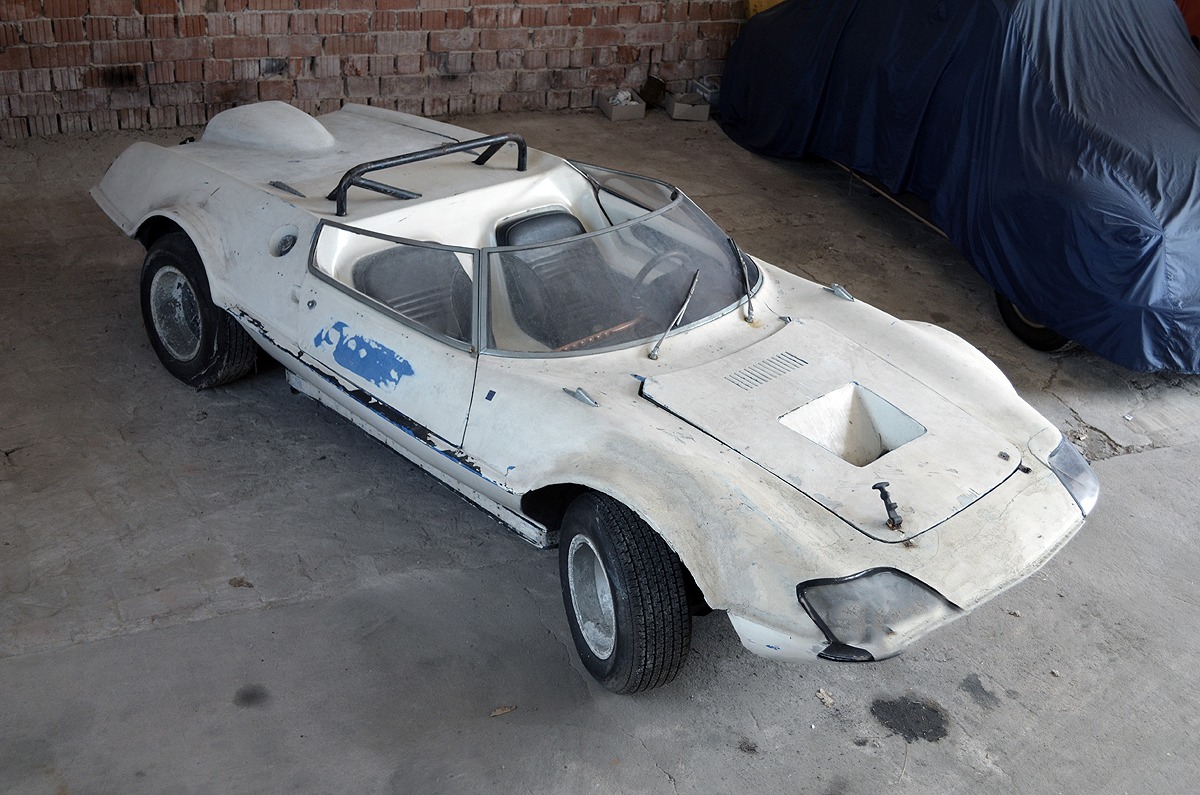
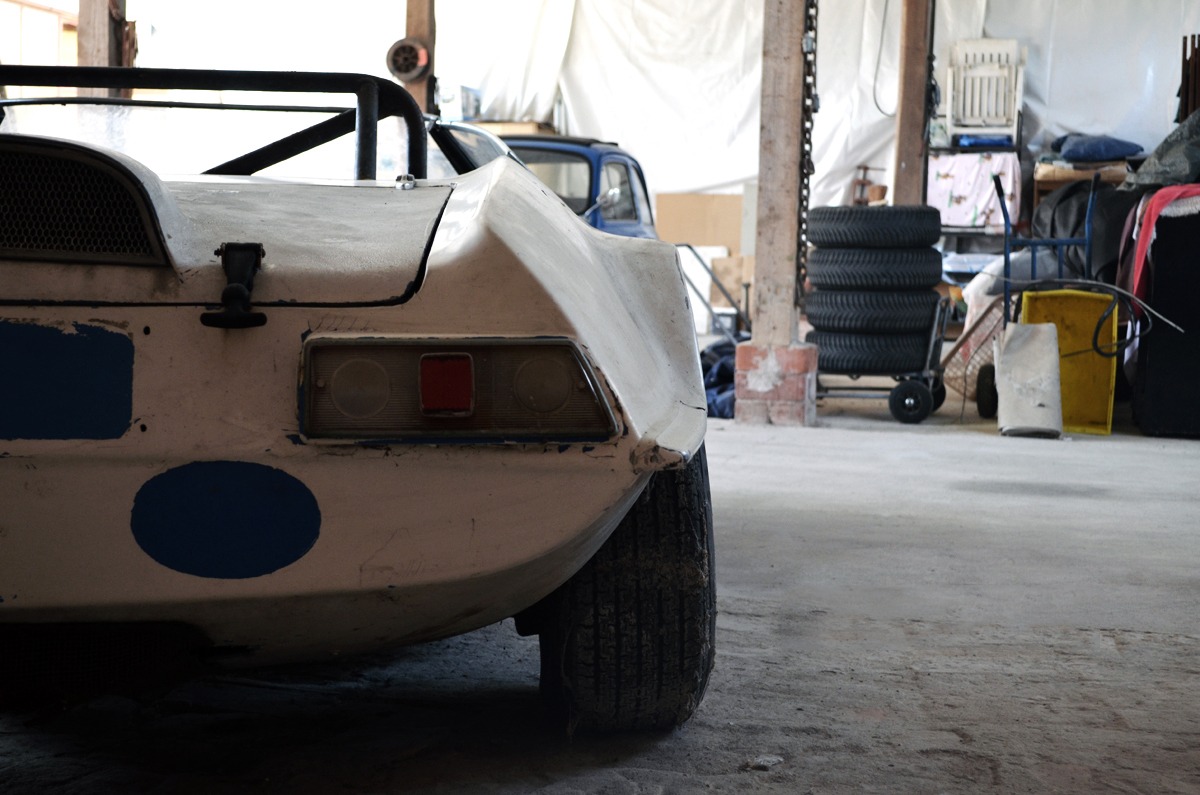
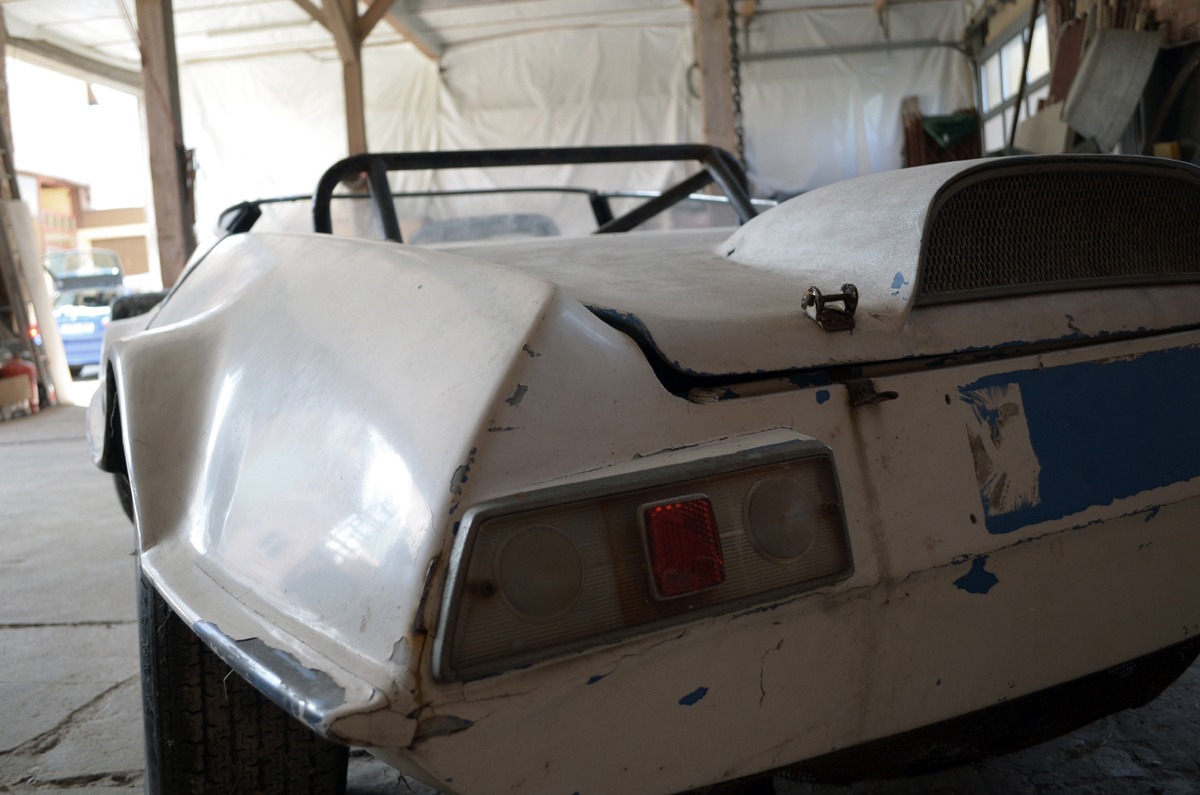
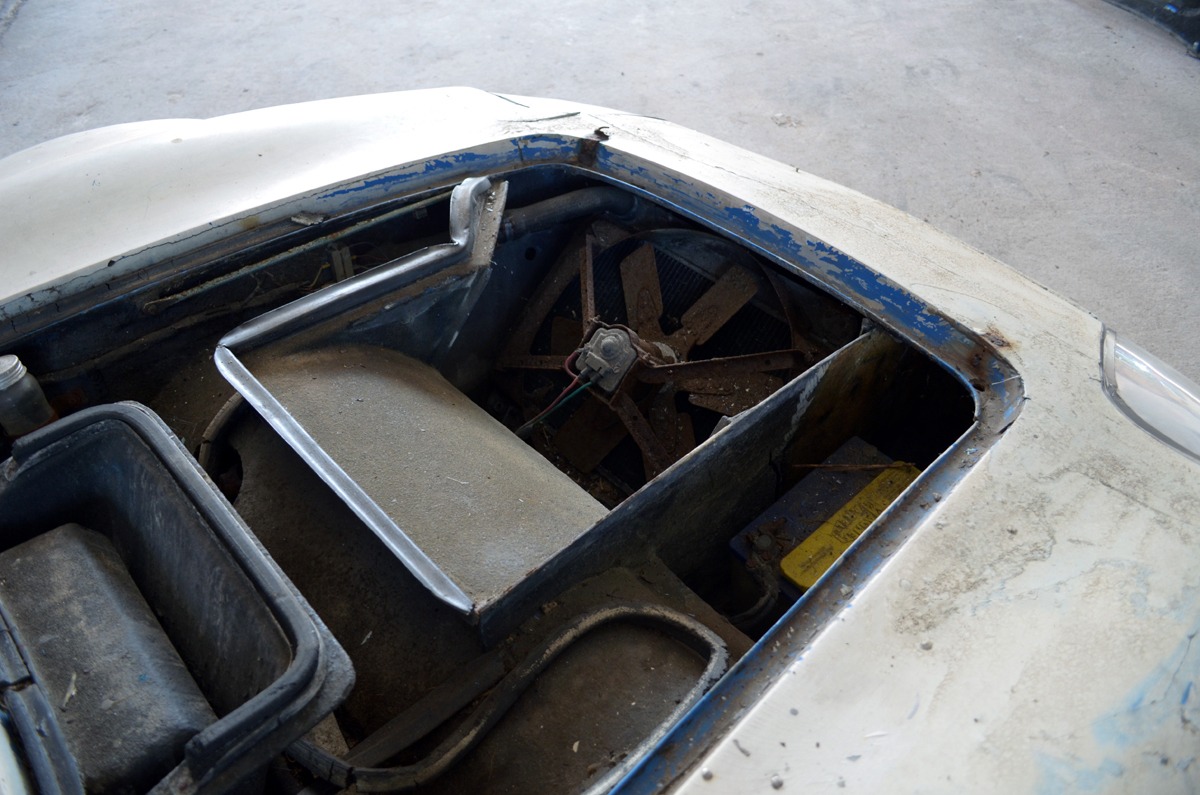
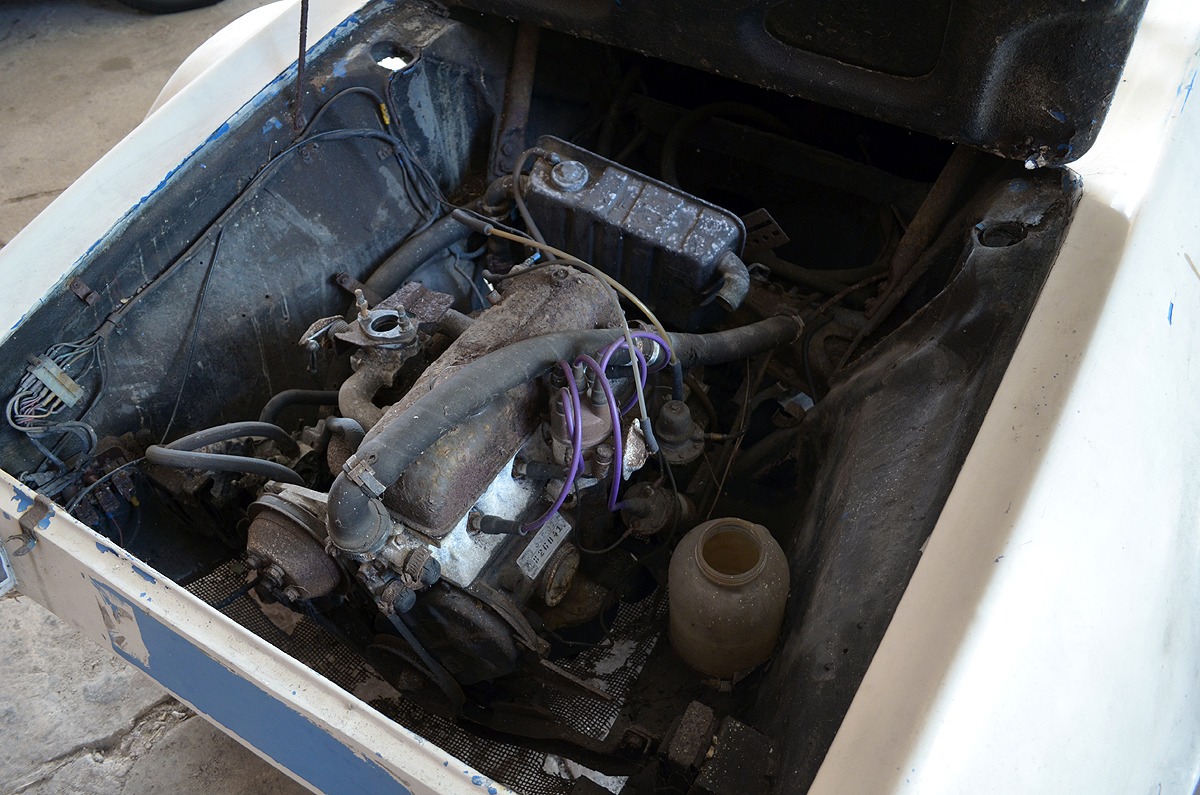
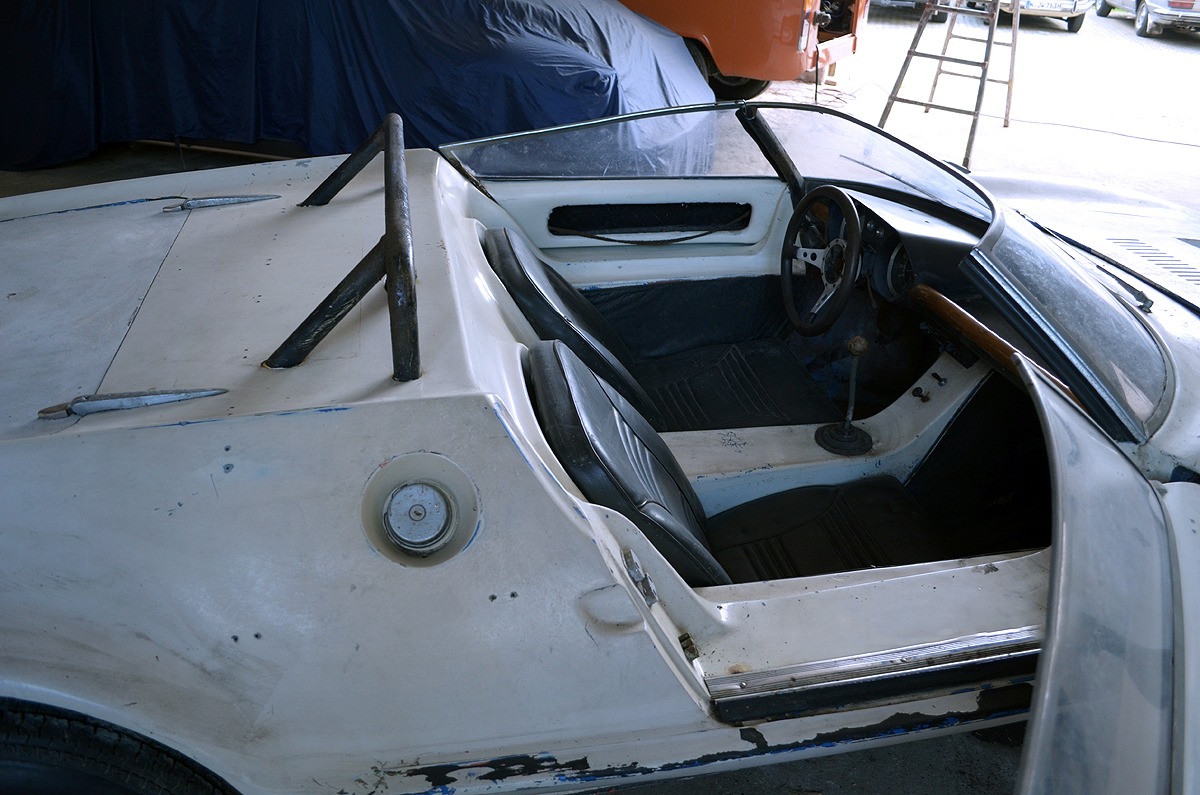
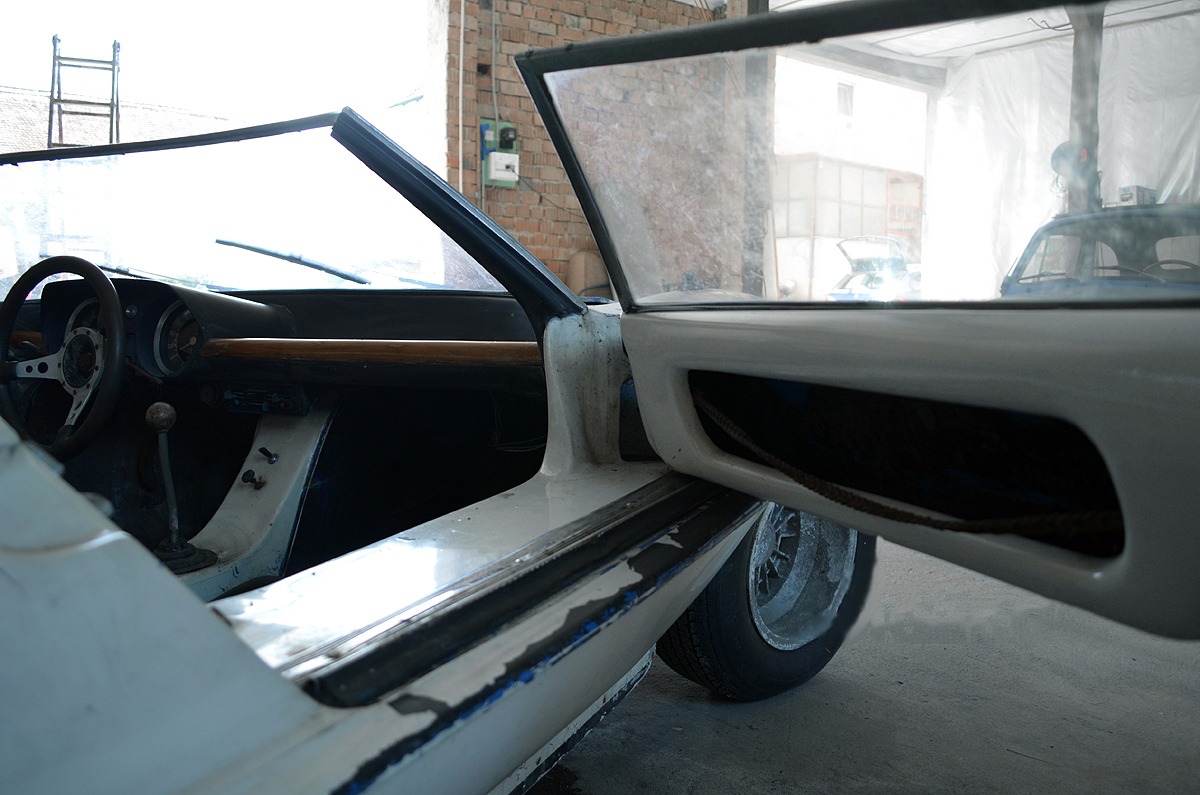
Beyond the Méhari, the Alpine OSI CRV left another legacy: it helped normalize the use of plastics in car components. Fully plastic-bodied cars remained rare, but ABS plastic soon became ubiquitous for smaller automotive parts. By the 1970s and onwards, Cycolac ABS was widely used for trim elements – things like headlamp bezels, grille surrounds, and interior fittings – thanks to its toughness and the fact that it could be easily molded in color or even chrome-plated for a decorative finish. Indeed, ABS is an ideal substrate for the gleaming chrome-look grilles and badges that car enthusiasts know so well. Marbon’s early claims about Cycolac’s versatility proved true: the material found its place in the automotive industry, just not exactly in the way of full body panels beyond special cases like the Méhari.
Looking back, the story of the Alpine OSI CRV is a fascinating tale of innovation, collaboration, and adaptability. What began as a daring sales pitch by a chemical company led to an international joint effort uniting American, Italian, and French expertise. The CRV prototypes showed the world that plastics could step into roles once reserved for steel and aluminum. And even though the Alpine OSI CRV itself lives on only in a few photographs and memories, its influence is evident every time we see a plastic component on a car. In the end, the CRV fulfilled its mission – it opened automakers’ eyes to new materials, leaving a legacy as the ABS-bodied pioneer that was ahead of its time.
Sources: Marbon Chemical press materials; Quattroruote magazine (1966); Dominique Pascal, Alpine; OSI and Guus Bierman interviews; SABIC automotive materials data.

ABOUT THE AUTHOR
Andreas Scheidl
Italian classic car enthusiast with German roots. Renowned as a respected figure in the classic car community, he serves as a jury member at various international concours d'elegance, including the Classic Gala Schwetzingen and Mantova. As a content creator, Andreas passionately shares his profound knowledge and appreciation for vintage automobiles. His heart beats for cars designed by Giovanni Michelotti, showcasing his discerning taste and dedication to preserving the timeless elegance of automotive history.
More stories by Andreas Scheidl ↗CONTINUE READING
Posts You Might Like
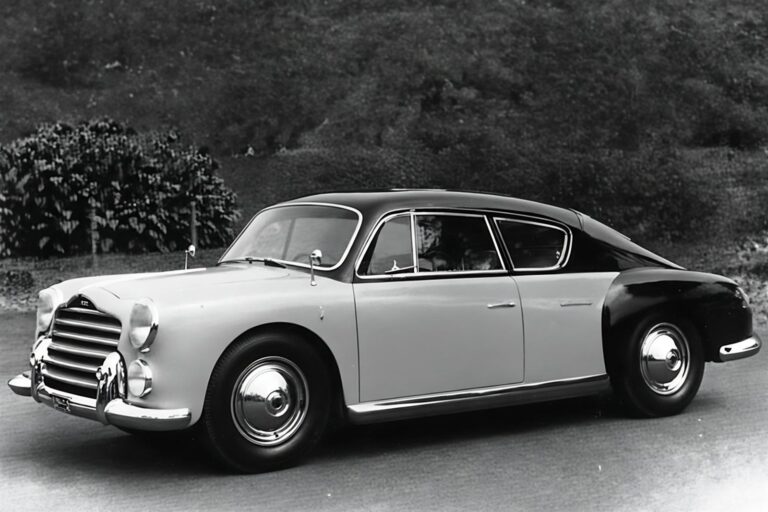
A Central Driving Position, a Rear-Mounted V8. Was This Really a Lancia?
In 1948, visitors to the Turin Motor Show could see an unusual Lancia on the stand of Carrozzeria Ghia. It was a large two-door coupé with a two-litre V8 mounted behind the…
Read story
Fioravanti F100: The Ferrari He Was Allowed to Imagine
Enzo Ferrari’s centenary, Leonardo Fioravanti’s independent studio and a supercar that explored air brakes, steel wheels and a new way of driving—without ever wearing the Cavallino.
Read story
Michelotti Shellette: When the Fiat 850 Became a Yacht
The yacht designer, the Turin stylist and the tiny coachbuilt car that crossed between the quay, the royal holiday house and the auction room. Some automobiles were conceived for the open road,…
Read story
Maserati A6 1500: A New Road for the Trident
When the doors of the Geneva Motor Show opened in March 1947, Maserati was a name that required little introduction to anyone who followed motor racing. What it did not yet possess…
Read story
THE CONVERSATION
Comments 0
Share a memory, a period photograph or a documented detail about this story.