
THE VEHICLE AT A GLANCE
Model dossier
- Production period
- 1964
- Body style
- Roadster
- Engine
- Inline-6
- Type
- Prototype
- Production
- 1
THE PEOPLE BEHIND THE CAR
Coachbuilding, design & conversions

PRICE & SALES RECORD
Vehicle value
- Original price
- Not documented
- Latest recorded sale
- Not documented
01 / THE STORY
History & context
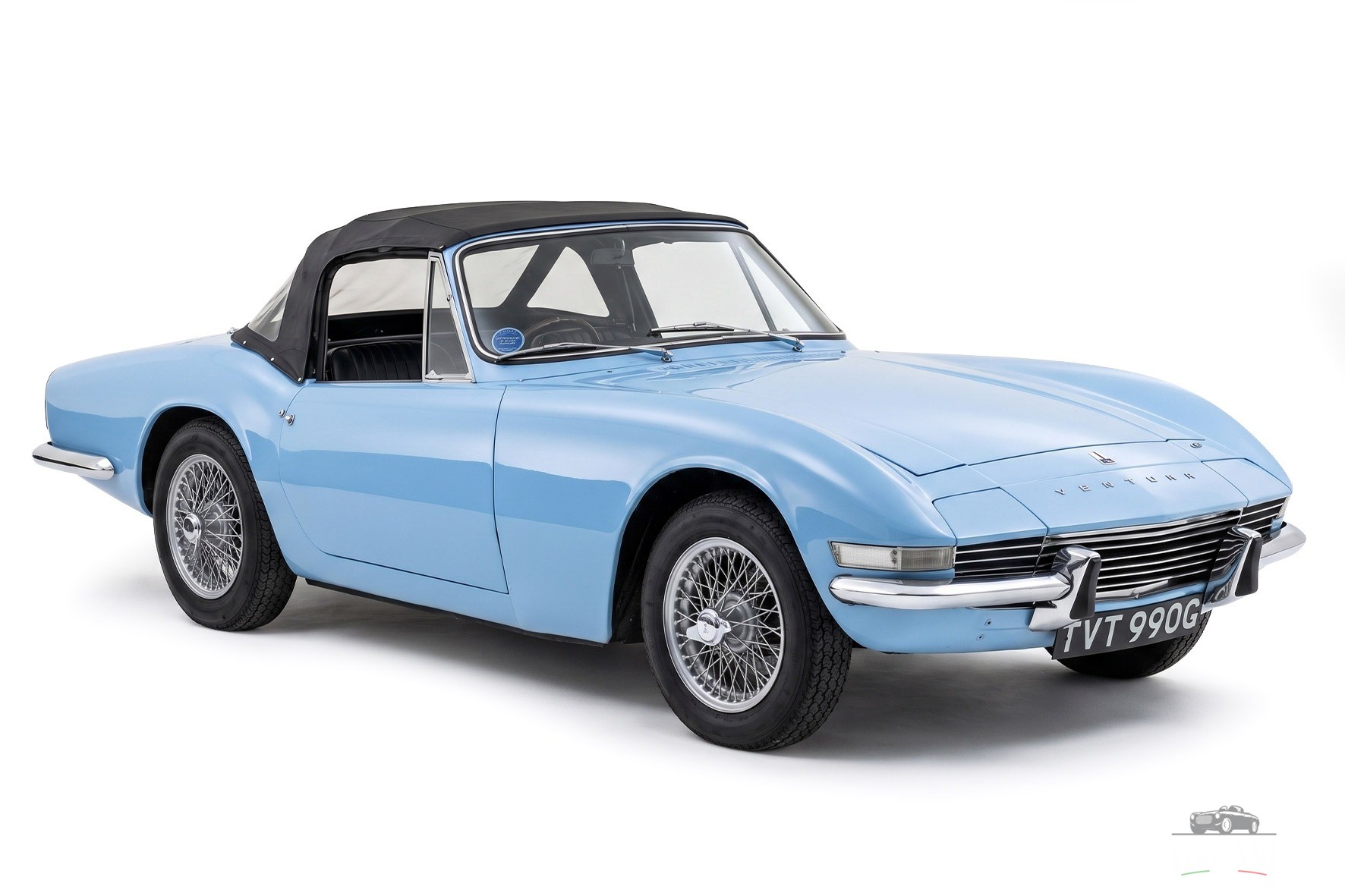
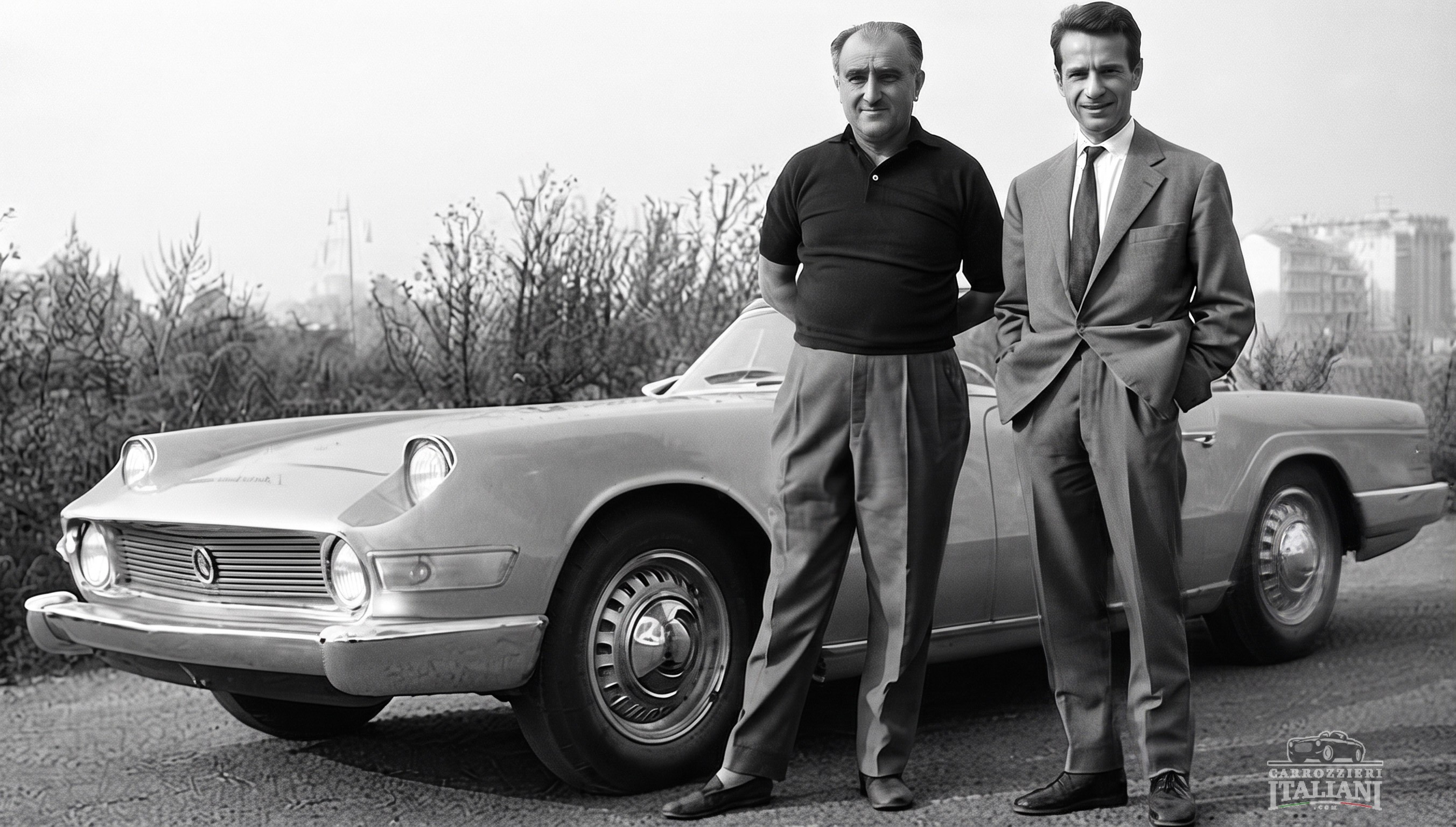
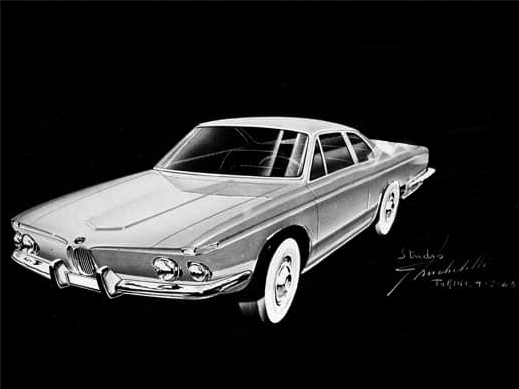
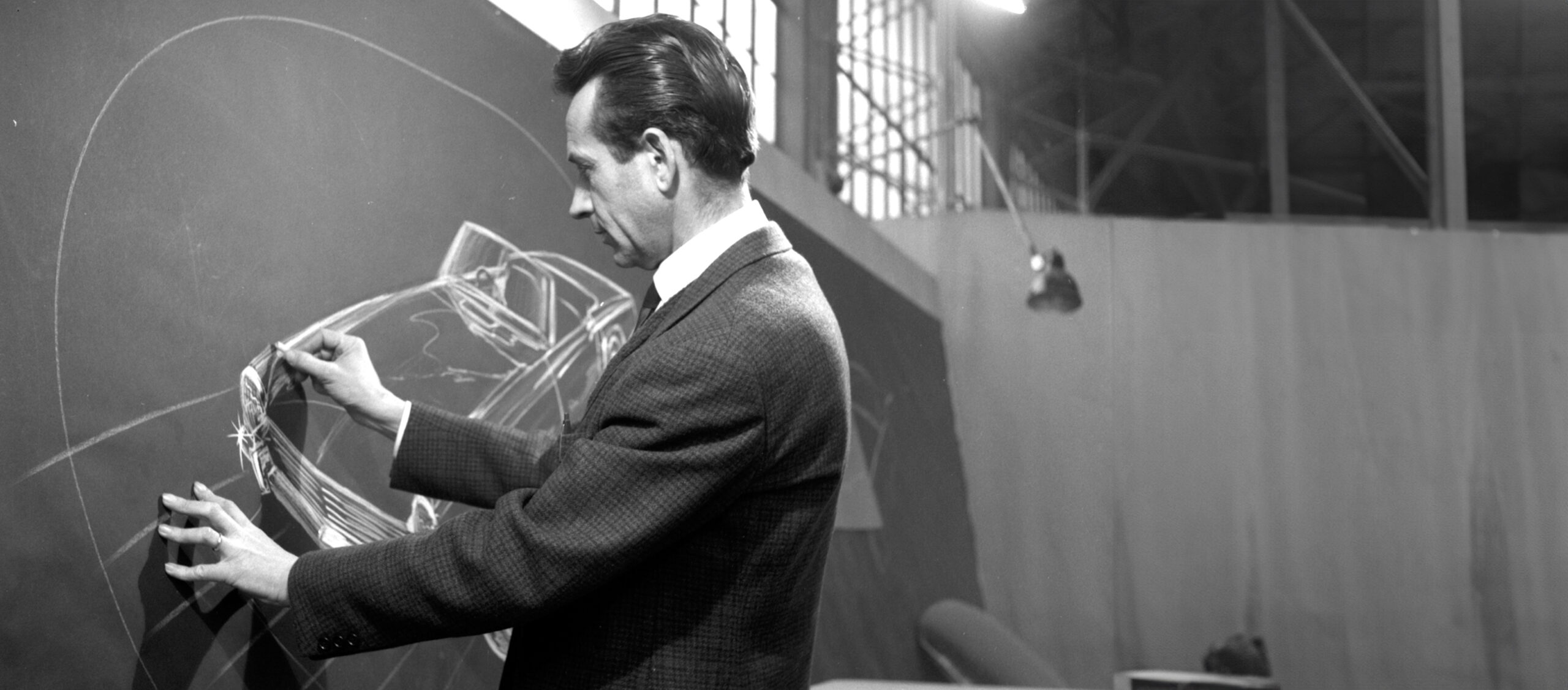
The Triumph Fury was a one-off prototype developed in 1965 as an internal research and design exercise. It was not commissioned for public exhibition and was never formally presented as a production-ready model. The car was designed by Giovanni Michelotti during a period in which Triumph was evaluating alternatives to the traditional separate-chassis layout used on the TR series. The Fury was constructed in the same year as the launch of the TR4A. Unlike contemporary Triumph sports cars, it used a monocoque structure, marking the first application of unitary construction to a Triumph sports prototype. The chassis was paired with the six-cylinder engine from the Triumph 2000. Suspension layout consisted of MacPherson struts at the front and transverse wishbones at the rear. Contemporary sources also reference design studies showing alternative configurations, including a V8 engine derived from Triumph’s four-cylinder unit and MacPherson struts at both axles. The body was designed as a two-seat open roadster. Overall proportions were compact, with visual similarity to an enlarged Spitfire. The name “Fury,” drawn from a British fighter aircraft, reinforced the association with the Spitfire nameplate. Design features included retractable headlights and a fully trimmed interior consistent with Triumph saloon standards of the period. The styling placed the car closer in appearance to contemporary high-end European sports cars than to the existing TR range. The Fury was not related to the later Triumph Stag project. Although similarities in layout and intent have led to retrospective comparisons, the Stag originated separately as a Michelotti show car and followed a different development path. The Fury instead represented an exploration of a new technical direction for Triumph sports cars, particularly in anticipation of increasing competition in the United States market during the late 1960s. At the time of the Fury’s construction, Triumph management was aware of the limitations of the TR chassis concept, which still relied on components and tooling dating back to the 1940s. The Fury demonstrated the feasibility of a modern, mass-producible sports car using shared components with Triumph saloons. However, the projected costs of development and retooling were considered high compared to extending the life of the existing TR platform. No production programme was approved. Triumph proceeded instead with the TR5 and later the TR6, both retaining the separate chassis architecture. The Fury prototype remained a single example and was later documented in private collections. It is now regarded as an unadopted technical and stylistic study rather than a cancelled production model.
IN THE ARCHIVE
Related people
IN THE ARCHIVE
Coachbuilders & design studios
02 / TECHNICAL IDENTITY
Specifications & construction
Production & construction
- Production
- 1
- Production type
- Prototype
Engine & performance
- Engine configuration
- Inline-6
Design & manufacture
- Designer · Documented
- Giovanni Michelotti
- Design Studio · Documented
- Studio Michelotti
- Manufacturer · Documented
- Triumph
06 / EVENTS & AWARDS
Events & awards
No events or documented awards are currently recorded for this vehicle.
07 / THE VEHICLE IN DETAIL
Photo gallery 4 photographs
08 / FROM THE ARCHIVE
Archive
References held in the vehicle dossier. Their inclusion does not establish that every historical claim has been independently verified.
| Reference | Source type |
|---|---|
| Classic & Sports Car — Michelotti classics www.classicandsportscar.com | Reputable classic automotive press |
THE CONVERSATION
Comments 0
Share a memory, a period photograph or a documented detail about this car.