
THE VEHICLE AT A GLANCE
Model dossier
- Production period
- 1970
- Body style
- Coupé
- Engine
- V4
- Type
- Limited
THE PEOPLE BEHIND THE CAR
Coachbuilding, design & conversions
PRICE & SALES RECORD
Vehicle value
- Original price
- Not documented
- Latest recorded sale
- Not documented
01 / THE STORY
History & context
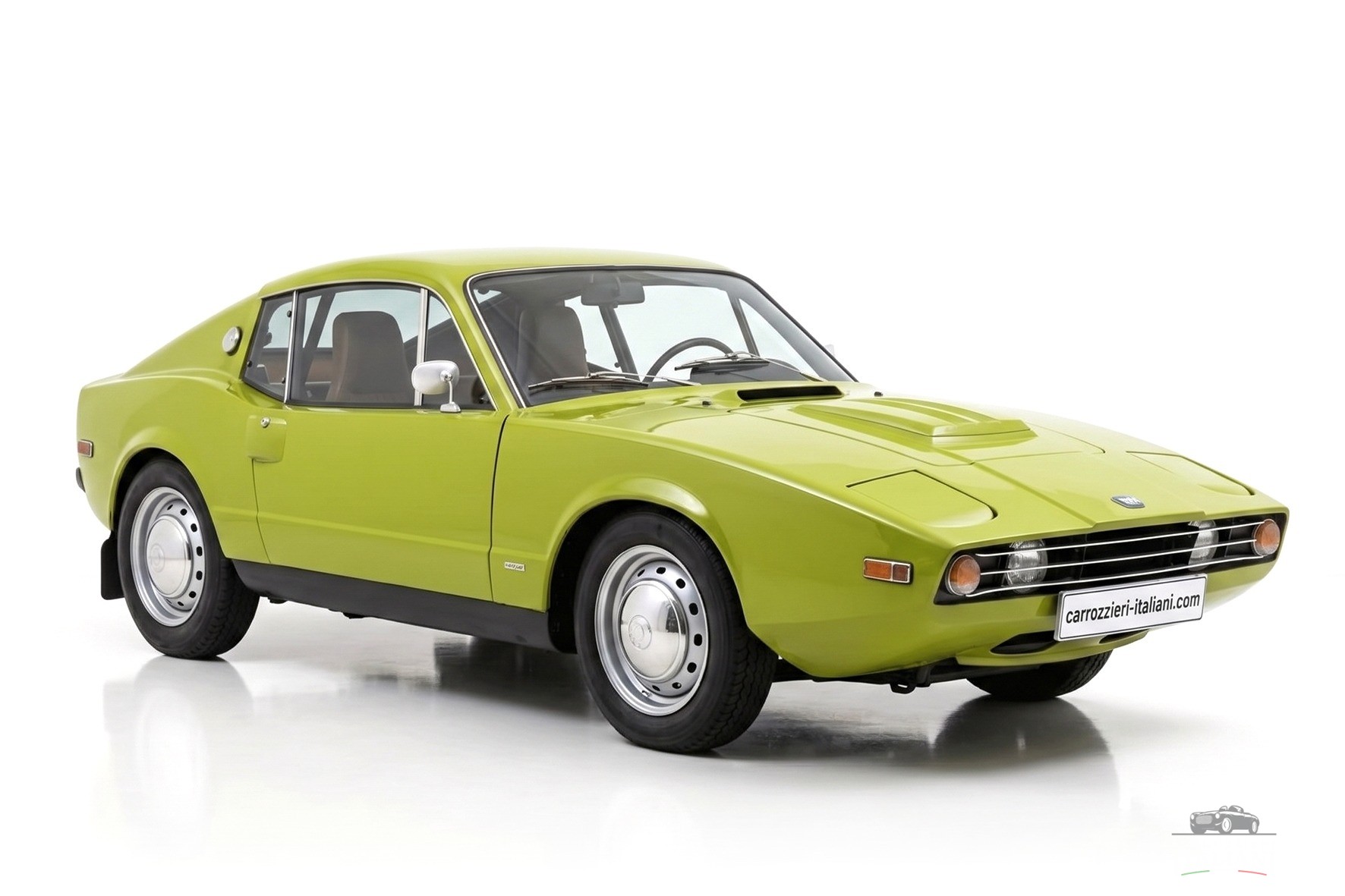
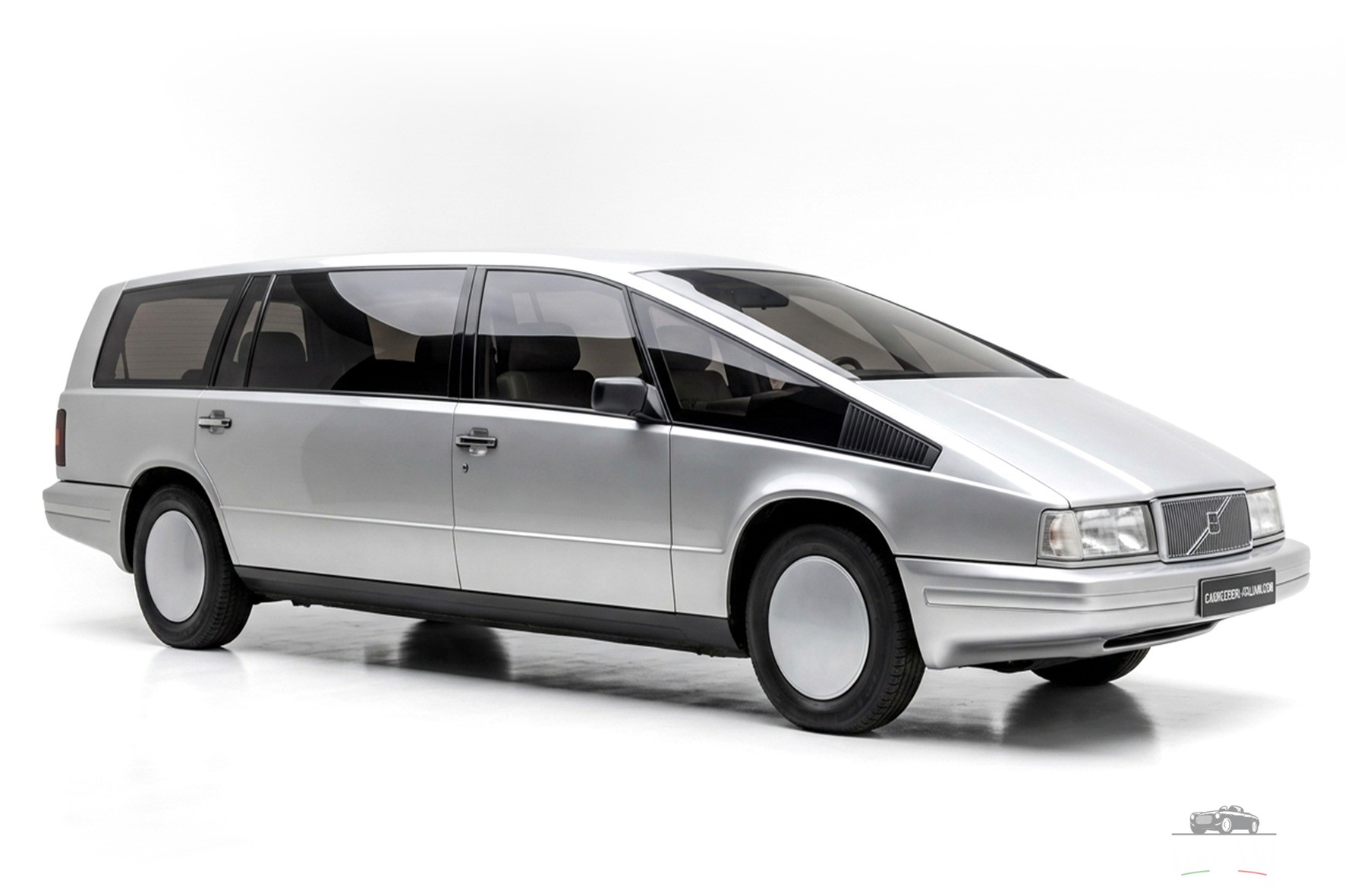
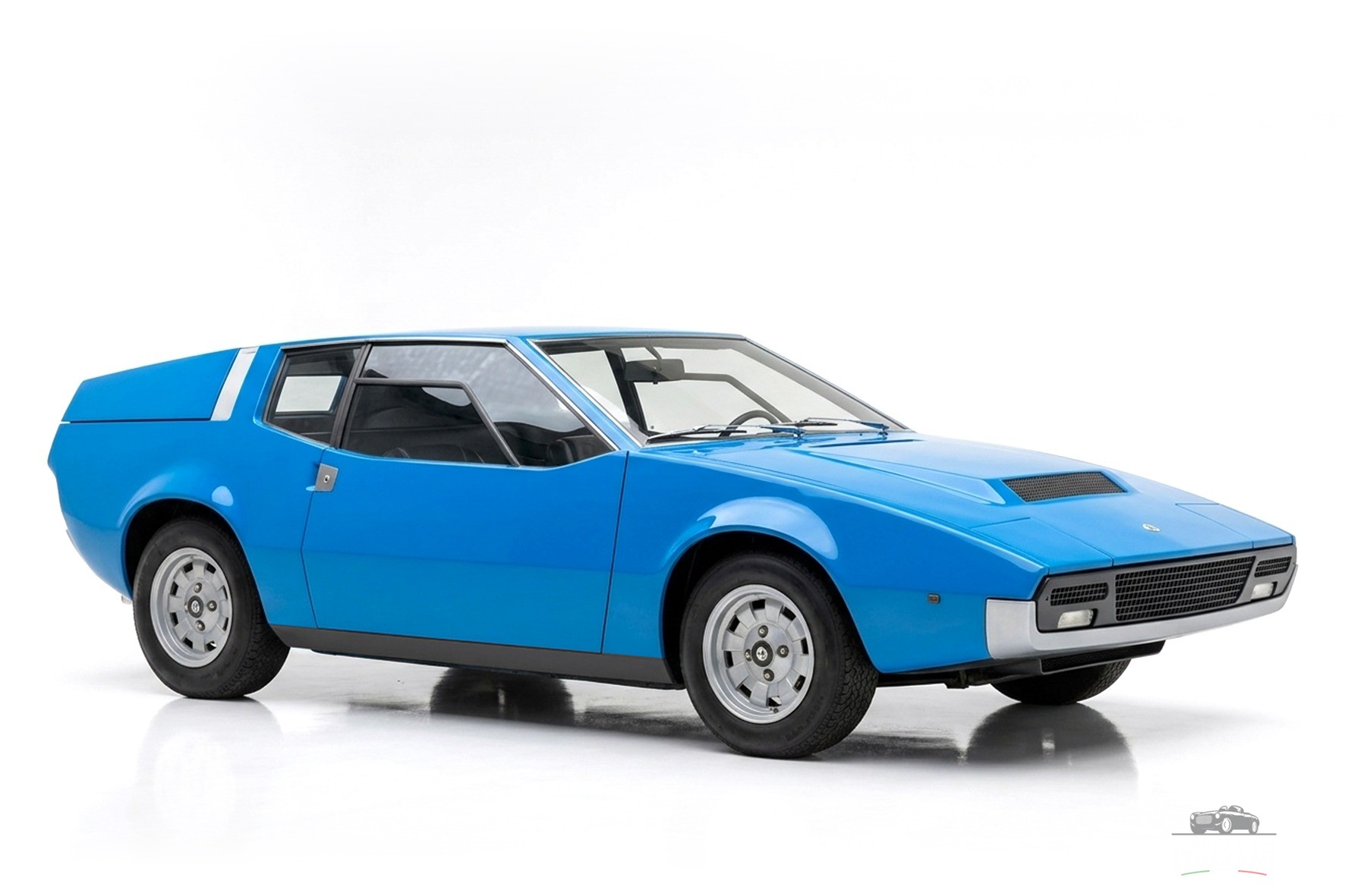
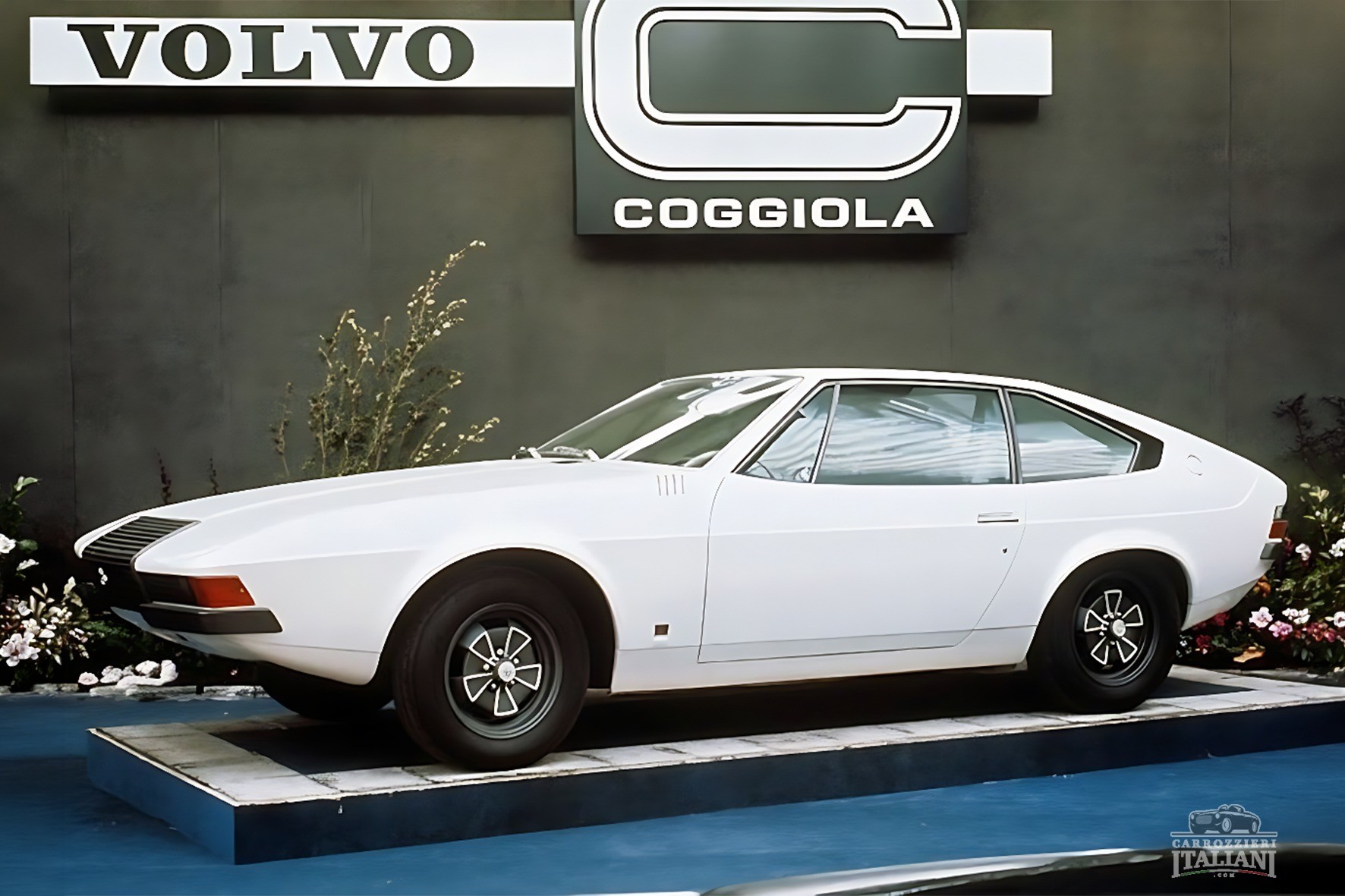
The Saab Sonett III, introduced in 1970, represented a significant evolution in Saab’s sports car lineup. Designed by the renowned Italian firm Carrozzeria Coggiola in Turin, the Sonett III featured sleeker lines and modernized aesthetics compared to its predecessor, the Sonett II. Built on Saab’s dedication to innovation and aerodynamics, the Sonett III achieved a remarkably low drag coefficient of 0.31, contributing to its sporty yet efficient performance. Under the hood, the Sonett III was powered by a 1.5-liter V4 engine sourced from Ford, which delivered 65 horsepower. In 1971, the engine displacement was increased to 1,699 cc, though the power output remained unchanged. Measuring 3,900 mm in length, 1,500 mm in width, and 1,190 mm in height, the compact Sonett III offered a nimble driving experience. It also marked a milestone for Saab, as it was the first model in the V4 range to feature a floor-mounted gearshift, enhancing driver engagement. The Sonett III incorporated several design innovations. One key change was the hinged rear-window glass, which replaced the Sonett II’s rear compartment hatch door, providing improved practicality. To comply with the mandate for a smoother, “bulge-less” hood, the engine compartment was reconfigured, with a small pop-up panel replacing the larger hood opening of earlier models. However, this design made engine maintenance more cumbersome, as extensive work required removing the entire front hood section. Despite its stylish design and technical advancements, the Sonett III faced challenges in the market. Its high price limited its appeal, and increasingly stringent U.S. emissions and safety regulations eventually curtailed production. Only 8,351 units were built during its run from 1970 to 1974. Ironically, the model’s most successful sales year—1974—was also its last, with 2,483 cars produced that year. The Saab Sonett III stands as a distinctive and innovative sports car that reflects Saab’s engineering prowess and unique design philosophy. Its rarity and charm have made it a sought-after model among enthusiasts and collectors. Photo courtesy of Pyritz Classics.
IN THE ARCHIVE
Coachbuilders & design studios
02 / TECHNICAL IDENTITY
Specifications & construction
Production & construction
- Production type
- Limited
Engine & performance
- Engine configuration
- V4
- Drive
- Front-wheel drive
- Specification notes
- TECH 2026-09-21 — FIA homologation confirms FWD for Sonett III. Engine displacement remains model-year-specific: heritage examples document both 1500 cc (1970) and 1700 cc (later years), so no single cc value is projected across the family.
Design & manufacture
- Coachbuilder / Body Builder · Documented
- Coggiola
- Manufacturer · Documented
- Saab
- Designer · Candidate
- Gunnar Sjorgen
06 / EVENTS & AWARDS
Events & awards
No events or documented awards are currently recorded for this vehicle.
07 / THE VEHICLE IN DETAIL
Photo gallery 10 photographs
Show 4 more photographs Show fewer photographs
08 / FROM THE ARCHIVE
Archive
References held in the vehicle dossier. Their inclusion does not establish that every historical claim has been independently verified.
| Reference | Source type |
|---|---|
| FIA Historic Database — Saab Sonett III historicdb.fia.com | Official homologation database |
| Saab Heritage Car Museum USA — Sonett III collection www.saabmuseumusa.com | Marque heritage museum |
THE CONVERSATION
Comments 0
Share a memory, a period photograph or a documented detail about this car.