
THE VEHICLE AT A GLANCE
Model dossier
- Production period
- 1975
- Body style
- Coupé
- Engine
- V8
- Type
- Limited
- Production
- 534
THE PEOPLE BEHIND THE CAR
Coachbuilding, design & conversions

PRICE & SALES RECORD
Vehicle value
- Original price
- Not documented
- Latest recorded sale
- Not documented
01 / THE STORY
History & context
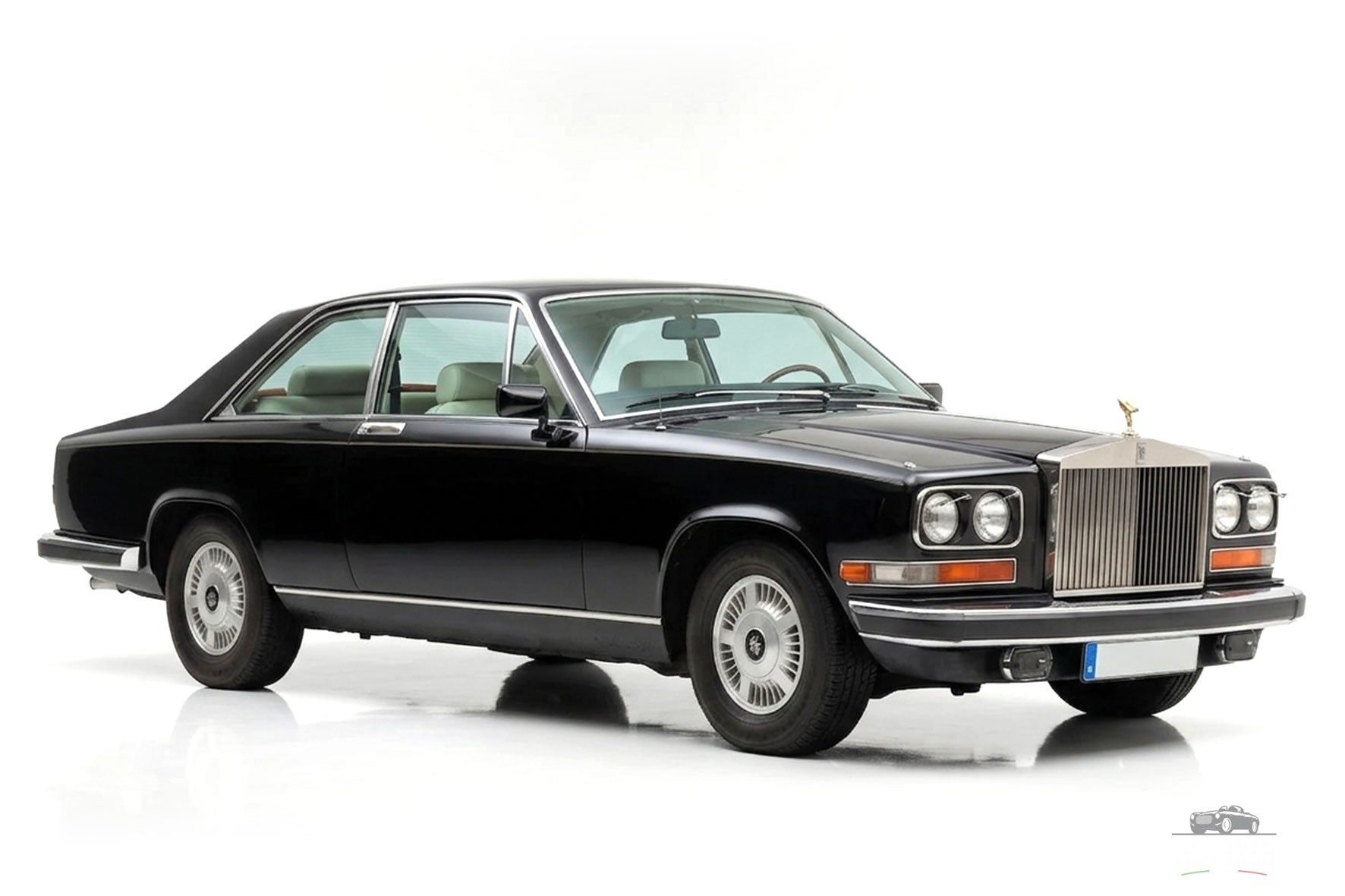
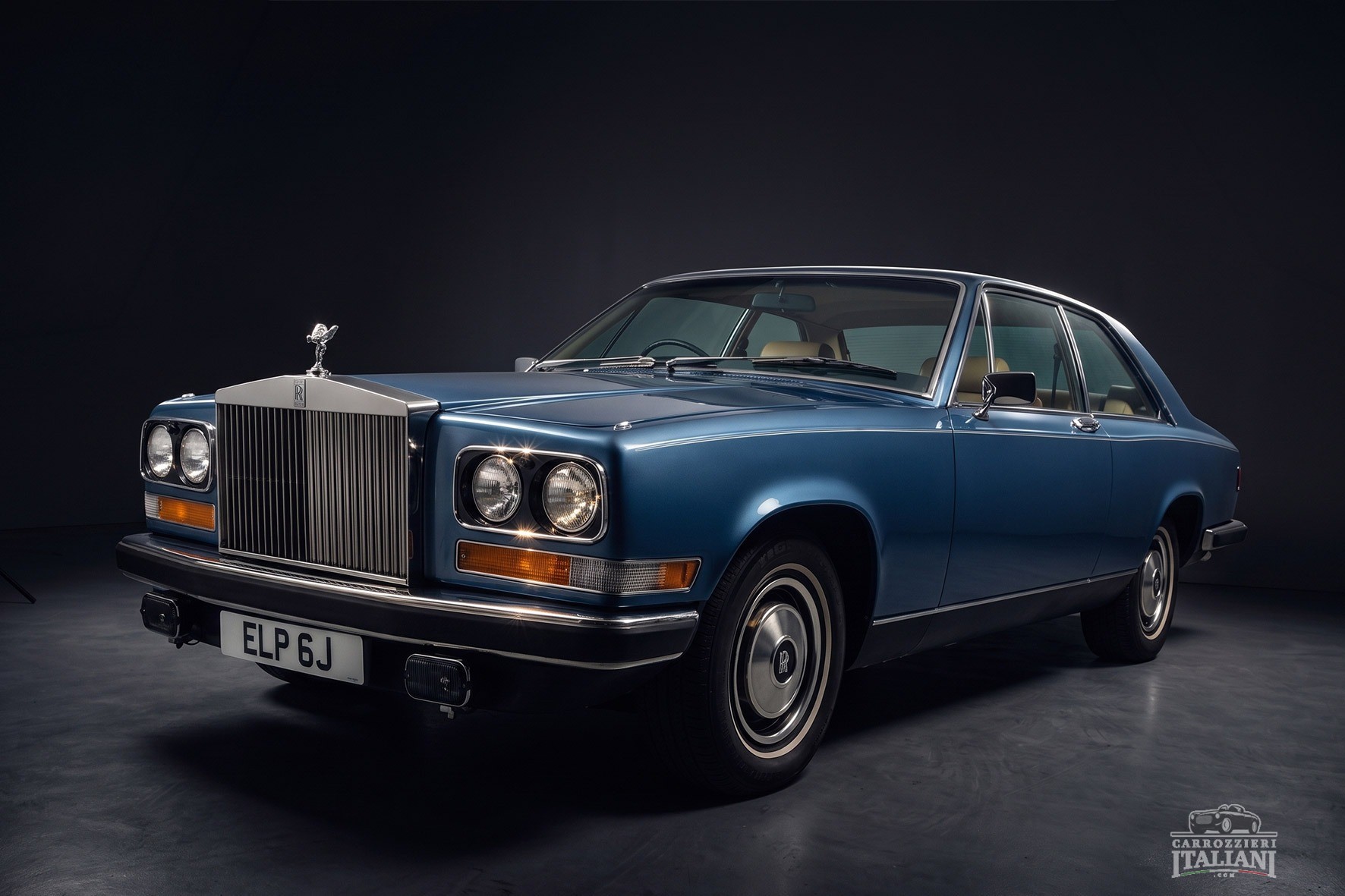
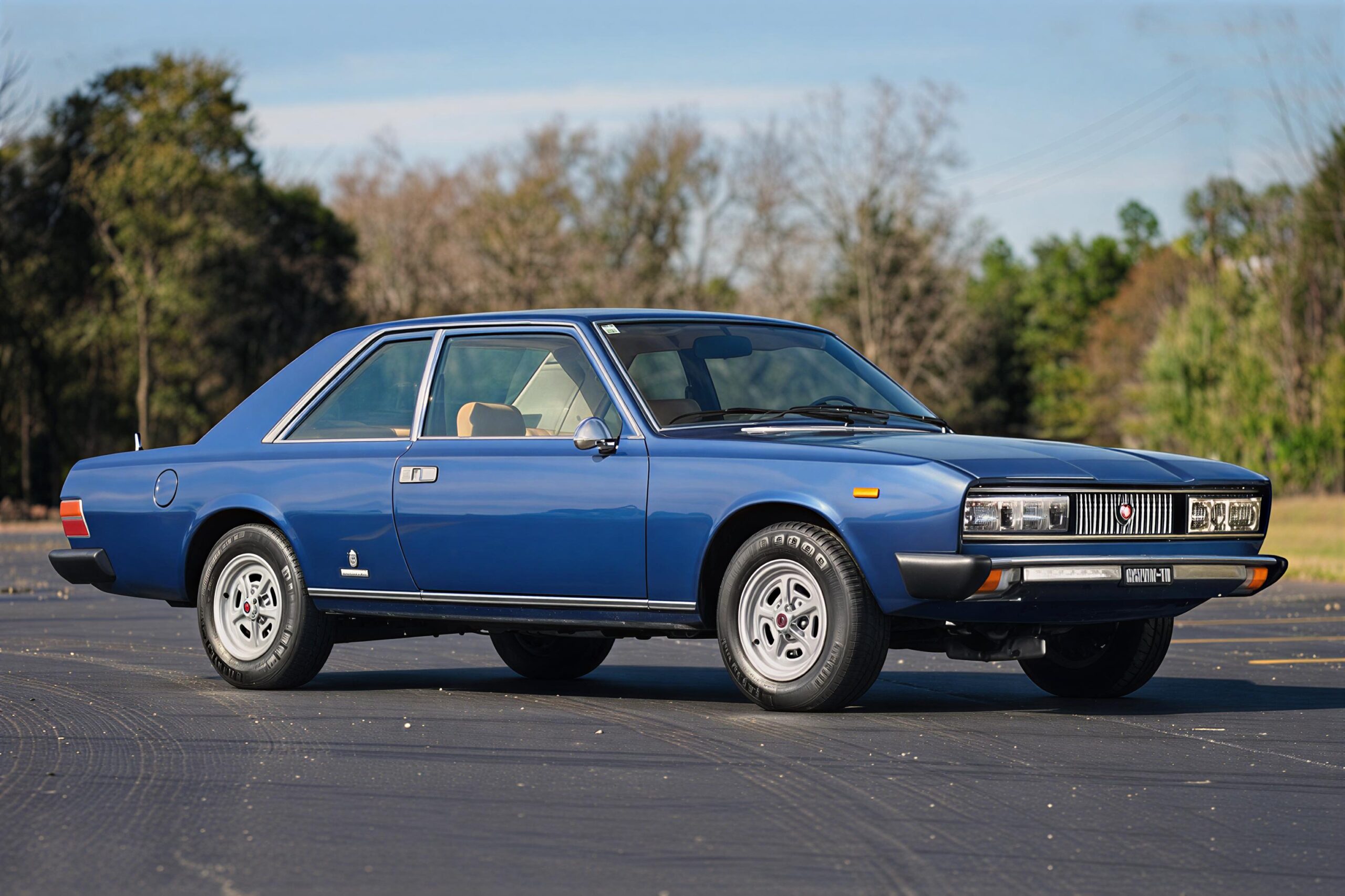
The Rolls-Royce Camargue was introduced in March 1975 and was produced until 1986. The bodywork of the Camargue, built in London in the Mulliner division, is the first post-war example of a model not designed inside the factory; the design is the work of an Italian designer, Paolo Martin, who was employed at Pininfarina at the time. The Rolls-Royce Camargue has a very boxy line, which separates it, stylistically speaking, from the other cars of the brand, bringing it closer to the Italian luxury coupes of Pininfarina. In particular, the pillar and rear window are reminiscent of the Fiat 130 Coupé, also born from the same pen of Paolo Martin. The Rolls-Royce Camargue width is further emphasized by the wide headlights and rear lights, and the grille. From the first studies in 1969, a few years had to pass before the definitive presentation took place at the 1975 Geneva motor show; this delay was due to the financial vicissitudes of the British house which was first declared bankrupt and then refounded. At the time of its launch, the Camargue was the spearhead of the company’s production and simultaneously the most expensive production car in the world, selling for about $147,000 at the time. The Rolls-Royce Camargue was sold in limited numbers in markets in Europe, the United States, Canada, Australia and Asia. It was named after the southern region of France, the Camargue, corresponding to the Rhone River Delta. The mechanical platform on which the car was based was in common with other models of the house, the Rolls-Royce Corniche and Silver Shadow. It was also powered by the same 6.75 L V8 powerplant as the Silver Shadow, only slightly uprated. The transmission, made by General Motors, was a 3-speed automatic transmission. The Rolls-Royce Camargue, which was very long and wide despite being a coupe, rested on a wheelbase of 3,048 mm and featured some solutions that were unprecedented within the company: it was designed, for example, using the units of measurement of the international system, and it had a sloping grille (by seven degrees); of course, the characteristic symbol of the company, the Spirit of Ecstasy, also stood out on this model. The Rolls-Royce Camargue also featured automatic climate control as standard equipment, a system that took eight years of research to develop. The first 60 Camargues produced were equipped with SU carburetors, the remaining 471 by another from Solex. In 1977 they were equipped with the steering system derived from the Silver Shadow of the time, and in 1979 the upgrade was to the suspension derived from the Silver Spirit. Production ceased in 1986, and in the eleven years of production 526 or 534 examples were assembled, including one on special order, branded Bentley.
IN THE ARCHIVE
Coachbuilders & design studios
02 / TECHNICAL IDENTITY
Specifications & construction
Production & construction
- Production
- 534
- Production type
- Limited
Engine & performance
- Engine configuration
- V8
Dimensions & accommodation
- Length
- 5,170 mm
- Width
- 1,920 mm
- Height
- 1,470 mm
Design & manufacture
- Coachbuilder / Body Builder · Documented
- Pininfarina
- Manufacturer · Documented
- Rolls-Royce
- Designer · Documented
- Paolo Martin
06 / EVENTS & AWARDS
Events & awards
Geneva General · legacy_preserved
- Date
- 1975
- Chassis
- General
Preserved CI 1.0 relation. Evidence field: _yoast_wpseo_primary_events. No award inferred.
07 / THE VEHICLE IN DETAIL
Photo gallery 8 photographs
Show 2 more photographs Show fewer photographs
08 / FROM THE ARCHIVE
Archive
References held in the vehicle dossier. Their inclusion does not establish that every historical claim has been independently verified.
| Reference | Source type |
|---|---|
| Rolls-Royce Motor Cars press archive — Camargue www.press.rolls-roycemotorcars.com | Manufacturer press archive |
THE CONVERSATION
Comments 0
Share a memory, a period photograph or a documented detail about this car.