
THE VEHICLE AT A GLANCE
Model dossier
- Manufacturer
- Mercedes-Benz
- Base model
- F400 Carving
- Coachbuilder
- Coggiola
- Production period
- 2001
- Body style
- Roadster
- Engine
- V6
- Type
- Concept
- Displacement
- 3,200 cc
THE PEOPLE BEHIND THE CAR
Coachbuilding, design & conversions
PRICE & SALES RECORD
Vehicle value
- Original price
- Not documented
- Latest recorded sale
- Not documented
01 / THE STORY
History & context
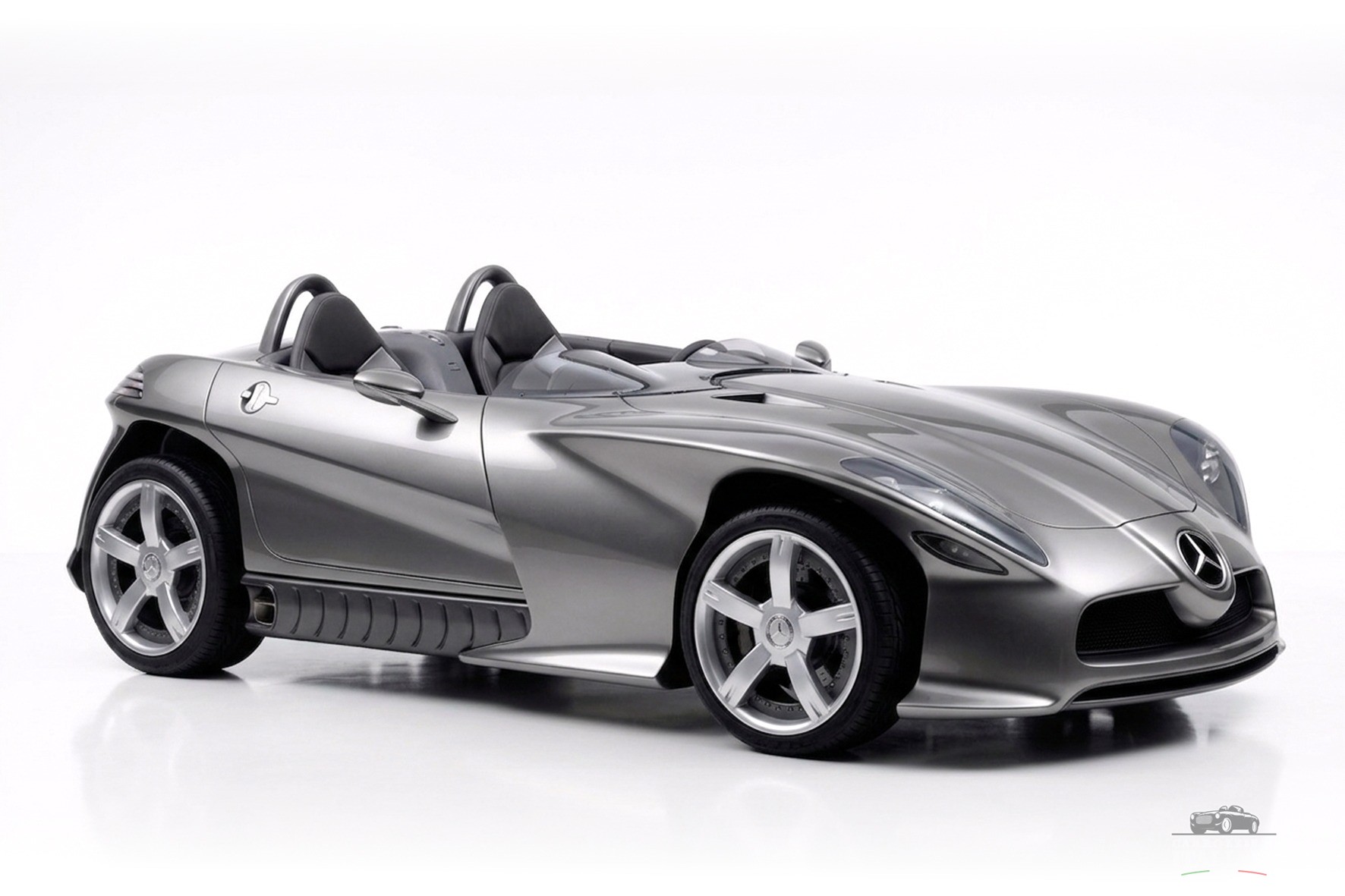
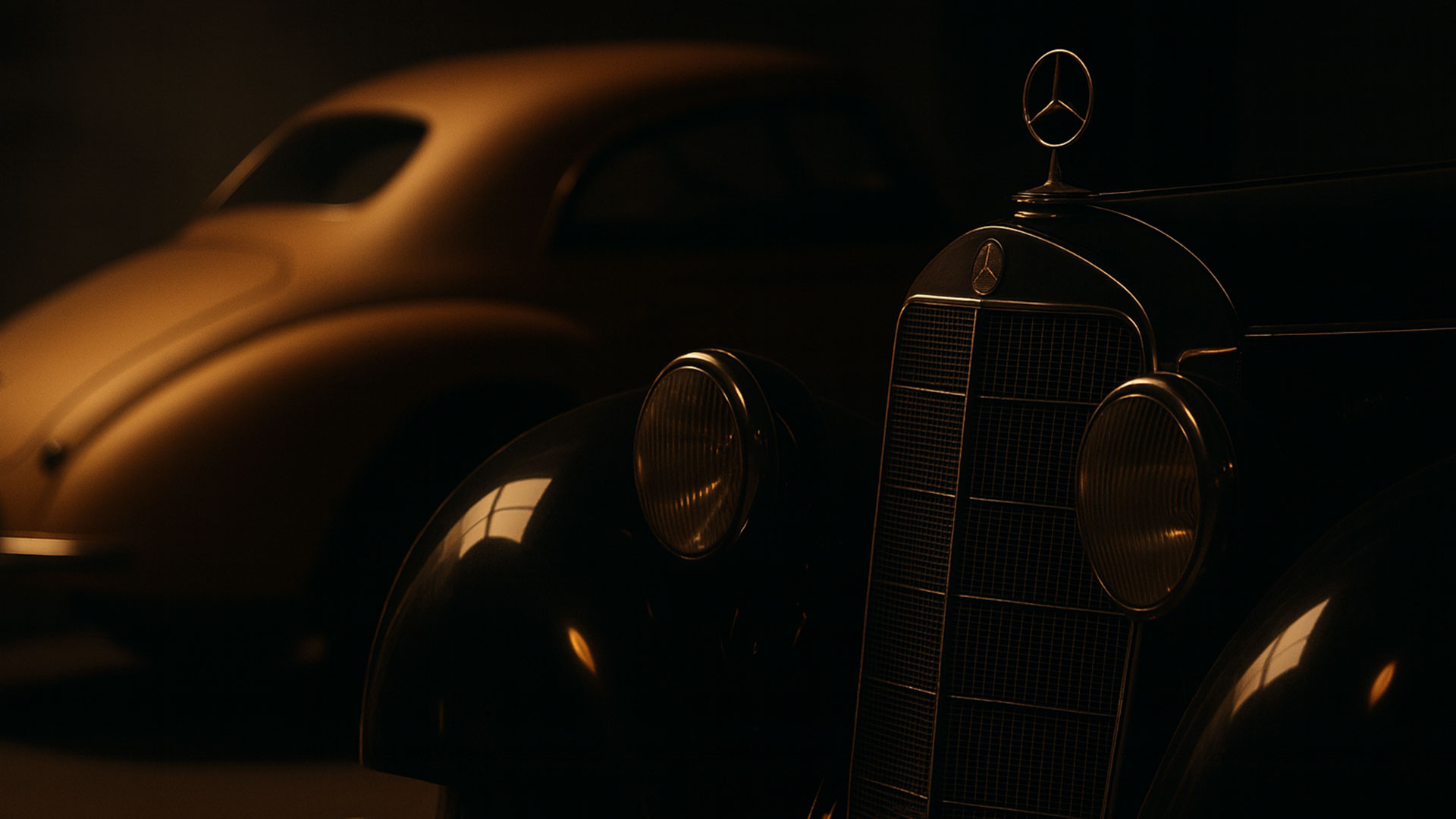
The Mercedes F400 Carving was an experimental concept car built by Italian coachbuilder Coggiola in collaboration with Mercedes-Benz, debuting as a cutting-edge research vehicle. While Mercedes is often known for its conservative approach, the F400 Carving broke the mold with a futuristic, technology-packed design aimed at testing and developing advanced automotive innovations. The F400 Carving built on the legacy of earlier Mercedes concept cars, such as the F100 from 1991, the F200 Imagination from 1996, and the F300 Lifejet unveiled in 1997. The F100 was a groundbreaking MPV, the F200 a technology-packed coupé, and the F300 a three-wheeled sports car unlike anything Mercedes had ever produced. In comparison, the F400 Carving, while still innovative, was slightly less radical than its predecessors. The car’s name, “Carving,” was inspired by its most radical feature: an adaptive suspension system that allowed the wheels to tilt up to 20 degrees during cornering, mimicking the lean of a skier to improve lateral stability by up to 30%. This innovative suspension, combined with a unique dual-tire system (featuring separate 19-inch and 17-inch tires for straight driving and cornering, respectively), demonstrated Mercedes’ commitment to pushing the boundaries of driving dynamics and safety. Other advanced technologies included fiber-optic headlamps, carbon ceramic brakes, electro-hydraulic braking, and a by-wire electric steering system. These features were far ahead of their time, many of which later influenced production vehicles. In terms of design, the F400 Carving’s unconventional, aggressive styling was shaped by its advanced mechanics. The exterior had to accommodate the tilting wheels while still maintaining a sleek and athletic appearance. Its gullwing doors nodded to the iconic Mercedes 300SL, while the minimalist interior echoed a race car, with few frills but high-quality materials and functional features like four-point harnesses. Ultimately, the F400 Carving was a testament to Mercedes’ ability to blend radical innovation with serious engineering, all within a concept that looked as wild as it was forward-thinking.
02 / TECHNICAL IDENTITY
Specifications & construction
Production & construction
- Production type
- Concept
Engine & performance
- Engine configuration
- V6
- Displacement
- 3,200 cc
- Power (kW)
- 160 kW
- Transmission
- 5-speed electrohydraulically controlled manual
- Drive
- Rear-wheel drive
- Specification notes
- TECH 2026-09-21 — Mercedes-Benz Clubs technical archive: 3.2-litre six-cylinder, 160 kW (218 hp), rear-wheel drive and electrohydraulically controlled five-speed manual.
03 / DESIGN, BODY & SUPPLIERS
Design, body & suppliers
Design & manufacture
- Manufacturer · Documented
- Mercedes-Benz
- Coachbuilder / Body Builder · Documented
- Coggiola
Body form & construction
- Body style
- Roadster
04 / EVENTS & CHRONOLOGY
Events & awards
No events or documented awards are currently recorded for this vehicle.
08 / GALLERY
Photo gallery 4 photographs
09 / PERIOD ARCHIVE
Period photographs & advertising
The period archive gallery will show historical photographs, advertisements, brochures and press images once assets, provenance and usage rights have been recorded in the masterfile.
THE CONVERSATION
Comments 0
Share a memory, a period photograph or a documented detail about this car.