
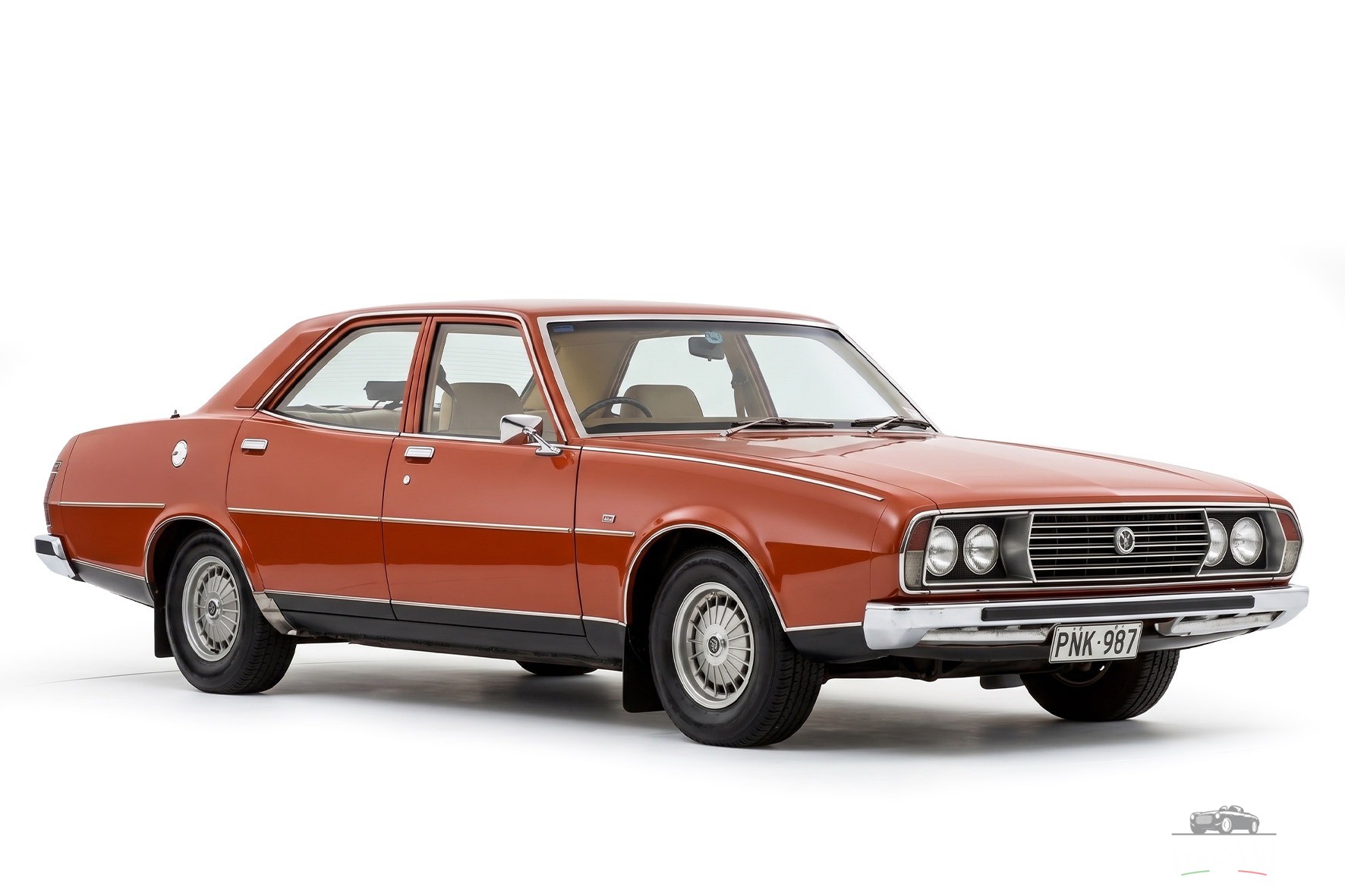
THE VEHICLE AT A GLANCE
Model dossier
- Production period
- 1973
- Body style
- Berlina
- Engine
- V8
- Type
- Mass
THE PEOPLE BEHIND THE CAR
Coachbuilding, design & conversions
PRICE & SALES RECORD
Vehicle value
- Original price
- Not documented
- Latest recorded sale
- Not documented
01 / THE STORY
History & context
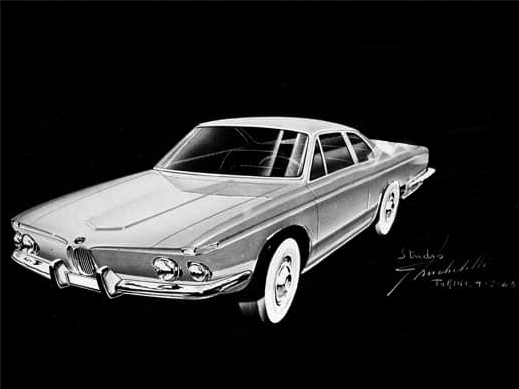
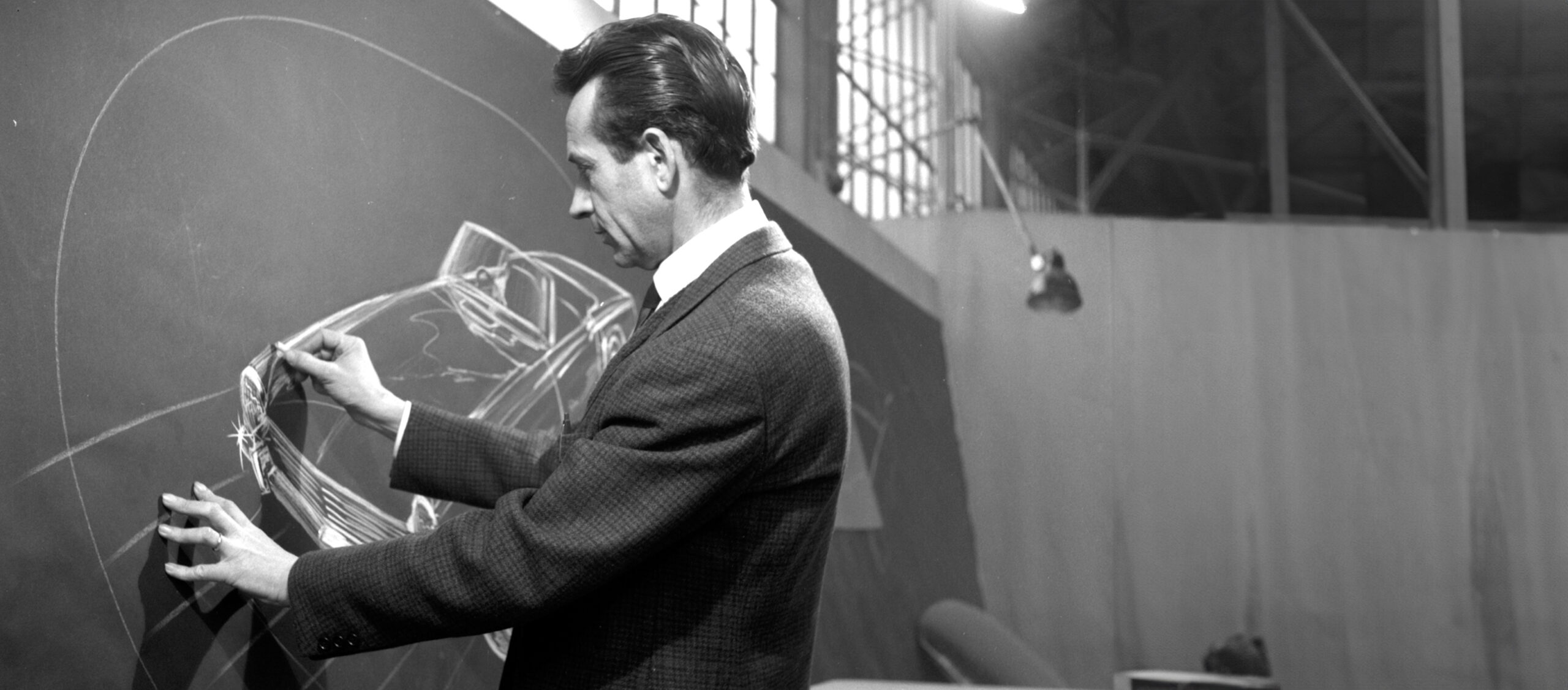
The Leyland P76 was a full-size passenger sedan manufactured by Leyland Australia between 1973 and 1975. Conceived as a response to the dominance of the Ford Falcon, Holden Kingswood, and Chrysler Valiant in the Australian market, the P76 was intended to establish a locally developed alternative offering comparable dimensions, powertrain performance, and interior accommodation. The project reflected Leyland Australia’s broader strategy to assert a stronger market presence through an independent, nationally tailored product. The vehicle employed a conventional front-engine, rear-wheel-drive layout and was constructed on a unibody platform. Powertrain options included a 2.6-liter E-series inline-four and a 4.4-liter alloy V8 derived from the Rover engine family. The V8 variant produced approximately 192 horsepower and was paired with either manual or automatic transmission systems. Suspension consisted of independent front MacPherson struts and a live rear axle with semi-elliptic leaf springs. Braking was managed via front discs and rear drums. The design of the P76 has often been associated with Giovanni Michelotti, though accounts regarding the extent of his involvement vary. While Michelotti’s name appeared in official communications and some retrospective sources credit him with the exterior styling, evidence suggests that the initial concept was developed by Romand Rodbergh, an in-house stylist at Leyland Australia. Michelotti’s contribution is understood to have consisted of refining and finalizing the existing design within a compressed timeframe. The resulting bodywork featured angular lines, recessed door handles, and a high beltline, with proportions intended to maximize interior space and boot capacity. One of the vehicle’s distinguishing features was its boot, advertised as capable of accommodating a 44-gallon drum. Although it was awarded *Wheels* magazine’s Car of the Year in 1973, the P76 experienced commercial and production difficulties. The 1973 oil crisis, quality control challenges, labor disputes, and supply disruptions all contributed to its short market lifespan. Planned derivativesincluding a two-door hatchback called the Force 7were cancelled prior to volume production. Total output amounted to approximately 18,000 units before the closure of Leyland’s Zetland assembly facility. The P76 occupies a singular position in Australian automotive history, serving as both an emblem of industrial ambition and a case study in the limitations of localized automotive development within a multinational framework.
IN THE ARCHIVE
Related people
02 / TECHNICAL IDENTITY
Specifications & construction
Production & construction
- Production type
- Mass
Engine & performance
- Engine configuration
- V8
Design & manufacture
- Designer · Documented
- Giovanni Michelotti
- Manufacturer · Documented
- Leyland
06 / EVENTS & AWARDS
Events & awards
No events or documented awards are currently recorded for this vehicle.
07 / THE VEHICLE IN DETAIL
Photo gallery 1 photographs
08 / FROM THE ARCHIVE
Archive
References held in the vehicle dossier. Their inclusion does not establish that every historical claim has been independently verified.
| Reference | Source type |
|---|---|
| National Leyland P76 Owners — The P76 History www.p76.com.au | Marque club history |
THE CONVERSATION
Comments 0
Share a memory, a period photograph or a documented detail about this car.