
THE VEHICLE AT A GLANCE
Model dossier
- Manufacturer
- Lancia
- Base model
- Astura
- Coachbuilt version
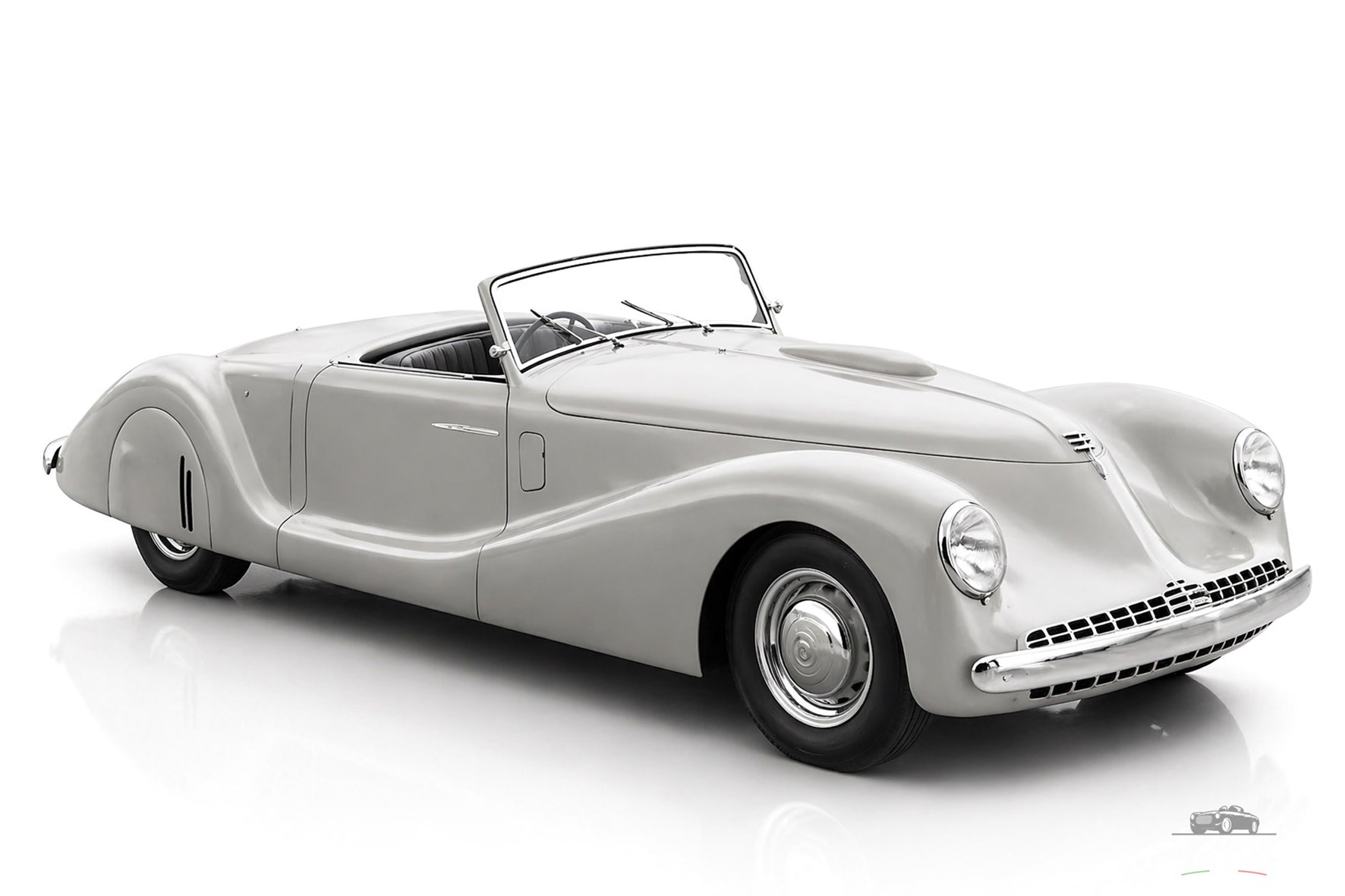
- Postwar Spider Pinin Farina — exact chassis open
- Coachbuilder
- Pininfarina
- Production period
- 1946
- Body style
- Spider
- Designer
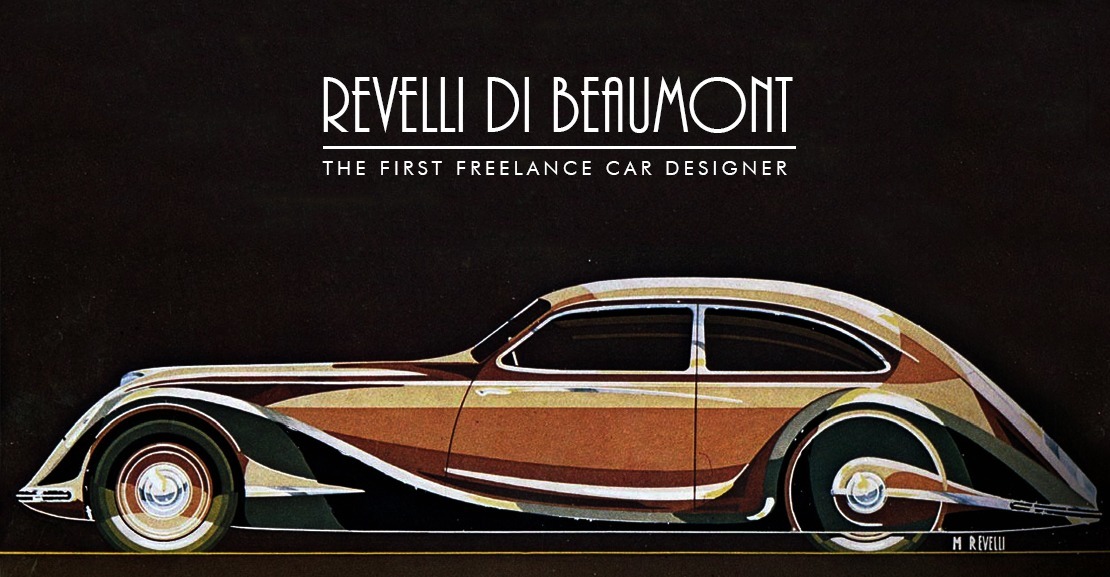
- Mario Revelli di Beaumont
THE PEOPLE BEHIND THE CAR
Coachbuilding, design & conversions
PRICE & SALES RECORD
Vehicle value
- Original price
- Not documented
- Latest recorded sale
- Not documented
01 / THE STORY
History & context
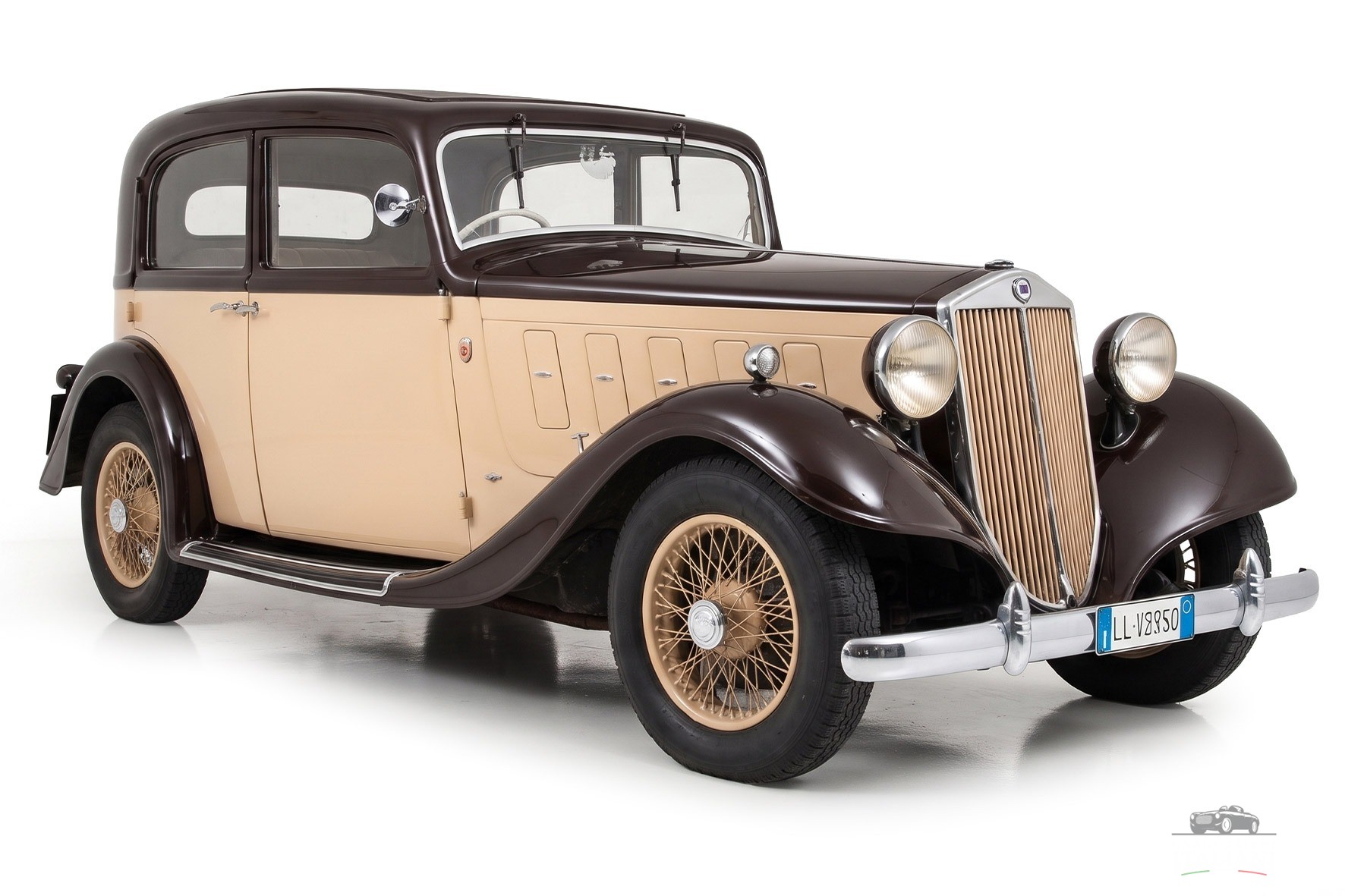
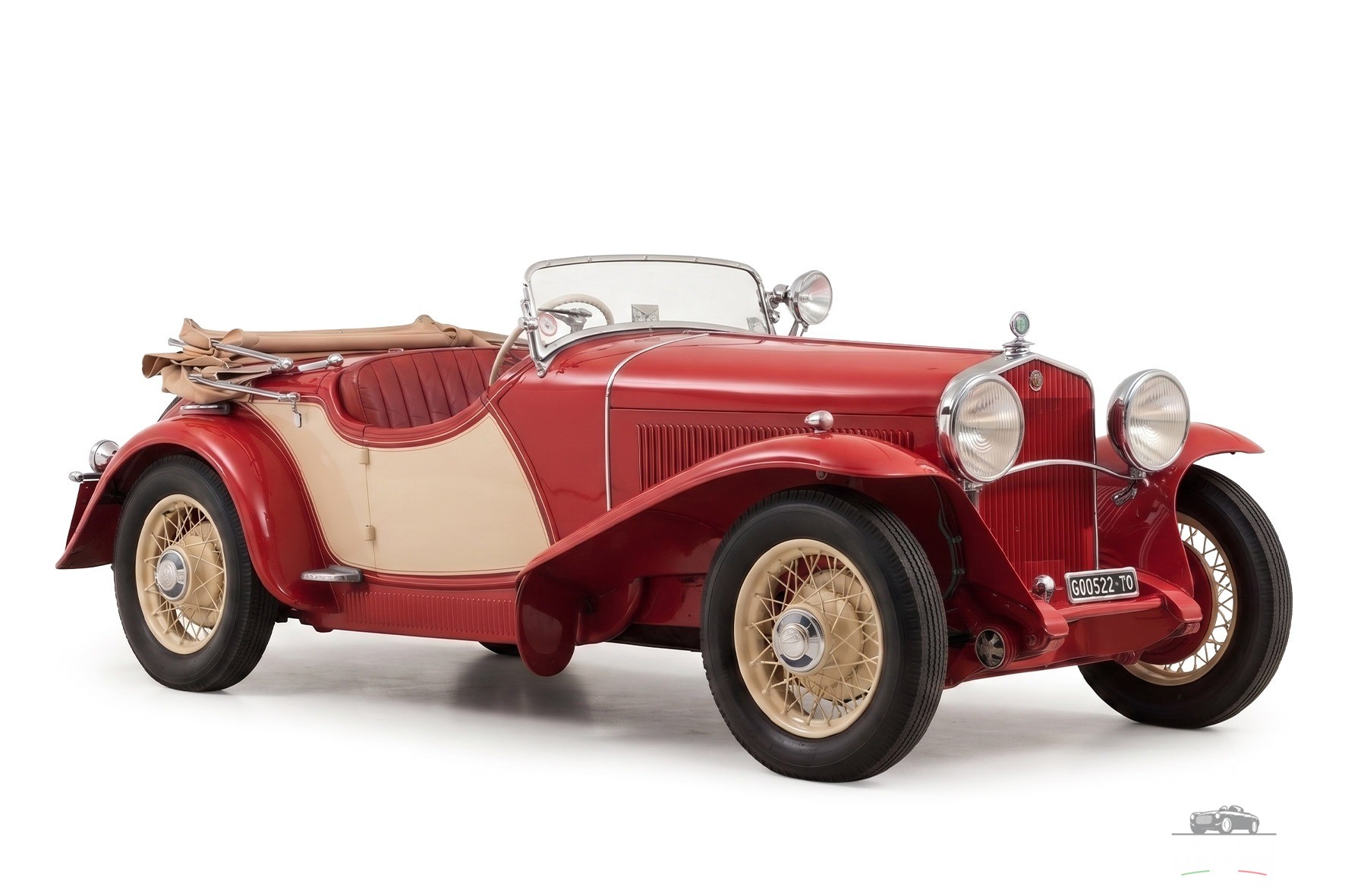
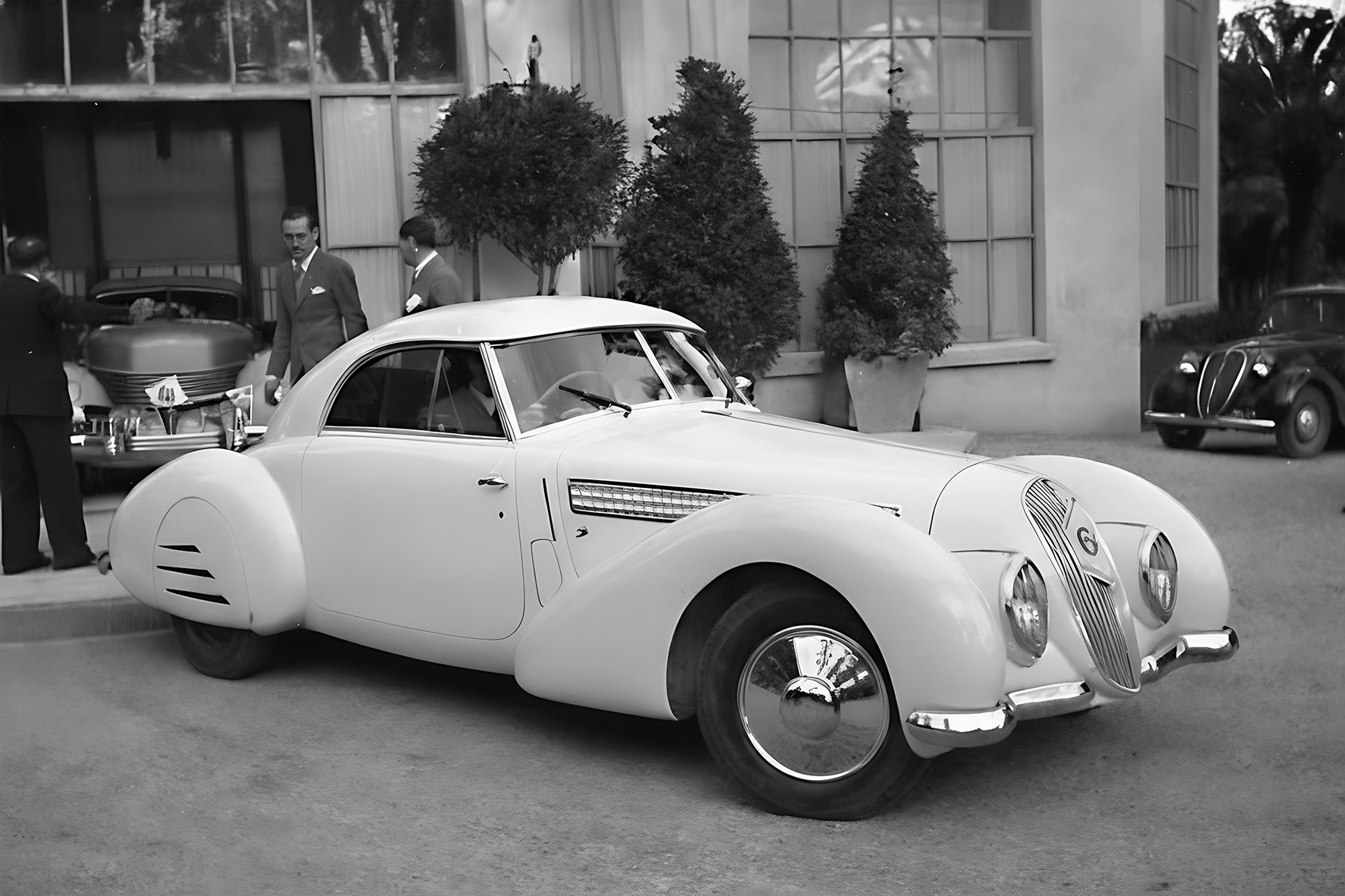
The Lancia Astura Spider (1946) was coachbuilt by Pininfarina on a prewar Astura chassis and designed by Mario Revelli di Beaumont. The Astura series, introduced in 1931, represented Lancia’s upper-range offering and was widely selected by private clients for bespoke coachwork. Production of Astura chassis continued into the late 1930s, and several examples remained incomplete at the outbreak of the Second World War. These chassis were finished only after 1945, often receiving new bodies reflecting postwar design tendencies. This Spider was completed in 1946 and reflects the transition from prewar stylistic language to early postwar aerodynamic clarity. The body was constructed using traditional Italian coachbuilding methods, with hand-formed aluminum panels over a wooden frame. The design emphasizes smooth, continuous surfaces, integrated front fenders, a tapered rear section, and a low, upright windscreen. Decorative elements were reduced, consistent with Pininfarina’s restrained approach during the immediate postwar period. The car was publicly introduced during the 1946 Turin Grand Prix, held on a street circuit through the city. For this event, the Astura Spider served as the lead car preceding the race start, a role that positioned it as a ceremonial symbol of Italy’s return to international motorsport following the war. Period imagery confirms the Grand Prix circuit visible in the background, firmly associating the car with the event. Mechanically, the Spider retained the standard Lancia Astura chassis and its narrow-angle V8 engine. The engine displaced approximately 2,973 cc and featured a single overhead camshaft per cylinder bank. Power output varied by specification but typically ranged between 82 and 95 horsepower. A four-speed manual gearbox transmitted power to the rear wheels. The chassis employed Lancia’s characteristic independent sliding-pillar front suspension and a live rear axle with semi-elliptic leaf springs, providing refined road manners and ride comfort. The Spider was produced as a single example. The first recorded owner was an American named Huriburn, reflecting renewed transatlantic demand for Italian luxury automobiles in the immediate postwar years. The car remains documented in period records as a late Astura-bodied example, combining prewar mechanical architecture with postwar coachbuilding design principles.
02 / TECHNICAL IDENTITY
Specifications & construction
Production & construction
- Production type
- Fuori-serie
- Production notes
- Post-war 1946 Pinin Farina Astura Spider page retained as a model-level fuori-serie identity. Numeric Units=1 removed: no exact chassis or production census proves literal one-off status. Mario Revelli di Beaumont remains candidate.
Engine & performance
- Engine configuration
- V8
03 / DESIGN, BODY & SUPPLIERS
Design, body & suppliers
Design & manufacture
- Designer · Candidate
- Mario Revelli di Beaumont
- Manufacturer · Documented
- Lancia
- Coachbuilder / Body Builder · Documented
- Pininfarina
Body form & construction
- Body style
- Spider
04 / EVENTS & CHRONOLOGY
Events & chronology
No events or documented awards are currently recorded for this vehicle.
08 / GALLERY
Photo gallery 12 photographs
Show 6 more photographs Show fewer photographs
09 / PERIOD ARCHIVE
Period photographs & advertising
The period archive gallery will show historical photographs, advertisements, brochures and press images once assets, provenance and usage rights have been recorded in the masterfile.

THE CONVERSATION
Comments 0
Share a memory, a period photograph or a documented detail about this car.