
THE VEHICLE AT A GLANCE
Model dossier
- Manufacturer
- Lancia
- Base model
- Aprilia
- Coachbuilt version
- Cabriolet Pinin Farina
- Coachbuilder
- Pininfarina
- Production period
- 1946
- Body style
- Cabriolet
- Designer
- Fedele Bianco
THE PEOPLE BEHIND THE CAR
Coachbuilding, design & conversions

PRICE & SALES RECORD
Vehicle value
- Original price
- Not documented
- Latest recorded sale
- Not documented
01 / THE STORY
History & context
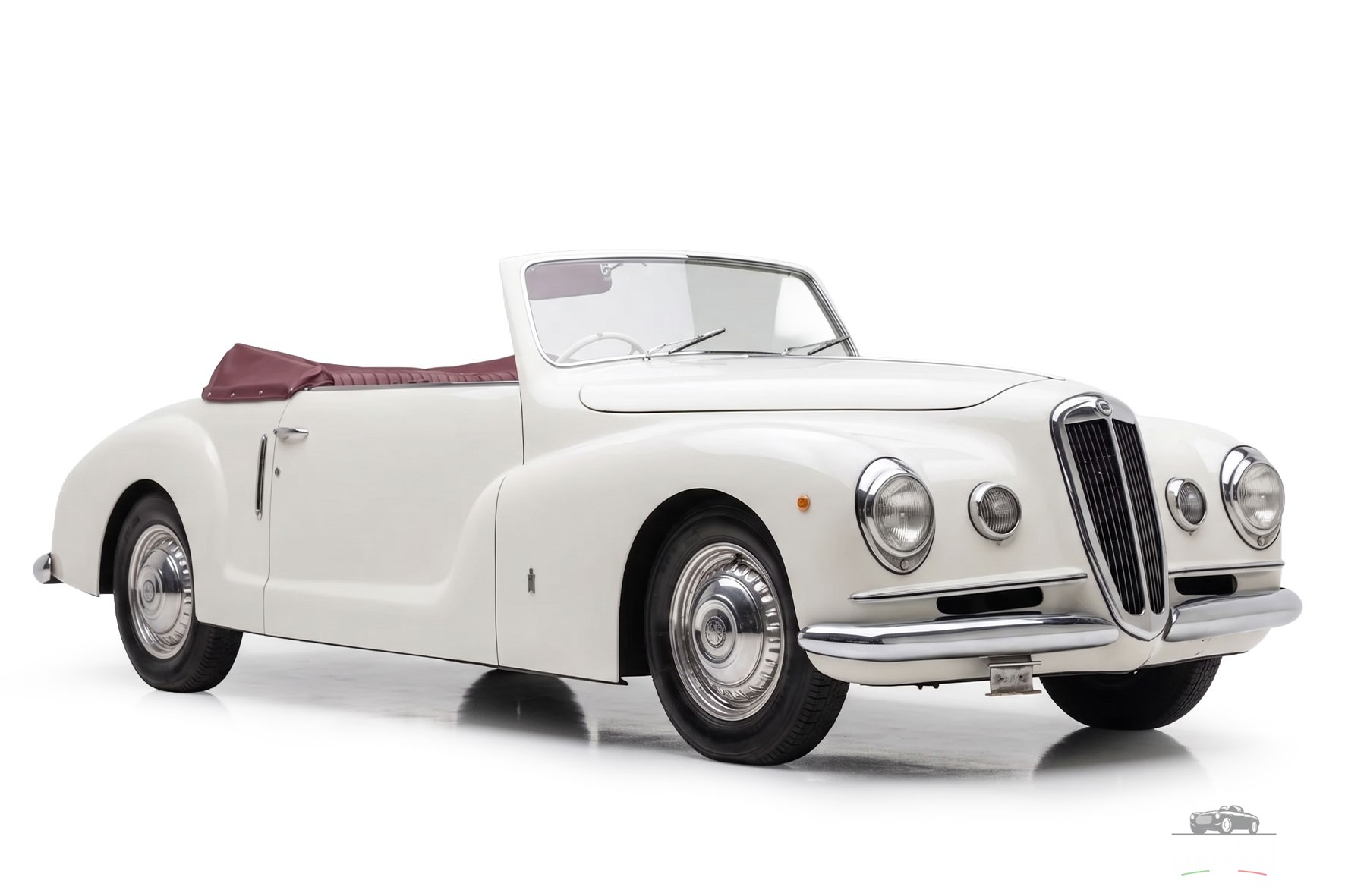
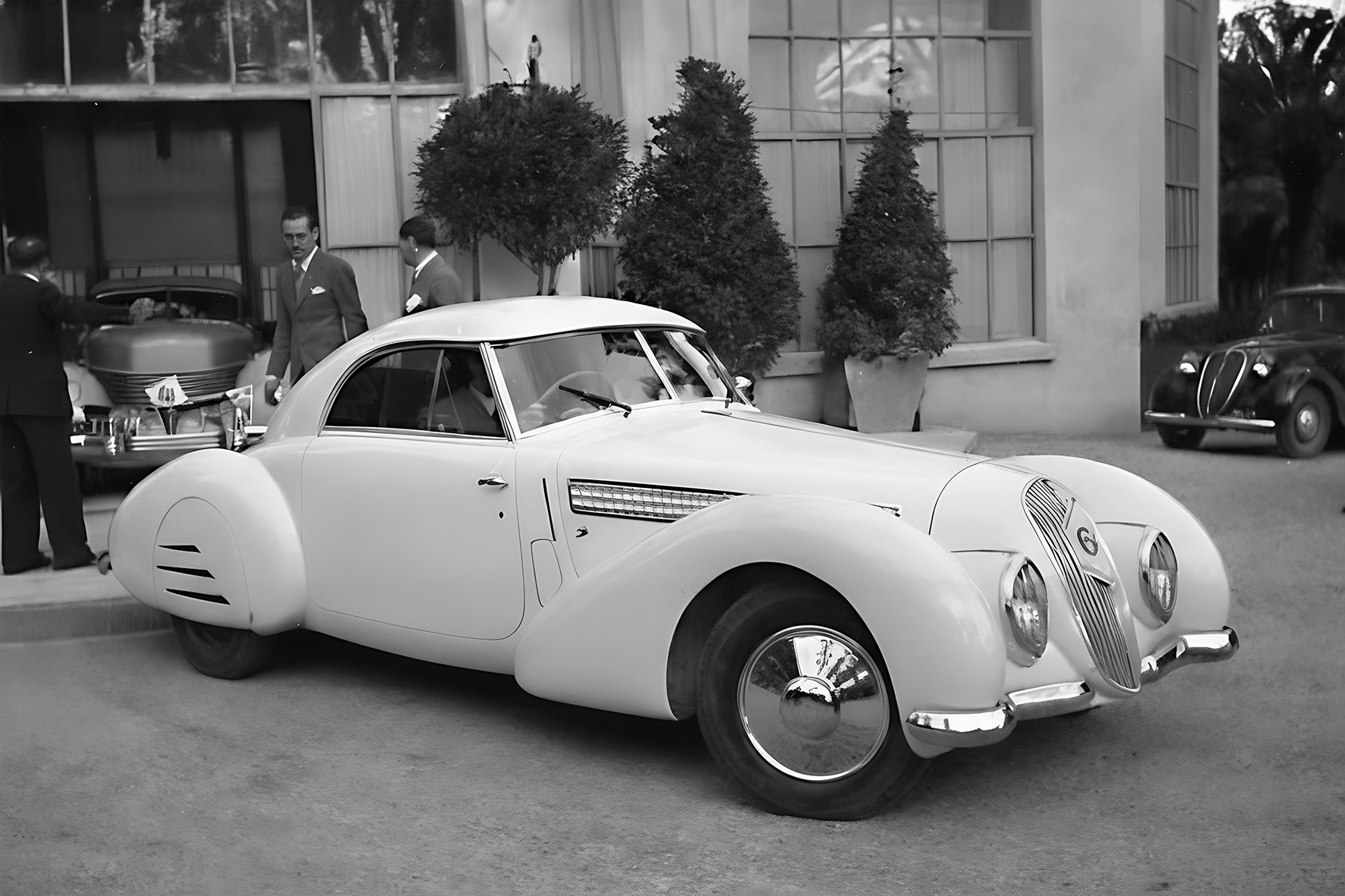
The Lancia Aprilia Cabriolet chassis 439-11397 by Pininfarina is a rare and remarkable model, blending Italian craftsmanship with bold innovation. Before World War II, Pinin Farina was already renowned for creating bespoke Lancia Aprilias for both road and competition use. Among these, two-door cabriolets and various berlinas featured prominently in Lancia’s factory catalogues. Despite the heavy toll that Allied bombings took on Italy during the war, Lancia Aprilia production continued throughout, though it was greatly reduced. Of the more than 28,600 Lancia Aprilias produced between 1937 and 1949, only 10 units were blessed with this Pinin Farina’s elegant cabriolet bodywork. These hand-crafted masterpieces embodied the peak of pre-war design and continued to shine even in post-war Europe. Chassis 439-11397, played a key role in one of Battista Pininfarina’s most famous promotional feats. In 1946, Italy had been excluded from the Paris Motor Show due to the country’s wartime allegiances, but this didn’t deter Pininfarina. Battista and his son Sergio made a daring decision to drive two newly designed models, the Alfa Romeo 6C 2500 and Lancia Aprilia 439-11397, across Europe from Turin to Paris. Upon arriving, they boldly parked their cars right at the entrance to the Grand Palais, the venue for the motor show, capturing the attention of everyone in attendance. The striking presence of the two cars, coupled with Pininfarina’s impeccable sense of timing and showmanship, won over the press and the public alike. One French journalist famously remarked, “Ce diable de Farina a ouvert son antisalon personnel” (This devil Farina has opened his personal anti-show), highlighting Pininfarina’s audacious and highly successful guerrilla marketing. This act cemented the Lancia Aprilia Cabriolet Pininfarina as not only a symbol of elegance but also of bold innovation.
02 / TECHNICAL IDENTITY
Specifications & construction
Production & construction
- Production type
- Limited
- Production notes
- Produced June 1946 and completed by Pinin Farina in September 1946 according to CI archival reconstruction. Independent sources confirm the 1946 Paris anti-Salon involved a Lancia Aprilia Cabriolet, but do not expose its chassis; CI identifies it as 439-11397. Legacy production_units=1 cleared because the same reconstruction describes this car as the first of a small series.
Engine & performance
- Engine configuration
- V4
- Displacement
- 1,486 cc
- Power (CV)
- 48 CV
- Engine speed
- 4,300 rpm
- Transmission
- Manual 4-speed
- Drive
- Rear-wheel drive
- Specification notes
- Confidence detail moved from confidence: high_exact_chassis / high_CI_archival_event_attribution / medium_external_event_bridge | Source-backed donor/model-level baseline for Lancia Aprilia second series (1940–1949 in this projection): narrow-angle V4, 1486 cc, 48 CV at 4300 rpm, 4-speed manual, rear-wheel drive. Coachbuilt-body dimensions, weight and maximum speed are intentionally not inherited.
- Gearbox
- Manual 4-speed
- Drivetrain
- RWD
- Power RPM
- 4300 rpm
03 / DESIGN, BODY & SUPPLIERS
Design, body & suppliers
Design & manufacture
- Manufacturer · Documented
- Lancia
- Coachbuilder / Body Builder · Documented
- Pininfarina
- Designer · Candidate
- Fedele Bianco
Body form & construction
- Body style
- Cabriolet
04 / EVENTS & CHRONOLOGY
Events & chronology
No events or documented awards are currently recorded for this vehicle.
06 / CHASSIS REGISTER
Chassis register
Chassis 439-11397
- Chassis number
- 439-11397
- Year
- 1946
08 / GALLERY
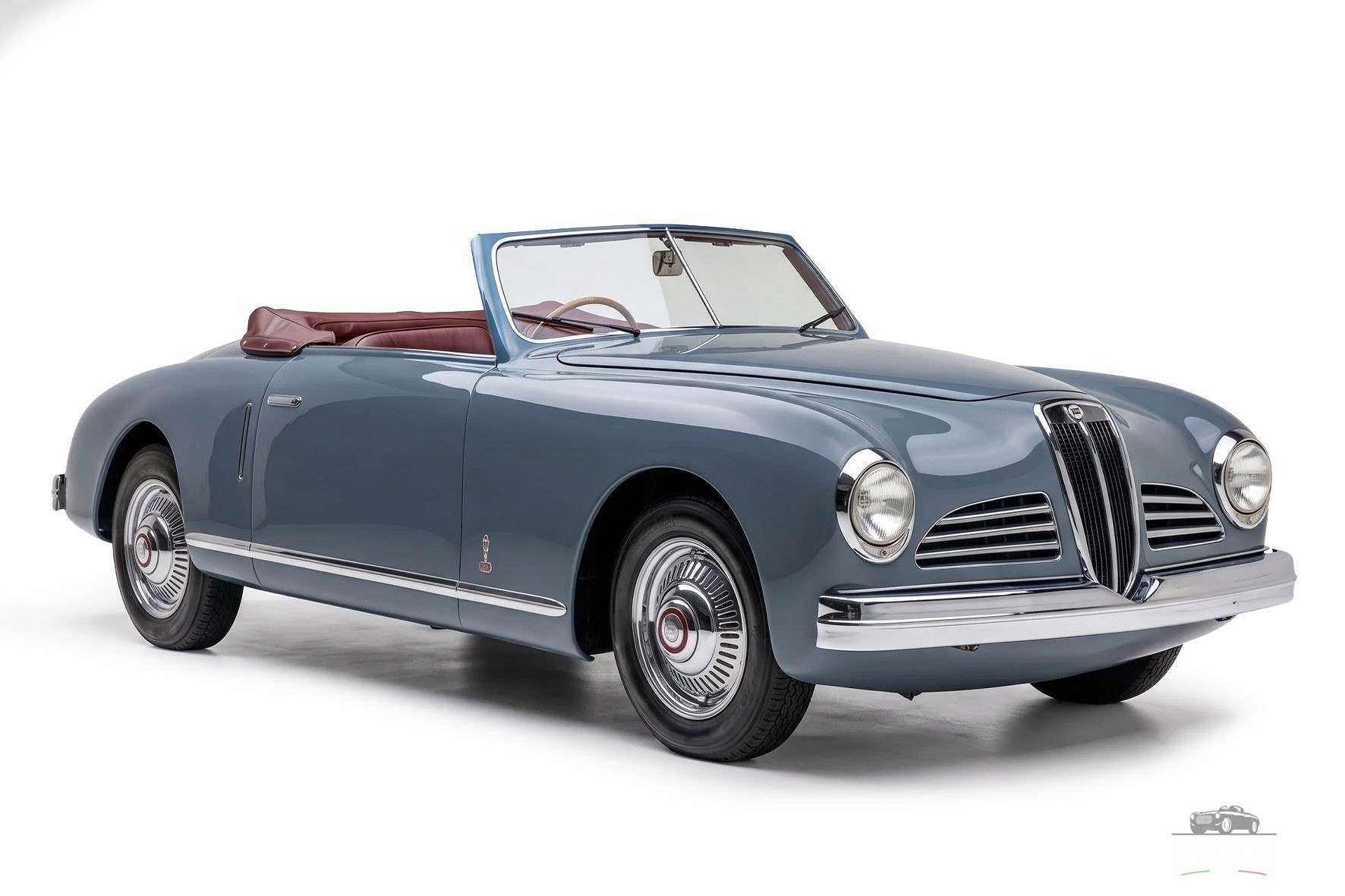
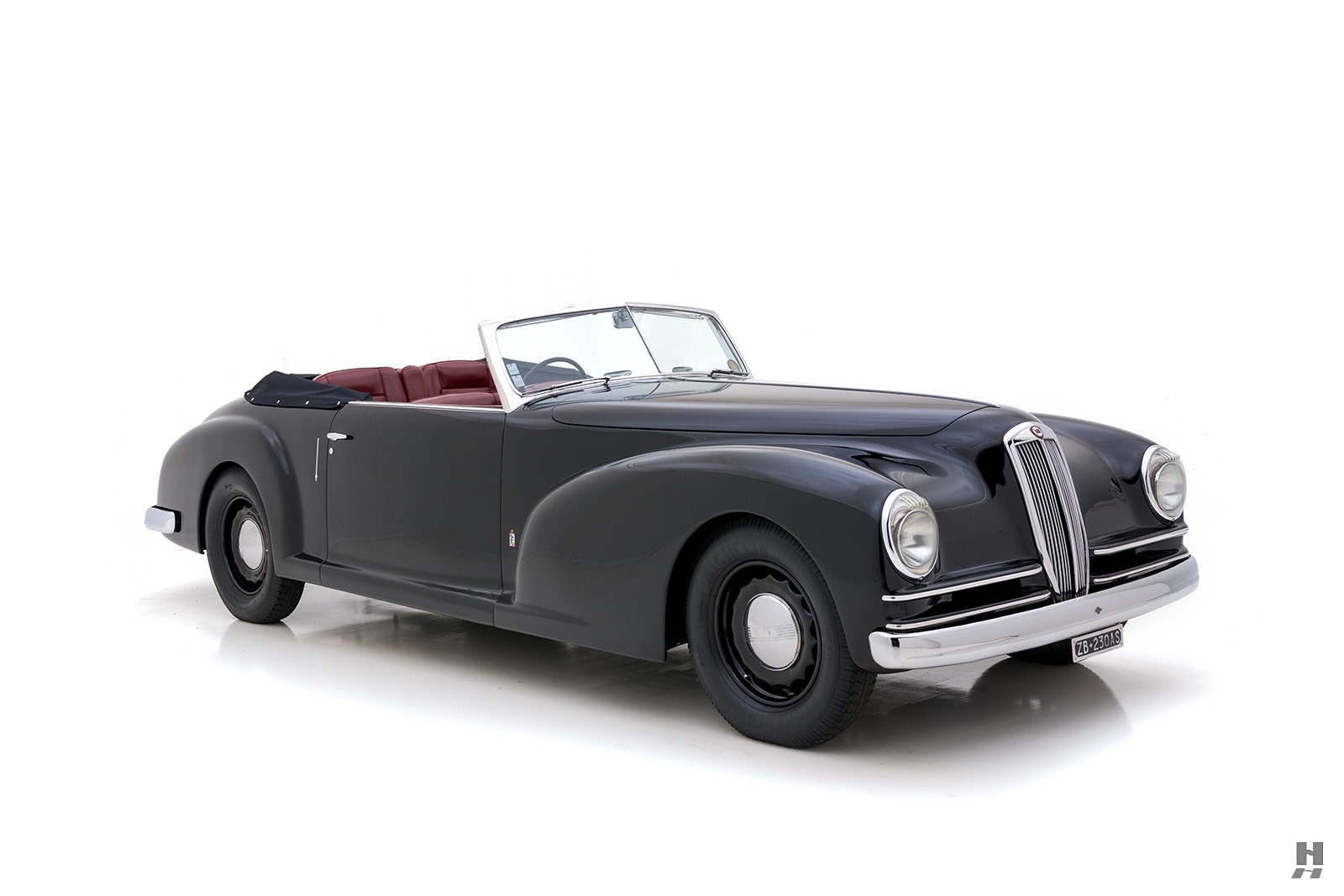
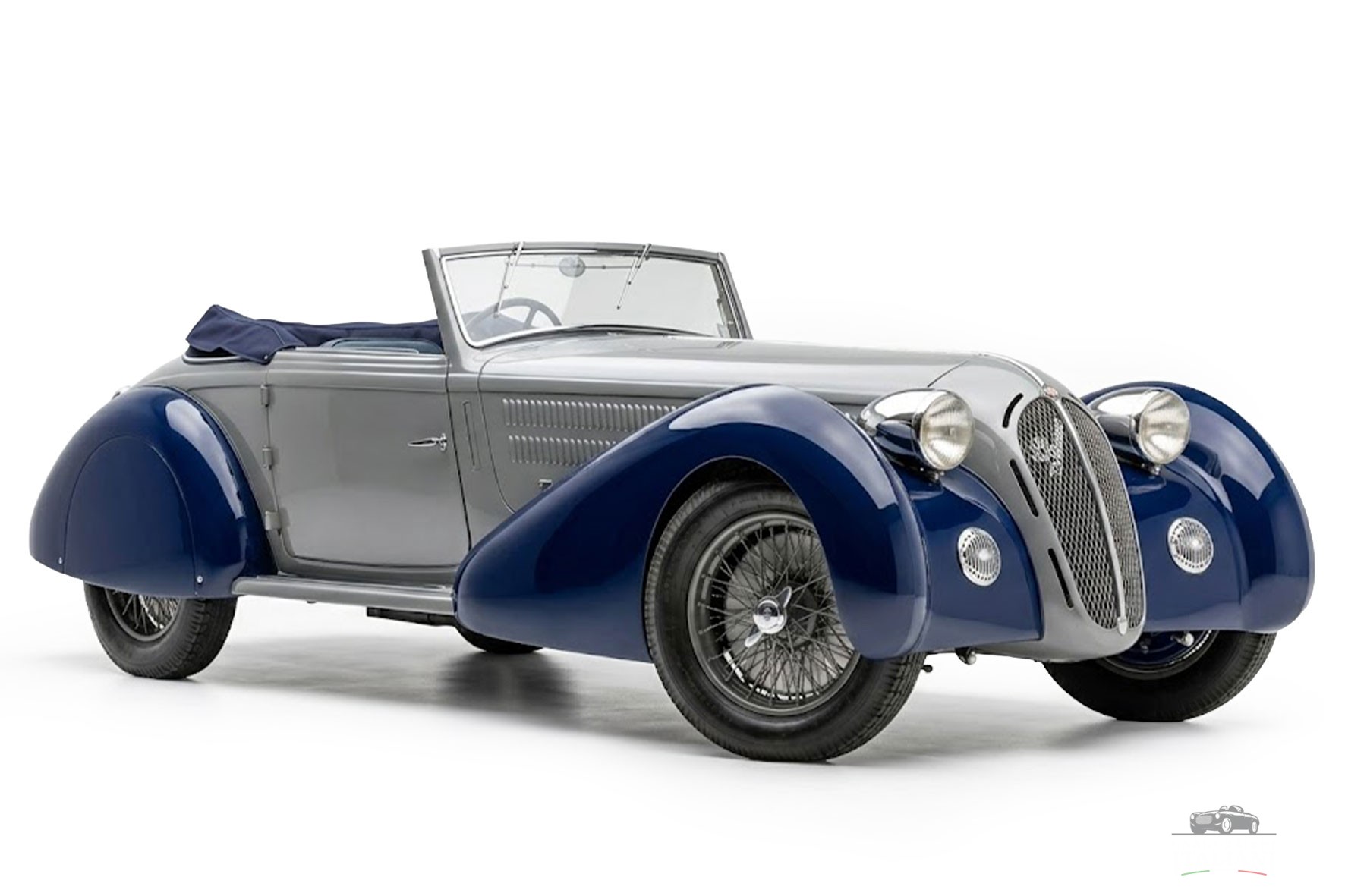
Photo gallery 4 photographs
09 / PERIOD ARCHIVE
Period photographs & advertising
The period archive gallery will show historical photographs, advertisements, brochures and press images once assets, provenance and usage rights have been recorded in the masterfile.
THE CONVERSATION
Comments 0
Share a memory, a period photograph or a documented detail about this car.