
THE VEHICLE AT A GLANCE
Model dossier
- Production period
- 1968
- Body style
- Coupé
- Engine
- V12
- Type
- Limited
- Production
- 225
THE PEOPLE BEHIND THE CAR
Coachbuilding, design & conversions

PRICE & SALES RECORD
Vehicle value
- Original price
- Not documented
- Latest recorded sale
- Not documented
01 / THE STORY
History & context
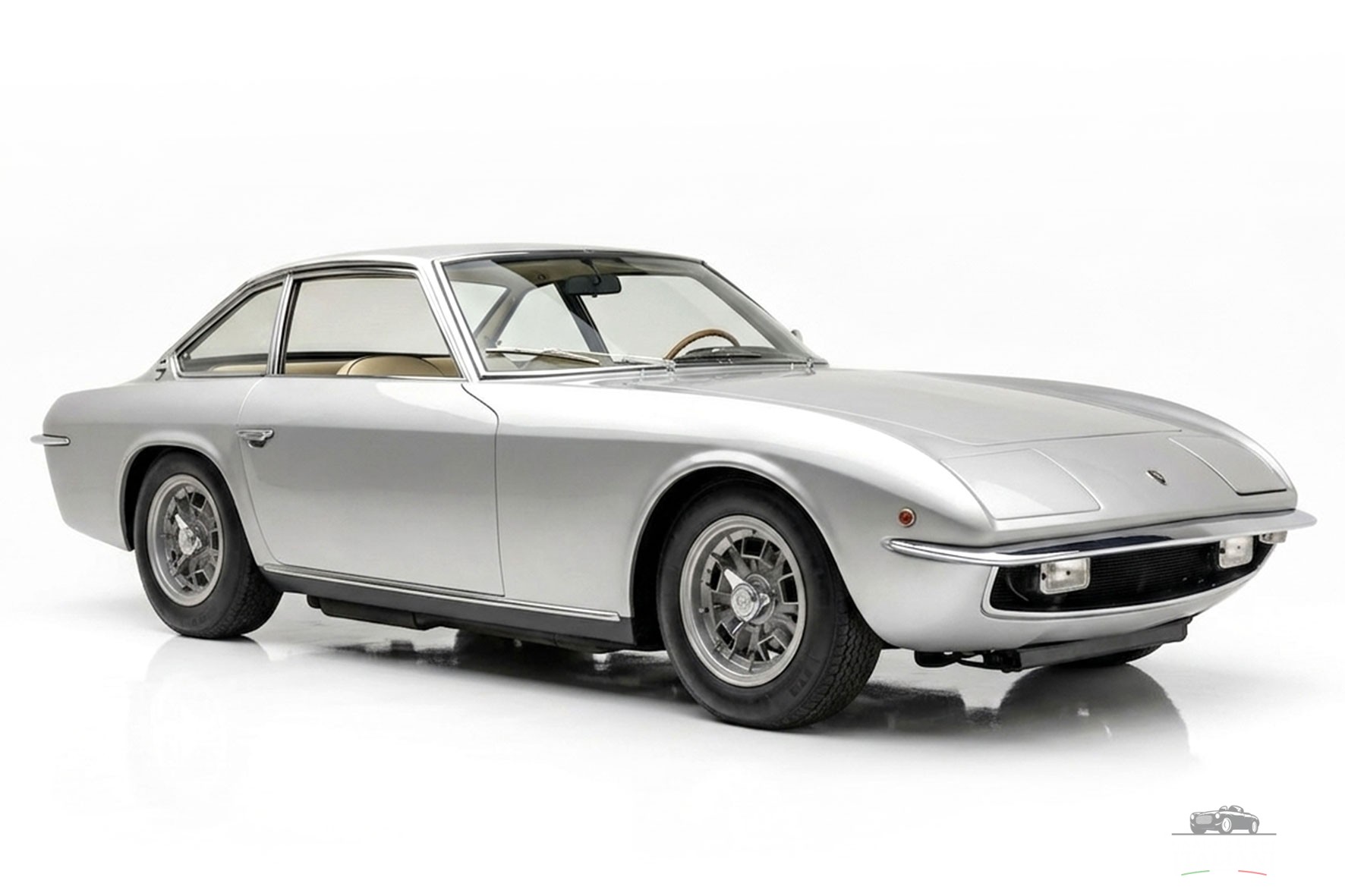
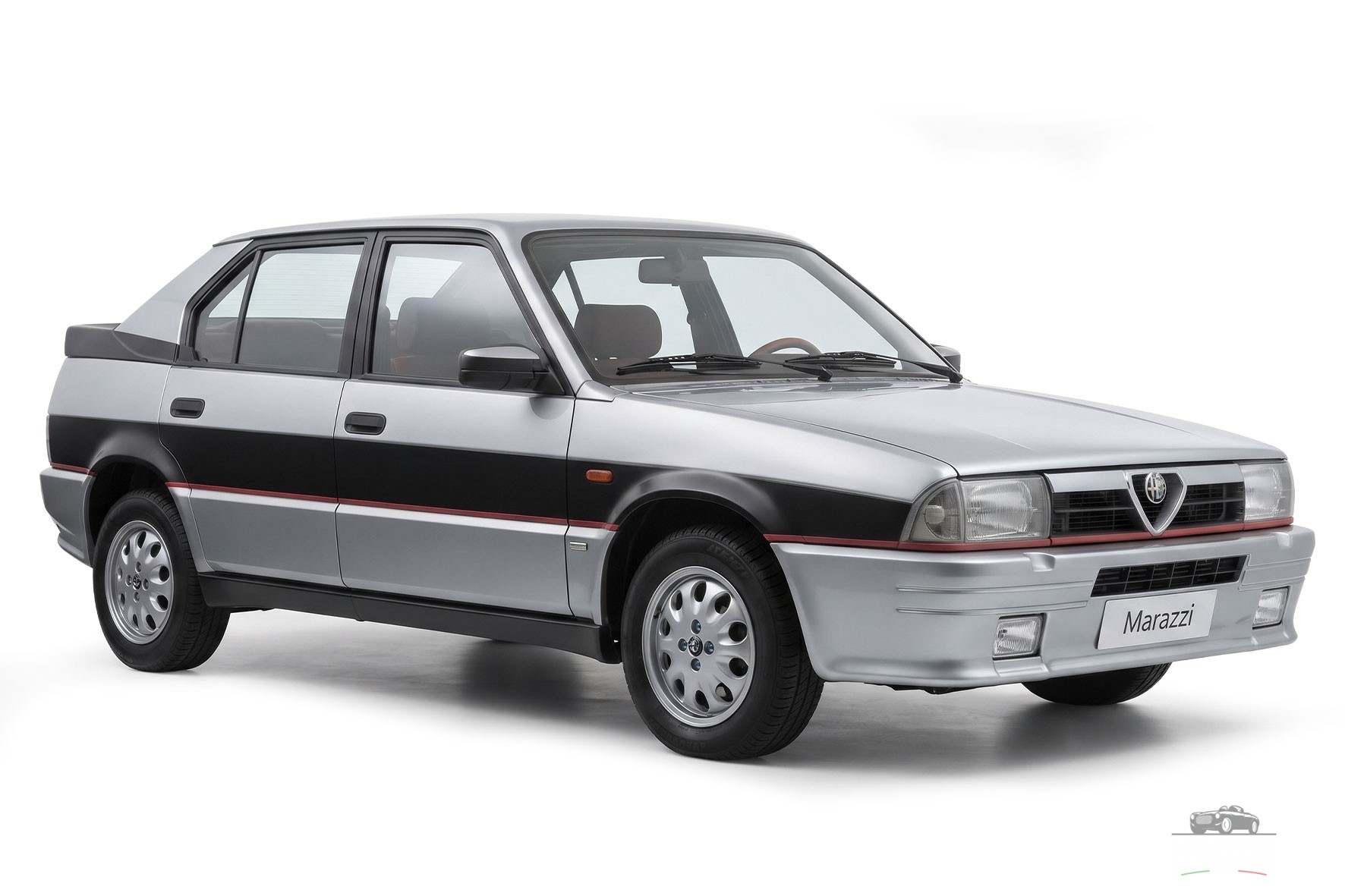
The Lamborghini Islero debuted at the 1968 Geneva Auto Show. The Islero was named after a Miura bull that killed matador Manuel Rodriguez “Manolete” on August 28, 1947 (Lamborghini also produced a car named the Miura, from 1966 to 1973). Since Carrozzeria Touring, the company that designed Lamborghini’s body, was bankrupt, Carrozzeria Marazzi was the next logical choice as it was funded by Carlo Marazzi, an old employee of Touring, with sons Mario and Serafino. Islero was essentially a rebodied Lamborghini 400GT, but the track was altered to allow for wider tires and while the Islero’s body suffered from a lack of proper fit between the panels, its good outward visibility, roomier interior, and much improved soundproofing made it an improvement over previous models. It had a 325 bhp (242 kW; 330 PS) 4.0 L (3929 cc) V12 engine, a five-speed transmission, fully independent suspension, and disc brakes. Its top speed was rated at 154 mph (248 km/h) and acceleration from 0 to 60 mph (97 km/h) took 6.4 seconds. 125 Lamborghini Isleros were built. When leaving the factory the Lamborghini Islero originally fitted Pirelli Cinturato 205VR15 tyres (CN72). An updated Islero, dubbed the Islero S, was released in 1969. The engine in this model was tuned to 350 bhp (261 kW; 355 PS), but the torque remained the same. There were quite a few styling changes, including brightwork blind slots on the front fenders, an enlarged hood scoop (which supplied air to the interior of the car, not the engine), slightly flared fenders, tinted windows, round side-marker lights (instead of teardrops on the original), and a fixed section in the door windows. Various other changes included larger brake discs, revised rear suspension and revamped dashboard and interior. The top speed of the S improved to 161 mph (259 km/h) and acceleration from 0 to 60 mph (97 km/h) in 6.2 seconds. 100 examples of the Islero S were built, bringing the production total of the Islero nameplate to 225 cars. Ferruccio Lamborghini himself drove an Islero during that era as did his brother Edmondo. The Lamborghini Islero is also famous for its appearance in the Roger Moore thriller The Man Who Haunted Himself and in Italian “Vedo nudo“.
IN THE ARCHIVE
Coachbuilders & design studios
02 / TECHNICAL IDENTITY
Specifications & construction
Production & construction
- Production
- 225
- Production type
- Limited
Engine & performance
- Engine configuration
- V12
Design & manufacture
- Designer · Documented
- Federico Formenti
- Manufacturer · Documented
- Lamborghini
- Coachbuilder / Body Builder · Documented
- Marazzi
06 / EVENTS & AWARDS
Events & awards
Geneva General · legacy_preserved
- Date
- 1968
- Chassis
- General
Preserved CI 1.0 relation. Evidence field: _yoast_wpseo_primary_events. No award inferred.
07 / THE VEHICLE IN DETAIL
Photo gallery 12 photographs
Show 6 more photographs Show fewer photographs
08 / FROM THE ARCHIVE
Archive
References held in the vehicle dossier. Their inclusion does not establish that every historical claim has been independently verified.
| Reference | Source type |
|---|---|
| Lamborghini — Islero history www.lamborghini.com | Manufacturer official history |


THE CONVERSATION
Comments 0
Share a memory, a period photograph or a documented detail about this car.