
THE VEHICLE AT A GLANCE
Model dossier
- Production period
- 1981
- Body style
- Coupé
- Type
- Concept
THE PEOPLE BEHIND THE CAR
Coachbuilding, design & conversions

PRICE & SALES RECORD
Vehicle value
- Original price
- Not documented
- Latest recorded sale
- Not documented
01 / THE STORY
History & context
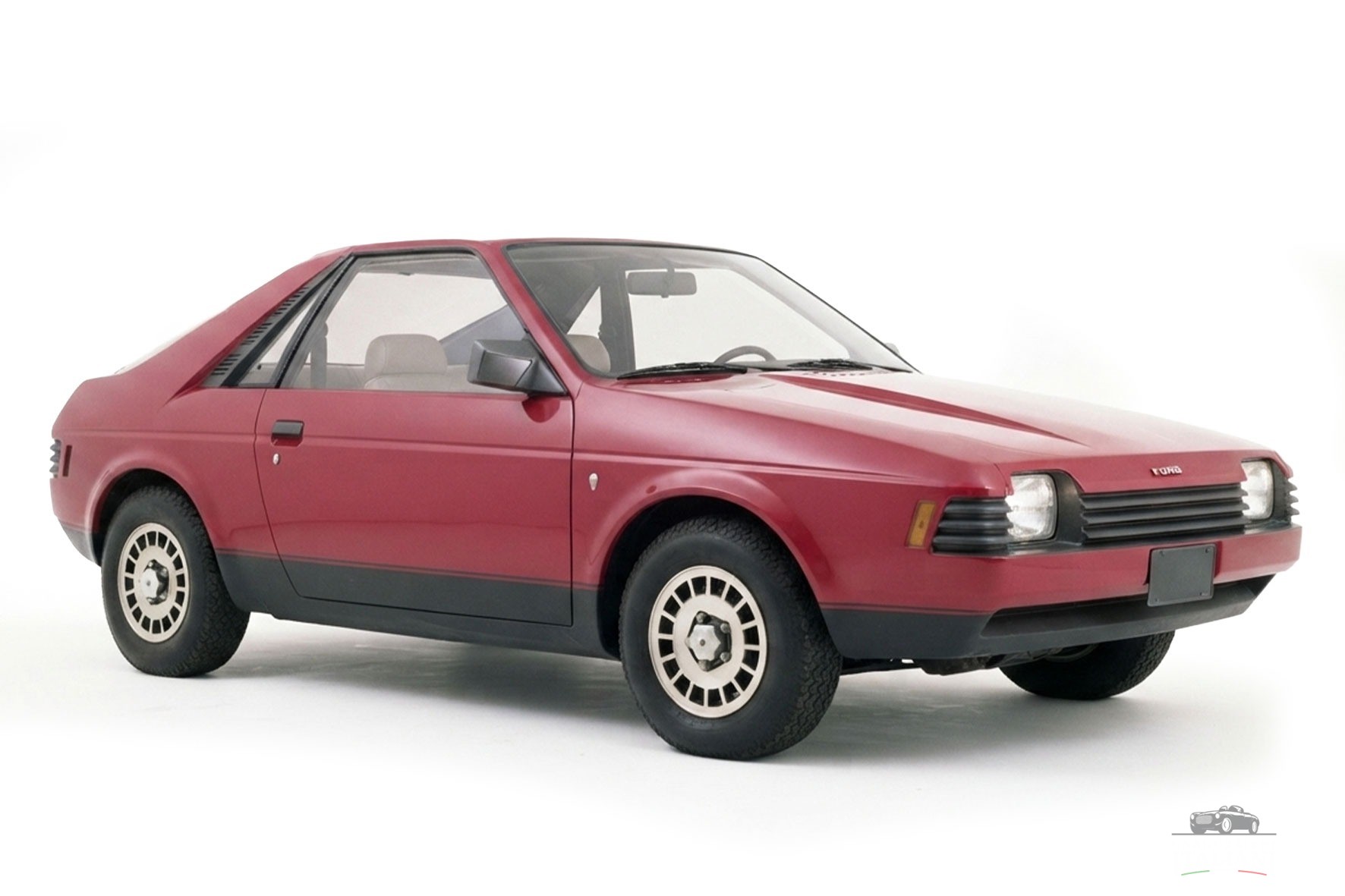
The Ford Super Gnat, a prototype vehicle developed by Ghia in 1981, was a forward-thinking response to the energy crisis that emerged following the OPEC oil embargo of the mid-1970s. As fuel efficiency became a top priority for automakers, the Super Gnat represented Ford’s exploration into compact, economical commuting solutions. Designed as a two-seater, this diminutive vehicle was notable for its exceptionally small dimensions, measuring just 148 inches in length and 48 inches in height, making it an ultra-compact car suited for urban environments and daily commuting. The concept of the Super Gnat was born out of the era’s push for smaller, more fuel-efficient cars. Ford aimed to meet this demand with a car that offered both practicality and efficiency without sacrificing comfort for its passengers. The Super Gnat was equipped with a proposed three-cylinder engine, reflecting the growing trend of reducing engine size to enhance fuel efficiency. Its short wheelbase contributed to its compact profile, making it easy to maneuver and park in crowded urban settings. Despite its small size, the Super Gnat was designed with an emphasis on interior comfort, accommodating even the tallest of Ford’s clientelea notable achievement for such a compact car. This focus on maximizing space utilization demonstrated Ford’s commitment to designing a vehicle that didn’t compromise on driver and passenger comfort, even in a smaller footprint. The design of the Super Gnat could be described as a blend of familiar Ford styling cues, borrowing elements from the Escort and Fiesta models of the time. This fusion gave the car a recognizable yet distinct look, balancing the sporty appeal of the Fiesta with the practicality of the Escort. The Super Gnat’s shape and design language were reflective of Ford’s efforts to create a car that was both functional and visually appealing within the constraints of a compact, fuel-efficient package. In addition to the Super Gnat, Ford explored other small car concepts, such as the Mustang RSX a smaller, two-seat derivative of the classic Mustang. However, the Super Gnat stood out for its exceptional fuel efficiency and innovative approach to urban transportation during an era when the automotive industry was being reshaped by economic and environmental pressures. Although the Super Gnat never reached production, it remains a fascinating example of Ford’s experimental designs aimed at meeting the evolving needs of the market in the early 1980s.
IN THE ARCHIVE
Coachbuilders & design studios
02 / TECHNICAL IDENTITY
Specifications & construction
Production & construction
- Production type
- Concept
Engine & performance
- Specification notes
- 1981 Ford/Ghia Super Gnat body baseline from Ford brochure material: wheelbase about 2000 mm, dimensions 3400 × 1405 × 1225 mm. A three-cylinder engine was part of the concept brief, but no sufficiently exact installed displacement/output is canonicalized.
Dimensions & accommodation
- Wheelbase
- 2,000 mm
- Length
- 3,400 mm
- Width
- 1,405 mm
- Height
- 1,225 mm
Design & manufacture
- Coachbuilder / Body Builder · Documented
- Ghia
- Manufacturer · Documented
- Ford
06 / EVENTS & AWARDS
Events & awards
No events or documented awards are currently recorded for this vehicle.
07 / THE VEHICLE IN DETAIL
Photo gallery 6 photographs
08 / FROM THE ARCHIVE
Archive
References held in the vehicle dossier. Their inclusion does not establish that every historical claim has been independently verified.
| Reference | Source type |
|---|---|
| 1981 Ford Super Gnat (Ghia) www.carstyling.ru | Ford press reproduction |






THE CONVERSATION
Comments 0
Share a memory, a period photograph or a documented detail about this car.