
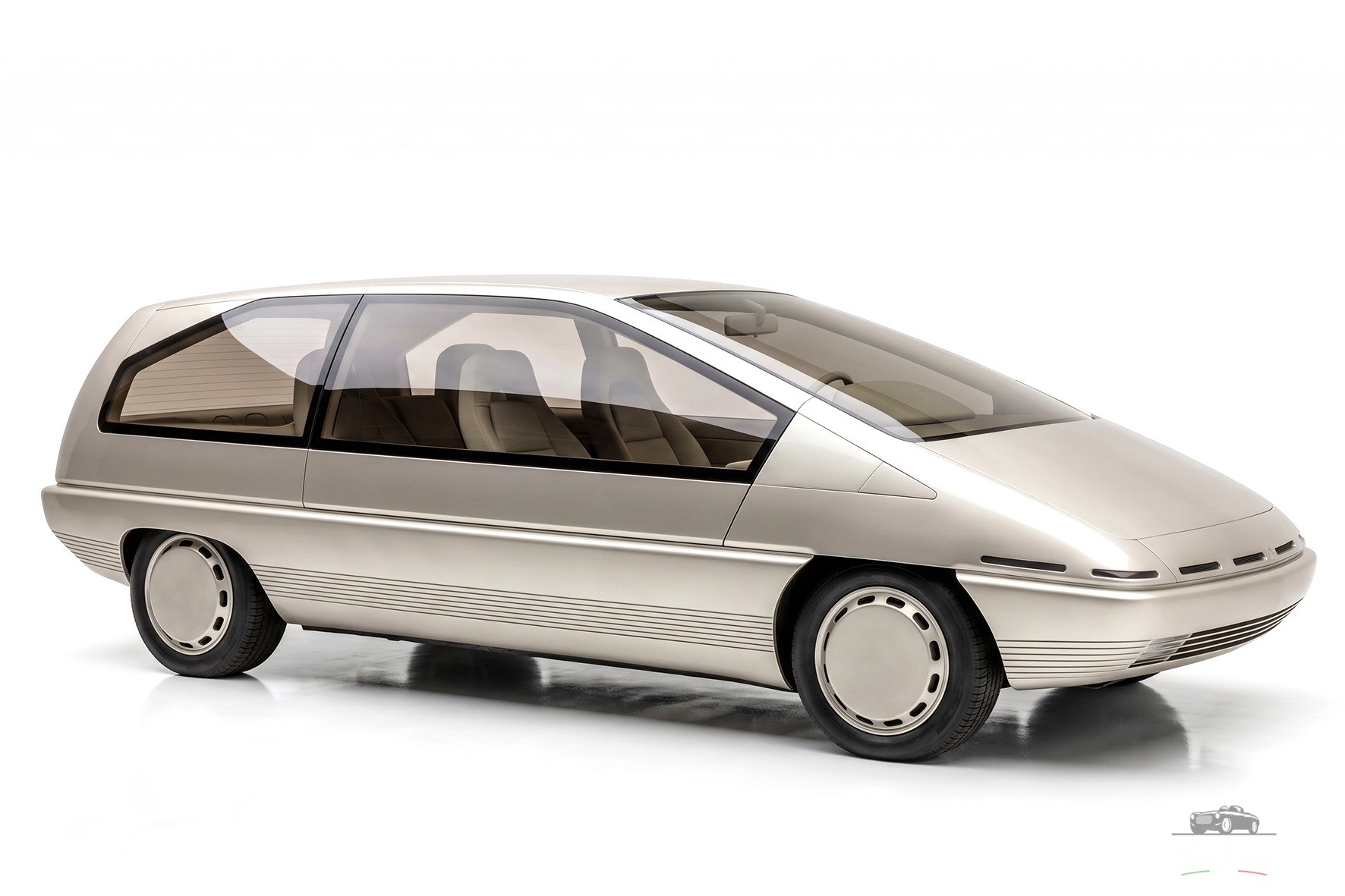
THE VEHICLE AT A GLANCE
Model dossier
- Production period
- 1981
- Body style
- Station Wagon
- Type
- Concept
- Seats
- 4
THE PEOPLE BEHIND THE CAR
Coachbuilding, design & conversions

PRICE & SALES RECORD
Vehicle value
- Original price
- Not documented
- Latest recorded sale
- Not documented
01 / THE STORY
History & context
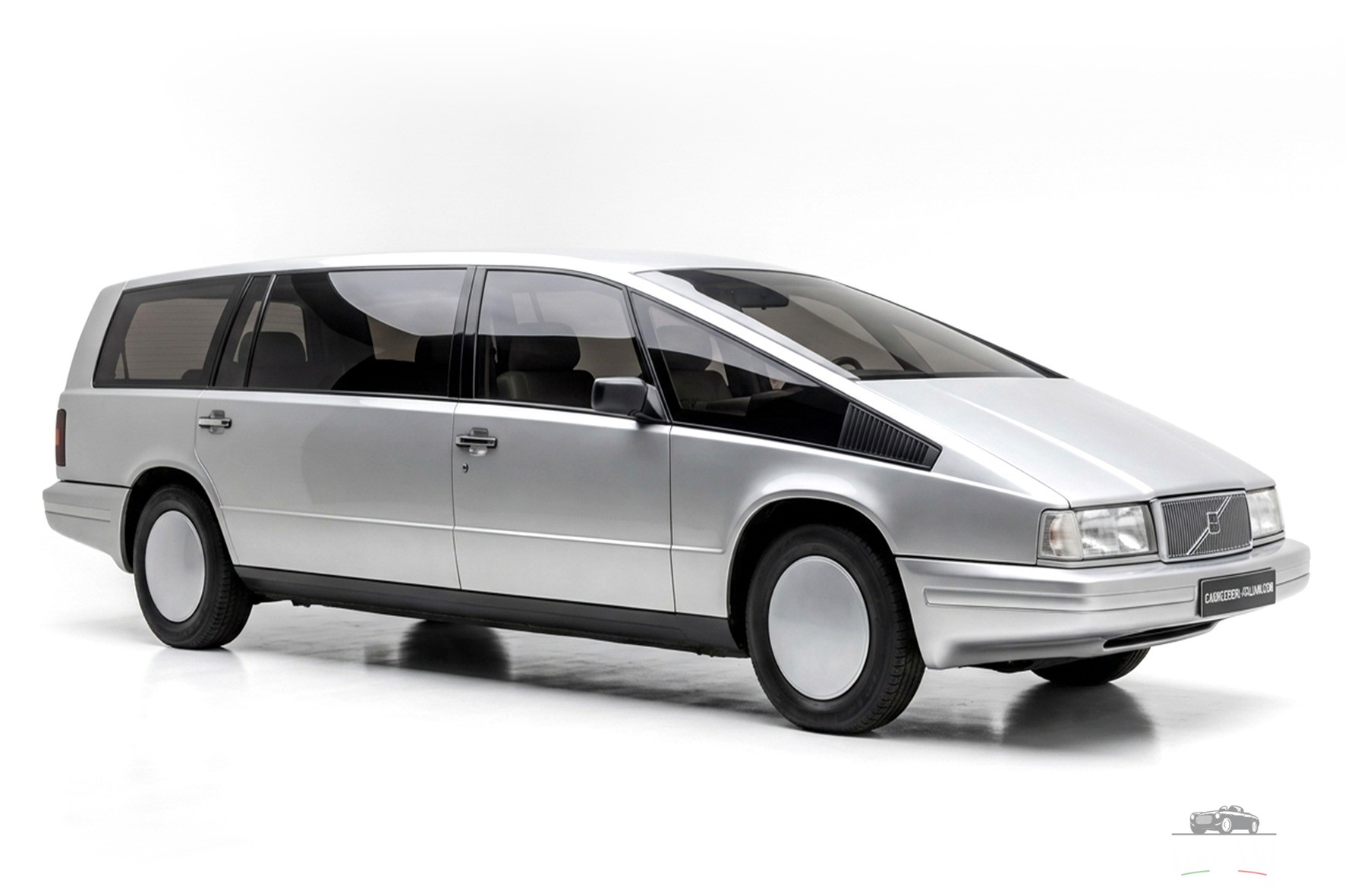
The Citroën Xenia, designed by Trevor Fiore and constructed in Turin by Carrozzeria Coggiola, represents a forward-thinking concept car of its time. Unveiled in the early 1980s, the Xenia was conceived to explore a specific market segment—namely, the medium-high American market on the West Coast, known for its penchant for innovative and aerodynamic vehicle designs. The Citroën Xenia was crafted with a focus on advanced aerodynamics and cutting-edge technology, embodying a sleek and modern aesthetic that was intended to appeal to discerning American consumers. Its design featured a streamlined profile, aimed at reducing drag and enhancing performance, aligning with the futuristic aspirations of automotive design during that era. One of the most notable aspects of the Xenia was its attention to interior ergonomics and technological advancements. The interior was designed with a strong emphasis on comfort and user-friendliness, integrating electronic systems to manage various controls. This included an innovative approach to climate control, with the use of solar cells to power the air conditioning system. This feature highlighted an early attempt to incorporate renewable energy sources into automotive technology, reflecting the growing awareness of environmental issues. Despite its advanced features and forward-looking design, the Citroën Xenia did not progress beyond the concept stage. The project was not developed further, and the vehicle remained a prototype. However, the Xenia’s design remains a significant example of the creativity and ambition that characterized the automotive industry during the early 1980s. Its emphasis on aerodynamics, ergonomic interior design, and the use of emerging technologies exemplify the innovative spirit of Carrozzeria Coggiola and Trevor Fiore. The Citroën Xenia stands as a testament to the ongoing quest for automotive excellence and the exploration of new ideas in car design.
IN THE ARCHIVE
Coachbuilders & design studios
02 / TECHNICAL IDENTITY
Specifications & construction
Production & construction
- Production type
- Concept
- Mechanical platform
- Citroën BX mechanical basis
Engine & performance
- Transmission
- ZF automatic
- Specification notes
- Citroën's official retrospective states that Xenia anticipated the BX mechanical base, measured 4.20 m long and 1.75 m wide, seated four and used a ZF automatic transmission. No production-BX engine specification is inherited.
Dimensions & accommodation
- Length
- 4,200 mm
- Width
- 1,750 mm
- Seats
- 4
Design & manufacture
- Coachbuilder / Body Builder · Documented
- Coggiola
- Manufacturer · Documented
- Citroën
- Designer · Candidate
- Trevor Fiore
06 / EVENTS & AWARDS
Events & awards
No events or documented awards are currently recorded for this vehicle.
07 / THE VEHICLE IN DETAIL
Photo gallery 4 photographs
08 / FROM THE ARCHIVE
Archive
References held in the vehicle dossier. Their inclusion does not establish that every historical claim has been independently verified.
| Reference | Source type |
|---|---|
| Citroën / Stellantis Media — Citroën Xenia www.media.stellantis.com | Manufacturer official history |


THE CONVERSATION
Comments 0
Share a memory, a period photograph or a documented detail about this car.