
Bizzarrini 5300 Aperta Lusso: Giugiaro’s Lost Targa Dream Finally Comes to Life
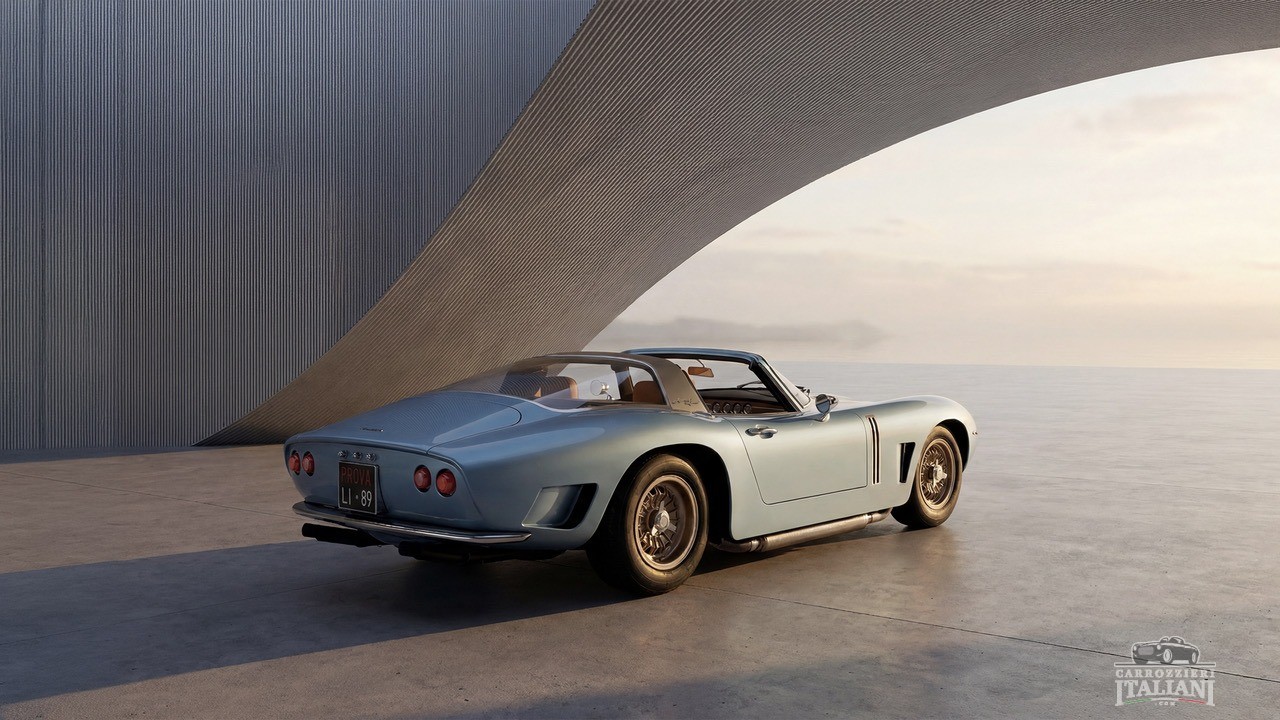
More than sixty years after it was first imagined by Giotto Bizzarrini and Giorgetto Giugiaro, the Bizzarrini 5300 Aperta Lusso has finally become reality. Born from an unrealised design concept preserved in the archives, the new car marks the first completely new production Bizzarrini since the legendary 5300 GT of the 1960s.
It is not a simple nostalgic exercise. The 5300 Aperta Lusso represents a symbolic new chapter for one of the most fascinating names in Italian automotive history, revived with the ambition of combining heritage, craftsmanship and contemporary engineering.
The Return of Bizzarrini
After decades of silence, the Bizzarrini name has returned under new international ownership, with a plan centred on extremely limited production, hand-built cars and a direct connection to the legacy of Giotto Bizzarrini.
The 5300 Aperta Lusso follows the 5300 GT Corsa Revival and becomes the second major step in the rebirth of the marque. At the same time, it acts as a bridge towards the forthcoming Giotto Hyper GT, the model intended to define the modern future of Bizzarrini.
But where the Giotto Hyper GT looks ahead, the Aperta Lusso reaches deep into the past.
A Targa Concept Before the Targa
To understand the importance of the new Aperta Lusso, one has to return to the early 1960s. In 1961, Giotto Bizzarrini left Ferrari during the famous “Palace Revolt” and began his own independent activity as an engineer and designer.
His name was already linked to some of the most important Italian performance cars of the period. He played a decisive role in the development of the Ferrari 250 GTO, later engineered the Iso Grifo, and created the Bizzarrini 5300 GT Corsa, the car that would win its class at the 24 Hours of Le Mans in 1965.
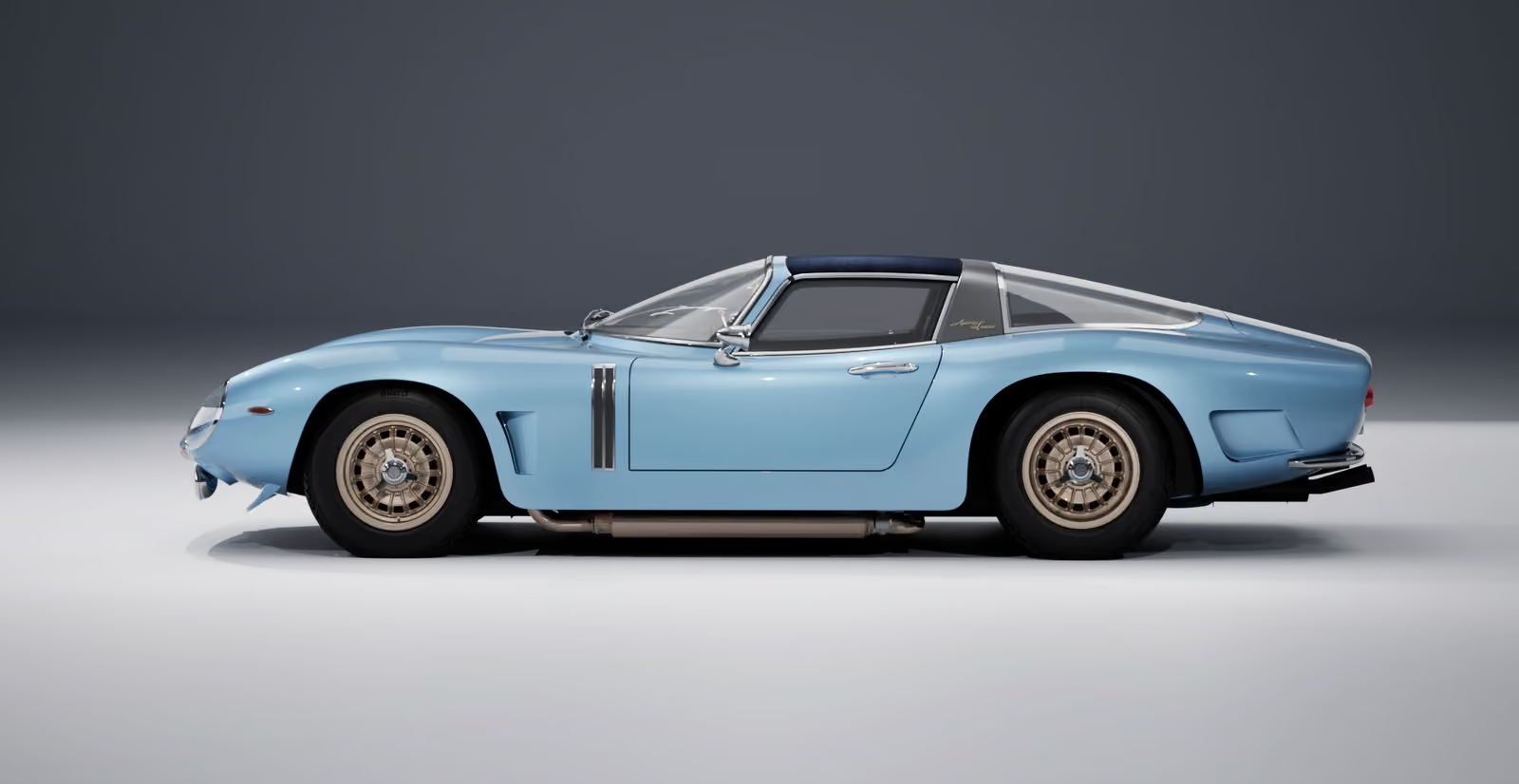
From the beginning, Bizzarrini also imagined an open version of his grand tourer. In 1962, the young Giorgetto Giugiaro, then working at Bertone, drew an elegant interpretation with a structural roll hoop and removable roof panels. It was a solution that anticipated the targa idea years before Porsche made the concept famous.
The small Livorno-based company, however, had more urgent priorities. Racing came first. The open-top project remained on paper and disappeared into the archives after the original company closed in 1969.
From Archive Drawing to New Classic
The 5300 Aperta Lusso is the modern realisation of that lost idea. Developed with Giugiaro’s design centre, the car preserves the visual language of the 1960s while using materials and construction methods that belong to the present day.
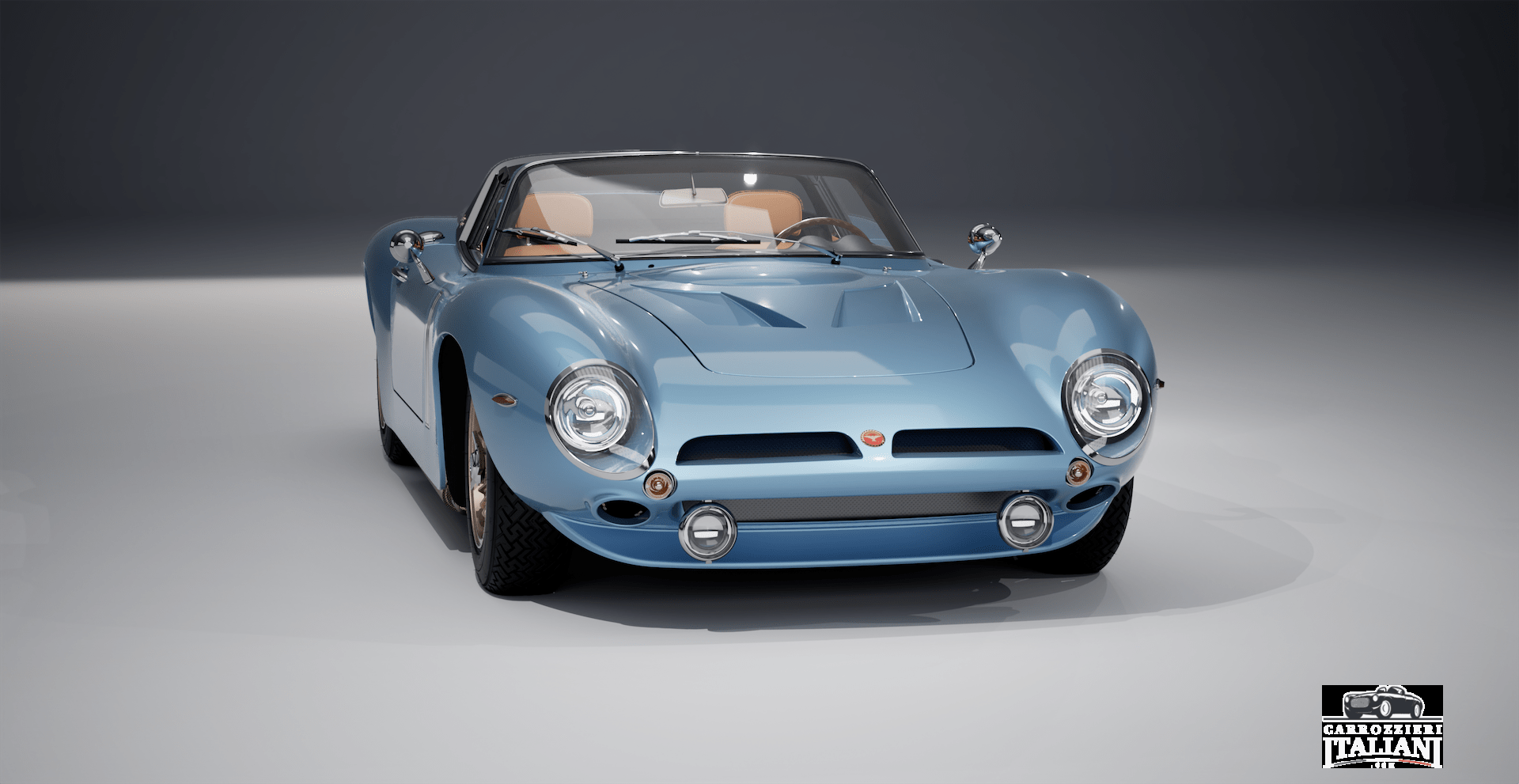
The objective was not to create a modern supercar wearing retro clothing. Bizzarrini describes the car as a “Nuova Classica”: a new classic that should look as if it had just left Giotto Bizzarrini’s workshop, while offering the reliability, finish and usability expected by today’s collectors.
The proportions remain long, low and dramatic. The removable roof panels and the sculptural central hoop define the character of the car, turning the closed 5300 GT silhouette into a refined open grand tourer without losing the original tension of the design.
Italian Luxury, Hidden Technology
The interior follows the same philosophy. The cabin is built entirely by hand, using fine leather and fabrics developed with Zegna. The dashboard is made from a single block of European maple, shaped and finished by craftsmen.
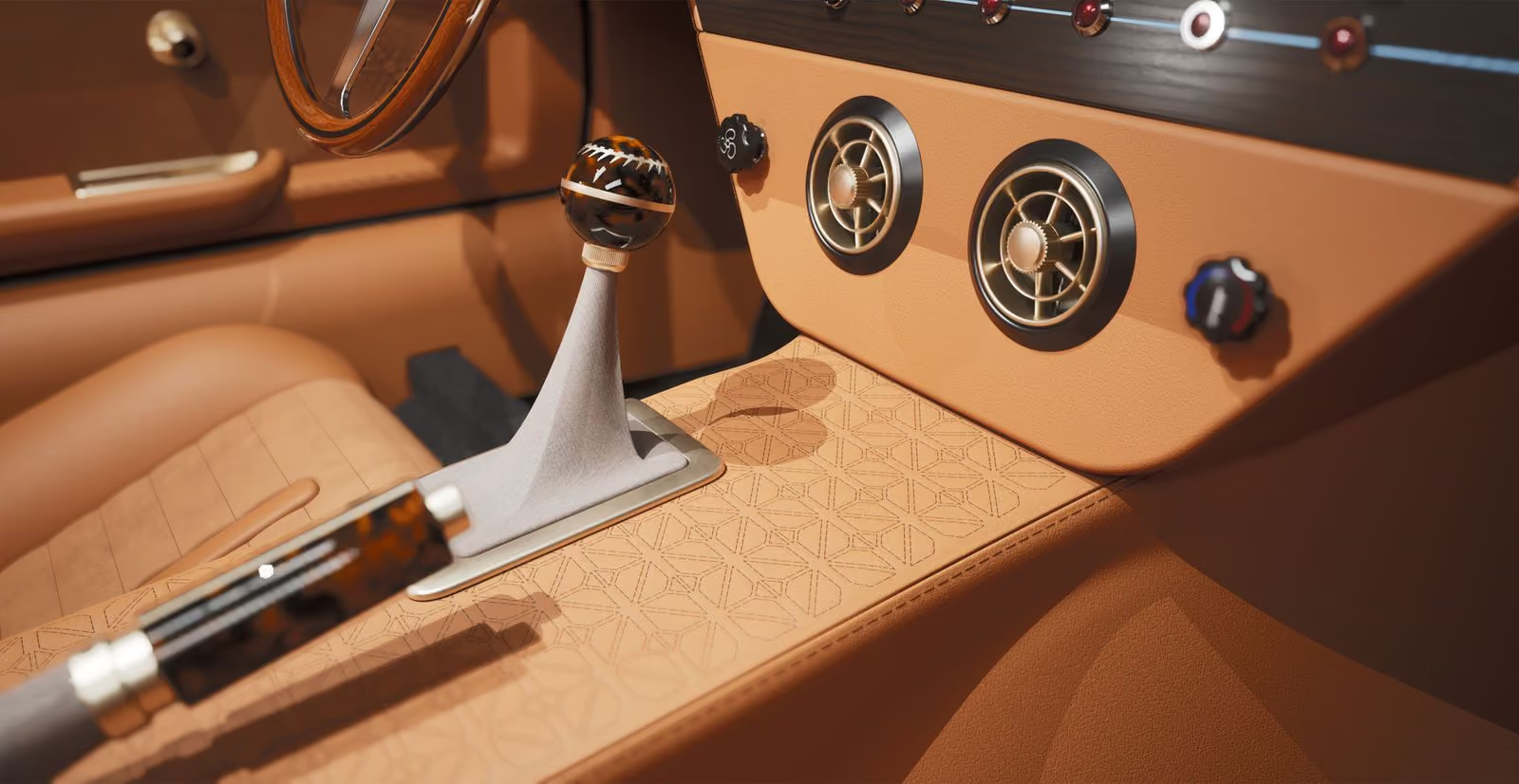
Modern equipment is present, but deliberately discreet. The 5300 Aperta Lusso includes air conditioning, MagSafe charging, an audio system compatible with Apple CarPlay and frameless windows with modern sealing to improve acoustic insulation and weather protection.
The first example, named La Dolce Vita, was commissioned by an Italian client who wanted a car capable of restoring the pure pleasure of driving, far from the noise of constant digital connection. Its bespoke body colour, Azzurro Gaia, recalls the Ligurian Sea and pays tribute to the owner’s daughter.
A Mechanical Soul True to Bizzarrini
Beneath the carbon-fibre composite body, reinforced by a central structure in aeronautical steel, the engineering remains faithful to Giotto Bizzarrini’s original philosophy.
The engine is a naturally aspirated 5.3-litre V8 mounted in a front-mid position, entirely behind the front axle line. It produces more than 400 hp and is paired with a five-speed Tremec manual gearbox. Top speed exceeds 280 km/h.
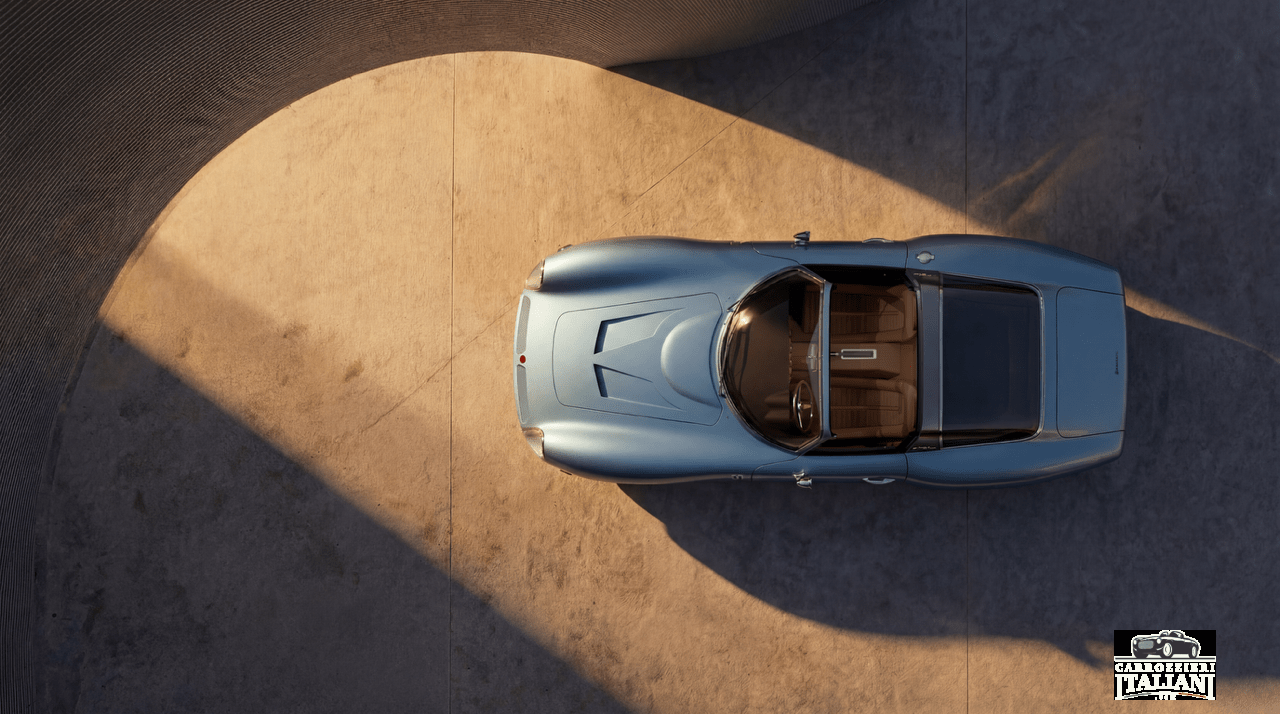
The suspension uses double wishbones at both front and rear, while centre-lock Campagnolo magnesium wheels are fitted with Pirelli tyres developed to deliver period-correct character with modern levels of grip.
The braking system also maintains a strong connection with the competition cars of the 1960s. The rear discs are mounted inboard and there is no brake servo, preserving a direct, mechanical pedal feel rather than filtering the driving experience through modern assistance.
Only Ten Cars
Initial production will be limited to just ten examples, each hand-built according to the wishes of its owner. It is not a hypercar designed to chase lap times, nor a simple continuation model. The 5300 Aperta Lusso is something more unusual: the completion of an idea that should have existed in period, but never had the chance to reach the road.
Conceived for panoramic routes rather than circuit kerbs, it belongs naturally to the Riviera, to long coastal roads and to the tradition of the Italian gran turismo.
With the 5300 Aperta Lusso, Bizzarrini does more than revive a name. It gives form to an unfinished chapter of Italian automotive history, bringing back a car that Giotto Bizzarrini and Giorgetto Giugiaro had imagined more than six decades ago.

ABOUT THE AUTHOR
Andreas Scheidl
Italian classic car enthusiast with German roots. Renowned as a respected figure in the classic car community, he serves as a jury member at various international concours d'elegance, including the Classic Gala Schwetzingen and Mantova. As a content creator, Andreas passionately shares his profound knowledge and appreciation for vintage automobiles. His heart beats for cars designed by Giovanni Michelotti, showcasing his discerning taste and dedication to preserving the timeless elegance of automotive history.
More stories by Andreas Scheidl ↗CONTINUE READING
Posts You Might Like

Castagna Milano’s Alfa Romeo Giulia coupé-cabriolet: a new Antisalon for Italian coachbuilding
Eighty years after Battista Farina's famous protest at the Paris Motor Show, Gioacchino Acampora presents a radical two-seat Alfa Romeo Giulia as a manifesto for the survival of independent coachbuilding. In October…
Read story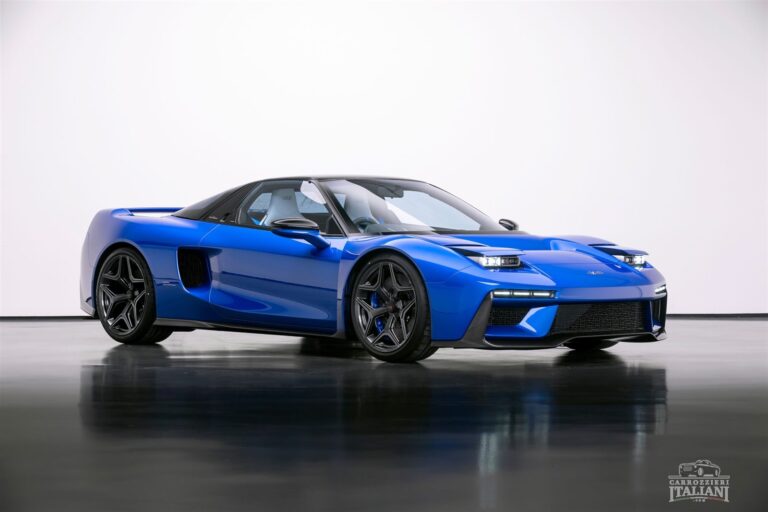
JAS Tensei Designed by Pininfarina: The Honda NSX Reborn
Unveiled on 8 October 2026, the JAS Tensei brings together the motorsport expertise of JAS Motorsport and the design heritage of Pininfarina, transforming the original Honda NSX into an exclusive, carbon-fibre-bodied supercar.…
Read story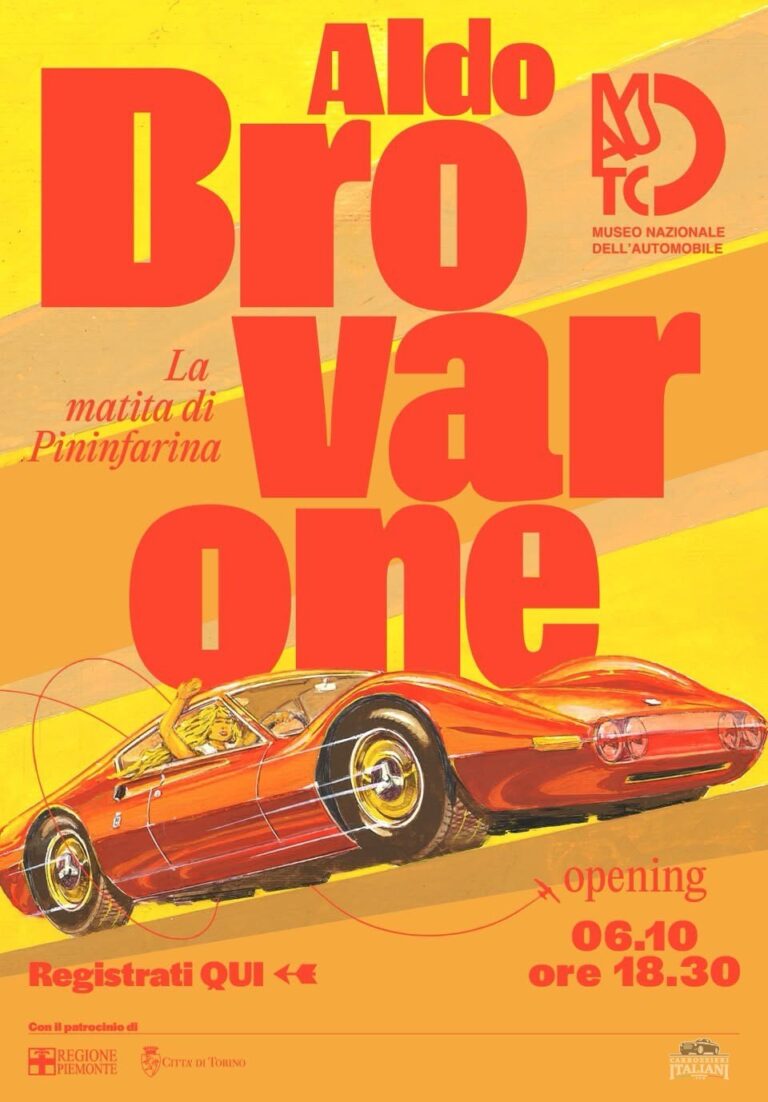
MAUTO to Celebrate Aldo Brovarone with New Exhibition in Turin
The Museo Nazionale dell’Automobile in Turin will open a new exhibition dedicated to Aldo Brovarone, one of the most distinctive figures in post-war Italian automotive design.
Read story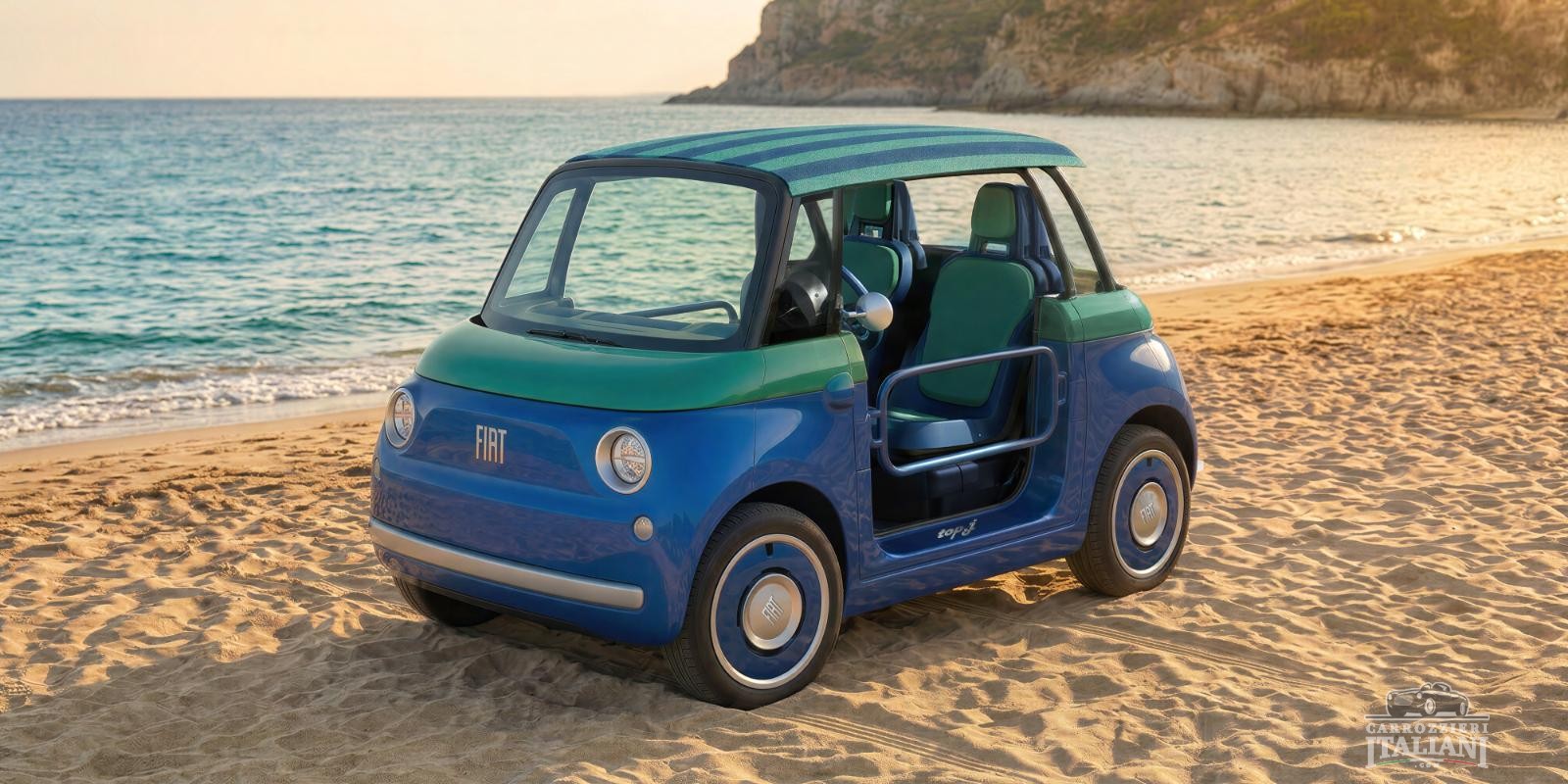
Giugiaro and Lapo Elkann Reinvent the Fiat Topolino
Giugiaro and Lapo Elkann Reinvent the Fiat Topolino with Two GFG Style One-Offs GFG Style has unveiled two radically different interpretations of the Fiat Topolino at Salone Auto Torino 2026, marking the…
Read story
THE CONVERSATION
Comments 0
Share a memory, a period photograph or a documented detail about this story.