
THE VEHICLE AT A GLANCE
Model dossier
THE PEOPLE BEHIND THE CAR
Coachbuilding, design & conversions

PRICE & SALES RECORD
Vehicle value
- Original price
- Not documented
- Latest recorded sale
- Not documented
01 / THE STORY
History & context
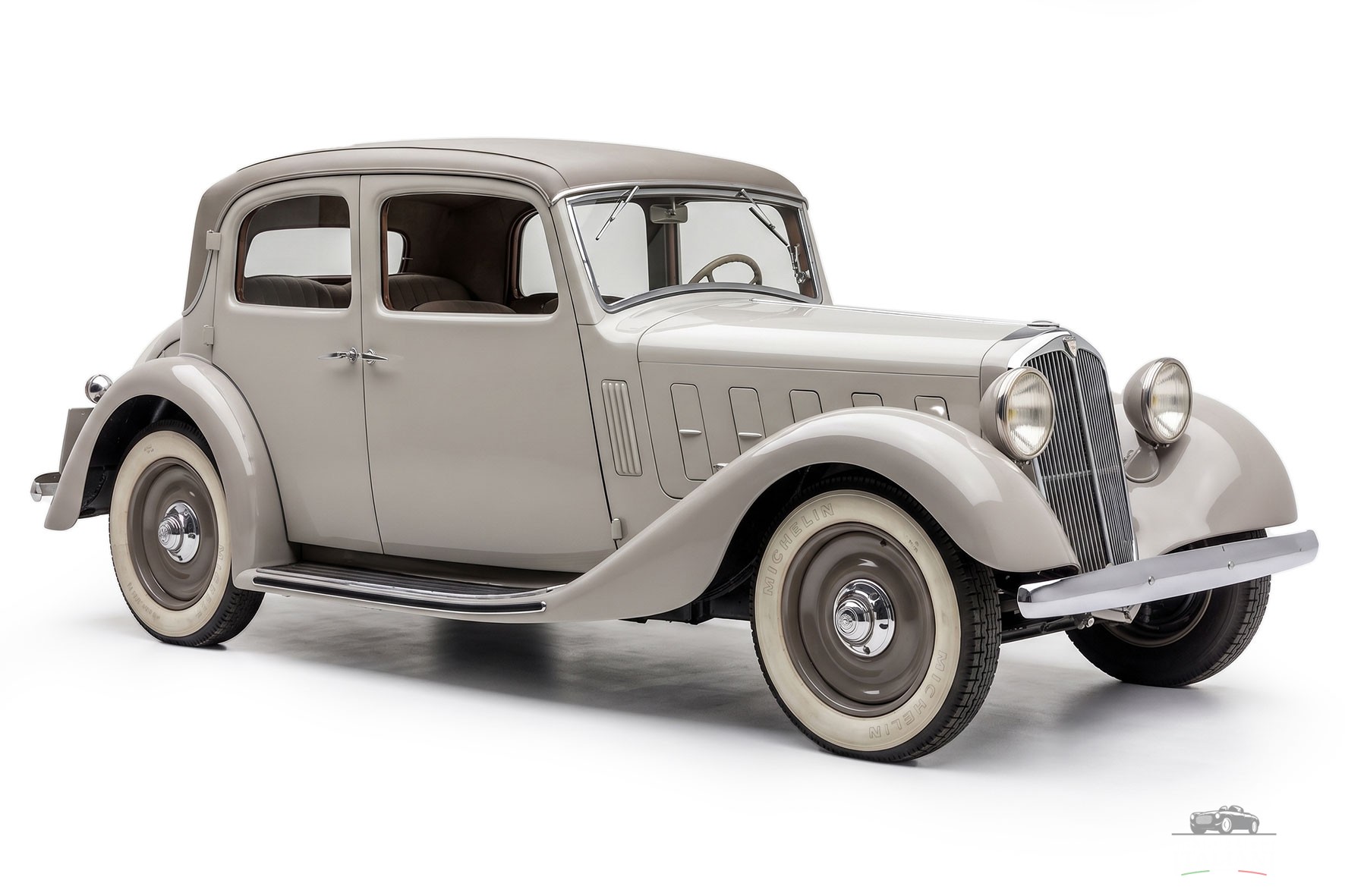
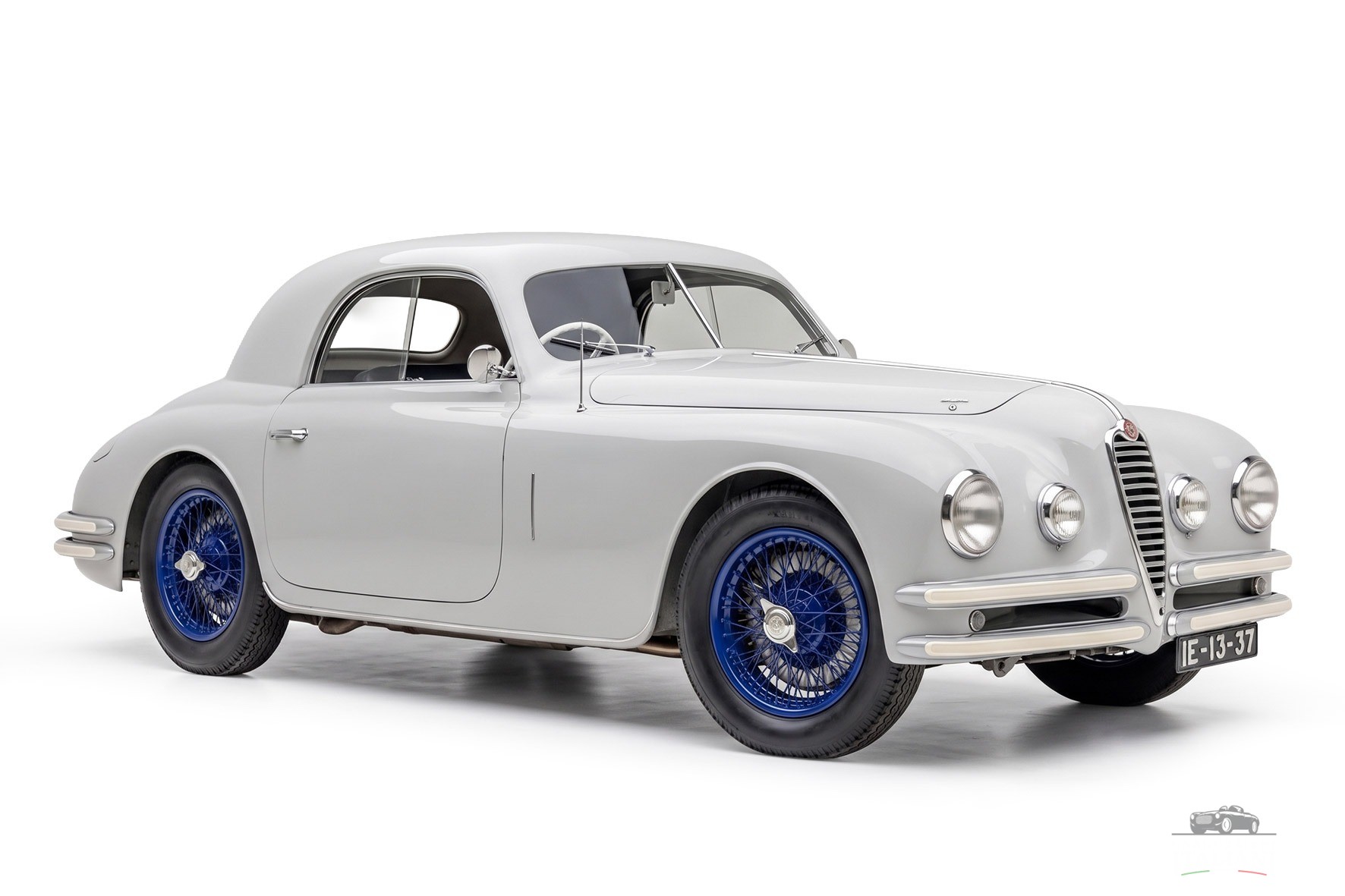
The Lancia Artena Freccia di Belzebù is a singular variant of the Lancia Artena, produced during the interwar period and unveiled in 1934. Conceived on the mechanical platform of the Artena III Serie, this iteration was distinguished by a bodywork executed by Carrozzeria Touring, the Milanese coachbuilder renowned for its advanced application of aerodynamic principles and patented superleggera construction techniques. The vehicle’s name, evocative and theatrical, “Freccia di Belzebù”translated as “Arrow of Beelzebub”alluded not only to its streamlined design but also to the broader aesthetic and cultural milieu of 1930s Italy, which often flirted with mythical and infernal imagery to convey dynamism, speed, and rebellion against convention. The underlying chassis retained the mechanical qualities typical of the Artena lineage: a narrow-angle V4 engine of 1,926 cubic centimetres, modest in power output yet refined in delivery, favoring smoothness over raw performance. The engine was mounted longitudinally and paired with a conventional rear-wheel drive layout, contributing to a balanced and predictable handling characteristic, consistent with Lancia’s engineering ethos of the time. The suspension system employed independent front wheels with a transverse leaf spring and a rigid axle at the rear, a layout aimed at enhancing both ride comfort and directional stability on the less-than-perfect road surfaces of the era. The bodywork presented a significant departure from standard saloon forms, incorporating flowing fenders, a raked windscreen, and a tapered rear section, all crafted in aluminium over a light tubular steel frame. The aesthetic was closely aligned with the streamline moderne tendencies that emerged in pre-war automotive design, emphasizing motion even in stasis. In this, the “Freccia di Belzebù” served both as a stylistic experiment and a demonstration of coachbuilding prowess. While never produced in large numbers and likely intended for private commission or exhibition, the vehicle remains an important artifact within the historical narrative of Italian automotive design. Its combination of mechanical conservatism and stylistic boldness reflects a transitional moment in motoring history, when function began to concede ground to form without wholly abandoning the former.
02 / TECHNICAL IDENTITY
Specifications & construction
Production & construction
- Production
- 1
- Production type
- One-off
Engine & performance
- Engine configuration
- V4
- Displacement
- 1,924 cc
- Power (CV)
- 55 CV
- Engine speed
- 4,000 rpm
- Transmission
- Manual 4-speed
- Drive
- Rear-wheel drive
- Specification notes
- Source-backed donor/model-level baseline for Lancia Artena: narrow-angle V4, 1924 cc, 55 CV at 4000 rpm, 4-speed manual, rear-wheel drive. Coachbuilt-body dimensions, weight and maximum speed are intentionally not inherited.
- Gearbox
- Manual 4-speed
- Drivetrain
- RWD
- Power RPM
- 4000 rpm
03 / DESIGN, BODY & SUPPLIERS
Design, body & suppliers
Design & manufacture
- Manufacturer · Documented
- Lancia
- Coachbuilder / Body Builder · Documented
- Touring
Body form & construction
04 / EVENTS & CHRONOLOGY
Events & chronology
No events or documented awards are currently recorded for this vehicle.
08 / GALLERY
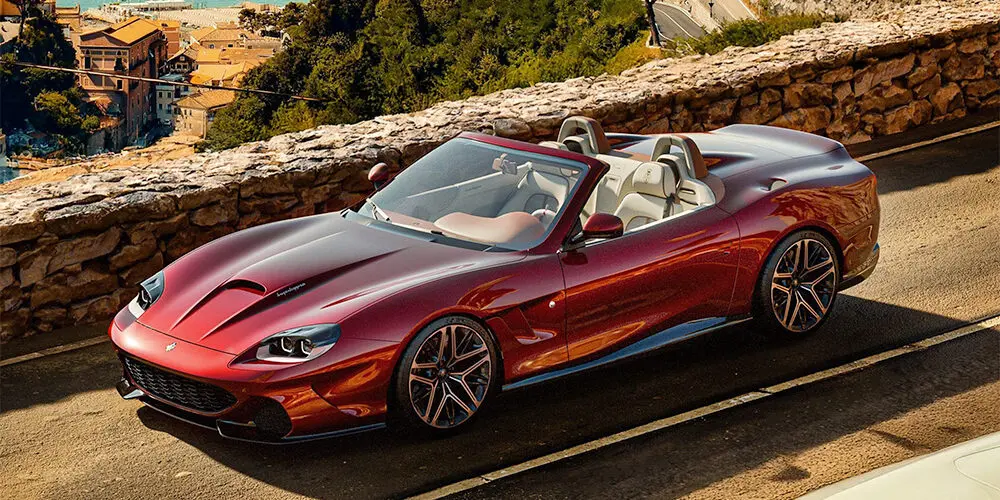
Photo gallery 1 photographs
09 / PERIOD ARCHIVE
Period photographs & advertising
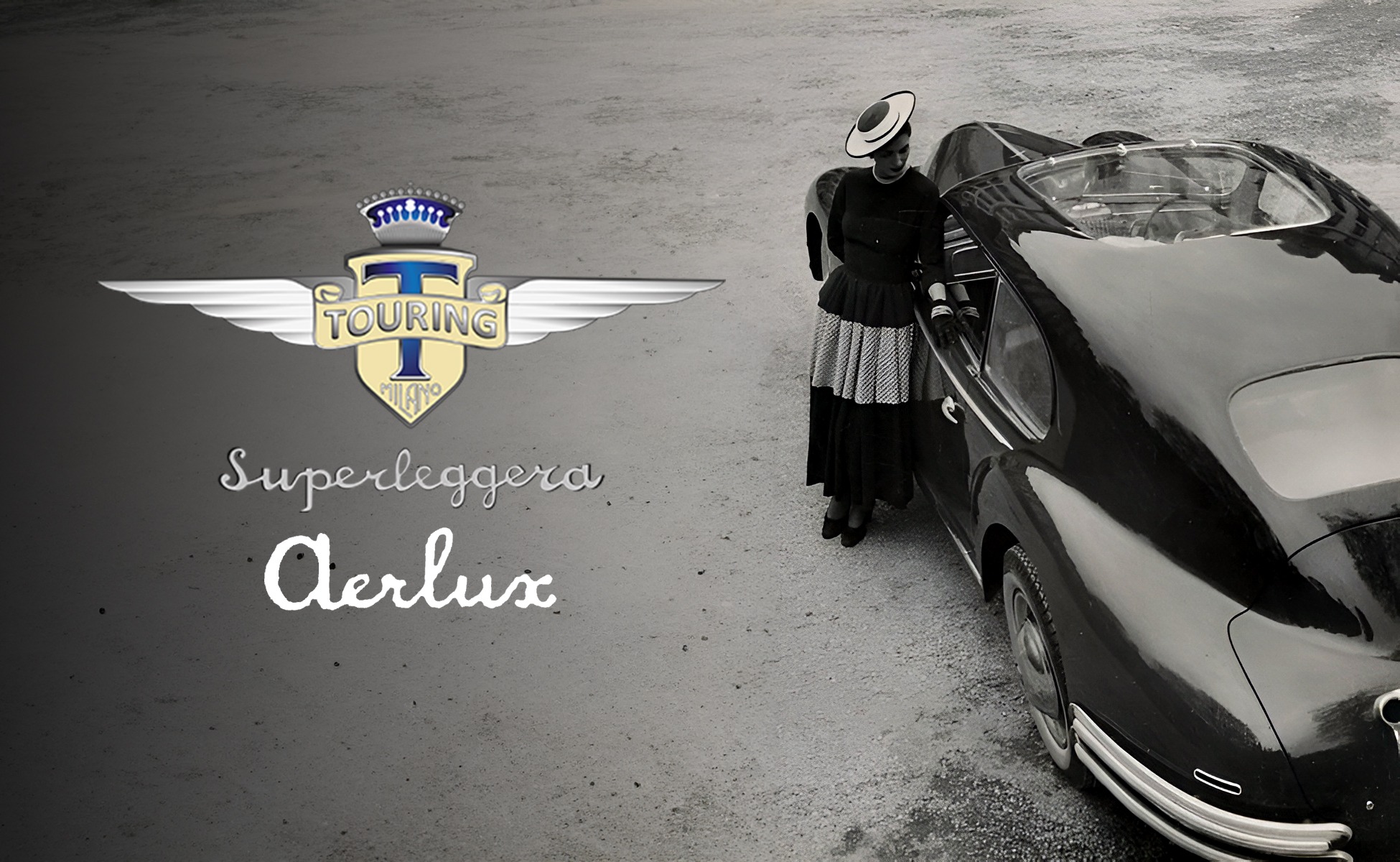
The period archive gallery will show historical photographs, advertisements, brochures and press images once assets, provenance and usage rights have been recorded in the masterfile.
THE CONVERSATION
Comments 0
Share a memory, a period photograph or a documented detail about this car.