
THE VEHICLE AT A GLANCE
Model dossier
- Production period
- 1994
- Engine
- None
- Type
- Design-proposal
THE PEOPLE BEHIND THE CAR
Coachbuilding, design & conversions

PRICE & SALES RECORD
Vehicle value
- Original price
- Not documented
- Latest recorded sale
- Not documented
01 / THE STORY
History & context
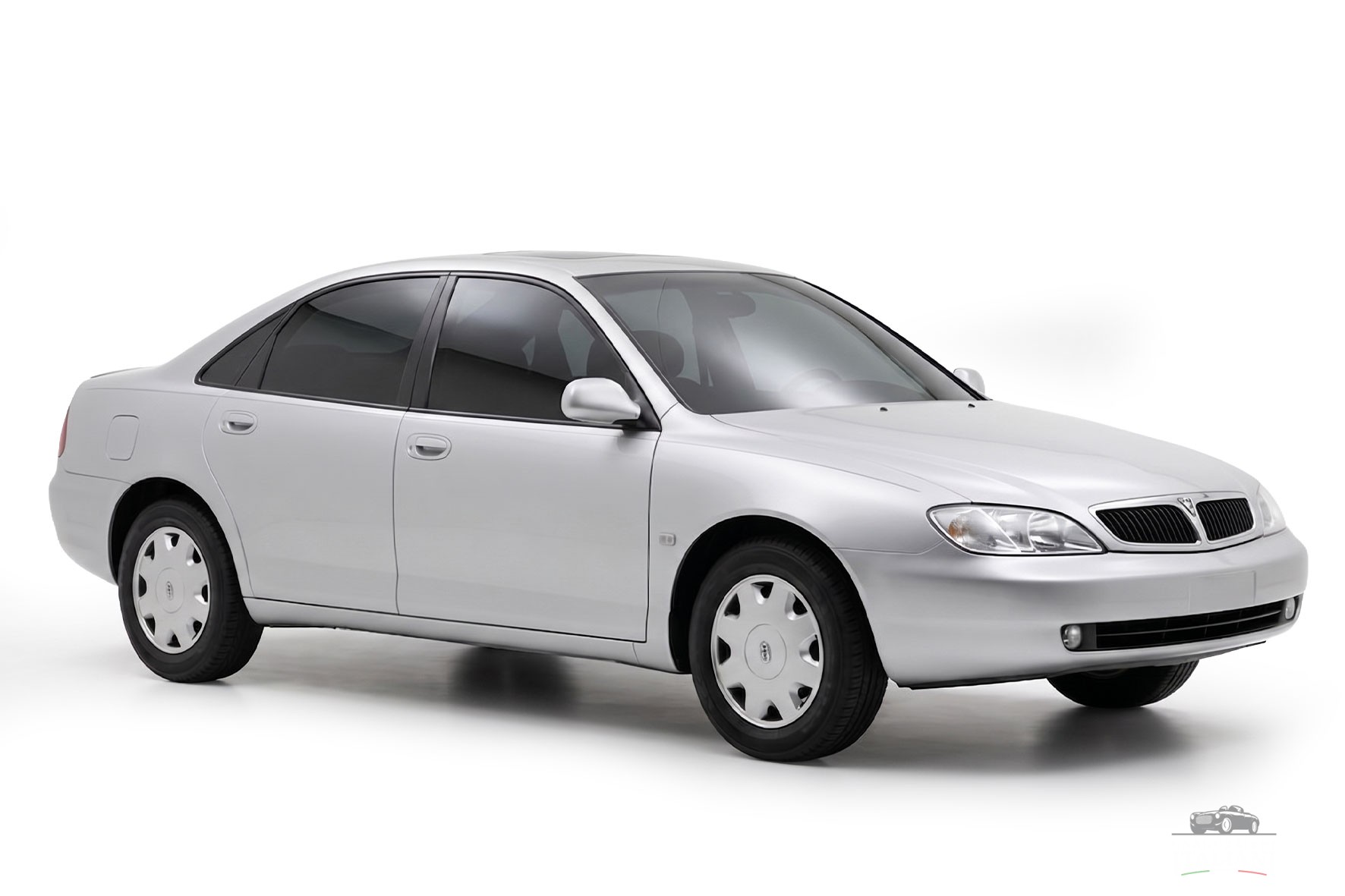
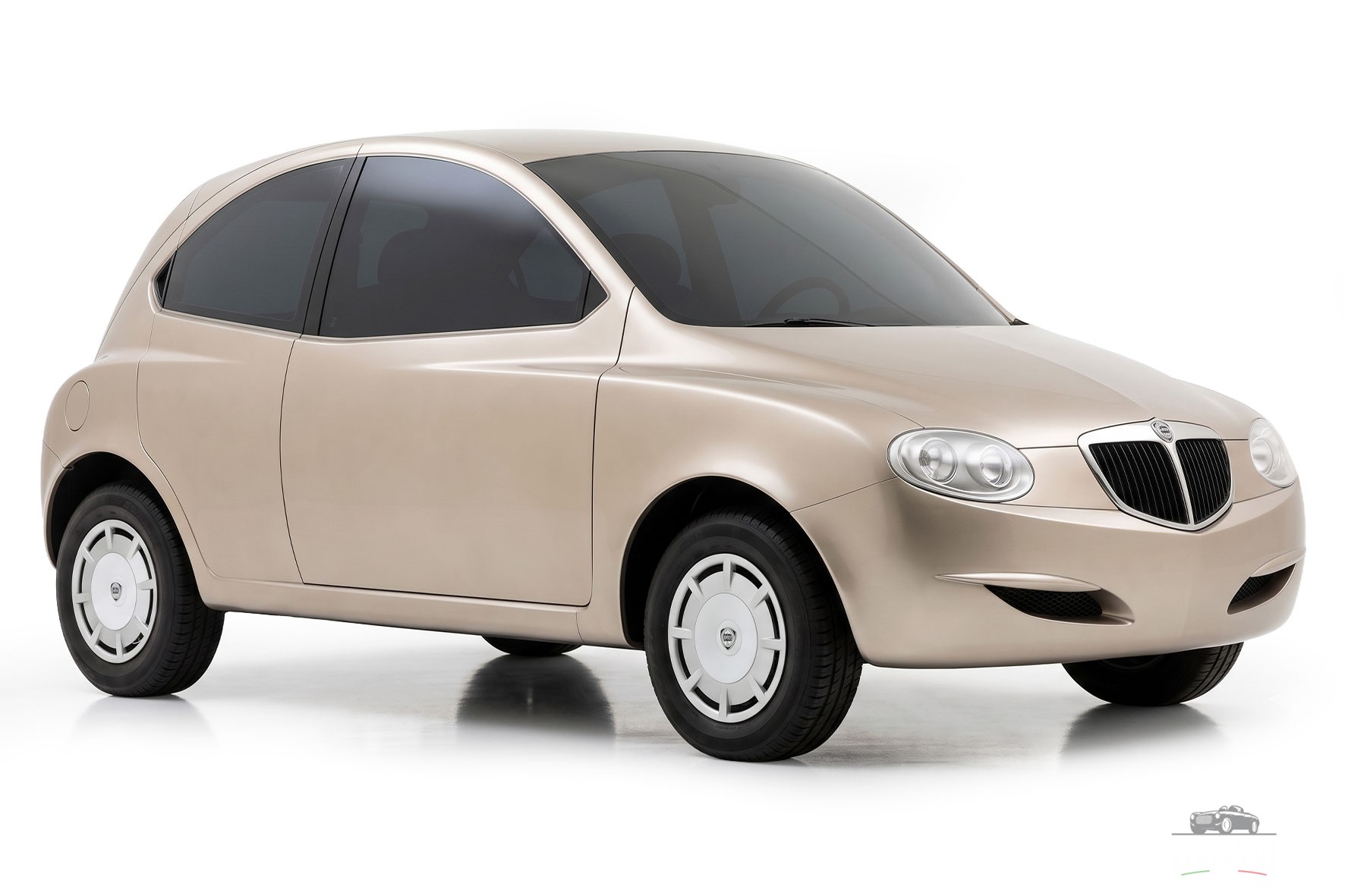
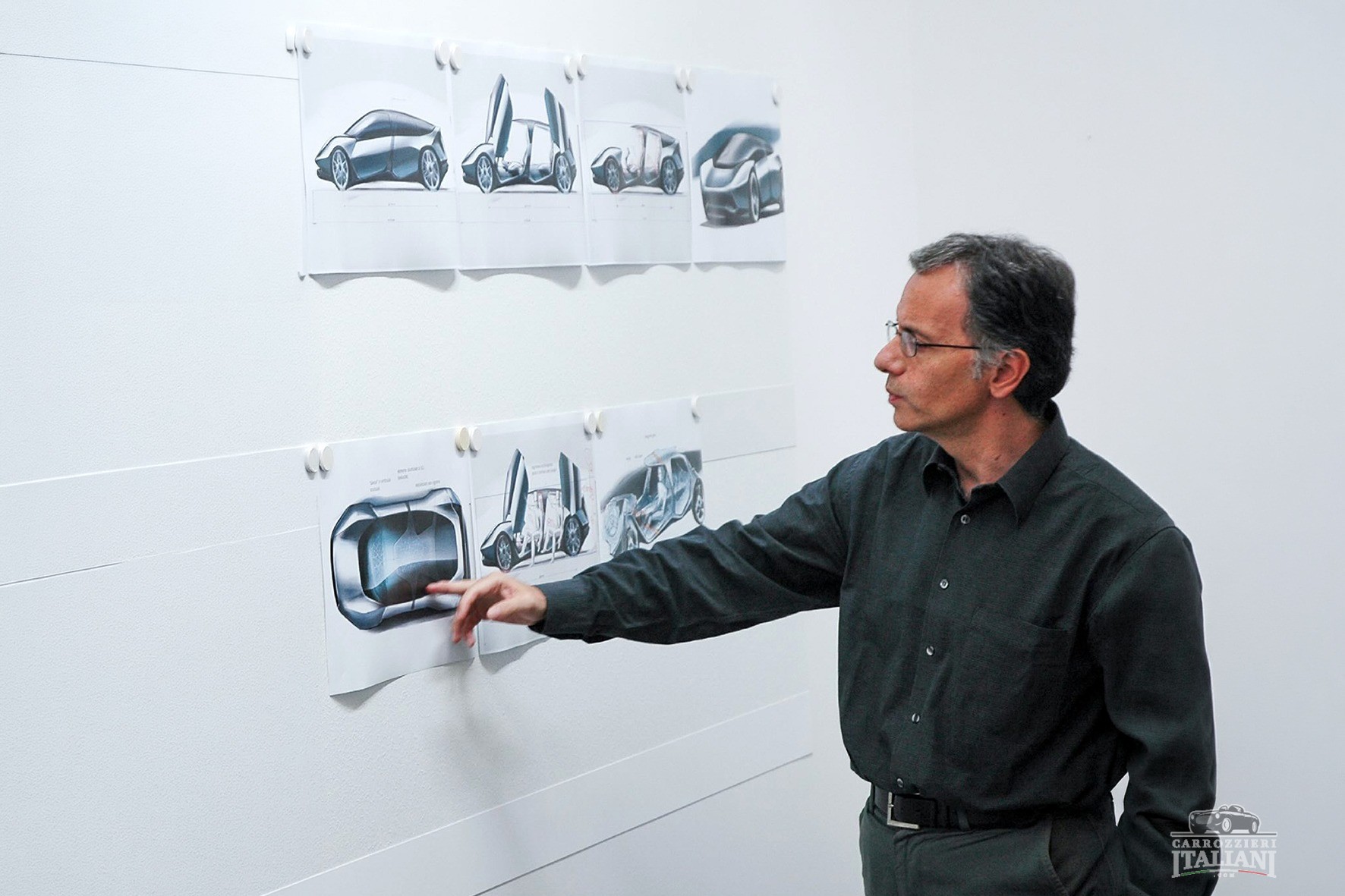
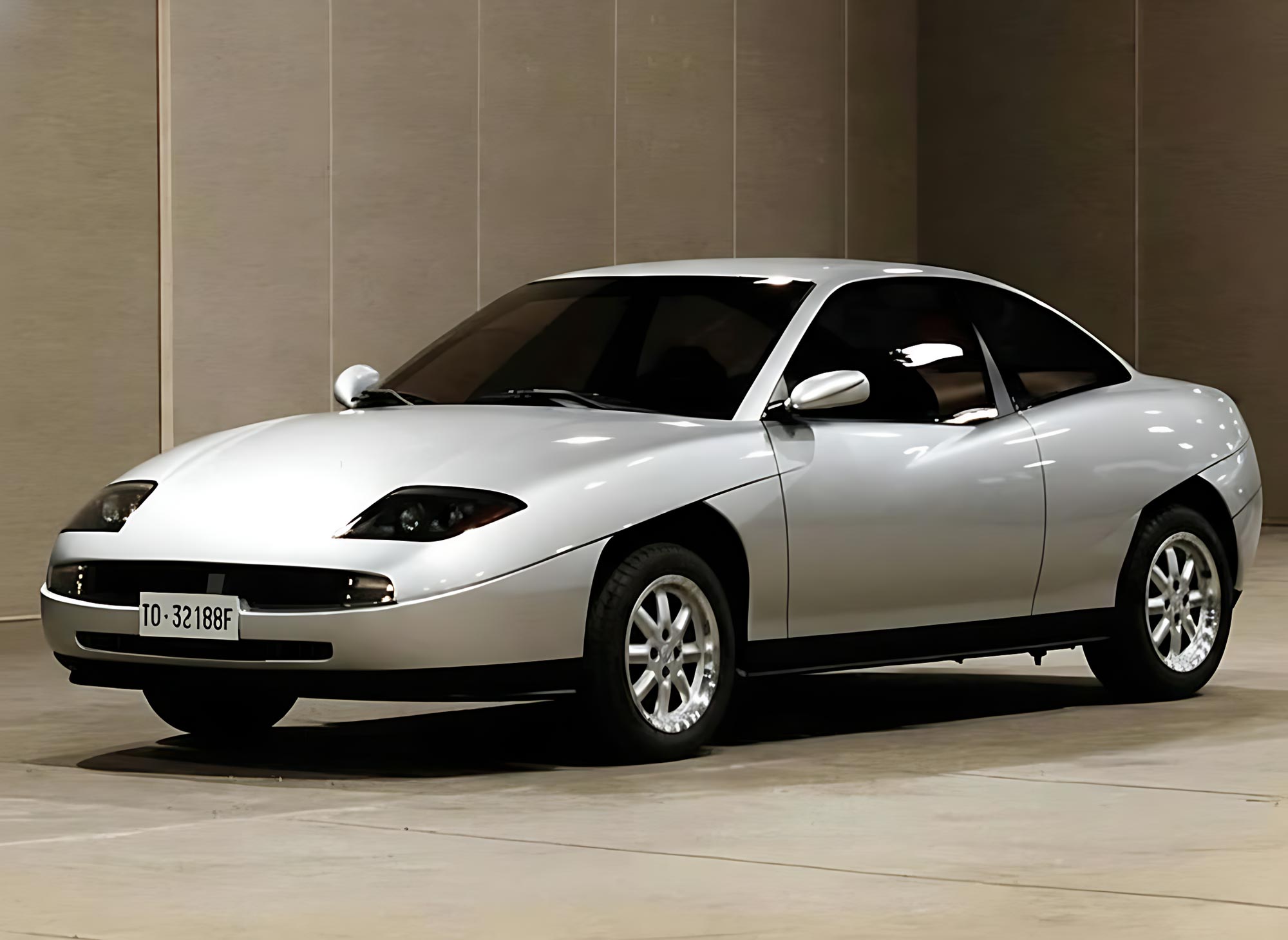
The Lancia Lybra Fioravanti is a unique design proposal developed as part of the design competition initiated by the Fiat Group for the new Lancia model, intended to replace the aging Lancia Dedra. Produced from 1999 to 2006, the Lybra was assembled first at the Fiat Rivalta Plant and later at Mirafiori. Although the final production model was designed internally by the Lancia Style Center under the direction of Michael Robinson, the Fioravanti proposal remains a notable alternative that showcased a different design philosophy. The Lancia Lybra (project code Tipo 839) is an automobile produced by the Italian car manufacturer Lancia from 1999 to 2006. Initially manufactured at the Fiat Rivalta plant, production was later moved to the Mirafiori plant. Designed to replace the outdated Lancia Dedra, the Lybra represented a significant evolution in terms of both design and comfort. The Lybra was built on the “Tipo 2 evoluzione 3” platform, initially developed for the Alfa Romeo 156, but featured technical solutions specifically aimed at prioritizing ride comfort over sportiness. Unlike the Alfa 156, which utilized a more complex and performance-oriented double-wishbone front suspension, the Lybra adopted the more conventional McPherson strut setup. This change not only made the vehicle more comfortable but also simplified maintenance and improved ride quality. At the rear, the Lybra employed BLG (longitudinal arm-guided) suspension, designed to optimize space and comfort, even though it offered slightly less dynamic performance compared to the McPherson setup used on the Alfa Romeo. The design process of the Lybra saw the involvement of multiple styling centers, including the internal Lancia Style Center led by Michael Robinson, as well as external collaborations with Pininfarina, the I.DE.A Institute and Fioravanti. After a series of evaluations, the design chosen was that of the Lancia internal style center. From a design perspective, the production Lybra marked a clear departure from the rigid, boxy shapes typical of Lancia cars from the 1980s and 1990s. The new model drew inspiration from iconic Lancia cars of the 1950s, such as the Aurelia and the Appia, characterized by their round headlights and soft, rounded lines. This stylistic approach gave the vehicle a more refined and sophisticated appearance, aligning with Lancia’s tradition of elegance while incorporating modern automotive aesthetics. One of the most striking elements of the Lybra’s design was its harmonious balance between classic and contemporary cues. The rounded headlights, embedded within a smooth, flowing front fascia, echoed the brand’s historical models while signaling a new direction for Lancia’s aesthetic identity. The subtle chrome accents and the elegantly sculpted bodywork emphasized the car’s upscale character. Aerodynamically, the Lancia Lybra achieved a drag coefficient of 0.31 for the sedan version, a notably low value for its class, contributing to both fuel efficiency and dynamic performance. This focus on aerodynamics further demonstrated the car’s thoughtful integration of style and function. Officially unveiled in March 1999 and launched on the market in September of the same year, the Lancia Lybra was well-received for its blend of comfort, elegance, and stylistic tradition. It positioned itself as a refined choice for European customers seeking a comfortable and distinctive car, embodying Lancia’s commitment to luxury and sophistication.
IN THE ARCHIVE
Coachbuilders & design studios
02 / TECHNICAL IDENTITY
Specifications & construction
Production & construction
- Production type
- Design-proposal
Engine & performance
- Engine configuration
- None
- Specification notes
- Lancia Lybra Fioravanti legacy design-proposal record: the canonical record represents a styling/design-proposal stage rather than a uniquely specified running vehicle. The current source dossier does not establish a project-specific powertrain or technical package; production-model specifications are deliberately not inherited.
Design & manufacture
- Manufacturer · Documented
- Lancia
- Designer · Documented
- Leonardo Fioravanti
- Design Studio / Engineering · Documented
- Fioravanti
06 / EVENTS & AWARDS
Events & awards
No events or documented awards are currently recorded for this vehicle.
07 / THE VEHICLE IN DETAIL
Photo gallery 4 photographs
08 / FROM THE ARCHIVE
Archive
References held in the vehicle dossier. Their inclusion does not establish that every historical claim has been independently verified.
| Reference | Source type |
|---|---|
| Driven to Write — Tilting the Scales (Lancia Lybra design history) driventowrite.com | Independent design history |
| Stellantis Media — Lancia Lybra, March 1999 www.media.stellantis.com | Manufacturer official launch |


THE CONVERSATION
Comments 0
Share a memory, a period photograph or a documented detail about this car.