
THE VEHICLE AT A GLANCE
Model dossier
- Manufacturer
- Lancia
- Base model
- Ypsilon
- Version
- Fioravanti design proposal; rejected in favour of in-house programme
- Production period
- 1999
- Body style
- Hatchback
- Type
- Design-proposal
- Designer
- Leonardo Fioravanti
THE PEOPLE BEHIND THE CAR
Coachbuilding, design & conversions

PRICE & SALES RECORD
Vehicle value
- Original price
- Not documented
- Latest recorded sale
- Not documented
01 / THE STORY
History & context
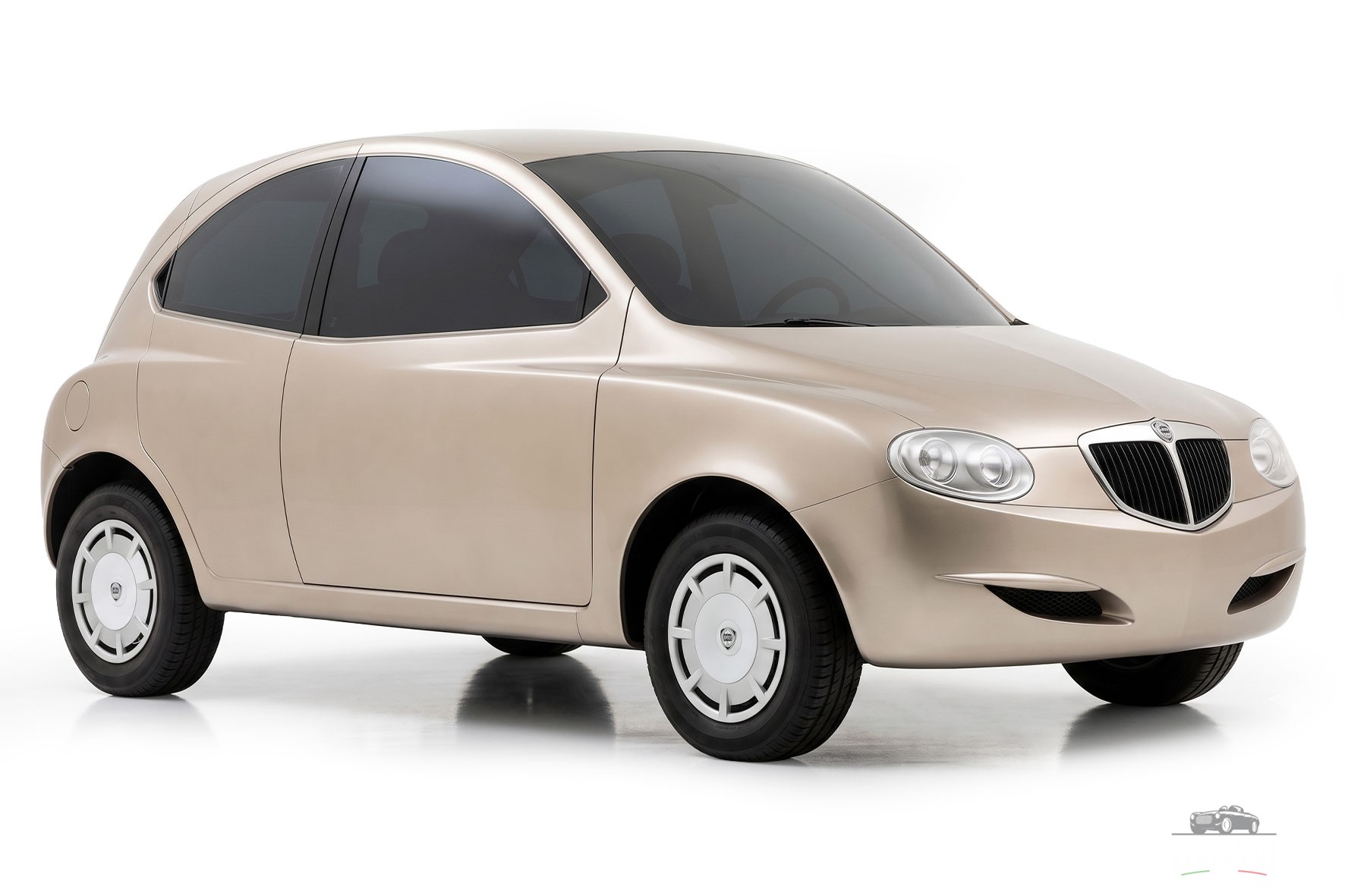
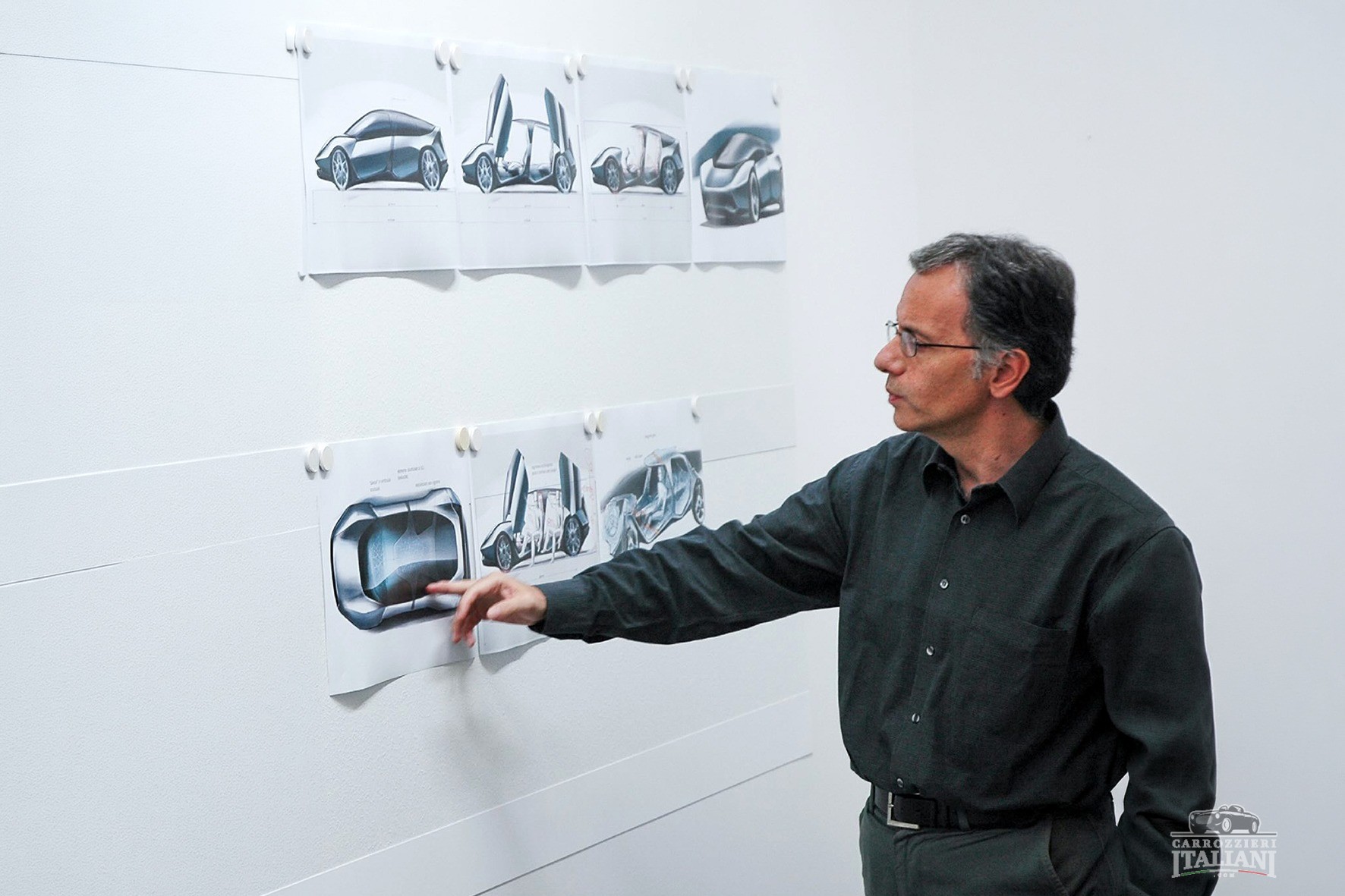
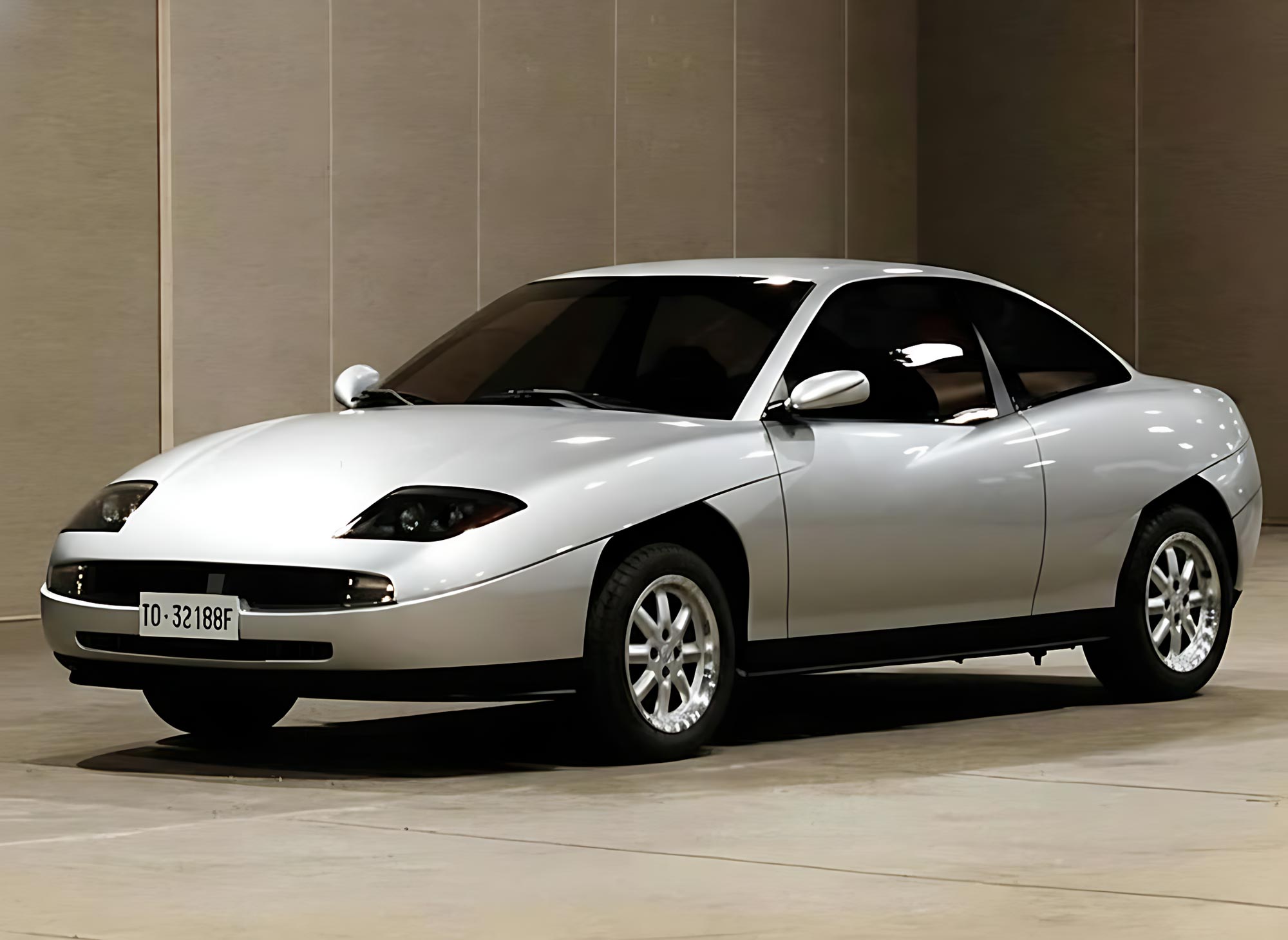
In the automotive world, the design process is a delicate dance of creativity, innovation, and brand identity. In 1999, the Lancia Ypsilon, a beloved compact car, underwent a design proposal by the renowned Leonardo Fioravanti. However, despite the intriguing features of Fioravanti’s vision, which included a distinctive rhombus-shaped side window combination, the proposal faced stiff competition from Pininfarina. Both, however, were surpassed by an unexpected contenderthe in-house design. Fioravanti’s proposal was marked by its audacious and avant-garde elements, with the peculiar rhombus-shaped side windows stealing the spotlight. This unorthodox design choice was a departure from conventional automotive styling, showcasing Fioravanti’s penchant for pushing boundaries and experimenting with unconventional shapes. Despite its unconventional nature, the proposal aimed to inject a sense of uniqueness and character into the Lancia Ypsilon, setting it apart in the competitive automotive landscape. At the front, Fioravanti remained true to Lancia’s heritage, incorporating the brand’s trademark grille design. This iconic element, combined with the headlights reminiscent of the family feeling adopted on models like the Lancia Dialogos and Thesis, aimed to create a visual continuity within the Lancia lineup. The incorporation of these familiar design cues sought to evoke a sense of brand recognition and loyalty among Lancia enthusiasts. However, the design competition took an unexpected turn when the in-house design was ultimately chosen over the proposals from Fioravanti and Pininfarina. While both external designs brought unique perspectives to the table, the in-house team’s vision resonated most strongly with Lancia’s internal vision for the Ypsilon. In the dynamic world of automotive design, concepts may captivate the imagination but are subject to the ever-evolving tastes and preferences of consumers. Fioravanti’s daring rhombus-shaped side window and the homage to Lancia’s design language, unfortunately, did not secure the spotlight this time. Nevertheless, the Lancia Ypsilon’s in-house design prevailed, showcasing the delicate balance between creativity, tradition, and the evolving narrative of a brand’s identity in the automotive realm.
02 / TECHNICAL IDENTITY
Specifications & construction
Production & construction
- Production type
- Design-proposal
- Production notes
- 1999 Fioravanti styling proposal for the future Lancia Ypsilon; specialist archive imagery corroborates proposal identity and year. No production-model technical inheritance.
Engine & performance
- Specification notes
- Lancia Ypsilon Fioravanti design proposal: the canonical record represents a styling/design-proposal stage rather than a uniquely specified running vehicle. The current source dossier does not establish a project-specific powertrain or technical package; production-model specifications are deliberately not inherited.
03 / DESIGN, BODY & SUPPLIERS
Design, body & suppliers
Design & manufacture
- Manufacturer · Documented
- Lancia
- Designer · Documented
- Leonardo Fioravanti
- Design Studio / Engineering · Documented
- Fioravanti
Body form & construction
- Body style
- Hatchback
04 / EVENTS & CHRONOLOGY
Events & awards
No events or documented awards are currently recorded for this vehicle.
08 / GALLERY
Photo gallery 2 photographs
09 / PERIOD ARCHIVE
Period photographs & advertising
The period archive gallery will show historical photographs, advertisements, brochures and press images once assets, provenance and usage rights have been recorded in the masterfile.



THE CONVERSATION
Comments 0
Share a memory, a period photograph or a documented detail about this car.