
What to Do When Your Car Needs Repairs After a Serious Accident
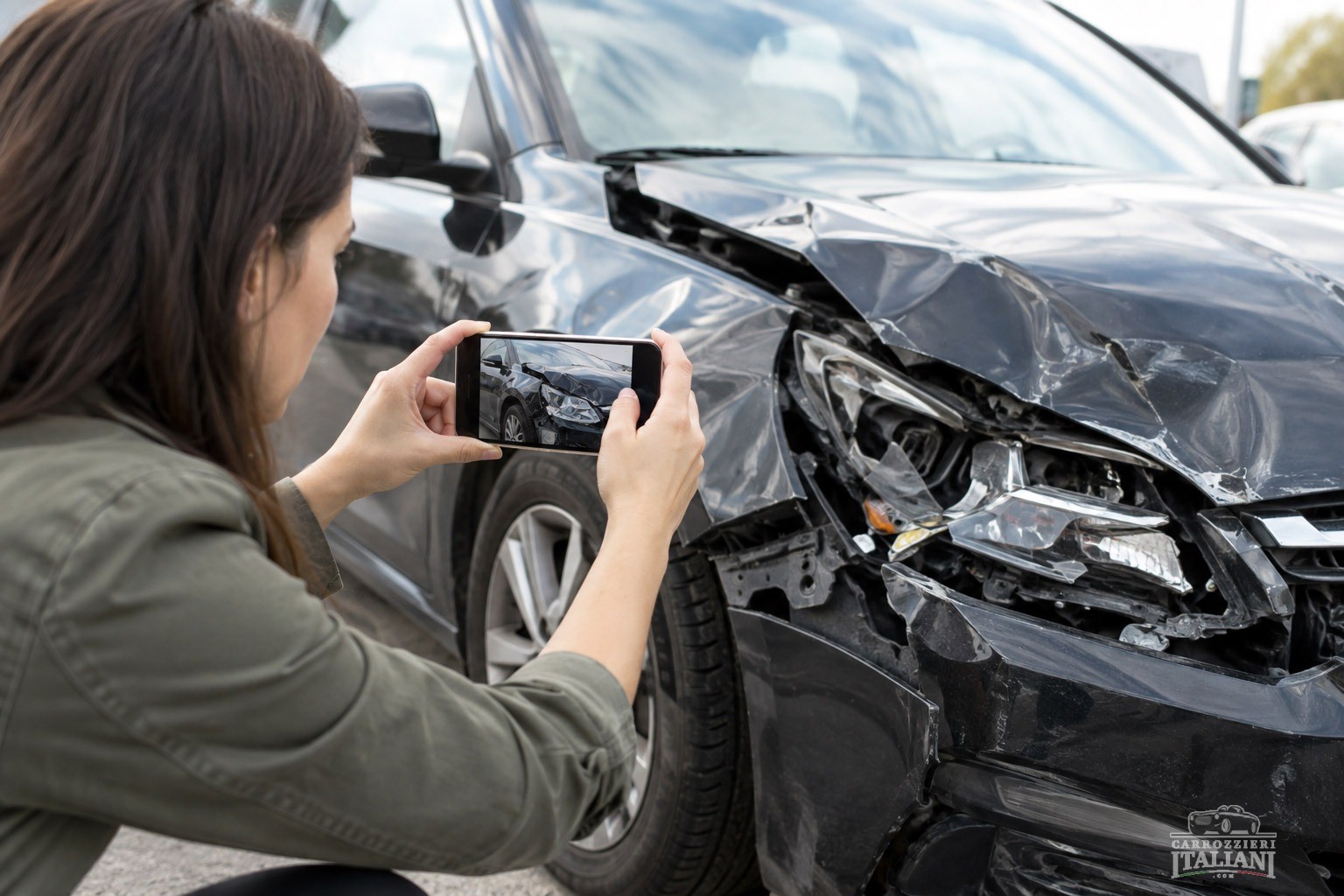
A serious car accident can leave you dealing with far more than a damaged vehicle. Between medical appointments, insurance calls, transportation problems, and repair estimates, getting your car back on the road can quickly become another source of stress.
Knowing how to approach the repair process can help you protect your finances, document the damage, and avoid making rushed decisions. Here are some important steps to take when your vehicle needs substantial repairs after a collision.
Document the Damage Before Repairs Begin
Before allowing a repair shop to start work, document the condition of your vehicle thoroughly. Take clear photographs and videos from several angles, including close-ups of damaged areas. You should also keep copies of the accident report, towing receipts, repair estimates, and any communication you receive from insurance companies. These records may become important if there is disagreement over the extent of the damage or how much the repairs should cost.
Avoid throwing away receipts associated with the accident. Towing, storage, rental cars, and other transportation expenses can add up quickly.
Contact Your Insurance Company
Report the accident to your insurer as soon as reasonably possible and ask what steps are required before repairs can begin. An insurance adjuster may need to inspect the vehicle or review photographs before authorizing payment. Ask questions about your deductible, repair coverage, rental vehicle coverage, and whether you are required to obtain multiple estimates. You should also find out whether you can select your own repair facility.
Do not assume every cost will automatically be covered. Taking time early on to understand your policy’s exact terms can help prevent unexpected expenses later and prepare you for any costs you must pay out of pocket.
Get a Detailed Repair Estimate
Choose a reputable collision repair shop and request a written estimate. It should provide a clear breakdown of the work required, including:
- Replacement Parts
- Labor
- Paint
- Structural Repairs
- Other Anticipated Costs
Some damage may not be visible during an initial inspection. For example, a collision can affect the vehicle’s frame, suspension, sensors, or other components hidden beneath exterior panels. The repair shop may need to submit a supplemental estimate after work begins. If an estimate seems unusually high or low, consider getting another professional opinion before approving major repairs.
Understand When a Vehicle May Be a Total Loss
Severe damage does not always mean a car will be repaired. An insurance company may determine that a vehicle is a total loss when repairing it is not economically reasonable compared with its value.
If this happens, review the insurer’s valuation carefully. Check that the vehicle’s make, model, mileage, condition, trim level, and optional equipment have been recorded correctly. Researching comparable vehicles in your area can also give you a better idea of whether the proposed valuation appears reasonable.
Be Careful When Liability Is Disputed
The repair process can become more complicated when drivers or insurers disagree about who caused the collision. You may also face questions about property damage, medical expenses, lost income, or other losses resulting from the accident.
If you were injured and are uncertain about your rights, speaking with an accident lawyer in Miami may help you understand your options and how the property-damage side of the accident fits into a broader injury claim. Keep records of conversations with insurers and avoid signing documents you do not fully understand.
Inspect the Car Before Accepting It
When repairs are complete, do not simply collect the keys and leave. Examine the repaired areas carefully and ask the shop to explain what work was performed. Check that body panels align correctly, warning lights are off, doors and windows operate normally, and the vehicle drives as expected. Ask about warranties covering parts, paint, and labor, and keep your final invoice and repair documentation.
Keep Everything Organized
Repairing a car after a serious accident can take time, particularly when extensive damage or insurance disputes are involved. Keeping photographs, estimates, invoices, correspondence, and receipts together can make the process much easier to manage.

ABOUT THE AUTHOR
Carrozzieri Italiani Editorial Team
Guides, practical advice and editorial contributions from the Carrozzieri Italiani team.
More stories by Carrozzieri Italiani Editorial Team ↗CONTINUE READING
Posts You Might Like
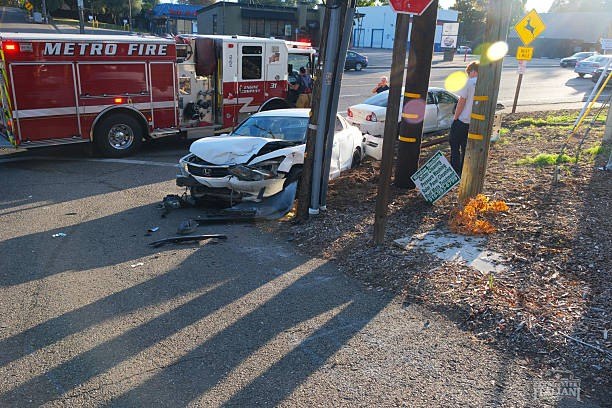
How Vehicle Design and Defective Components Can Contribute to Serious Car Accidents
A driver can do everything right and still end up in a hospital bed because a tire tread separated at highway speed. Federal crash investigators have spent decades tracing a measurable share…
Read story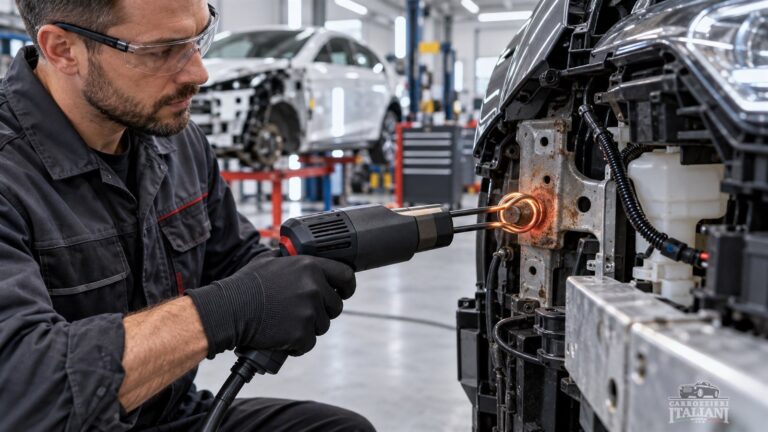
How Automotive Induction Heaters Improve Speed and Safety in Collision Repair
Collision repair has long relied on open-flame torches to loosen rusted bolts, soften adhesive, and free stuck body panels, but that approach carries real tradeoffs. Flame-based heating is slow to control precisely,…
Read story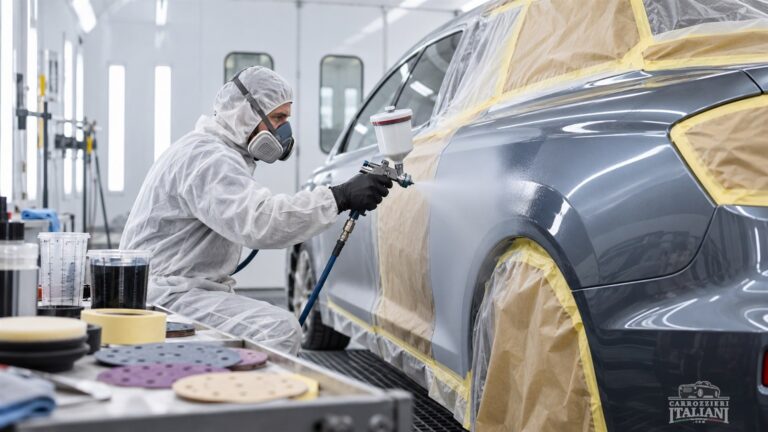
The Key Stages of a Professional Vehicle Paint Repair
Vehicle paintwork has to cope with stone chips, minor collisions, scratches, weather exposure, and everyday wear. When damage occurs, achieving a professional result involves far more than simply spraying fresh color over…
Read story
Il veicolo urbano dopo il viaggio: cosa distingue davvero un buon design per la città
Per gran parte della storia dell’automobile, il progetto di un veicolo è stato raccontato attraverso ciò che accade durante la guida: la velocità, la linea del cofano, il comportamento in curva, la…
Read story
THE CONVERSATION
Comments 0
Share a memory, a period photograph or a documented detail about this story.