
How Automotive Induction Heaters Improve Speed and Safety in Collision Repair
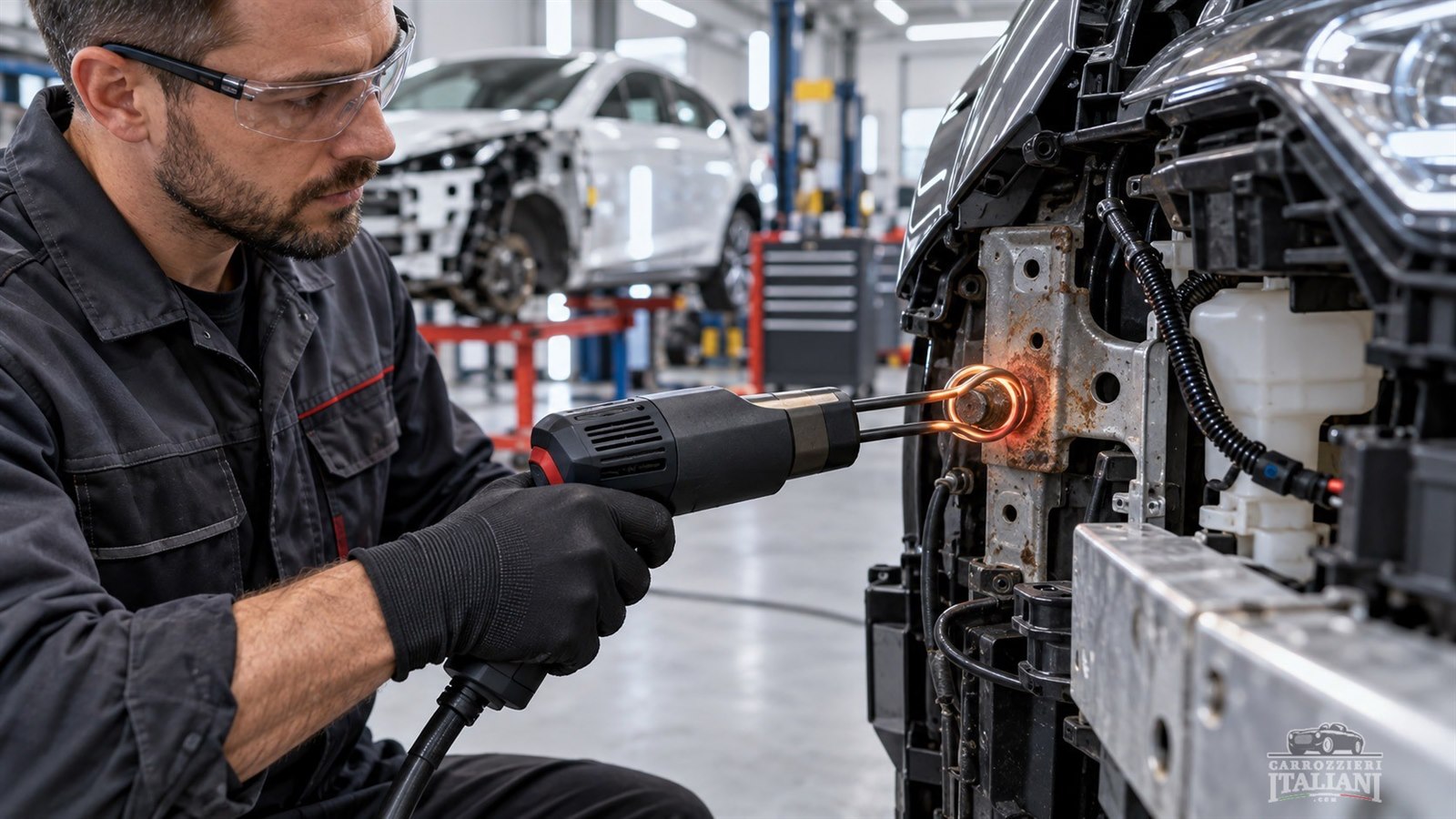
Collision repair has long relied on open-flame torches to loosen rusted bolts, soften adhesive, and free stuck body panels, but that approach carries real tradeoffs. Flame-based heating is slow to control precisely, introduces fire risk in a shop full of flammable materials, and often damages the paint, wiring, or plastic components surrounding the area being heated. A different approach, using electromagnetic induction instead of combustion, has changed how many shops handle these tasks, offering faster results with far less collateral damage to the vehicle or the surrounding work environment.
The Basic Science Behind Induction Heating
Induction heating works by passing an alternating current through a coil, which generates a magnetic field that induces eddy currents directly within a nearby conductive metal object. Those eddy currents generate heat inside the metal itself, rather than transferring heat from an external flame or element onto its surface. This distinction matters considerably in practice, since the metal heats from within and reaches working temperature far faster than it would through conduction from an outside heat source.
Because the heating effect is localized to the metal being targeted, and because non-conductive materials like plastic, rubber, and glass are largely unaffected by the magnetic field, induction heating naturally limits its own footprint. A technician can heat a rusted bolt without significantly warming the paint or plastic trim surrounding it, something that’s much harder to achieve with a torch, where heat radiates outward in every direction and requires constant physical shielding to contain.
Why Speed Matters in Collision Repair Workflows
Shop throughput depends heavily on how quickly individual repair tasks can be completed, and heating-related tasks are often a bottleneck when handled with traditional torches. A stuck bolt or seized fastener might take several minutes of sustained flame exposure to loosen, during which a technician has to monitor the heat carefully to avoid overheating adjacent components. Automotive induction heaters typically bring a comparable fastener up to working temperature in a fraction of that time, since the heat generates directly within the target metal rather than needing to travel there from an external source.
That speed advantage compounds across a full repair job. Dent removal techniques that use controlled heating to relieve stress in metal panels, adhesive removal for trim and moldings, and loosening corroded exhaust components all benefit from faster heat cycles, which translates directly into more completed jobs per bay per day. Shops running high repair volumes often find that the time saved on heating tasks alone justifies the equipment investment, particularly when that time is multiplied across dozens of vehicles moving through the shop each month.
Reducing Open-Flame Risk on the Shop Floor
Fire risk is one of the most significant safety concerns in any collision repair environment, given the combination of fuel residue, solvents, and flammable materials present in most shops. Open-flame torches require careful management around these hazards, including clearing the work area of flammable debris and maintaining fire suppression equipment within reach at all times. Even with careful precautions, the risk of accidental ignition never fully disappears when an actual flame is involved.
Using automotive induction heaters removes the open flame from the heating process, reducing one important source of ignition risk while still requiring technicians to manage hot metal, nearby materials, and the equipment’s operating instructions carefully. There’s no open flame to accidentally ignite nearby solvents, no risk of a torch tip contacting fuel lines, and no need for the same level of fire-watch protocol that flame-based heating requires. This doesn’t eliminate every safety consideration around handling heated metal, but it removes an entire class of fire hazard that shops using traditional torches have to actively manage on every single job.
Protecting Surrounding Materials from Heat Damage
Beyond fire risk, uncontrolled heat spread is a persistent source of secondary damage in collision repair. A torch aimed at a stuck bolt near a wiring harness or a painted panel risks scorching insulation, discoloring paint, or softening nearby plastic components, damage that then requires its own repair, adding cost and time to a job that was supposed to be straightforward. Shielding techniques exist to reduce this risk with flame heating, but they add setup time and don’t eliminate the problem entirely.
Because induction heating targets conductive metal specifically and leaves non-conductive materials largely unaffected, it substantially reduces this kind of collateral damage. A technician working near a wiring harness or plastic bumper cover doesn’t need to build elaborate heat shields before starting the job, since the surrounding materials simply don’t absorb significant heat from the induction field the way they would from radiant flame heat. This makes the tool particularly well suited to modern vehicles, which pack more wiring, sensors, and plastic components into tight spaces than older models did.
Practical Applications Across Repair Tasks
Induction heating tools show up across a range of specific collision repair tasks, each benefiting from the same underlying advantages of speed and contained heat. Common applications include:
- Loosening rusted or seized fasteners, including exhaust bolts and suspension hardware, without damaging surrounding rubber bushings or plastic shields.
- Removing adhesive-bonded trim, moldings, and emblems by softening the adhesive layer without scorching the painted surface beneath it.
- Relieving stress in dented panels as part of paintless dent repair techniques, where controlled, localized heat helps metal return to its original shape.
- Removing window glass set in urethane adhesive, softening the bond without applying heat directly to the glass itself.
- Shrinking stretched metal in damaged panels, a task that traditionally required careful, repeated torch application to avoid overheating the surrounding area.
Each of these tasks benefits from the same core advantage: heat that’s generated precisely where it’s needed, with minimal spread into surrounding materials that weren’t meant to be affected.
Key Takeaways
The shift toward induction heating in collision repair reflects a broader move toward tools that offer more precise control over a process that used to depend heavily on technician skill and careful flame management. Faster heat cycles mean more completed repairs per shift, while the absence of an open flame removes a persistent fire risk that traditional torches carry throughout every job. Perhaps most importantly, the localized nature of induction heating protects the wiring, plastic, and painted surfaces that surround most repair points on a modern vehicle, reducing the secondary damage that often added unplanned time and cost to torch-based repairs. For shops evaluating equipment upgrades, the combination of speed, safety, and reduced collateral damage makes a compelling case on its own merits, independent of any single task it’s applied to.

ABOUT THE AUTHOR
Carrozzieri Italiani Editorial Team
Guides, practical advice and editorial contributions from the Carrozzieri Italiani team.
More stories by Carrozzieri Italiani Editorial Team ↗CONTINUE READING
Posts You Might Like
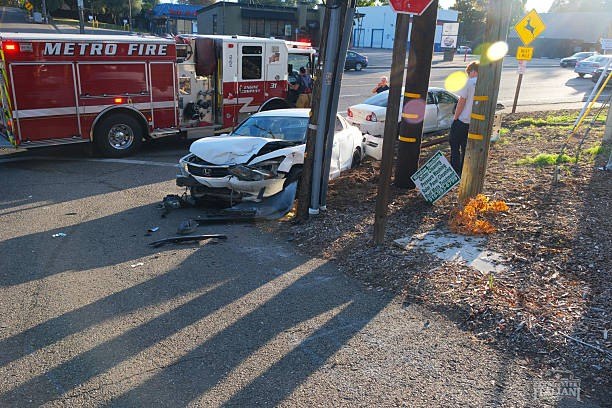
How Vehicle Design and Defective Components Can Contribute to Serious Car Accidents
A driver can do everything right and still end up in a hospital bed because a tire tread separated at highway speed. Federal crash investigators have spent decades tracing a measurable share…
Read story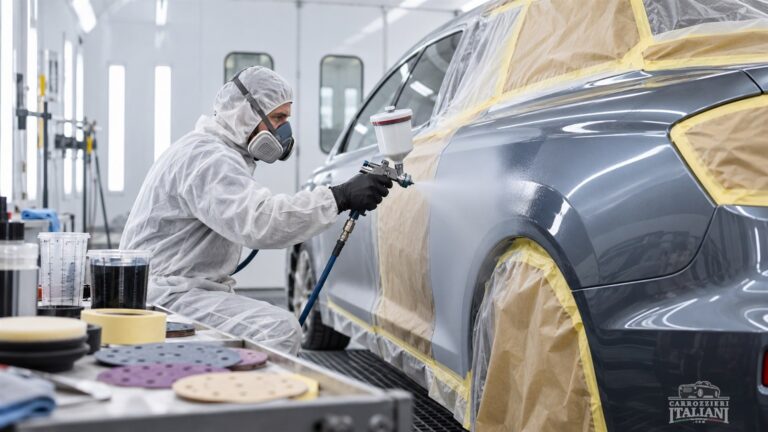
The Key Stages of a Professional Vehicle Paint Repair
Vehicle paintwork has to cope with stone chips, minor collisions, scratches, weather exposure, and everyday wear. When damage occurs, achieving a professional result involves far more than simply spraying fresh color over…
Read story
Il veicolo urbano dopo il viaggio: cosa distingue davvero un buon design per la città
Per gran parte della storia dell’automobile, il progetto di un veicolo è stato raccontato attraverso ciò che accade durante la guida: la velocità, la linea del cofano, il comportamento in curva, la…
Read story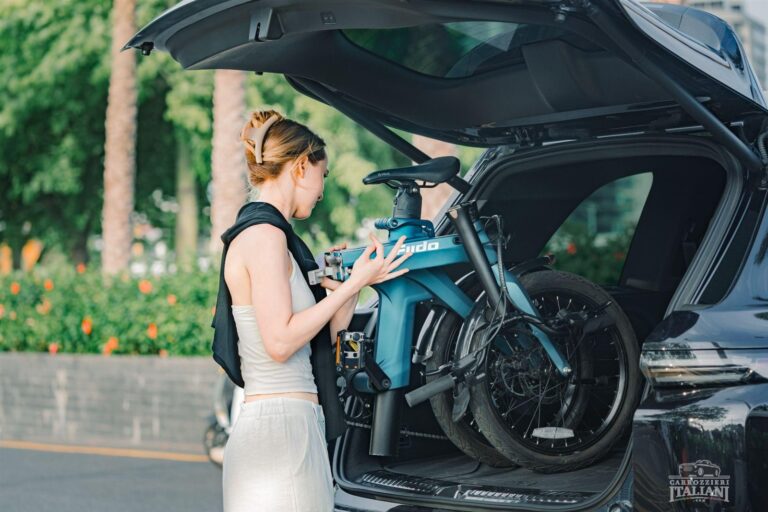
Dalla city car alla bici elettrica pieghevole: perché la mobilità compatta è una questione di design italiano
Il design italiano ha sempre avuto un rapporto particolare con lo spazio limitato. Il Paese che ha dato al mondo la Fiat 500, la Fiat Topolino e generazioni di piccole auto cittadine…
Read story
THE CONVERSATION
Comments 0
Share a memory, a period photograph or a documented detail about this story.