
The Key Stages of a Professional Vehicle Paint Repair
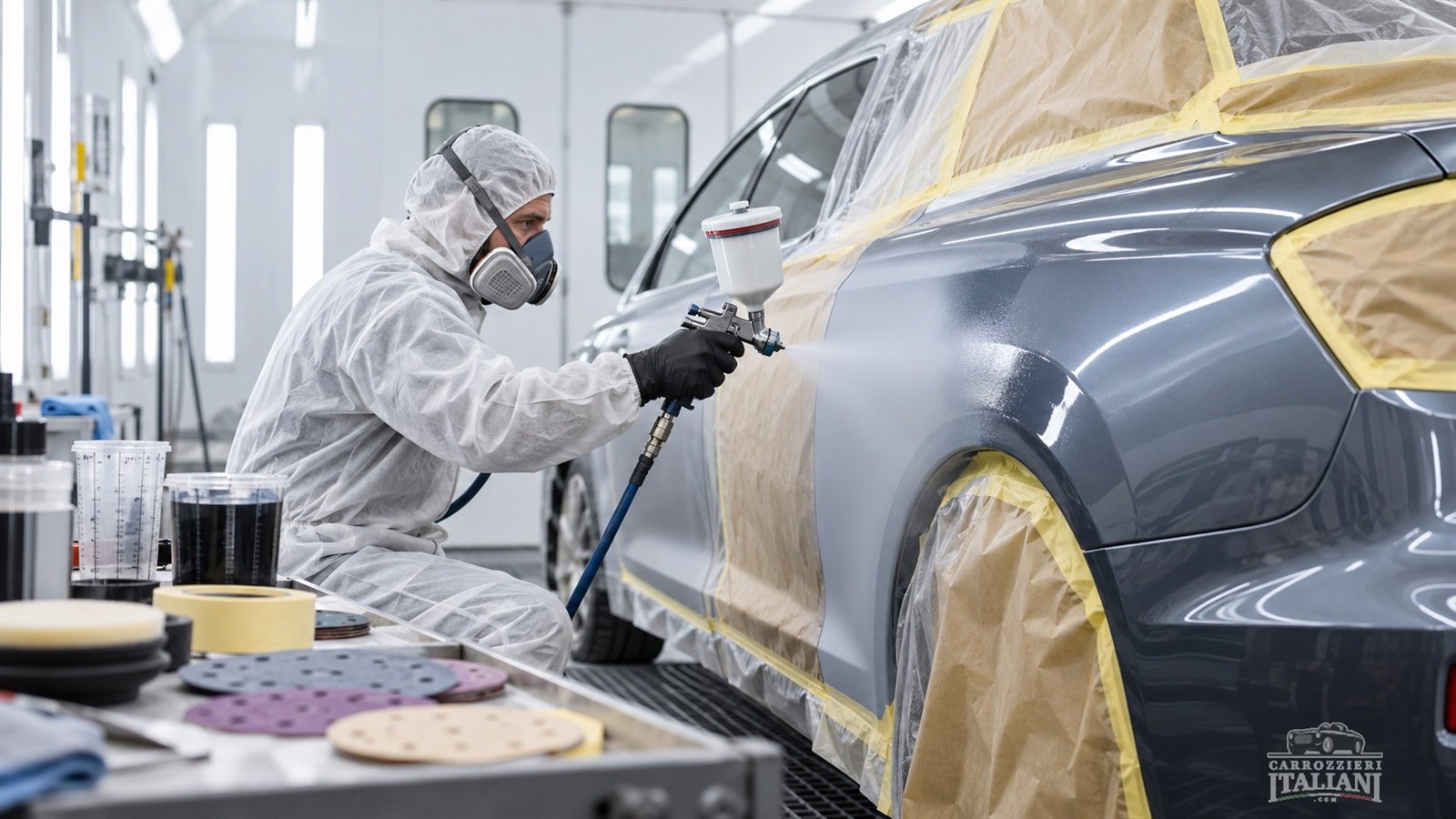
Vehicle paintwork has to cope with stone chips, minor collisions, scratches, weather exposure, and everyday wear. When damage occurs, achieving a professional result involves far more than simply spraying fresh color over the affected area.
A quality vehicle paint repair follows a careful sequence designed to restore the appearance of the car while creating a durable finish. Read on to find out more.
Assessing the Paint Damage
The first stage is determining exactly how extensive the damage is. A light surface scratch may only affect the clear coat, while deeper scratches can penetrate the color, primer, or even expose the underlying metal.
Technicians will also look for dents, corrosion, cracked paint, and previous repairs. This assessment helps establish whether the affected area can be repaired locally or whether a larger section of the panel needs refinishing.
Preparing the Surface
Preparation is one of the most important parts of vehicle paint repair. The damaged area must be cleaned thoroughly to remove dirt, grease, and other contaminants before sanding begins.
Sanding removes loose or damaged coatings and creates a suitable surface for subsequent materials to adhere to. Where dents or deeper imperfections are present, filler may be required to restore the correct panel shape. The repaired area is then sanded progressively until it feels smooth and blends evenly into the surrounding surface.
Body shops also need dependable materials throughout the refinishing process. Specialist suppliers such as nebulapaintproducts.uk provide products intended for professional automotive paint and bodywork applications.
Applying and Sanding the Primer
Once the underlying surface has been prepared, the appropriate primer can be applied. Primer helps promote adhesion between the substrate and subsequent paint layers while also providing a consistent base for the color coat.
Depending on the repair, different primers may be needed for materials such as bare metal or plastic components. After curing, the primer is carefully sanded to remove minor imperfections and produce a flat surface ready for painting.
Matching the Vehicle's Color
Accurate color matching is essential if the repaired area is to integrate with the rest of the vehicle. Although the manufacturer’s paint code provides a starting point, the existing color can change slightly over time because of UV exposure, age, and environmental conditions.
Professional technicians can compare color variants and produce test samples before selecting the final formulation. With metallic and pearlescent finishes in particular, application technique can also influence how the finished color appears from different angles.
Applying the Base Coat and Clear Coat
The color coat is generally applied in controlled, even passes to build the required coverage. Where necessary, technicians can blend the color into the surrounding area to prevent an obvious transition between old and new paint.
A clear coat is then applied over compatible basecoat systems. This creates the final gloss while providing a protective outer layer against weathering, UV exposure, and everyday contaminants.
Curing, Polishing, and Inspection
The newly applied coating must be allowed to cure correctly before finishing work takes place. Professional workshops may use controlled curing equipment to help the coating reach the required hardness.
Once cured, small surface imperfections can be corrected before the area is polished to achieve the appropriate gloss. The technician will then inspect the repair under suitable lighting, checking the color match, surface texture, and overall consistency.
A Process Where Every Stage Matters
Professional vehicle paint repair is a layered process in which each stage affects the next. Careful assessment, thorough preparation, suitable primers, accurate color matching, and controlled paint application all contribute to the finished result.
When these stages are completed properly, the repaired area can integrate smoothly with the surrounding bodywork while delivering the durability expected from a professional refinishing job.

ABOUT THE AUTHOR
Carrozzieri Italiani Editorial Team
Guides, practical advice and editorial contributions from the Carrozzieri Italiani team.
More stories by Carrozzieri Italiani Editorial Team ↗CONTINUE READING
Posts You Might Like
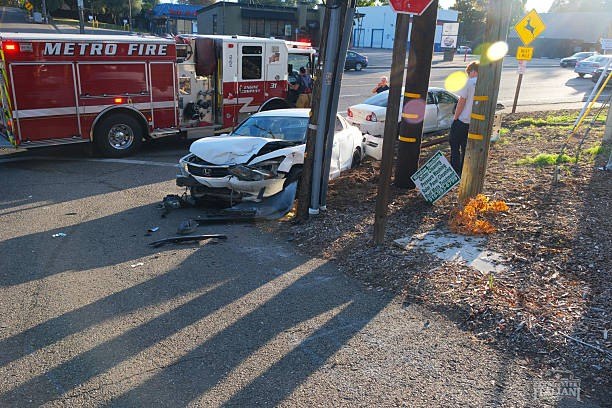
How Vehicle Design and Defective Components Can Contribute to Serious Car Accidents
A driver can do everything right and still end up in a hospital bed because a tire tread separated at highway speed. Federal crash investigators have spent decades tracing a measurable share…
Read story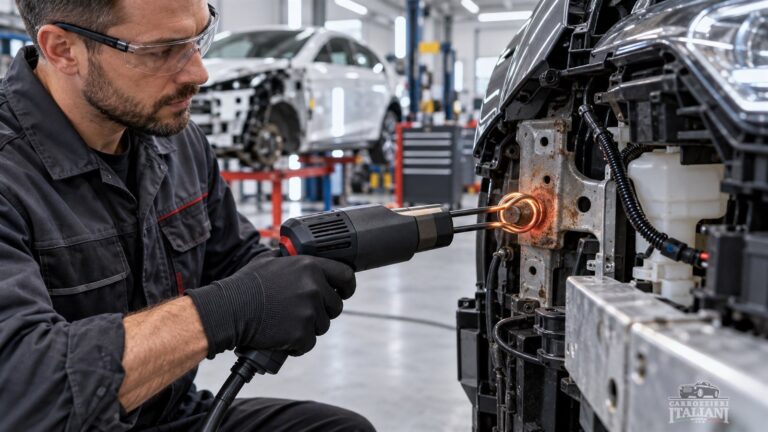
How Automotive Induction Heaters Improve Speed and Safety in Collision Repair
Collision repair has long relied on open-flame torches to loosen rusted bolts, soften adhesive, and free stuck body panels, but that approach carries real tradeoffs. Flame-based heating is slow to control precisely,…
Read story
Il veicolo urbano dopo il viaggio: cosa distingue davvero un buon design per la città
Per gran parte della storia dell’automobile, il progetto di un veicolo è stato raccontato attraverso ciò che accade durante la guida: la velocità, la linea del cofano, il comportamento in curva, la…
Read story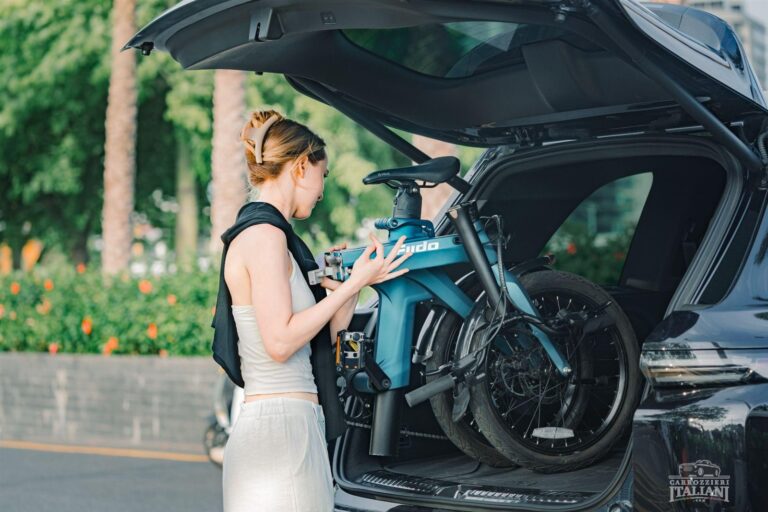
Dalla city car alla bici elettrica pieghevole: perché la mobilità compatta è una questione di design italiano
Il design italiano ha sempre avuto un rapporto particolare con lo spazio limitato. Il Paese che ha dato al mondo la Fiat 500, la Fiat Topolino e generazioni di piccole auto cittadine…
Read story
THE CONVERSATION
Comments 0
Share a memory, a period photograph or a documented detail about this story.