
Understanding Vehicle Collateral Loans: A Comprehensive Guide
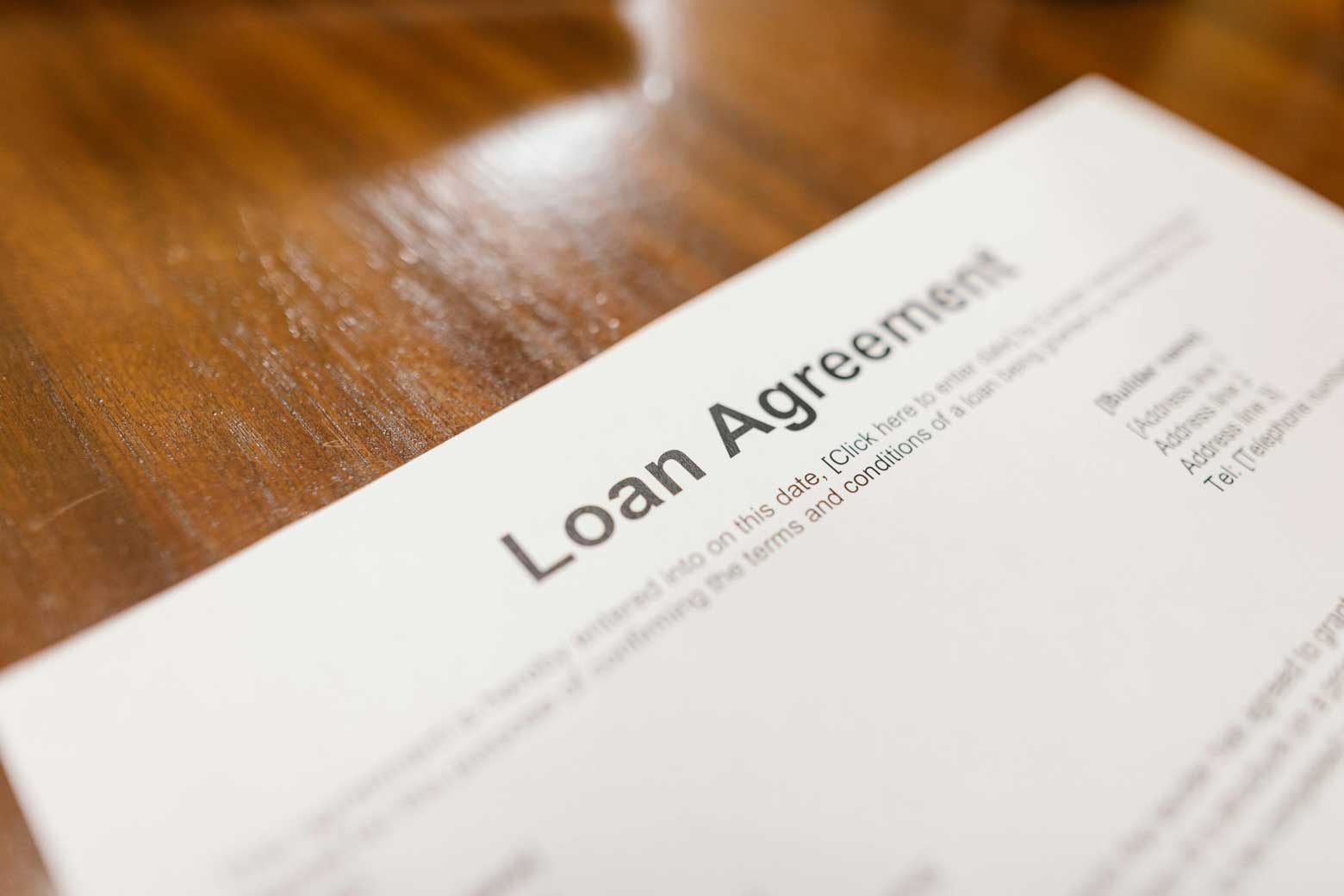
Need quick cash but don’t want to hurt your credit?
Vehicle collateral loans might be a good fit for you. They let you borrow money against your car, truck, or motorcycle. But here’s the thing…
Not all vehicle collateral loans are created equal.
Some are used to pull people out of a financial bind. But some put you at risk of losing your vehicle.
In This Guide:
- What is a Vehicle Collateral Loan?
- The 3 Types of Vehicle Collateral Loans
- The 4 Dangers of Vehicle Collateral Loans
- The Best Alternatives to Vehicle Collateral Loans
What is a Vehicle Collateral Loan?
A vehicle collateral loan is simple.
You provide your vehicle as collateral against the loan. The lender will hold on to your title until you pay them back. If you stop making payments? The lender can seize your vehicle.
The advantage of these loans is that they’re easier to get than other personal loans.
They’re easier to get approved for even with bad credit. That’s because the lender is taking on less risk by holding your vehicle as collateral.
Vehicle collateral loans work by giving you a cash advance against the equity of your vehicle. The lender can then sell your vehicle if you default on your loan. The amount you can borrow is typically based on the value of your vehicle.
But before you get too excited…
There are some big downsides to understand first.
The 3 Types of Vehicle Collateral Loans
Vehicle collateral loans come in a few different forms.
Here are the most common you’ll encounter:
Auto Equity Loans
Auto equity loans let you borrow against the equity in your vehicle. Equity is the value of the vehicle minus the amount left on your loan.
You have to own your vehicle outright to get an auto equity loan. Your lender will look at how much your vehicle is worth. They’ll subtract what you owe on the vehicle and give you a loan based on the difference.
Car Title Loans
Car title loans are what we were talking about at the start. A car title loan uses your vehicle as collateral for a short-term loan.
You give the lender your title in exchange for a loan. Title loans typically offer 25% to 50% of your vehicle’s value.
The issue with these loans?
The interest rates are killer. The APR on a title loan can go as high as 300% or more. Most title loans also have to be repaid within 15 to 30 days.
If you can’t pay? 20% of borrowers end up having their vehicle seized. That’s according to the Consumer Financial Protection Bureau.
Personal Loans Secured By Vehicle
Some lenders also offer personal loans that you can secure using your vehicle. These loans work differently than car title loans. Because these personal loans are secured by the vehicle:
- They typically have lower interest rates
- Longer repayment terms
- Lower borrowing limits
It’s not available from all lenders, and your vehicle will need to meet the lender’s minimum requirements. Requirements could include age of vehicle, mileage limits, and more.
The 4 Dangers of Vehicle Collateral Loans
Here’s where things go south…
Danger #1: Risk of Losing Your Vehicle
The number one risk with vehicle collateral loans is losing your vehicle. Miss too many payments and the lender repossesses it. In 2024, there were 1.73 million vehicle repossessions. That’s a 43% increase over just two years prior.
Can you get around without your vehicle? How do you get to work? How do you do the grocery shopping? How do you pick up your kids?
For most people, losing their vehicle would make their financial situation worse than it was before the loan.
Danger #2: Negative Equity
Vehicles depreciate in value. If you borrow more than your equity and your vehicle’s value drops, you end up upside down on your loan.
In other words, you owe more on your loan than your vehicle is actually worth.
Danger #3: Extremely High Interest Rates
Especially on car title loans, interest rates can be sky high. We’re talking 300% or more in some states. That $1,000 loan could cost you $3,000 or more to repay.
Danger #4: Debt Cycle
Since many title loans have to be repaid in such a short time frame, many people can’t pay them back in full. What do lenders do?
They roll the loan over and charge you more fees and interest. This starts the cycle all over again.
The Best Alternatives to Vehicle Collateral Loans
Here are some better options to consider first…
Credit Union Personal Loans
Credit unions often have personal loan options with much more attractive terms. You might be able to get an interest rate of around 10-18% even if your credit is just fair. It takes longer to get approved, but it’s worth it.
Payment Plans With Creditors
If you’re looking to pay off debt, reach out to your creditors first. Most will work with you to set up a payment plan. Or they can reduce your payments for a time.
This is free and it doesn’t put your vehicle at risk.
Side Income
Extra shifts? Selling things you don’t need? Freelance work?
Earn a little extra cash before you borrow some.
Family Or Friends
Not ideal, but friends and family often lend money with no interest and flexible terms. You just want to make sure to have it in writing so you don’t cause any problems in the relationship.
Unsecured Personal Loans
Even if the interest rate is higher, an unsecured personal loan won’t put your vehicle at risk. You might damage your credit if you default, but at least you can still drive to work.
The Decision Is Yours to Make
Vehicle collateral loans aren’t inherently bad…
But they’re high risk. Before you sign any paperwork, ask yourself these questions:
- Can I afford the monthly payments?
- What would I do without my vehicle?
- Have I explored every other option?
- Do I fully understand the interest rate and fees?
If you do move forward with a vehicle collateral loan, shop around. Compare several lenders. Read the contract multiple times. Be sure you fully understand when the payments are due and what happens if you’re late.
And whatever you do…
Stay away from short-term car title loans unless you absolutely have no other choice. The risk is too high.
The Bottom Line
Vehicle collateral loans can provide you with fast access to cash. You use your vehicle as collateral to secure the loan. These loans are easy to qualify for and allow you to borrow more. But there are some serious risks. Repossession of your vehicle is the most likely outcome if you can’t make the monthly payments.
The smart thing to do?
Explore all your options before you borrow against your vehicle. If you do choose a vehicle collateral loan, get the longest repayment period you can. Get the lowest interest rate possible. And never borrow more than you need.
Most importantly, have a plan to pay the loan back on time.
Your vehicle is most likely one of your most important assets. Protect it like it is.

ABOUT THE AUTHOR
Carrozzieri Italiani Editorial Team
Guides, practical advice and editorial contributions from the Carrozzieri Italiani team.
More stories by Carrozzieri Italiani Editorial Team ↗CONTINUE READING
Posts You Might Like
How Vehicle Design and Defective Components Can Contribute to Serious Car Accidents
A driver can do everything right and still end up in a hospital bed because a tire tread separated at highway speed. Federal crash investigators have spent decades tracing a measurable share…
Read story
How Automotive Induction Heaters Improve Speed and Safety in Collision Repair
Collision repair has long relied on open-flame torches to loosen rusted bolts, soften adhesive, and free stuck body panels, but that approach carries real tradeoffs. Flame-based heating is slow to control precisely,…
Read story
The Key Stages of a Professional Vehicle Paint Repair
Vehicle paintwork has to cope with stone chips, minor collisions, scratches, weather exposure, and everyday wear. When damage occurs, achieving a professional result involves far more than simply spraying fresh color over…
Read story
Il veicolo urbano dopo il viaggio: cosa distingue davvero un buon design per la città
Per gran parte della storia dell’automobile, il progetto di un veicolo è stato raccontato attraverso ciò che accade durante la guida: la velocità, la linea del cofano, il comportamento in curva, la…
Read story
THE CONVERSATION
Comments 0
Share a memory, a period photograph or a documented detail about this story.