
Understanding the Crankcase Breather: Function, Importance, and Maintenance
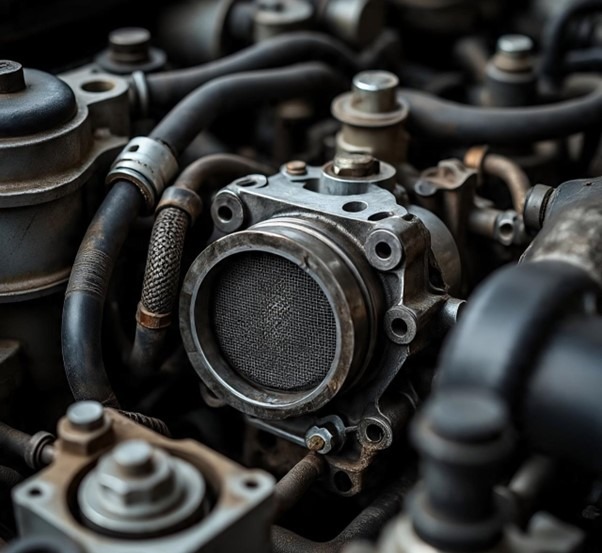
To ensure the perfect harmonization of performance and longevity in an engine, many mechanical components are required. One such component, which may not have an even glamorous presentation, is the crankcase breather. Although seemingly trivial, this little component has a far-reaching effect on engine health, emissions, and efficiency.
This article will discuss crankcase breathers, including their purpose, operation, necessity, potential issues, and maintenance and replacement procedures.
What is a Crankcase Breather?
An advanced ventilation system is a crankcase breather. It is an engineered and designed component in an engine that helps to release trapped gases in an orderly and controlled manner from the crankcase. The crankcase is an important structural housing in the engine that holds the crankshaft along with other necessary components, such as connecting rods and pistons. With combustion, a small quantity of gas seeps past the piston rings, generally called blow-by.
The gases, namely, the products of combustion-water vapour and carbon dioxide, mixed with partly unburnt components of the fuel-air mixture, build up pressure in the crankcase and cause the phenomenon further known as blow by in the crankcase engine. This increase in pressure would lead to oil leakage, seal disintegration, and even severe engine part damage when crankcase breathing does not exist.
Older engines vent gas to the atmosphere, while today’s engines use Positive Crankcase Ventilation (PCV) to vent gas to the intake system for re-burning.
Why is a Crankcase Breather Important?
The crankcase breather has several vital functions:
1. Regulation of Pressure
High internal pressure in crankcases can easily force out the oil from whatever gaskets and seals may exist. A properly functioning crankcase breather releases this excessive pressure and, in turn, minimizes leakage.
2. Oil Control
Excessive pressure in the crankcase means oil can escape into places it should not reach. The crankcase vent prevents any excessive oil from entering the intake manifold or combustion chamber, thus always controlling oil movement into places where it is needed for proper lubrication.
3. Less Emission
Crankcase breathers are now incorporated within the PCV system, whereby the gases containing pollutants are recycled to the engine for combustion, thus lowering hydrocarbon emissions and ensuring compliance with environmental protection statutes.
4. Engine Life Enhancement
Proper venting allows the crankcase gases to be evacuated from the internal components, which would otherwise operate under optimum temperature and pressure, and keep contaminants away.
Common Crankcase Breather Problems
Over the ages, the crankcase breather has undergone significant design and functional improvements. Among the most common issues are: them, leading to a buildup of pressure in the casing. Low pressure in the crankcase could reduce the oil supply to the engine, leading to a decrease in performance.
Clogged Breather Filters: Soot-choked or dirty breather filters restrict air passage through a significantly high pressure or vacuum, which can cause your engine to run rough, burn oil excessively, and lead to engine damage.
Oil Contamination: A malfunctioning breather system may lead to combustion gases tainting the oil, thereby affecting the lubrication properties and engine efficiency.
Check Engine Light: Many of the modern vehicles monitor the function of the PCV/breather systems. Failure of these systems can trigger the check engine light to illuminate, prompting the need for inspection.
How to Maintain a Crankcase Breather
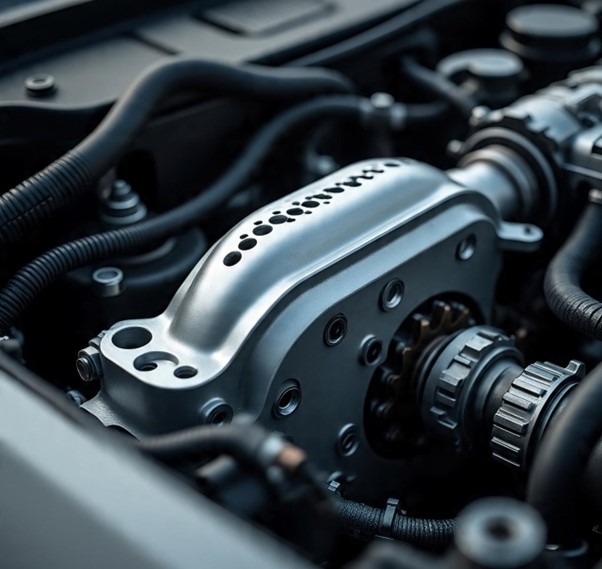
All crankcase ventilation systems are important for engine health, but here are some tips to keep in mind:
Inspection Regularly
Check the breather valve, hoses, and filter during routine service intervals under routine inspection for effective performance. Look for cracks, blockages, or oil buildup.
Clean or Replace the Breather Filter
In case your engine is equipped with a serviceable breather filter, clean it at intervals or according to the service manual for the vehicle.
Test the PCV Valve
Shake it; sounds should be evident from within it. If not, then it is clogged and requires replacement.
Use Quality Oil
Use a good engine quality oil because of its minimal sludge formation, blocking the breather system in time, and causing damage to the engine.
Monitor Engine Behavior
Symptoms are all mentioned earlier; the crankcase ventilation system should be inspected by a certified person for malfunction.
Crankcase Breather Replacement: DIY or Mechanic?
In most cases, crankcase-breather replacement can be classified as a do-it-yourself job, mainly when accomplished on older or simpler engines. However, the presence of integrated PCV systems in modern engines indicates a level of complexity.
Do-It-Yourself Guidelines:
- Refer to your vehicle service manual for locating the breather valves and hoses.
- Remove any hoses and clean or replace the breather filter or valve.
- Reassemble carefully, ensuring that all hoses are securely in place.
When in doubt or if the vehicle’s setup is more complex, such as with turbocharged engines, it is best to consult a certified mechanic.
Crankcase Breather in Performance Engines
The most efficient and turbocharged engines develop a high internal pressure, for which an efficient crankcase breather system is essential. Its presence may be valuable in the occurrence of commonly high blow-by and high oil vapour, which are often associated with performance-affected engines if not put in proper conditions. An upgraded breather system improves pressure and prevents oil from escaping.
They typically include aftermarket solutions like oil catch cans, high-flow breather filters, and high-performance PCV valves that have been fitted into place. Such effects ensure that the amount of misted oil entering the intake is reduced and that the air-fuel mixture received is kept as free from contamination from oils as possible. Overall, a robust breather setup enhances engine reliability, efficiency, and power output in performance builds.
Conclusion
The crankcase breather is more than a simple, monotonous component of an engine. It can create ripples in health, performance, and emissions of an engine. It possesses a vital task to perform, whether in a classic or modern turbocharged machine.
With a crankcase breather, regular inspections, maintenance, and timely replacement of an impaired part will avert future engine failure. Whenever you educate yourself and take care of that crankcase breather, you are enjoying the most effective action to better engine performance and longevity.

ABOUT THE AUTHOR
Carrozzieri Italiani Editorial Team
Guides, practical advice and editorial contributions from the Carrozzieri Italiani team.
More stories by Carrozzieri Italiani Editorial Team ↗CONTINUE READING
Posts You Might Like

How Vehicle Design and Defective Components Can Contribute to Serious Car Accidents
A driver can do everything right and still end up in a hospital bed because a tire tread separated at highway speed. Federal crash investigators have spent decades tracing a measurable share…
Read story
How Automotive Induction Heaters Improve Speed and Safety in Collision Repair
Collision repair has long relied on open-flame torches to loosen rusted bolts, soften adhesive, and free stuck body panels, but that approach carries real tradeoffs. Flame-based heating is slow to control precisely,…
Read story
The Key Stages of a Professional Vehicle Paint Repair
Vehicle paintwork has to cope with stone chips, minor collisions, scratches, weather exposure, and everyday wear. When damage occurs, achieving a professional result involves far more than simply spraying fresh color over…
Read story
Il veicolo urbano dopo il viaggio: cosa distingue davvero un buon design per la città
Per gran parte della storia dell’automobile, il progetto di un veicolo è stato raccontato attraverso ciò che accade durante la guida: la velocità, la linea del cofano, il comportamento in curva, la…
Read story
THE CONVERSATION
Comments 0
Share a memory, a period photograph or a documented detail about this story.