
The Story of the IKA Torino: Argentina’s National Sports Car
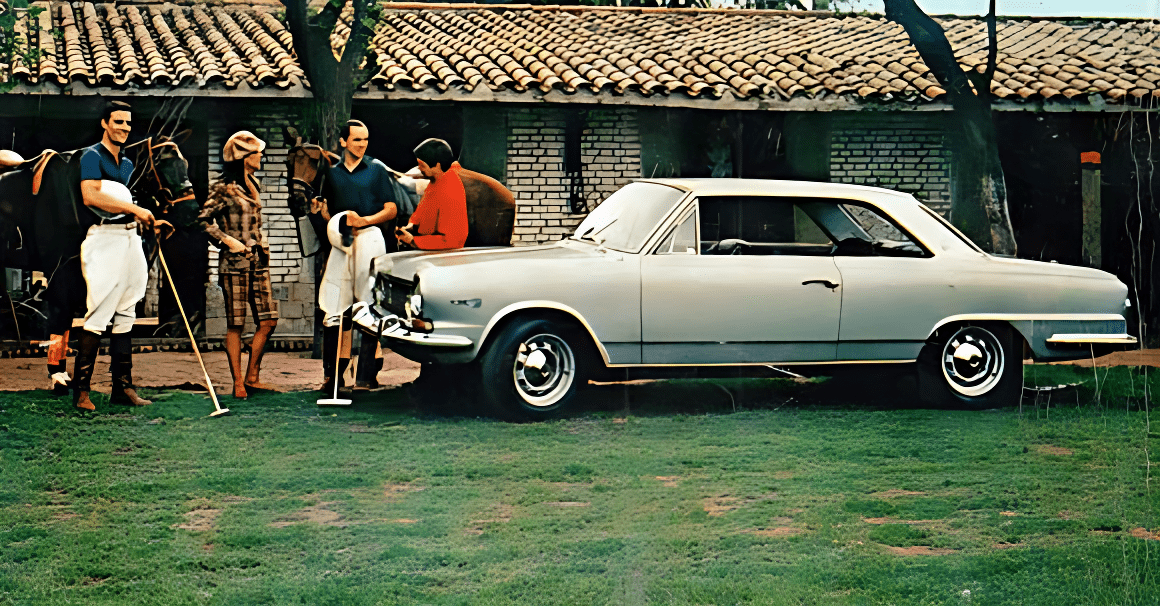
In 1943, while the Second World War still raged, Henry J. Kaiser, the American industrial magnate behind the Liberty Ships, was already planning his next conquest — the automobile. When peace came, Kaiser joined forces with Joseph W. Frazer, then president of Graham-Paige Motors, to create the Kaiser-Frazer Corporation.
By 1946, the new company began building cars at Willow Run, Michigan — the same massive plant that had produced B-24 bombers for the U.S. Air Force. The postwar optimism was contagious, and the first models, proudly named Kaiser and Frazer, rolled out as symbols of modern American confidence.
Yet within a few short years, reality struck. The “Big Three” — General Motors, Ford, and Chrysler — had returned to full production, backed by vast resources, dealer networks, and decades of consumer loyalty. Kaiser-Frazer simply couldn’t compete.
But Kaiser was not the type to quit. In 1953, he made a decisive move: purchasing Willys-Overland Motors, the company behind the legendary World War II Jeep. The deal provided a lifeline and a new product direction. Renamed Kaiser Motors Corporation, the company now had an established brand, global recognition, and access to military-grade engineering.
A New World, A New Opportunity
By 1954, Kaiser saw that his future didn’t lie in Detroit. The American market was consolidating, but Latin America was opening its doors. Argentina, under President Perón’s industrial policies, was eager to attract foreign investment to strengthen its domestic manufacturing base.
In 1955, Kaiser reached an agreement with Industrias Aeronáuticas y Mecánicas del Estado (IAME) — the Argentine state-run industrial group. Together they founded Industrias Kaiser Argentina (IKA).
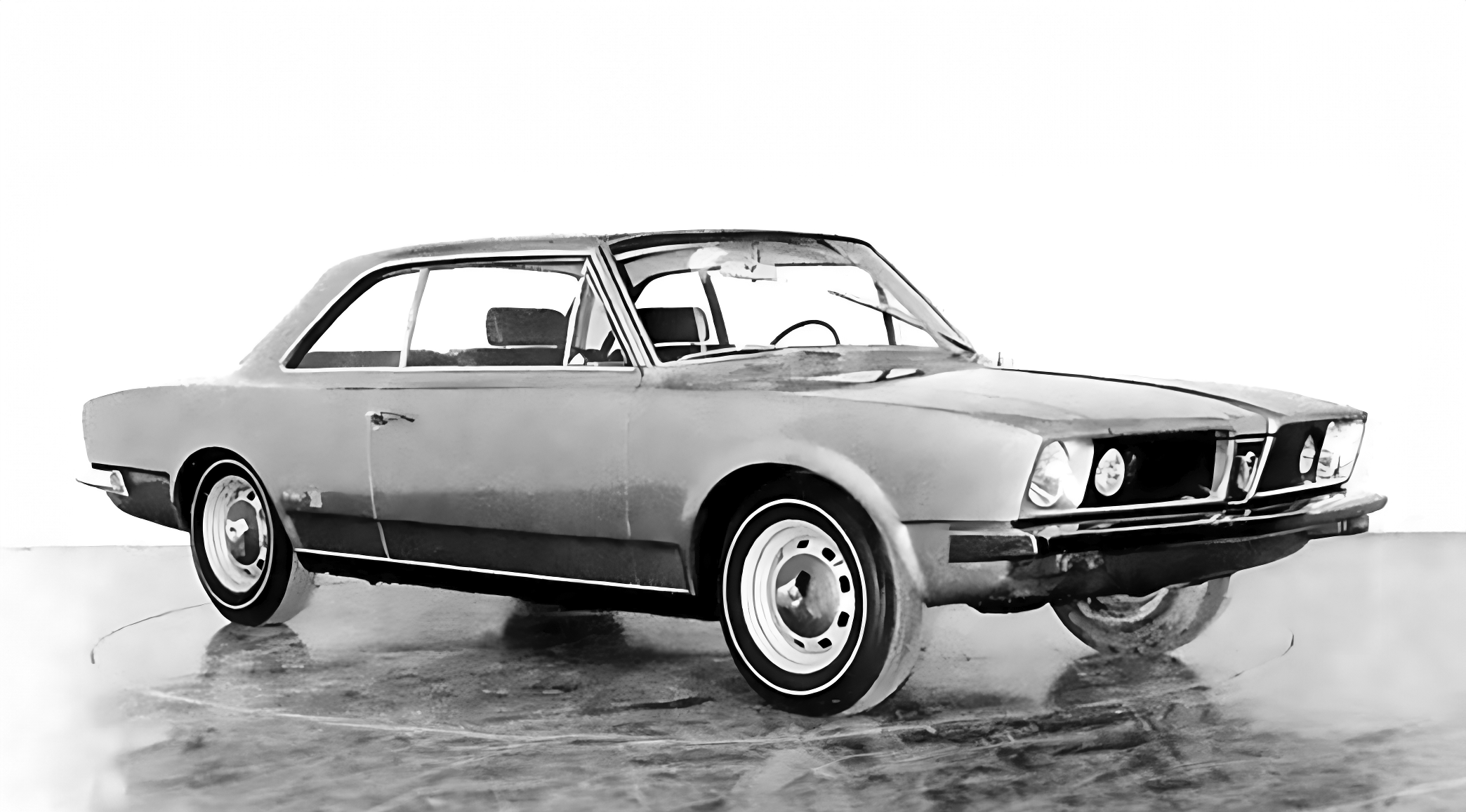
Kaiser shipped entire production lines from the U.S. to Santa Isabel, a 200-hectare site near Córdoba. By the late 1950s, Argentina had its own modern car factory — capable of producing vehicles almost entirely within the country.
The first model was the Kaiser Manhattan, reimagined for the local market as the IKA Carabela. Soon followed the Estanciera, a versatile Jeep-based station wagon, and the Justicialista, later known as the IKA Bergantín. Each car represented a step toward a self-sufficient Argentine auto industry.
American Engines, French Flair, and Argentine Hands
In 1961, IKA entered a new phase after merging with American Motors Corporation (AMC). AMC brought not only engineering expertise but also access to the modern Rambler platform, which soon formed the base of the company’s mid-sized cars.
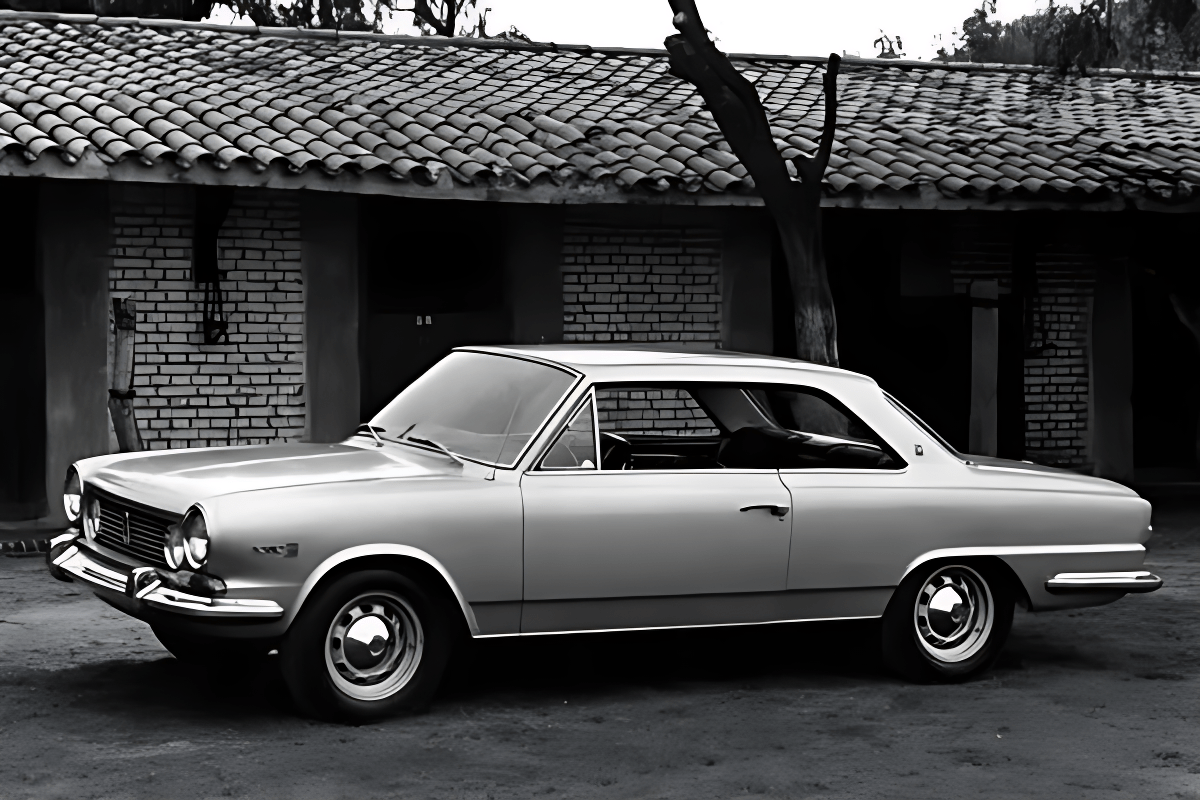
Then came the French connection. Renault, a partner of AMC in Europe, was eyeing expansion into South America. In 1967, Renault and IKA merged to form IKA-Renault — combining American mechanical know-how with European design sensibilities.
The goal was clear: build a car entirely in Argentina, combining the durability of American components with the style and finesse of Italian design. It had to look European, drive like a grand tourer, and survive the unforgiving Argentine roads.
The Birth of a Legend: Project “X”
Behind closed doors in Córdoba, engineers began working on Project X, a new sports coupé that would redefine what an Argentine car could be.
At the suggestion of Juan Manuel Fangio — then serving as an unofficial advisor to the company — IKA approached Pininfarina, the Italian coachbuilder. Fangio’s personal friendship convinced Pininfarina to contribute design work gratis as a gesture of respect.The goal was clear: build a car entirely in Argentina, combining the durability of American components with the style and finesse of Italian design. It had to look European, drive like a grand tourer, and survive the unforgiving Argentine roads.
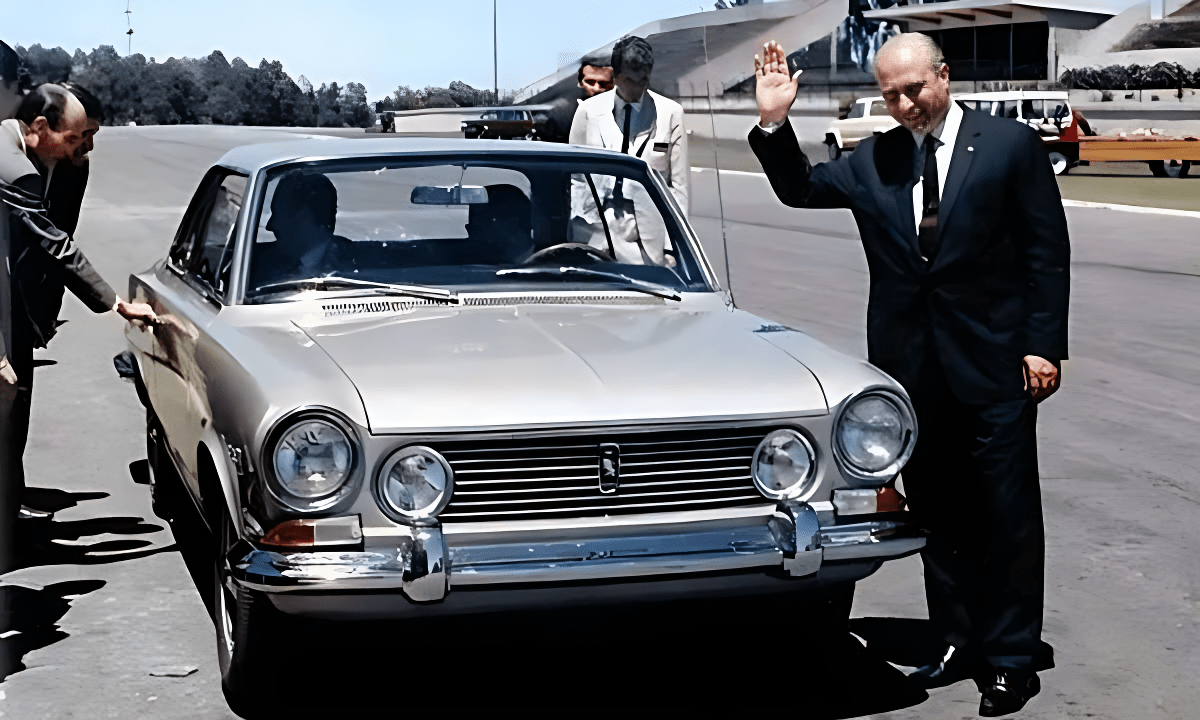
The result was the IKA Torino, unveiled in November 1966 at the Autódromo Oscar y Juan Gálvez in Buenos Aires. Though its origins lay in the AMC Rambler American, the Torino was far more than a rebadge. Its body was extensively redesigned, its chassis reinforced, and its mechanicals locally engineered.
Under the hood sat the Tornado inline-six, a 3,770 cc engine with a single overhead camshaft — an advanced design first developed by Kaiser in the U.S. in 1961 and refined by IKA for Argentine production.
🔗 Read more: Pininfarina Through the Ages: The Complete History
Three versions were presented:
-
The IKA Torino 300/301, a 3.0-liter sedan with 122 horsepower.
-
The IKA Torino 380, a coupé with a double-barrel carburetor, 155 horsepower, and a German ZF four-speed gearbox.
-
The IKA Torino 380W, the performance flagship, featuring triple Weber carburetors and 176 horsepower, capable of 200 km/h.
The Torino was elegant, muscular, and unmistakably modern — the first true Argentine grand tourer.
Racing to Glory
IKA knew that to win the public’s heart, the Torino needed more than brochures — it needed victories. Fangio and his team understood that motorsport was the ultimate marketing tool.
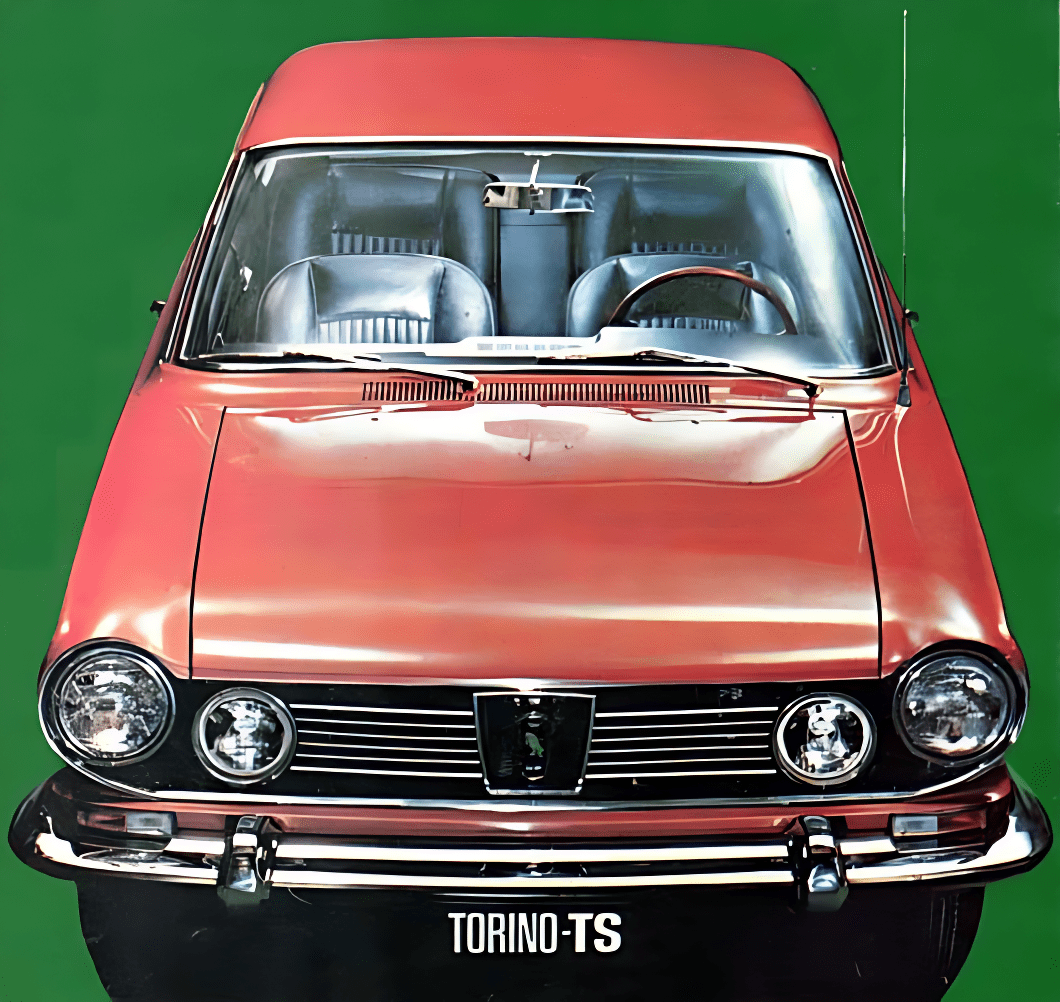
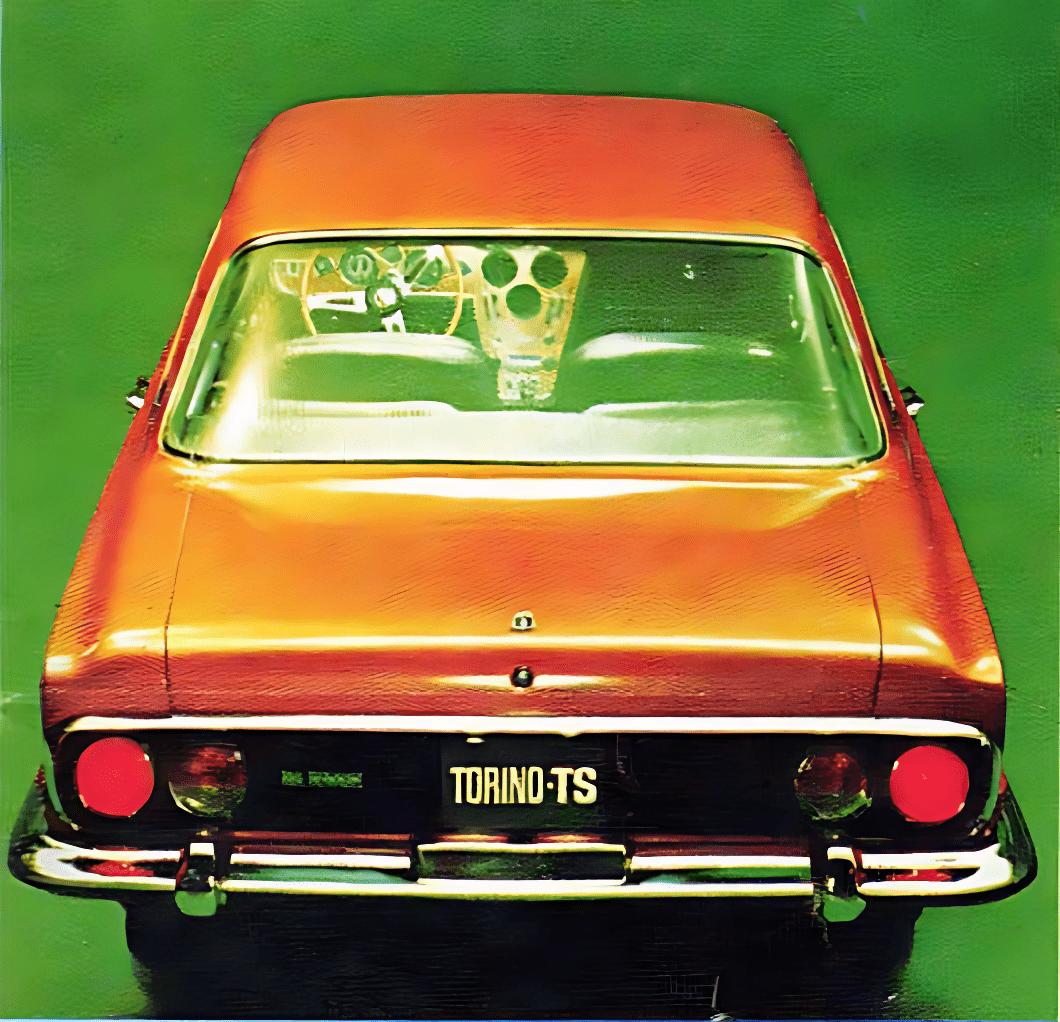
Engineer Oreste Berta, nicknamed El Mago (“The Magician”), was appointed technical director of the IKA competition department and given total freedom to transform the car for racing.
The Torino made its competition debut in 1967. Against rivals from Ford and Chevrolet, it shocked the establishment, dominating Argentine touring car racing for five consecutive seasons (1967–1971). Its performance, endurance, and reliability made it a national obsession.
But its greatest moment came not at home, but in Germany.
Nürburgring, 1969: The Argentine Miracle
In August 1969, three specially prepared IKA Torino 380Ws arrived in Europe to compete in the 84 Hours of Nürburgring, one of the toughest endurance races in the world. The team was managed by Fangio himself and engineered by Berta. Competing were some of Europe’s finest: Alfa Romeo, Mercedes-Benz, BMW, Ford, Renault, and Fiat.
From the start, the Argentine effort faced setbacks. Two cars crashed during practice, and one had to be rebuilt on-site using the remains of both — earning the nickname La Banana for its bent chassis. Rain and fog plagued the race, but the Torinos pushed forward.
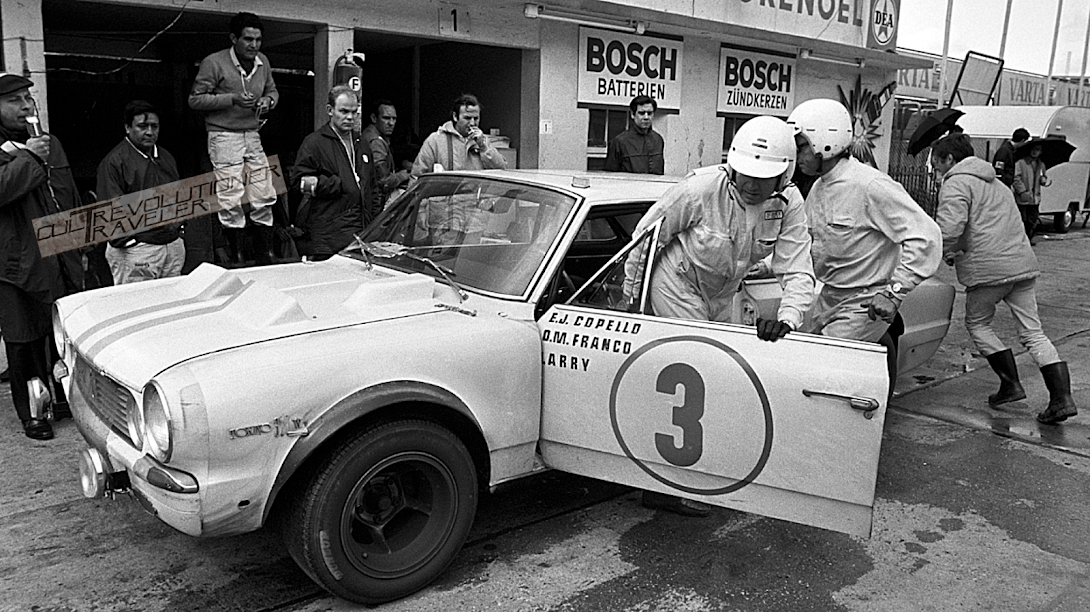
Each pit stop was penalized with lap deductions, forcing the team to minimize downtime. Mechanical failures, electrical gremlins, and even a bizarre penalty for excessive exhaust noise tested the team’s endurance.
After 84 grueling hours, only one Torino crossed the finish line. Despite the official fourth-place classification, it had completed the most laps of any car in the race. For the European press, it was a shock. For Argentina, it was a triumph.
🔗 Read more: Fiat Dino: When Ferrari’s Race Engine Moved in with Fiat
When the team returned home, Buenos Aires greeted them as heroes. For the first time, a car designed and built in Argentina had competed on equal footing with the best from Europe — and proved it belonged there.
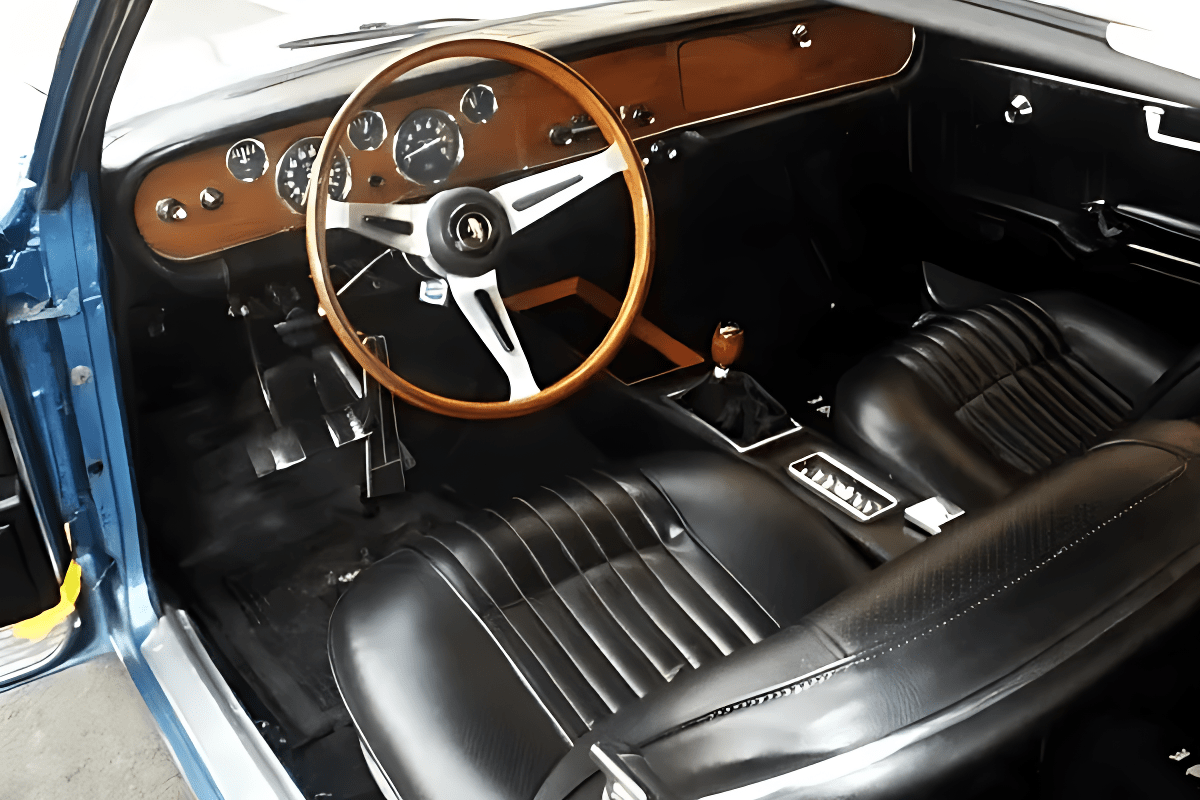
Throughout the 1970s, the Torino evolved. The Tornado engine gained a seven-bearing crankshaft in 1973, improving durability and power. New versions followed: the Torino TS, GS, and ZX, with outputs exceeding 200 horsepower. Styling updates included quad circular taillights, revised front grilles, and more modern interiors.
Renault, which took full control of IKA by 1975, continued production but gradually phased out performance variants in favor of comfort-oriented models. By 1982, the Torino’s production ended, replaced by Renault’s newer global platforms.
Legacy of a National Icon
The Torino’s story is one of ambition and identity. Born from American capital, refined by Italian design, and perfected by Argentine engineers, it became more than a car — it became a statement of national capability.
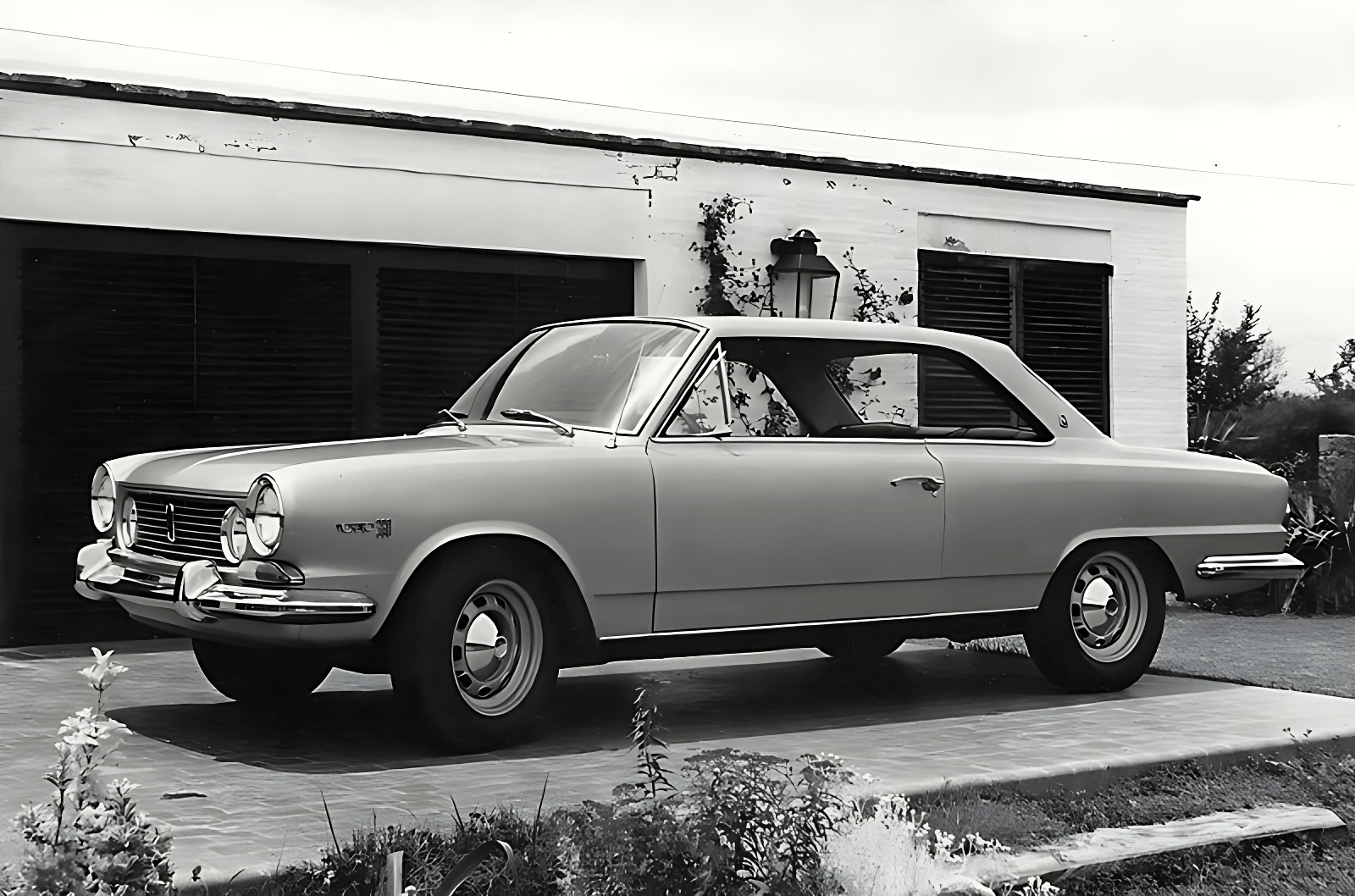
For many Argentines, the Torino symbolized a moment when local industry, design, and talent stood shoulder to shoulder with the world’s best. It blended muscle and elegance, endurance and style, and above all, pride.
More than half a century later, the IKA Torino remains one of Argentina’s most revered automobiles — a machine that carried the dreams of a nation around the Nürburgring and into history.

ABOUT THE AUTHOR
Andreas Scheidl
Italian classic car enthusiast with German roots. Renowned as a respected figure in the classic car community, he serves as a jury member at various international concours d'elegance, including the Classic Gala Schwetzingen and Mantova. As a content creator, Andreas passionately shares his profound knowledge and appreciation for vintage automobiles. His heart beats for cars designed by Giovanni Michelotti, showcasing his discerning taste and dedication to preserving the timeless elegance of automotive history.
More stories by Andreas Scheidl ↗CONTINUE READING
Posts You Might Like
A Central Driving Position, a Rear-Mounted V8. Was This Really a Lancia?
In 1948, visitors to the Turin Motor Show could see an unusual Lancia on the stand of Carrozzeria Ghia. It was a large two-door coupé with a two-litre V8 mounted behind the…
Read story
Fioravanti F100: The Ferrari He Was Allowed to Imagine
Enzo Ferrari’s centenary, Leonardo Fioravanti’s independent studio and a supercar that explored air brakes, steel wheels and a new way of driving—without ever wearing the Cavallino.
Read story
Michelotti Shellette: When the Fiat 850 Became a Yacht
The yacht designer, the Turin stylist and the tiny coachbuilt car that crossed between the quay, the royal holiday house and the auction room. Some automobiles were conceived for the open road,…
Read story
Maserati A6 1500: A New Road for the Trident
When the doors of the Geneva Motor Show opened in March 1947, Maserati was a name that required little introduction to anyone who followed motor racing. What it did not yet possess…
Read story
THE CONVERSATION
Comments 0
Share a memory, a period photograph or a documented detail about this story.