
Unleashing the Alfa Romeo Dardo: Pininfarina’s Visionary Marvel
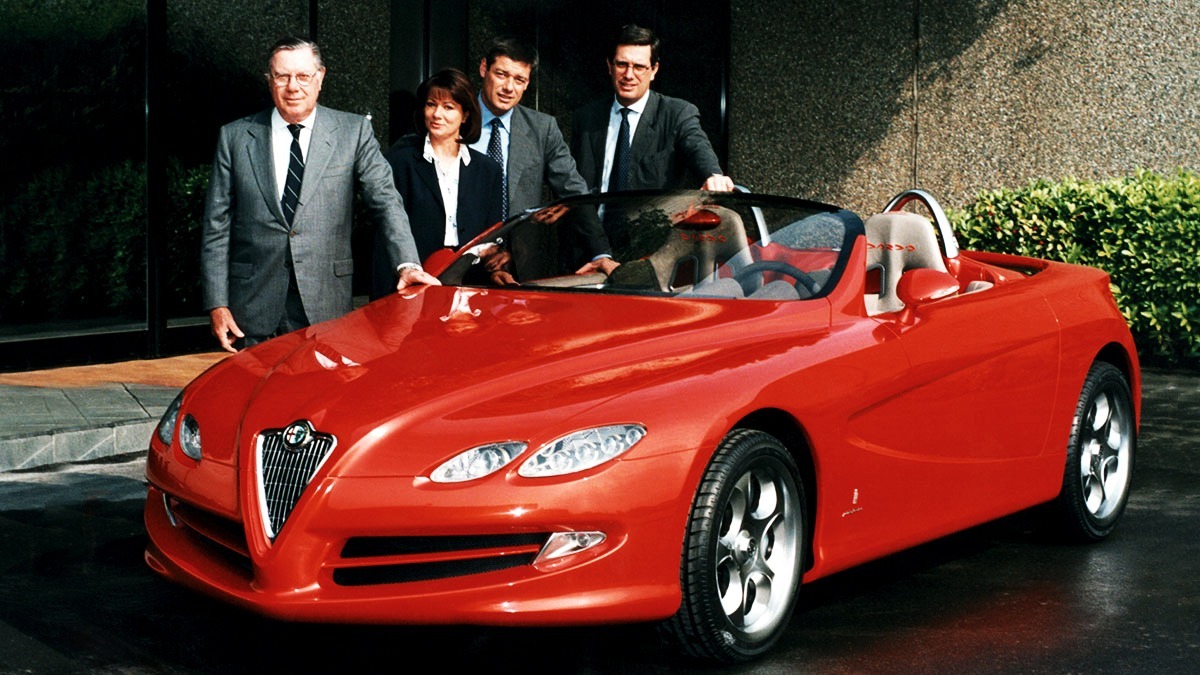
In the dynamic landscape of automotive design, few names evoke the same level of reverence and innovation as Pininfarina. With a legacy deeply intertwined with iconic brands and groundbreaking creations, Pininfarina once again showcased their passion for the automobile with the Alfa Romeo Dardo. Unveiled at the “67° Salone Internazionale dell’Automobile di Torino 3a Rassegna Mondiale dello Stile,” the Dardo emerged as a striking spider based on the mechanical prowess of the Alfa Romeo 156, embodying a synthesis of sportiness, imagination, technology, and performance
A Stylistic Overture
In an era where cars transcended mere functionality and became objects of emotional allure, Pininfarina’s Dardo represented a triumph of styling innovation. The car was not just a mode of transportation; it was a canvas for emotion, and styling played a pivotal role in setting it apart in a competitive market. The Dardo, a pure styling exercise with no production prospects, exemplified Pininfarina’s commitment to pushing the boundaries of automotive aesthetics.
A Nod to Tradition
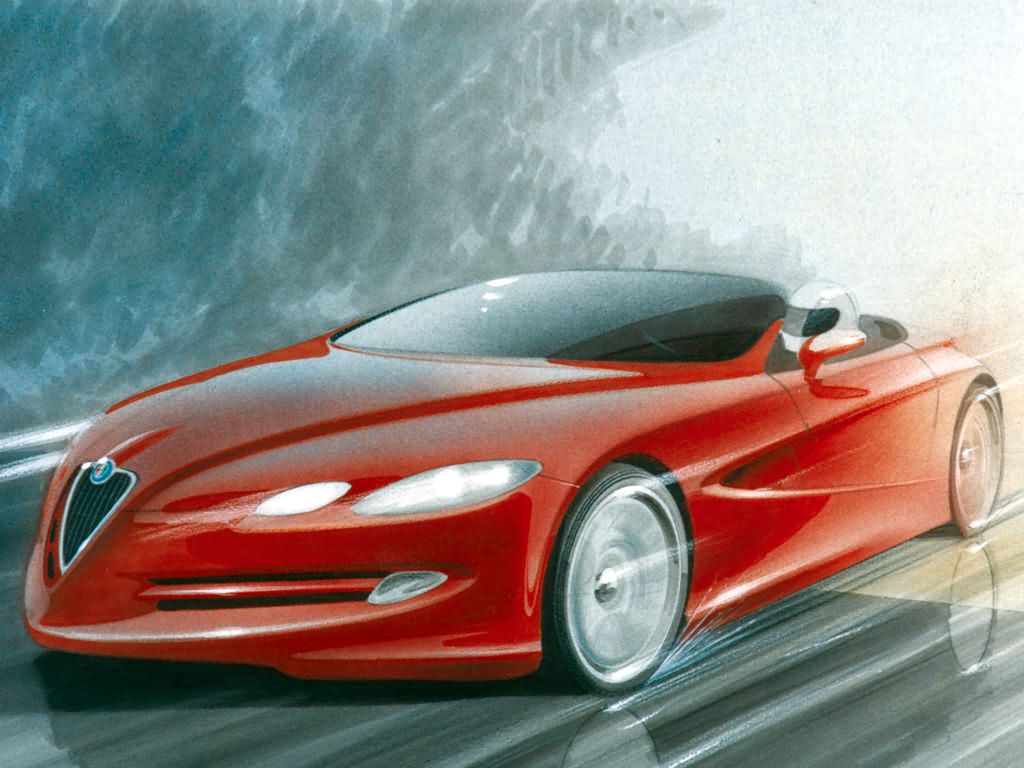
Inspired by the Alfa Romeo 156, the 1998 Car of the Year renowned for its character and image, the Dardo paid homage to the rich history of collaboration between Pininfarina and Alfa Romeo. This collaboration, dating back to the early 1930s, had birthed numerous iconic models, and the Dardo aimed to continue this tradition by interpreting the Alfa Romeo “spider” theme in an innovative manner.
Design Language and Dynamics
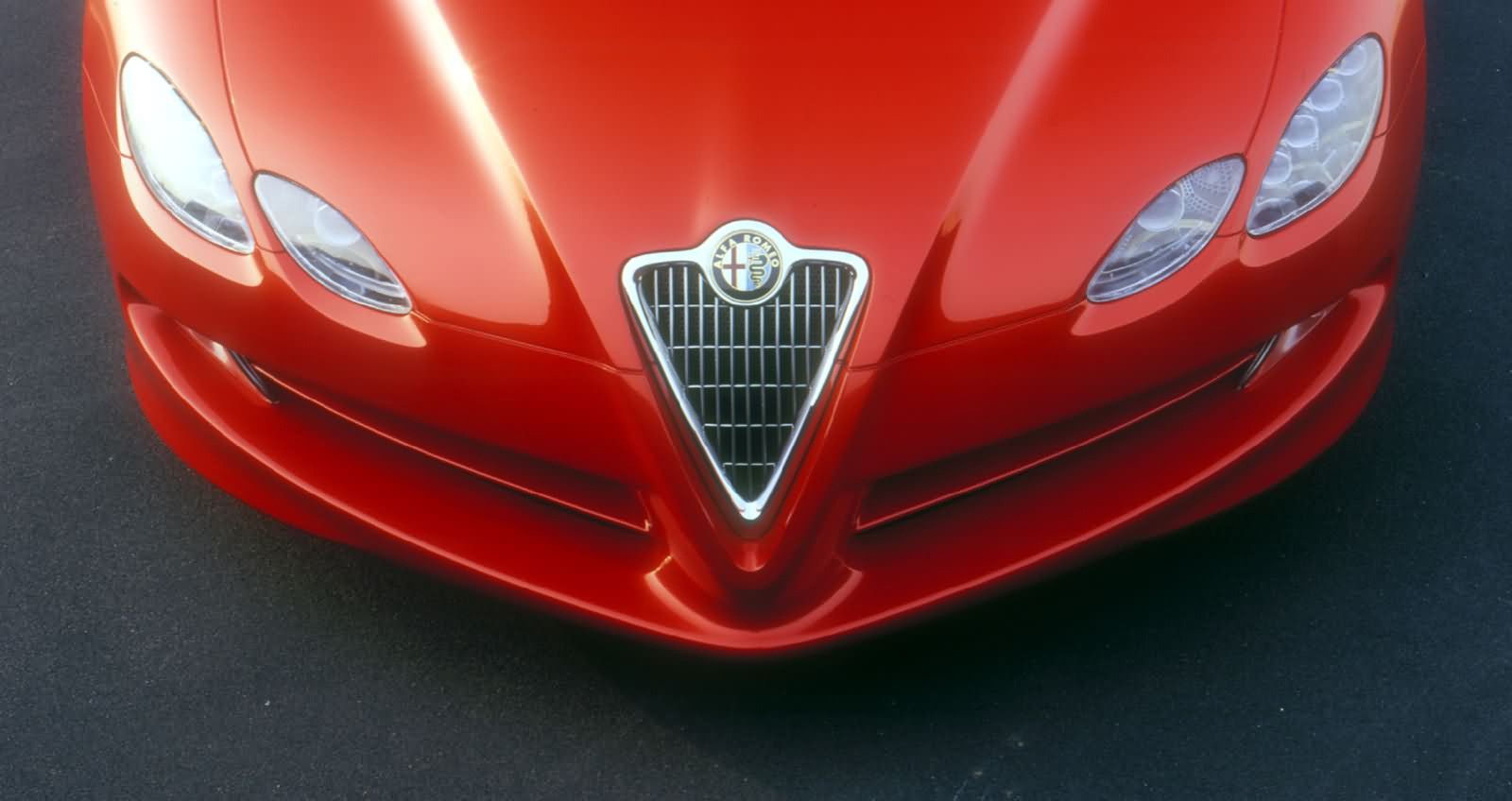
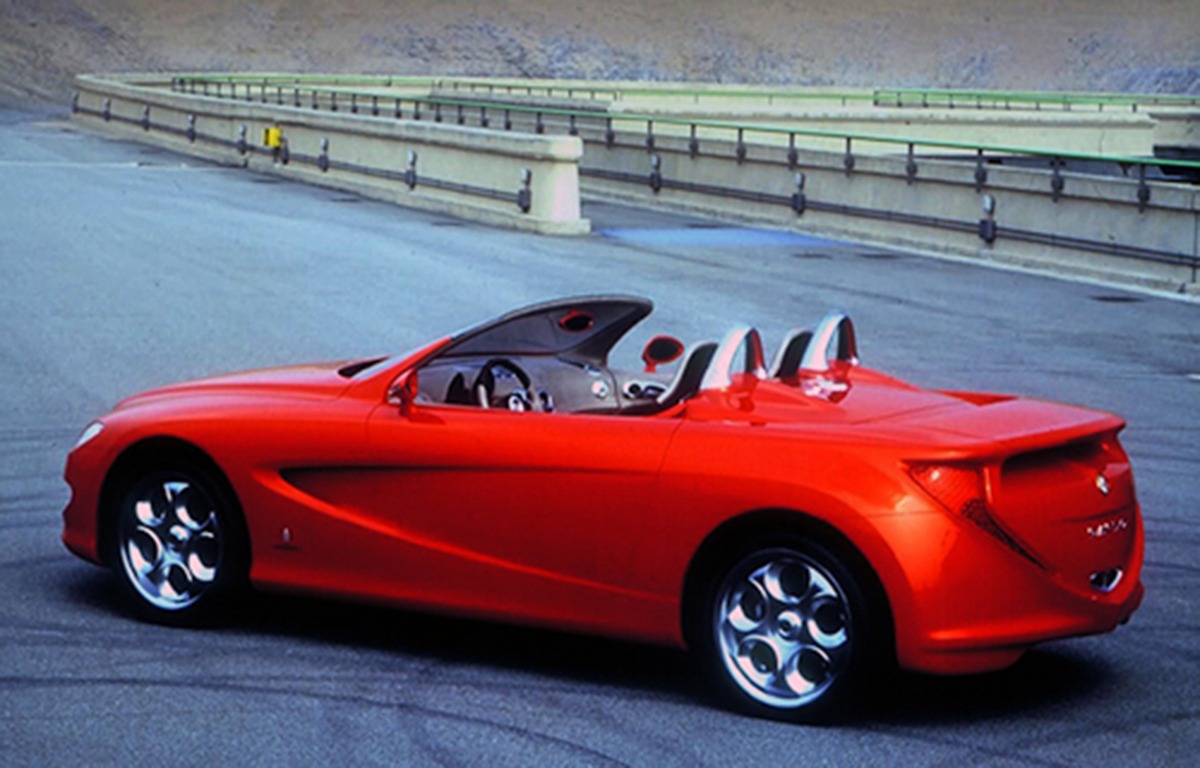
The Dardo, based on the engineering of the V6 2.5-liter version of the Alfa Romeo model, featured a two-seater “barchetta” body, measuring 438.5 cm in length, 179.5 cm in width, and 125 cm in height. Striking features, such as the Alfa Romeo logo adorning the front, a pointed bonnet resembling an arrowhead, and a play of lines along the waistline, created a visual spectacle. The design incorporated a triangular theme, from the front to the sides and rear, establishing a fascinating interplay of form and function.
Unleashing the Dardo
The Dardo, intentionally devoid of nostalgic references, projected itself boldly into the future. Free from the constraints that standard cars faced, it was a dream translated into complex, appealing shapes that seamlessly carried forward the strength of the Alfa Romeo brand and its iconic shield logo. In the world of prestige cars and high-performance models, the manufacturer’s trademark became a decisive element for customers, and the Alfa Romeo Dardo proudly displayed its logo as a testament to the brand’s identity.
A Symphony of Shapes
The exterior showcased a harmonious blend of sleek lines, soft volumes, and a pronounced triangular motif, accentuated by the Alfa Romeo shield at the front. The interior, designed to resonate with Alfa Romeo’s spirit of sportiness and technology, featured special fabrics, metallescent leather upholstery, and sporty seats developed in collaboration with Sparco.
Looking to the Future
In creating the Alfa Romeo Dardo, Pininfarina envisaged a form that anticipated future stylistic trends, offering a new interpretation of the open car archetype. As a visionary marvel, the Dardo represented not only a tribute to tradition but also a bold step forward into a future where automotive design continued to evolve as an art form, capable of stirring the deepest emotions of enthusiasts and onlookers alike.

ABOUT THE AUTHOR
Andreas Scheidl
Italian classic car enthusiast with German roots. Renowned as a respected figure in the classic car community, he serves as a jury member at various international concours d'elegance, including the Classic Gala Schwetzingen and Mantova. As a content creator, Andreas passionately shares his profound knowledge and appreciation for vintage automobiles. His heart beats for cars designed by Giovanni Michelotti, showcasing his discerning taste and dedication to preserving the timeless elegance of automotive history.
More stories by Andreas Scheidl ↗CONTINUE READING
Posts You Might Like

A Central Driving Position, a Rear-Mounted V8. Was This Really a Lancia?
In 1948, visitors to the Turin Motor Show could see an unusual Lancia on the stand of Carrozzeria Ghia. It was a large two-door coupé with a two-litre V8 mounted behind the…
Read story
Fioravanti F100: The Ferrari He Was Allowed to Imagine
Enzo Ferrari’s centenary, Leonardo Fioravanti’s independent studio and a supercar that explored air brakes, steel wheels and a new way of driving—without ever wearing the Cavallino.
Read story
Michelotti Shellette: When the Fiat 850 Became a Yacht
The yacht designer, the Turin stylist and the tiny coachbuilt car that crossed between the quay, the royal holiday house and the auction room. Some automobiles were conceived for the open road,…
Read story
Maserati A6 1500: A New Road for the Trident
When the doors of the Geneva Motor Show opened in March 1947, Maserati was a name that required little introduction to anyone who followed motor racing. What it did not yet possess…
Read story
THE CONVERSATION
Comments 0
Share a memory, a period photograph or a documented detail about this story.