
Preparing a Coachbuilt Classic for Long-Distance Shipping
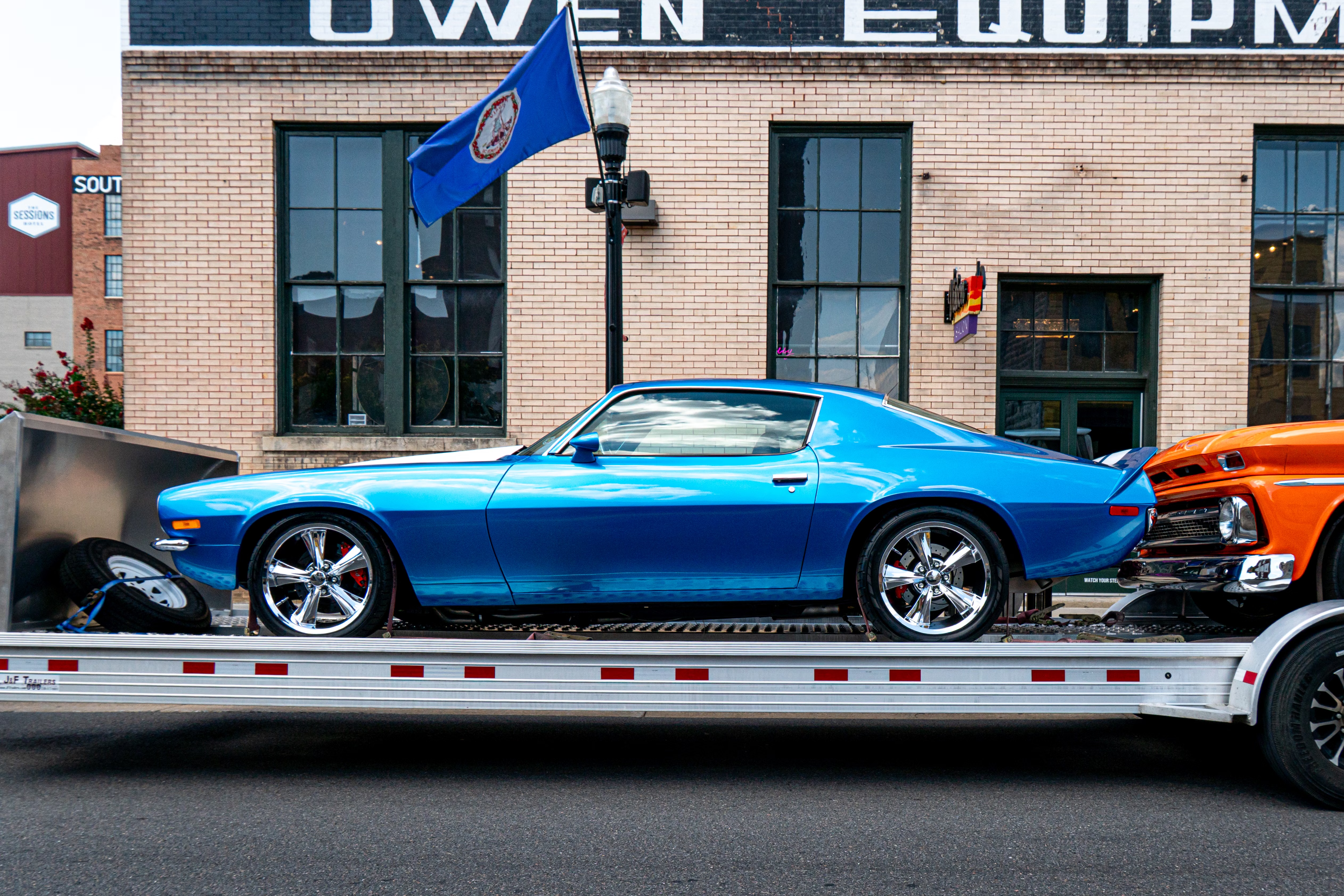
Getting ready to move a coachbuilt classic across the country?
These are not your average cars. Coachbuilt means they were built by craftsmen who specialized in building these cars, many made one at a time. This means:
- Panels don’t have off-the-shelf replacements
- Paintwork can be worth more than a modern luxury car
- Interior materials are basically irreplaceable
For this reason preparation is even more important with boats than it is with your typical automobile. A few minutes of prep work now can prevent thousands of dollars in damage claims later.
Here’s how to do it right…
Inside this guide:
- Why Coachbuilt Classics Need Extra Prep
- Getting Your Documents In Order
- Cleaning And Inspecting Before Pickup
- Fluids, Battery And Mechanical Prep
- Picking The Right Carrier Type
- What To Check On Delivery Day
Why Coachbuilt Classics Need Extra Prep
Coachbuilt cars are another story altogether. Constructed in very small quantities – often as low as 20 – by companies such as Pininfarina, Zagato or Mulliner makes that exclusivity problematic when considering cross-country auto transport.
Trim pieces manufactured? Nope, custom. Body shaped by? Hands. Upholstered by? Usually a human being who retired decades ago.
The big picture: Millions of vehicles are shipped every year. Forbes even says the vehicle shipping industry rakes in more than $10 billion annually. However, the majority of those cars are daily-driver volume. Not unique coachbuilt classics.
It only follows that you should be choosy about who transports your car and how. Take time to request auto transport prices only from carriers who will transport your classic car in an enclosed transporter, not open trailers. One set of quotes will tell you who knows what “coachbuilt” means.
Getting Your Documents In Order
Get your paper work in order before the truck shows up. Lack of paperwork creates more shipping delays than anything else.
You’ll want the following ready:
- Original title or notarized copy
- Registration (even if expired)
- Recent appraisal or valuation report
- High-resolution photos of every panel
- Insurance certificate from your classic policy
That appraisal is the important document. Most standard carrier insurance maxes out at $100k or less. If your Bentley Continental or Ferrari 250 body is worth more than your standard coverage, you’ll need umbrella coverage – and the appraisal supports your claim if something happens.
Tip: Keep a copy of the bill of lading. This is your pickup document that contains all existing scratches, chips and dents. If it isn’t on the bill of lading, you leave yourself open for a damage claim later.
Cleaning And Inspecting Before Pickup
Wash the car thoroughly.
Yes, wash it. You want the car clean so you can see every imperfection that currently exists before the customer drives off. Dirt covers scratches. Scratches lead to fights.
Once clean, walk around the vehicle with a phone or camera and photograph:
- Every panel from three angles
- All wheels and tires
- The interior seats and dashboard
- The engine bay
- The undercarriage (if possible)
Take date/time photos of each shot. Then take more date/time photos when you pick them up. If there is damage in between those pics you have evidence.
Loose Items And Interior Prep
Coachbuilt cars tend to have fittings hanging loosely from inside – ashtrays, tool rolls, hood ornaments, period correct luggage etc. Take it all off.
Loose objects can move around during transport and scuff fragile leather or wood veneer. Keep these items stored separately and bring them with you if possible.
External Fittings To Consider
For long trips, some owners also remove:
- Fragile hood ornaments (like the Rolls-Royce Spirit of Ecstasy)
- Delicate wing mirrors
- External spare tire covers
Pack it, tag it, ship it in separate containers or store in your personal vehicle.
Fluids, Battery And Mechanical Prep
OK now onto the mechanical stuff. This is where many owners mess up.
Fuel: Run down to around a quarter tank. Heavy from a full tank, and fuel poses a fire risk over long distances. You want empty tanks to allow condensation.
Battery: Ensure the terminals are secure. Use a trickle charger or disconnect negative terminal if you will have the car sitting for over a week during transit. Batteries in older cars (classics) drain quickly – don’t be alarmed if it doesn’t crank when you get it if the battery was weak.
Fluids: Look for leaks. Any fluids that are actively dripping should be reported to the carrier – and most carriers will not load a leaking vehicle without a waiver.
Tires: Check air pressure and keep inflated to specification. Tires can flat spot while sitting long periods of trailer resting.
Alarm: Turn it off. There’s nothing worse than waking up a driver with your lame alarm blaring at 3am at a rest stop.
Picking The Right Carrier Type
Now let’s talk transport options. This is easily the most important decision you’ll make.
Open transport is inexpensive and widely available – but your vehicle sits unprotected from the elements, road debris, rocks and dust during the entire journey. Reasonable for an everyday driver car. Horrible for a coachbuilt classic.
Enclosed transport is the ONLY option when shipping anything hand-built. Your car will ride inside a completely covered trailer with:
- Climate protection from rain and sun
- Soft tie-downs (not chains through the frame)
- Air-ride suspension on most premium carriers
- Lift-gate loading instead of ramps
Here’s the cost breakdown:
Enclosed shipping costs anywhere from 40-60% more than open. A cross country move costing an average of $1,382 on an open trailer can range from $2,000-$2,800 enclosed.
But when your car is worth six or seven figures, that’s cheap insurance.
What To Check On Delivery Day
The car has arrived. Don’t sign anything yet.
Do this before you release the driver:
- Compare the car against your original photos
- Check every panel in bright natural light
- Look under the car for new leaks
- Test that lights, horn and ignition all work
- Note anything new on the bill of lading before signing
If there’s damage, write it down right then and there. By signing a clean bill of lading you accept the car as is and claims become much more difficult.
Also keep the driver happy. Damage occurs when you get a stressed driver trying to rush their unload. Provide water, be patient and let them do their job.
Final Thoughts
Coachbuilt classics deserve better than a rushed shipping job. Take the extra hour to:
- Photograph everything
- Sort paperwork properly
- Prep the car mechanically
- Choose enclosed transport
- Inspect thoroughly on arrival
That short list is what stands between you and an easy cross-country journey versus fighting over who paid for what damages. These cars have lasted 50, 60, 70 years – shipping a few thousand miles shouldn’t break the streak.
Get it ready to go. Choose the correct transporter. Sleep well knowing your car is traveling across the country.

ABOUT THE AUTHOR
Carrozzieri Italiani Editorial Team
Guides, practical advice and editorial contributions from the Carrozzieri Italiani team.
More stories by Carrozzieri Italiani Editorial Team ↗CONTINUE READING
Posts You Might Like
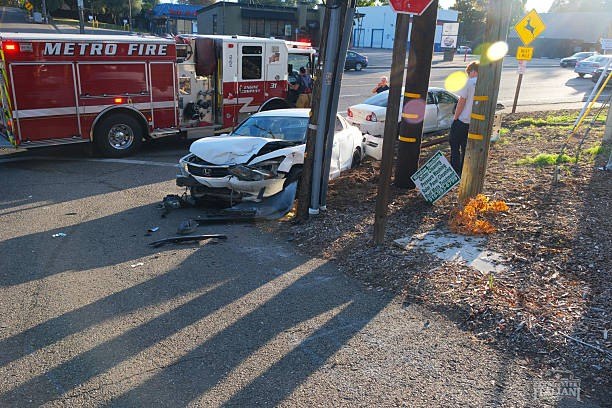
How Vehicle Design and Defective Components Can Contribute to Serious Car Accidents
A driver can do everything right and still end up in a hospital bed because a tire tread separated at highway speed. Federal crash investigators have spent decades tracing a measurable share…
Read story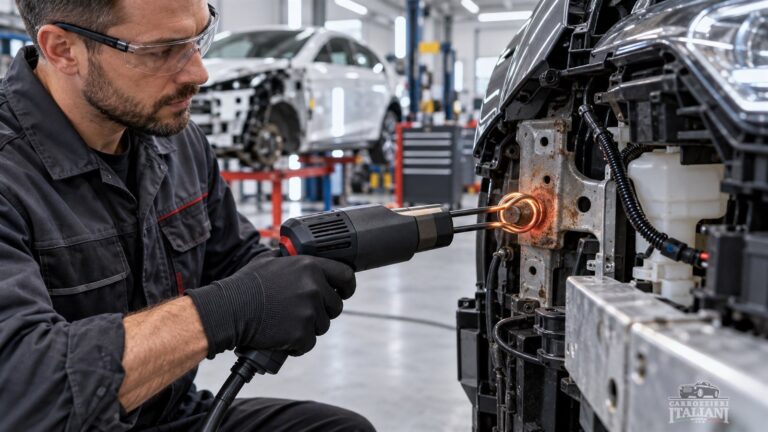
How Automotive Induction Heaters Improve Speed and Safety in Collision Repair
Collision repair has long relied on open-flame torches to loosen rusted bolts, soften adhesive, and free stuck body panels, but that approach carries real tradeoffs. Flame-based heating is slow to control precisely,…
Read story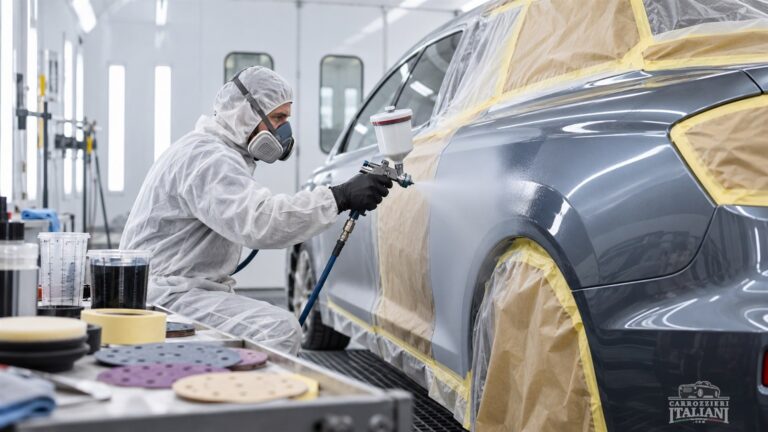
The Key Stages of a Professional Vehicle Paint Repair
Vehicle paintwork has to cope with stone chips, minor collisions, scratches, weather exposure, and everyday wear. When damage occurs, achieving a professional result involves far more than simply spraying fresh color over…
Read story
Il veicolo urbano dopo il viaggio: cosa distingue davvero un buon design per la città
Per gran parte della storia dell’automobile, il progetto di un veicolo è stato raccontato attraverso ciò che accade durante la guida: la velocità, la linea del cofano, il comportamento in curva, la…
Read story
THE CONVERSATION
Comments 0
Share a memory, a period photograph or a documented detail about this story.