
New Car Shopping: Why Waiting Until You ‘Need’ One Costs More
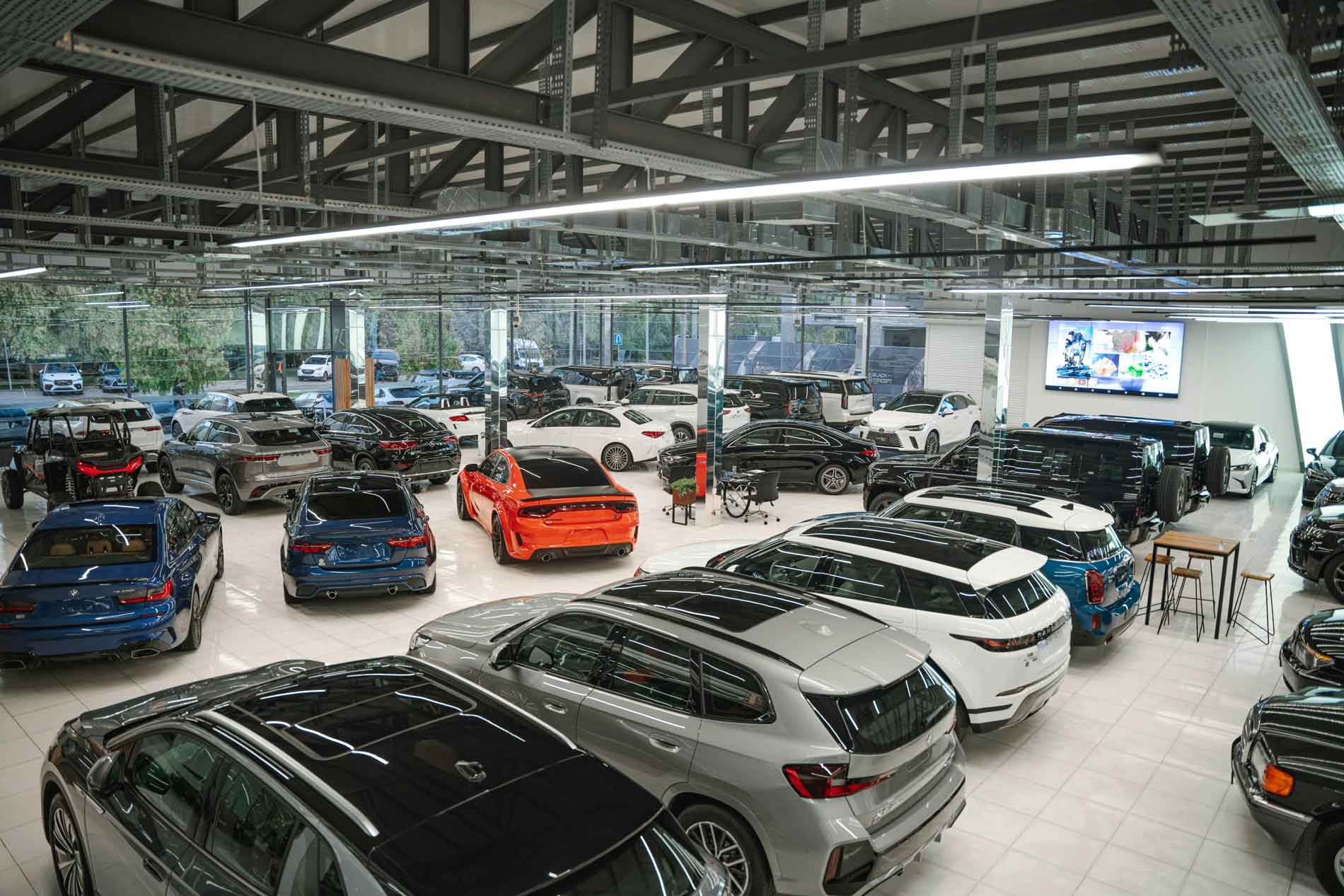
Waiting until your car breaks down to shop for a new one? Think again.
Most people think they’re being thrifty by driving their car into the ground before buying a new one. But the opposite is true. If you wait until the last minute to buy your next vehicle, you could easily be paying thousands more than necessary.
This post uncovers why emergency car shopping is the most expensive way to buy a new vehicle. It also covers some tips to make the process cheaper and less stressful next time.
Smart car buyers understand that timing matters when working with dealerships. Whether you’re considering Toyota dealers in Brisbane or any other reputable dealership, the key is building relationships and starting your search before desperation sets in.
What’s Inside:
- Why Emergency Purchases Cost More
- The Psychology of Desperate Buying
- How Dealers Spot Desperate Buyers
- The Smart Shopping Timeline
- Getting Your Timing Right
Why Emergency Purchases Cost More
New- and used-vehicle sales of $25,000 or less have declined by 78% in just five years. This means cheaper models are becoming rarer and fewer, and those that do exist will go to desperate buyers.
But here’s the worst part:
Emergency buyers have to buy now, at full price, instead of waiting for sales, incentives, and clearance.
Emergency buyers can expect to pay more because:
- They can’t take time to research prices and discounts
- They are stuck with what’s available in limited inventory
- They must buy under pressure without due diligence
- They can’t leverage better offers by shopping around
- They typically face higher financing costs
Emergency buyers are also more likely to make costly mistakes under pressure.
These mistakes include forgoing inspection, accepting a bad trade-in value, and adding unnecessary features just to get the hell out of the dealership and back on the road with a working car.
Would you rather shop around with months to get the best possible deal? Or with your clapped-out, tow-truck-bound car in hand, gasping “I’ll take it” before running out the door?
The Psychology of Desperate Buying
Did you know there’s one thing that most folks don’t realize about buying a car “I need it now?”
Panic buys are easy to spot. Seasoned salespeople know exactly how to treat you when you walk into their dealership emitting the “Help Me!” pheromones in spades.
As soon as you look at a salesperson with your broken-down ride in tow and gasp out “I need a car today”, you have just emblazoned “STUPID SALESMAN PRIME TARGET” across your forehead.
Here’s how desperate buyers can be identified:
- Their words and body language exude urgency
- They jump at the first acceptable option
- They are less informed on market prices and available models
- They are making emotional rather than logical decisions
Insightful dealers know that those “Buy Me!” buyers will pay top dollar because they need their car to solve a pressing issue.
They’re not evil. They’re just playing the supply and demand game.
How Dealers Spot Desperate Buyers
Your friendly neighborhood dealership staff have a sixth sense about a desperate car buyer.
Dealership staff have seen this scenario countless times before.
Dead giveaways that you’re a scared, irrational impulse buyer:
- You don’t have a running car (or have one towed behind you)
- You ask when they “have any cars” instead of specifying
- You are focused on monthly payments instead of total price
- You take the first financing offer you hear
- You push to close the deal and skip the details
Smart dealers know this means they can dial their tactics up to 11.
Sales staff will likely do the following when they know they’re dealing with someone who needs a car yesterday:
- Raise their starting prices (knowing you’ll accept them)
- Push expensive add-ons (extended warranty, costly packages)
- Assign you a lowball trade-in value for your junker
- Quote higher interest rates and fewer finance options
- Preemptively create an artificial urgency for buying now
Here’s the thing…
Dealers would rather work with people who have done their homework than those needing to buy now, today.
Buying a car is a significant investment. When you walk in with a working vehicle, knowledge of what you want, and time to decide, dealers are all over that because it means they get a sale and a happy customer.
The Smart Shopping Timeline
If you really want to get the best possible deal, start shopping for your new ride while your old one is still running.
Optimal Car Shopping Timeline
**6-12 Months Before You Need a Car: ** Conduct general research on models, read reviews, and get a sense of prices in the market. Identify what type of vehicle you want.
**3-6 Months Before You Need a Car: ** Begin the specific process of visiting dealerships, test driving potential cars, and establishing a rapport with salespeople. Get a financing pre-approval so you know your budget.
**1-3 Months Before You Need a Car: ** Enter into serious negotiations with your top contenders. This is when your power is at its peak because you don’t have to buy.
**Perfect timing: ** You should begin the car shopping process when your current vehicle is still good, but it’s clearly starting to show signs of wear.
The perfect time to start shopping is when your car is still running fine but maybe has a few minor issues you’ve been putting off (or is starting to approach 100,000 miles).
This means you have time to leisurely buy a new car while still being motivated to make a purchase decision.
Benefits of shopping early:
- Broader inventory selection
- Time to do proper research and comparisons
- Leverage waiting for sales and incentives
- Better position to negotiate price
- Ability to shop for financing terms
Getting Your Timing Right
Timing can be everything when it comes to buying a car. Doing it at the right time and season will save you big bucks.
When to know it’s time to start shopping:
- You have a running car, but you’re tired of it
- Your vehicle is between 100,000-150,000 miles
- Your current car’s repairs start to rack up
- You’re making a major life change coming up (new job, family expansion)
- Your current car is clapped out, but still drivable
Don’t start the process until:
- Your car won’t start (no lie)
- Repair costs are more than your vehicle’s value
- You’re on the side of the road with a broken-down car
- Your car safety is becoming a concern
Pro timing tactics:
- Buy at the end of model years so dealers can clear out current-year inventory.
- Make a purchase at the end of a month/quarter to help salespeople reach quotas.
- Take advantage of seasonal trends for buying SUVs, convertibles, etc.
- Shop in favorable economic conditions with good financing interest rates.
Planning vs. reacting is the key difference.
Making the Smart Choice
Buying a new car doesn’t have to be an expensive hassle if you know the right strategy.
Smart buyers get the jump on the car-buying process before their old ride finally dies. Instead of panicking, they take time to research, compare options, and get to know their dealers.
So, do this instead:
Don’t wait for your current car to break down before shopping for a new one. Begin the process 6-12 months before you actually need to buy.
Do your homework on the car you want, learn pricing, and get financing pre-approved. Visit your local dealerships and take several models for test drives.
You’ll feel a lot less pressure to buy a car when you find the one you want at the price you’re comfortable paying.
Key takeaways:
- Emergency car shopping = expensive car shopping
- Dealers know right away if you’re a needy buyer
- Planning in advance gives you negotiating power
- Dealers want the business of prepared buyers
Get the Best Deal: Start Early
The difference between being a smart shopper and a desperate buyer is thousands of dollars.
Buyers who purchase in an emergency pay a premium. Prepared buyers have more buying power, research, and time to get a better deal.
Your next car purchase should be well planned out, not a fire drill. Months of advance planning are worth the savings you’ll get from buying smart.
Start shopping for your next ride today, even if you don’t need a new one for another year.

ABOUT THE AUTHOR
Carrozzieri Italiani Editorial Team
Guides, practical advice and editorial contributions from the Carrozzieri Italiani team.
More stories by Carrozzieri Italiani Editorial Team ↗CONTINUE READING
Posts You Might Like
How Vehicle Design and Defective Components Can Contribute to Serious Car Accidents
A driver can do everything right and still end up in a hospital bed because a tire tread separated at highway speed. Federal crash investigators have spent decades tracing a measurable share…
Read story
How Automotive Induction Heaters Improve Speed and Safety in Collision Repair
Collision repair has long relied on open-flame torches to loosen rusted bolts, soften adhesive, and free stuck body panels, but that approach carries real tradeoffs. Flame-based heating is slow to control precisely,…
Read story
The Key Stages of a Professional Vehicle Paint Repair
Vehicle paintwork has to cope with stone chips, minor collisions, scratches, weather exposure, and everyday wear. When damage occurs, achieving a professional result involves far more than simply spraying fresh color over…
Read story
Il veicolo urbano dopo il viaggio: cosa distingue davvero un buon design per la città
Per gran parte della storia dell’automobile, il progetto di un veicolo è stato raccontato attraverso ciò che accade durante la guida: la velocità, la linea del cofano, il comportamento in curva, la…
Read story
THE CONVERSATION
Comments 0
Share a memory, a period photograph or a documented detail about this story.