
Navigating Car Repairs After an Accident: What Every Driver Should Know
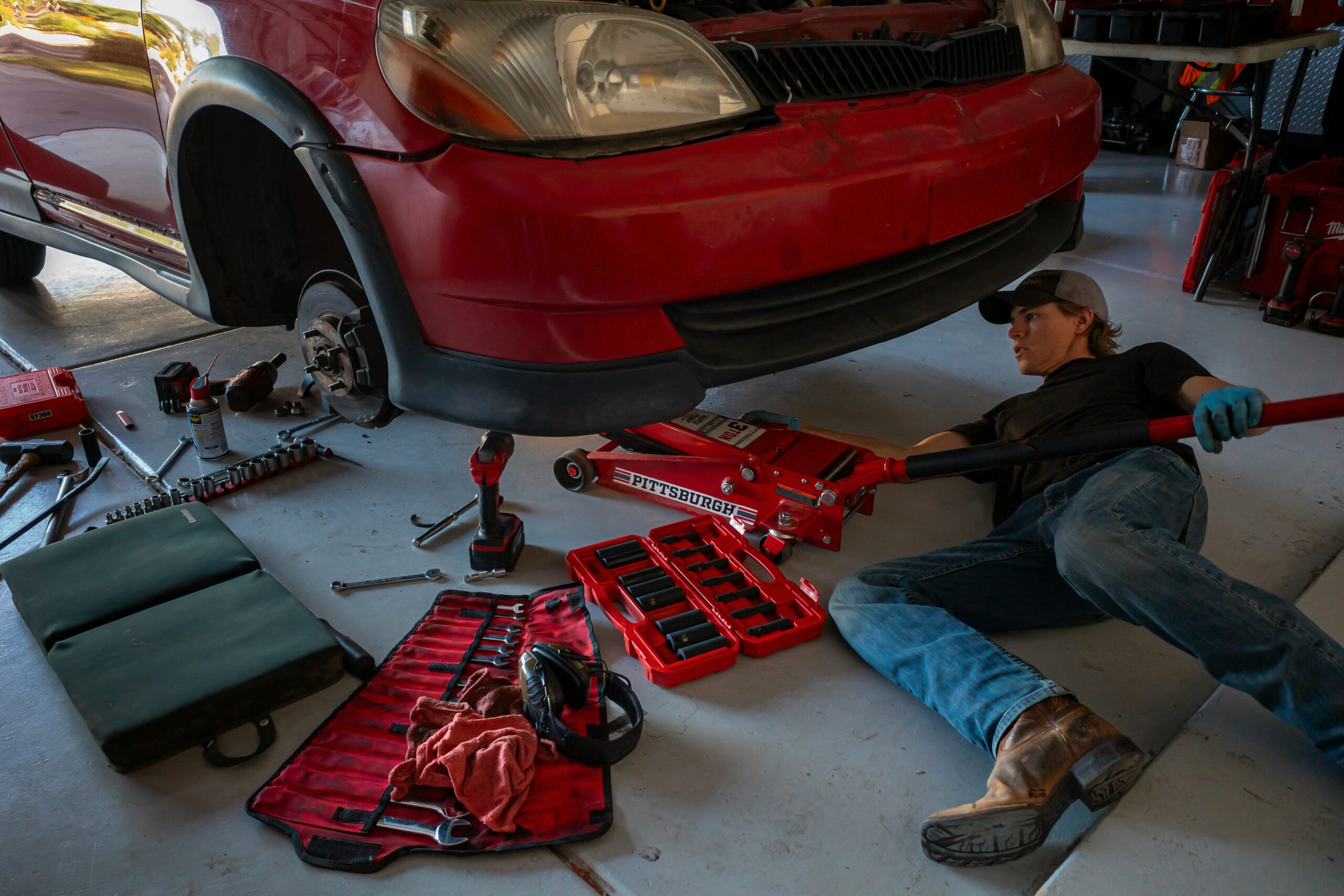
Dealing with car repairs after an accident can be overwhelming. But it doesn’t have to be if you know the right steps to take.
Here’s the reality…
Most drivers have no idea how to navigate repairs after a collision. The insurance claims process is confusing. People get taken advantage of by repair shops. They’re not sure of their rights.
But that’s where this guide comes in.
You’ll discover how to take control of the entire process – from the moment of the accident to getting your vehicle fixed and on the road. This is what we cover:
- Things to do after an accident
- How to file a claim with insurance
- Tips for choosing a repair shop
- When to get legal help
- Mistakes to avoid
Things to do After a Car Accident
After a collision, safety first.
Once it’s safe to do so, turn off your engine and check that everyone is ok. Call 911 to report the accident. They’ll send a police officer to the scene to file a report.
Do this…
As you wait for the officer, start documenting the scene. Take photos of all vehicle damage, skid marks, road conditions, and any visible injuries. Exchange information with the other driver, including names, contact information, and insurance policy numbers.
Important: Get witness contact information too. If there are any bystanders who witnessed the accident, their statements can be valuable when filing an insurance claim. Write down names and phone numbers.
After an accident, 911 has arrived and documentation is underway, you’re ready to move on to the next step:
Contacting your insurance company and filing a claim.
Filing a Claim with Your Insurance
Reporting the accident to your insurance company is the first step of the claims process. Most insurers have a 24/7 claims hotline for this purpose. When you call, have all of your documentation ready. This includes:
- The police report number
- Photos of the damage
- The other driver’s information
Here’s what happens next…
The insurance company will assign a claims adjuster to your case. This individual investigates the claim and assesses vehicle damage to determine fault. They typically make contact within one to three days of your claim being filed.
Important: The insurance adjuster works for the insurance company, not for you. Their job is to minimize how much the insurance company has to pay. Be careful about giving recorded statements. Stick to the facts.
If disagreements arise about who was at fault or about settlement amounts, working with experienced Illinois Car Accident Lawyers can help protect your rights and ensure you receive a fair settlement.
Once the investigation is complete, the insurer will issue a settlement offer. This will cover the cost of repairs, minus any deductible. Don’t automatically accept the first offer. You can often negotiate a better settlement.
Tips for Choosing a Repair Shop
The repair shop decision is another important one. Did you know…
Drivers have the right to choose any repair shop they want after an accident. The insurance company might recommend certain shops but you’re not required to use them.
So how do you choose a good one?
Look for shops with certifications. ASE-certified technicians have passed standardized testing to prove their competency. Manufacturer certifications mean the shop meets certain brand standards for that make of vehicle.
Get estimates from multiple shops. Collect at least two or three repair estimates before deciding where to go. This lets you compare pricing and make sure nothing is overlooked.
Ask about parts. Repair shops may use different types of parts:
- OEM parts are original manufacturer parts that meet factory specifications
- Aftermarket parts are made by third-party manufacturers and may be cheaper but vary in quality
- Used parts are salvaged from other vehicles
Insurance companies may push for less expensive aftermarket or used parts. If you demand OEM parts, you may need to pay the difference out of pocket.
Car Repair Costs Today
Repairing a car costs more than it used to.
ConsumerAffairs reports that average repair costs have increased nearly 25% from 2022. Repairing an engine or transmission alone can cost anywhere from $1,200 to $10,000 depending on the vehicle and damage involved.
And there’s more…
According to new industry data from CCC, vehicles that are seven years or older now make up nearly 45% of all repairable claims. This is up from just 30% two years ago. The older a vehicle, the more extensive the repairs can be. Plus, parts are harder to source for older vehicles.
With repair costs so high, and rising, getting multiple repair estimates is critical. Shops will vary widely in their pricing.
When to Get Legal Help
Not every car accident requires a lawyer. But here are some situations when professional legal assistance may be necessary:
- Injuries are significant or require ongoing medical treatment
- Determination of fault is in dispute
- The insurance company denies or underpays the claim
- The other driver was uninsured or underinsured
- Settlement negotiations stall out
Reality check…
Insurance companies have entire legal departments working for them. When drivers have significant property damage or injuries, it’s often necessary to retain your own representation to level the playing field.
Common Mistakes to Avoid
Smart drivers do not make these common mistakes after an accident:
Accepting the first settlement offer from the insurance company. These are almost always too low.
Not reading the repair estimate in detail. Hidden costs and shortcuts may be present.
Skipping the follow-up inspection after repairs are done. Inspect carefully and test everything before signing off.
Failing to keep copies of all documentation. Important records include estimates, invoices, insurance correspondence, and medical records if there were injuries.
Waiting too long to file a claim. Insurance policies often have time limits for filing claims after an accident.
Final Thoughts
Car repairs after an accident don’t have to be a headache.
But it does require drivers to take control of the process. Document everything at the scene of an accident. File a claim with insurance and be prepared with all information ready. Get multiple repair estimates. Review settlement offers carefully before accepting. And get legal help if the situation calls for it.
Repair costs are rising and the claims process is only getting more complex. Knowledge is the best protection against these challenges. Drivers who are aware of their rights and understand the process always have the advantage.
Remember:
- Document the accident scene
- Report to insurance promptly
- Get multiple repair estimates
- Review settlement offers
- Know when to get legal help
With these tips, you can turn a stressful situation into a manageable process. That’s the difference.

ABOUT THE AUTHOR
Carrozzieri Italiani Editorial Team
Guides, practical advice and editorial contributions from the Carrozzieri Italiani team.
More stories by Carrozzieri Italiani Editorial Team ↗CONTINUE READING
Posts You Might Like
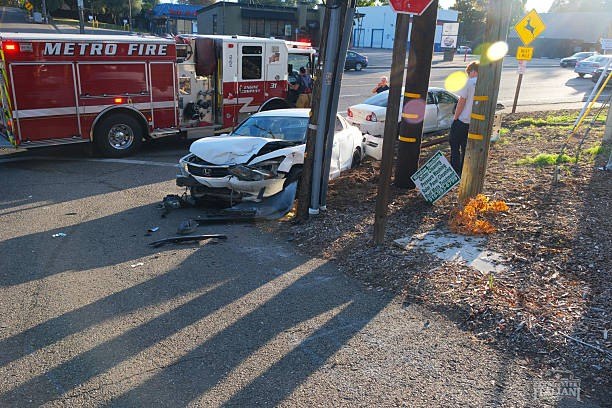
How Vehicle Design and Defective Components Can Contribute to Serious Car Accidents
A driver can do everything right and still end up in a hospital bed because a tire tread separated at highway speed. Federal crash investigators have spent decades tracing a measurable share…
Read story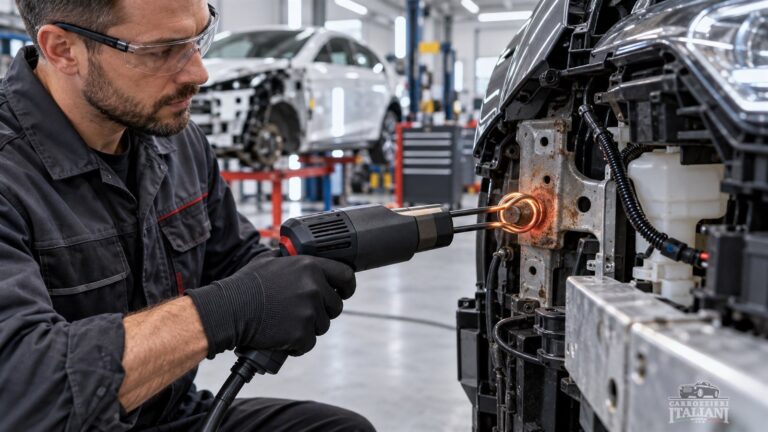
How Automotive Induction Heaters Improve Speed and Safety in Collision Repair
Collision repair has long relied on open-flame torches to loosen rusted bolts, soften adhesive, and free stuck body panels, but that approach carries real tradeoffs. Flame-based heating is slow to control precisely,…
Read story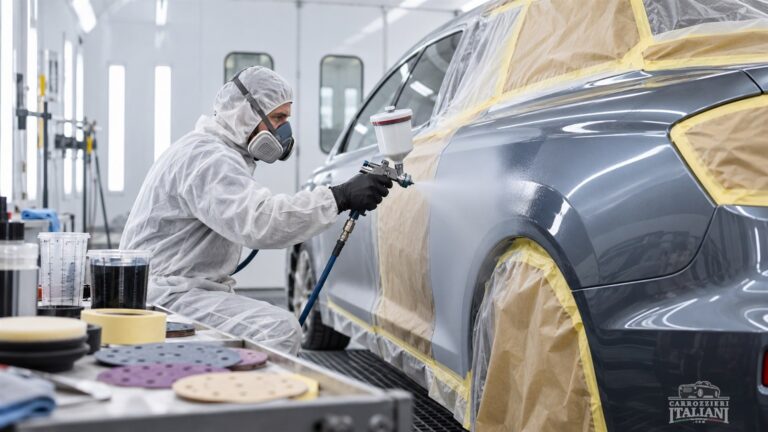
The Key Stages of a Professional Vehicle Paint Repair
Vehicle paintwork has to cope with stone chips, minor collisions, scratches, weather exposure, and everyday wear. When damage occurs, achieving a professional result involves far more than simply spraying fresh color over…
Read story
Il veicolo urbano dopo il viaggio: cosa distingue davvero un buon design per la città
Per gran parte della storia dell’automobile, il progetto di un veicolo è stato raccontato attraverso ciò che accade durante la guida: la velocità, la linea del cofano, il comportamento in curva, la…
Read story
THE CONVERSATION
Comments 0
Share a memory, a period photograph or a documented detail about this story.