
THE VEHICLE AT A GLANCE
Model dossier
- Production period
- 1977
- Body style
- Hatchback
- Engine
- Inline-4
- Type
- Limited
- Production
- 4857
THE PEOPLE BEHIND THE CAR
Coachbuilding, design & conversions

PRICE & SALES RECORD
Vehicle value
- Original price
- Not documented
- Latest recorded sale
- Not documented
01 / THE STORY
History & context
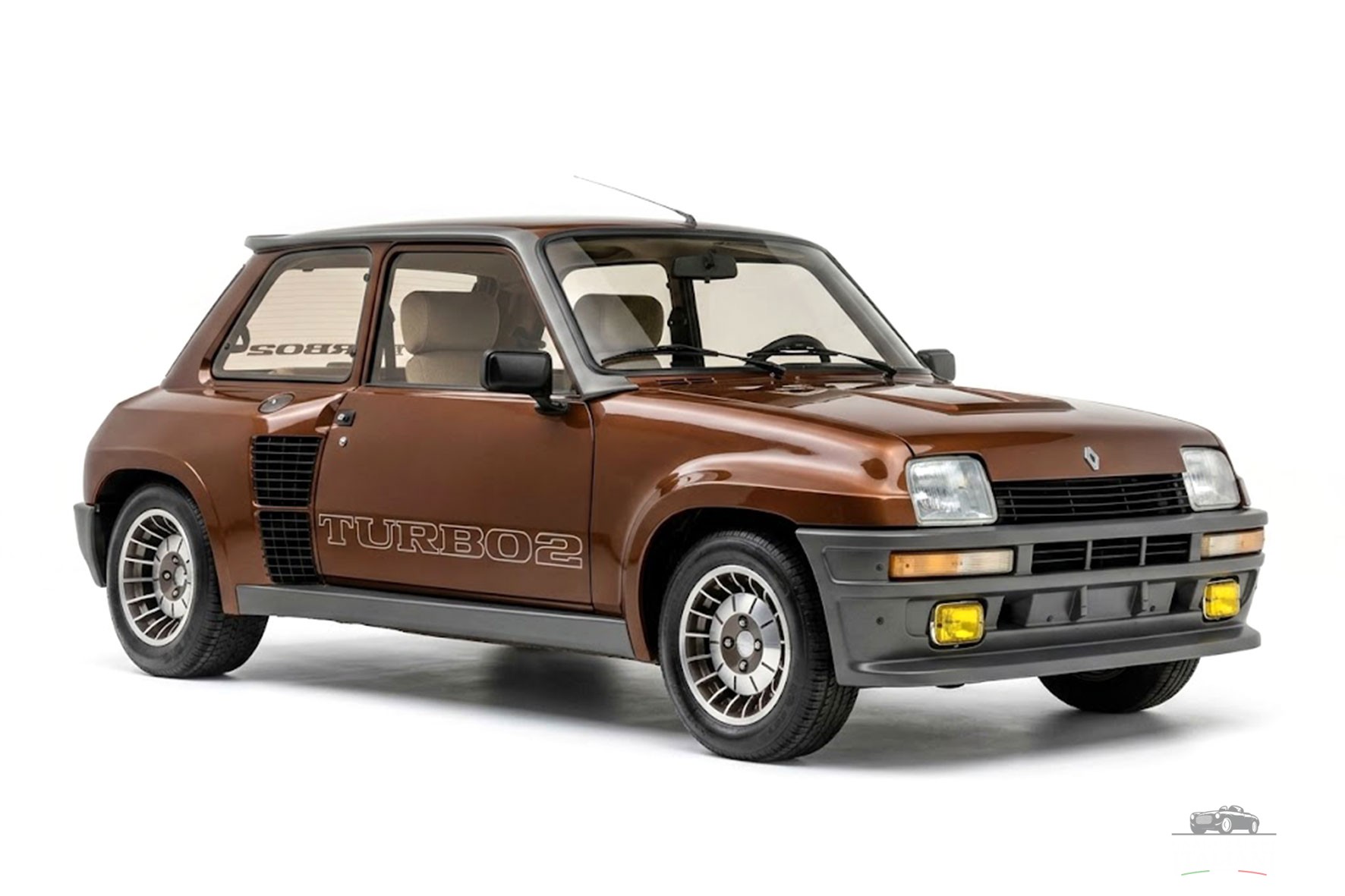
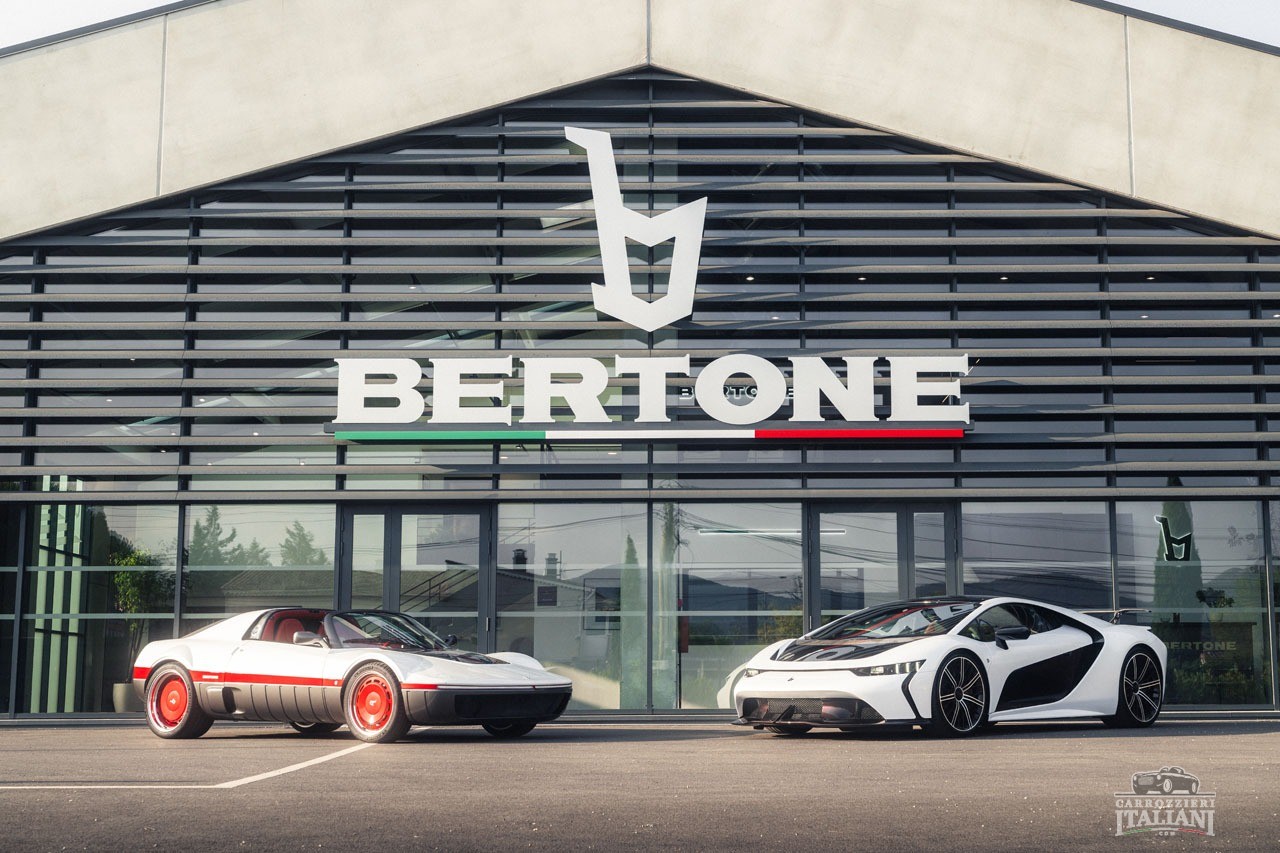
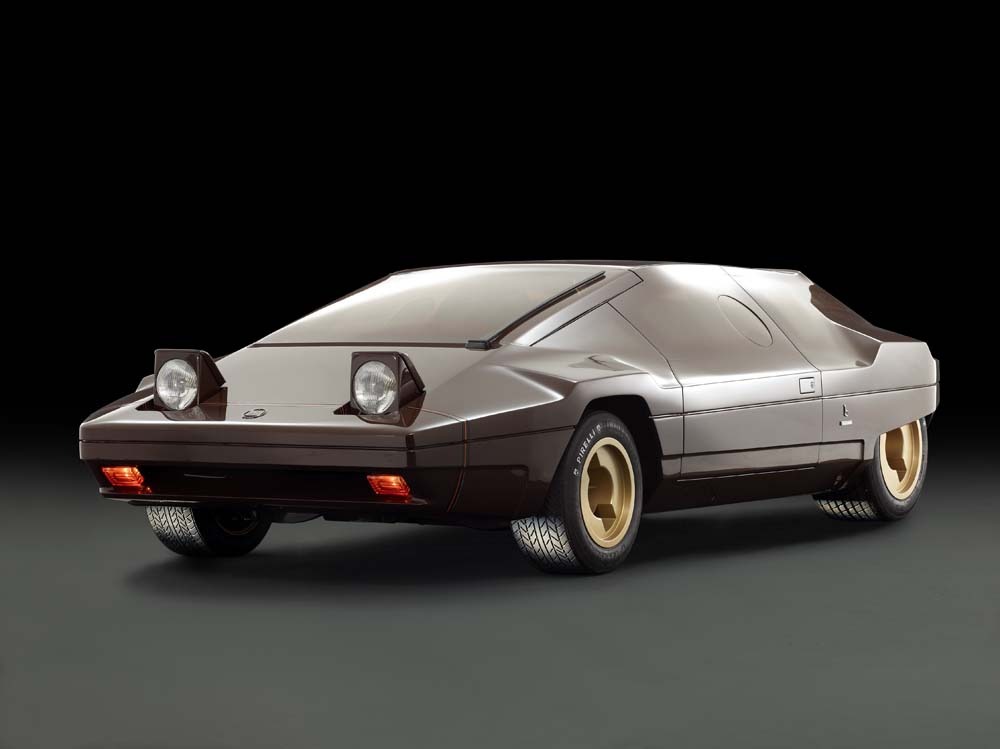
The Renault 5 Turbo emerged in the late 1970s as a direct response to the growing demand for a road car capable of competing at the highest levels in world rallying. As rallying evolved rapidly, Renault needed a vehicle with the performance and technical capabilities to rival more powerful competitors like the Ford Escort RS, Lancia Stratos, and 131 Abarth. Initially, Renault turned to the Renault 5 Alpine, a high-performance version of their front-wheel-drive supermini. However, the Alpine struggled to compete with these formidable rivals. This led to the creation of the Renault 5 Turbo, a groundbreaking vehicle that would set new standards for performance and design in both rallying and road cars. Unveiled in 1978 at the Paris Motor Show, the Renault 5 Turbo was a radical departure from the standard Renault 5. In collaboration with Bertone, Renault designed a car with a mid-mounted turbocharged engine, rear-wheel drive, and a two-seater cabin. The body of the car was significantly modified, featuring widened wheel arches to accommodate larger tires, prominent air intakes for cooling, and an aggressive stance that earned it the nickname “Turbone” among rally fans. The Renault 5 Turbo was designed under the supervision of Marcello Gandini, the legendary chief designer known for his bold and innovative design language. The engineering of the Renault 5 Turbo was just as revolutionary as its design. Unlike other mid-engine rally cars like the Lancia Stratos, Renault did not start with a racing chassis. Instead, they modified the body of the Renault 5 supermini, which posed several challenges, including fitting the mechanical components in the rear. The fuel tanks were placed under the seats to improve weight distribution, and a large air outlet was created in the front section to cool the radiator. The result was a lightweight, powerful vehicle that was both agile and capable of handling the demands of world rallying. Powering the Renault 5 Turbo was a 1.4-liter inline-four Cléon-Fonte engine, positioned longitudinally in the mid-rear of the car. This turbocharged engine produced 160 hp at 6,000 rpm and 210 Nm of torque at 3,250 rpm. The engine was paired with a 5-speed manual gearbox and rear-wheel drive, delivering exhilarating performance. The car could accelerate from 0 to 100 km/h in just 6.5 seconds and reached a top speed of 200 km/h. This combination of speed, power, and handling made the Renault 5 Turbo one of the most iconic performance cars of its time. The first 400 Renault 5 Turbos were produced to meet the Group 4 homologation requirements for international rally competitions. This allowed the Renault 5 Turbo to compete in some of the most prestigious rally events, further cementing its status as a motorsport legend. Assembled at the Alpine factory in Dieppe, these cars featured many high-performance components, such as a specialized suspension system and lightweight alloy wheels, which were later used in the Alpine A310. The Renault 5 Turbo is widely regarded as one of the most important and iconic hot hatchbacks in automotive history. Its unique design, mid-engine layout, and rear-wheel-drive configuration made it a thrilling car to drive, both on and off the rally stage. With its combination of aggressive styling, groundbreaking performance, and rally pedigree, the Renault 5 Turbo remains a symbol of Renault’s commitment to innovation and excellence in the world of motorsport and road cars.
IN THE ARCHIVE
Related people
IN THE ARCHIVE
Coachbuilders & design studios
02 / TECHNICAL IDENTITY
Specifications & construction
Production & construction
- Production
- 4857
- Production type
- Limited
- Mechanical platform
- Renault 5 Turbo rear-mid-engine / RWD programme
Engine & performance
- Engine configuration
- Inline-4
- Drive
- Rear-wheel drive
- Specification notes
- SOURCE/CHRONOLOGY 2026-09-21 — Renault Heritage documents the first R5 Turbo mock-up in 1978 and production launch in 1980, with rear-mid-engine/RWD architecture. The legacy 1977 design-program date remains project chronology only, not a production-model year.
Dimensions & accommodation
- Length
- 3,664 mm
- Width
- 1,752 mm
- Height
- 1,323 mm
Design & manufacture
- Coachbuilder / Body Builder · Documented
- Bertone
- Designer · Candidate
- Marcello Gandini
- Manufacturer · Documented
- Renault
06 / EVENTS & AWARDS
Events & awards
No events or documented awards are currently recorded for this vehicle.
07 / THE VEHICLE IN DETAIL
Photo gallery 7 photographs
Show 1 more photographs Show fewer photographs
08 / FROM THE ARCHIVE
Archive
References held in the vehicle dossier. Their inclusion does not establish that every historical claim has been independently verified.
| Reference | Source type |
|---|---|
| Renault The Originals — Renault 5 Turbo theoriginals.renault.com | Manufacturer official heritage |
| Renault Classic — Renault 5 Turbo history cdn.group.renault.com | Manufacturer official archive pdf |
THE CONVERSATION
Comments 0
Share a memory, a period photograph or a documented detail about this car.