
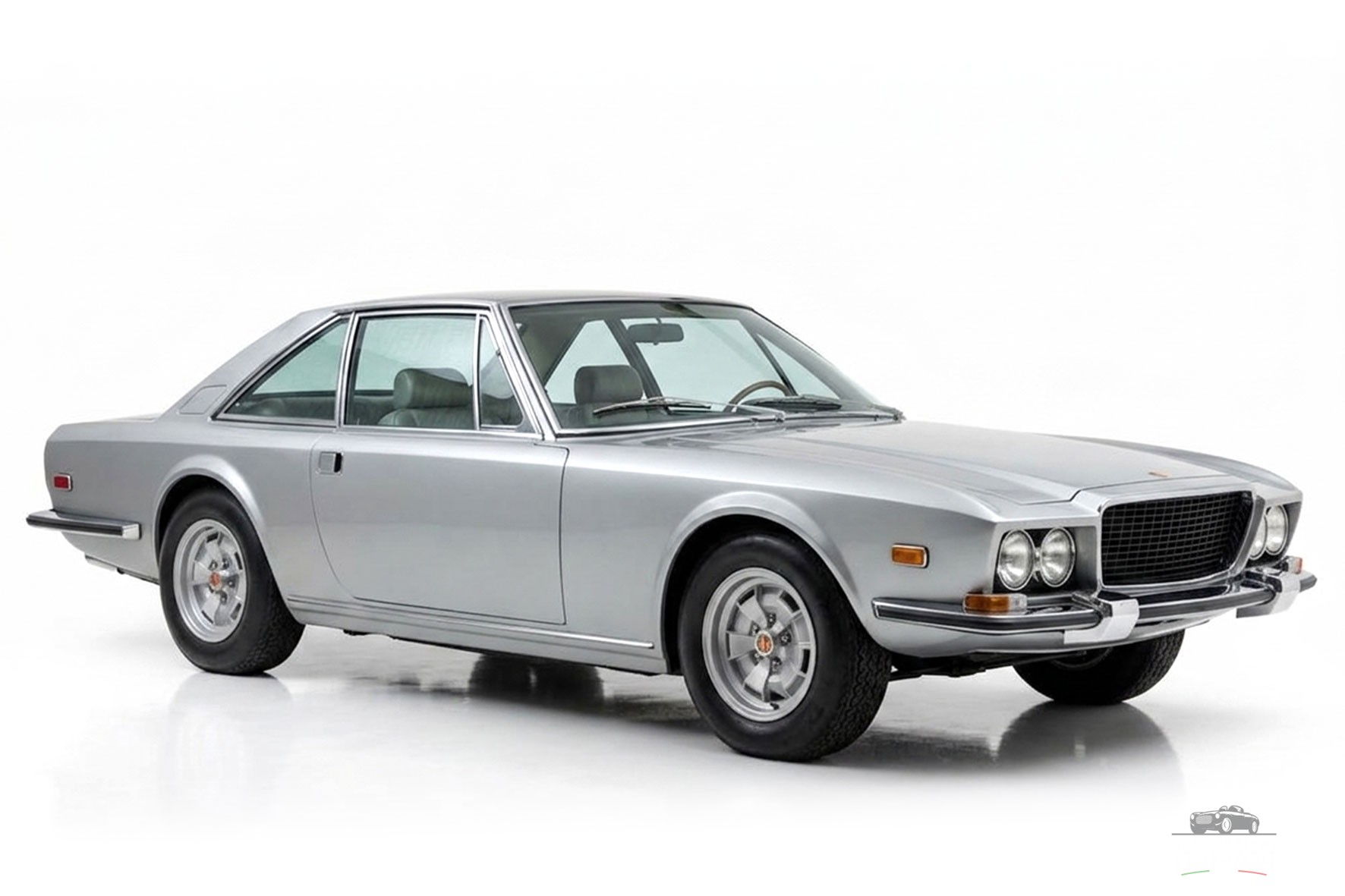
THE VEHICLE AT A GLANCE
Model dossier
- Production period
- 1971–1972
- Body style
- Coupé
- Engine
- Chevrolet-derived 90° V8 OHV
- Type
- Limited
- Production
- 6
- Displacement
- 5,735 cc
- Power
- 225 CV
- Seats
- 4
THE PEOPLE BEHIND THE CAR
Coachbuilding, design & conversions

PRICE & SALES RECORD
Vehicle value
- Original price
- Not documented
- Latest recorded sale
- Not documented
01 / THE STORY
History & context
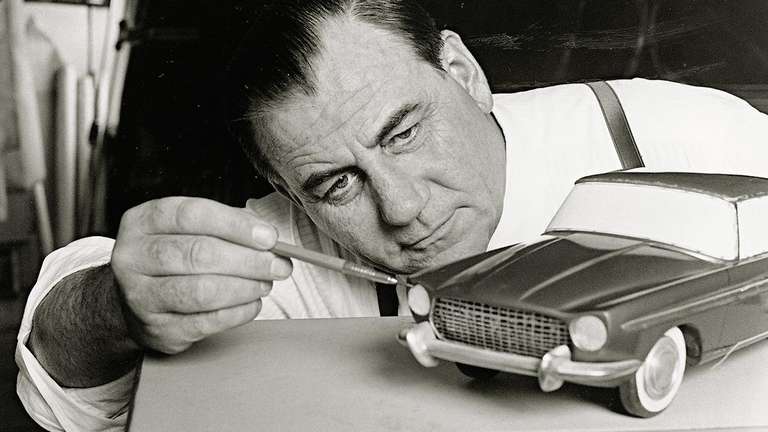
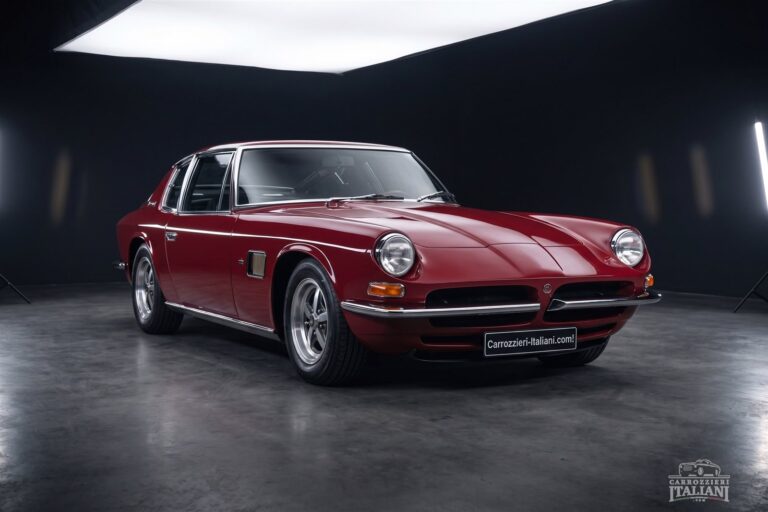
The Momo Mirage was a US sports car produced in small numbers in the early 1970s and marketed as the Momo. The originators of the project were American businessman Peter Kalikow and New York Jaguar dealer Alfredo Momo. In 1967, Kalikow, who had long been considered a car enthusiast, decided to develop his own vehicle. The reason for this was allegedly the presentation of the Aston Martin DBS, with whose handling Kalikow was said to have disagreed. The aim was to create a Gran Turismo that would fill the gap between a Rolls-Royce and a Ferrari: spirited, elegant and conservative. From a technical point of view, solid American mass-produced components were to be used, while the chassis and body design were to feature Italian references. Alfredo Momo made some contacts here. The Momo Mirage was developed in Italy. Kalikow and Momo initially commissioned Giulio Alfieri, the former Maserati chief engineer, to develop the chassis, but he was unable to complete the work in the allotted time. Ultimately, the job was given to Stanguellini, a small race car designer from Modena. Vittorio Stanguellini developed a massive platform chassis on which numerous foreign components were installed: The front suspension was taken from the Jaguar Mark 2, the steering came from Alford & Alder, the dampers from Koni and the brakes from Girling. The engine used was a Chevrolet LT-1 5.7-liter eight-cylinder, which had recently been used in the Chevrolet Corvette and was also found in some European hybrids, notably the Iso Rivolta cars. Kalikow wanted to replace the factory carburetor system with a Lucas fuel injection system; however, this plan was ultimately not realized. Power was to be transmitted via a manual five-speed transmission from ZF; alternatively, a GM automatic was planned. The car’s design was to exude European elegance and was to be developed by an Italian designer. It was clear early on that the car was to be a two-door, four-seat coupe. After some casual and ultimately fruitless inquiries with Giovanni Michelotti, Pininfarina and Ghia, more serious discussions developed in the fall of 1970 with Pietro Frua, which ultimately included the order to produce the body. The first 1:1 model was completed by Frua in early 1971. It was a rectilinear coupe with a long hood and large grille framed by round twin headlamps. In many ways it was an evolution of the Lancia Marica, a coupe that Tom Tjaarda had designed for Carrozzeria Ghia in 1969. In particular, the line of the C-pillar, which started immediately at the rear upper door frame and then dropped off in a straight line, corresponded to the model two years older. Peter Kalikow later claimed that the design had not been developed or not solely by Frua; rather, a designer named Gene Garfinkel, an employee at Raymond Loewy’s studios, had done the work largely on his own. The first prototype, a maroon coupe with a carbureted engine and manual transmission, was completed during 1971. It was first presented in Italy and also used for test drives before being transferred to the United States in December 1971. Another prototype, painted blue, was produced in early 1972 with a modified axle ratio. The plan was to start series production in the course of 1972; Kalikow was thinking of an initial production of 12 vehicles. Stanguellini was to manufacture the chassis, and Pietro Frua was responsible for the hand-building of the vehicle. Stanguellini produced nine chassis by the fall of 1972, at least six of which (including the prototypes) were dressed by Frua. In the fall of 1972, Kalikow and Momo pulled the emergency brake. The reason for this was exploding costs. Both Stanguellini and Frua had doubled their price expectations compared to the initial agreements: Stanguellini now demanded $8,000 for each chassis, and Frua charged a manufacturing price of $7,000 per vehicle. Added to this was the cost of the engines, which had to be purchased regularly through American Chevrolet dealers. This meant that Kalikow’s plan to offer the Momo Mirage at a unit price of about $12,000 and thus cheaper than contemporary Ferraris was no longer feasible. In addition, production in Italy had been repeatedly disrupted by numerous strikes. Ultimately, Kalikow had lost half a million dollars on the project. To prevent the losses from becoming even greater, he ended the adventure at short notice. A total of six Momo Mirage were originally produced, three of which are now in Kalikow’s possession.
IN THE ARCHIVE
Related people
IN THE ARCHIVE
Coachbuilders & design studios
02 / TECHNICAL IDENTITY
Specifications & construction
Production & construction
- Production
- 6
- Production type
- Limited
- Production from
- 1971
- Production to
- 1972
- Chassis construction
- Steel platform with tubular components
- Production notes
- Six completed Mirage cars are commonly documented; nine Stanguellini chassis were contracted. Do not treat nine chassis as nine completed cars.
Engine & performance
- Engine configuration
- Chevrolet-derived 90° V8 OHV
- Displacement
- 5,735 cc
- Power (CV)
- 225 CV
- Transmission
- 3-speed GM automatic or 5-speed ZF manual
- Drive
- Rear-wheel drive
- Specification notes
- Museo Stanguellini provides the programme technical baseline. Power is recorded as 225 CV for the injected configuration; the 200 CV carbureted alternative remains in source context.
Dimensions & accommodation
- Wheelbase
- 2,639 mm
- Seats
- 4
Individual vehicle
- Documented chassis
- 00102
- Documented chassis count
- 1
Design & manufacture
- Coachbuilder / Body Builder · Documented
- Frua
- Designer · Documented
- Gene Garfinkle
- Manufacturer · Documented
- The Momo Corporation
- Engineer · Documented
- Giulio Alfieri
06 / EVENTS & AWARDS
Events & awards
Pebble Beach General · legacy_preserved
- Date
- 2024
- Chassis
- General
Preserved CI 1.0 relation. Evidence field: list_of_awards_0_events. No award inferred.
07 / THE VEHICLE IN DETAIL
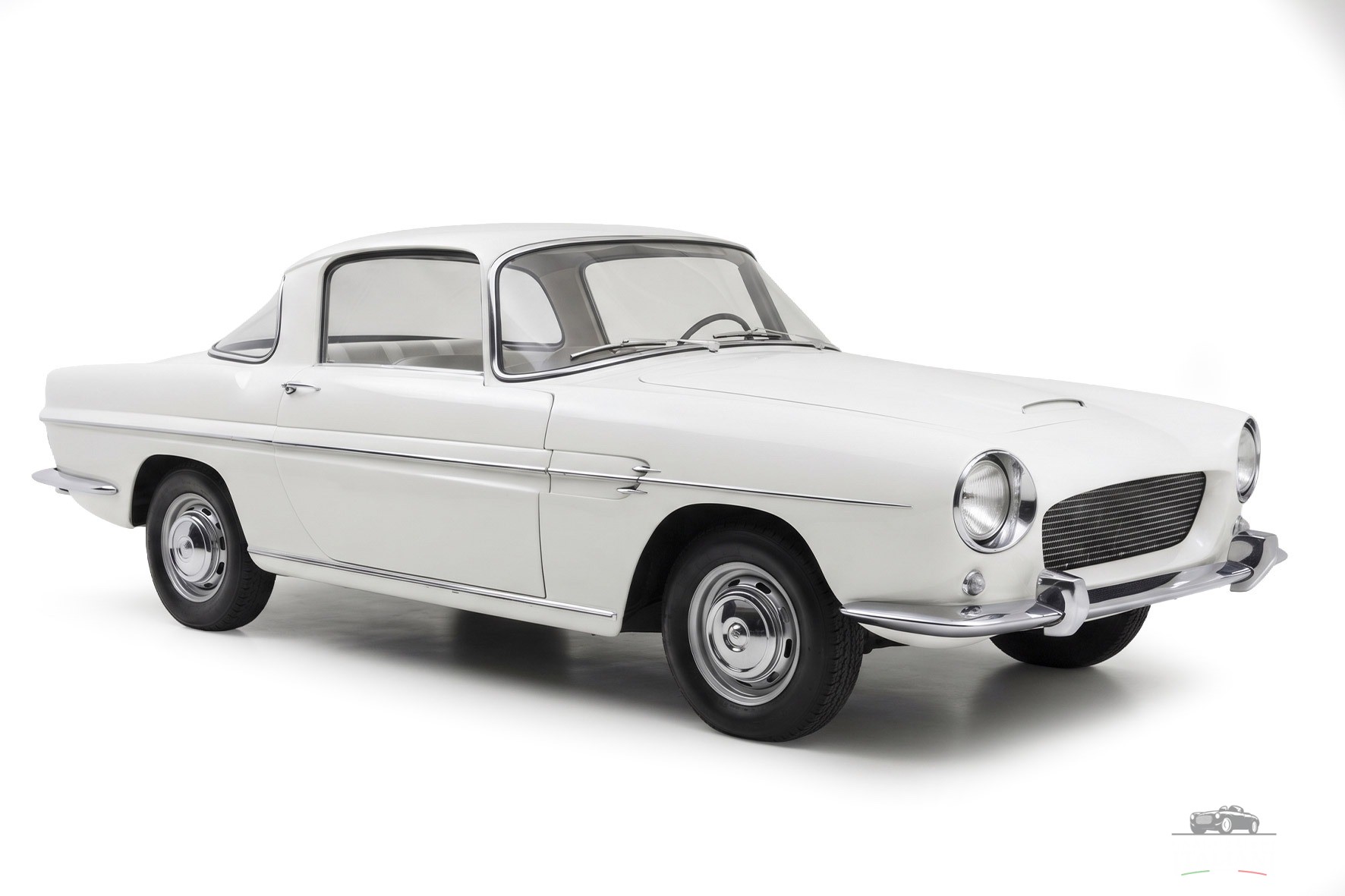
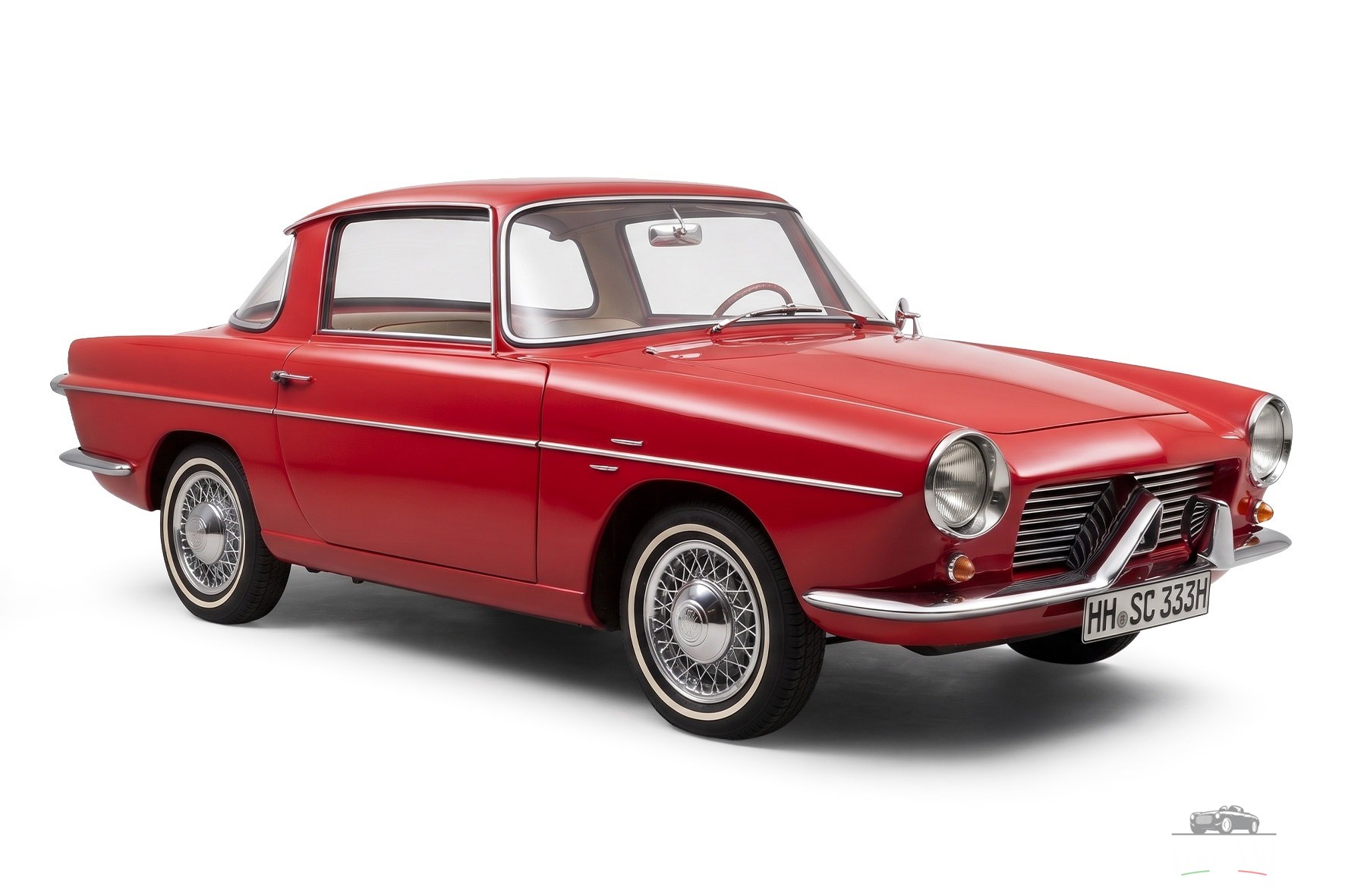
Photo gallery 4 photographs
08 / FROM THE ARCHIVE
Archive
References held in the vehicle dossier. Their inclusion does not establish that every historical claim has been independently verified.
| Reference | Source type |
|---|---|
| Pietro Frua Catalogue raisonné — 1970–1983 www.pietro-frua.de | Specialist designer archive catalogue raisonne |
| Museo Stanguellini — Momo Mirage www.stanguellini.it | Manufacturer museum primary source |
| Ultimatecarpage — Momo Mirage www.ultimatecarpage.com | Specialist model history |
THE CONVERSATION
Comments 0
Share a memory, a period photograph or a documented detail about this car.