
THE VEHICLE AT A GLANCE
Model dossier
- Production period
- 1953
- Body style
- Spider
- Engine
- V6
- Type
- Limited
- Top speed
- 238 km/h
THE PEOPLE BEHIND THE CAR
Coachbuilding, design & conversions

PRICE & SALES RECORD
Vehicle value
- Original price
- Not documented
- Latest recorded sale
- Not documented
01 / THE STORY
History & context
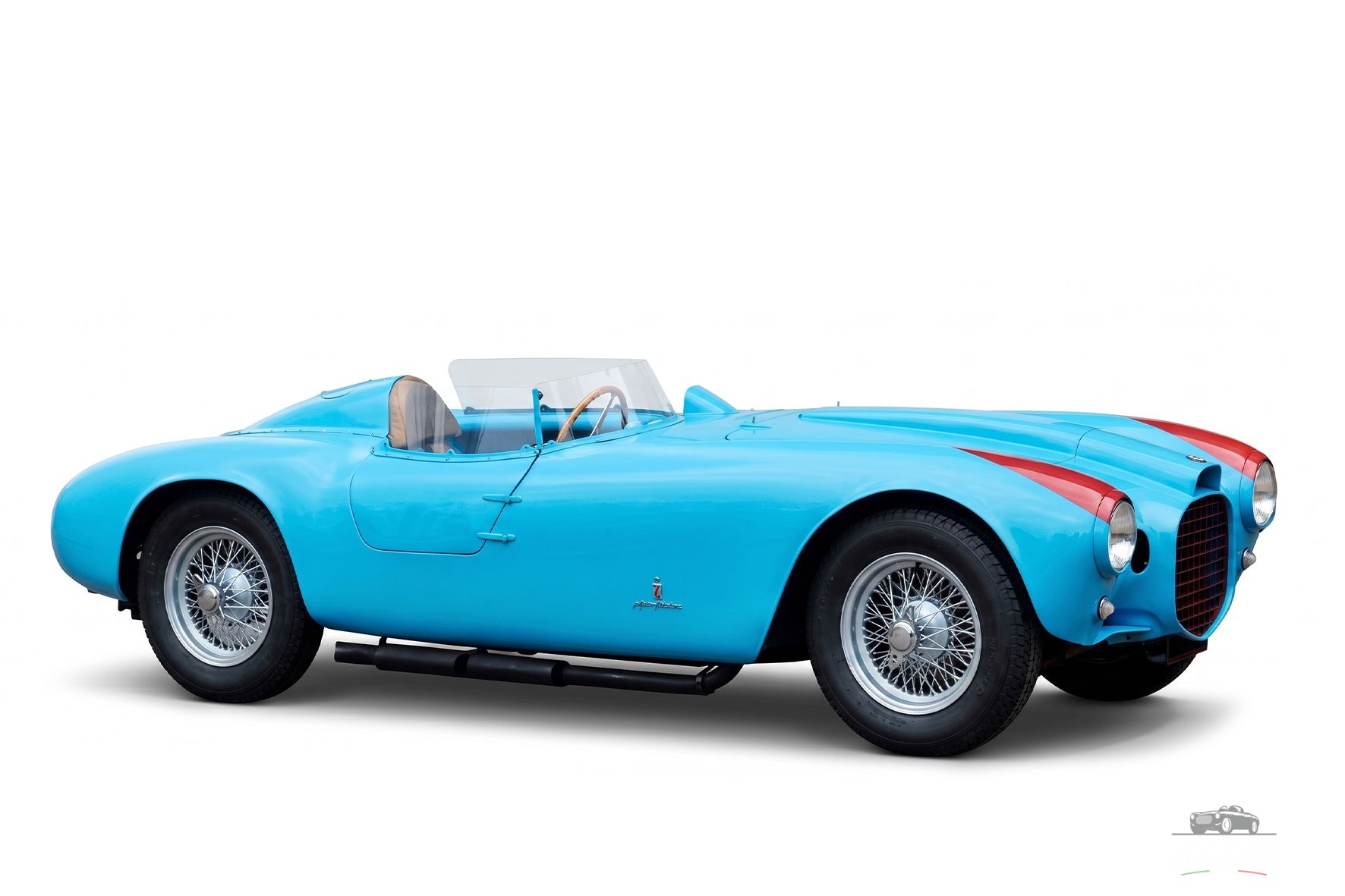
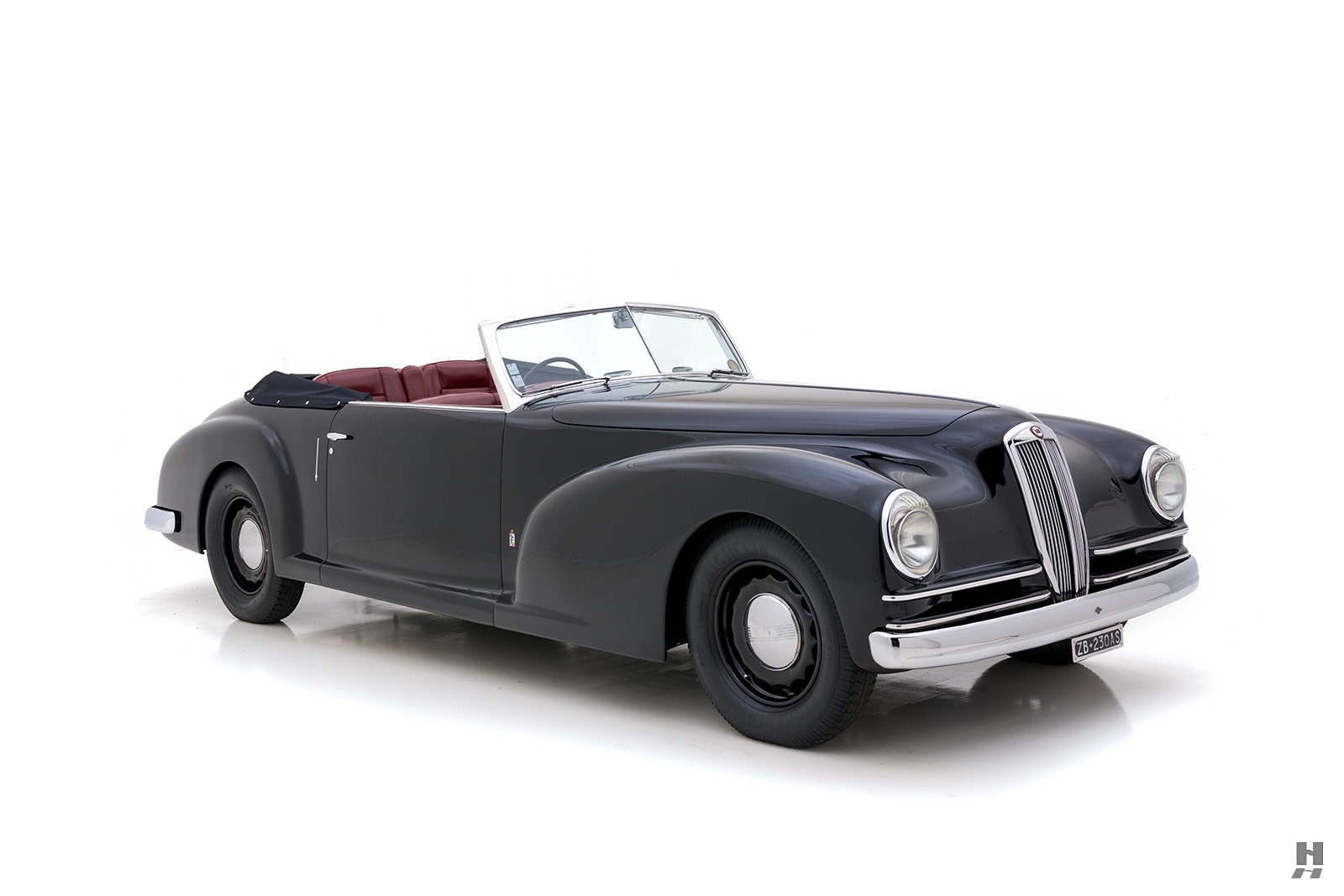
The Lancia D23 designed by Pininfarina made a remarkable debut at the Gran Premio di Monza for sports cars, securing a second-place finish with Felice Bonetto at the wheel. This auspicious start marked the beginning of a storied yet poignant chapter in Lancia’s racing history. The Lancia racing team ambitiously entered five cars in the grueling Carrera Panamericana race in Mexico: two D23s, including this one driven by Giovanni Bracco and another by Eugenio Castellotti, alongside three new D24s piloted by Juan Manuel Fangio, Felice Bonetto, and Piero Taruffi. The race, however, was marred by tragedy during the fourth leg when Bonetto suffered a fatal accident, casting a shadow over Lancia’s triumphant ‘1-2-3’ finish. Fangio claimed victory, Taruffi came second, and Castellotti secured third place with his D23. Unfortunately, Bracco was forced to retire due to a broken rear wheel. An exceptional feature of this car is its blue color, an unusual choice for an Italian racing car, which was applied for its 1953 debut at Monza. This particular D23 is the only remaining original model, adding to its historical significance. Gianni Lancia, the ambitious son of company founder Vincenzo Lancia, took over the management after his father’s death in 1937. Determined to establish Lancia’s prowess in racing, Gianni collaborated with designer Vittorio Jano, formerly of Alfa Romeo. Together, they embarked on an ambitious racing program. After World War II, Gianni developed a racer based on the new Aurelia GT, the D20 coupé. Although Lancia secured its first victory at the Targa Florio, the cars performed poorly at Le Mans. In response, Lancia modified the engine and chassis of two D20s, removing the roof to create an open racer: the D23. Later, two more D20s were upgraded to D23 specifications and equipped with a De Dion rear axle, significantly improving handling. Despite these advancements, Gianni Lancia’s costly racing program nearly drove the company to bankruptcy. Nevertheless, the legacy of the Lancia D23 endures, celebrated for its engineering brilliance, racing successes, and the poignant reminder of the sacrifices made in the pursuit of automotive excellence.
IN THE ARCHIVE
Coachbuilders & design studios
02 / TECHNICAL IDENTITY
Specifications & construction
Production & construction
- Production type
- Limited
Engine & performance
- Engine configuration
- V6
- Displacement
- 2,962.5 cc
- Drive
- Rear-wheel drive
- Top speed
- 238 km/h
- Specification notes
- 1953 Lancia D23 competition-spider baseline: 60° V6 2962.5 cc, RWD, wheelbase 2600 mm, dimensions 3850 × 1480 × 970 mm, dry weight 750 kg. Contemporary historical data gives approximately 235–240 km/h top speed; midpoint 238 km/h stored as approximate family value.
Dimensions & accommodation
- Wheelbase
- 2,600 mm
- Length
- 3,850 mm
- Width
- 1,480 mm
- Height
- 970 mm
- Weight
- 750 kg
Design & manufacture
- Manufacturer · Documented
- Lancia
- Coachbuilder / Body Builder · Documented
- Pininfarina
04 / INDIVIDUAL HISTORY
Chassis & provenance
Ownership & provenance
- Ownership & history · Legacy attribution
- Museum Car
06 / EVENTS & AWARDS
Events & awards
No events or documented awards are currently recorded for this vehicle.
07 / THE VEHICLE IN DETAIL
Photo gallery 2 photographs
08 / FROM THE ARCHIVE
Archive
References held in the vehicle dossier. Their inclusion does not establish that every historical claim has been independently verified.
| Reference | Source type |
|---|---|
| Lancia D23 technical specification it.wikipedia.org | Historical model reference |
THE CONVERSATION
Comments 0
Share a memory, a period photograph or a documented detail about this car.