
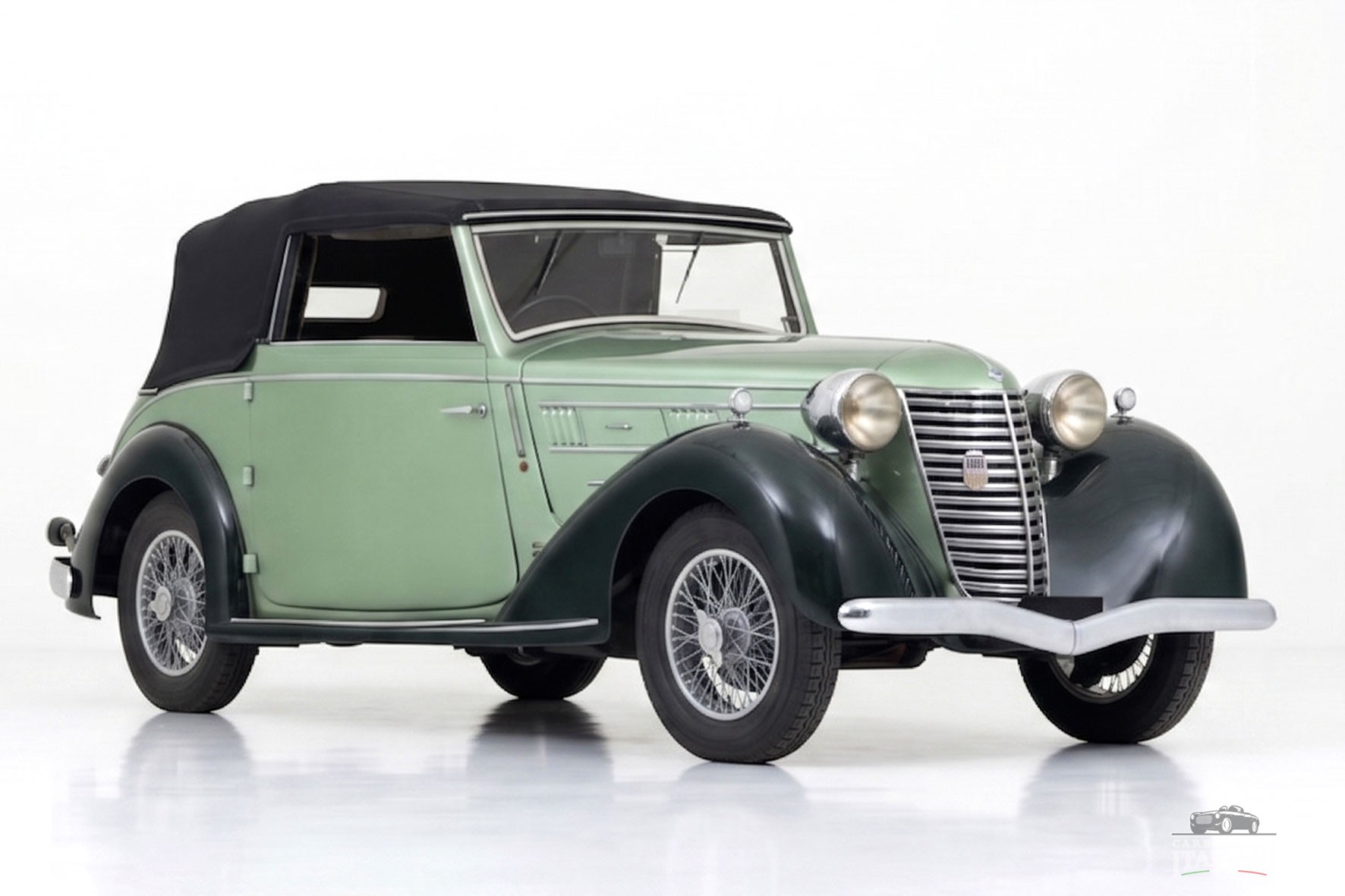
THE VEHICLE AT A GLANCE
Model dossier
- Production period
- 1934
- Body style
- Faux Cabriolet
- Engine
- V4
- Type
- Limited
- Displacement
- 1,196 cc
- Power
- 35 CV
THE PEOPLE BEHIND THE CAR
Coachbuilding, design & conversions

PRICE & SALES RECORD
Vehicle value
- Original price
- Not documented
- Latest recorded sale
- Not documented
01 / THE STORY
History & context
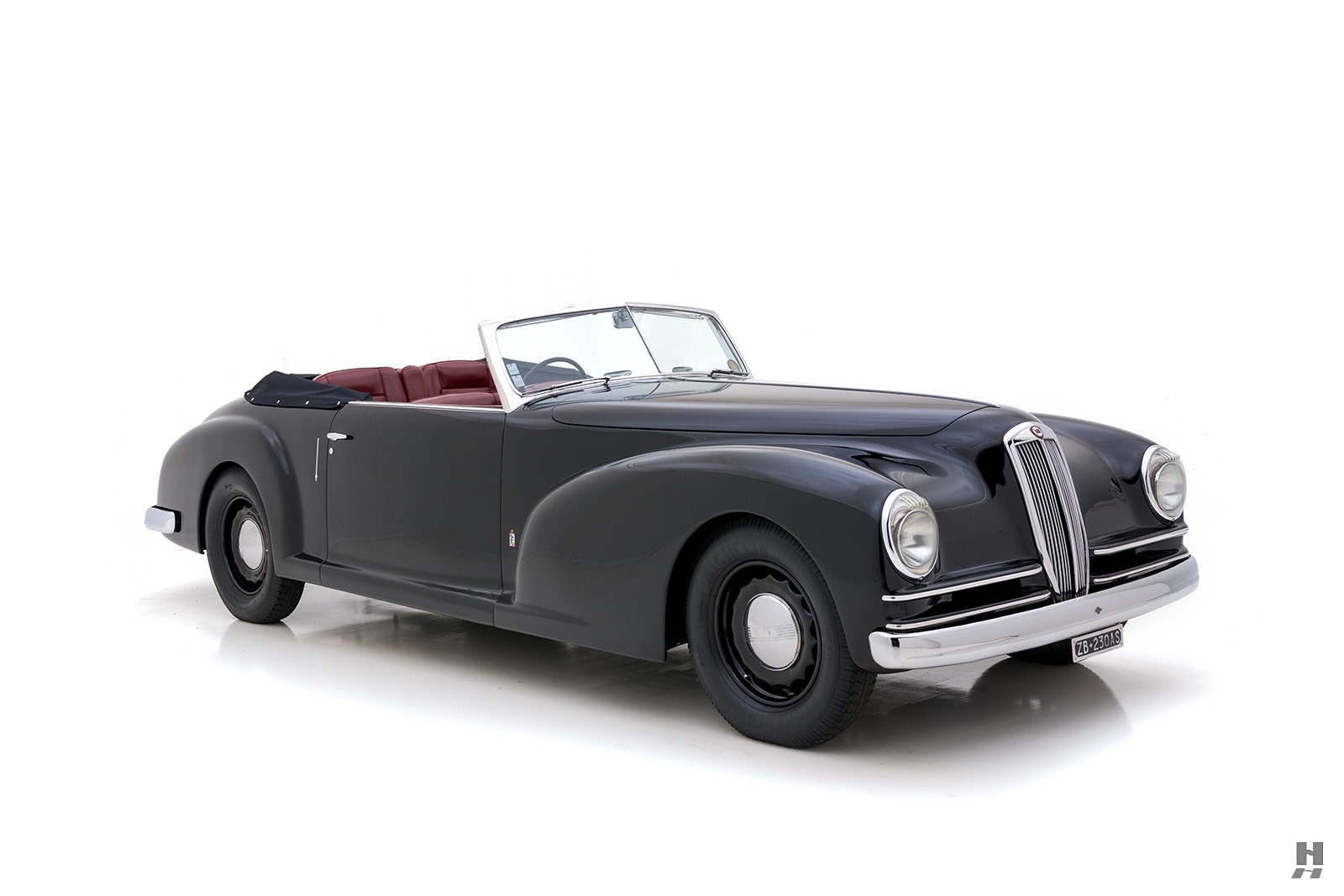
The Augusta was the first small model produced by Lancia, and it was penned by designers who had been given very clear instructions: to offer customers exactly the same silence and comfort as provided by the latest Lambda series. Indeed, Lancia envisaged that the prospective purchasers of this new model would, on the whole, be their usual clientele, but now needing more modest cars in the wake of the crisis that had hit the Western economies in the late 1920s. Also, in Italy, there was the need to comply with the regime’s desire for lower-consuming cars that would not impact too much on the foreign balance of payments. The Augusta was premiered at the Paris Motor Show of October 1932, and those who got the chance to try it out immediately con firmed that the designers had excelled themselves. To achieve their remarkable feat, the men at Lancia had, as with the Lambda, used a unitary construction body, but in this case one designed and built according to much more modern criteria, to the point that it constituted a groundbreaking new development in the automotive field. Encouraged by the amazing success of their “light car”, as it was advertised, in April 1934, Lancia prepared its special self-supporting frame: the “Tipo 234” chassis, which was sold to coachbuilders. Very light and low, and with the transmission contained in the tunnel, it left designers plenty of scope to use their imagination. The fuel tank was moved to the rear, while an electric fuel pump provided the fuel supply. This frame was dressed with all kinds of bodies, ranging from more informal, fun ones to sedan versions that were pleasingly different from the already very attractive standard models. Coachbuilders all over the world took up the challenge of dressing this chassis, and also, in some cases, the chassis of the “Belna”, which was the name given to the French-built version of the Lancia Augusta. Pinin Farina, still young at the time, played a particularly important role in all of this, producing some creations of exquisite formal beauty. Fascinatingly, this period saw vehicles with sedan-likes snouts interspersed with others sporting original fronts that reflected the endless inventiveness of the designers recruited by Battista “Pinin”.
IN THE ARCHIVE
Coachbuilders & design studios
02 / TECHNICAL IDENTITY
Specifications & construction
Production & construction
- Production type
- Limited
Engine & performance
- Engine configuration
- V4
- Displacement
- 1,196 cc
- Power (CV)
- 35 CV
- Engine speed
- 4,000 rpm
- Transmission
- Manual 4-speed
- Drive
- Rear-wheel drive
- Specification notes
- Source-backed donor/model-level baseline for Lancia Augusta (1933–1936): narrow-angle V4, 1196 cc, 35 CV at 4000 rpm, 4-speed manual, rear-wheel drive. Coachbuilt-body dimensions, weight and maximum speed are intentionally not inherited.
Design & manufacture
- Manufacturer · Documented
- Lancia
- Coachbuilder / Body Builder · Documented
- Pininfarina
06 / EVENTS & AWARDS
Events & awards
No events or documented awards are currently recorded for this vehicle.
07 / THE VEHICLE IN DETAIL
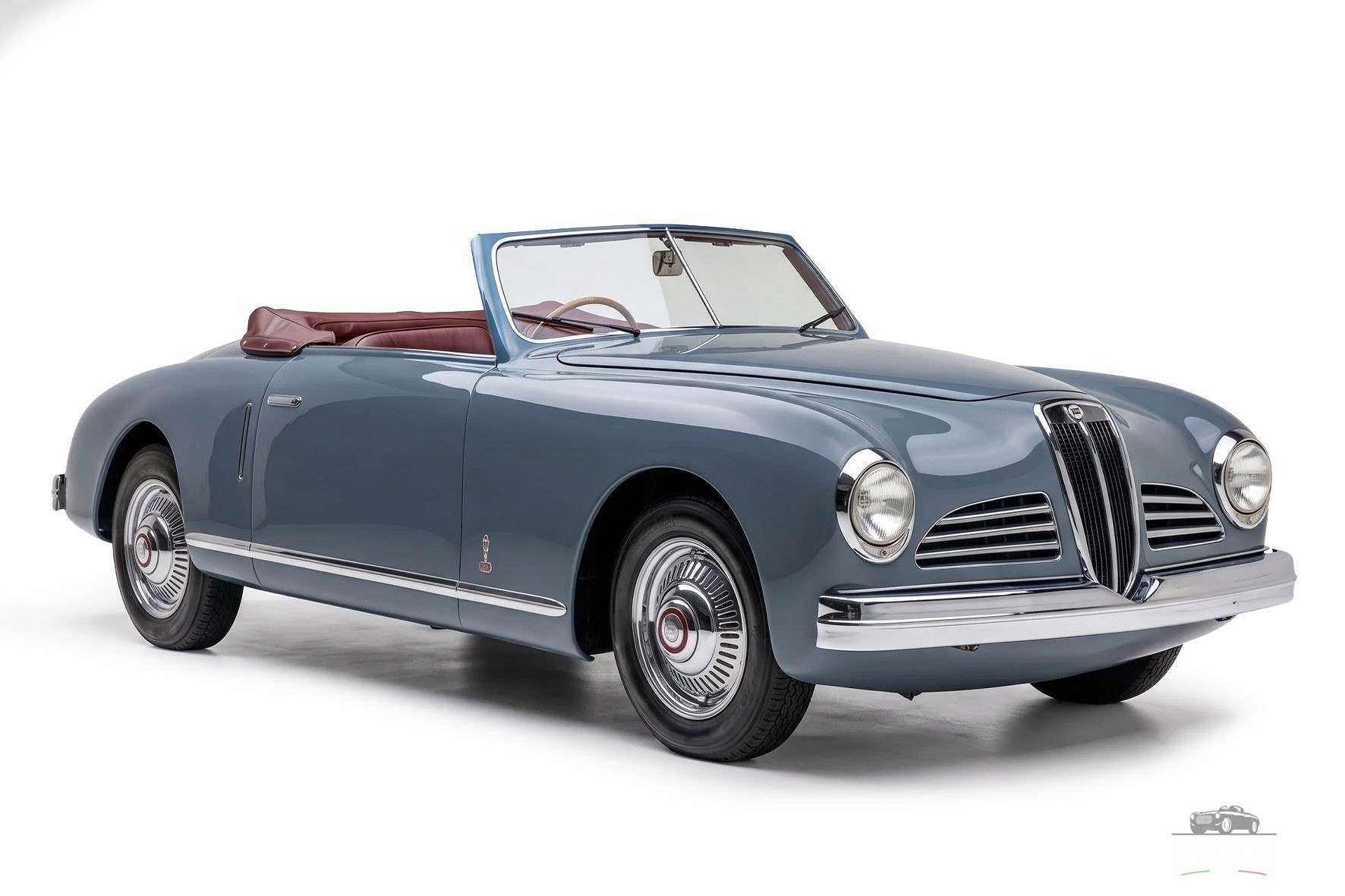
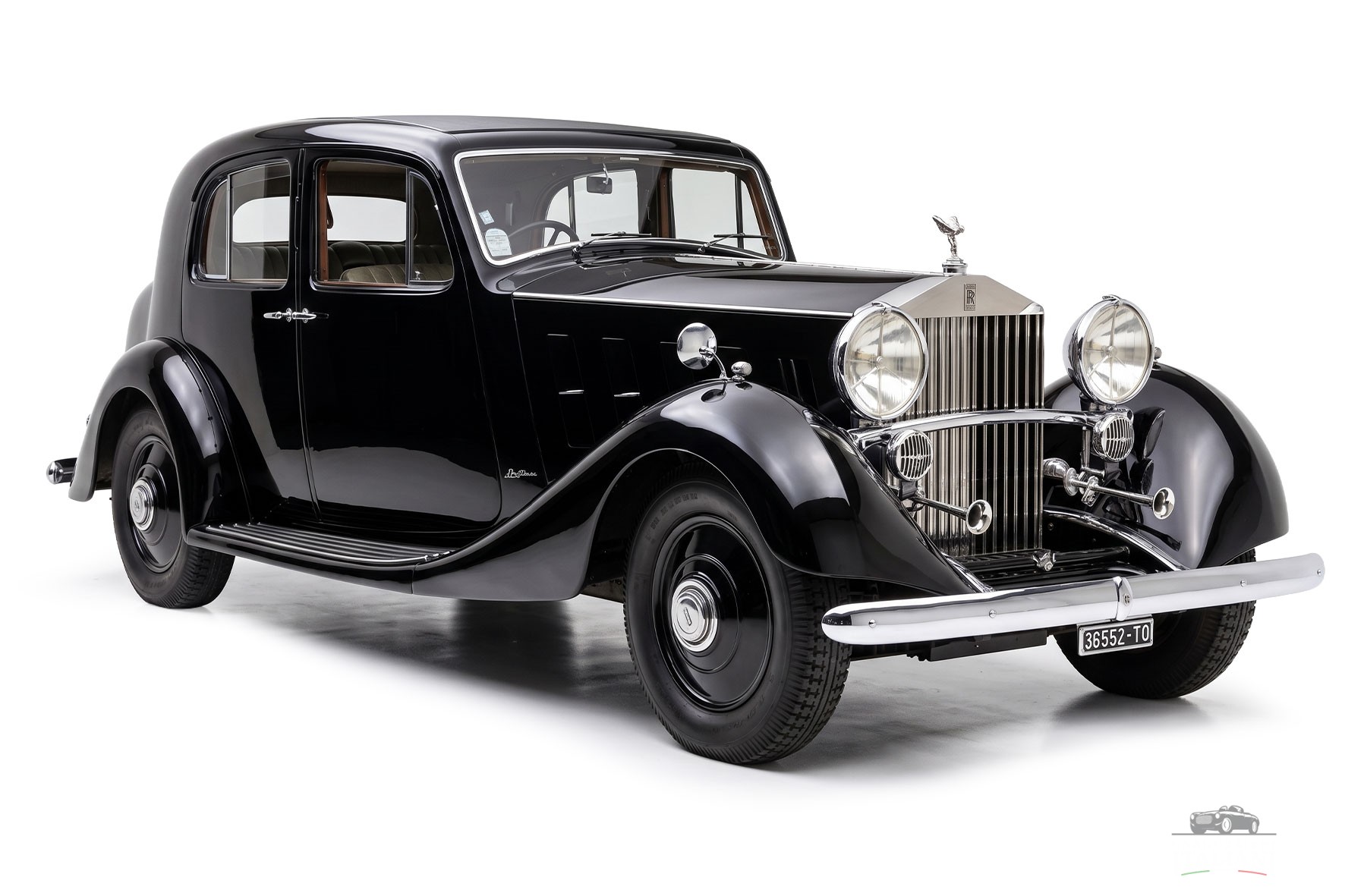
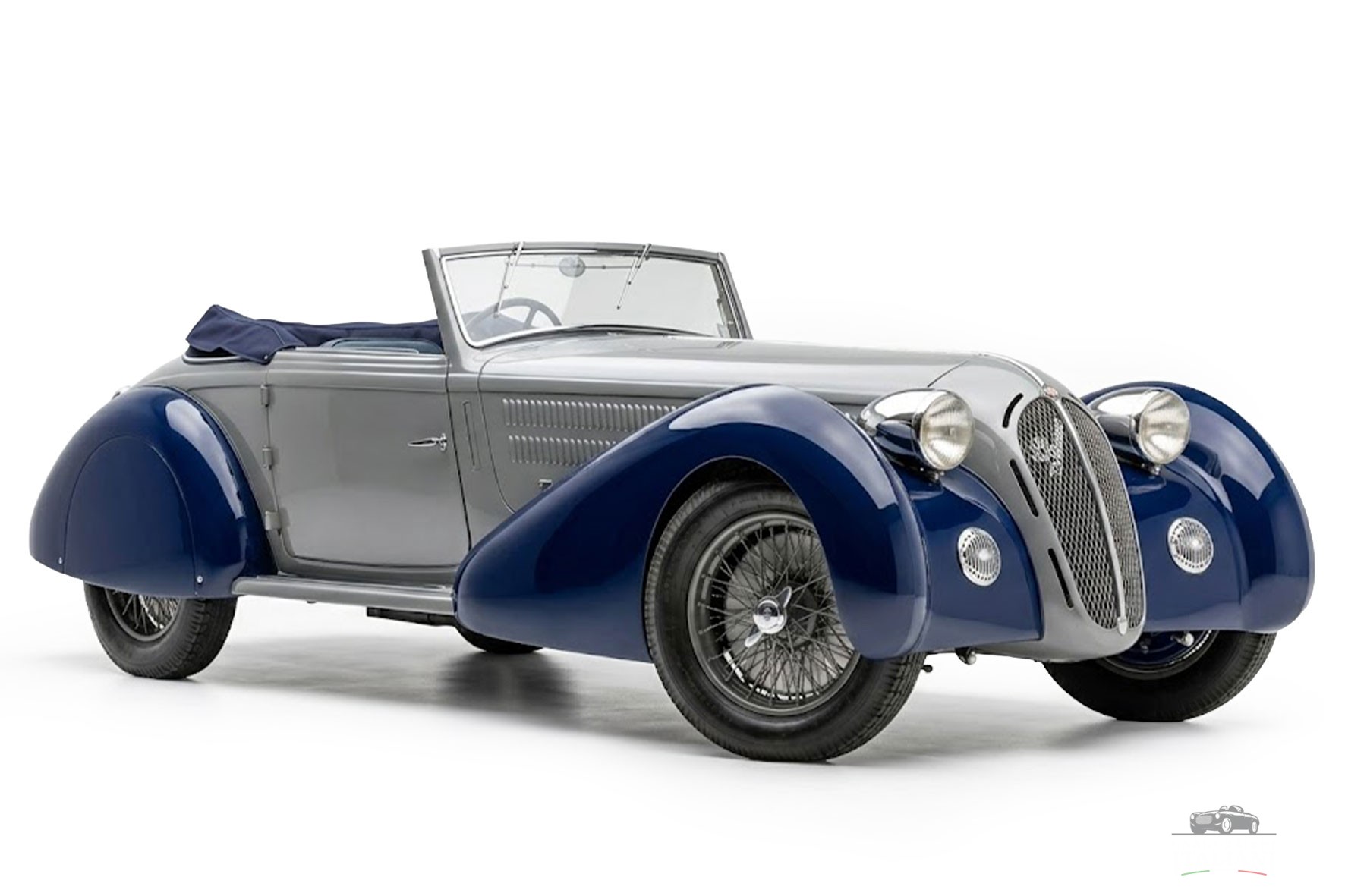
Photo gallery 4 photographs
08 / FROM THE ARCHIVE
Archive
References held in the vehicle dossier. Their inclusion does not establish that every historical claim has been independently verified.
| Reference | Source type |
|---|---|
| Aste Bolaffi – Lancia Augusta Cabriolet Pinin Farina www.astebolaffi.it | Auction catalogue |
| Dorotheum – Lancia Augusta Cabriolet Pinin Farina fahrzeuge.dorotheum.com | Auction catalogue |
| AISA — Lancia, evoluzione e tradizione (Augusta technical data) www.aisastoryauto.it | Historical technical monograph |
THE CONVERSATION
Comments 0
Share a memory, a period photograph or a documented detail about this car.