
THE VEHICLE AT A GLANCE
Model dossier
- Manufacturer
- Lancia
- Base model
- Astura III Berlina
- Coachbuilt version
- Aerodinamica Guida Interna / aerodynamic closed saloon; Catalogue Raisonné card 36; Milan 1934 and Turin concours 1934
- Coachbuilder
- Pininfarina
- Production period
- 1934
- Body style
- Berlina
THE PEOPLE BEHIND THE CAR
Coachbuilding, design & conversions

PRICE & SALES RECORD
Vehicle value
- Original price
- Not documented
- Latest recorded sale
- Not documented
01 / THE STORY
History & context
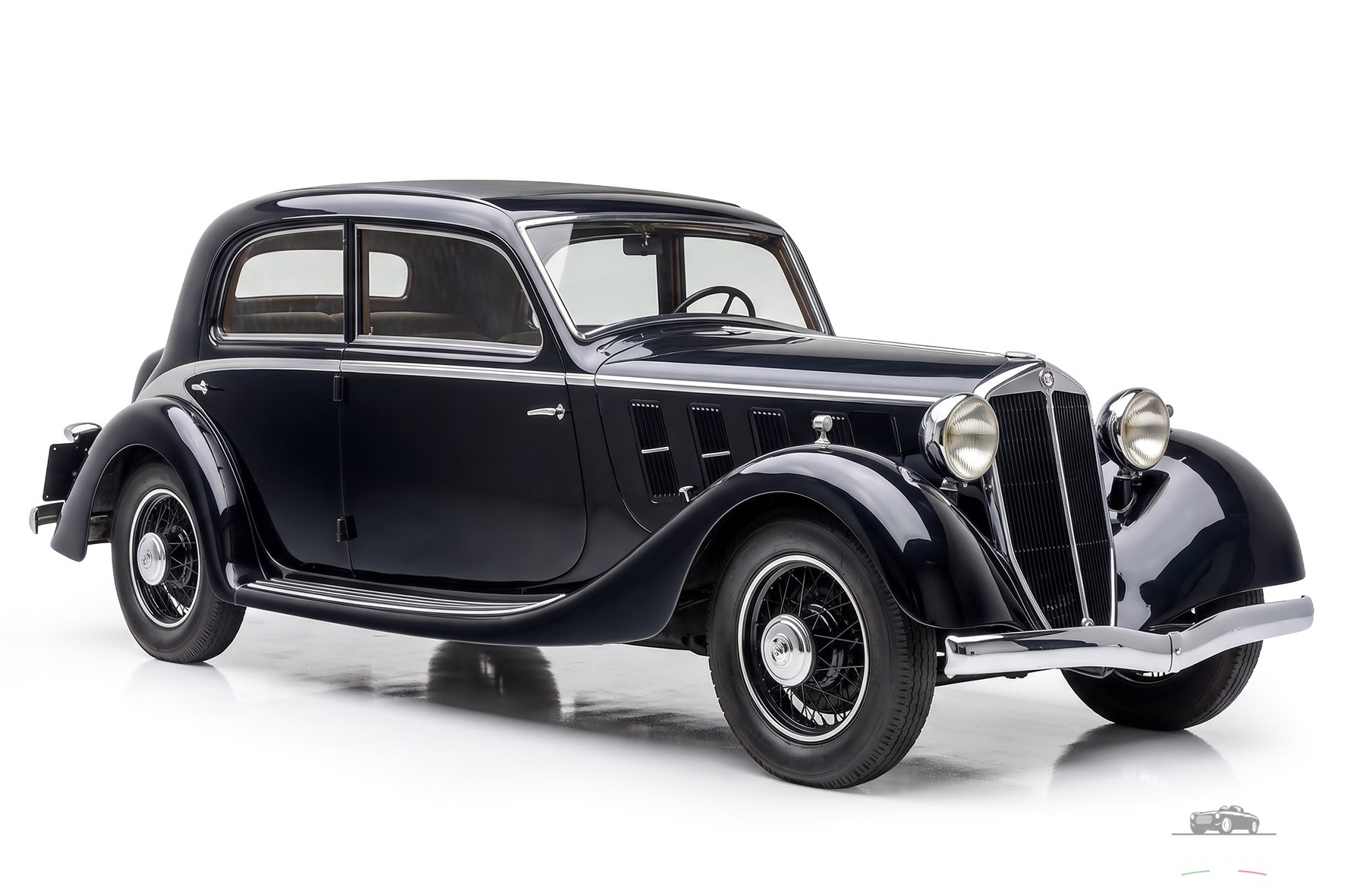
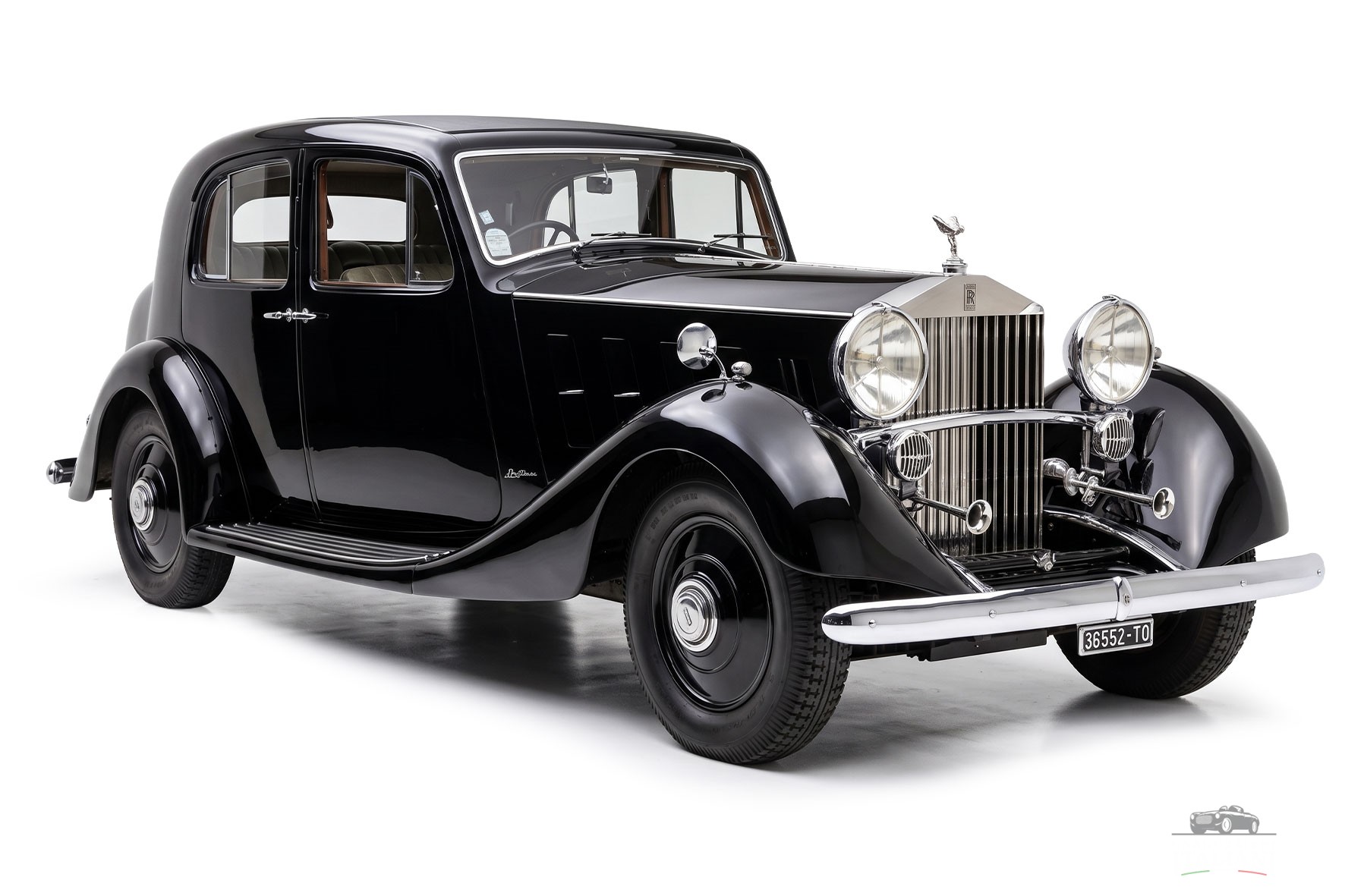
The Lancia Astura Series III Berlina, coachbuilt by Pininfarina, was presented at the 1934 Concorso d’Eleganza di Villa Olmo, an event that had already established itself as one of the principal European showcases for luxury automobiles and bespoke coachwork. The Astura Series III, introduced in 1933, represented the most developed iteration of Lancia’s flagship chassis before the transition to the Aprilia era. The Astura chassis was characterized by Lancia’s advanced engineering solutions, notably its narrow-angle V8 engine. In Series III specification, the engine displaced 2,972 cc, with a single overhead camshaft per bank, producing approximately 82–90 horsepower depending on tuning. Power was transmitted through a four-speed manual gearbox to the rear wheels. The chassis employed Lancia’s signature sliding-pillar independent front suspension, paired with a live rear axle on semi-elliptic leaf springs, a configuration that provided a refined balance of ride comfort, road holding, and mechanical sophistication for the period. Pininfarina’s Berlina body reflected a restrained yet authoritative interpretation of luxury saloon design in the early 1930s. The coachwork was executed using hand-formed steel panels over a wooden frame, following established Italian coachbuilding practice. The design emphasized formal proportions, with a tall greenhouse, gently rounded roofline, and integrated rear quarters. The front end featured flowing fenders, a sculpted bonnet with vertical ventilation louvers, and a subtly tapered radiator shell aligned with contemporary aerodynamic sensibilities while retaining a dignified appearance. Details such as the continuous beltline, flush-mounted doors, and carefully balanced glass surfaces contributed to an impression of solidity and elegance rather than overt sportiness. Chrome trim was applied sparingly, accentuating functional elements rather than serving as ornament. The interior, though not visible in period imagery, would have followed Pininfarina standards of the time, with fine upholstery, polished wood fittings, and a driver-focused dashboard layout.
02 / TECHNICAL IDENTITY
Specifications & construction
Production & construction
- Production
- 1
- Production type
- One-off
Engine & performance
- Engine configuration
- V8
- Displacement
- 2,973 cc
- Power (CV)
- 82 CV
- Engine speed
- 4,000 rpm
- Transmission
- Manual 4-speed
- Drive
- Rear-wheel drive
Additional features
- Recorded features
- Aerodinamica
- Gearbox
- Manual 4-speed
- Drivetrain
- RWD
- Power RPM
- 4000 rpm
03 / DESIGN, BODY & SUPPLIERS
Design, body & suppliers
Design & manufacture
- Manufacturer · Documented
- Lancia
- Coachbuilder / Body Builder · Documented
- Pininfarina
Body form & construction
- Body style
- Berlina
04 / EVENTS & CHRONOLOGY
Events & chronology
No events or documented awards are currently recorded for this vehicle.
08 / GALLERY
Photo gallery 1 photographs
09 / PERIOD ARCHIVE
Period photographs & advertising
The period archive gallery will show historical photographs, advertisements, brochures and press images once assets, provenance and usage rights have been recorded in the masterfile.
THE CONVERSATION
Comments 0
Share a memory, a period photograph or a documented detail about this car.