
THE VEHICLE AT A GLANCE
Model dossier
- Manufacturer
- Lancia
- Base model
- Astura
- Coachbuilt version
- Series 2 Cabriolet Pinin Farina
- Coachbuilder
- Pininfarina
- Production period
- 1932
- Body style
- Cabriolet
- Engine
- V8
- Type
- Limited
- Displacement
- 2,604 cc
THE PEOPLE BEHIND THE CAR
Coachbuilding, design & conversions

PRICE & SALES RECORD
Vehicle value
- Original price
- Not documented
- Latest recorded sale
- Not documented
01 / THE STORY
History & context
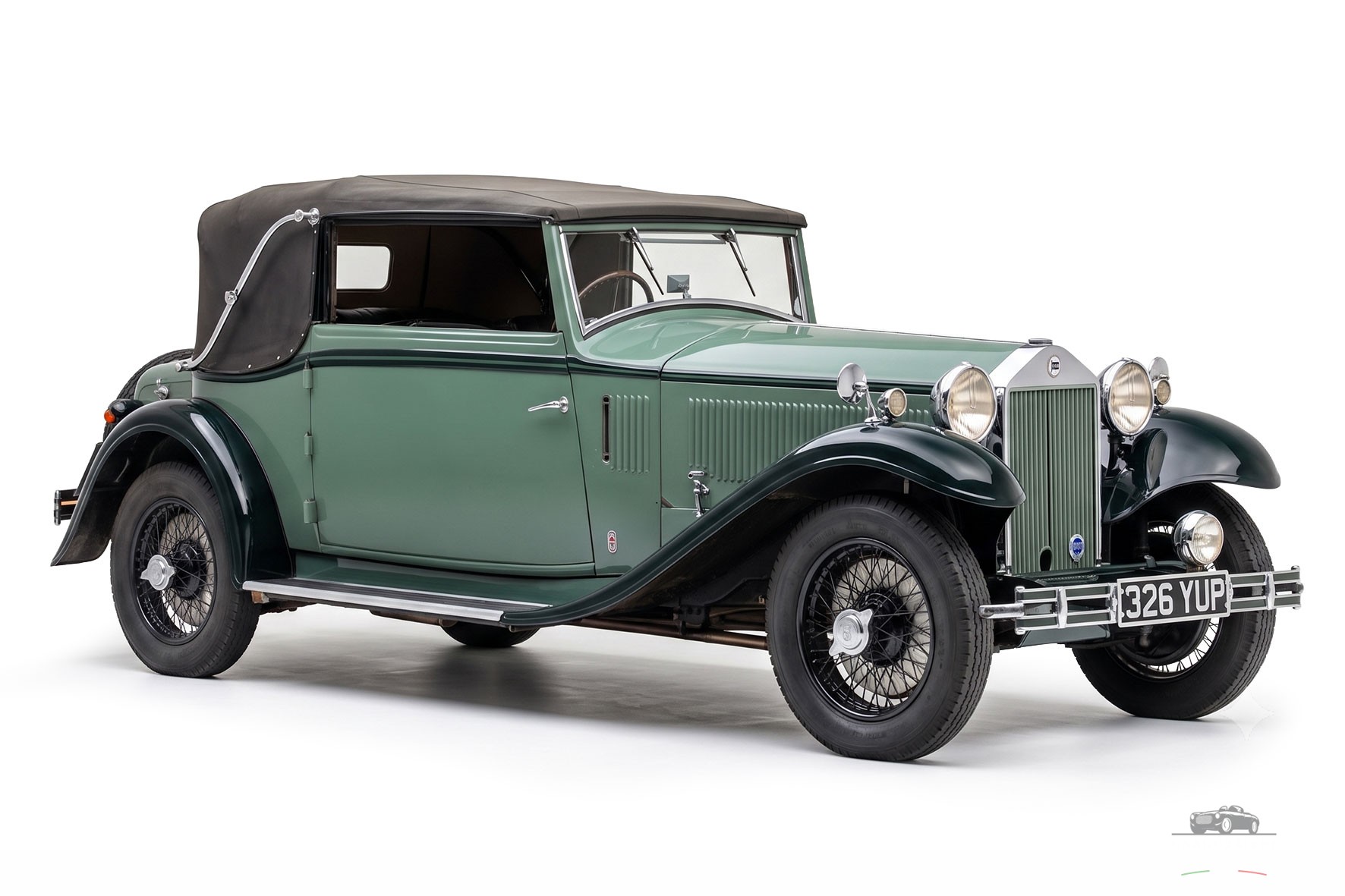
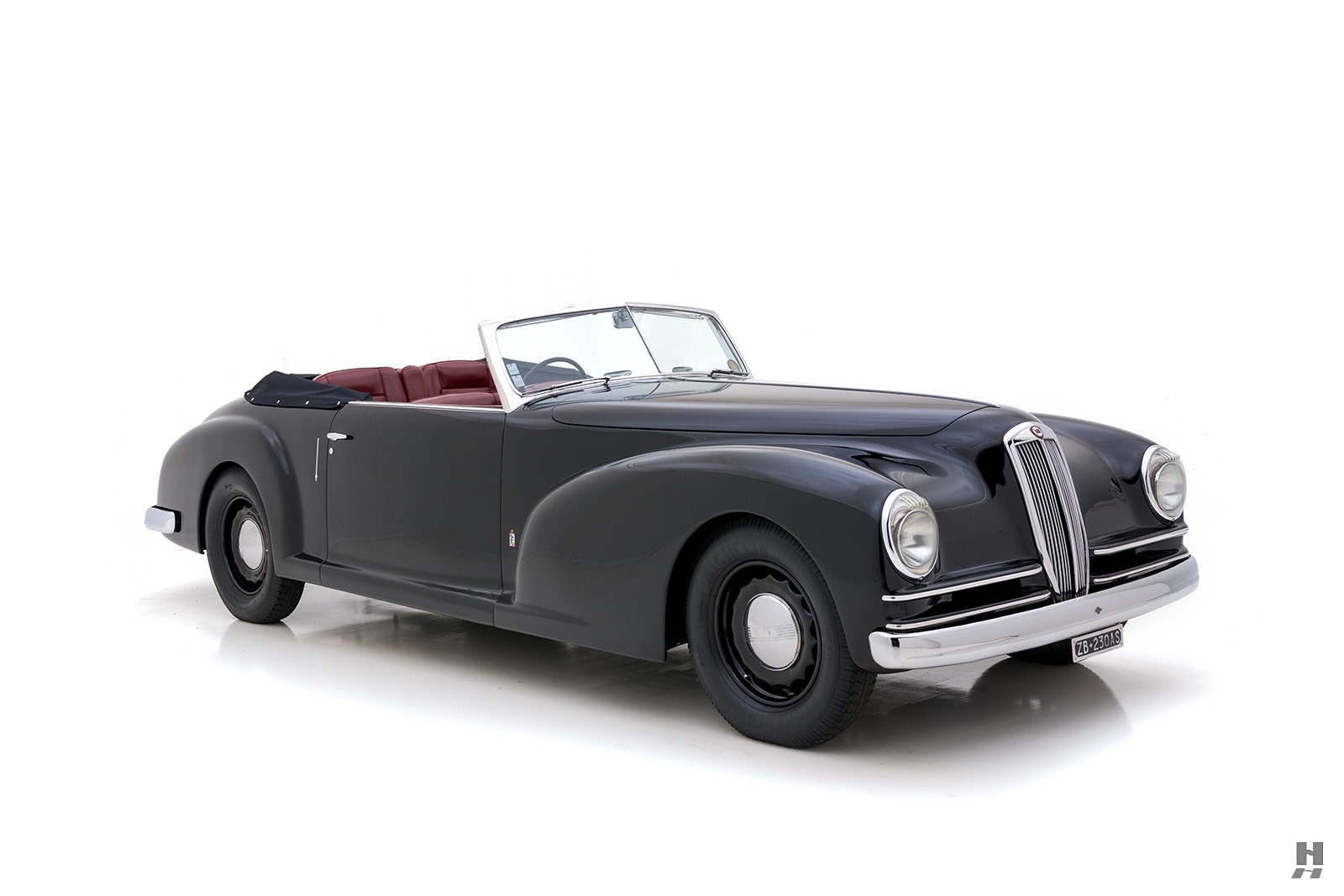
The Lancia Astura Cabriolet, chassis number 30-1550, was constructed in 1932 on the first chassis of the second series of Astura production. It was bodied by Carrozzeria Pinin Farina as a two-door, four-seat drophead coupé and represents one of the earliest examples of the coachbuilder’s collaboration with Lancia. The vehicle occupies a transitional place in Italian design, positioned between the technical innovation of the 1920s and the emerging stylistic coherence of the late 1930s. The Astura model was introduced in 1931 as a luxury and performance successor to the Dilambda, itself a response to the earlier Lambda’s advanced engineering. The Astura employed a Lancia-designed narrow-angle V8 engine, with a displacement of 2,604 cc. The overhead-valve unit produced approximately 72 horsepower, coupled to a four-speed manual transmission. The car featured independent front suspension via Lancia’s sliding pillar system and a live rear axle with semi-elliptic leaf springs. Braking was by mechanical drums on all four wheels. Chassis 30-1550 received bespoke bodywork from Pinin Farina in the form of a two-door cabriolet. The design, while restrained, is notable for its long bonnet, upright grille, flowing fenders, and clean shoulder line. Finished originally in dark grey, the vehicle reflects a preference for understated luxury appropriate to its period. Interior appointments include blue leather upholstery and seating for four. The car features right-hand drive, consistent with Italian touring standards of the early 1930s. This chassis is believed to be a one-off and is the earliest known second-series Astura constructed. Like most examples of the model, the rolling chassis was supplied by Lancia and subsequently bodied by independent coachbuilders. Of the 750 chassis produced for the second series, a minority received coachwork from Pinin Farina. Restored in its original color scheme, as documented from its appearance on August 6, 1932, the vehicle remains a representative artifact of early 1930s Italian custom-built luxury automobiles. It is of particular interest for illustrating Pinin Farina’s early stylistic language and Lancia’s engineering ambitions during the interwar period.
IN THE ARCHIVE
Coachbuilders & design studios
02 / TECHNICAL IDENTITY
Specifications & construction
Production & construction
- Production type
- Limited
Engine & performance
- Engine configuration
- V8
- Displacement
- 2,604 cc
- Power (CV)
- 72 CV
- Engine speed
- 4,000 rpm
- Transmission
- Manual 4-speed
- Drive
- Rear-wheel drive
- Specification notes
- Source-backed donor/model-level baseline for Lancia Astura Series I–II: narrow-angle V8, 2604 cc, 72 CV at 4000 rpm, 4-speed manual, rear-wheel drive. Coachbuilt-body dimensions, weight and maximum speed are intentionally not inherited.
Design & manufacture
- Manufacturer · Documented
- Lancia
- Coachbuilder / Body Builder · Documented
- Pininfarina
06 / EVENTS & AWARDS
Events & awards
No events or documented awards are currently recorded for this vehicle.
04 / INDIVIDUAL HISTORY
Chassis & provenance
Chassis 30-1550
- Chassis number
- 30-1550
- Year
- 1932
07 / THE VEHICLE IN DETAIL
Photo gallery 7 photographs
Show 1 more photographs Show fewer photographs
08 / FROM THE ARCHIVE
THE CONVERSATION
Comments 0
Share a memory, a period photograph or a documented detail about this car.