
THE VEHICLE AT A GLANCE
Model dossier
- Manufacturer
- Lancia
- Base model
- Astura
- Coachbuilder
- Pininfarina
- Production period
- 1932
- Body style
- Cabriolet
- Engine
- V8
- Type
- One-off
- Production
- 1
- Displacement
- 2,604 cc
- Power
- 72 CV
THE PEOPLE BEHIND THE CAR
Coachbuilding, design & conversions

PRICE & SALES RECORD
Vehicle value
- Original price
- Not documented
- Latest recorded sale
- Not documented
01 / THE STORY
History & context
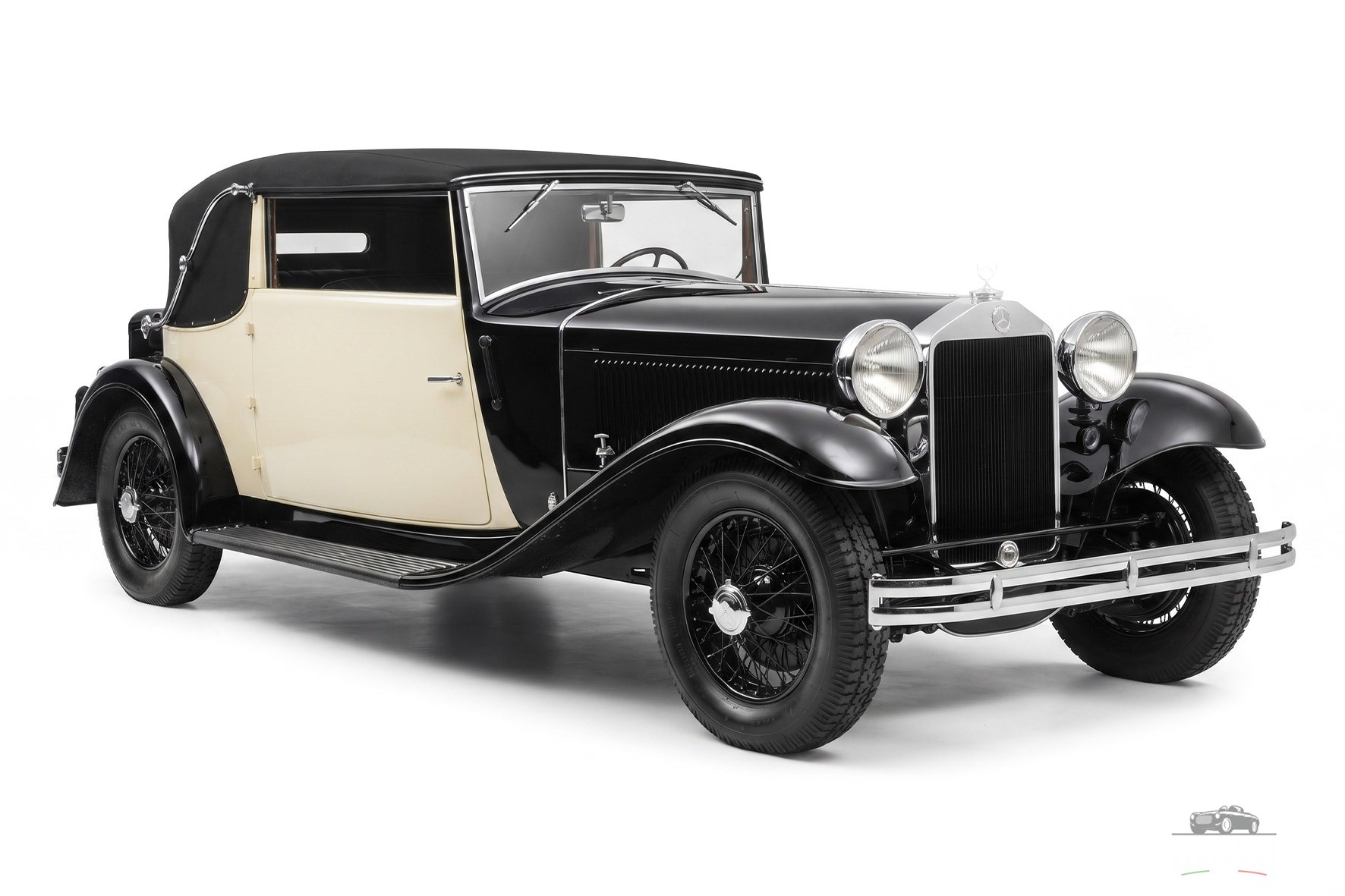
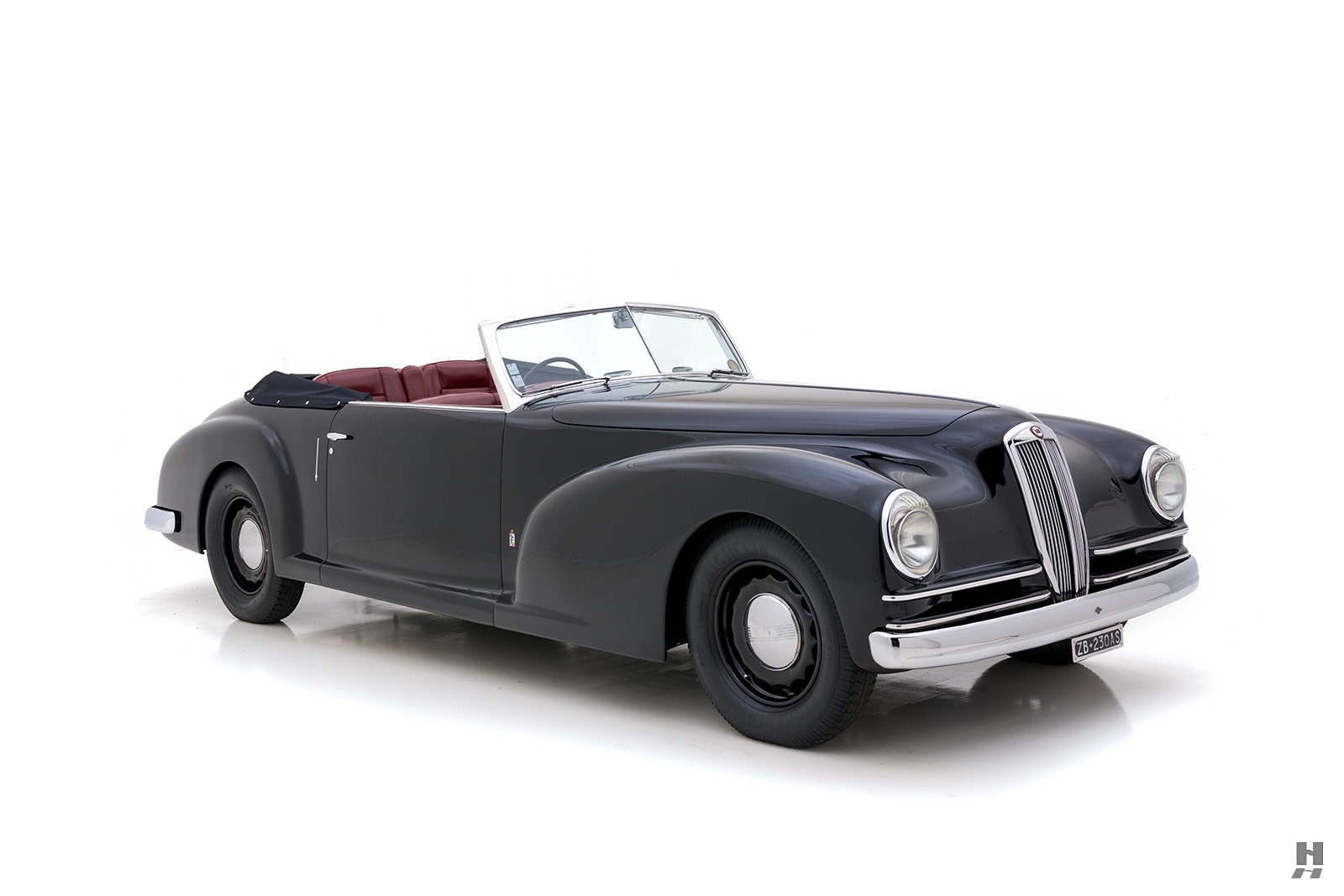
The Lancia Astura Royale Cabriolet, built in 1932 by Carrozzeria Pininfarina, is a one-off open-bodied motor car constructed on the second-series Lancia Astura chassis. Conceived as a high-prestige showpiece, the vehicle was exhibited at the 1932 Concorso d’Eleganza Villa d’Este, where it was awarded the Coppa d’Oro, the event’s principal prize. The second-series Astura, introduced in 1932, featured a refinement of Lancia’s narrow-angle V8 engine architecture. The unit in this model displaces 2,604 cc and produces approximately 72 horsepower at 4,000 rpm. It is coupled to a four-speed manual transmission, transmitting power to the rear axle. The front suspension employs Lancia’s independent sliding-pillar design, while the rear is a live axle located by semi-elliptic leaf springs. Drum brakes are fitted on all four wheels and operated by mechanical linkage, consistent with the engineering conventions of the period. The cabriolet body by Pininfarina is designed in a two-seat “Royale” configuration. The lines are elongated and composed, with a long bonnet, flowing wings, and a tapered rear section. The grille is upright and flanked by twin headlamps mounted on a horizontal bar. The car is finished in a two-tone colour scheme, likely dark over light, emphasizing the coachwork’s visual length and elegance. The minimal use of chrome and absence of excessive ornamentation reflect the early shift toward more restrained luxury design. The vehicle is believed to be unique, constructed as a singular example for concours exhibition rather than series production. Its victory at Villa d’Este in 1932 affirms its standing in period as a paragon of contemporary Italian coachbuilding. The Coppa d’Oro, awarded by public referendum, recognized not only technical merit but also aesthetic achievement, suggesting widespread admiration for the model’s execution. No additional examples were built, and no production beyond the single cabriolet has been recorded. The current location and ownership of the vehicle are not publicly disclosed. As an early expression of Pininfarina’s design language on a Lancia chassis, the Astura Royale Cabriolet holds particular historical importance in the development of Italian bespoke automobile design during the interwar years.
IN THE ARCHIVE
Coachbuilders & design studios
02 / TECHNICAL IDENTITY
Specifications & construction
Production & construction
- Production
- 1
- Production type
- One-off
- Production notes
- Pininfarina Catalogue Raisonné card 11 directly identifies the 1932 Astura Cabriolet Royal/Royale as an esemplare unico and records Villa d'Este 1932 Coppa d'Oro, class XX. Units=1 is primary-source-supported; exact chassis remains open.
Engine & performance
- Engine configuration
- V8
- Displacement
- 2,604 cc
- Power (CV)
- 72 CV
- Engine speed
- 4,000 rpm
- Transmission
- Manual 4-speed
- Drive
- Rear-wheel drive
Design & manufacture
- Manufacturer · Documented
- Lancia
- Coachbuilder / Body Builder · Documented
- Pininfarina
06 / EVENTS & AWARDS
Events & awards
IV Concorso Internazionale per Automobili – Coppa d'Oro Villa d'Este General · legacy_preserved
- Date
- 1932
- Chassis
- General
Preserved CI 1.0 relation. Evidence field: list_of_awards_0_events. No award inferred.
07 / THE VEHICLE IN DETAIL
Photo gallery 1 photographs
08 / FROM THE ARCHIVE
Archive
References held in the vehicle dossier. Their inclusion does not establish that every historical claim has been independently verified.
| Reference | Source type |
|---|---|
| Stellantis Media — Lancia Astura historical specification www.media.stellantis.com | Manufacturer historical press |
THE CONVERSATION
Comments 0
Share a memory, a period photograph or a documented detail about this car.