
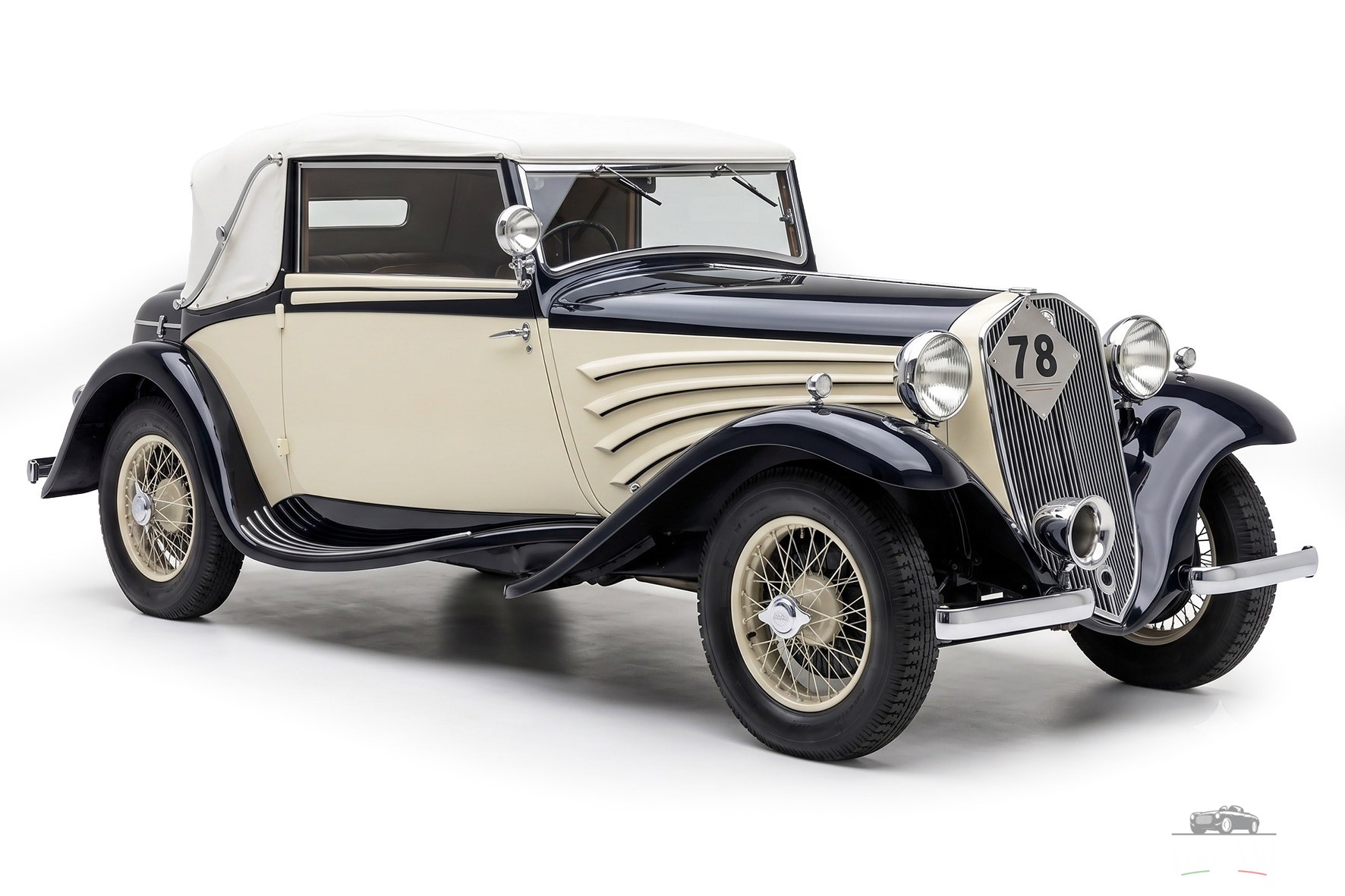
THE VEHICLE AT A GLANCE
Model dossier
- Manufacturer
- Lancia
- Base model
- Astura Cabriolet
- Coachbuilder
- Castagna
- Production period
- 1932
- Body style
- Cabriolet
- Engine
- V8
- Type
- One-off
- Production
- 1
- Displacement
- 2,604 cc
- Power
- 72 CV
THE PEOPLE BEHIND THE CAR
Coachbuilding, design & conversions

PRICE & SALES RECORD
Vehicle value
- Original price
- Not documented
- Latest recorded sale
- Not documented
01 / THE STORY
History & context
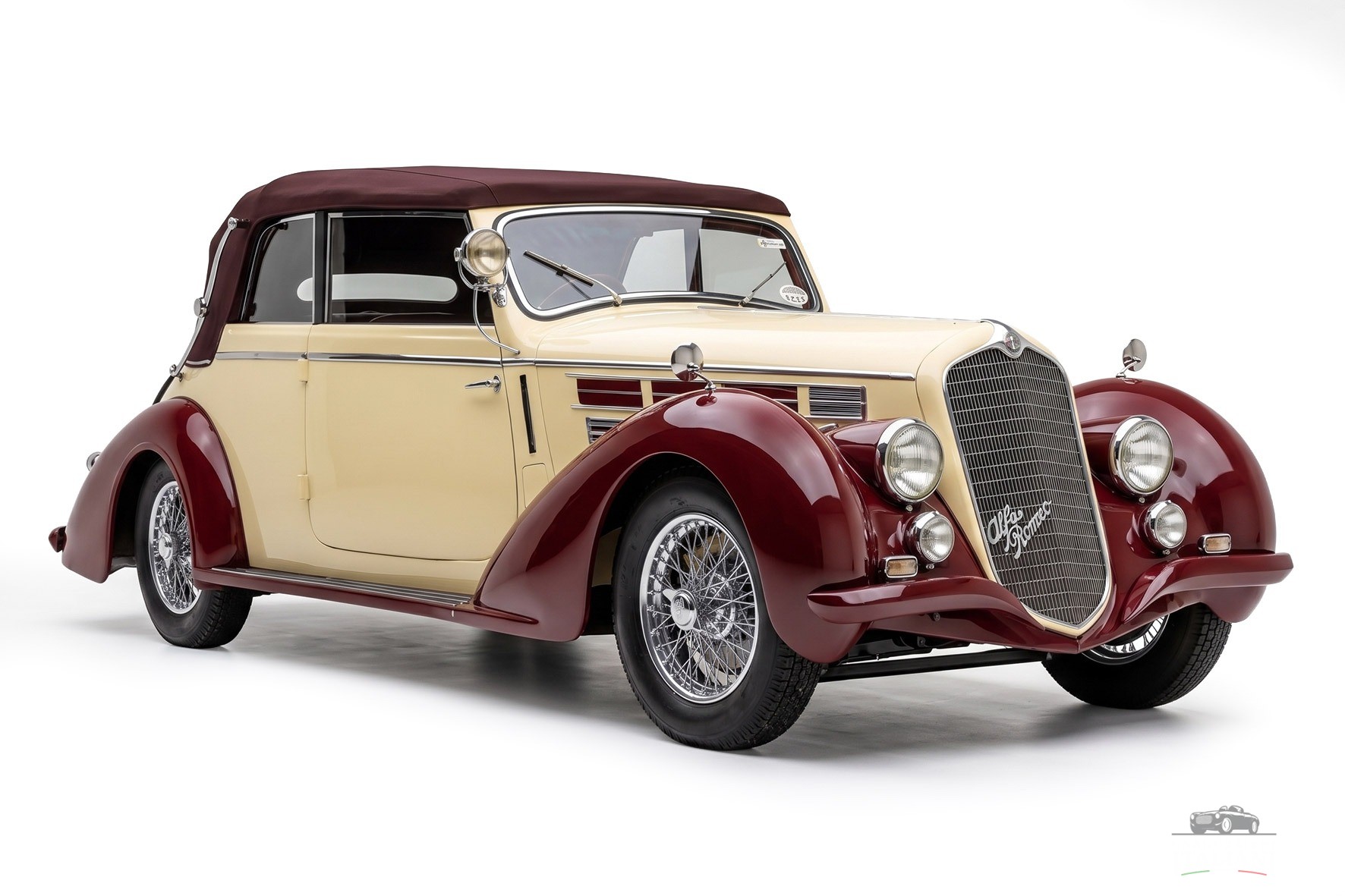
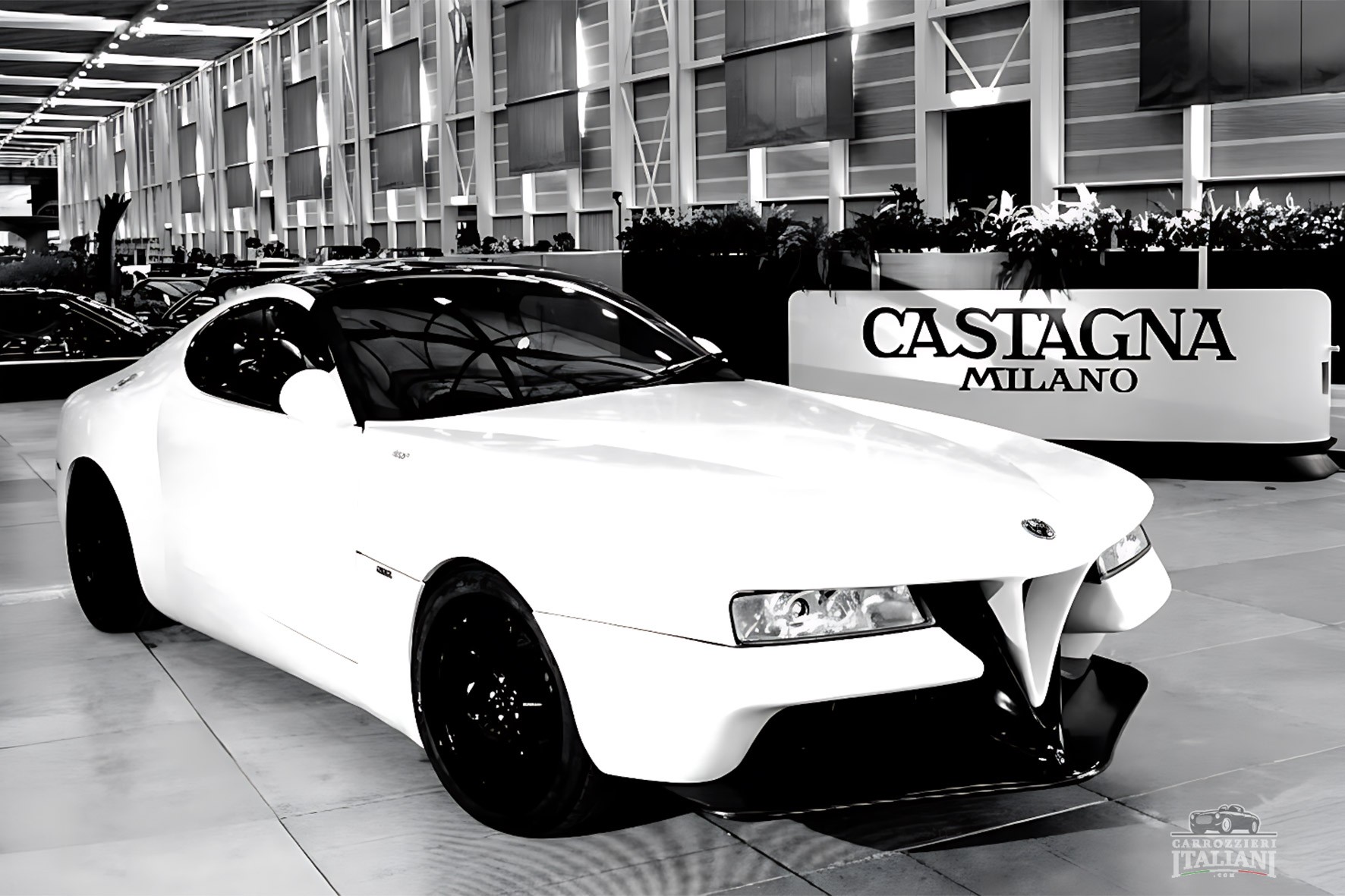
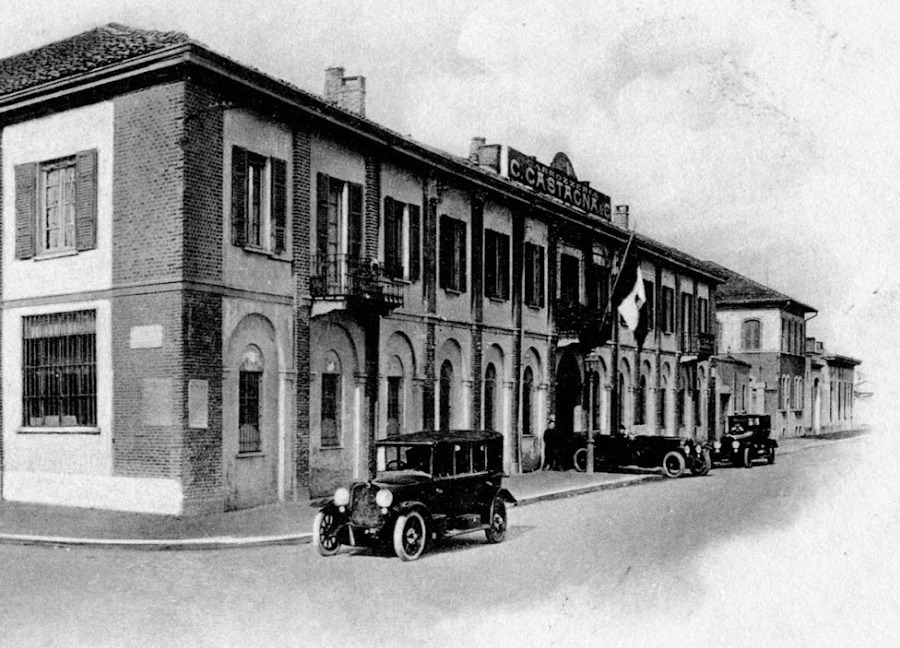
The Lancia Astura Cabriolet (1932) was coachbuilt by Castagna. The development of the Lancia Astura commenced in the late 1920s, representing a significant advancement in Lancia’s design philosophy, emphasizing luxury and performance. The Astura was positioned within the upper segment of the automotive market, reflecting the era’s demand for stylish and comfortable vehicles.
The coachbuilding process utilized traditional methods, with Castagna applying their expertise in fabricating lightweight yet robust bodies. The proportions of the Cabriolet exemplified the aesthetic trends of the early 1930s, characterized by streamlined forms and an elegant silhouette. Stylistically, the model integrated features that resonated with contemporary European tastes, including intricate detailing and high-quality interior finishes.
Mechanically, the Lancia Astura Cabriolet was equipped with a V8 engine, which provided a balance between power and smooth operation. The chassis was designed to ensure stability and comfort, integrating advanced suspension systems for enhanced ride quality. The layout of the vehicle facilitated a blend of performance and luxury, appealing to a clientele that prioritized both aesthetics and driving experience.
Production of the Lancia Astura Cabriolet was limited, with a specific focus on craftsmanship and attention to detail. Documentation indicates that the chassis numbering was meticulously maintained, ensuring traceability and authenticity for each vehicle produced. Surviving examples are recorded in private collections and institutional archives, providing reference for researchers of postwar coachbuilding and contributing to the understanding of Lancia’s legacy in the automotive industry. Additionally, the Lancia Astura Cabriolet Castagna remains a subject of interest within automotive history, illustrating the collaboration between manufacturers and coachbuilders during a transformative period in vehicle design.
IN THE ARCHIVE
Coachbuilders & design studios
02 / TECHNICAL IDENTITY
Specifications & construction
Production & construction
- Production
- 1
- Production type
- One-off
Engine & performance
- Engine configuration
- V8
- Displacement
- 2,604 cc
- Power (CV)
- 72 CV
- Engine speed
- 4,000 rpm
- Transmission
- Manual 4-speed
- Drive
- Rear-wheel drive
- Specification notes
- Confidence detail moved from confidence: high_disposition_only | Source-backed donor/model-level baseline for Lancia Astura Series I–II: narrow-angle V8, 2604 cc, 72 CV at 4000 rpm, 4-speed manual, rear-wheel drive. Coachbuilt-body dimensions, weight and maximum speed are intentionally not inherited.
Design & manufacture
- Manufacturer · Documented
- Lancia
- Coachbuilder / Body Builder · Documented
- Castagna
06 / EVENTS & AWARDS
Events & awards
No events or documented awards are currently recorded for this vehicle.
07 / THE VEHICLE IN DETAIL
Photo gallery 2 photographs
08 / FROM THE ARCHIVE
Archive
References held in the vehicle dossier. Their inclusion does not establish that every historical claim has been independently verified.
| Reference | Source type |
|---|---|
| Stellantis Media — Lancia Astura historical specification www.media.stellantis.com | Manufacturer historical press |

THE CONVERSATION
Comments 0
Share a memory, a period photograph or a documented detail about this car.