
THE VEHICLE AT A GLANCE
Model dossier
- Production period
- 1932
- Body style
- Berlina
- Engine
- V8
- Type
- Fuori-serie
- Displacement
- 2,604 cc
- Power
- 72 CV
THE PEOPLE BEHIND THE CAR
Coachbuilding, design & conversions

PRICE & SALES RECORD
Vehicle value
- Original price
- Not documented
- Latest recorded sale
- Not documented
01 / THE STORY
History & context
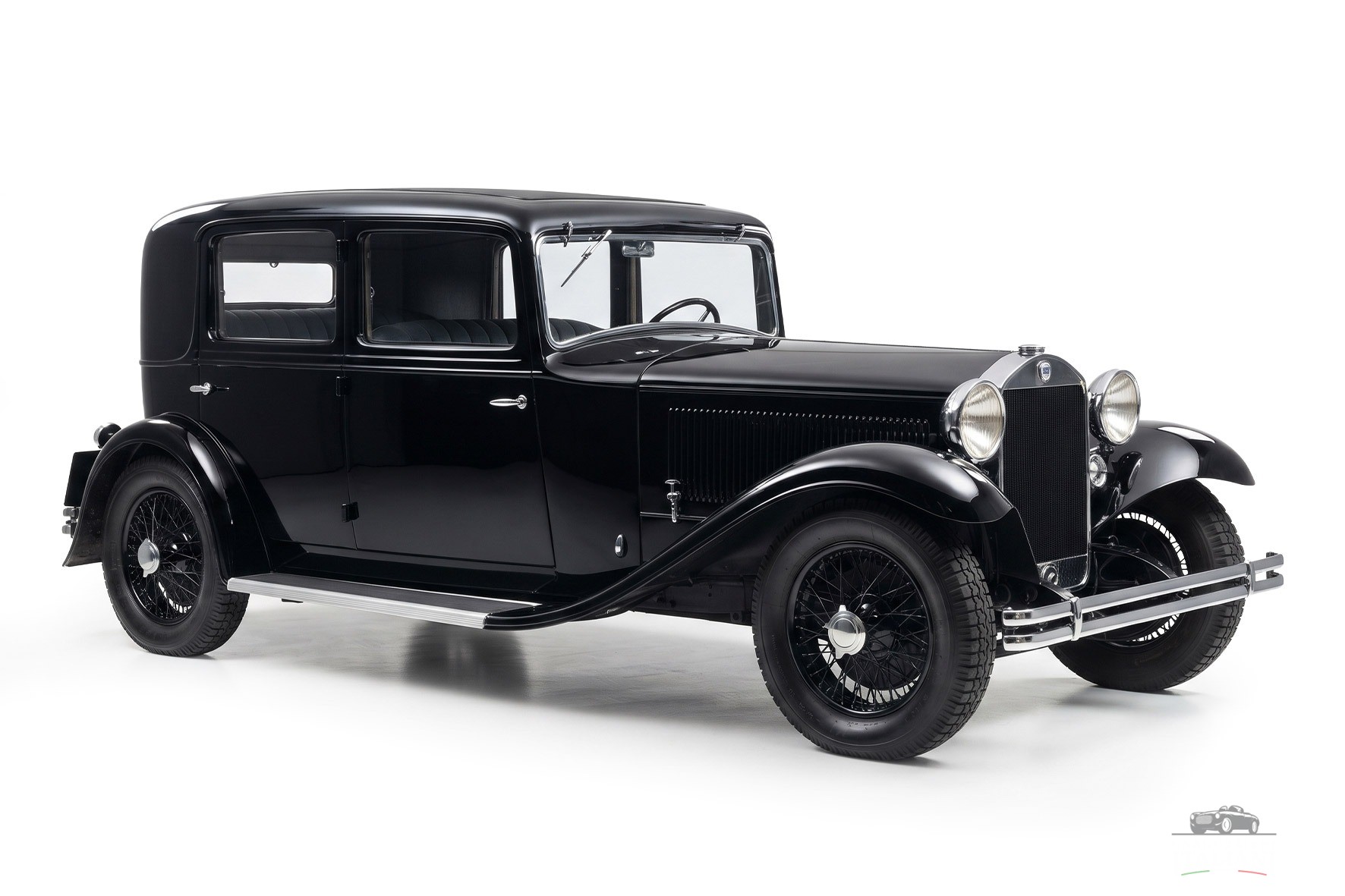
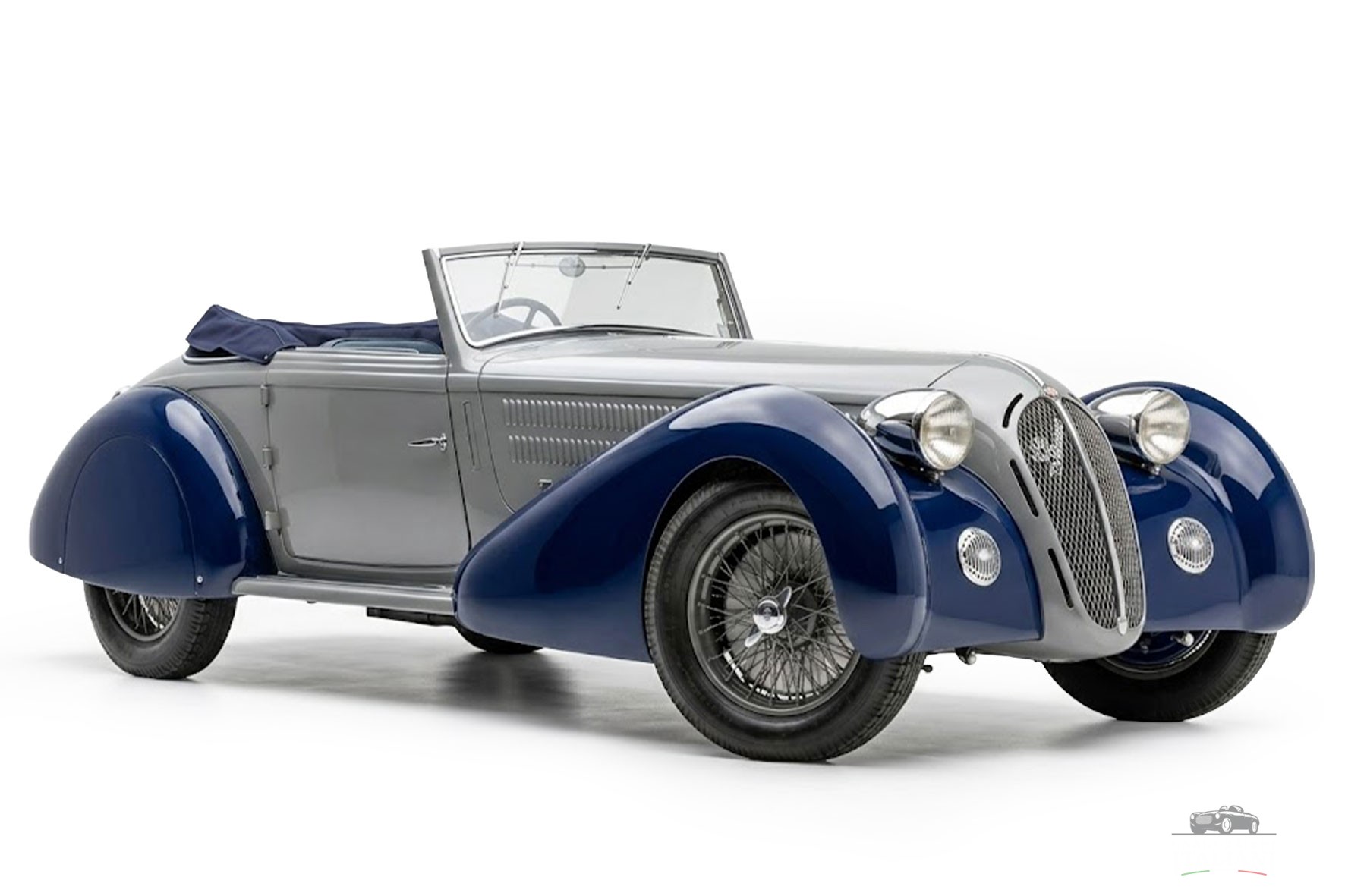
The Lancia Astura Berlina by Pininfarina, introduced in 1932, is a prime example of the elegance and innovation that characterized Italian automotive design during the pre-war era. This model was built in a small series by Pininfarina, one of the most renowned coachbuilders of the time, known for their ability to blend refined aesthetics with advanced engineering. The Astura Berlina featured a sophisticated design, marked by clean lines, a streamlined silhouette, and a stately presence that made it a popular choice among Italy’s elite. One of the most notable specimens of this series was used by Benito Mussolini as an official vehicle for the Ministry of Interior. This particular car’s association with Mussolini underscores the Astura Berlina’s status as a symbol of prestige and authority, befitting the official use by high-ranking government officials. The choice of the Astura Berlina for such a role was not only due to its luxurious appearance but also its robust engineering and reliable performance, which were essential for a vehicle serving in an official capacity. The Lancia Astura was powered by a 3.0-liter V8 engine, delivering a smooth and capable driving experience. This powertrain, combined with Lancia’s innovative engineering, provided a perfect balance of power and refinement. Pininfarina’s craftsmanship elevated the Astura Berlina further, with a bespoke interior that offered a high level of comfort and luxury. The spacious cabin, adorned with fine materials and meticulous detailing, created an environment suited for dignitaries and officials. The limited production run of the Lancia Astura Berlina by Pininfarina adds to its rarity and desirability among classic car enthusiasts today. It represents a significant chapter in the history of Italian automotive design, illustrating the collaboration between Lancia’s technical prowess and Pininfarina’s artistic vision. This model stands as a testament to the excellence of pre-war Italian craftsmanship and the legacy of one of Italy’s most iconic coachbuilders. Overall, the Lancia Astura Berlina by Pininfarina remains a symbol of sophistication, luxury, and historical significance, reflecting an era when cars were not only a means of transport but also a statement of status and power.
IN THE ARCHIVE
Coachbuilders & design studios
02 / TECHNICAL IDENTITY
Specifications & construction
Production & construction
- Production type
- Fuori-serie
Engine & performance
- Engine configuration
- V8
- Displacement
- 2,604 cc
- Power (CV)
- 72 CV
- Engine speed
- 4,000 rpm
- Transmission
- Manual 4-speed
- Drive
- Rear-wheel drive
- Specification notes
- Source-backed donor/model-level baseline for Lancia Astura Series I–II: narrow-angle V8, 2604 cc, 72 CV at 4000 rpm, 4-speed manual, rear-wheel drive. Coachbuilt-body dimensions, weight and maximum speed are intentionally not inherited.
Design & manufacture
- Manufacturer · Documented
- Lancia
- Coachbuilder / Body Builder · Documented
- Pininfarina
04 / INDIVIDUAL HISTORY
Chassis & provenance
Ownership & provenance
- Ownership & history · Legacy attribution
- Institutional Car
06 / EVENTS & AWARDS
Events & awards
No events or documented awards are currently recorded for this vehicle.
07 / THE VEHICLE IN DETAIL
Photo gallery 1 photographs
08 / FROM THE ARCHIVE
Archive
References held in the vehicle dossier. Their inclusion does not establish that every historical claim has been independently verified.
| Reference | Source type |
|---|---|
| Stellantis Media — Lancia Astura historical specification www.media.stellantis.com | Manufacturer historical press |
THE CONVERSATION
Comments 0
Share a memory, a period photograph or a documented detail about this car.