
THE VEHICLE AT A GLANCE
Model dossier
- Production period
- 1938
- Body style
- Cabriolet
- Engine
- V4
- Type
- Limited
- Production
- 2
- Displacement
- 1,352 cc
- Power
- 47 CV
THE PEOPLE BEHIND THE CAR
Coachbuilding, design & conversions

PRICE & SALES RECORD
Vehicle value
- Original price
- Not documented
- Latest recorded sale
- Not documented
01 / THE STORY
History & context
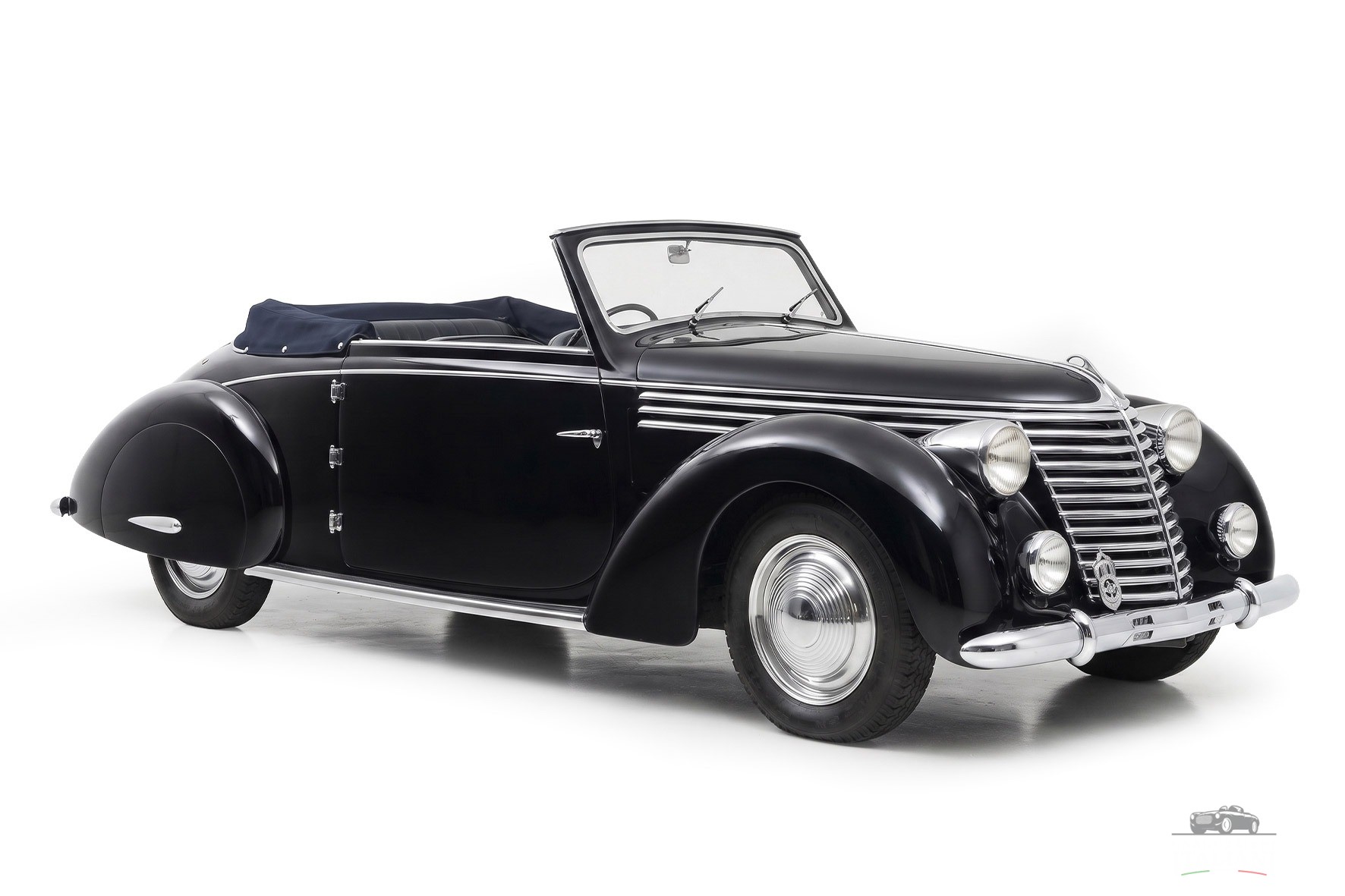
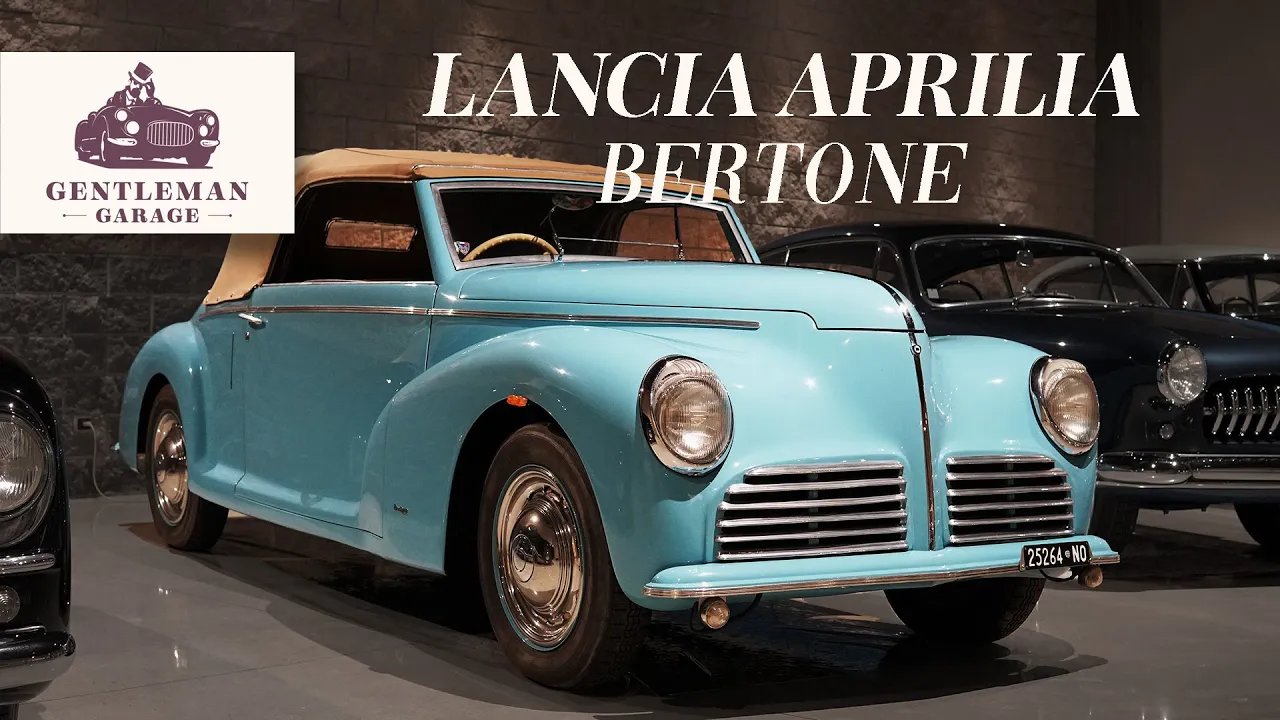
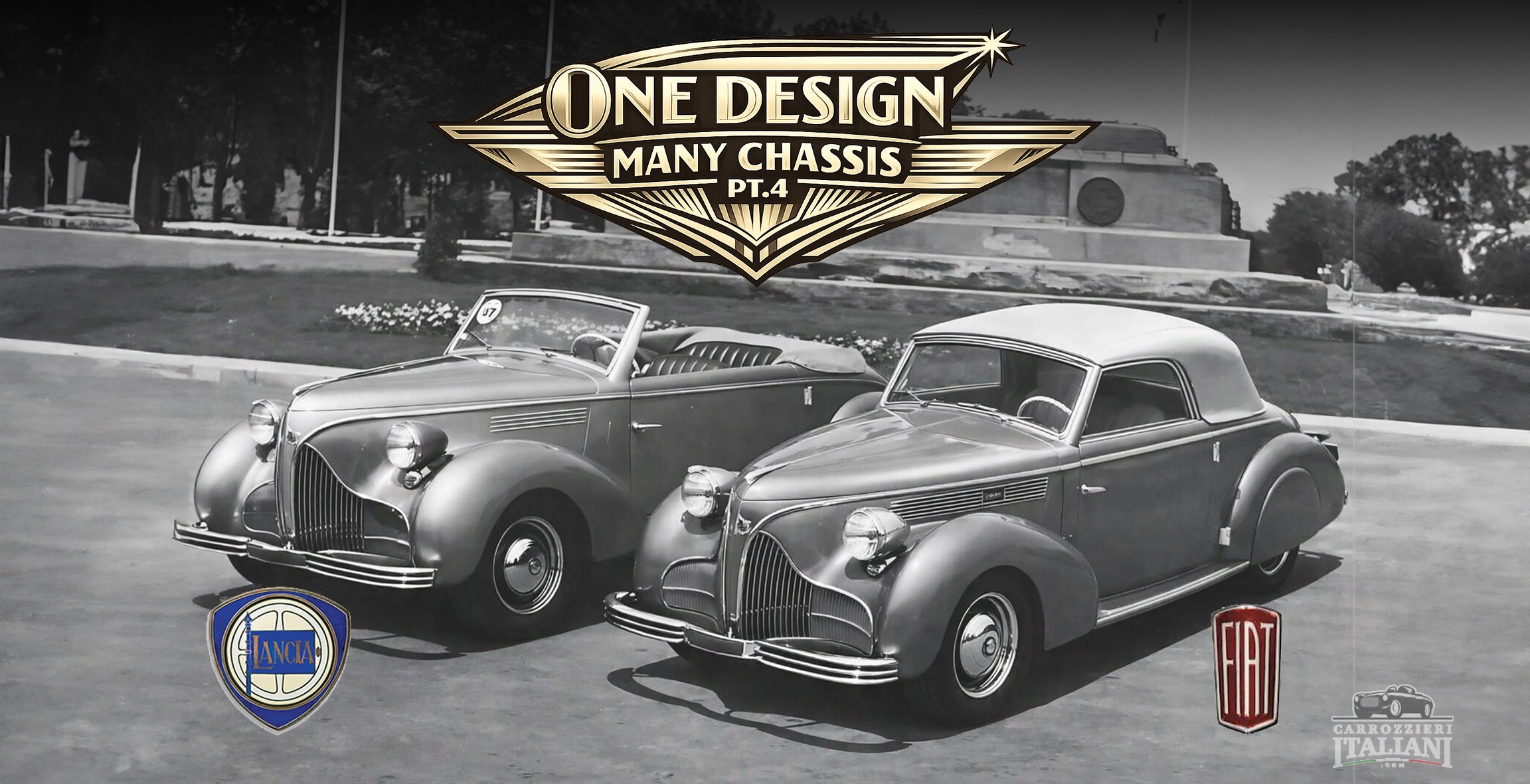
The Lancia Aprilia Cabriolet by Bertone, built in 1938, marks a pivotal moment in the evolution of Italian carrozziere design during that era. Renowned for its innovative styling, Bertone infused this model with several distinctive features that not only defined its aesthetic but also set the stage for future design trends among Italian bodybuilders. A hallmark of the Lancia Aprilia Cabriolet is its V-shaped nose, complemented by a meticulously crafted radiator grille aimed at enhancing aerodynamic efficiency. This design choice reflects the period’s growing emphasis on streamlining and performance, merging function with form in a way that was both practical and visually striking. The grille not only fulfilled its functional role but also imparted a captivating visual character to the car’s front fascia, making it an instant standout on the road. Additionally, the use of chromed stripes adorning the sides and flanks of the bonnet exemplifies Bertone’s commitment to elegance and sophistication. These chromed accents served to accentuate the car’s sleek lines, infusing it with a sense of luxury that became synonymous with Bertone’s design philosophy. The interplay of light on these chrome details added a dynamic quality to the vehicle, enhancing its appeal. The enveloping wings, fully faired at the rear, contributed significantly to the car’s aerodynamic profile, further enhancing its dynamic appearance while cruising. This feature not only emphasized the fluidity of the design but also reinforced the era’s focus on creating vehicles that were as efficient as they were beautiful. Moreover, the blade-shaped superimposed bumper bars offered practical protection while also serving an aesthetic function, integrating seamlessly into the overall design language of the Cabriolet. This attention to detail showcases Bertone’s ability to harmonize form and function, resulting in a design that is both visually arresting and technically proficient. Overall, the Lancia Aprilia Cabriolet by Bertone exemplifies the 1930s’ emphasis on blending aesthetics with functionality. It showcases Bertone’s mastery in creating harmonious and innovative automotive designs that not only set trends but also influenced subsequent generations of Italian car design. This model remains a celebrated testament to the artistry and ingenuity of Italian craftsmanship, reflecting a golden age of automotive design that continues to inspire enthusiasts and designers alike.
IN THE ARCHIVE
Coachbuilders & design studios
02 / TECHNICAL IDENTITY
Specifications & construction
Production & construction
- Production
- 2
- Production type
- Limited
Engine & performance
- Engine configuration
- V4
- Displacement
- 1,352 cc
- Power (CV)
- 47 CV
- Engine speed
- 4,000 rpm
- Transmission
- Manual 4-speed
- Drive
- Rear-wheel drive
- Specification notes
- Confidence detail moved from confidence: high version / very_high invalid units2 | Source-backed donor/model-level baseline for Lancia Aprilia first series (1937–1938 in this projection): narrow-angle V4, 1352 cc, 47 CV at 4000 rpm, 4-speed manual, rear-wheel drive. Coachbuilt-body dimensions, weight and maximum speed are intentionally not inherited.
Design & manufacture
- Coachbuilder / Body Builder · Documented
- Bertone
- Manufacturer · Documented
- Lancia
06 / EVENTS & AWARDS
Events & awards
No events or documented awards are currently recorded for this vehicle.
07 / THE VEHICLE IN DETAIL
Photo gallery 3 photographs
08 / FROM THE ARCHIVE
Archive
References held in the vehicle dossier. Their inclusion does not establish that every historical claim has been independently verified.
| Reference | Source type |
|---|---|
| Lancia Motor Club — Lancia Aprilia lanciamc.co.uk | Marque club technical history |
THE CONVERSATION
Comments 0
Share a memory, a period photograph or a documented detail about this car.