
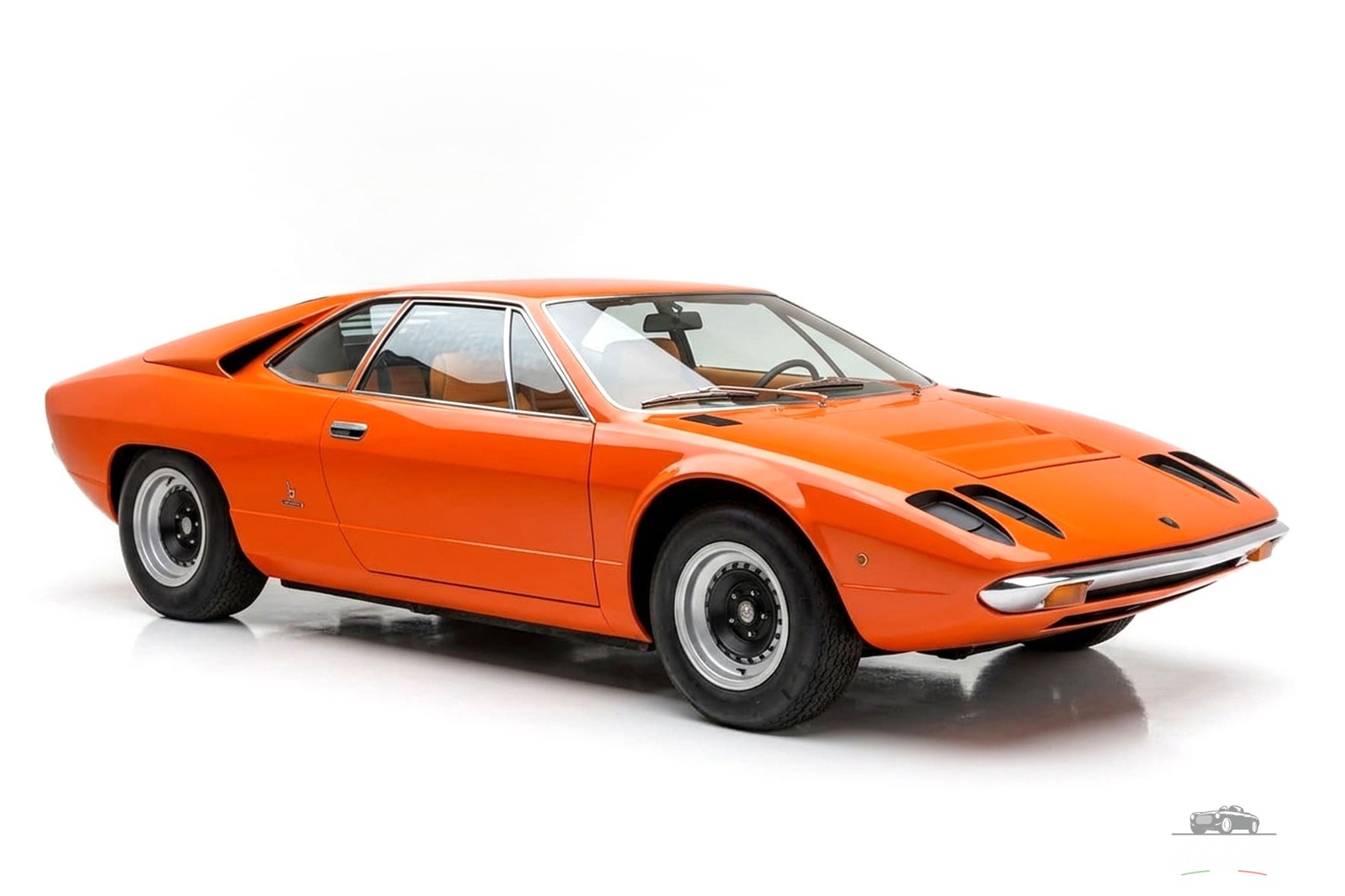
THE VEHICLE AT A GLANCE
Model dossier
- Production period
- 1970
- Body style
- Coupé
- Engine
- V8
- Type
- Prototype
- Production
- 3
THE PEOPLE BEHIND THE CAR
Coachbuilding, design & conversions


PRICE & SALES RECORD
Vehicle value
- Original price
- Not documented
- Latest recorded sale
- Not documented
01 / THE STORY
History & context
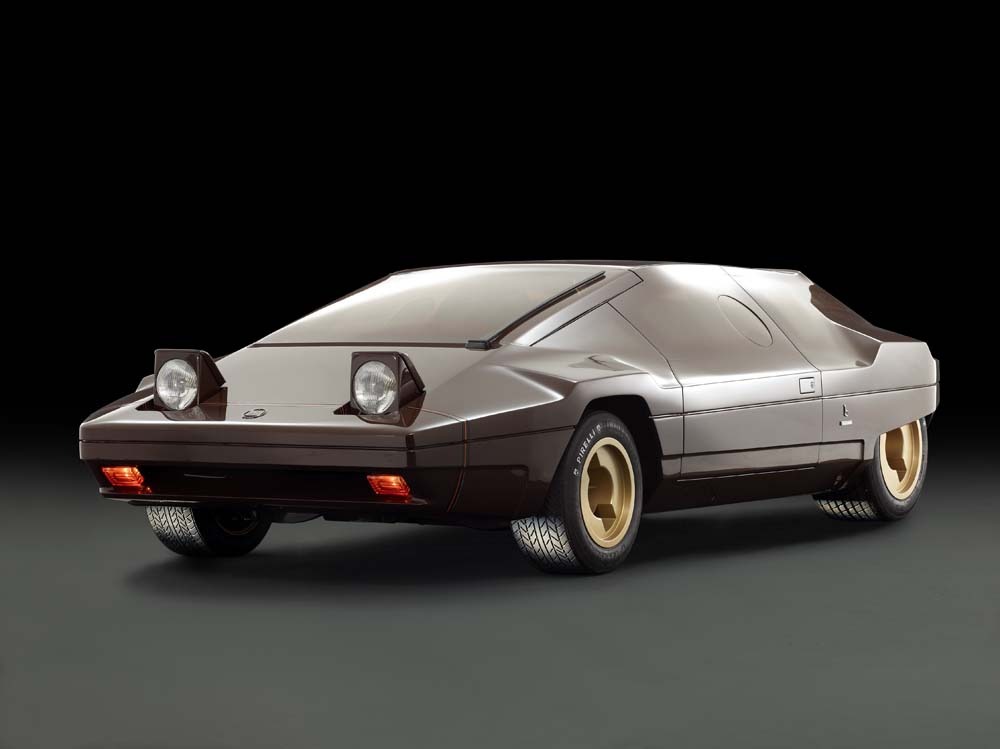
The Lamborghini Urraco prototype was the initial development form of the Urraco model, conceived under internal project code 111. The prototype was first presented publicly at the 1970 Salone dell’Automobile di Torino. It marked Automobili Lamborghini’s first attempt at a mid-engined V8 platform, positioned as a smaller and more accessible model alongside the firm’s existing V12 grand tourers. The prototype was built around a pressed steel monocoque chassis with a 2,450 mm wheelbase. The structural layout was designed to support a transverse-mounted powertrain, a notable departure from Lamborghini’s previous longitudinal V12 configuration. Suspension was fully independent, employing MacPherson struts at both front and rear, with coil springs and hydraulic dampers. The braking system consisted of four ventilated discs with hydraulic actuation. The power unit installed in the prototype was a 2.5-litre aluminium alloy V8. This engine was developed in-house and designated L240. It featured a single overhead camshaft per cylinder bank and a toothed belt drive. The transmission was a five-speed manual unit mounted transversely in-line with the engine, forming a compact integrated drivetrain. The engine was positioned ahead of the rear axle to achieve a balanced mid-engine layout. The prototype’s body was designed by Marcello Gandini at Carrozzeria Bertone. It was a steel-bodied fastback coupé, characterized by angular surfaces, concealed headlamps, and a rear engine cover incorporating horizontal slats. The design was consistent with Bertone’s prevailing wedge-shaped aesthetic of the period. At least two distinct prototypes were constructed prior to the commencement of series production in 1973. The first served primarily as a styling and presentation model, while the second incorporated updated mechanical components and was used in homologation and testing activities. No chassis numbers for either vehicle have been published in official sources, and the current location or preservation status of these prototypes has not been verified in the public domain. The Urraco prototype was the basis for the production Urraco P250 and its derivatives, including the P200, P300, Silhouette, and Jalpa. It represented a strategic departure for the manufacturer, introducing a new mechanical layout and market segment within the Lamborghini model range.
IN THE ARCHIVE
Related people
IN THE ARCHIVE
Coachbuilders & design studios
02 / TECHNICAL IDENTITY
Specifications & construction
Production & construction
- Production
- 3
- Production type
- Prototype
- Production notes
- Specialist Lamborghini history describes two early running Bertone prototypes followed by a third prototype designed by Marcello Gandini that evolved into the P250 production car. Correct Units=2 -> 3 and clear the single Gandini designer_key because he applies specifically to the final development prototype, not necessarily the entire three-car sequence. NO_AUTO_INHERIT.
Engine & performance
- Engine configuration
- V8
Design & manufacture
- Coachbuilder / Body Builder · Documented
- Bertone
- Designer · Documented
- Marcello Gandini
- Manufacturer · Documented
- Lamborghini
06 / EVENTS & AWARDS
Events & awards
No events or documented awards are currently recorded for this vehicle.
07 / THE VEHICLE IN DETAIL
Photo gallery 1 photographs
08 / FROM THE ARCHIVE
Archive
References held in the vehicle dossier. Their inclusion does not establish that every historical claim has been independently verified.
| Reference | Source type |
|---|---|
| LamboCARS — Lamborghini Urraco Prototype Guide www.lambocars.com | Marque specialist history |
| Motorlegend — Lamborghini Urraco history www.motorlegend.com | Independent specialist history |
THE CONVERSATION
Comments 0
Share a memory, a period photograph or a documented detail about this car.