
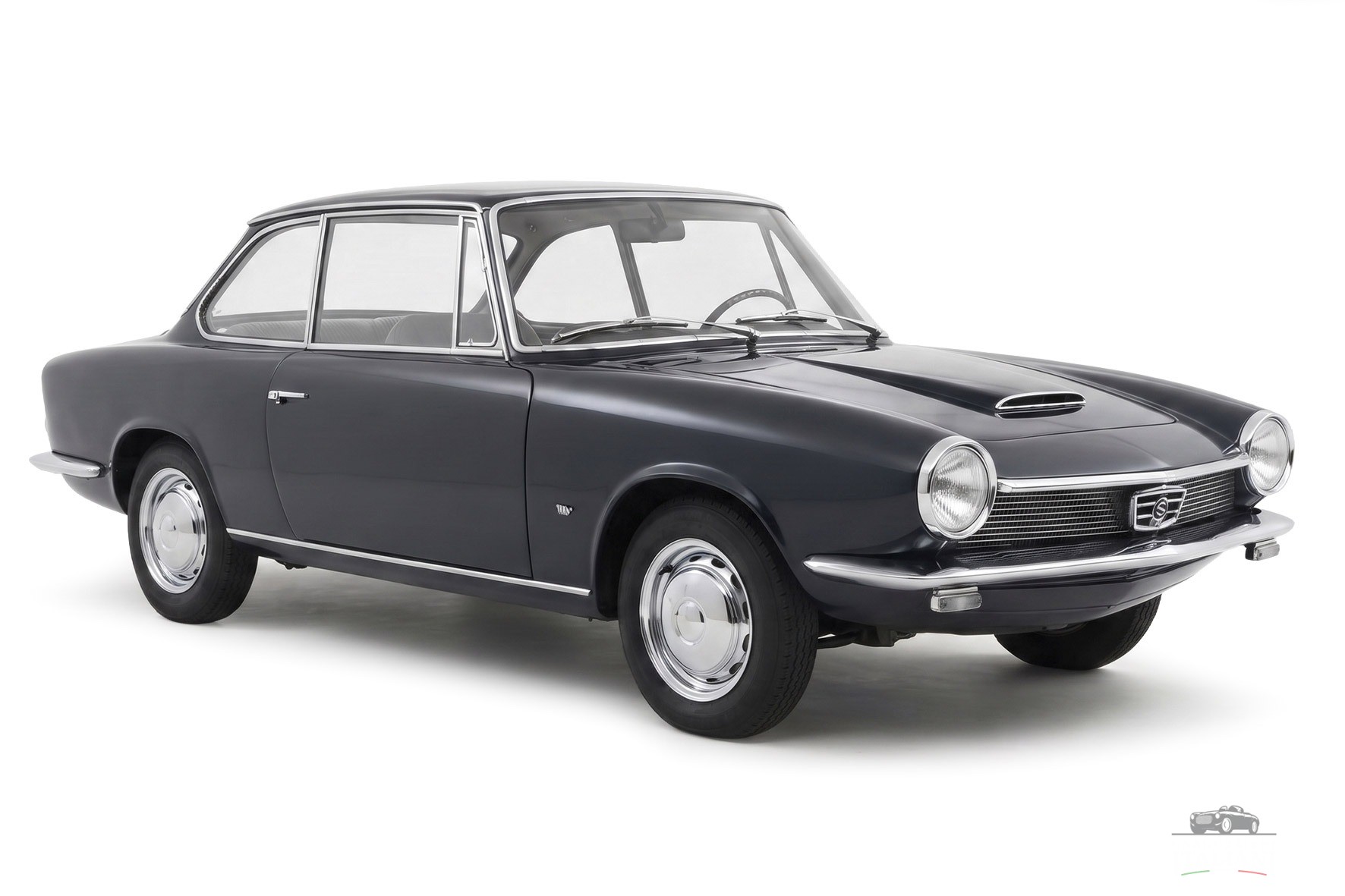
THE VEHICLE AT A GLANCE
Model dossier
- Production period
- 1965
- Body style
- Coupé
- Type
- Prototype
- Seats
- 4
THE PEOPLE BEHIND THE CAR
Coachbuilding, design & conversions


PRICE & SALES RECORD
Vehicle value
- Original price
- Not documented
- Latest recorded sale
- Not documented
01 / THE STORY
History & context
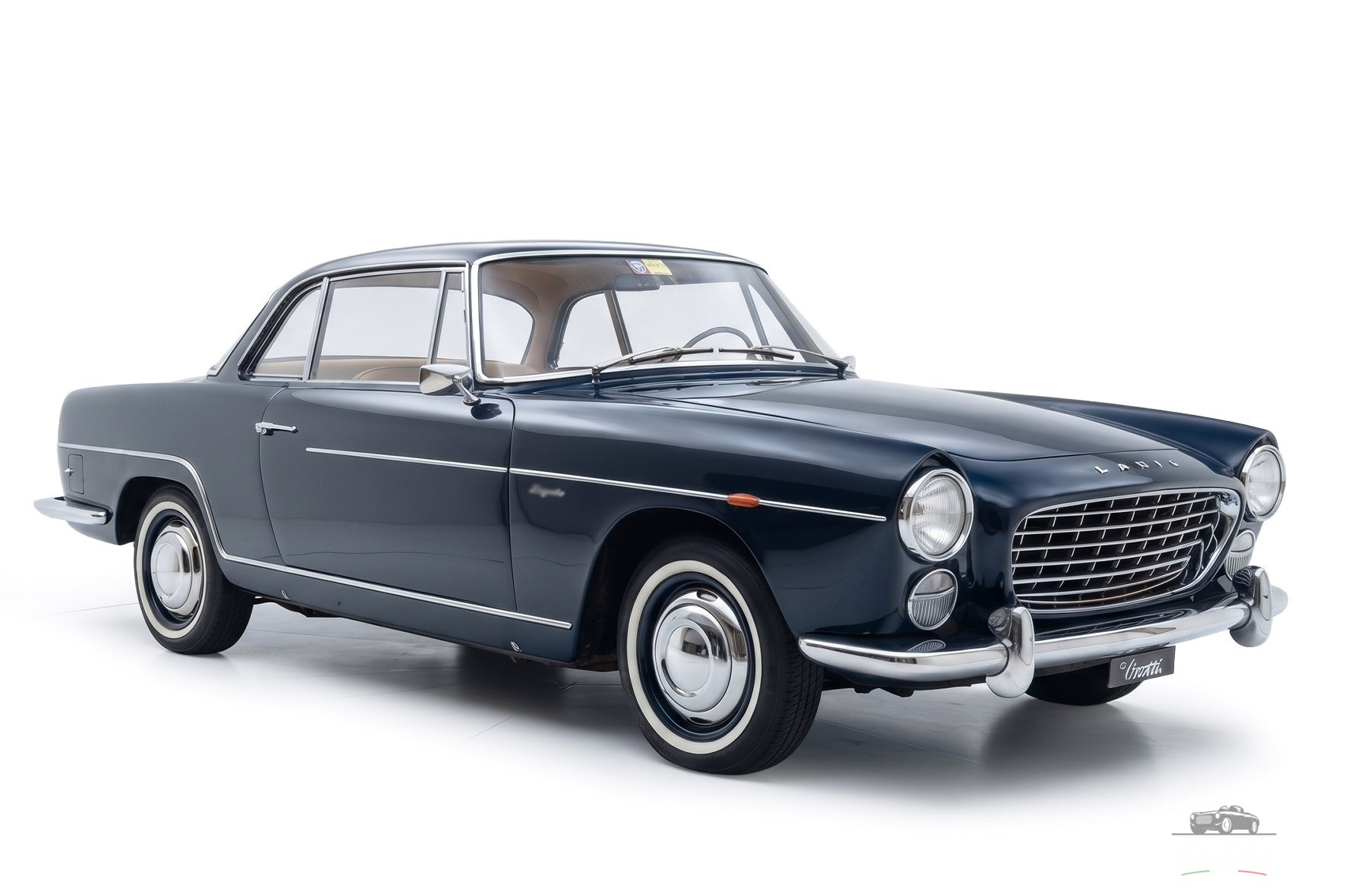
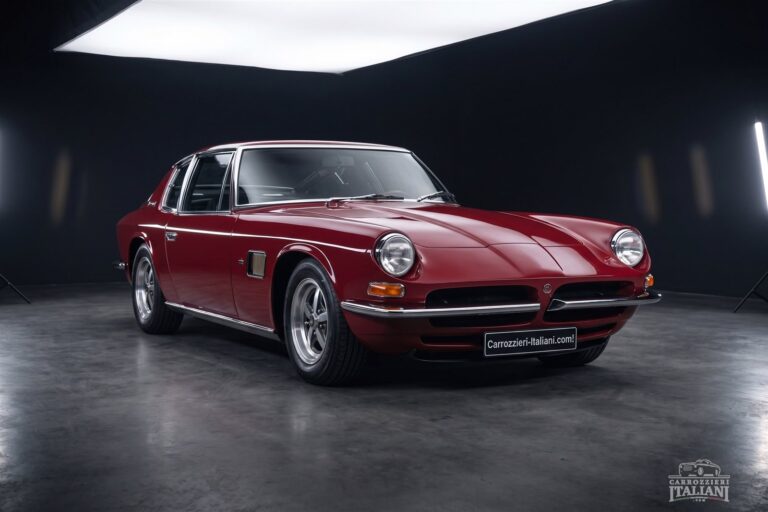
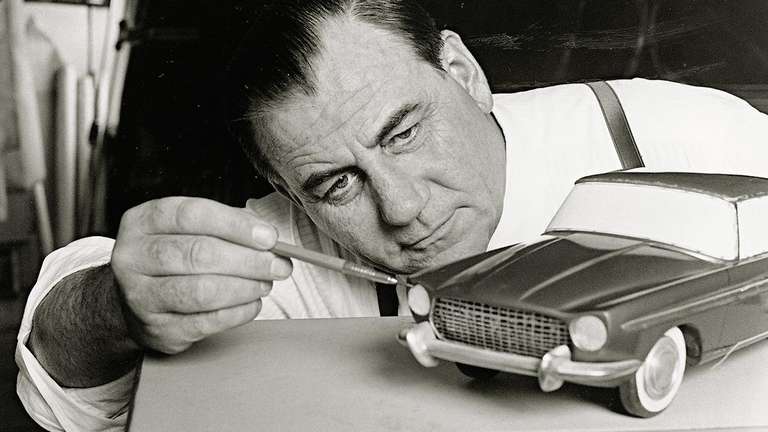
The Glas 1300 GT Berlinetta, introduced in 1963 and produced from 1964 to 1967 by Hans Glas GmbH of Dingolfing, Germany, is a fixed-roof coupé developed to occupy the emerging postwar European market segment for compact grand touring vehicles. Its design, attributed to Pietro Frua of Turin, reflects Italian formal sensibilities applied to a German mechanical platform. The production vehicle was built in collaboration with the coachbuilder Maggiora, which manufactured the bodies in Italy before shipping them to Germany for final assembly. The underlying mechanical configuration of the Glas 1300 GT Berlinetta follows the standard format of front-engine, rear-wheel-drive construction. The powerplant is a 1,290 cubic centimetre inline-four, derived from Glas’s earlier 1004 model. This engine employed a belt-driven single overhead camshaft, a solution that was at the time relatively uncommon outside of specialized applications. Initial versions of the engine delivered 75 metric horsepower, with a later increase to 85 metric horsepower through modifications to the cam profile and induction system. The stated maximum speed ranged between 170 and 175 kilometres per hour, depending on the variant. The suspension configuration comprised independent front geometry with coil springs and wishbones, while the rear was controlled by a live axle with leaf springs. Braking was achieved through front disc brakes and rear drum units. The wheelbase measured 2,320 millimetres, with an overall length of approximately 4,050 millimetres and a kerb weight in the range of 900 kilograms. Interior accommodation was arranged in a 2+2 layout, though the rear seating was minimal in size and primarily suited for auxiliary use. No distinct chassis numbering sequence was allocated to differentiate berlinetta versions from the concurrent cabriolet model, though both types shared the same fundamental architecture. The Glas 1300 GT ceased production in 1967 following the acquisition of Glas by Bayerische Motoren Werke AG. The model was subsequently reengineered with BMW driveline components and reissued under the designation BMW 1600 GT. Surviving examples are held in both private collections and museum inventories, but few retain uninterrupted provenance. The model represents a period of transition in European automotive manufacturing, wherein independent firms sought to extend market reach through stylistic and technical cooperation beyond national borders.
IN THE ARCHIVE
Related people
IN THE ARCHIVE
Coachbuilders & design studios
02 / TECHNICAL IDENTITY
Specifications & construction
Production & construction
- Production type
- Prototype
Engine & performance
- Specification notes
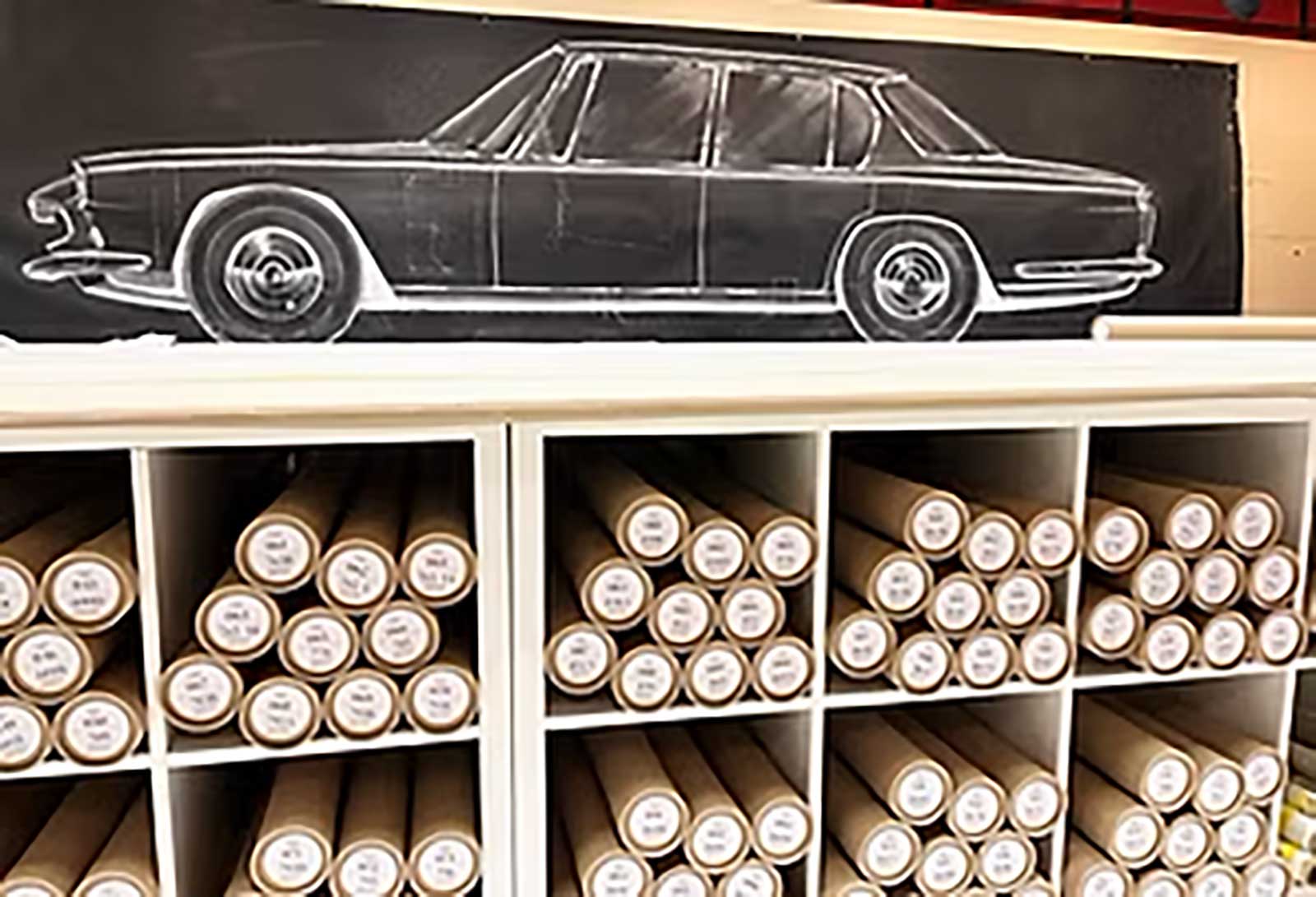
- SOURCE/TECH 2026-09-23 — Frua's catalogue raisonné identifies Comm.331 as the Glas GT 'Viersitzer' (four-seater). Only seating capacity is structured; production Glas GT dimensions/powertrain are not auto-transferred to the prototype.
Dimensions & accommodation
- Length
- 4,050 mm
- Width
- 1,550 mm
- Height
- 1,280 mm
- Seats
- 4
Design & manufacture
- Coachbuilder / Body Builder · Documented
- Frua
- Designer · Documented
- Pietro Frua
- Manufacturer · Documented
- Glas
06 / EVENTS & AWARDS
Events & awards
No events or documented awards are currently recorded for this vehicle.
07 / THE VEHICLE IN DETAIL
Photo gallery 4 photographs
08 / FROM THE ARCHIVE
Archive
References held in the vehicle dossier. Their inclusion does not establish that every historical claim has been independently verified.
| Reference | Source type |
|---|---|
| Pietro Frua Catalogue raisonné — 1960–1969 www.pietro-frua.de | Specialist designer archive catalogue raisonne |

THE CONVERSATION
Comments 0
Share a memory, a period photograph or a documented detail about this car.