Pininfarina
Coachbuilder / Design Studio / Body Builder / Assembler · Documented
700 linked vehicles
Explore record ↗
1971Coachwork by Pininfarina
THE VEHICLE AT A GLANCE
THE PEOPLE BEHIND THE CAR
Coachbuilder / Design Studio / Body Builder / Assembler · Documented
700 linked vehicles
Explore record ↗PRICE & SALES RECORD
01 / THE STORY
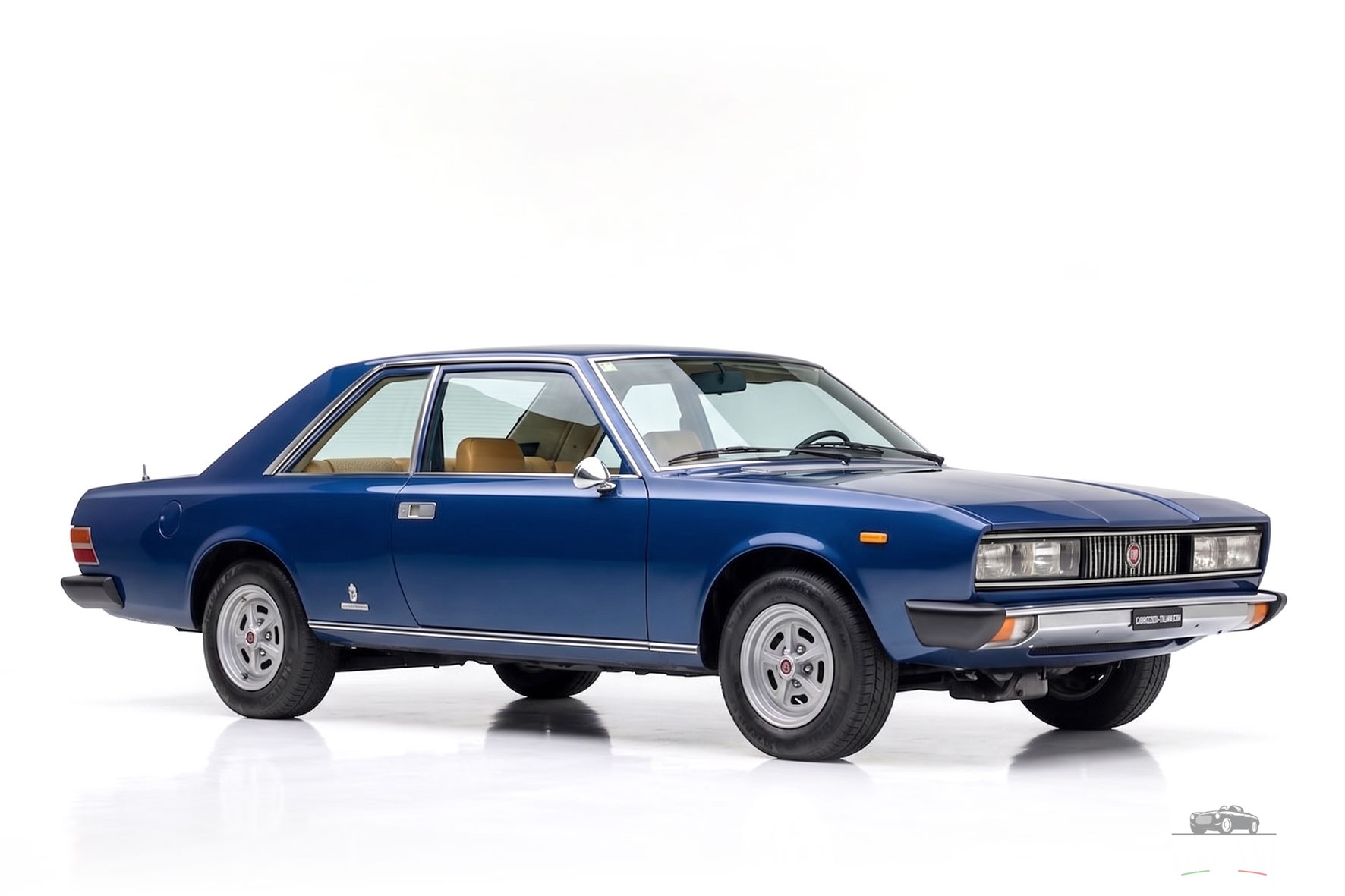
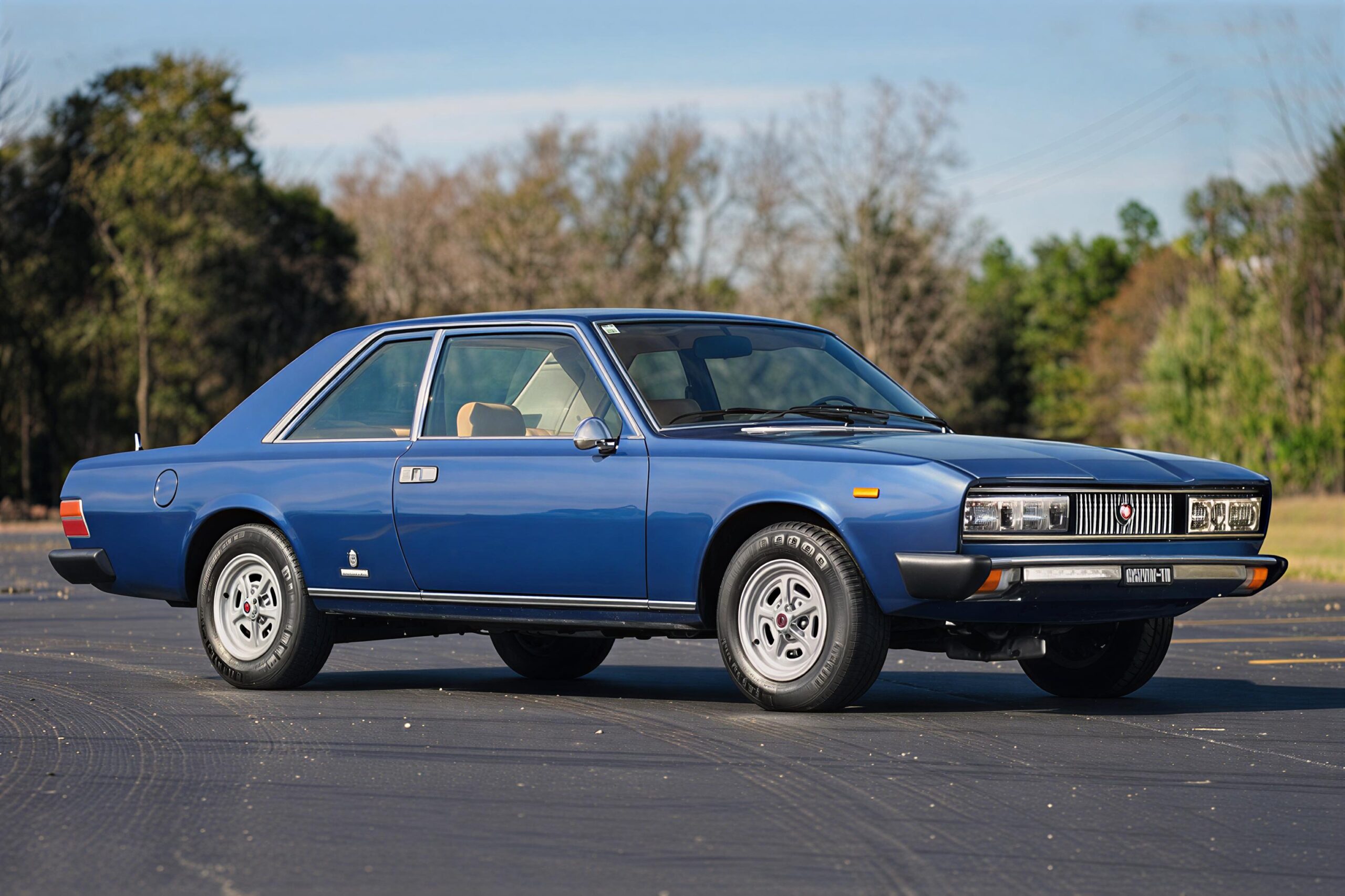
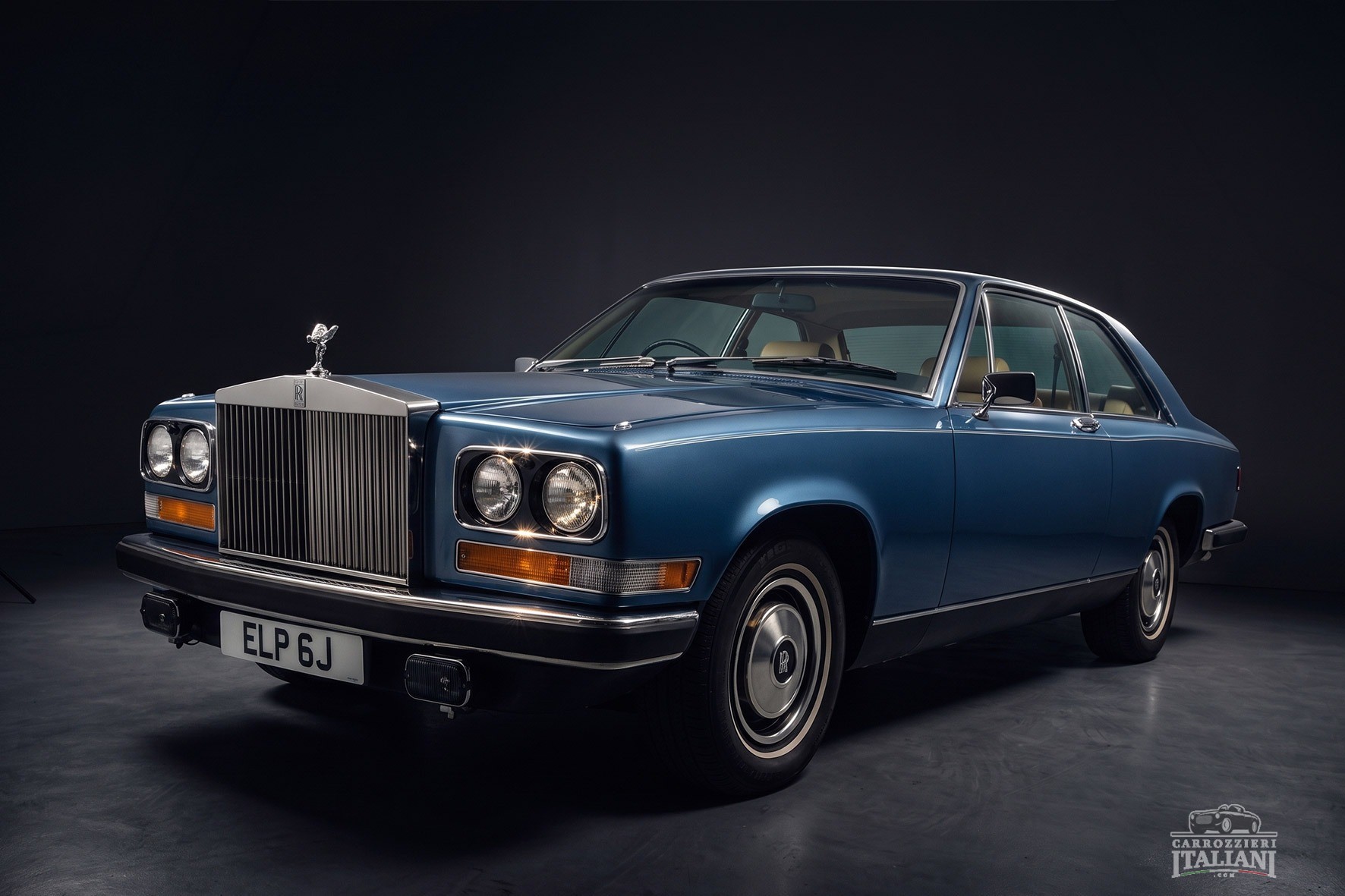
The Fiat 130 Coupé made a striking entrance onto the automotive scene in 1971, boasting a design penned by Paolo Martin during his tenure at Pininfarina. Its aesthetic was bold and distinctive, featuring sharp lines and angles that set it apart from its sedan counterpart. This model marked the inception of a modernist trilogy at Pininfarina, followed by equally visually captivating Italian coupes such as the Ferrari 365 GT4 2+2 and the Lancia Gamma. The same design language found its way onto the Rolls Royce Camargue, showcasing its versatility and impact. Manufactured at Fiat’s Rivalta plant, the body was then sent to Pininfarina for painting, assembly, and finishing, proudly bearing the Pininfarina branding. Despite this, the commercialization of the model remained Fiat’s responsibility. While the Fiat 130 Coupé borrowed most of its mechanics from the sedan, it boasted a slightly larger engine, with a displacement of 3235 cc, enhancing torque and drivability without significantly increasing power output. One significant drawback, however, was its high fuel consumption, which proved to be a challenge despite attempts to address it. Urban cycle figures were notably low, reaching as little as 3 km per liter, even considering its displacement. Moreover, potential buyers often perceived Fiat as a manufacturer of utilitarian vehicles, not luxury cars—a perception that clashed with the Fiat 130 Coupé’s positioning. Despite its technical prowess, the Fiat 130 Coupé struggled to shake off its proletarian brand image. Priced nearly three times higher than the Fiat 132, a luxury sedan in Fiat’s lineup, it faced challenges in garnering significant sales. The onset of the oil crisis in 1973 dealt a severe blow to the model, exacerbating its commercial struggles. While the Fiat 130 Coupé garnered praise for its design, it failed to translate this into sustained market success. Despite accolades such as a design award credited to Pininfarina, the Fiat 130 Coupé failed to sustain Fiat’s interest in producing unique variants. Prototypes like the Opera and the Maremma, conceived in 1974 and 1975 respectively, never saw full-scale production. Paolo Martin’s involvement ceased shortly after the design award in 1971, leaving behind a legacy of design innovation but also the challenge of overcoming the “proletarian” image associated with the Fiat brand. The onset of the 1973 oil crisis further exacerbated the model’s commercial struggles, ultimately leading to its demise in the market. The seats were shaped and designed by Paolo Martin with the collaboration of Giovanni Gottin, a specialist established in Turin. The dashboard was redesigned with sporty round dials, using white needles. The central console was redesigned by Paolo Martin, featuring wooden veneer, a row of switches and soft illumination throughout using state of the art fibre optics. The steering column is adjustable for rake and reach. The driver’s seat has a degree of height adjustment.
IN THE ARCHIVE
02 / TECHNICAL IDENTITY
04 / INDIVIDUAL HISTORY
06 / EVENTS & AWARDS
Preserved CI 1.0 relation. Evidence field: _yoast_wpseo_primary_events. No award inferred.
07 / THE VEHICLE IN DETAIL
08 / FROM THE ARCHIVE
References held in the vehicle dossier. Their inclusion does not establish that every historical claim has been independently verified.
| Reference | Source type |
|---|---|
| Fiat 130 Owner's Club Italia — Fiat 130 Coupé fiat130club.it | Marque club specialist |
| ACI / L'Automobile — Classic Fiat 130 www.aci.it | Institutional automotive publication |
10 / CONNECTED HISTORY
CONTINUE EXPLORING
CONTINUE READING
How the Fiat 130 Coupé became an unlikely Pininfarina masterpiece, shaped by bold decisions, missed opportunities, and a legacy far bigger than its sales.
Read storyThe story of the Rolls-Royce Camargue, designed by Paolo Martin at Pininfarina, with insights from Giuseppe Agostini of British Motors.
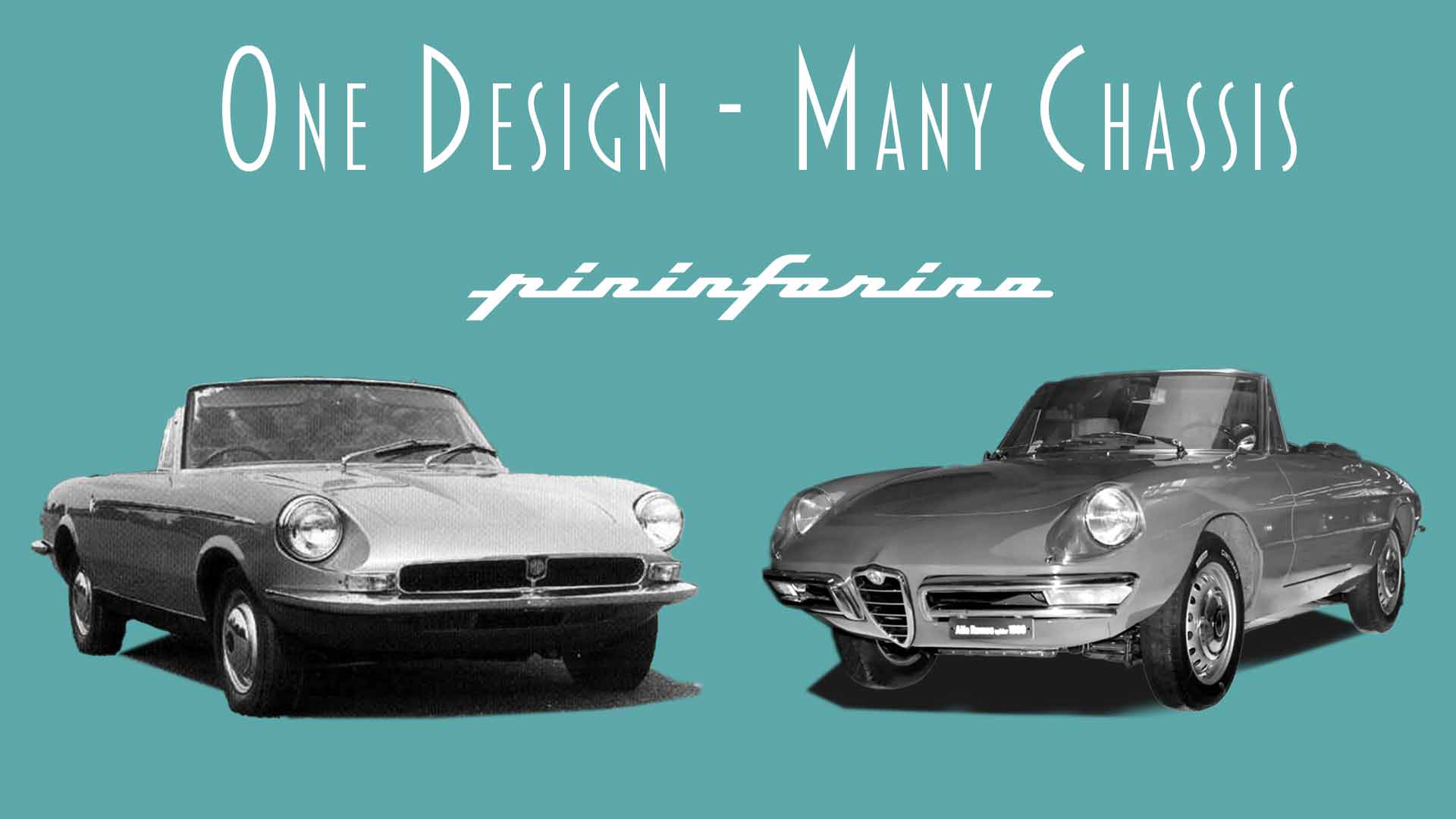
Read storyA deep dive into Pininfarina's design echoes—exploring one-offs, lookalikes, and elegant clones across Ferrari, Fiat, Maserati, Rolls-Royce, and more.
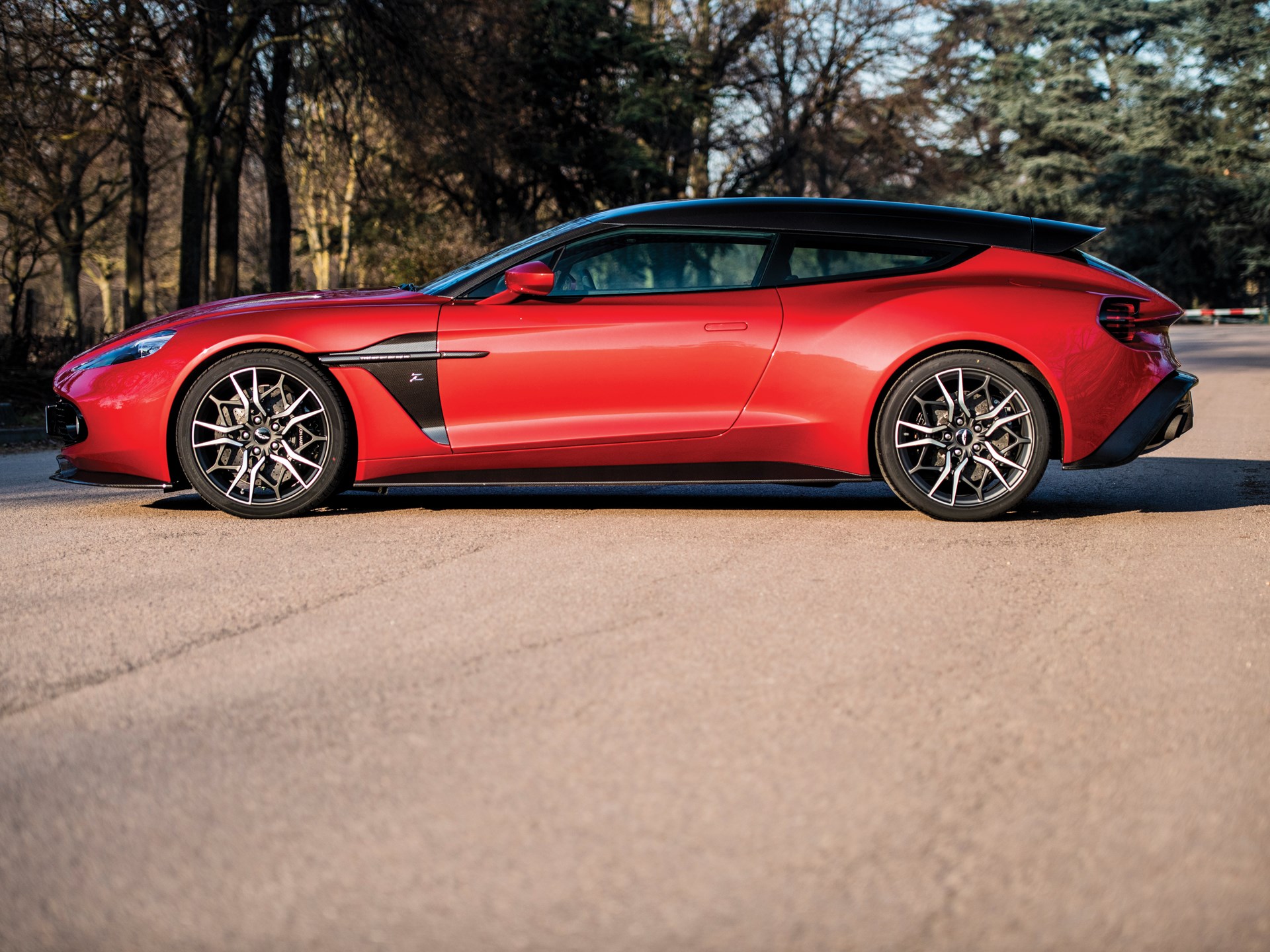
Read storyThe shooting brake: part coupé, part wagon, all class. It’s the kind of car that makes you want to throw on a tailored jacket, grab a pair of fine leather driving gloves,…
Read story
THE CONVERSATION
Comments 0
Share a memory, a period photograph or a documented detail about this car.