
THE VEHICLE AT A GLANCE
Model dossier
- Production period
- 1988
- Body style
- Coupé
- Engine
- V12
- Type
- Limited
- Production
- 6
THE PEOPLE BEHIND THE CAR
Coachbuilding, design & conversions

PRICE & SALES RECORD
Vehicle value
- Original price
- Not documented
- Latest recorded sale
- Not documented
01 / THE STORY
History & context
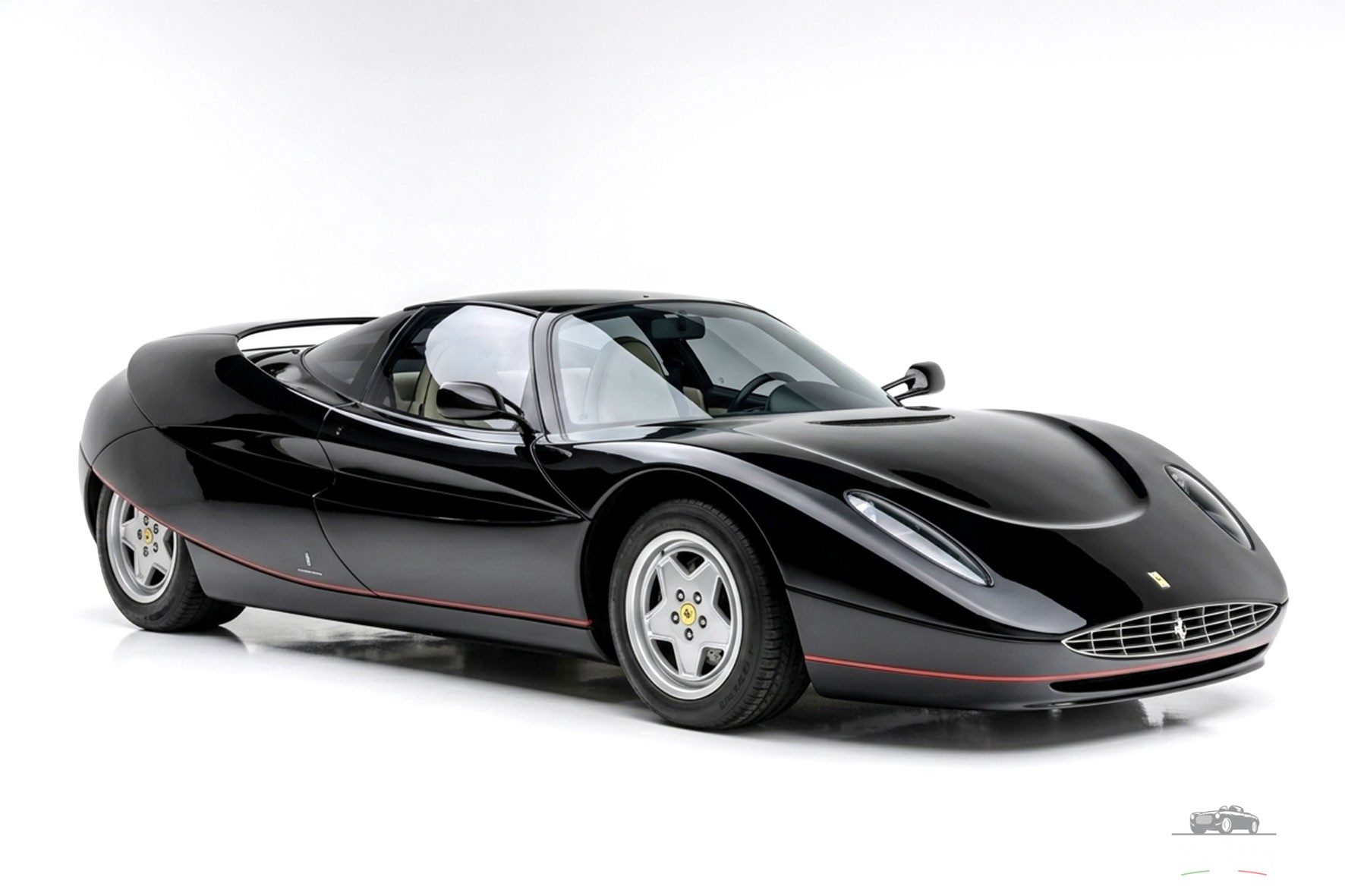
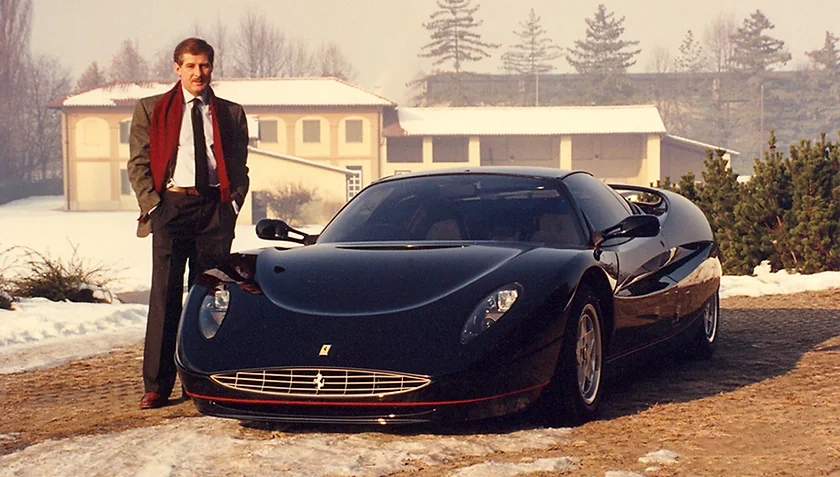
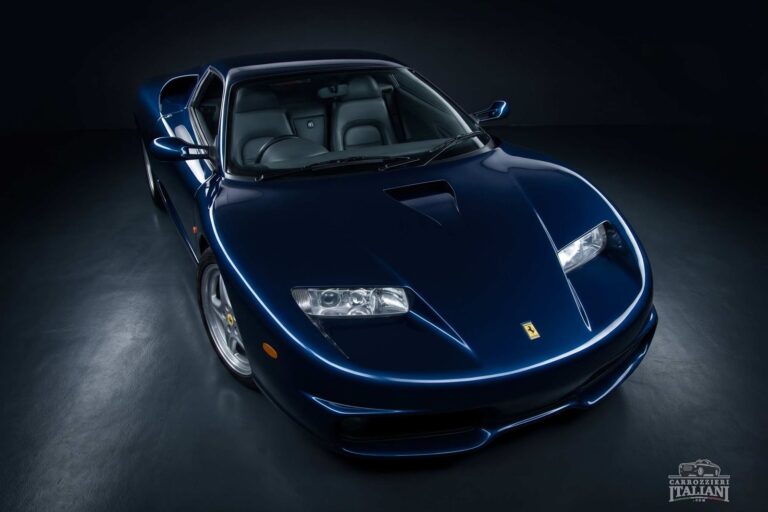
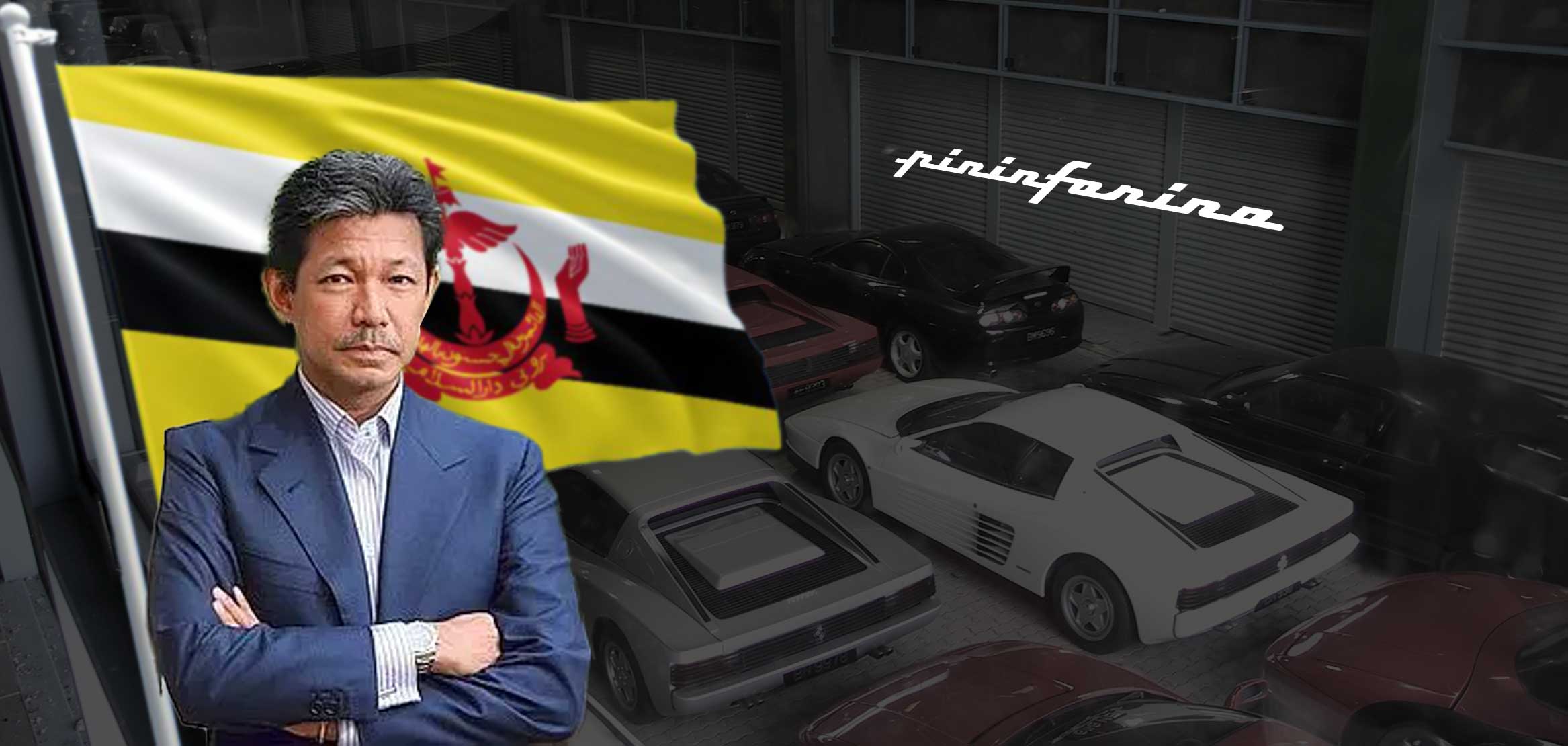
The Ferrari F90 was a bespoke prototype designed and built by Pininfarina in 1988 on the mechanical base of the Ferrari Testarossa. The project was executed under the direction of Enrico Fumia, with production limited to six units commissioned by the Royal Family of Brunei. The model was kept confidential for nearly two decades and was first officially documented in the 2005 Ferrari Yearbook. The chassis and drivetrain originated from the Testarossa, retaining the longitudinal rear-mounted 4,942 cc flat-twelve engine producing approximately 390 hp at 6,300 rpm. Power was transmitted to the rear wheels through a five-speed manual gearbox. The tubular steel structure and independent suspension with unequal-length wishbones, coil springs, and telescopic dampers were carried over with minor adaptations. Braking was by ventilated discs on all four wheels. Dimensions were similar to the Testarossa donor, with an overall length of approximately 4,480 mm, width of 2,000 mm, and height of 1,135 mm. Kerb weight was estimated at 1,500 kg. Performance values were comparable, with a top speed around 290 km/h and 0–100 km/h acceleration in approximately 5.2 seconds. The body was entirely redesigned by Pininfarina using the “four-side look” design concept, characterized by the repetition of an elliptical leitmotif across the front, sides, and rear of the vehicle. The exterior incorporated a targa-style sliding roof panel that overlapped the rear window, flush glazing, and concealed headlamps. The overall form emphasized aerodynamic flow through clean surfacing and integrated air channels. The F90’s structure was composed of hand-formed aluminum panels over the modified Testarossa frame. The cabin followed a two-seat grand touring layout with bespoke materials and instrumentation. Cooling radiators were repositioned from the Testarossa’s side pods to a frontal configuration beneath the nose. Six examples of the Ferrari F90 were completed by Pininfarina for Brunei in 1988, each differing slightly in detailing and finish.
IN THE ARCHIVE
Coachbuilders & design studios
02 / TECHNICAL IDENTITY
Specifications & construction
Production & construction
- Production
- 6
- Production type
- Limited
- Body & configuration · Legacy attribution
- Targa Top
Engine & performance
- Engine configuration
- V12
Dimensions & accommodation
- Length
- 4,480 mm
- Width
- 2,000 mm
- Height
- 1,135 mm
Design & manufacture
- Coachbuilder / Body Builder · Documented
- Pininfarina
- Manufacturer · Documented
- Ferrari
- Designer · Documented
- Enrico Fumia
04 / INDIVIDUAL HISTORY
Chassis & provenance
Ownership & provenance
- Ownership & history · Legacy attribution
- Royal Family
06 / EVENTS & AWARDS
Events & awards
No events or documented awards are currently recorded for this vehicle.
07 / THE VEHICLE IN DETAIL
Photo gallery 6 photographs
08 / FROM THE ARCHIVE
Archive
References held in the vehicle dossier. Their inclusion does not establish that every historical claim has been independently verified.
| Reference | Source type |
|---|---|
| Ruoteclassiche — Ferrari Testarossa derivatives: F90 ruoteclassiche.quattroruote.it | Major specialist historical press |
| Supercars.net — 1988 Ferrari F90 www.supercars.net | Independent specialist model history |
| CarStyling.ru — 1988 Ferrari F90 (Pininfarina) carstyling.ru | Specialist design archive |
THE CONVERSATION
Comments 0
Share a memory, a period photograph or a documented detail about this car.