
Pininfarina
Coachbuilder / Design Studio / Body Builder · Documented
700 linked vehicles
Explore record ↗
1966Coachwork by Pininfarina
THE VEHICLE AT A GLANCE
THE PEOPLE BEHIND THE CAR
Coachbuilder / Design Studio / Body Builder · Documented
700 linked vehicles
Explore record ↗PRICE & SALES RECORD
01 / THE STORY
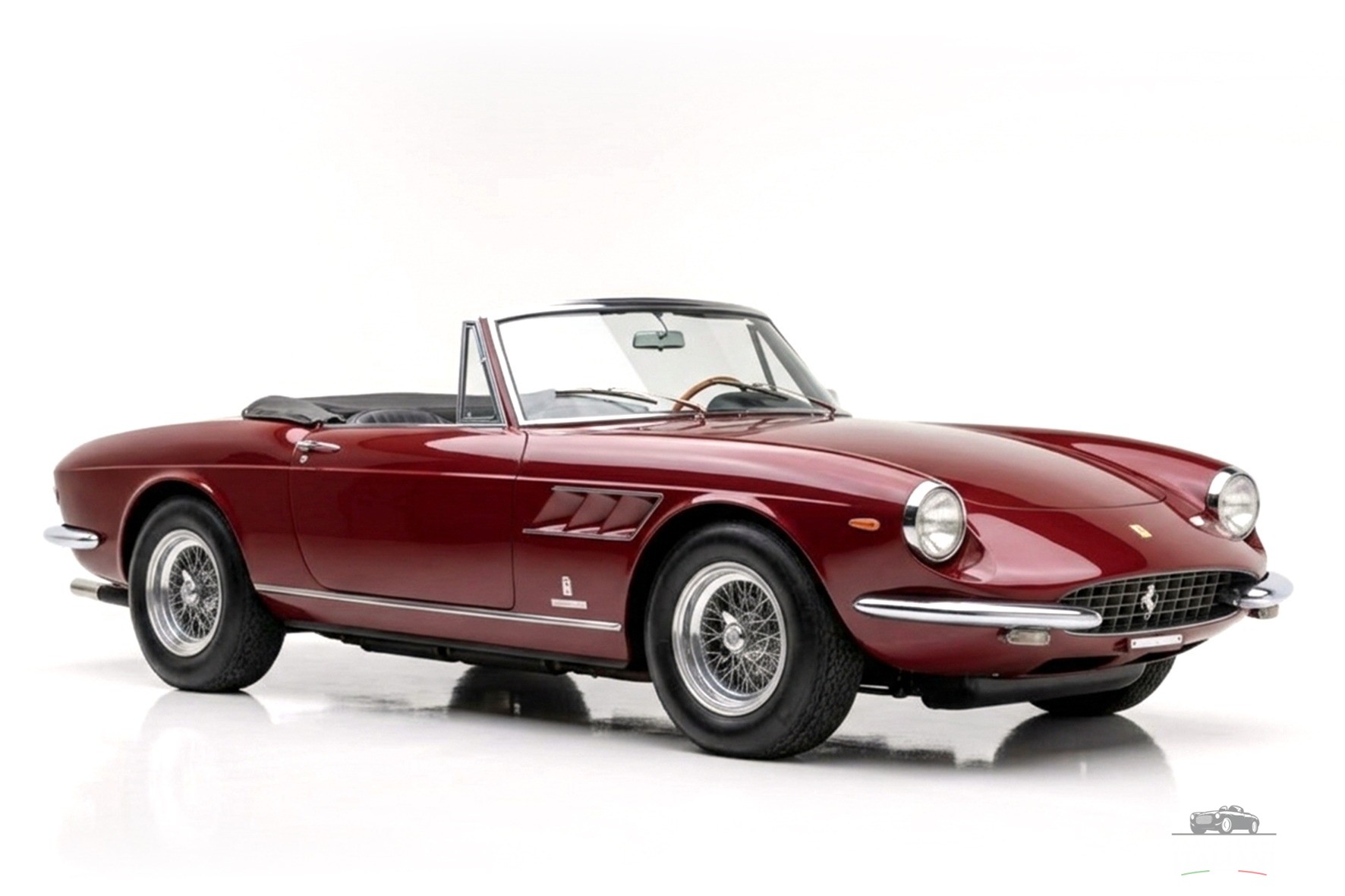
The Ferrari 330 GTS is a two-seat open grand tourer produced by Ferrari between 1966 and 1968. It was introduced as the convertible counterpart to the 330 GTC coupé and functioned as a successor to the earlier 275 GTS within Ferrari’s lineup of front-engine, twelve-cylinder sports cars. The model continued the marque’s tradition of blending high-performance engineering with refined road-going capability. The 330 GTS utilized a tubular steel chassis with a 2,400-millimetre wheelbase, consistent with the architecture of the 275 series from which it was derived. Its powertrain comprised a 4.0-litre Colombo-designed V12 engine, designated Tipo 209, which was mounted longitudinally at the front and paired to a five-speed manual transaxle. The engine produced approximately 300 horsepower at 7,000 revolutions per minute and delivered torque of 325 newton-metres at 5,000 revolutions per minute, enabling a top speed in excess of 240 kilometres per hour. Suspension was independent at all four corners, employing unequal-length double wishbones with coil springs and telescopic dampers. Braking was managed by servo-assisted disc brakes on all wheels. These mechanical features ensured both high-speed stability and comfort suited to long-distance touring. The bodywork of the Ferrari 330 GTS was designed and executed by Pininfarina in Turin. The exterior featured a restrained elegance, with a low-profile front grille, sculpted fenders, and a rear end characterized by slim quarter bumpers. Louvred side vents and a fabric convertible top, manually operated and concealed beneath a soft tonneau when lowered, completed the design. The interior was trimmed in leather, featuring a wood-rimmed steering wheel and a full array of analog gauges housed within a modest dashboard layout. Instrumentation was typical of Ferrari’s road cars of the period, emphasizing clarity and functional aesthetics. Production was limited to one hundred examples, contributing to the model’s rarity and desirability in subsequent decades. The 330 GTS was succeeded in 1968 by the 365 GTS, which incorporated a larger displacement engine and minor stylistic changes. As a transitional model, the 330 GTS occupies a distinctive place within Ferrari’s history, balancing the sporting character of its predecessors with increasing levels of sophistication and road usability.
IN THE ARCHIVE
02 / TECHNICAL IDENTITY
05 / VALUE
| Date | Venue | Chassis | Record | Status | Amount |
|---|---|---|---|---|---|
| 2017 | RM Sotheby's | Model-level · chassis not verified | Sale price | Sold | EUR 1,779,000 |
| 2012 | RM Sotheby's | Model-level · chassis not verified | Sale price | Sold | EUR 851,200 |
Market observations describe documented transactions, estimates or offers. They are not themselves a current valuation of the vehicle.
06 / EVENTS & AWARDS
No events or documented awards are currently recorded for this vehicle.
07 / THE VEHICLE IN DETAIL
08 / FROM THE ARCHIVE
References held in the vehicle dossier. Their inclusion does not establish that every historical claim has been independently verified.
| Reference | Source type |
|---|---|
| Ferrari 330 GTS homologation certificate, 1966 iacpfa.org | Manufacturer homologation certificate |
10 / CONNECTED HISTORY
CONTINUE EXPLORING
CONTINUE READING
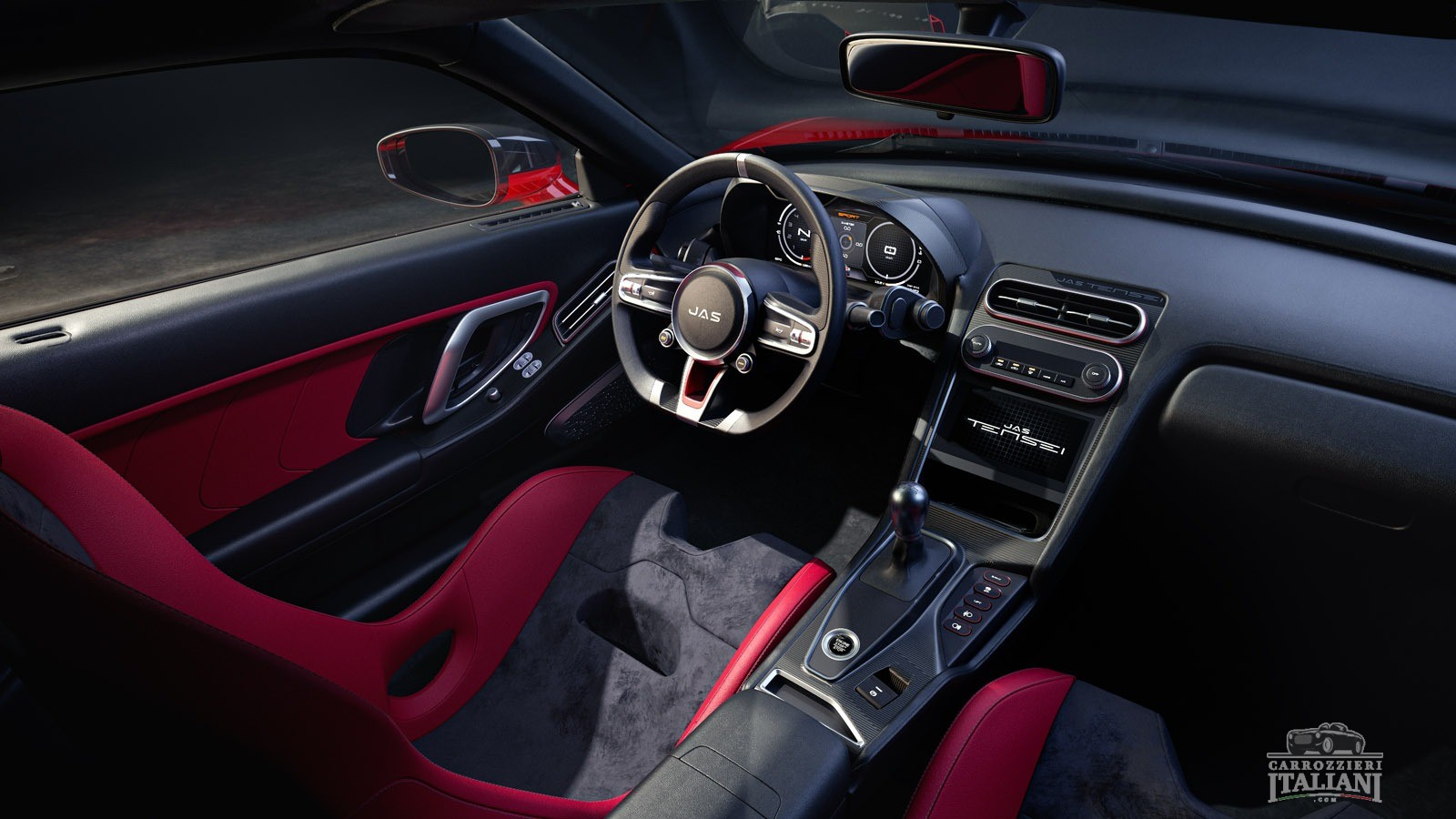
Unveiled on 8 October 2026, the JAS Tensei brings together the motorsport expertise of JAS Motorsport and the design heritage of Pininfarina, transforming the original Honda NSX into an exclusive, carbon-fibre-bodied supercar.…
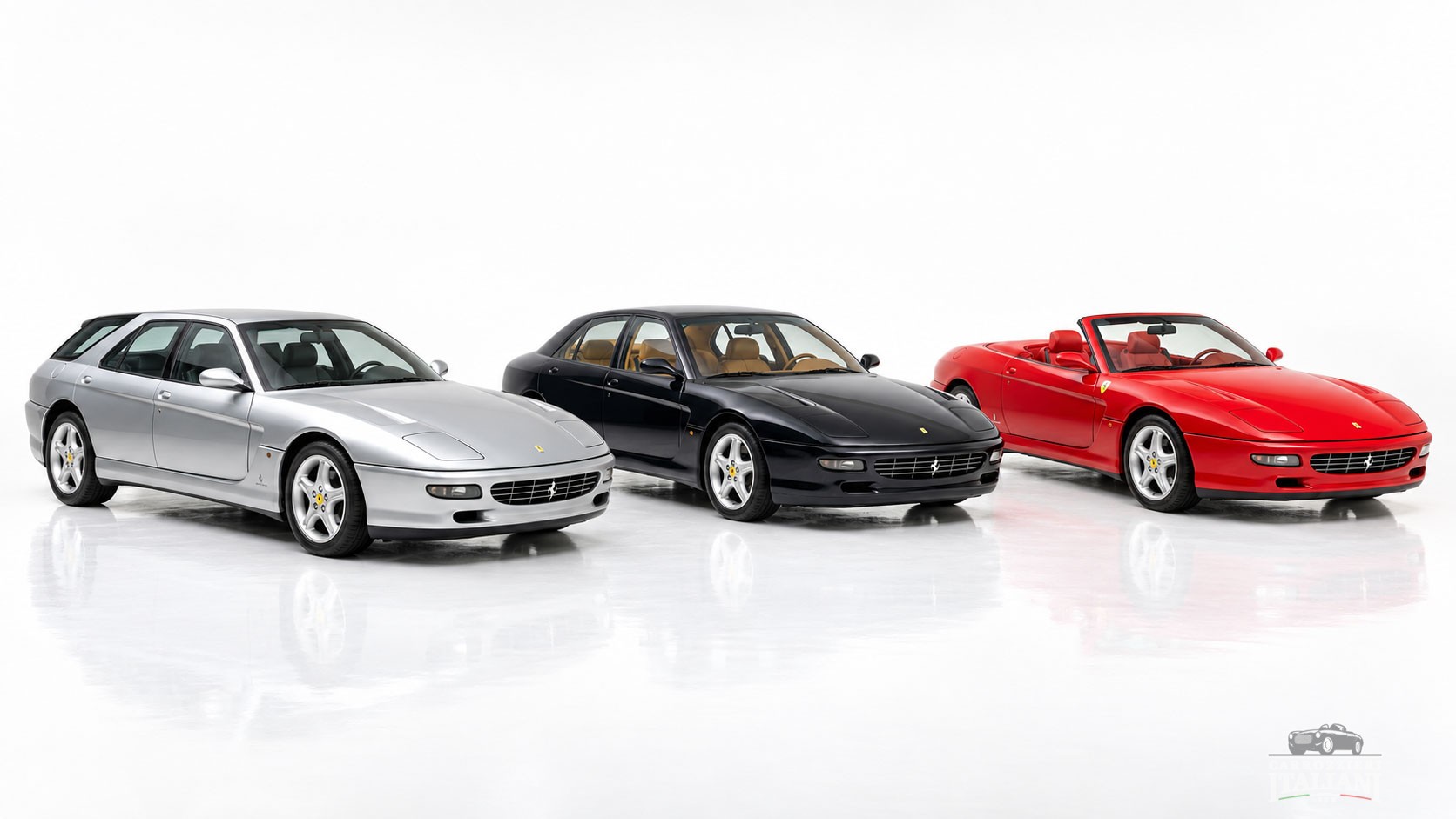
Read storyEstate, Saloon and Spider variants, Paolo Garella’s engineering role and the chassis currently documented by Carrozzieri-Italiani The Ferrari 456 GT was conceived as a modern return to Ferrari’s front-engined V12 2+2 tradition.…
Read storyJAS Tensei by Pininfarina reveals its final carbon-fibre design and new cockpit ahead of its debut at the 2026 Paris Motor Show.
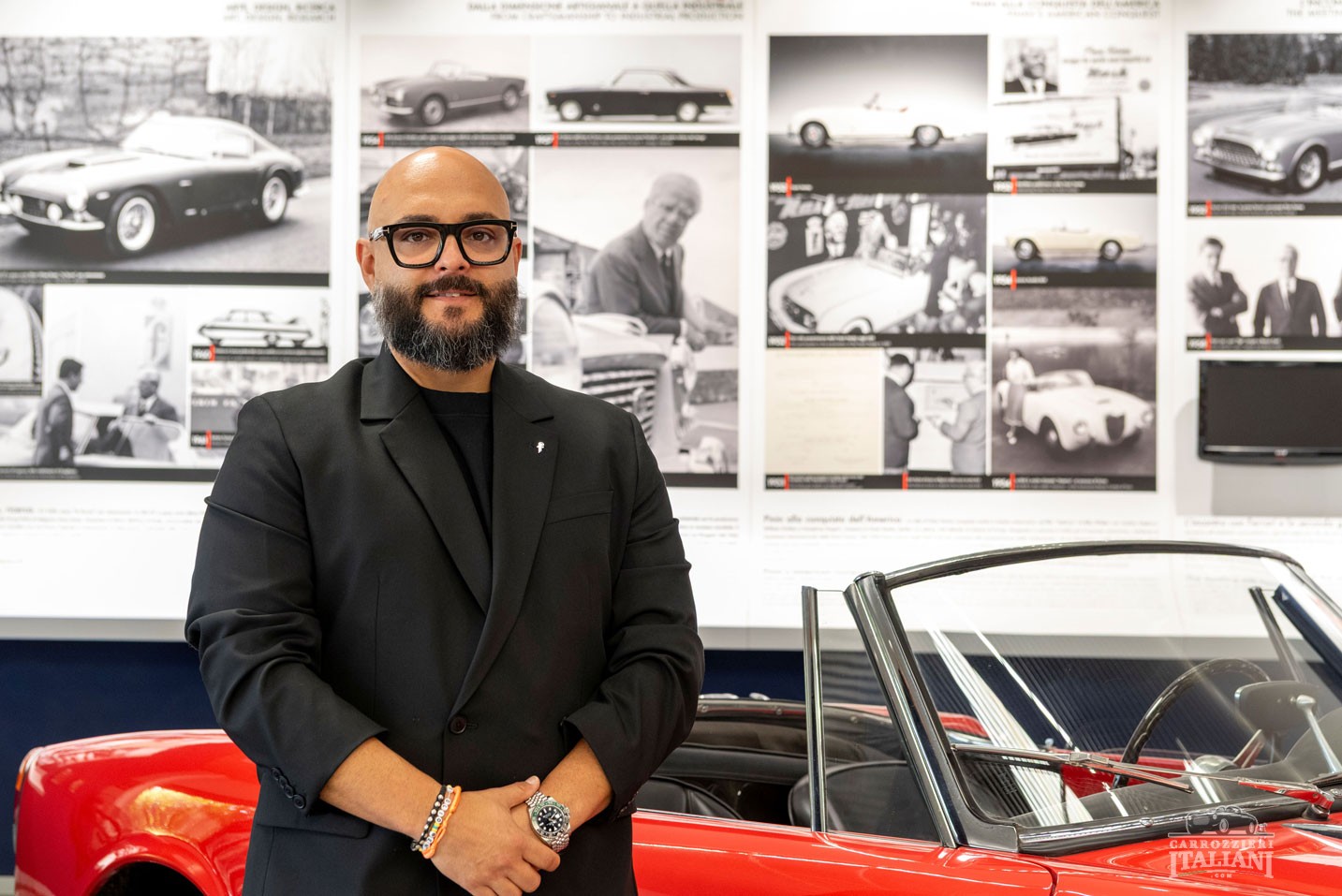
Read storyPininfarina names Davide Loris Amantea Chief Creative Officer, expanding his role to lead the company’s creative vision and Mobility Design activities.
Read story

THE CONVERSATION
Comments 0
Share a memory, a period photograph or a documented detail about this car.