
How Modern CNC Craftsmanship Preserves the Spirit of Classic Coachbuilding
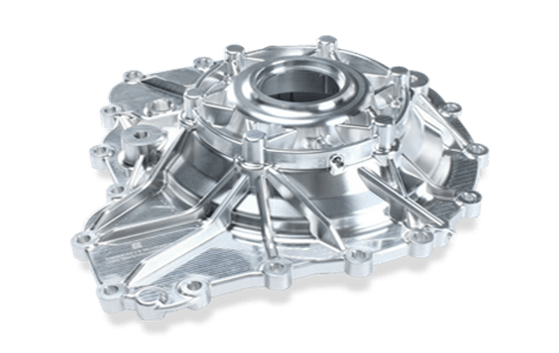
The world of classic automobiles carries a charm that no modern design trend can replace. It’s a blend of artistry, engineering, and hand-built precision that defined the golden era of coachbuilding. Enthusiasts often celebrate the names of Italian masters who shaped metal with instinct and intuition, turning raw material into rolling pieces of sculpture. Yet behind every restoration project today lies a quiet challenge: many of the original parts no longer exist, and the techniques once used to craft them have faded with time.
This is where modern CNC machining and the development of precision machined parts have stepped in as unexpected heroes. While digital manufacturing sounds far removed from traditional coachwork, it has become one of the few reliable ways to preserve authenticity without compromising on quality — especially when restoring rare vehicles whose components may never be found again.
The Challenge of Restoring Cars With Parts No One Makes Anymore
Restoring a classic automobile is a journey that blends patience and craftsmanship. Every bolt, hinge, bracket, and mechanical assembly tells a story. But as restorers know too well, the years are not kind to metal. Corrosion creeps in, components crack, tolerances shift, and original suppliers vanish. Even well-preserved vehicles must eventually confront the problem of parts that simply cannot be replaced through conventional means.
Restorers often face three major obstacles:
- Original parts have become obsolete or discontinued.
Manufacturers from the 1950s and 60s no longer exist. Their drawings and tools are gone as well. - Used components are worn beyond repair.
A 60-year-old bracket or housing may look intact, but it won’t meet safe performance standards. - Handmaking every component is expensive and inconsistent.
Traditional metalworking is beautiful, but not always precise enough for mechanical parts.
These limitations threaten the authenticity and functionality of vehicles that deserve to be preserved with the highest respect.
CNC Machining: The Modern Tool That Respects Classic Engineering
CNC machining may use computers and advanced tooling, but its purpose aligns beautifully with the spirit of coachbuilding: creating parts that fit perfectly, function reliably, and reflect the exact intent of the original designers.
1. Re-Creating Legacy Components With Sub-Millimeter Accuracy
With CNC machining, restorers can scan or measure an old part — even a damaged one — and reproduce it with incredible accuracy. This means components such as:
- carburetor linkages
- suspension bush housings
- gearbox spacers
- brake system brackets
- steering column pieces
…can be manufactured to original specs without relying on guesswork.
2. Matching Classic Metals and Alloys
Many historic vehicles used materials that were unique to their era. CNC machinists today can source metals with similar properties — whether it’s a specific aluminum, brass, or stainless steel — ensuring the part behaves like the original.
3. Small-Batch Production With No Minimum Quantity
Coachbuilt cars were often produced in limited numbers. CNC machining is ideal for small-run manufacturing, allowing restorers to create:
- one prototype
- one finished part
- or a small batch for future restorations
No need for large industrial molds or tooling.
Precision Machined Parts: The Hidden Backbone of Reliability
While the sweeping lines and chrome details of Italian coachwork attract the most admiration, every restorer knows that mechanical precision is the true backbone of any classic vehicle. This is where precision machined parts play a critical role.
These parts include components that drivers rarely see but depend on every time they turn the key:
- drivetrain couplings
- engine mounts
- precision bushings
- chassis connectors
- throttle and clutch components
In a classic car, a few millimeters of misalignment can cause vibration, stress, and even long-term damage. Precision machining eliminates this risk by producing parts with exact tolerances that meet or exceed the originals.
Keeping the Original Character Intact
A major concern for collectors is preserving authenticity. Does replacing a component diminish the car’s heritage? The answer depends entirely on how the part is made.
When restorers use CNC machining paired with historical documentation, the end result honors the original design more faithfully than many hand-fabricated alternatives. This is because:
- The shape and function remain identical.
- The material properties stay true to period accuracy.
- The component fits seamlessly into the vehicle.
- The craftsmanship behind the process respects the heritage of the original builders.
In essence, precision machining doesn’t replace tradition — it protects it.
Blending Old-World Craftsmanship With New-Age Tools
One of the most beautiful aspects of automotive restoration is the meeting of two worlds: the handcrafted artistry of classic coachbuilders and the ultra-precise engineering of modern workshops.
Traditional Skills Still Matter
Many components still require hand-finishing, metal shaping, and experienced craftsmanship to match the original aesthetics.
Modern Tools Provide the Foundation
CNC machining ensures the underlying structure and mechanical elements are safe, reliable, and true to specification.
The result is a restored vehicle that feels authentic in both spirit and performance.
A Practical Example: Rebuilding a Lost Part
Imagine restoring a 1960s Italian grand tourer. The throttle linkage bracket — a small but essential piece — is cracked beyond repair. No original replacement exists, and the car cannot run safely without it.
Here’s how restorers now solve this problem:
- Measure the original part using calipers or a 3D scanner.
- Model a digital version, adjusting for wear or deformation.
- Choose a period-correct metal such as anodized aluminum.
- Machine the part using a CNC mill with tight tolerances.
- Finish and install, ensuring the fit is perfect.
In a matter of days, a lost piece of history is brought back — not as a vague imitation, but as a faithful reconstruction.
The Future of Classic Car Preservation
As more rare vehicles emerge from barns, private collections, and estates, CNC machining is becoming essential for restoring them responsibly. It offers speed, precision, and historical respect — qualities that align perfectly with the philosophy of coachbuilt automobiles.
Classic cars are not just machines; they are living stories. By blending modern technology with traditional skill, today’s restorers ensure those stories continue for generations.

ABOUT THE AUTHOR
Carrozzieri Italiani Editorial Team
Guides, practical advice and editorial contributions from the Carrozzieri Italiani team.
More stories by Carrozzieri Italiani Editorial Team ↗CONTINUE READING
Posts You Might Like
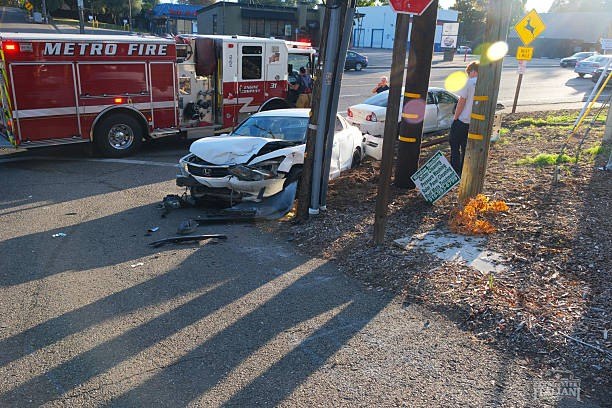
How Vehicle Design and Defective Components Can Contribute to Serious Car Accidents
A driver can do everything right and still end up in a hospital bed because a tire tread separated at highway speed. Federal crash investigators have spent decades tracing a measurable share…
Read story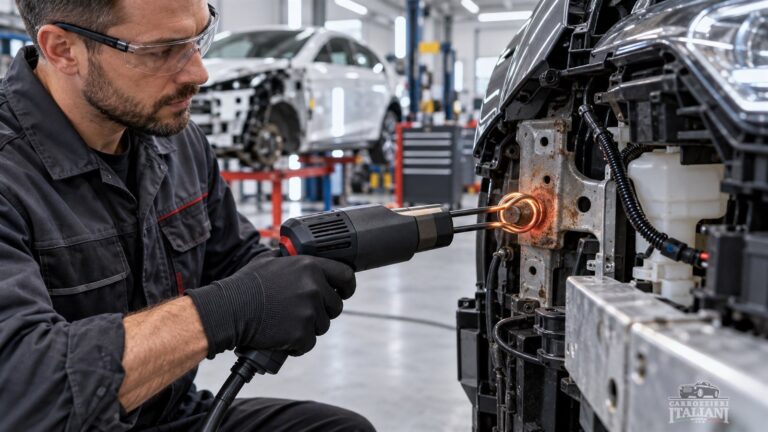
How Automotive Induction Heaters Improve Speed and Safety in Collision Repair
Collision repair has long relied on open-flame torches to loosen rusted bolts, soften adhesive, and free stuck body panels, but that approach carries real tradeoffs. Flame-based heating is slow to control precisely,…
Read story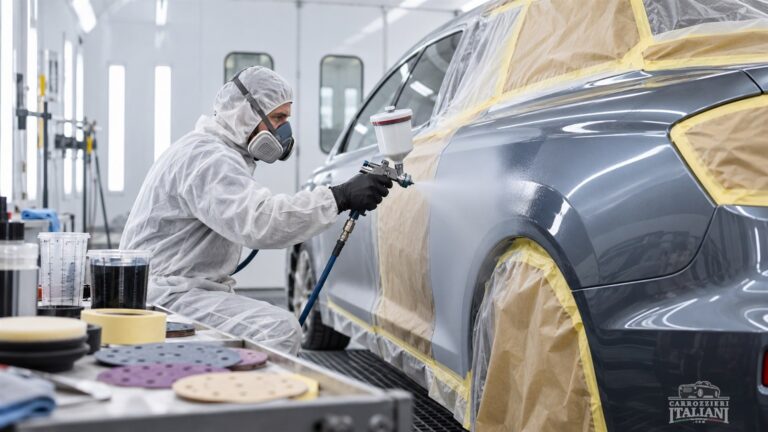
The Key Stages of a Professional Vehicle Paint Repair
Vehicle paintwork has to cope with stone chips, minor collisions, scratches, weather exposure, and everyday wear. When damage occurs, achieving a professional result involves far more than simply spraying fresh color over…
Read story
Il veicolo urbano dopo il viaggio: cosa distingue davvero un buon design per la città
Per gran parte della storia dell’automobile, il progetto di un veicolo è stato raccontato attraverso ciò che accade durante la guida: la velocità, la linea del cofano, il comportamento in curva, la…
Read story
THE CONVERSATION
Comments 0
Share a memory, a period photograph or a documented detail about this story.